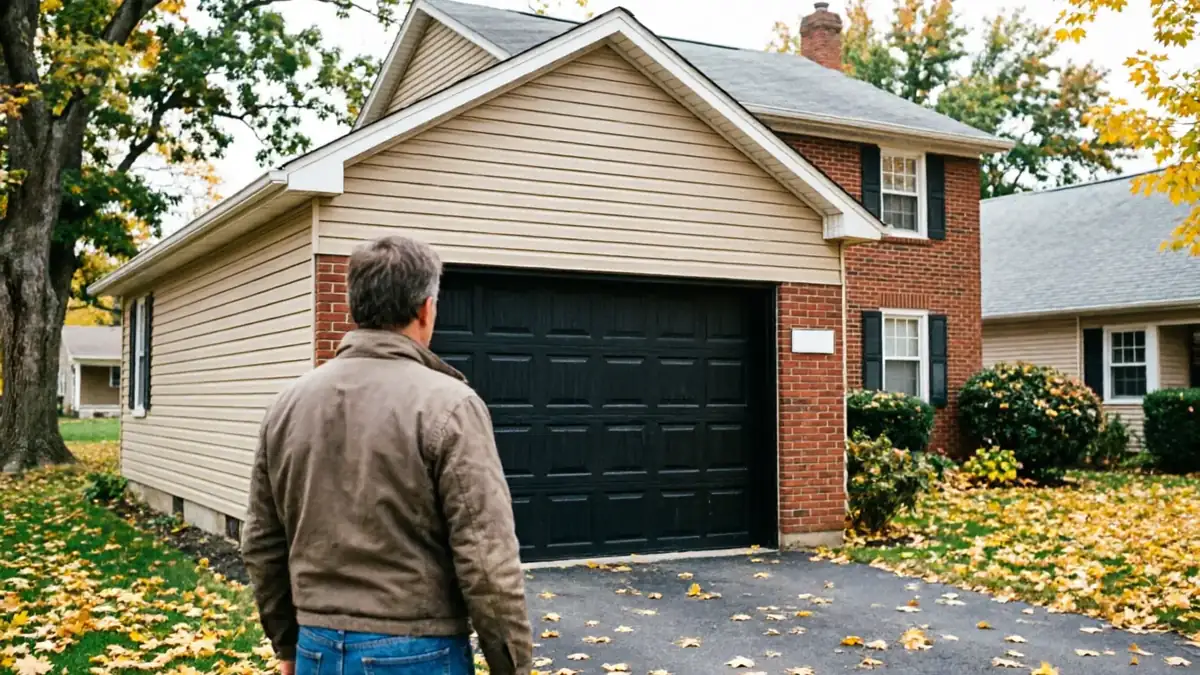
The Situation
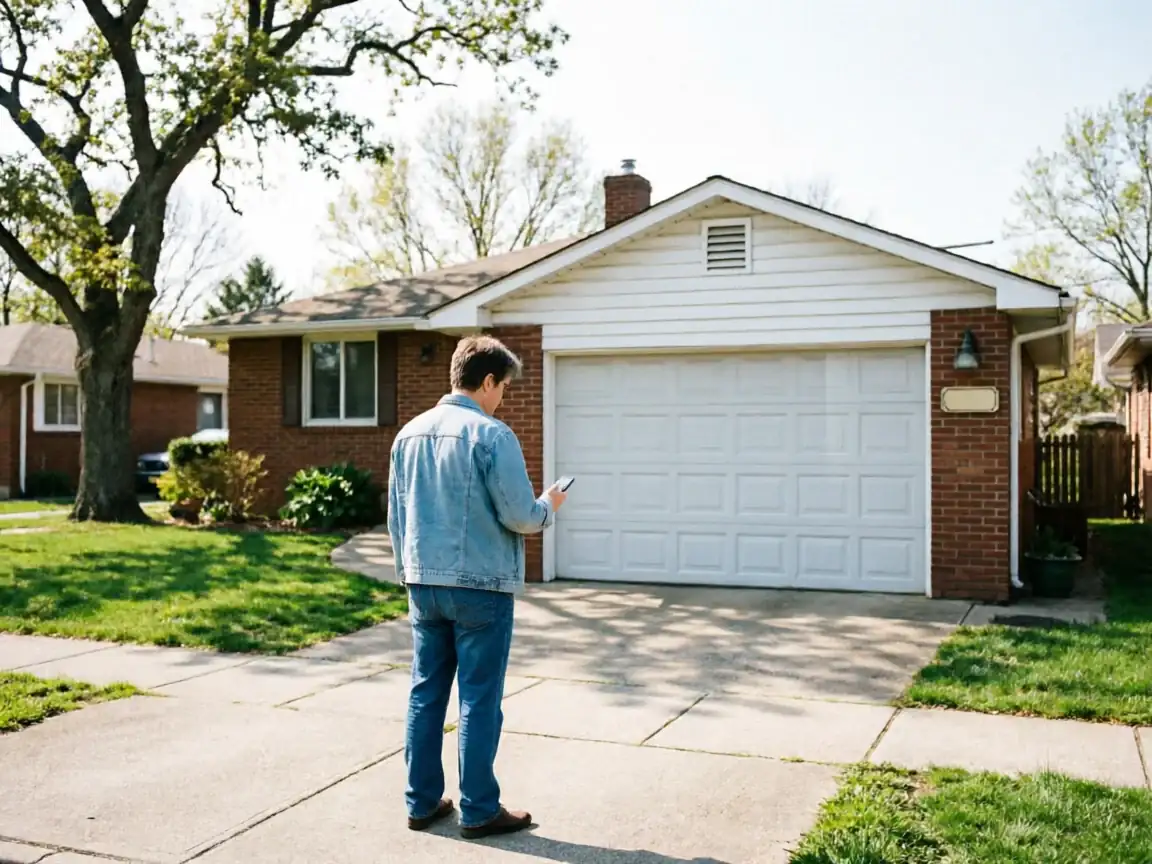
Most of the housing stock around Waukesha went up between 1938 and 2004, with the median landing around 1979 and the heaviest concentration from the 1960s and 70s across the named areas in this part of the county. That matters more than people think when a door finally gives out. A door from that era was built to a framing standard that's changed since, and it was almost never insulated the way a door is built today.
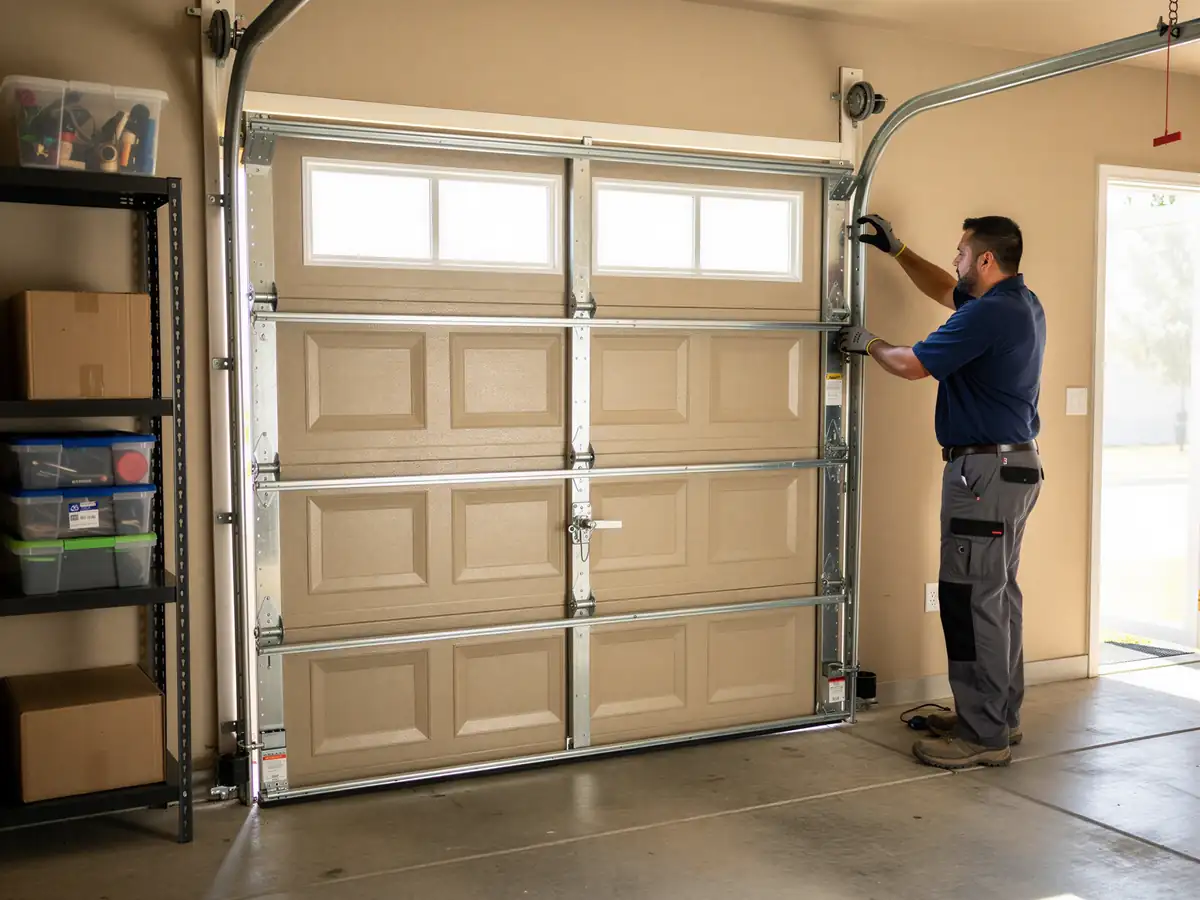
When one of these original doors fails, it's rarely one thing. The steel has thinned from decades of temperature swings, the hardware was sized for a lighter panel than what's sold now, and the opening itself may not match a current standard width. You're not just swapping a door, you're often correcting for sixty years of small mismatches between what was built then and what's manufactured now.
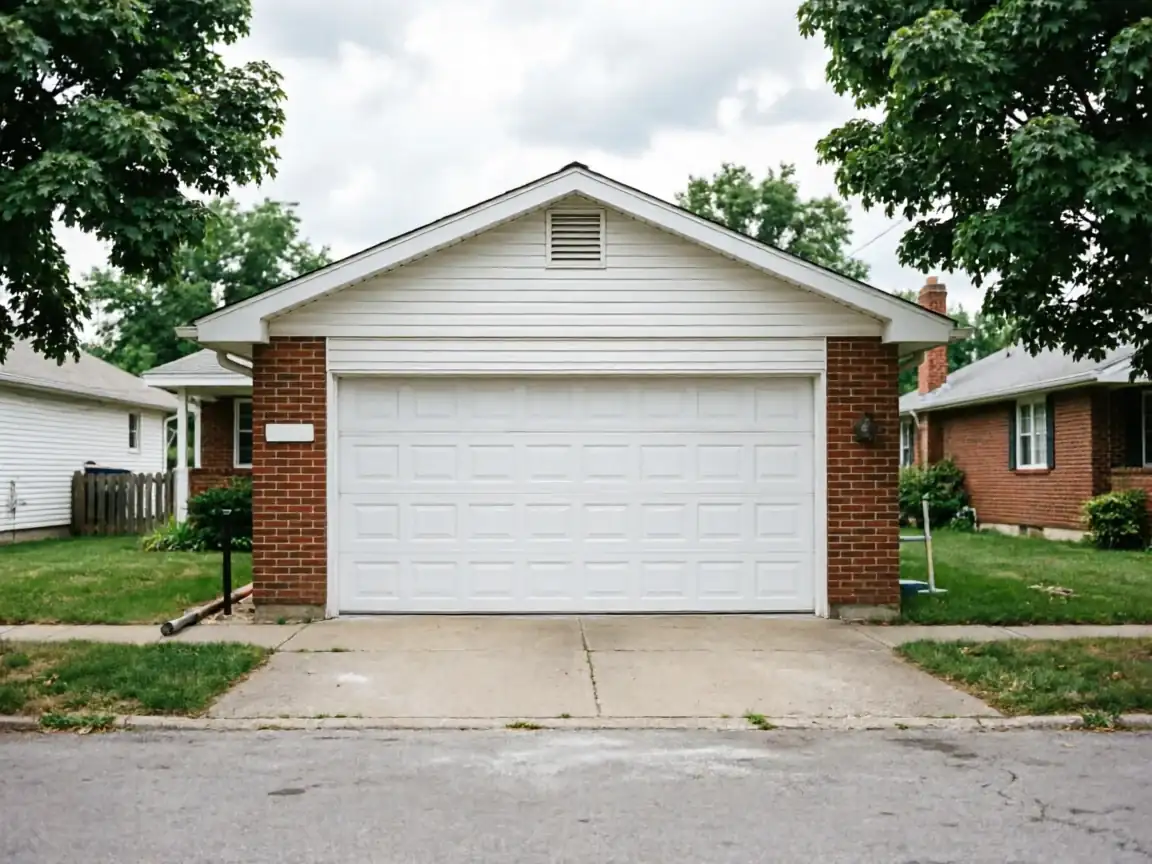
We see this most in the older pockets of town where the original garage was an afterthought attached to a house that predates the two-car standard. Those openings are narrower, shorter, or just oddly proportioned compared to what ships off a truck today. It's not a defect in the house. It's just a different decade's math.
What It Costs
We're not going to hand you a number here, because it depends on your opening, your insulation choice, and what's underneath the old door once it comes off. What we can tell you is what pushes the cost around in this market.
First is sizing. A lot of garages built here in the 1960s and 70s don't match today's standard widths, so a non-custom door either doesn't fit or leaves gaps that undercut whatever insulation value you're paying for. Custom sizing costs more and usually takes longer to get.
Second is insulation. Given how cold it gets here, an insulated door with a real thermal break isn't a luxury upgrade so much as a functional one if the garage is attached to living space or used as a workshop. It costs more up front than a single-layer steel door.
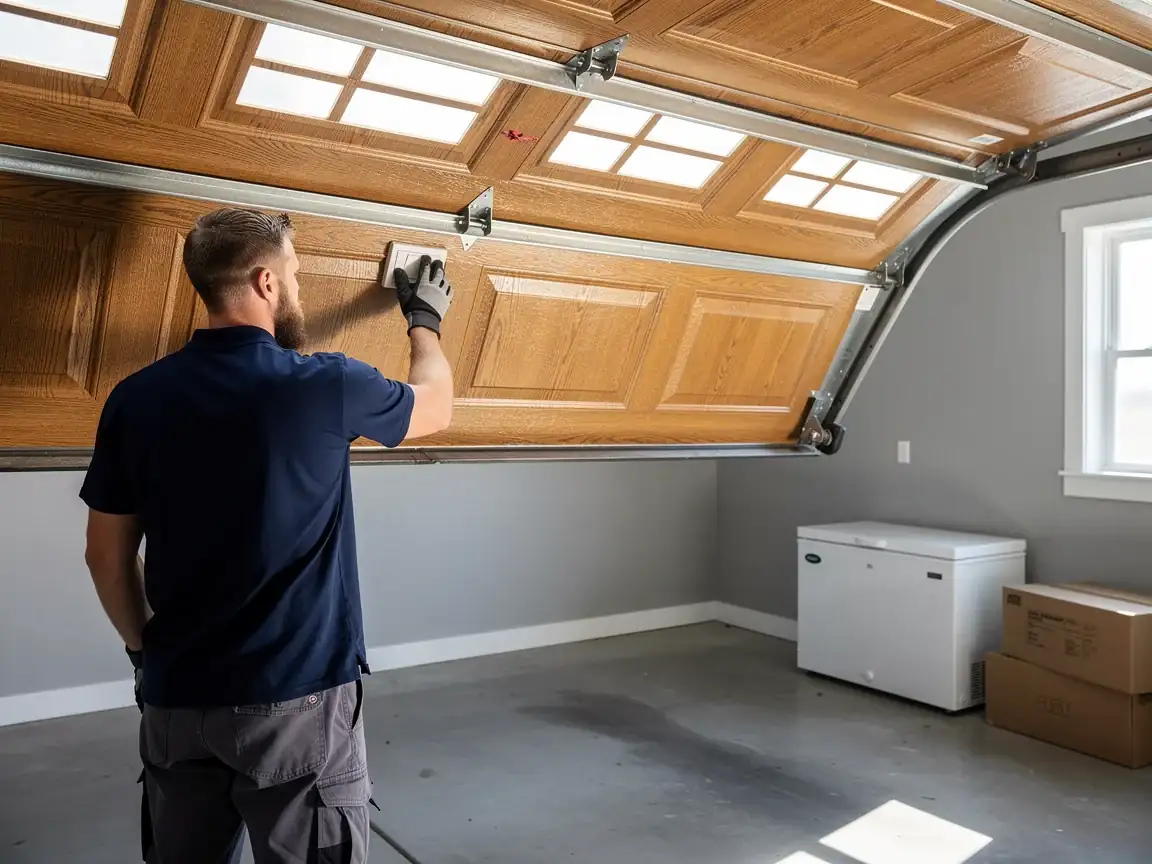
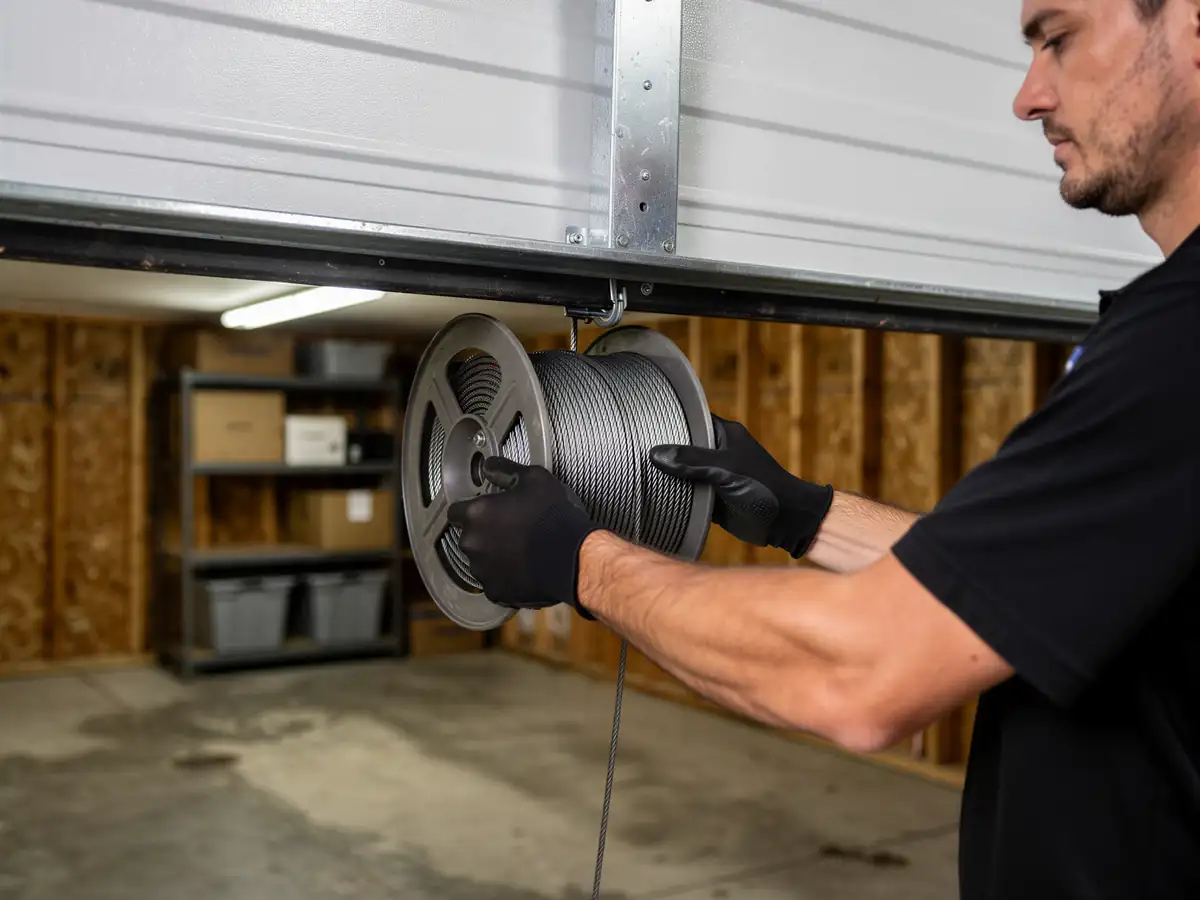
Third is what's behind the door. Track, springs, and opener hardware from the original build often need replacing alongside the door itself, since they were matched to the old panel's weight, not the new one's.
Median household income across the service area runs around $108,690, and in practice that's part of why insulated upgrades are a common choice here rather than the exception - owners can absorb the difference for a door that holds up to the winters.
What to Look at First
Before you decide to replace rather than repair, look at four things
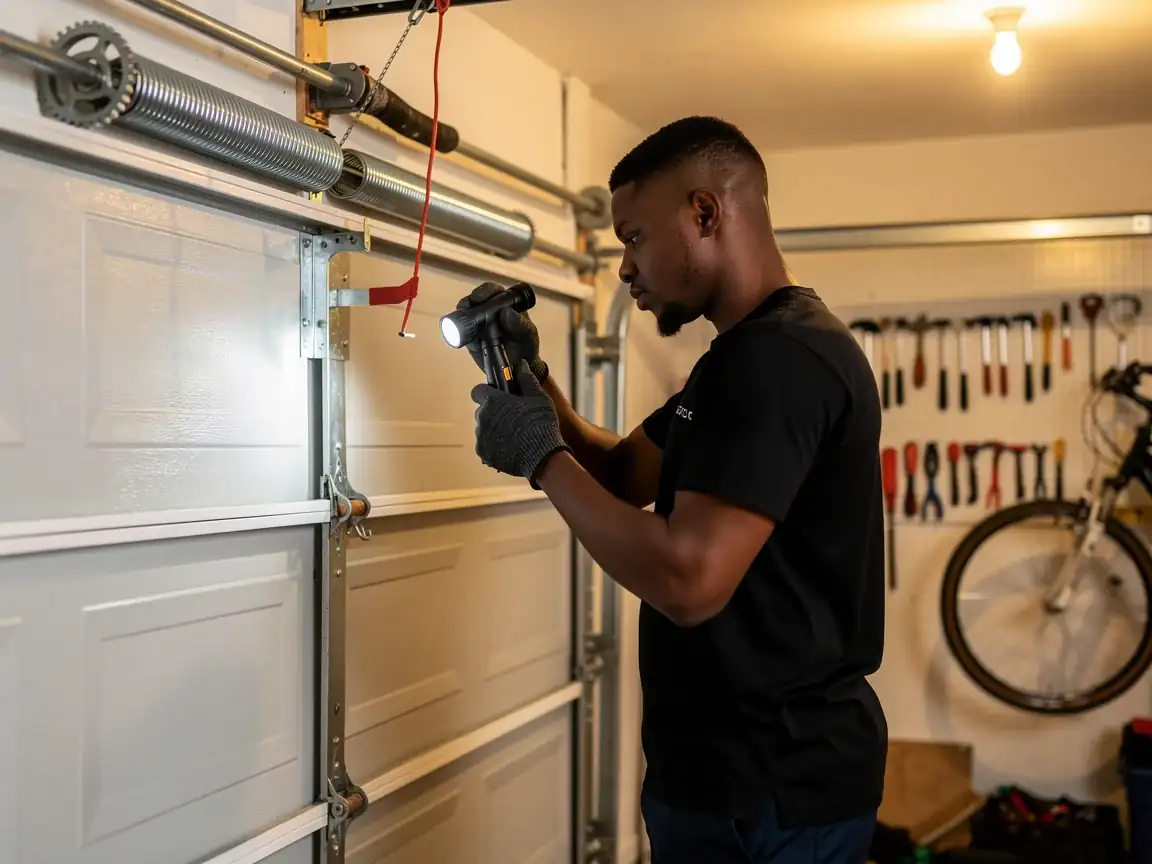
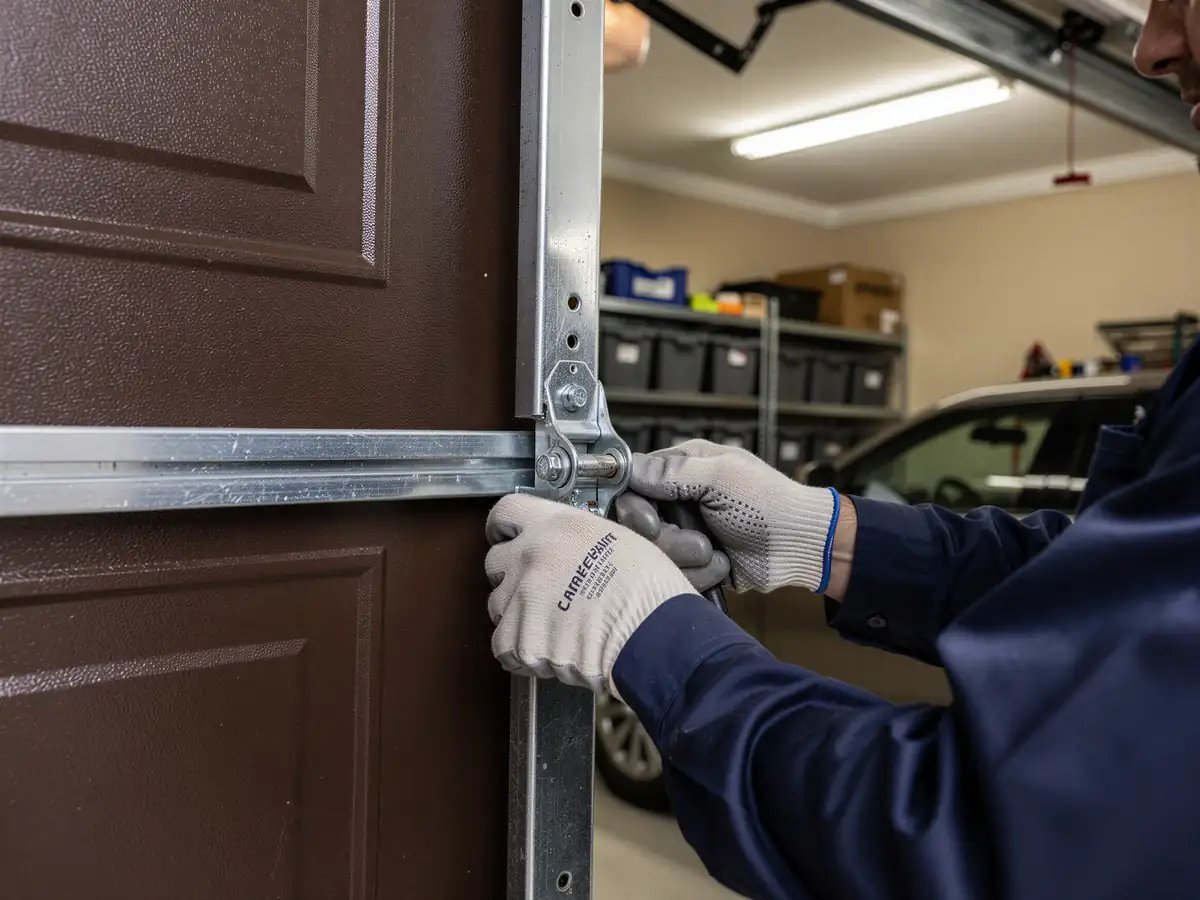
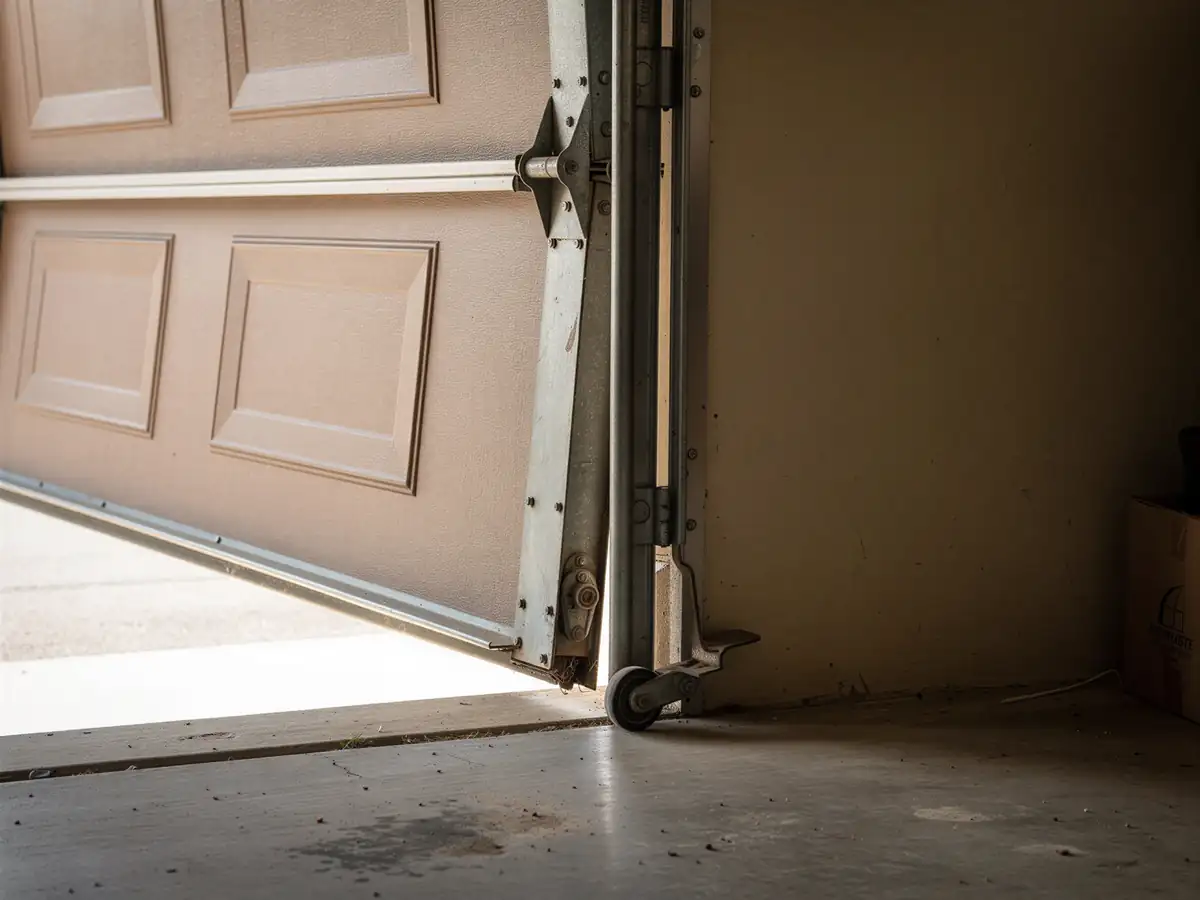
Start with the track - in a house from the 1960s or 70s, check whether it's original. Decades of expansion and contraction from cold winters and warm summers can bow a track just enough that the door binds without anyone noticing until it fails.
Next, look at the bottom panel and the seal
On an older door with no thermal break, the panel nearest the ground takes the worst of the freeze-thaw cycle and is usually the first place you'll see rust starting from the inside out, not the outside.
Third, check the opener
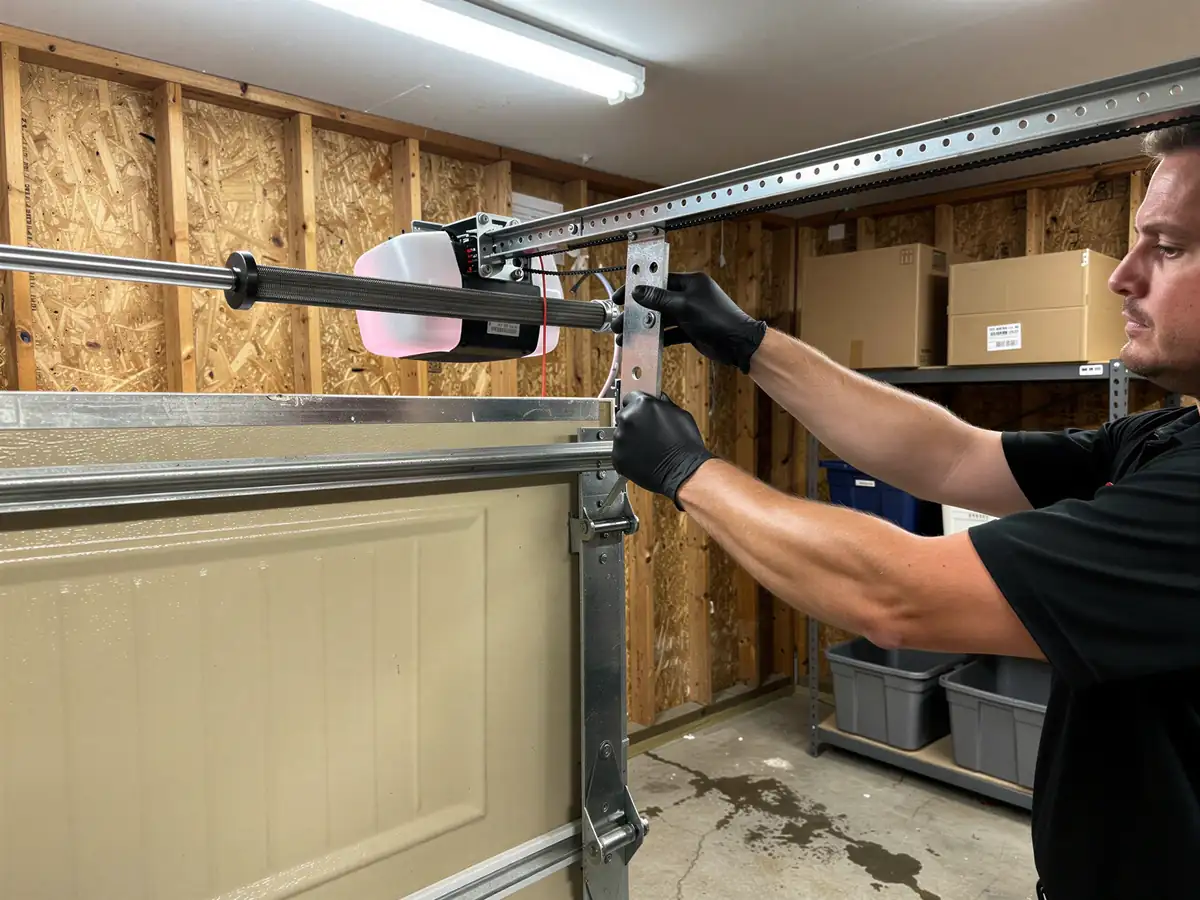
If the door is original to a 1960s or 70s build, the opener has likely been replaced once already, maybe twice, but it was probably sized for the lighter panel the house originally had, not a heavier insulated replacement.
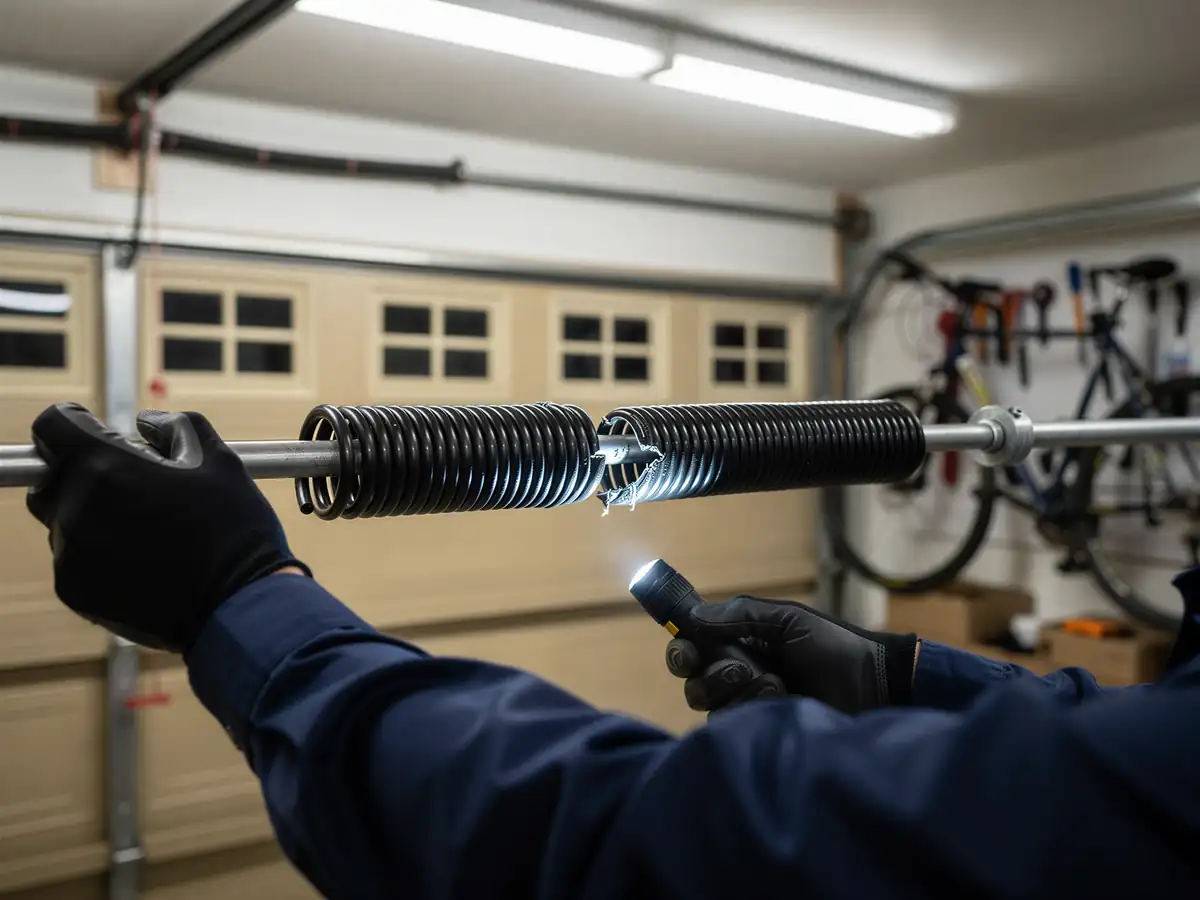
Finally, look at the spring and cable hardware
This is the part we won't shortcut: if the spring is original or close to it, don't wait for it to snap under tension in cold weather. That's not a convenience issue, that's a safety one, and it's one limitation we're upfront about - we don't recommend stretching the life of an aged spring just to save a service call.
How Local Conditions Play In
Waukesha sits in a climate band rated cold and severe, and that shapes more of this decision than most people expect walking into it. A steel door without a thermal break doesn't just lose heat, it moves. Cold contracts the panel, warm days expand it, and over a winter that cycle happens dozens of times. On a door already pushing forty or fifty years old, that's enough to work seams loose and crack old caulking at the frame.
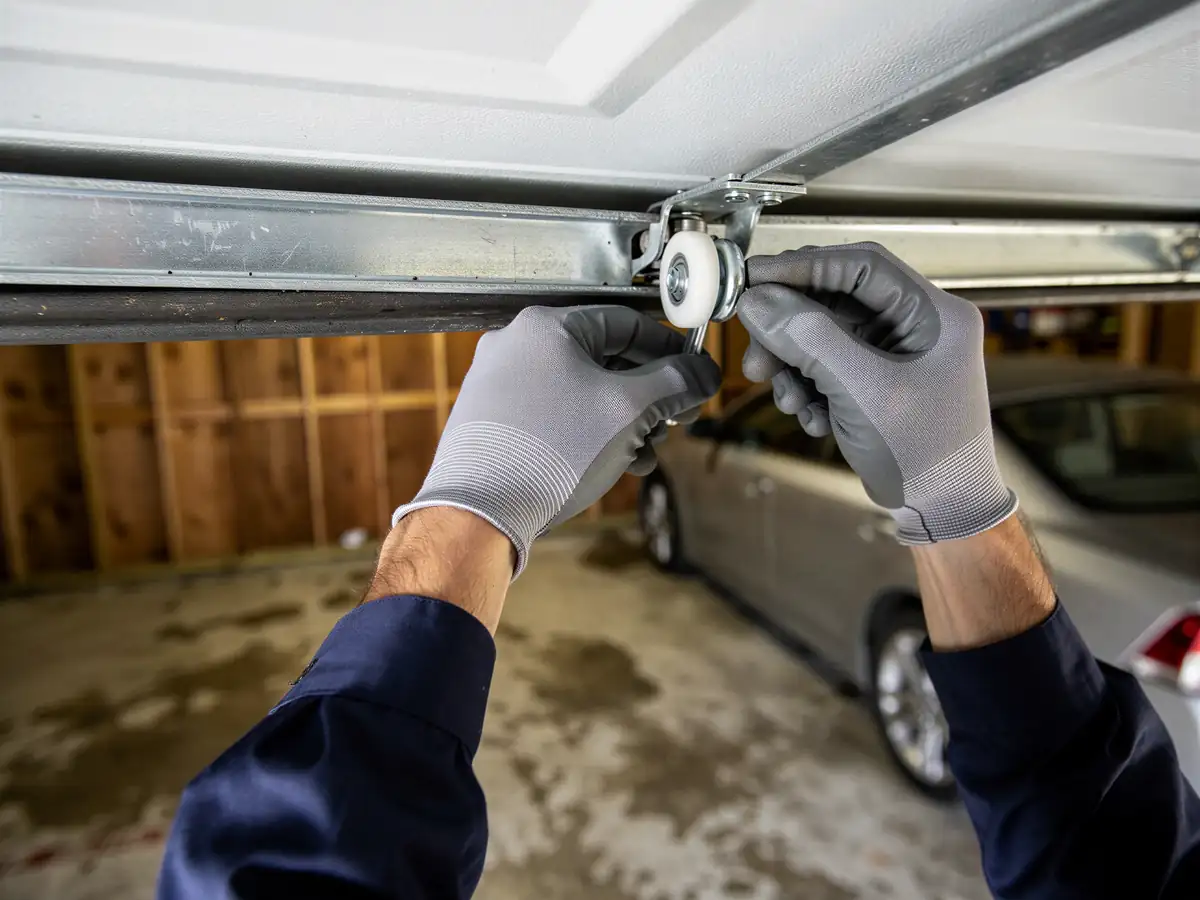
Ice is the other piece. Tracks on older, non-insulated setups are more prone to frost buildup at the bottom rollers, which is part of why a door that worked fine in October can start sticking or grinding by February. It's not that the hardware failed outright - it's that cold-weather physics found the weak point first.
This is also why insulation choice isn't cosmetic here the way it might be in a milder climate. A door rated for better thermal performance holds up to the freeze-thaw cycle better over time, which matters most in a town where the bulk of the housing stock is already decades past its original install and absorbing that stress year after year.