How That Shows Up in the Door
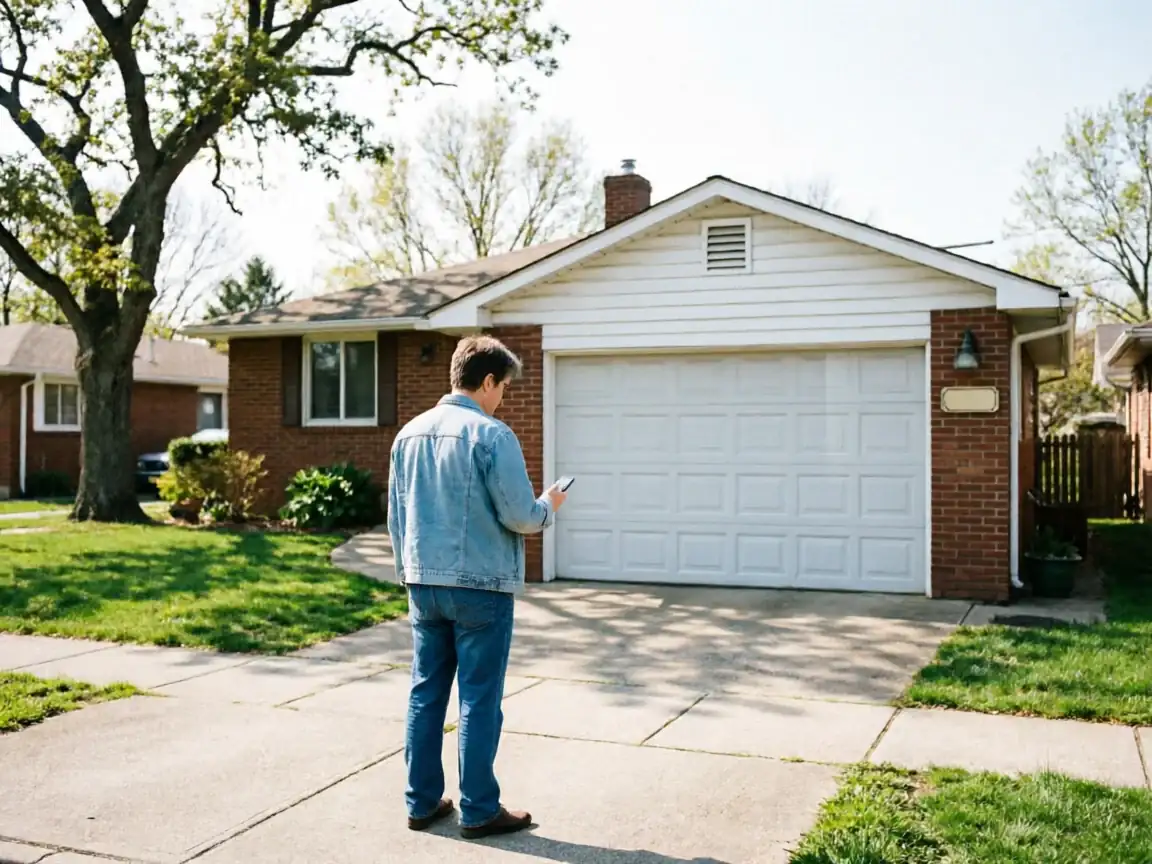
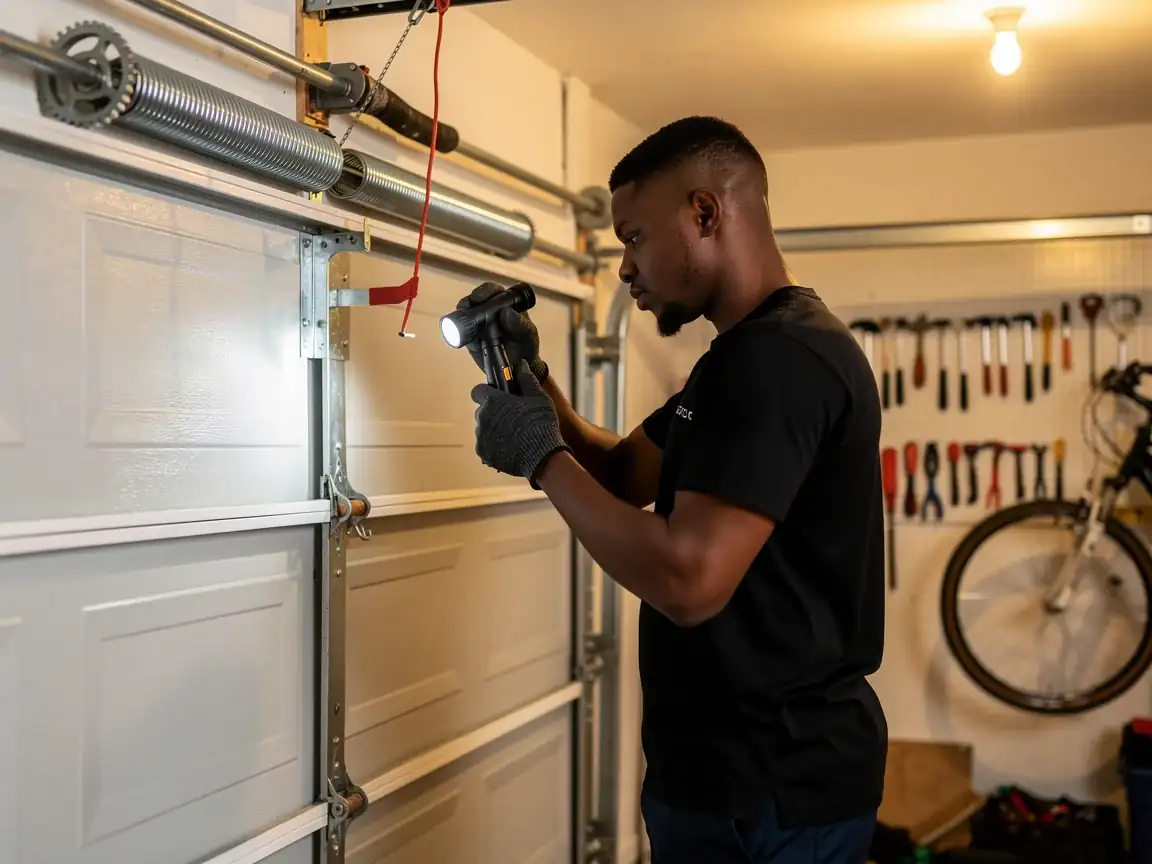
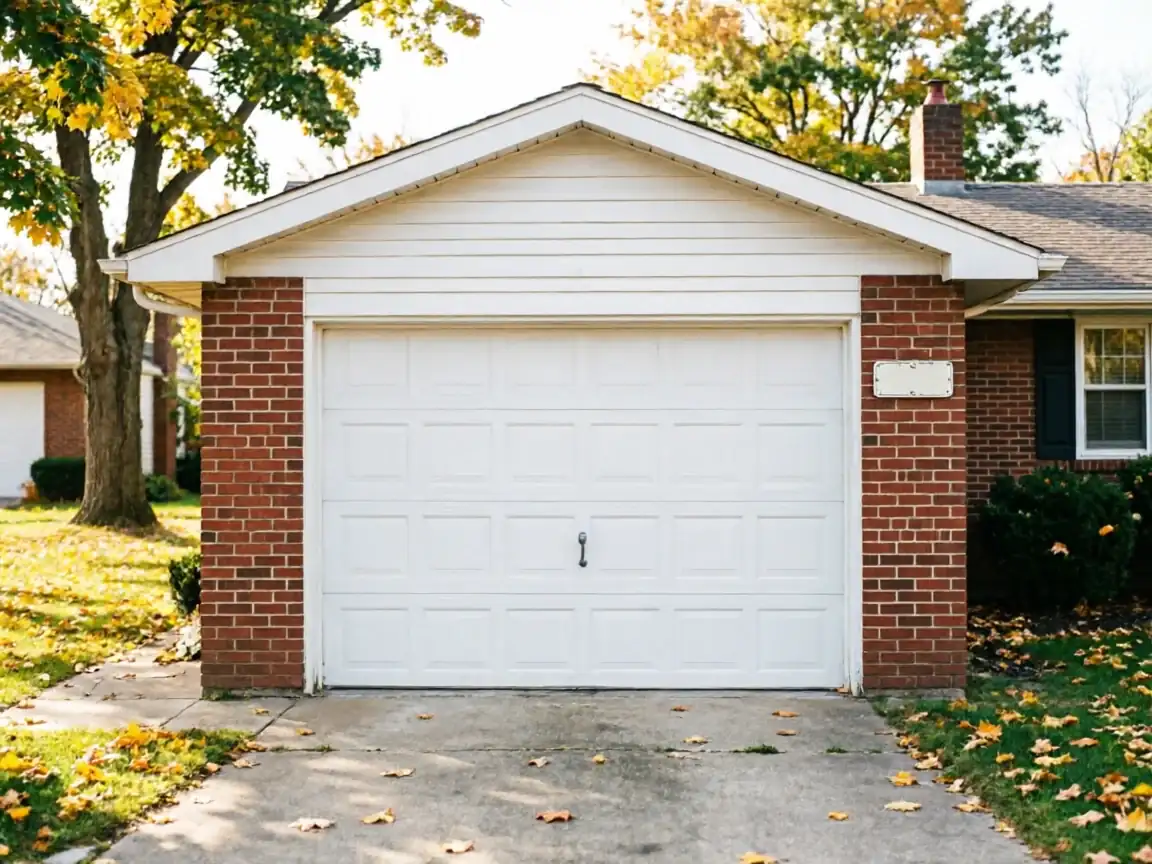
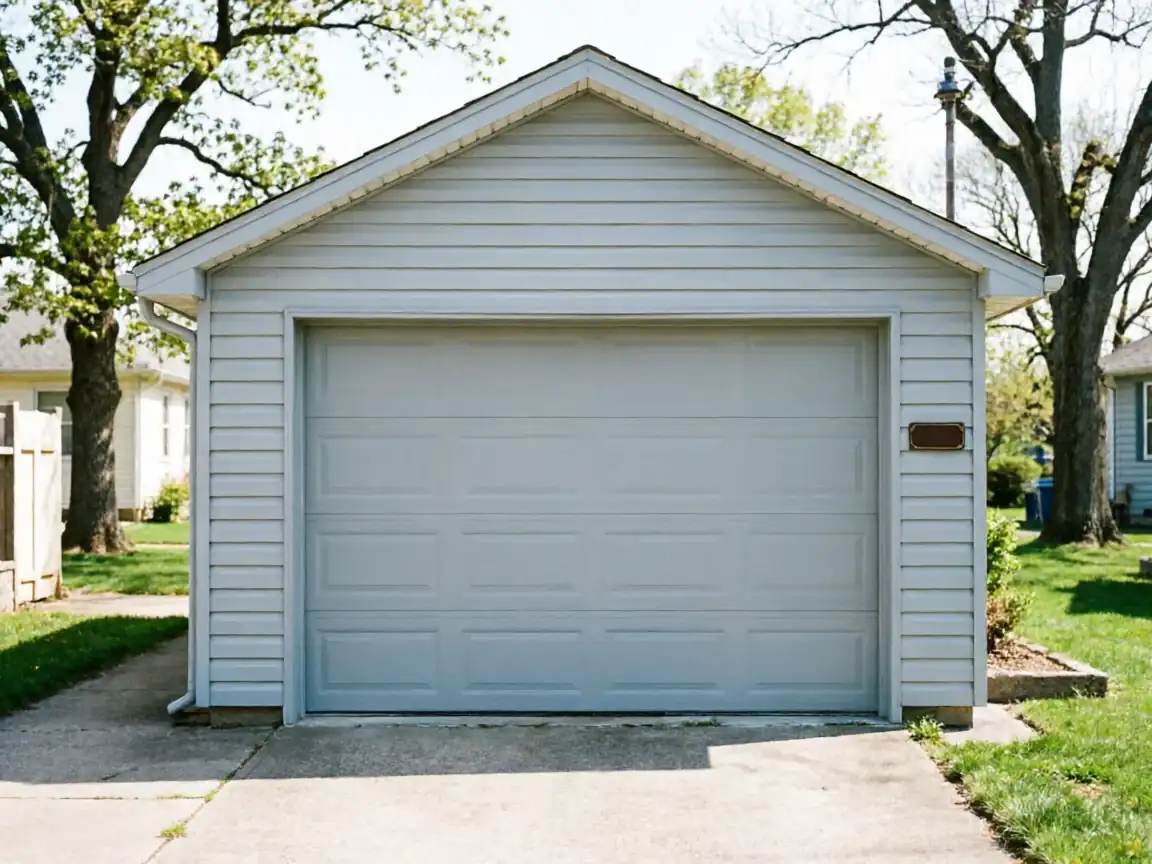
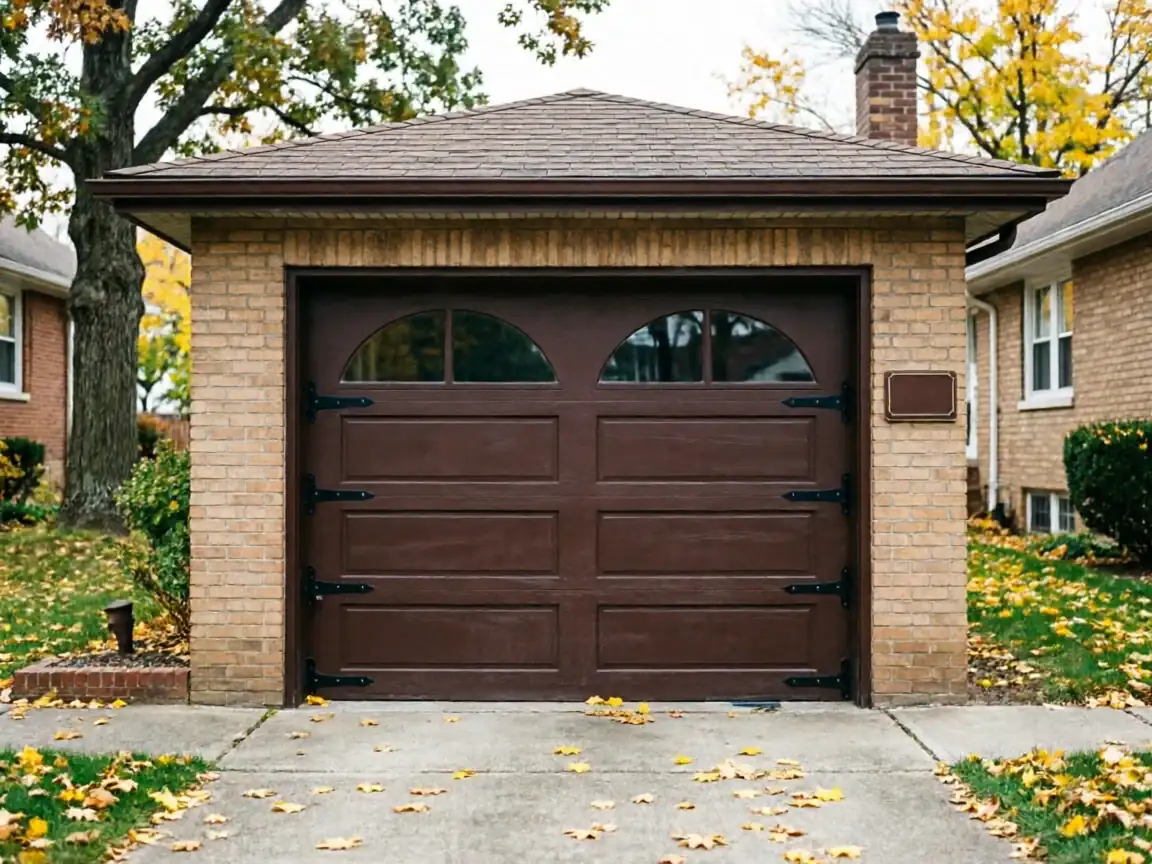
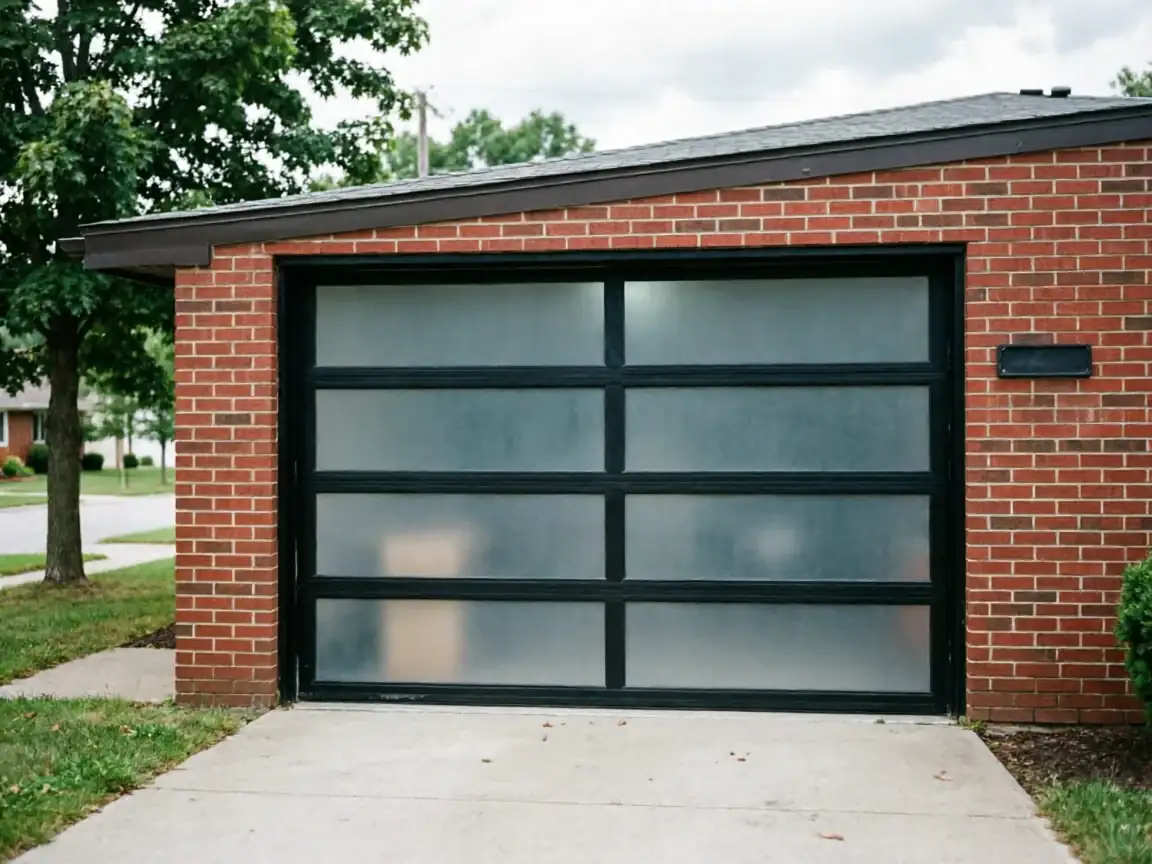
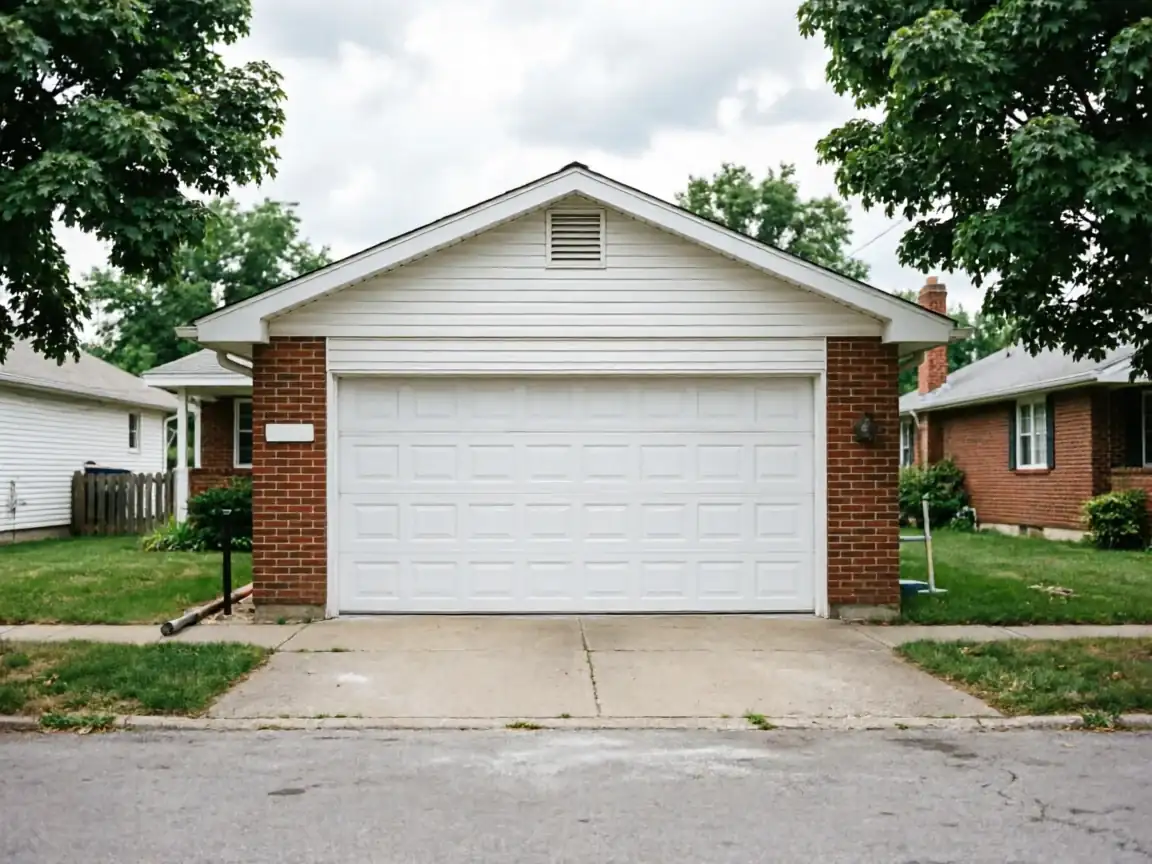
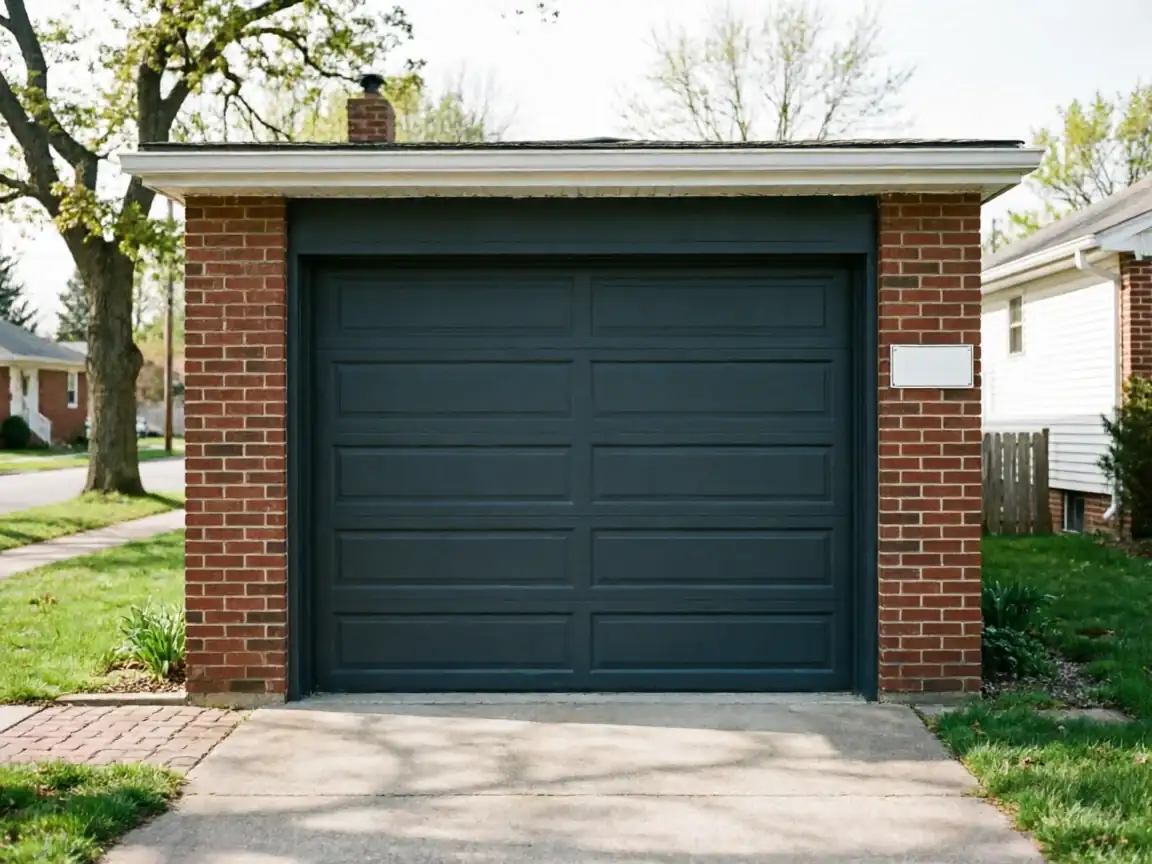
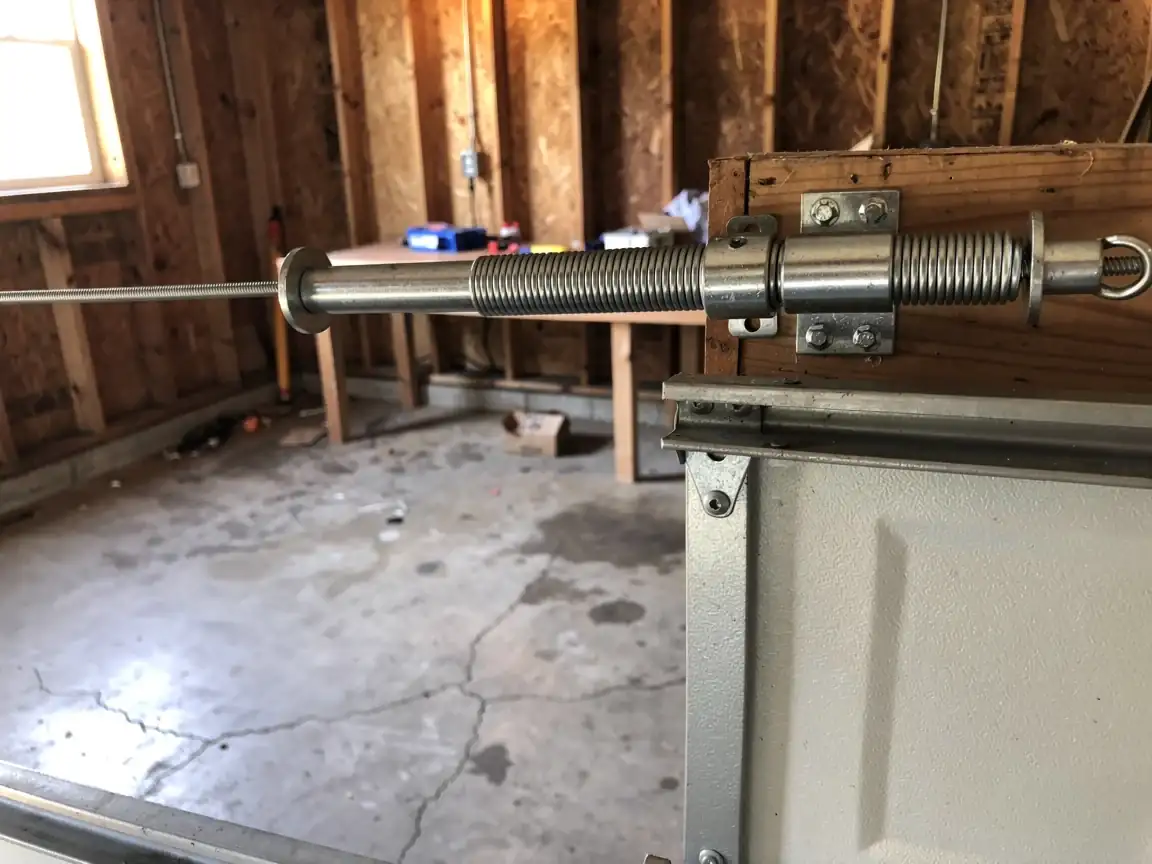
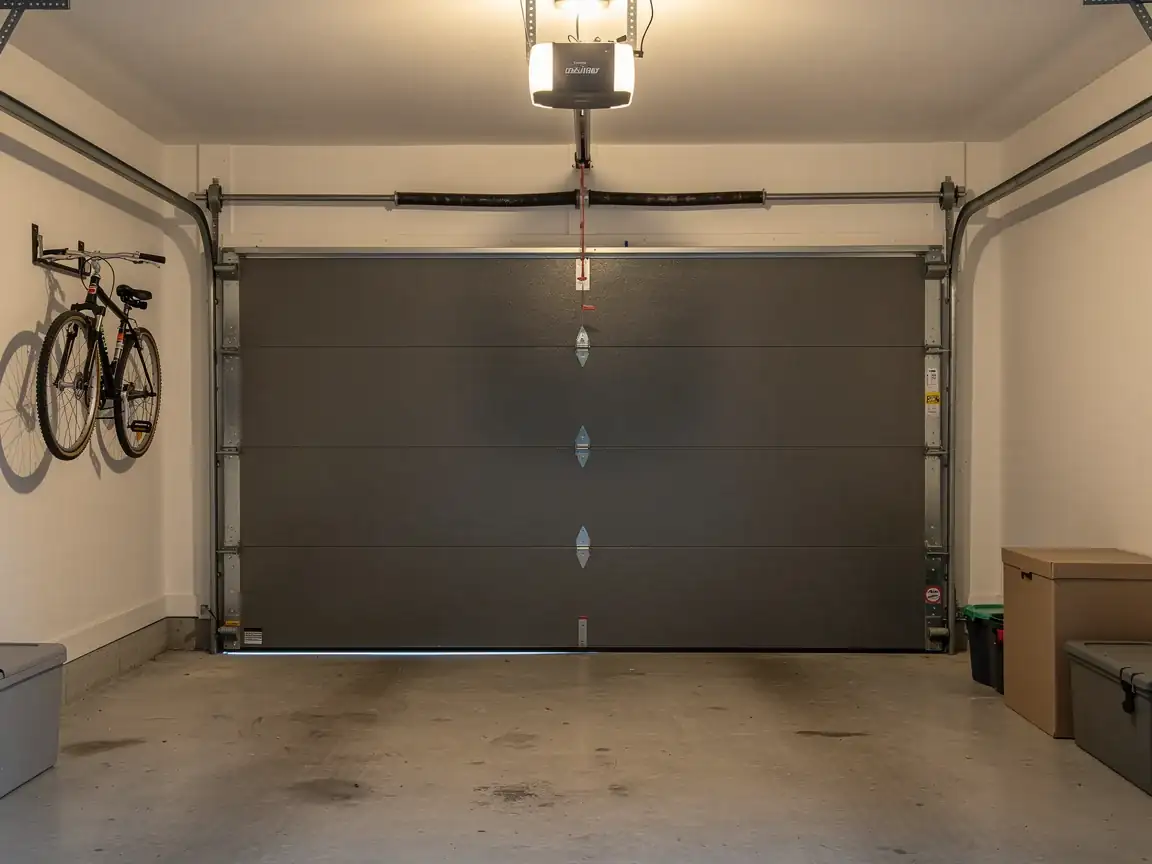
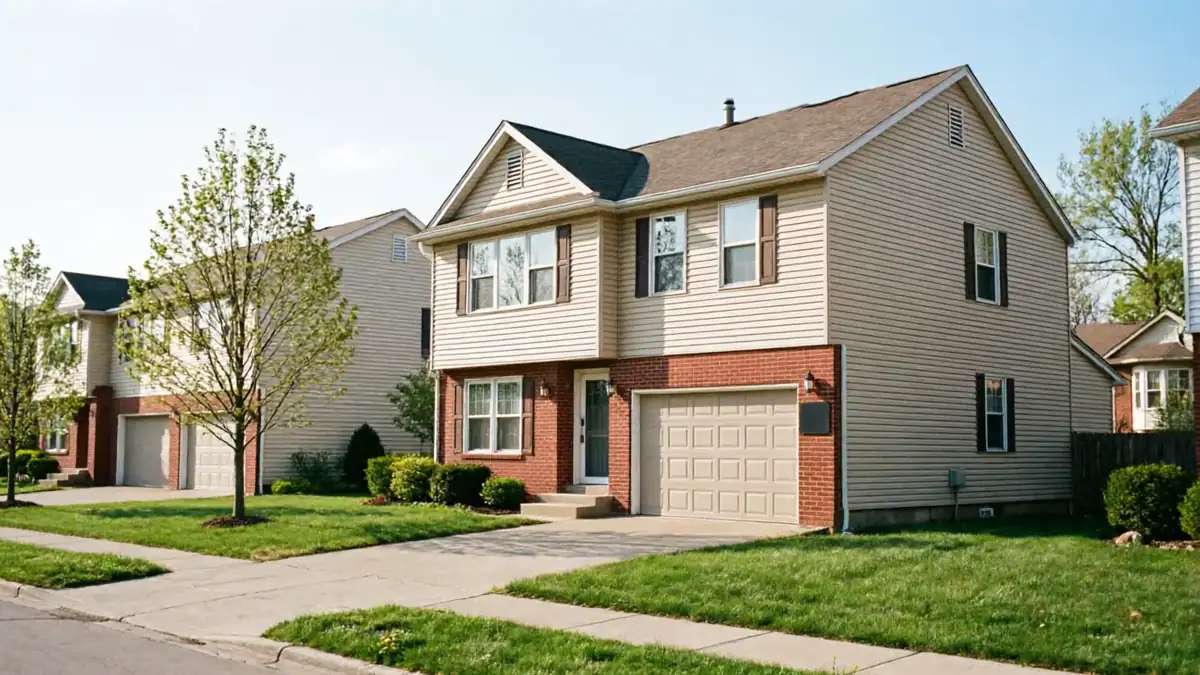
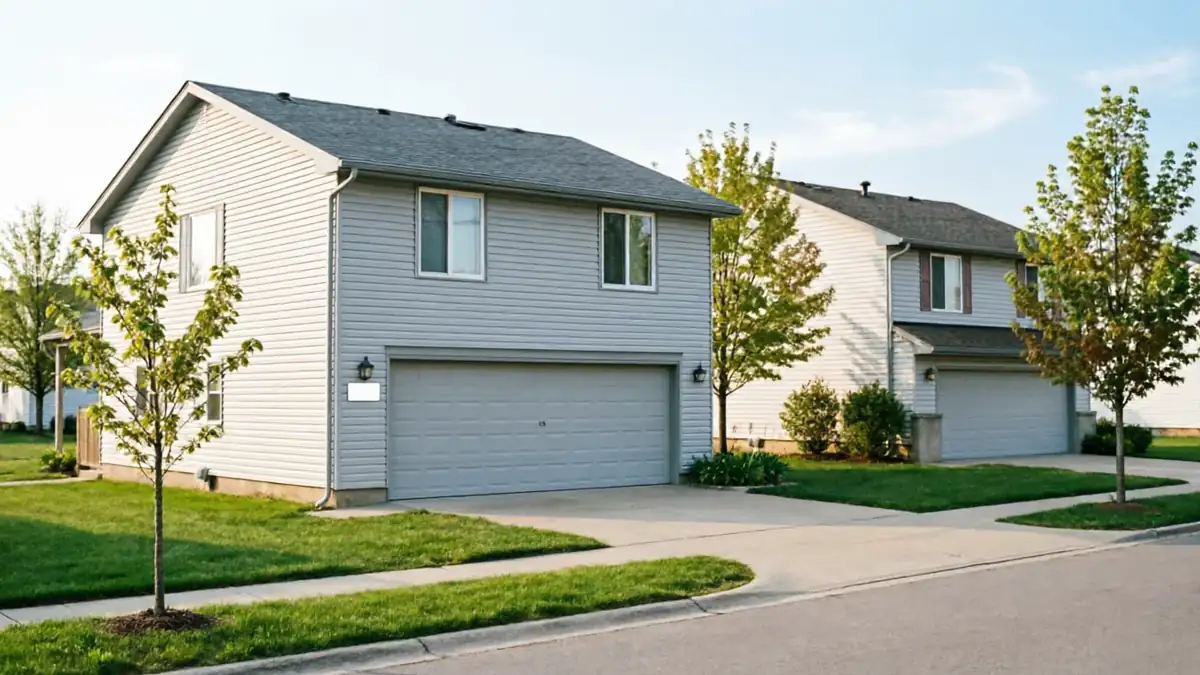
Wales sits at a median build year of 1979, which puts a lot of its garage doors a full decade or two newer than what you'll find in the older pockets closer to Waukesha. That matters because a door built after the late 1970s is more likely to have come with an extension or torsion spring system sized for a heavier steel panel, not the thin single-layer doors from the 1950s and 60s. The failures we see here tend to be worn rollers, tired torsion springs that have hit their cycle count, and openers original to the house finally giving out after decades of service. We don't see as many of the odd, undersized spring setups that show up on the pre-1960 doors elsewhere in the service area, because Wales mostly skipped that era. The hardware is more standard, which usually means parts are easier to source and the repair is more straightforward. It doesn't mean every call is simple - a double door with a bent track from being backed into still takes the same careful work it would anywhere, but the baseline housing stock here points toward spring and opener wear rather than the mismatched, decades-patched systems you'd find on an older street.
The Split Between Old and New
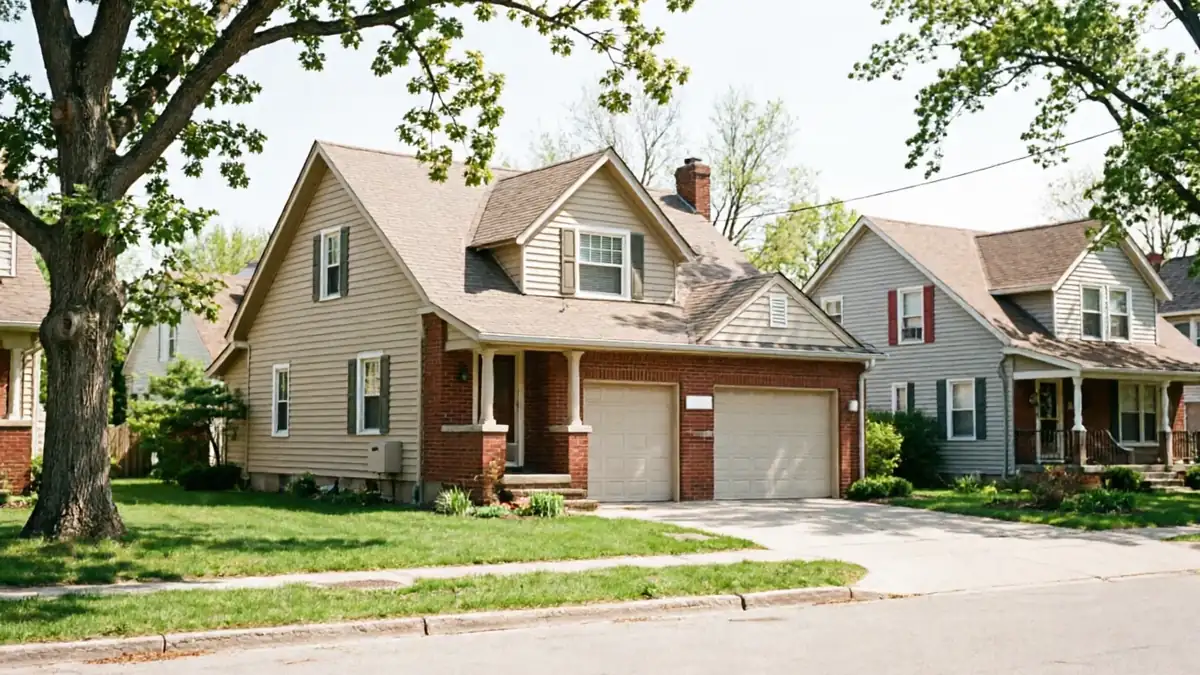
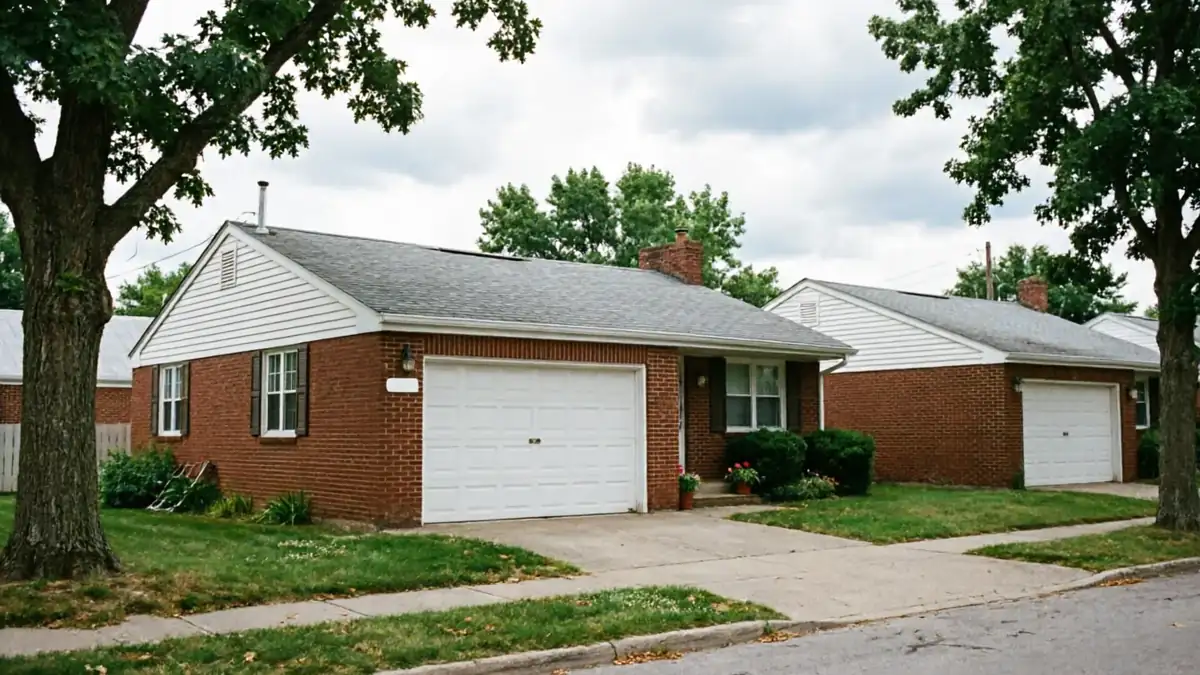
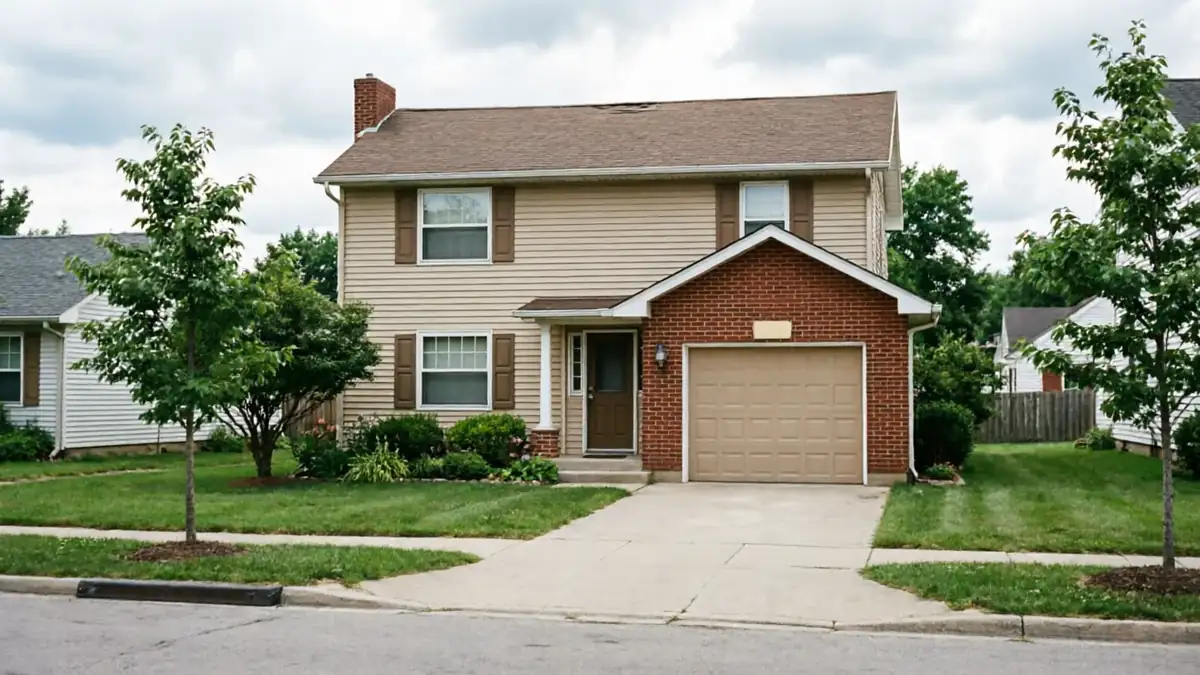
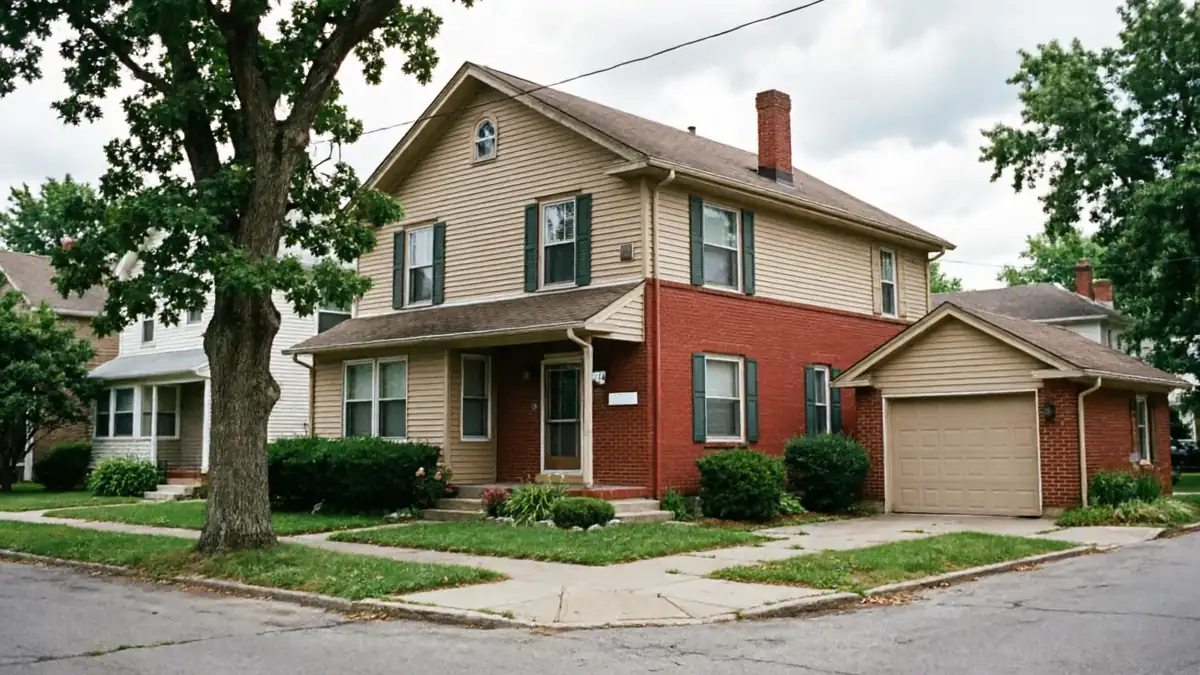
Across the broader service area, the housing stock runs mostly 1960s and 70s across the 54 communities we cover, with some homes dating back as far as 1938. Wales lands right at the newer edge of that range, with its own median build year matching 1979 almost exactly. That puts it at the boundary rather than deep in either camp. What this means for a door call is that you can have two houses a street apart - one built in the early 1960s with original hardware nobody stocks anymore, and one from the late 1970s or later with a more modern torsion setup - and they need different parts and different approaches. We don't assume a Wales address means either era. We ask the build year and look at the hardware before quoting anything, because guessing based on the town name alone gets it wrong often enough that it's not worth the shortcut.
What We Do Not Do
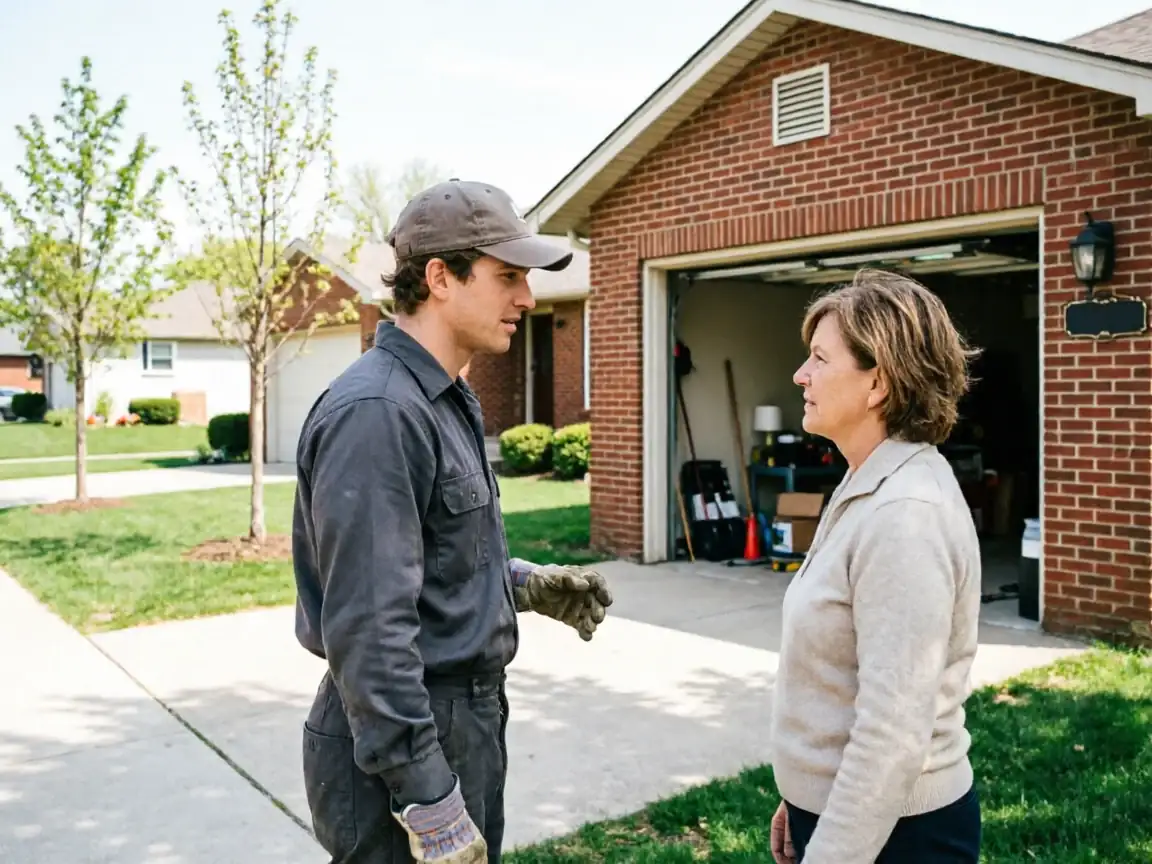
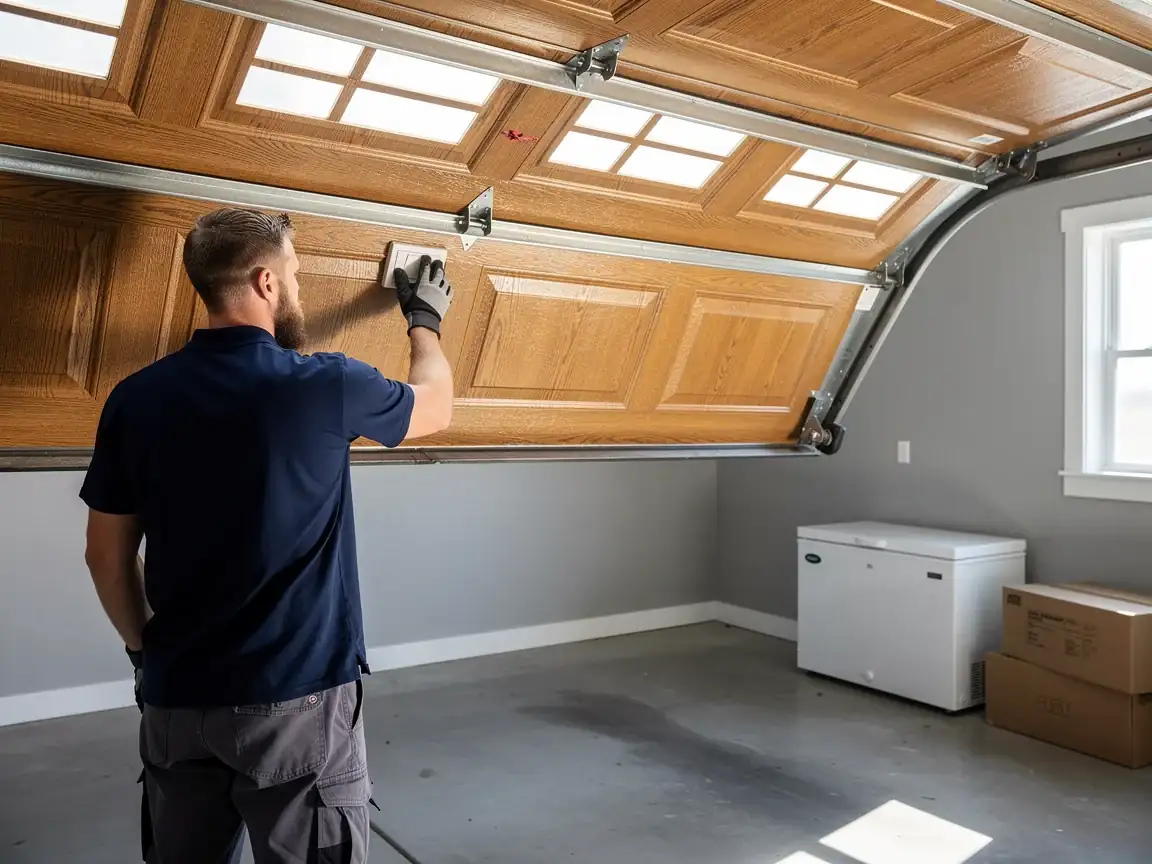
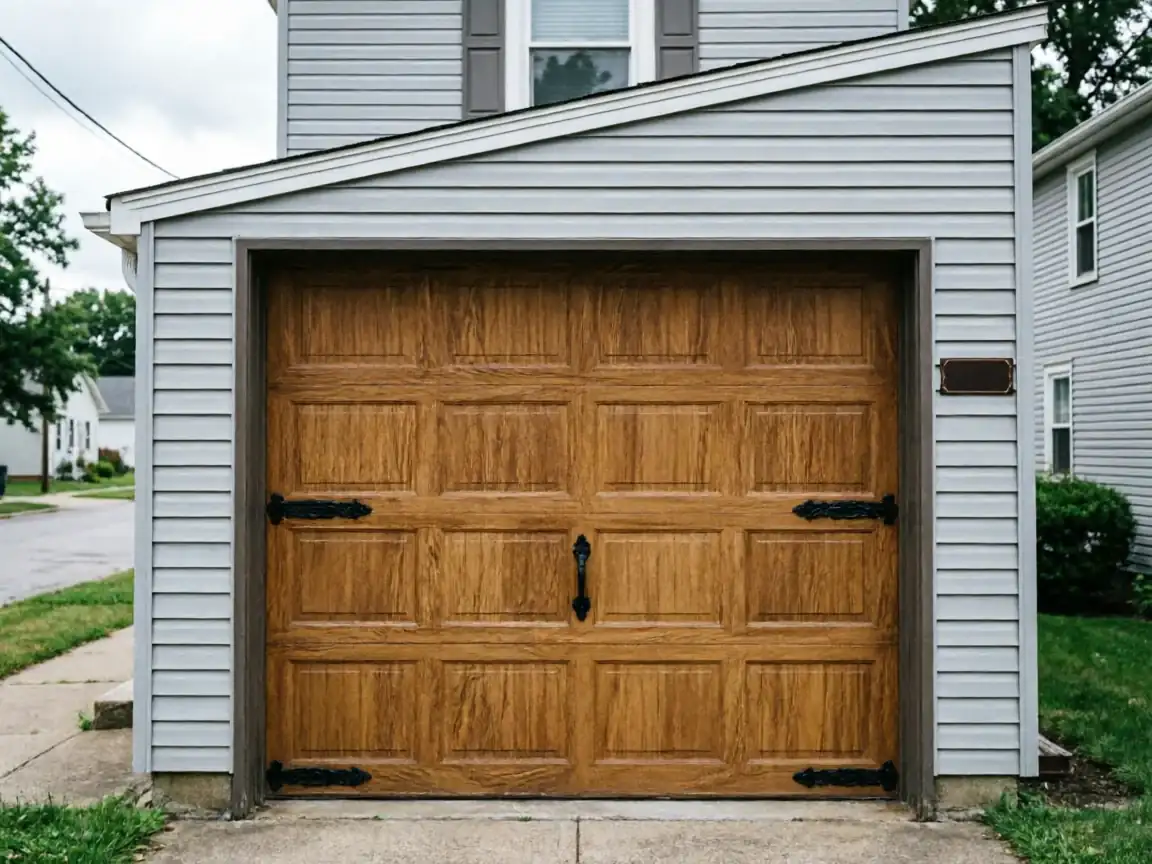
We run jobs in Wales from our Waukesha location, about 6 miles out, and we don't keep a depot or a standing crew in town. That means we schedule the trip rather than showing up within minutes, and we won't promise a response time we can't back up. We also don't do cosmetic refinishing work on wood doors or specialty carriage-house restoration - if a door needs that kind of custom finish work, that's outside what we handle. And if a door is old enough that the track, spring, and opener would each need separate work within the same year, we'll say so plainly and talk through replacement instead of billing for three visits on a door that's done.