What the Repair Takes
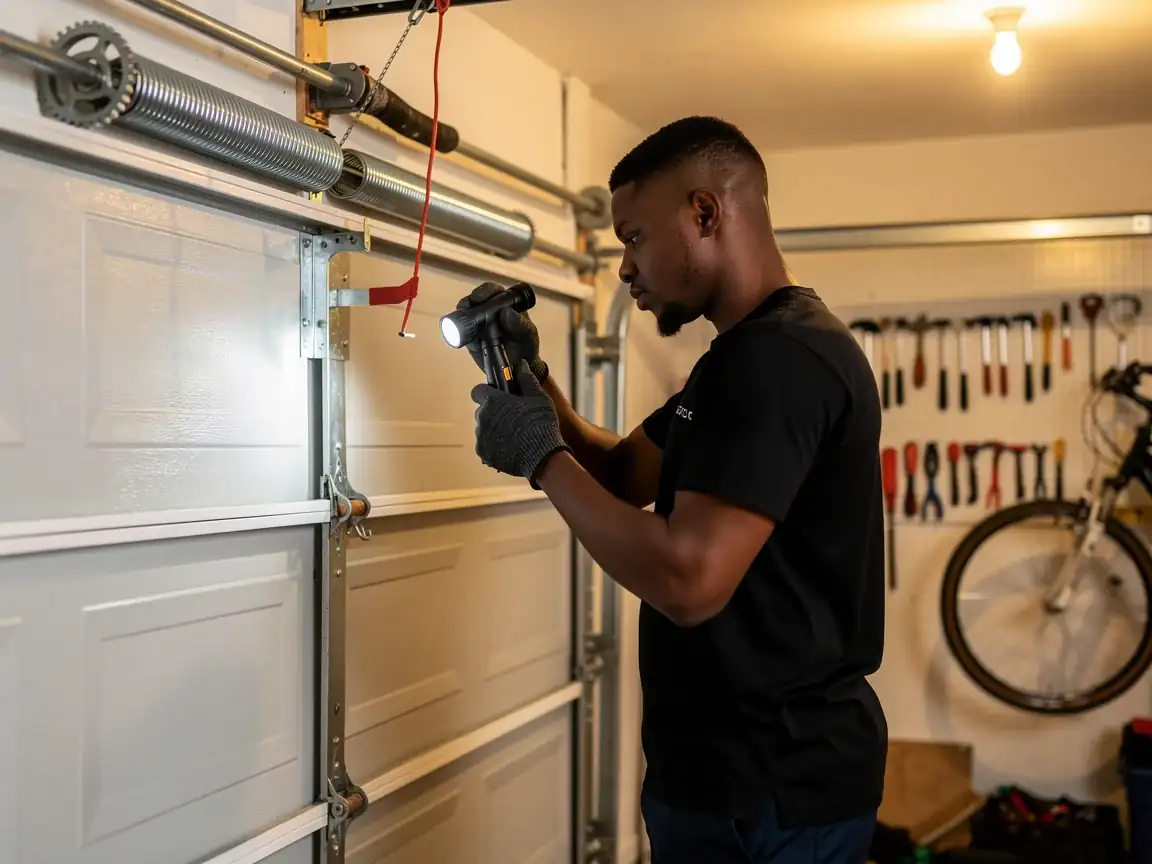
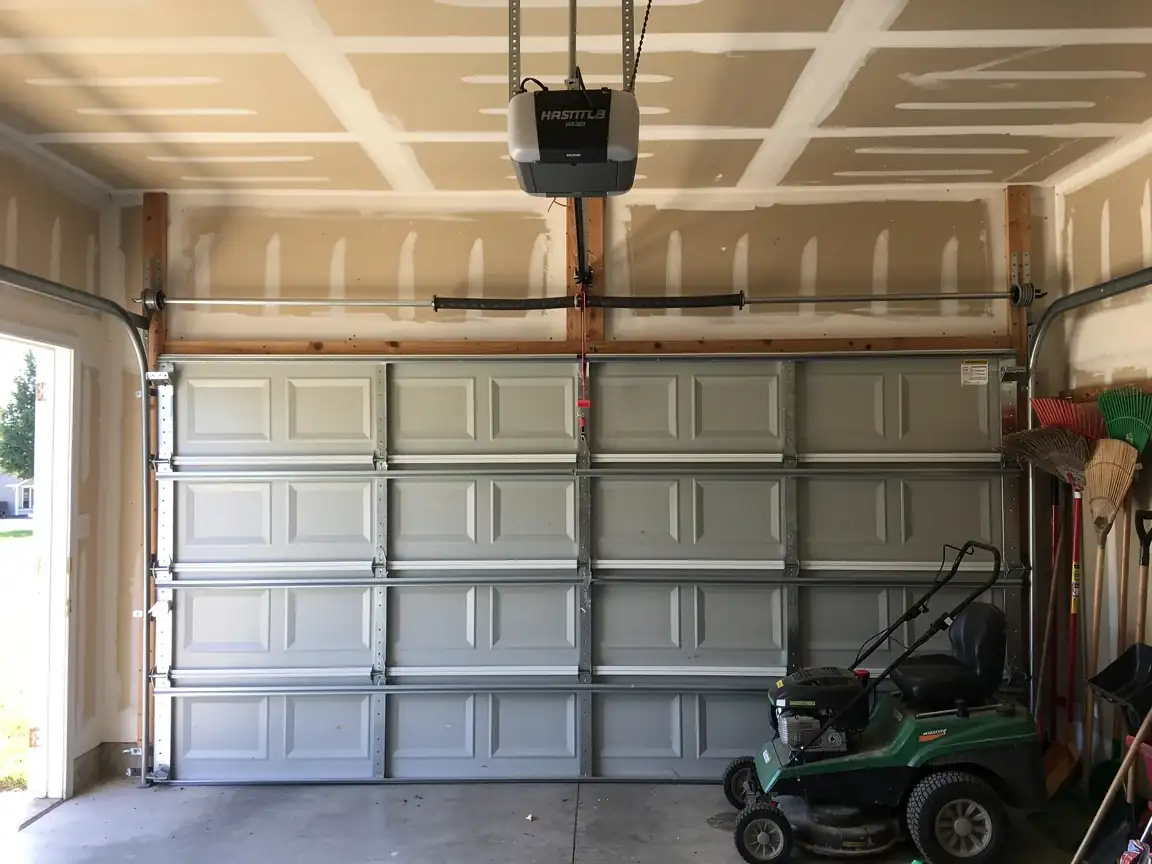
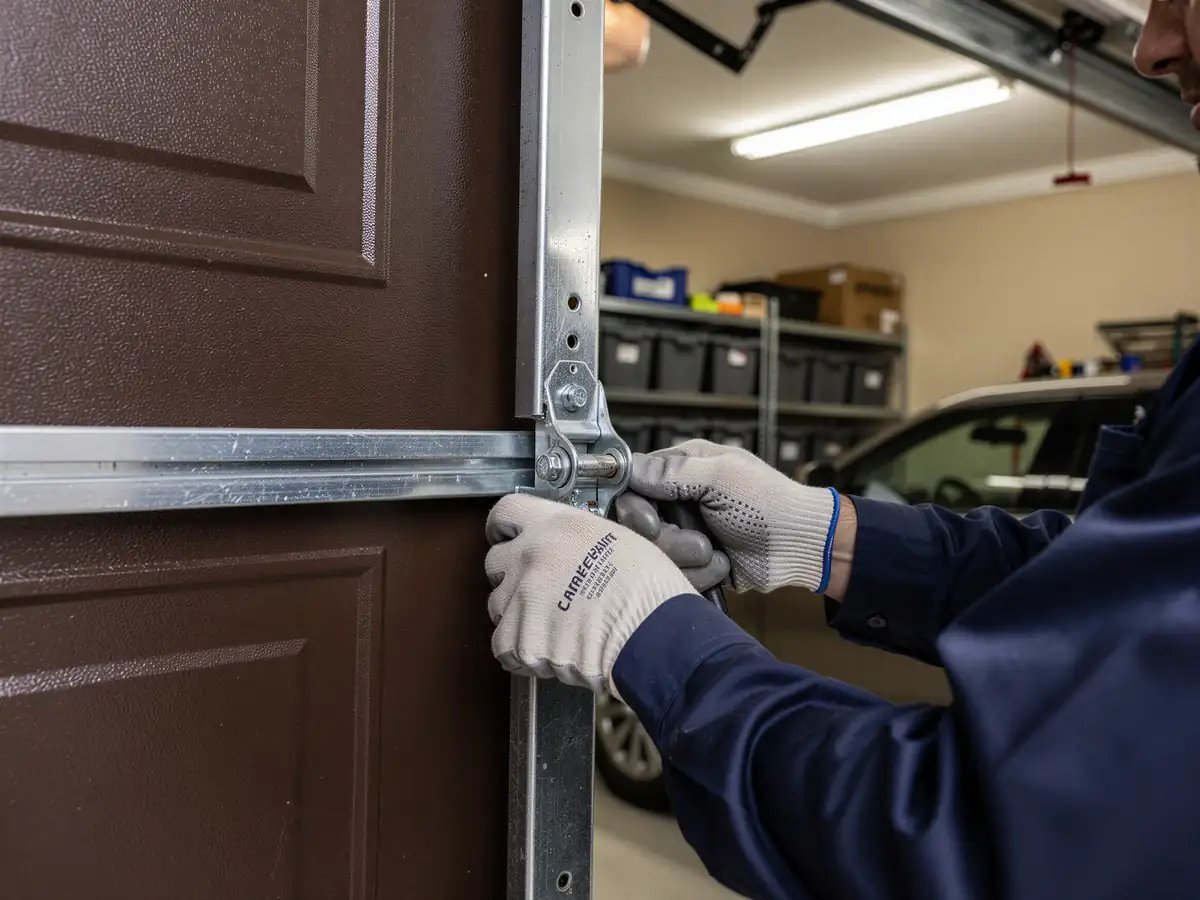
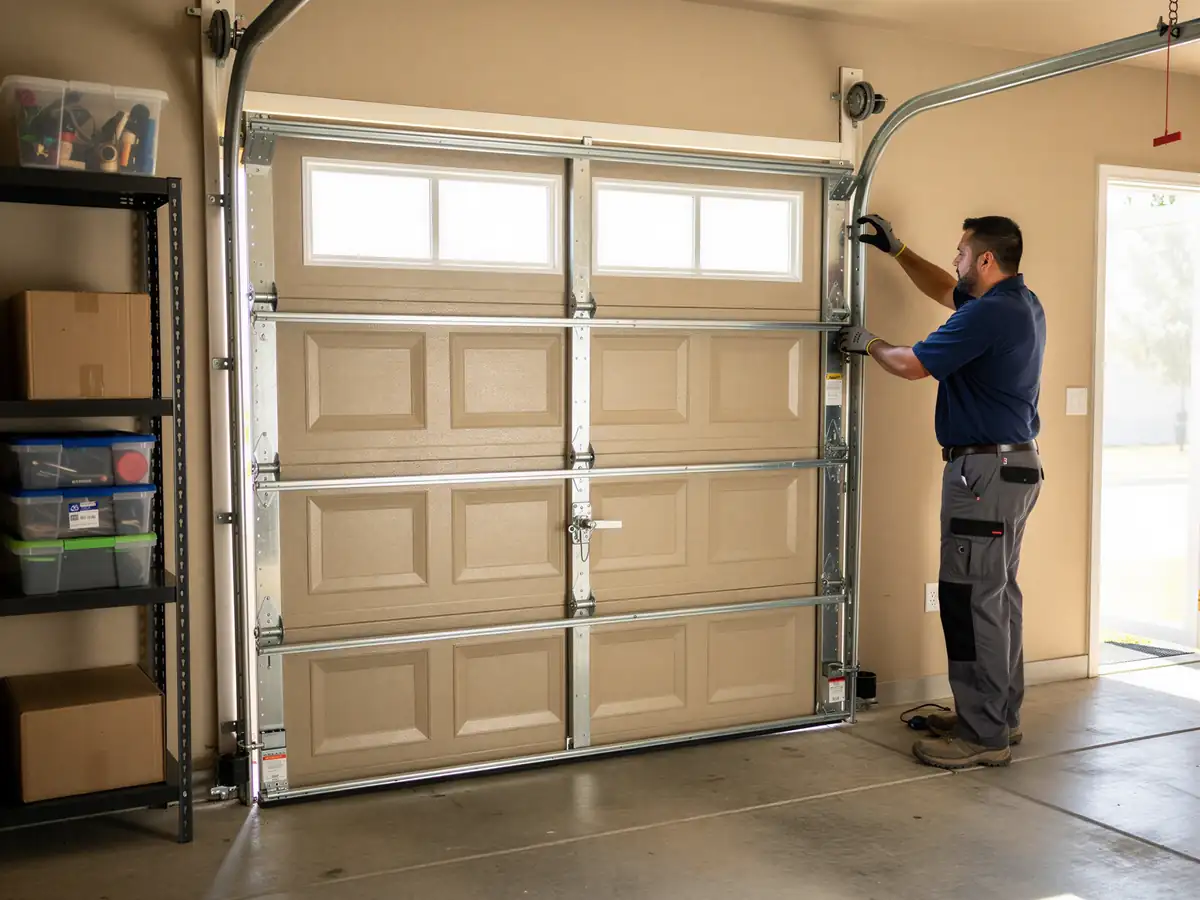
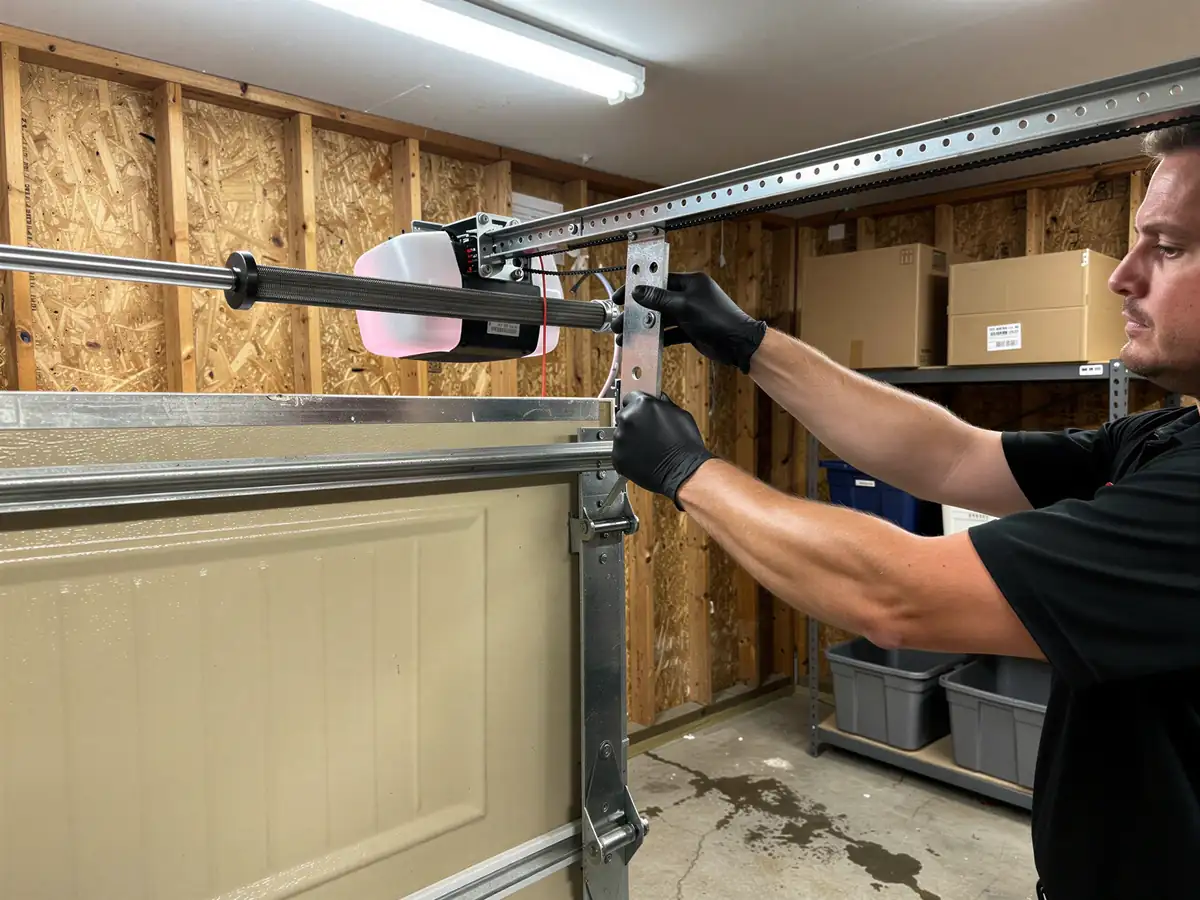
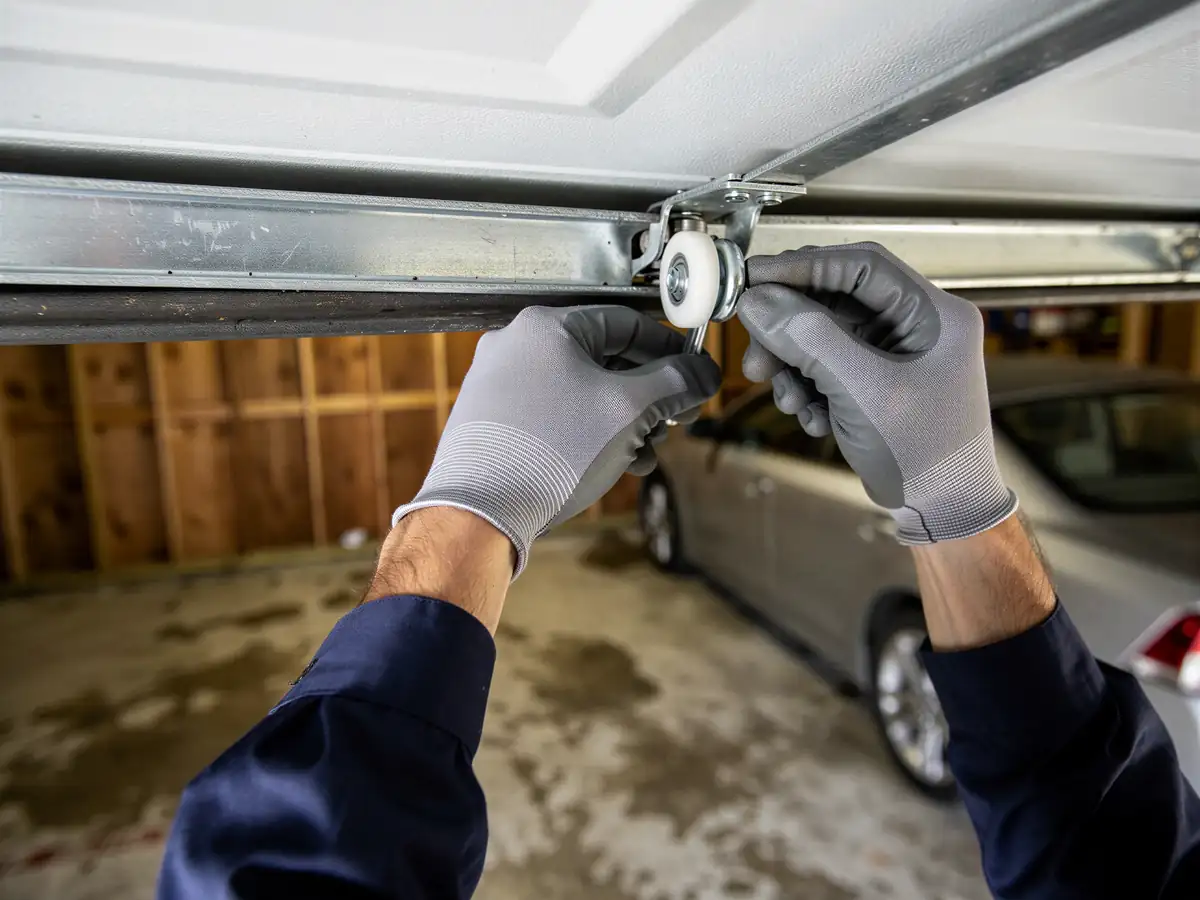
Wales is six miles out from the Waukesha shop - close enough that a stuck or tilted door doesn't turn into an all-day wait, but far enough that we load the truck knowing what we're walking into before we leave the lot. An off-track door isn't a one-step fix. We check the rollers first, because a cracked or worn roller is usually what let the door jump the rail in the first place. Then the track itself: is it just knocked out of alignment, or is a section actually bent where something hit it. A bent track almost never straightens clean - it gets replaced, not hammered back. After that we check the cables and the brackets holding the track to the frame, because if those are loose, the door will walk off the rail again inside a few months no matter how straight we leave the track today. On a lot of Wales houses, built around a median year of 1979, that bracket hardware is original, and original brackets don't always match what's stocked on the truck, which is part of why we look before we quote.
What You Are Seeing
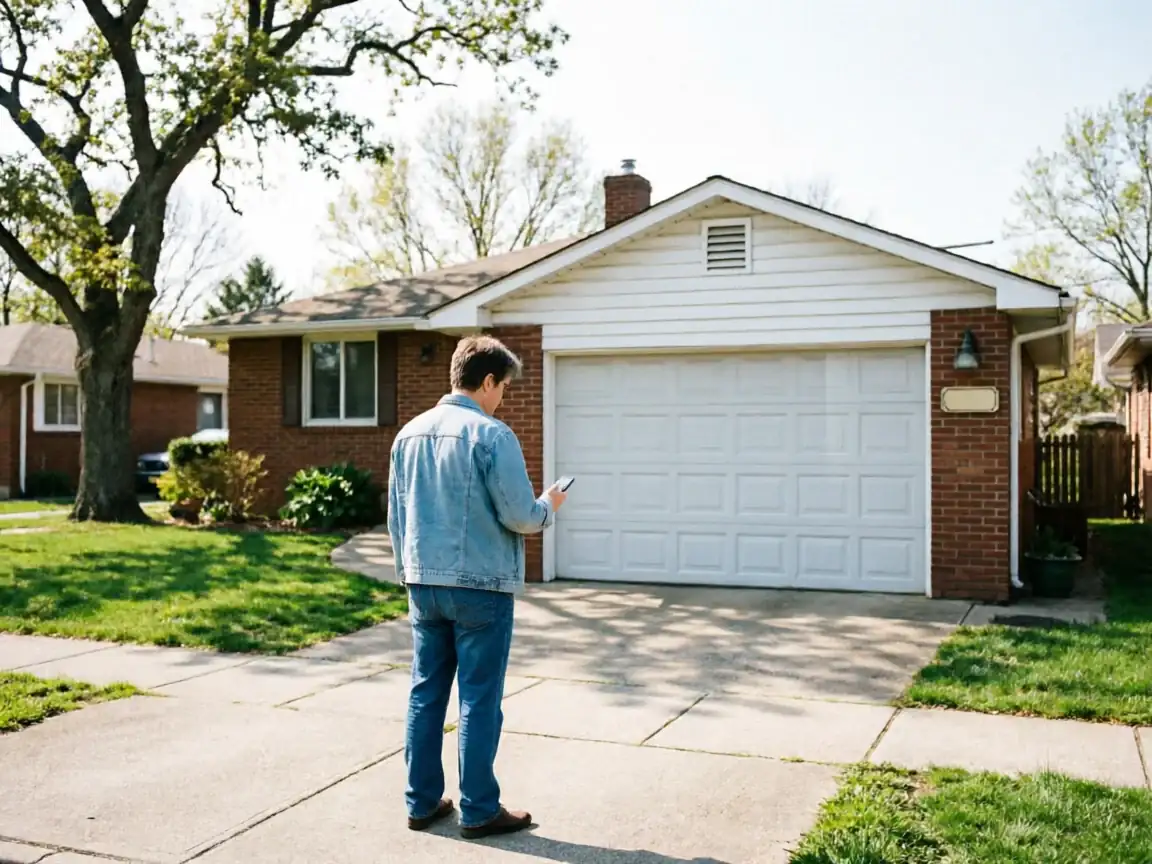
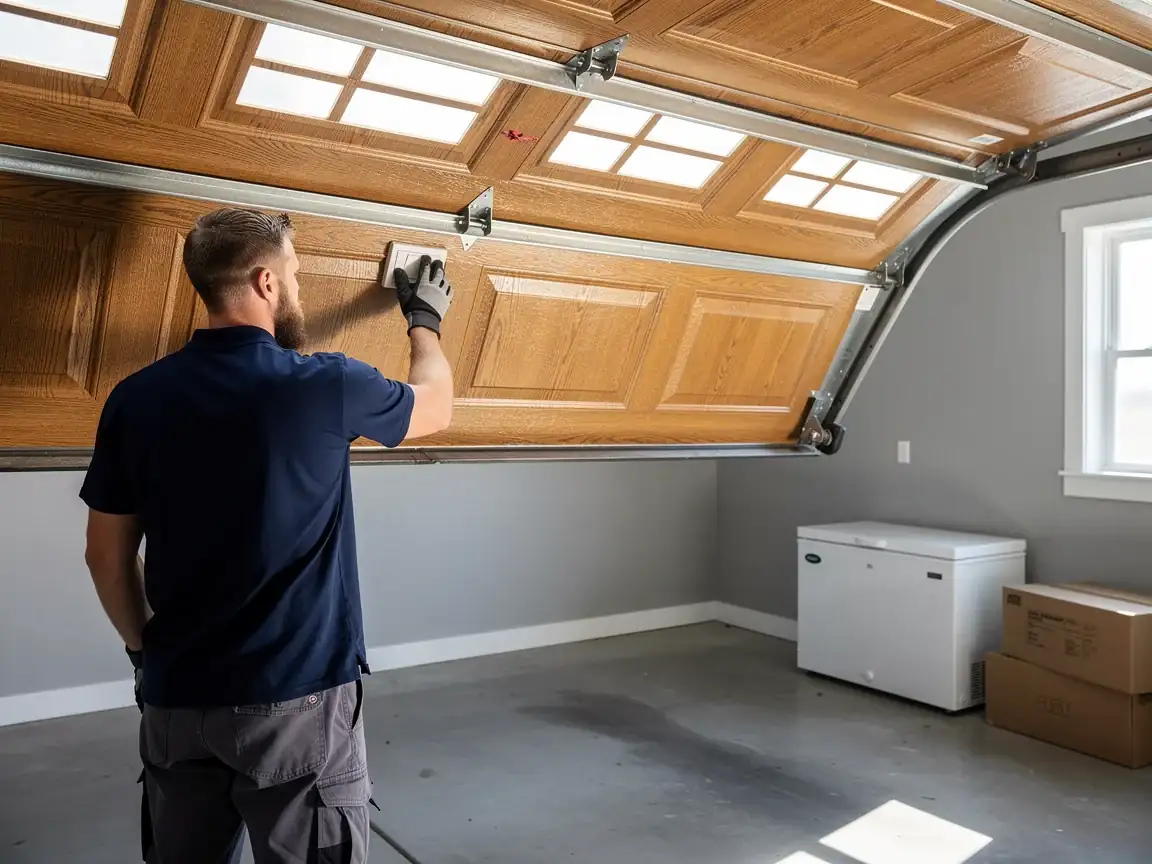
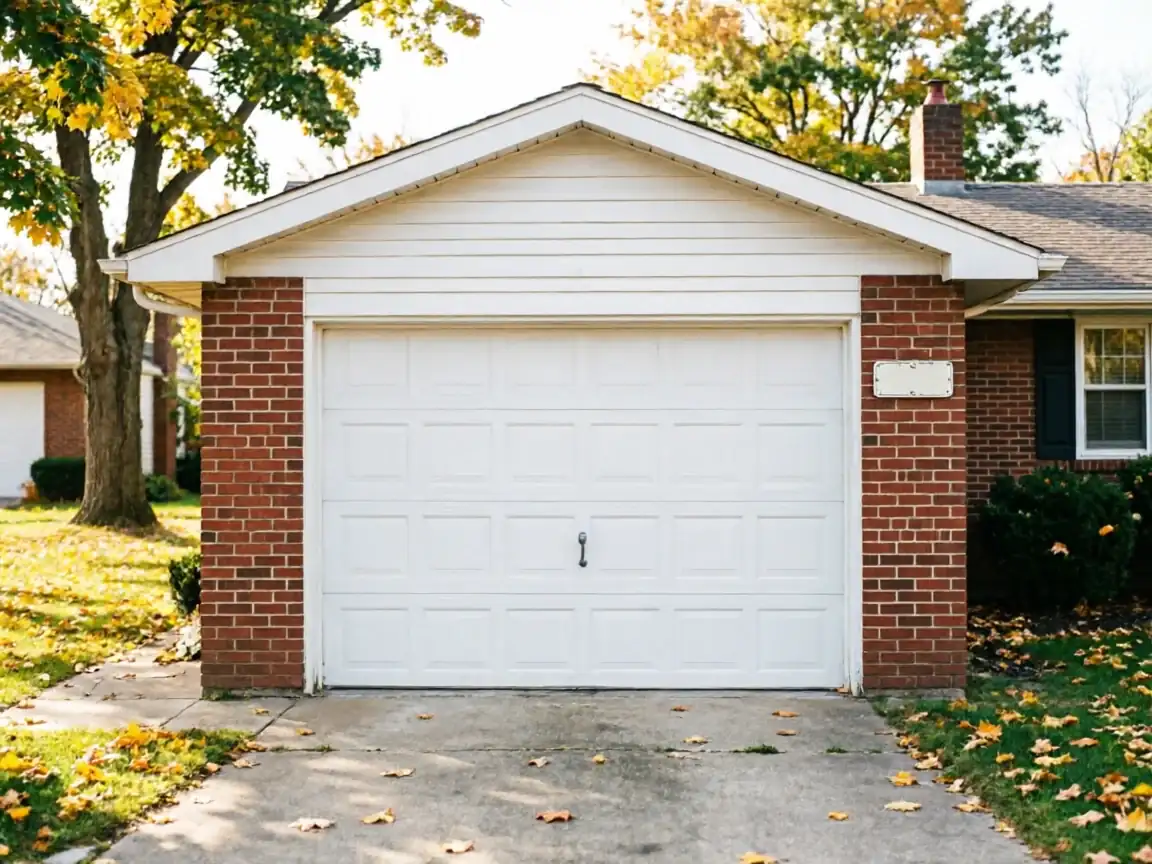
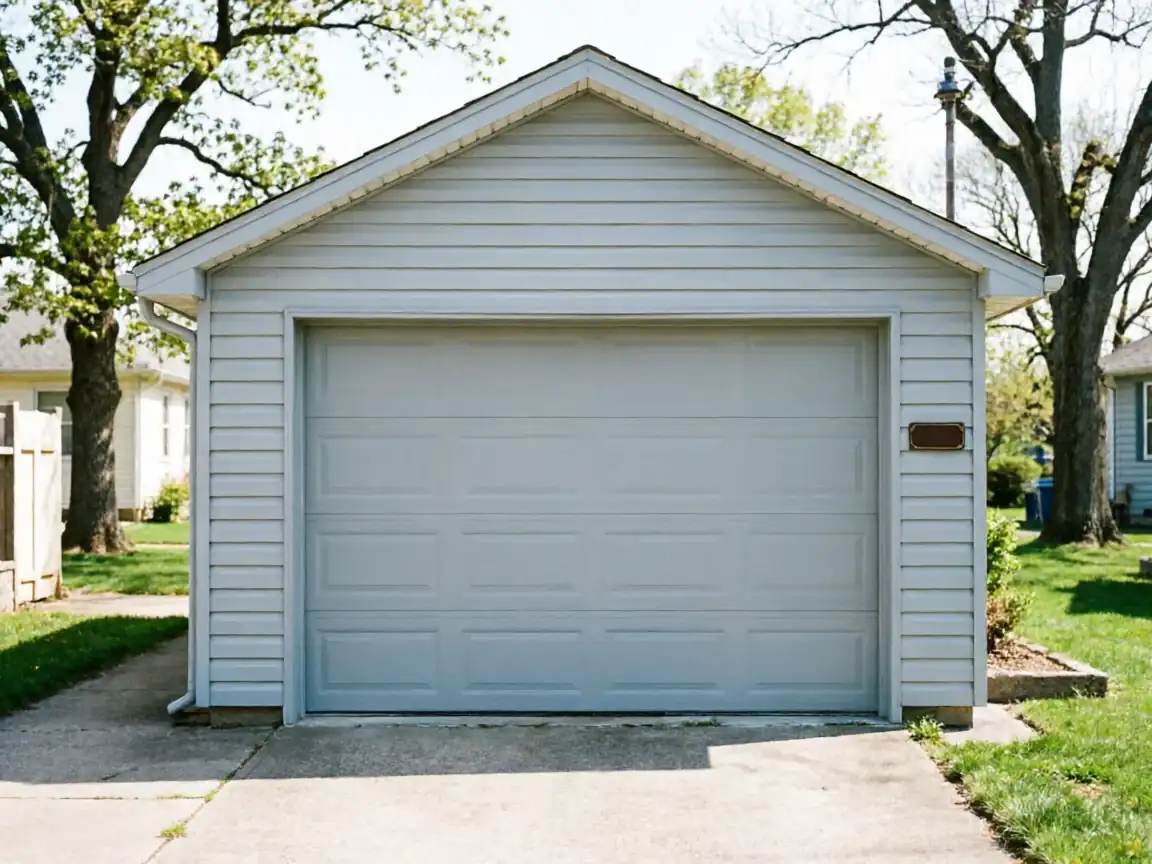
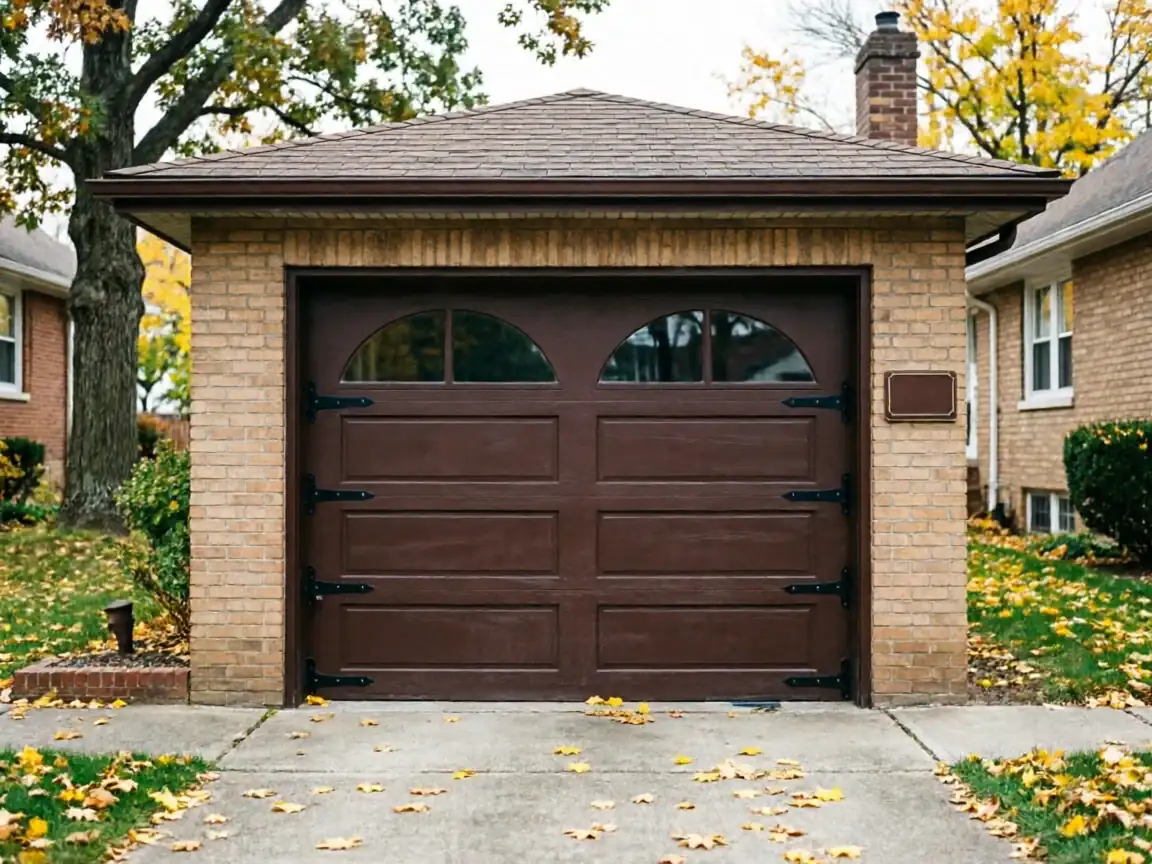
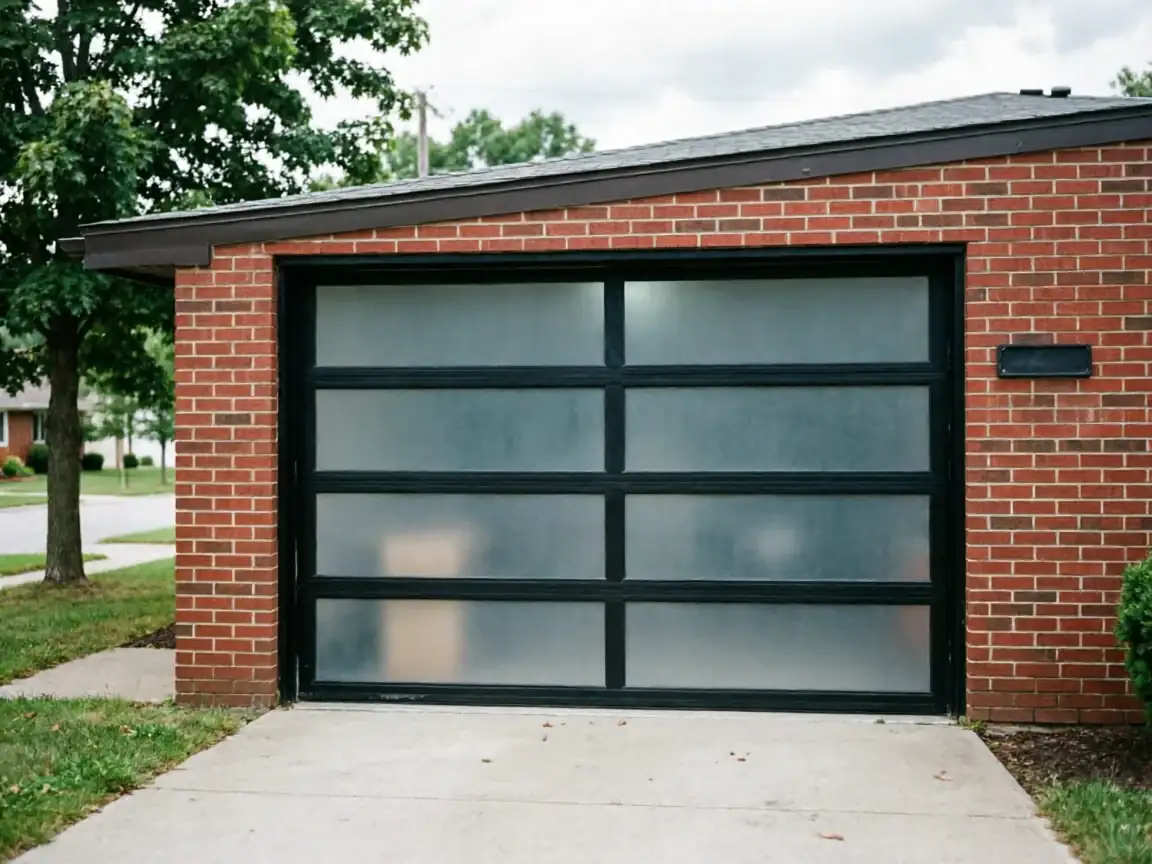
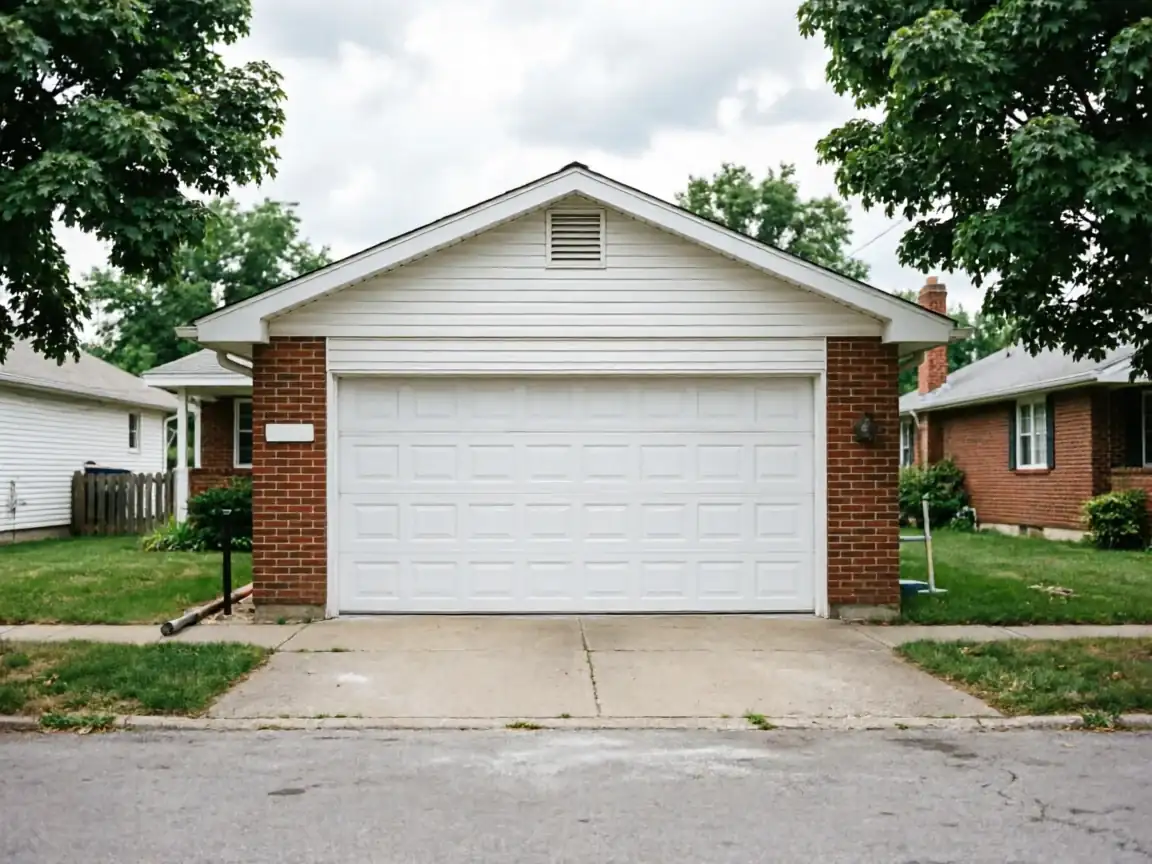
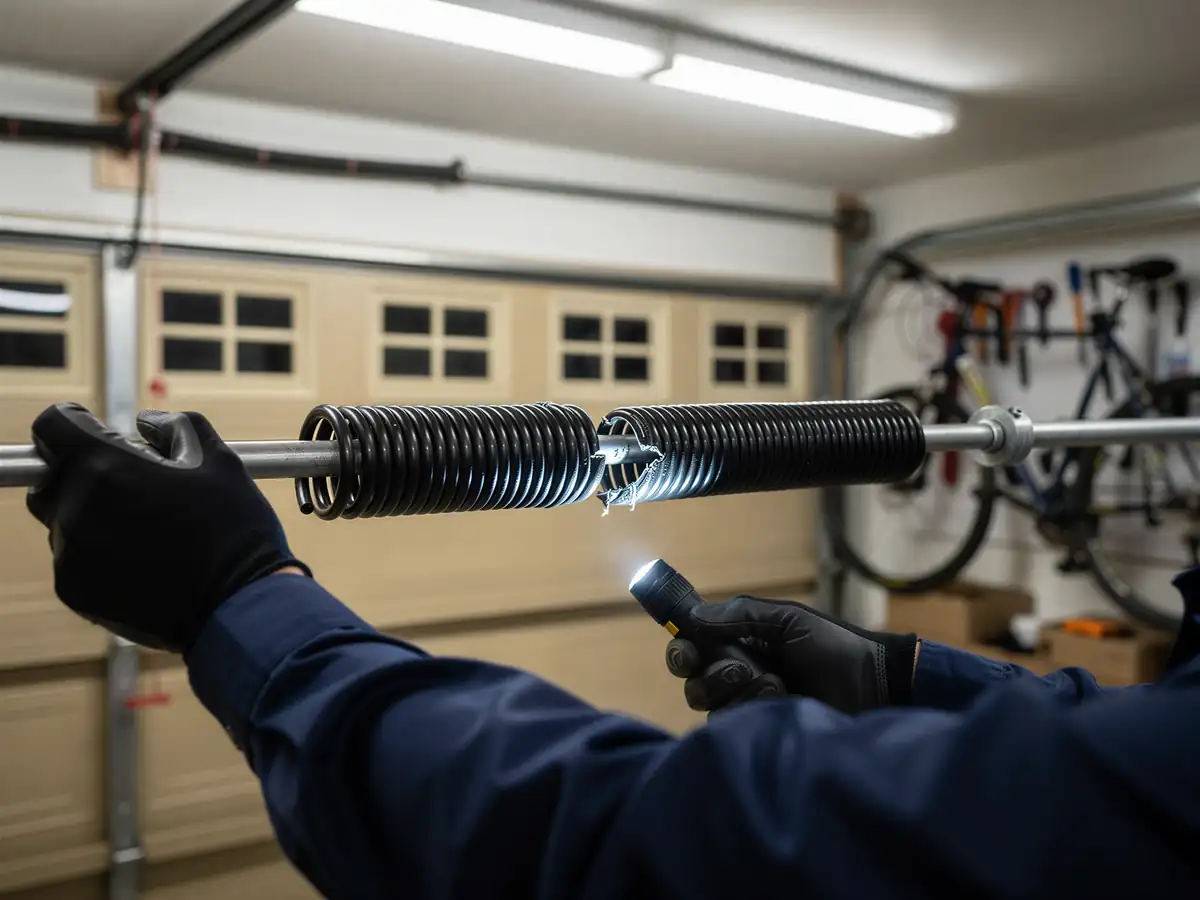
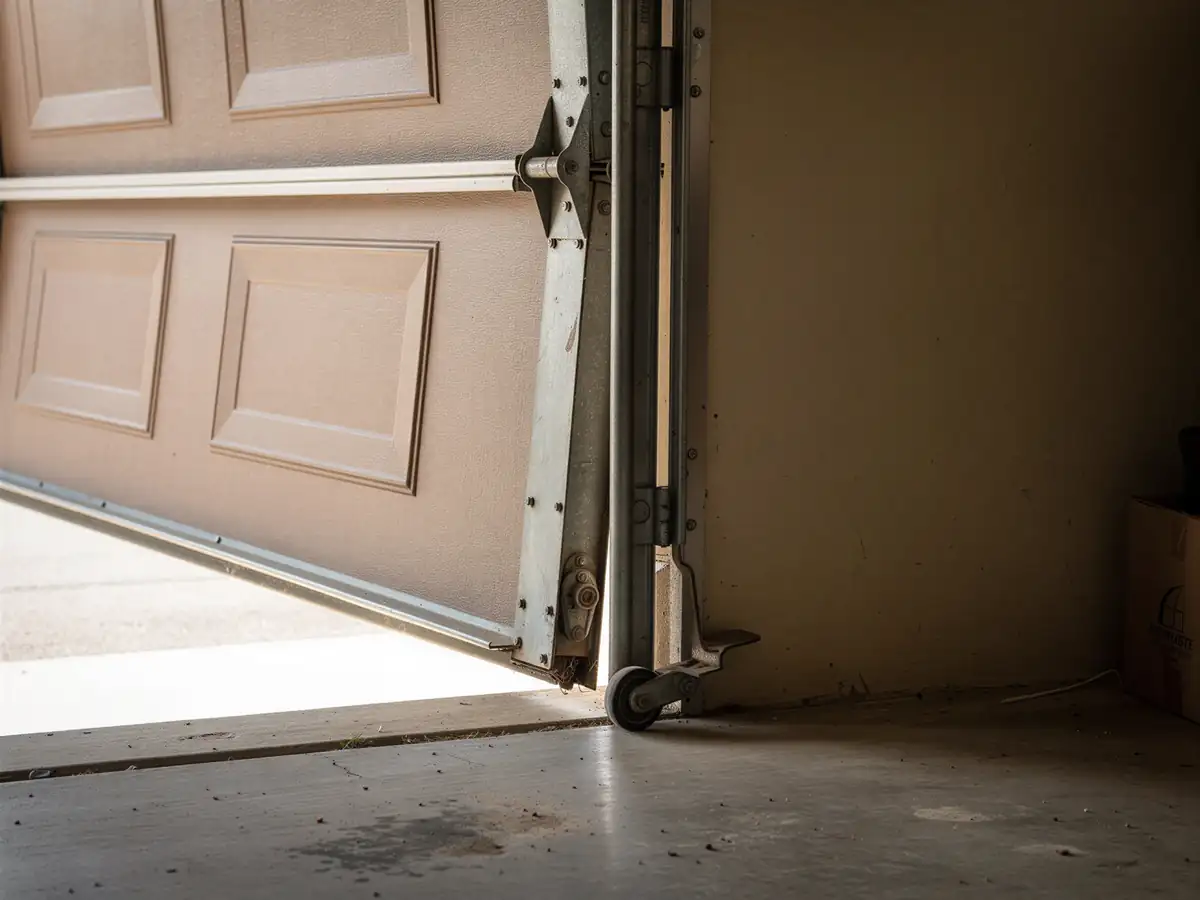
Most of what we get called out for here looks the same from the driveway: the door hangs crooked, one side higher than the other, or it stopped moving halfway up with a grinding sound instead of the usual roll. Sometimes it's dramatic - a cable snapped and the door is hanging at an angle in the opening. Sometimes it's quiet - the door still opens and closes but you can hear a roller clunking against the track on every pass, which is the sound of a door that's about to come off. Wales sits inside the part of this service area where housing mostly dates from the 1960s through the 1970s, with this town's own median landing around 1979. Doors from that era were usually hung on steel track to a narrower gauge than what ships today, and a lot of those original brackets have taken forty-plus winters of this region's cold swinging the steel. That combination - older track gauge, original hardware, decades of hard freeze-thaw - is what we expect to find more often here than in a newer subdivision.
How Long It Takes
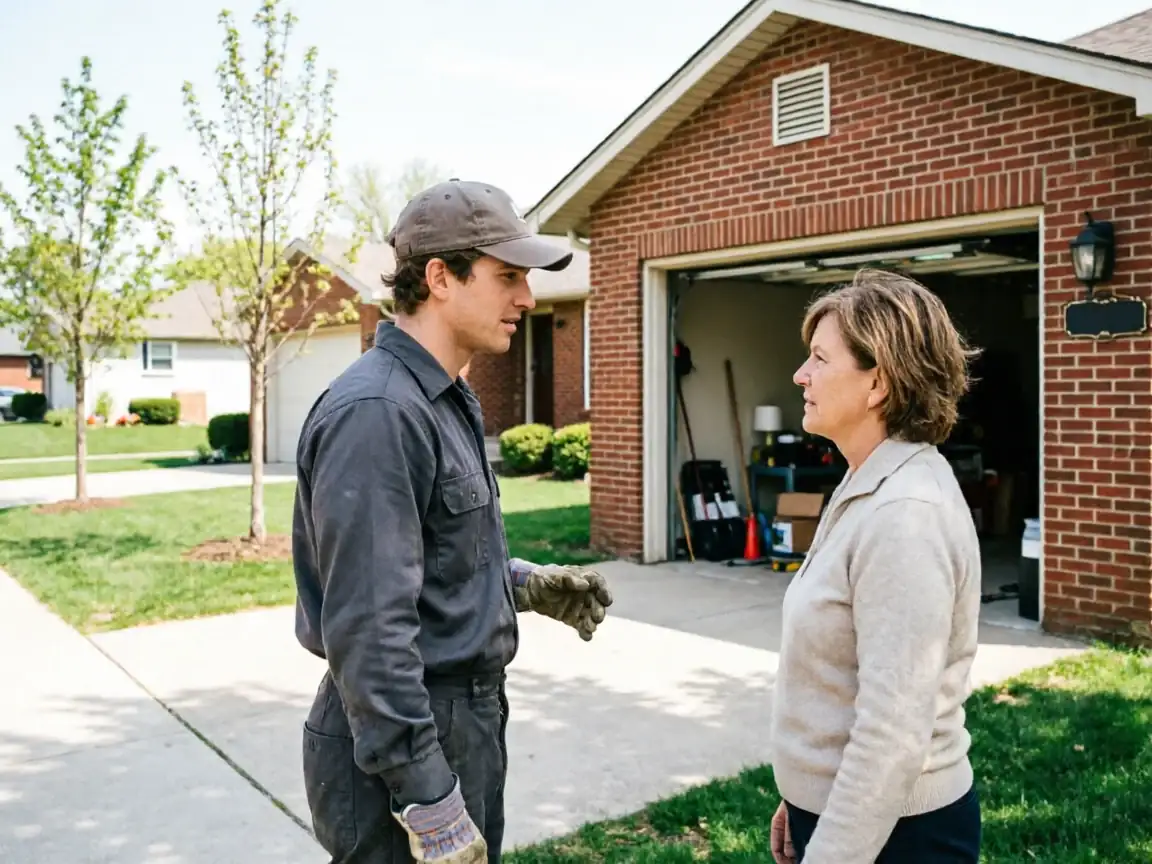
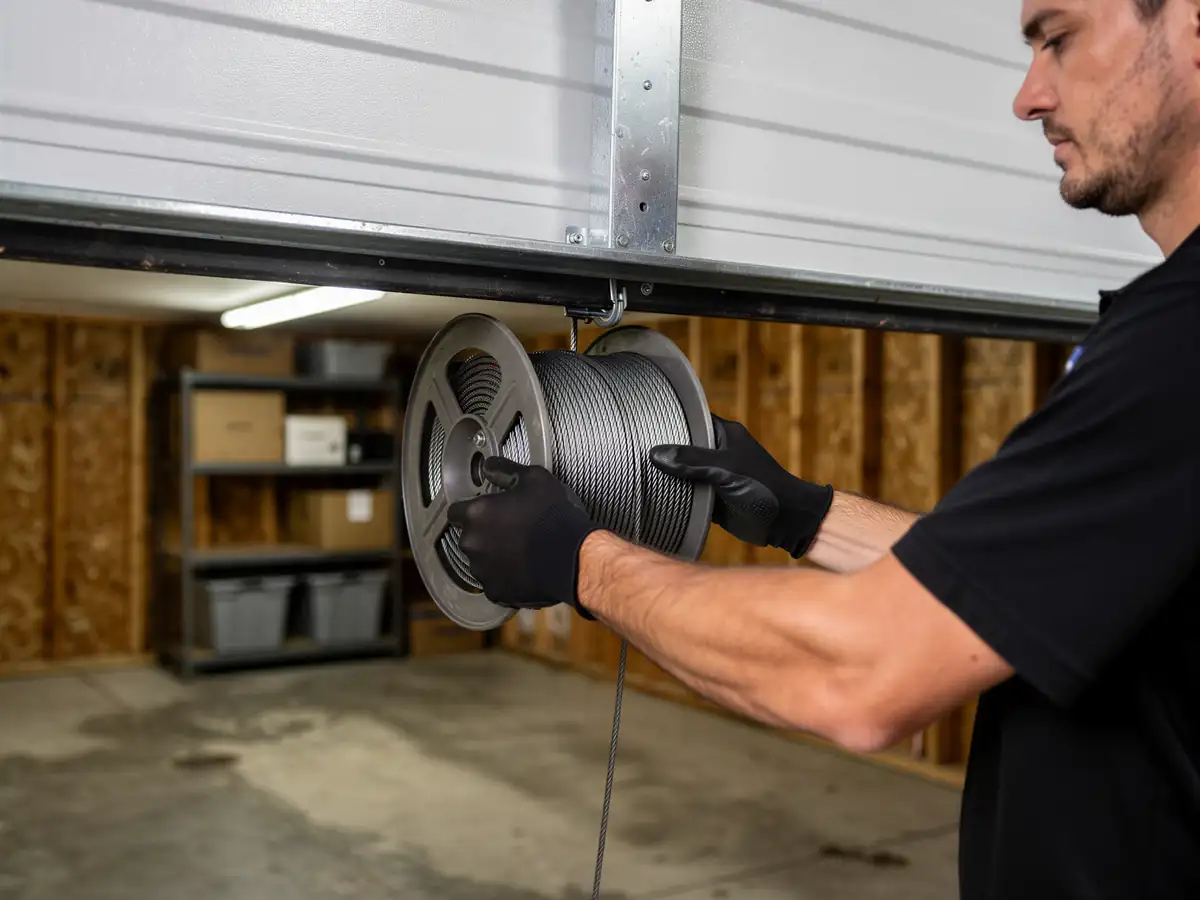
A straightforward off-track fix - realigning track, swapping a roller or two, tightening brackets - is usually an hour or two of work once the truck is on site. If a section of track needs replacing outright, or the cable snapped and the drum needs resetting, that adds time, mostly because tension has to be set and checked carefully rather than rushed. Houses in Wales built closer to that 1979 median sometimes add a wrinkle: matching hardware to an original bracket pattern can take a few extra minutes of fitting rather than a straight swap. We're not going to promise a number here beyond that, because the honest answer depends on what's actually bent, snapped, or just worn, and we won't know until the door is in front of us. What we can say is that off-track work is a same-visit repair far more often than it's a parts-order job - most of what jumps a track is fixable with what's already on the truck.
Where This Job Goes Sideways
The limitation worth saying out loud: not every off-track door is worth putting back on track. If the panel itself is bowed or cracked from whatever knocked it off - a car backing into it, ice buildup forcing it sideways, a spring giving out suddenly - straightening the track just gets you a straight track holding a bent door, and it'll fight the opener from day one. On some of the older Wales houses, where the door itself is original to a build year near 1979, the honest call is sometimes replacement rather than repair, especially if the track damage is the second or third issue we've found on the same door. We'll tell you that plainly rather than patch something that's going to be back on the ground in a season. The other place this goes sideways is when someone's tried to force the door closed after it jumped - that's when a simple roller fix turns into a bent track, a torn cable, or both, and the job gets bigger than it needed to be.