What Causes It Around Here
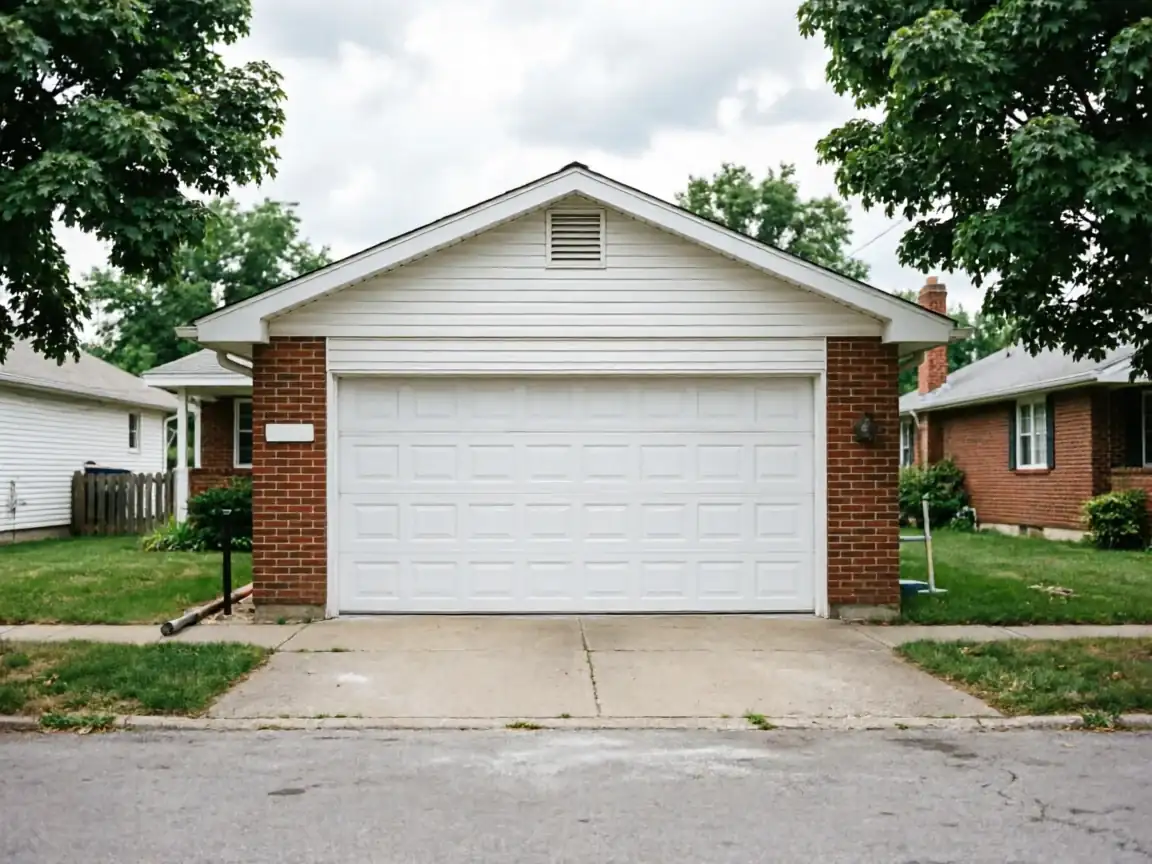
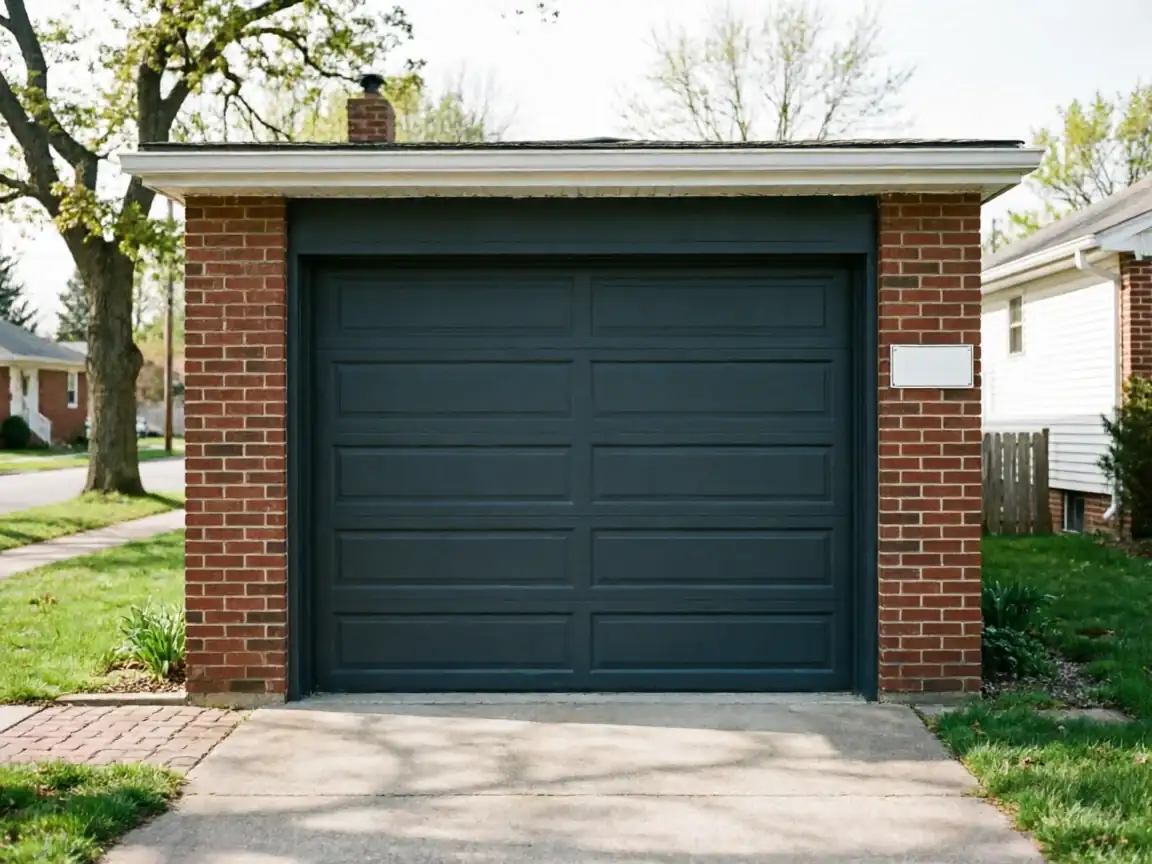
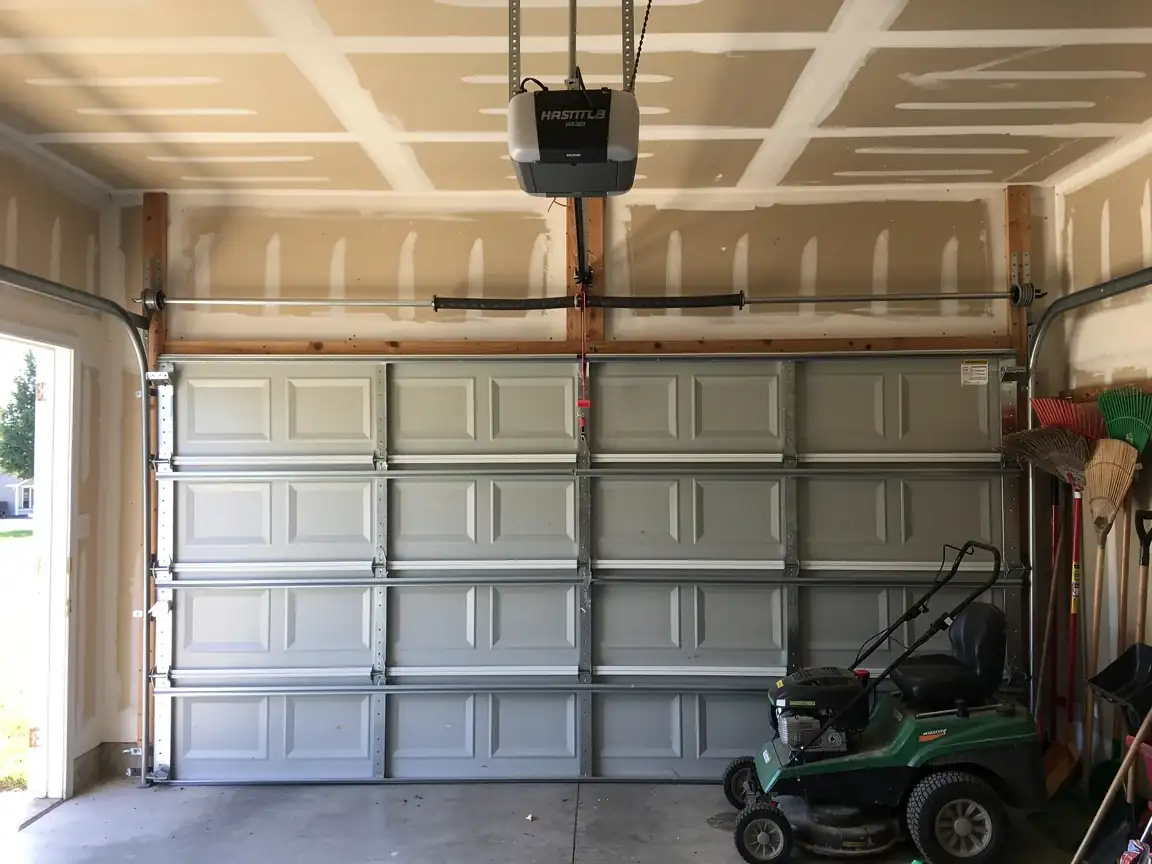
Most of the housing stock in this service area went up between 1938 and 2004, with a lot of it clustered in the 1960s and 70s across the 54 named communities we work in. That generation of garage door came with steel rollers riding in steel tracks, no nylon bushing, no sealed bearing. Decades of use wear the roller stem down to a point where the roller wobbles in the track instead of rolling through it.
The cold is the other half of it. This is a severe cold climate band, and steel contracts hard in a Wisconsin winter. A roller that's already got some play in it will bind in freezing temps, grind against the track edge, and chip or flat-spot faster than it would in a mild climate. You hear it before you see it - a rhythmic thump or grind as the door travels, worse on the coldest mornings.
Houses built toward the newer end of that 1938-2004 range sometimes already have nylon rollers from the factory, which hold up better in the cold, but plenty of the original-equipment steel rollers from the 60s and 70s stock are still running today, past the point anyone would call normal wear.
Can You Do This Yourself
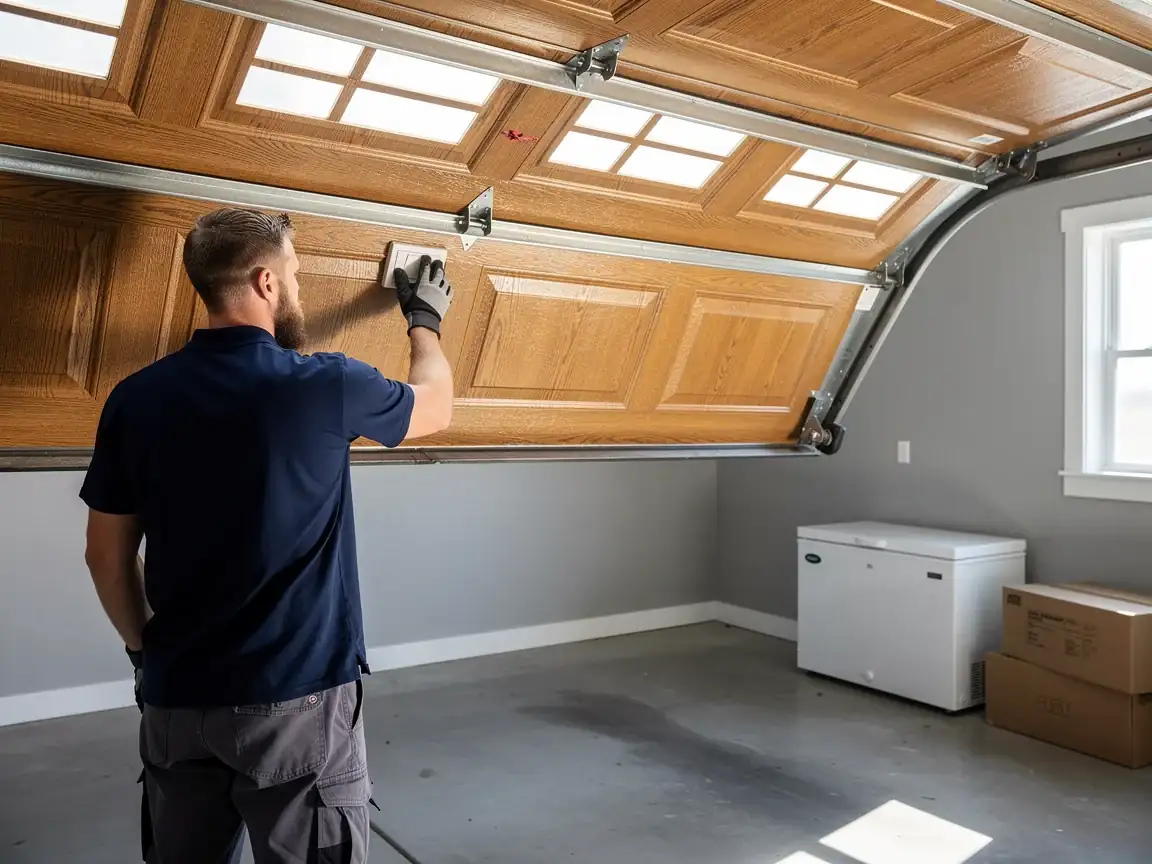
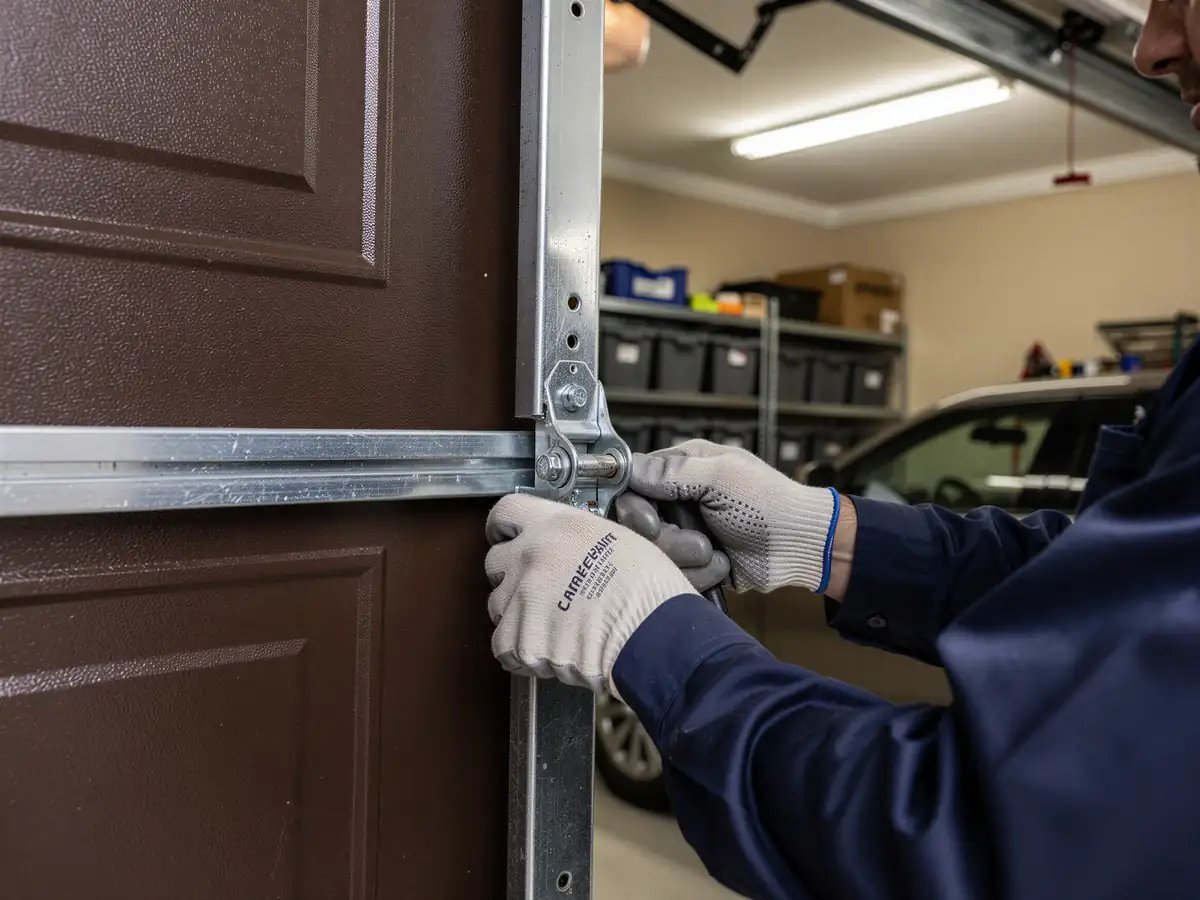
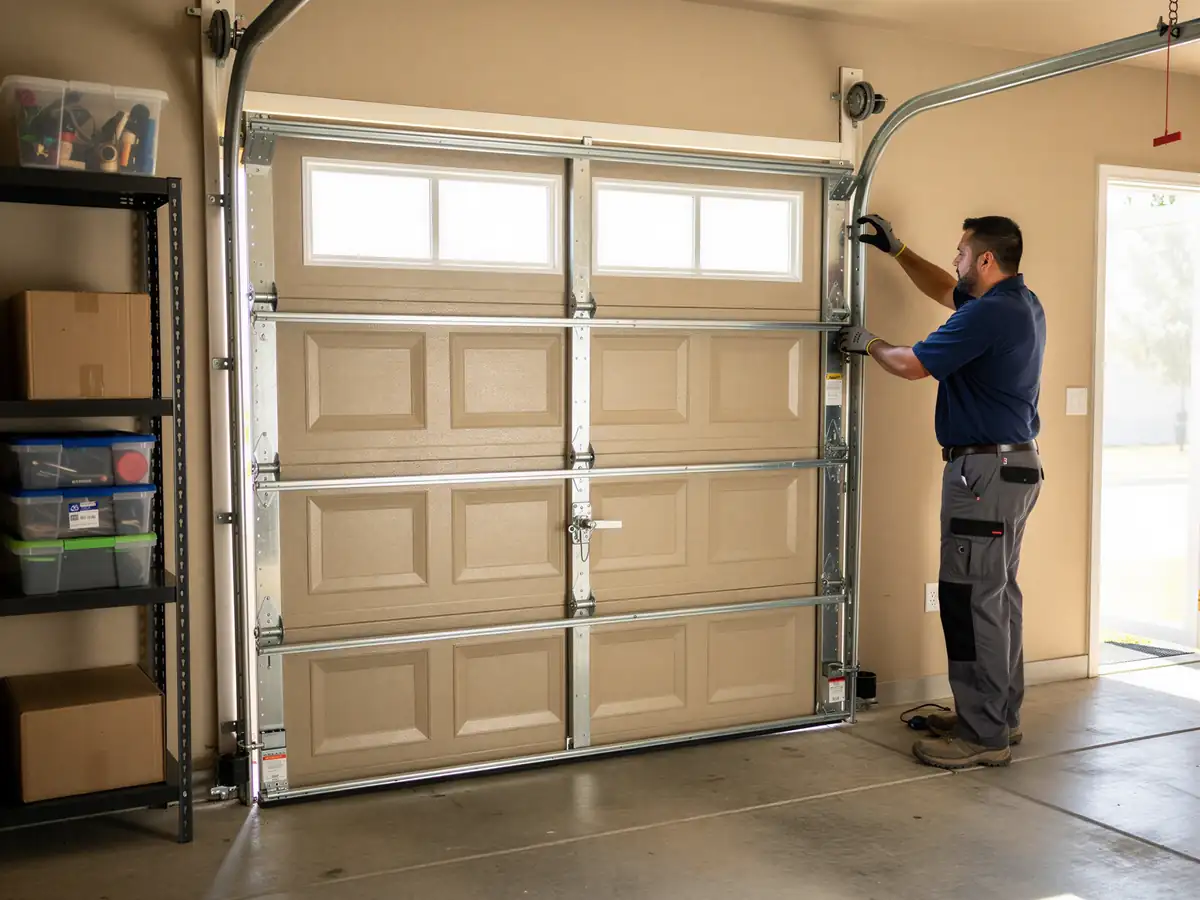
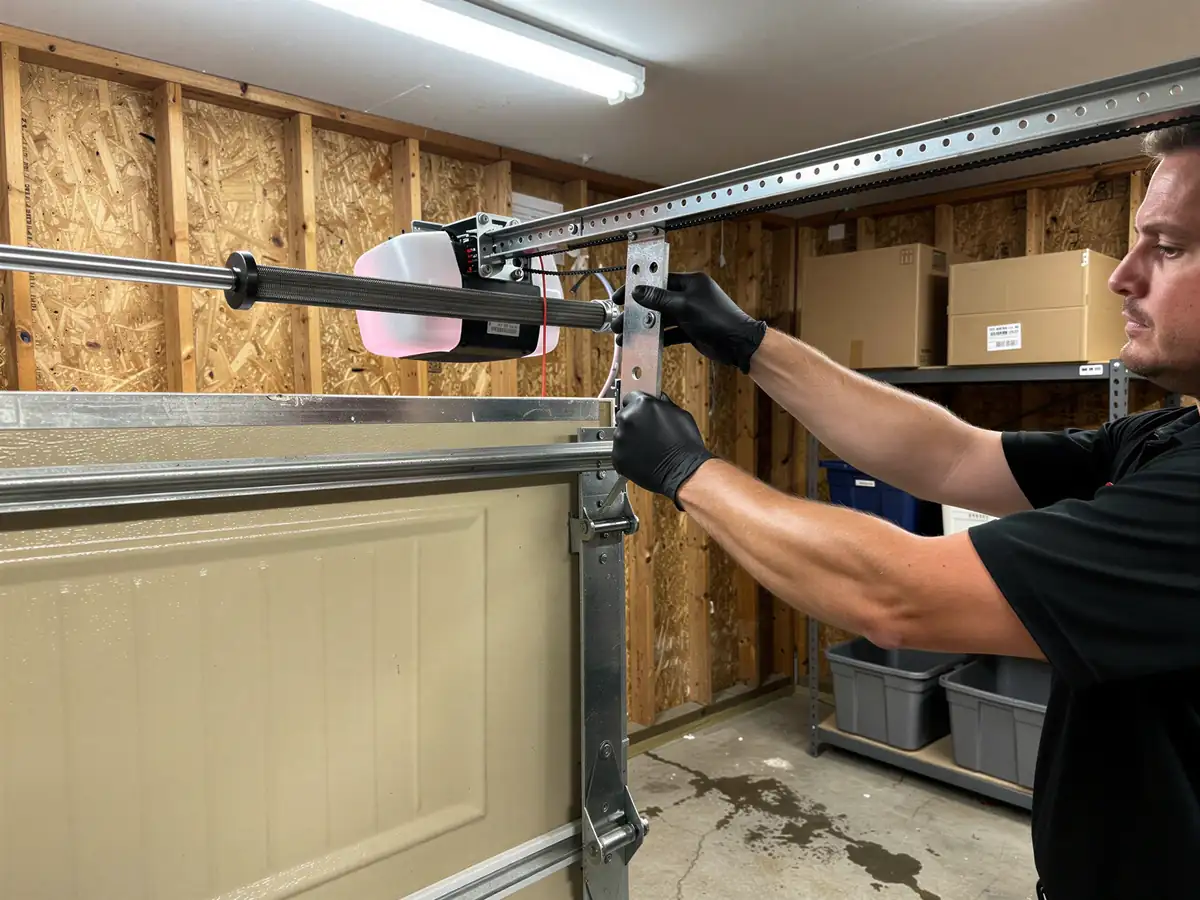
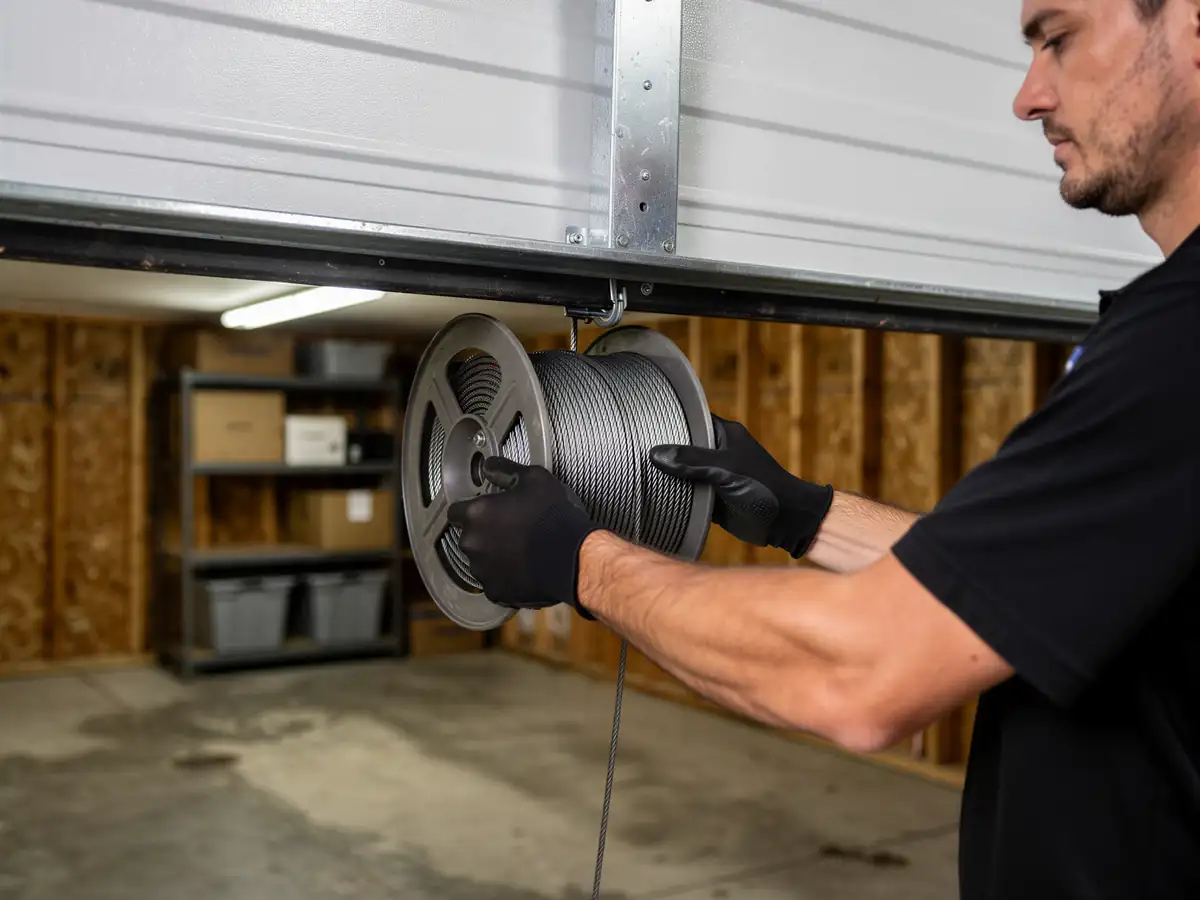
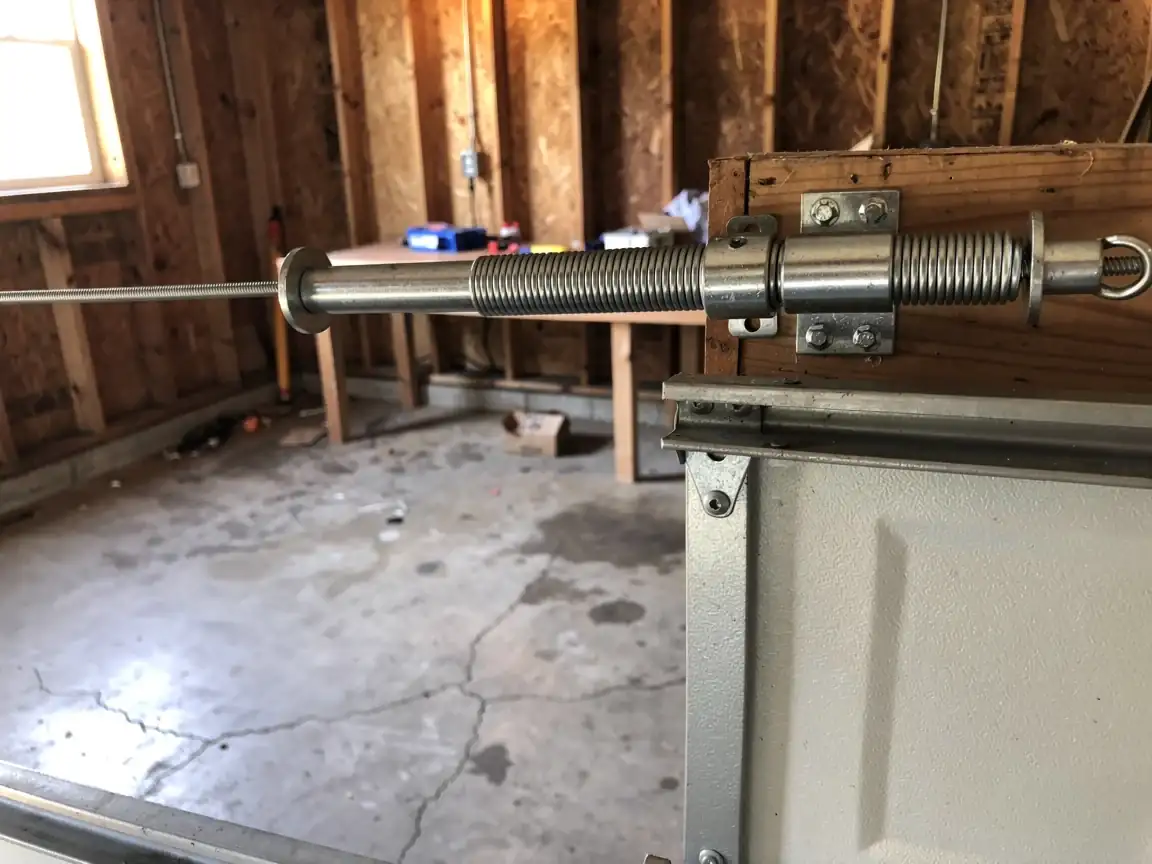
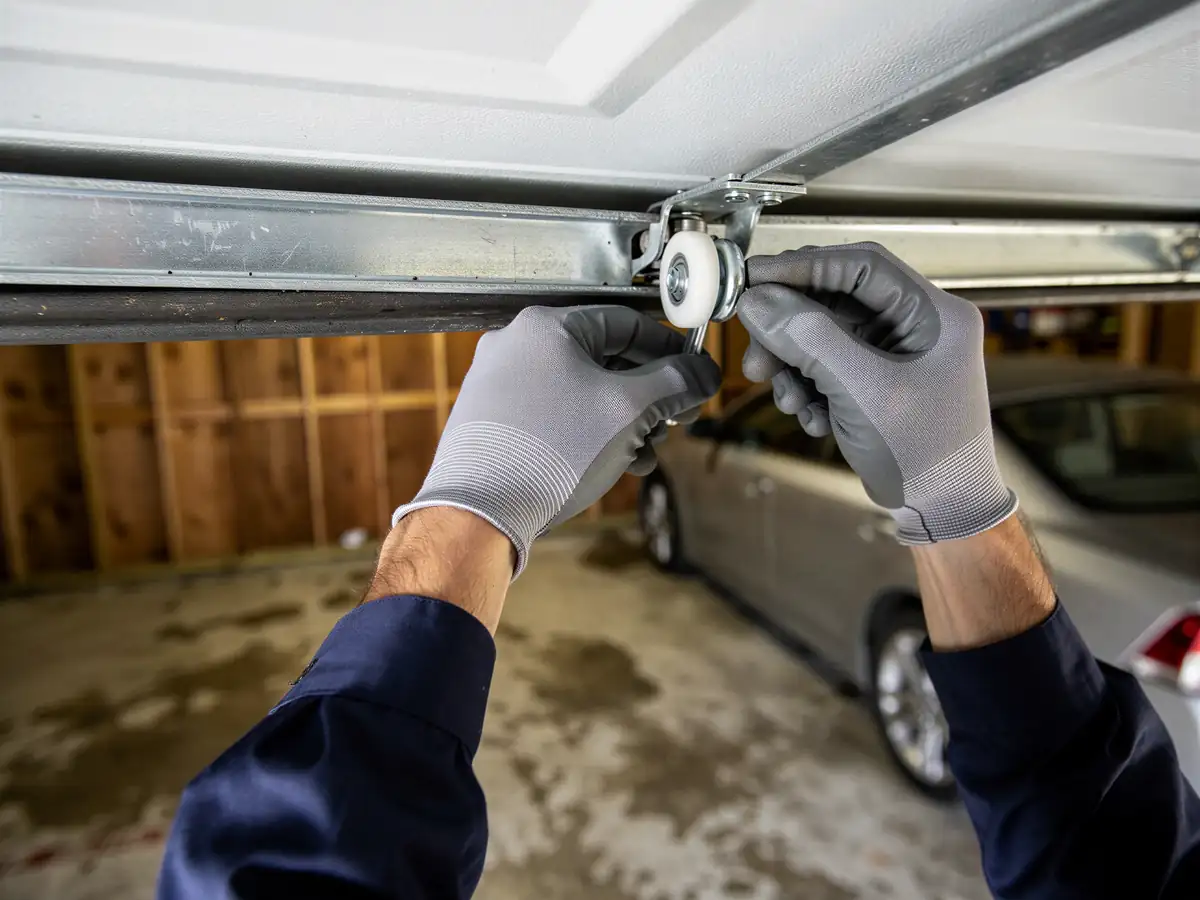
A single roller swap on a door that's otherwise in good shape is within reach for someone comfortable with hand tools - you're removing a retainer or hinge, sliding the old roller out of the track, and sliding the new one in. The bottom rollers near the cable drums are the exception. Those sit close to a spring-loaded cable system, and getting that wrong can put real tension where your hands are.
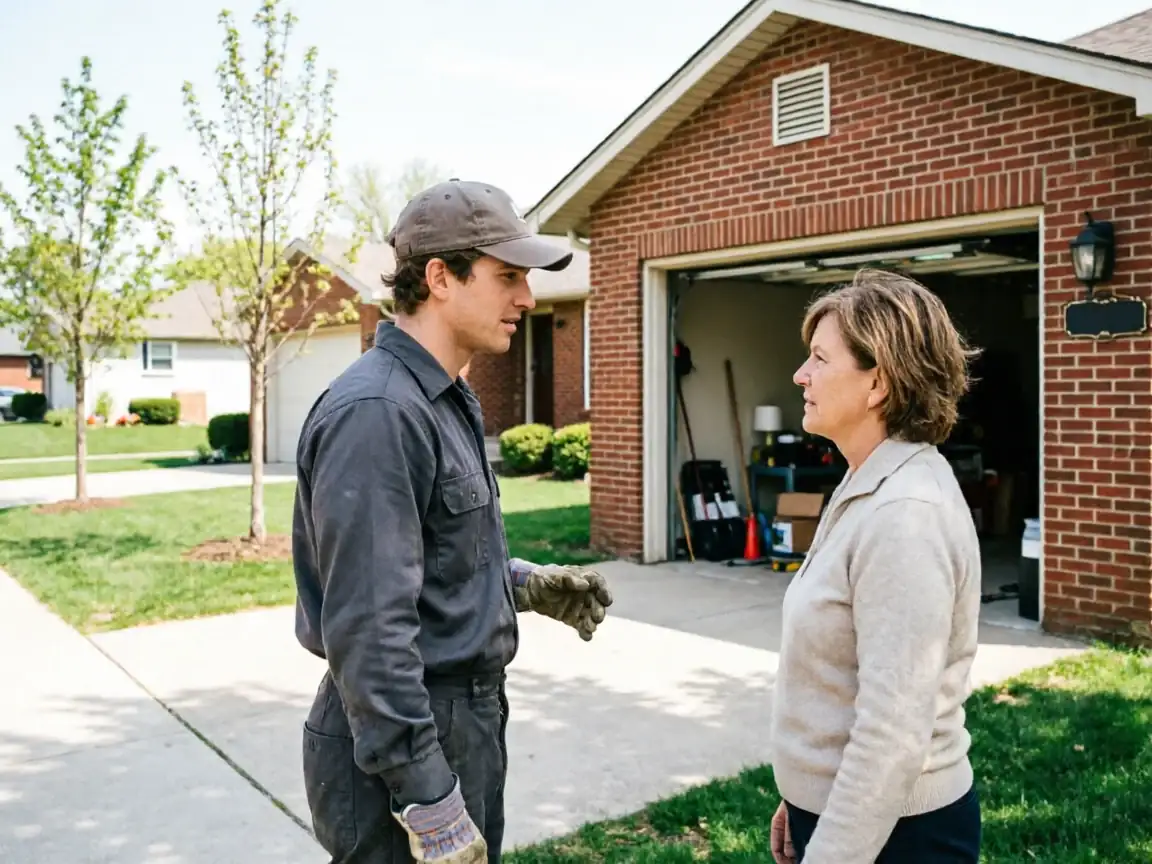
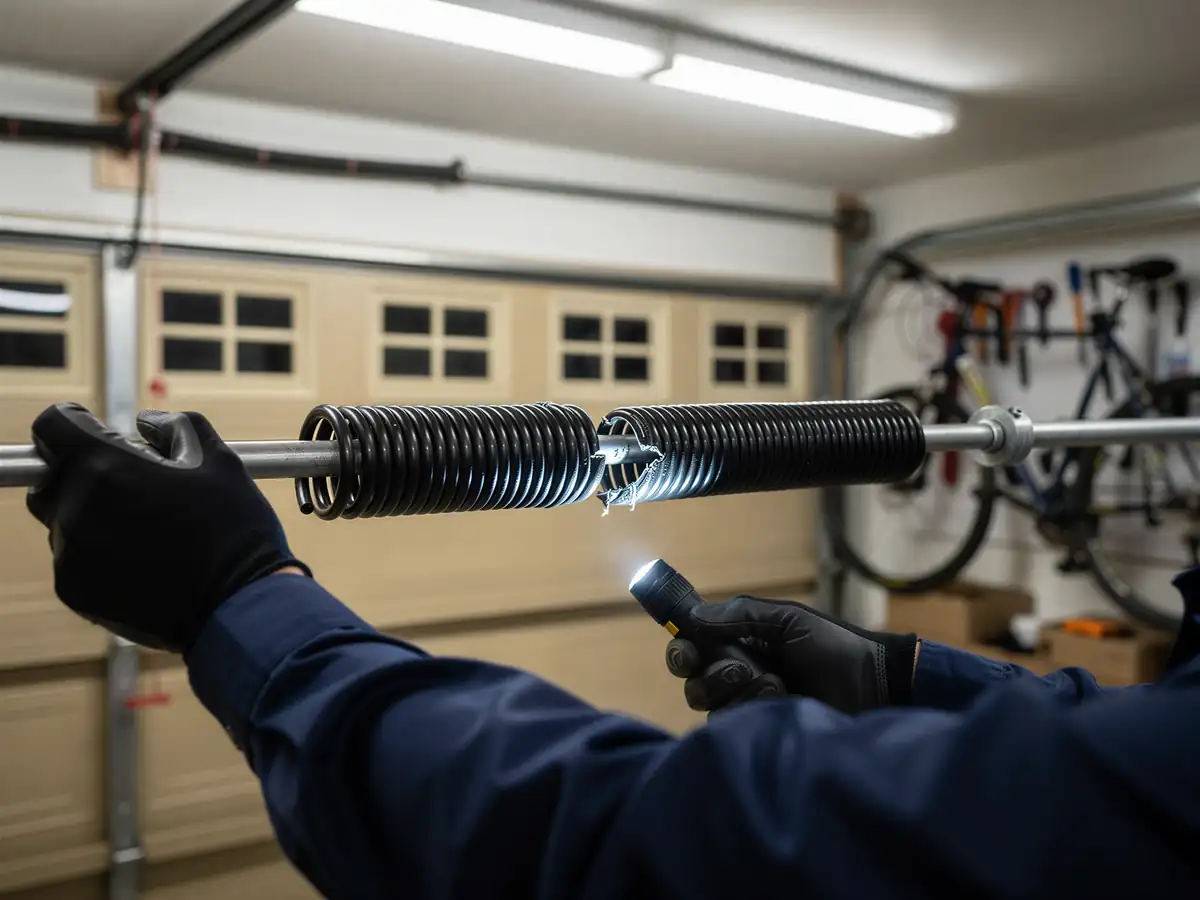
Where people get into trouble is misreading a roller problem for a spring or track problem. If the door is also sagging, binding at one spot every cycle, or the track itself has a bend, replacing rollers alone won't fix it and you'll be doing the job twice. We're straightforward about this: if it's one or two rollers on an upper track with a door that opens and closes true, that's a reasonable DIY afternoon. If the whole roller set has gone past its life and the door's old enough that the track has worn grooves to match the bad rollers, that's a full track-and-roller job, and that's worth a call.
How Long It Takes
A straightforward roller replacement, done right, is a short job
Usually under an hour once we're on site, less if it's a couple of rollers rather than a full set. Full sets on both tracks with track cleaning and alignment take longer, closer to the length of a standard service call.
What stretches a job past that is finding something underneath the obvious problem
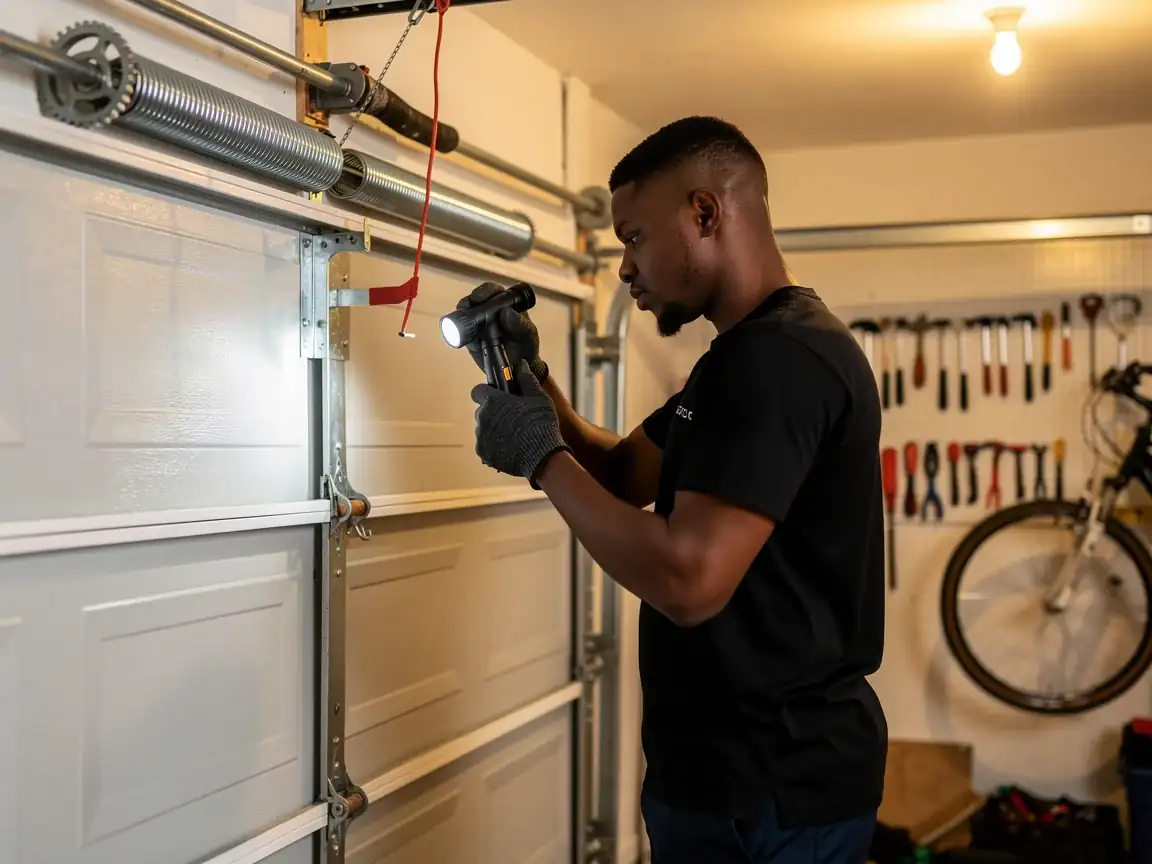
A bent track section from the stress of the bad rollers, or hinges that have worn oval from years of a wobbling roller pulling sideways on them. We check for that before we call a job done, not after, because a new roller set installed into a bent track just wears unevenly again within a season, especially with the temperature swings this area gets.
What You Are Seeing
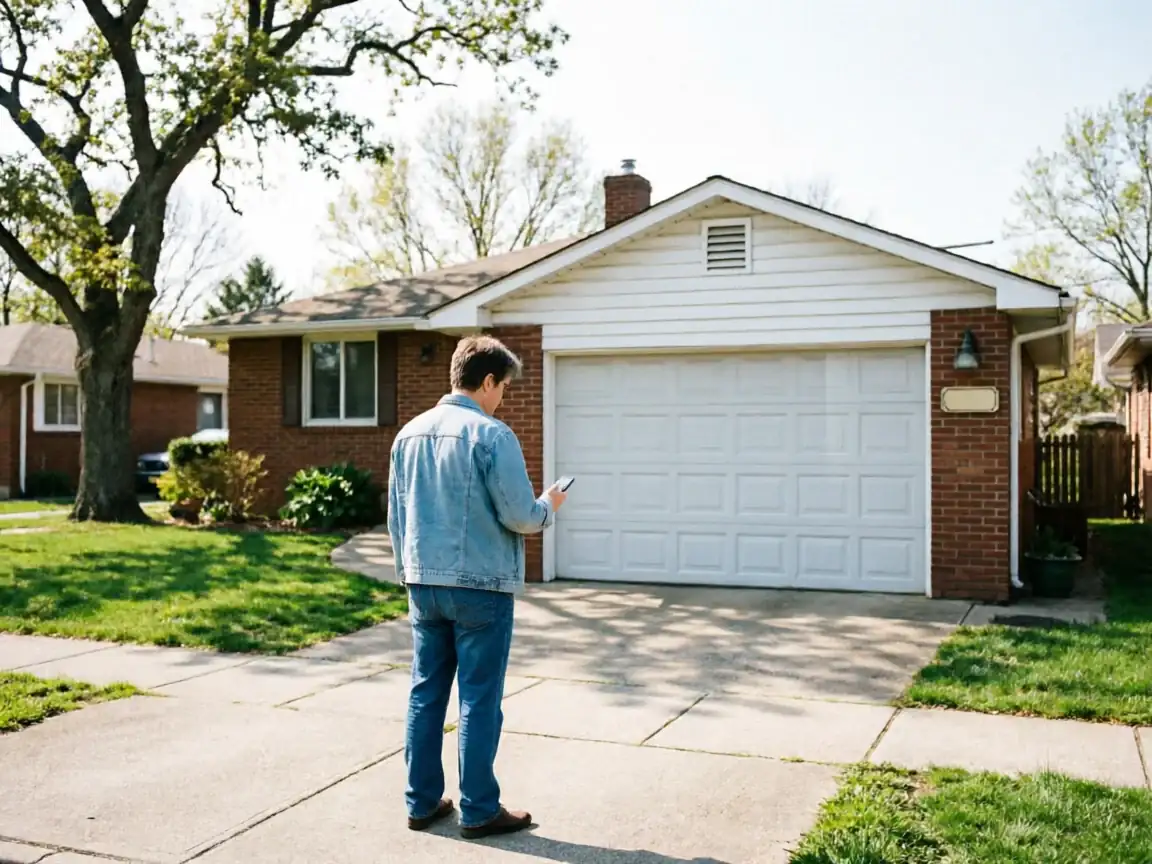
The signs are consistent enough that most homeowners in this area describe the same thing on the phone. A grinding or scraping sound as the door travels, especially noticeable in cold weather when steel is tightest in the track. Visible flat spots or chips on the roller wheel itself if you look at it directly. The door shuddering or jerking at the same point in its travel every single time, rather than running smooth top to bottom.
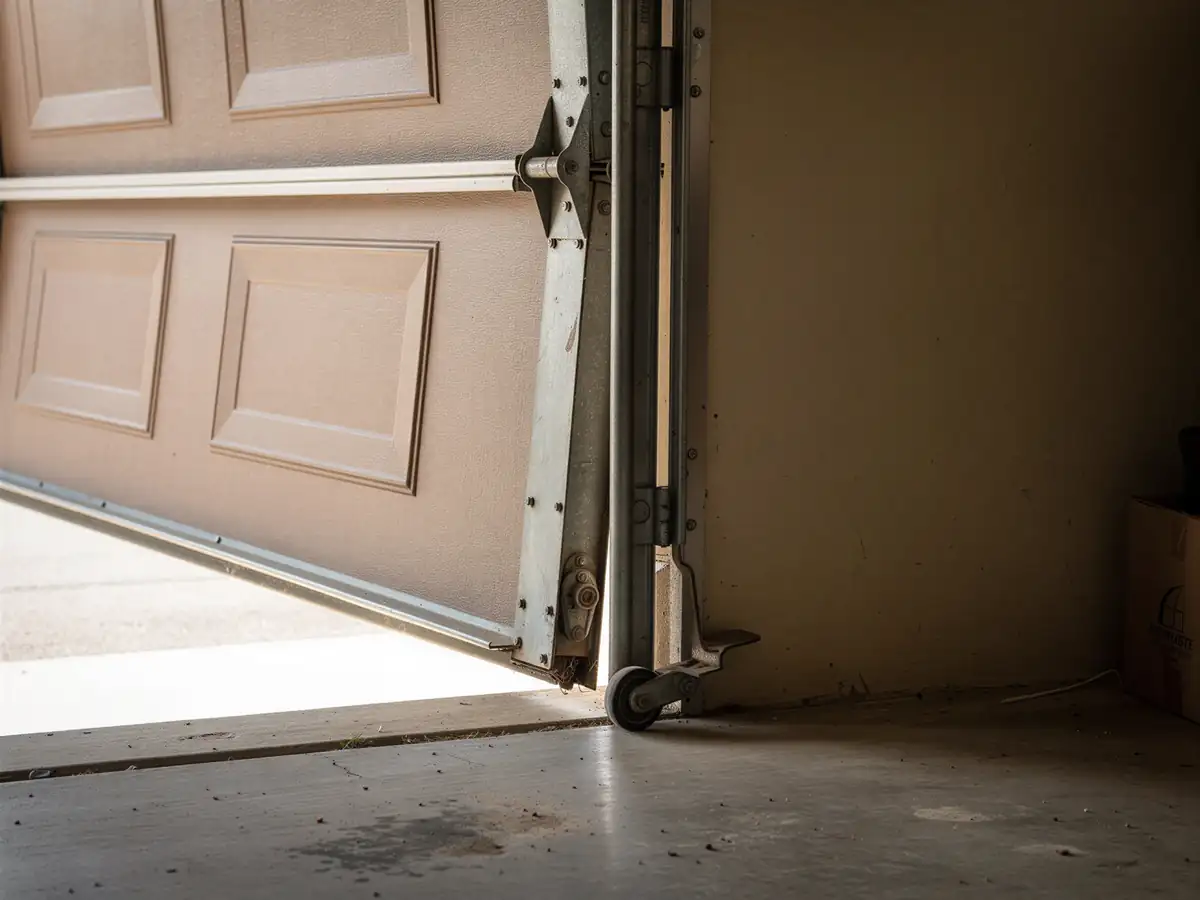
Sometimes it shows up as the door looking slightly crooked in the opening when closed, because a worn roller lets that corner of the door sit a little off-track. None of these mean the opener is failing - the motor can be in perfect shape while the rollers underneath it are the actual problem. That distinction matters because swapping an opener doesn't touch a roller issue, and it's a common place homeowners spend money on the wrong part.