Serving Waukesha, WI & nearby
(262) 216-2775
Waukesha, WI

Why Your Waukesha Garage Door Lets the Cold In

Most Waukesha garages date to the 1960s-70s building boom, and that original seal hardware wasn't built for today's cold snaps. Here's what to check first.

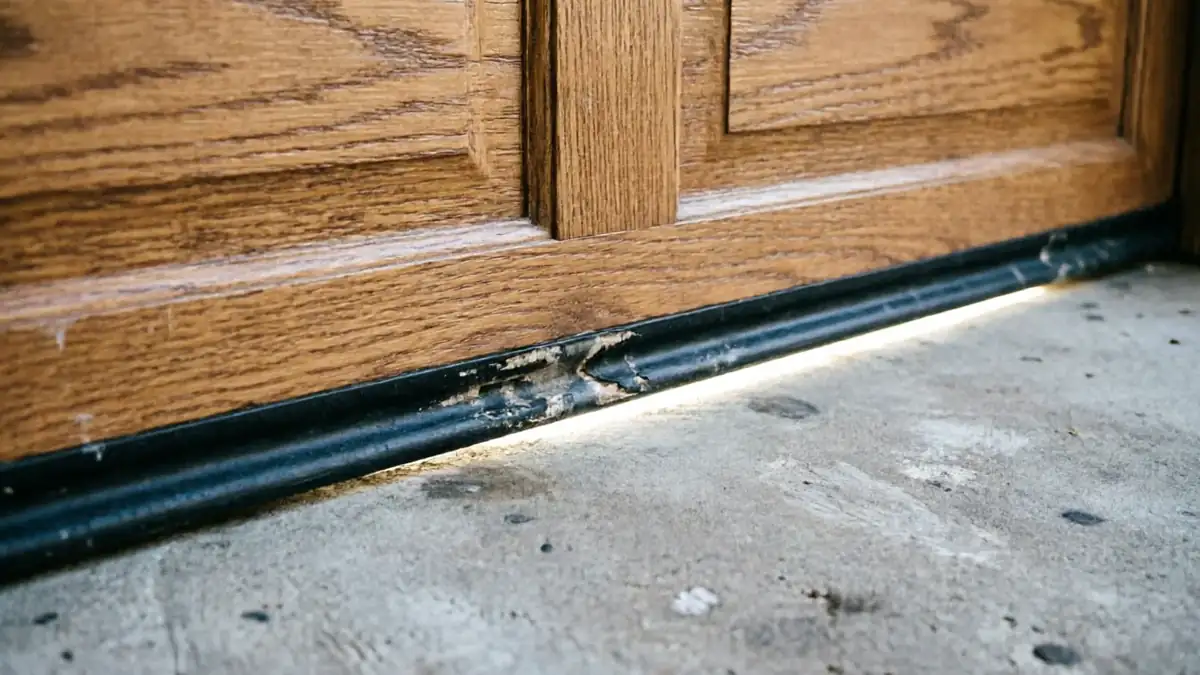
The garage door bottom seal is damaged, letting light shine through.

The Situation

Walk into most garages built between 1938 and 2004 around Waukesha - and the median here lands around 1979 - and you'll find the same problem: a bottom seal that's cracked, flattened, or shrunk away from the slab, plus side and top seals that were never a priority when the house went up. Across the 54 named areas in this service territory, the bulk of the stock is 1960s and 70s construction, which means steel sectional doors on tracks that were standard for that era but never came with the compression seals or insulated panels you'd spec today. A draught at the bottom corner isn't cosmetic in a climate band rated severe cold. It's the difference between a garage that holds 20 degrees above outside air and one that doesn't hold anything at all. Pipes along an exterior garage wall, a chest freezer, a workbench you actually use in January - all of that depends on the seal doing its job. The seal is cheap. The heat loss and the frozen-pipe risk if it fails are not. This is the section where a homeowner usually realizes the door itself is fine; it's the rubber and the weatherstrip channel around it that gave up years ago.

What It Costs

We don't have a flat number to hand you here, and giving one without seeing the door would be a guess, not a quote. What we can tell you is what drives the cost up or down. A straight bottom astragal swap on a standard door is the cheapest fix there is. Side and top seal (the J-channel retainer strips) run more because the track often has to come off to reseat them, and on a lot of the 1960s-70s doors still in service around here, that hardware is seized from decades of Wisconsin winters and doesn't want to move without a fight. If the door itself has warped - common on steel panels from that era once the original insulation has broken down - sealing it is a band-aid, not a fix, and we'll say so rather than sell you weatherstrip for a door that needs replacing. With median household income in this area at $108,690, most owners here are weighing a seal job against a full door replacement rationally, not out of necessity, and that's the right way to think about it.

What to Look At First

Start at the bottom corners, not the middle. On a door built to 1960s-70s spec, the bottom seal rides in a metal retainer that's narrower than what's made today, so even a correctly-sized replacement seal can look installed and still gap at the corners where the slab has settled. Next, check the top seal where the door meets the header - on original installs this is often just foam tape, not a real compression seal, and foam tape from that period is long past useful. Then run a hand along both sides while someone else watches from inside with the lights off; daylight showing through the side seal in a garage from this build era usually means the track has shifted slightly over fifty-plus years, not that the seal is bad, and swapping seal without addressing track alignment just repeats the job in a year. Last, look at the panel seams themselves on older steel doors - if insulation has settled inside the panel, you'll feel cold radiating off the steel itself, which no amount of perimeter sealing will fix.

How Local Conditions Play In

A climate band this severe doesn't forgive a bad seal the way a milder region would. Repeated freeze-thaw over a Waukesha winter works metal retainers loose and turns pliable rubber brittle faster than it would somewhere with a shorter cold season, and that cycle repeats every year a worn seal stays in place. Houses on the older end of this area's 1938-2004 range are also more likely to have had the original garage door slab poured without the slight pitch or edge detail that newer code calls for, so water and snowmelt sit right at the threshold instead of running off - which means the seal is doing double duty against both air infiltration and standing moisture. If you're in one of the areas close in, like Pewaukee or Wales, you're looking at the same housing-age profile and the same cold exposure, so the fix doesn't change with the address. Further out toward Hartland or Delafield it's the same story. The seal has to work harder here than the spec sheet assumes, because the spec sheet wasn't written for this winter.
How it works

From “it’s stuck” to “it’s fixed”

A quick, honest process - no guesswork and no surprises, start to finish.

  1. 1
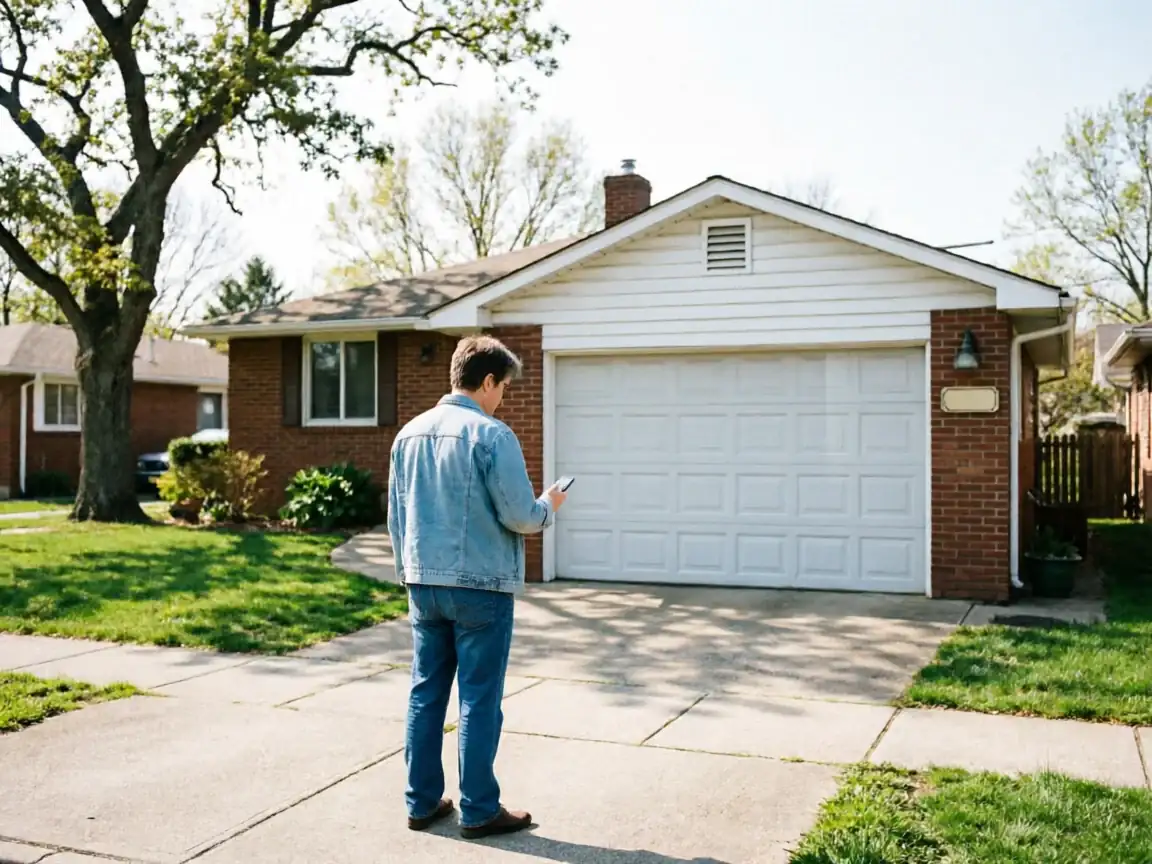
    A man in a denim jacket stands in a driveway looking at his phone.

    Tell us what’s wrong

    Describe the symptom - won’t open, loud bang, opener runs but the door won’t move.

  2. 2
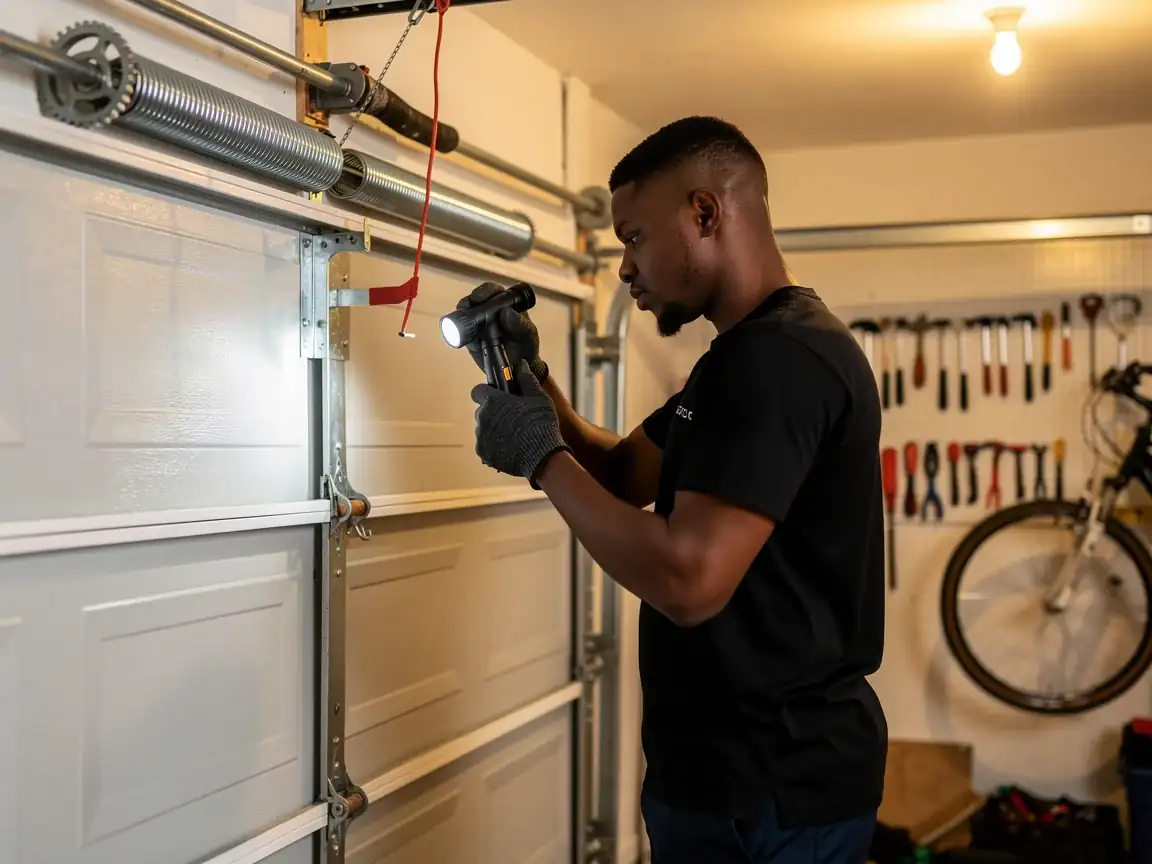
    A technician shines a flashlight on the garage door's top panel and roller.

    On-site diagnosis

    A technician tests the door under power and by hand and finds what actually failed.

  3. 3
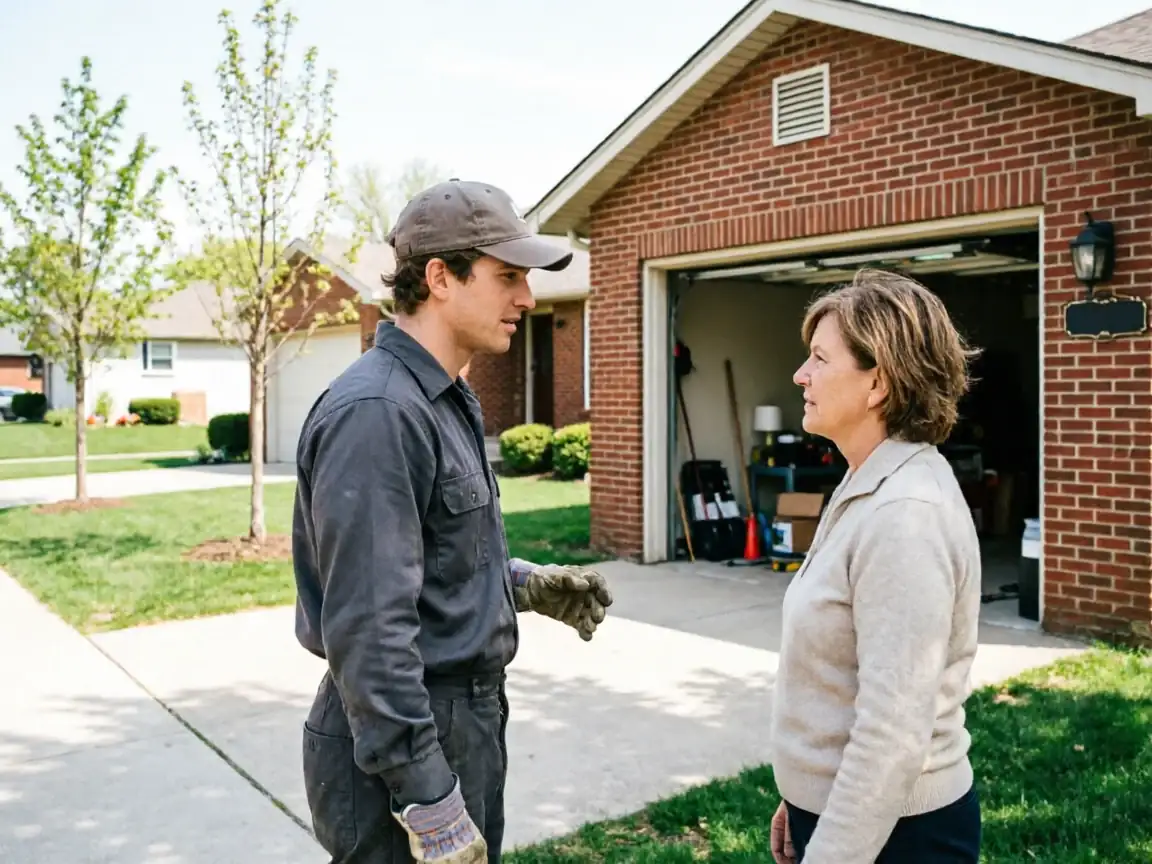
    A technician in a gray uniform talks to a woman in front of a brick house.

    Clear, up-front plan

    You get the fix that’s needed and what drives the cost - before any work starts.

  4. 4
    A technician in a blue shirt is working on a brown garage door.

    Repaired & tested

    The repair is done, the door is set true and tested, and the work area left clean.

Next step

Not sure which repair your door needs in Waukesha, WI? Describe what it’s doing - every job starts with a diagnosis.

How we work

What to expect

Diagnosis firstEvery visit starts by finding what actually failed - not a pre-written parts list.
The right part for the doorSprings and openers matched to the door’s weight and age, so the fix holds up.
Straight answersWhen a repair makes more sense than a replacement - or the reverse - you hear it plainly.
Clean, careful workTension released safely, hardware set true, the door tested under power before we leave.
What we do

Garage Door Services

Repair and installation work for Waukesha homes and businesses.

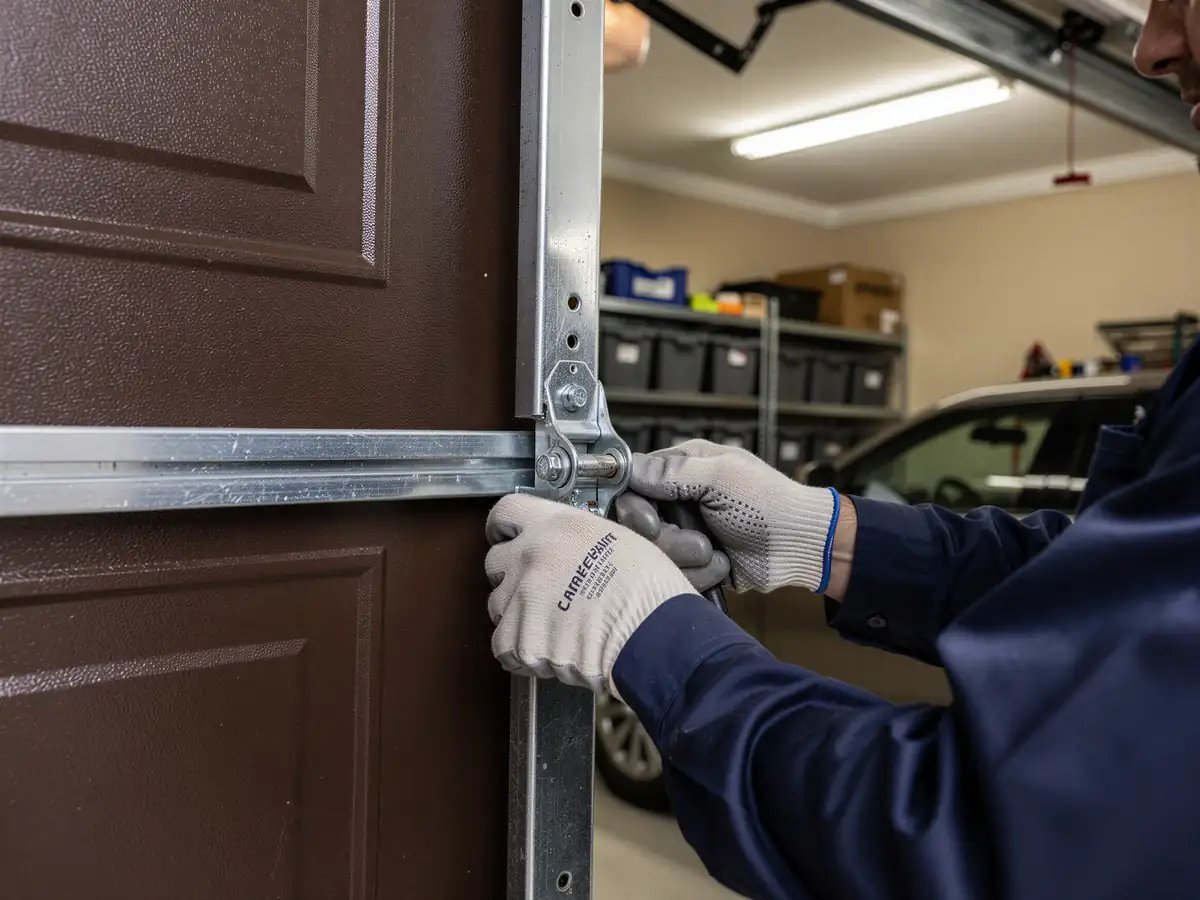
A technician in gloves adjusts the metal track of a brown garage door.

Garage Door Repair

Garage door repair for Waukesha homes built 1938-2004, where cold-climate torsion springs and original openers wear out together. Same service area as Pewaukee, Hartland.

Learn more
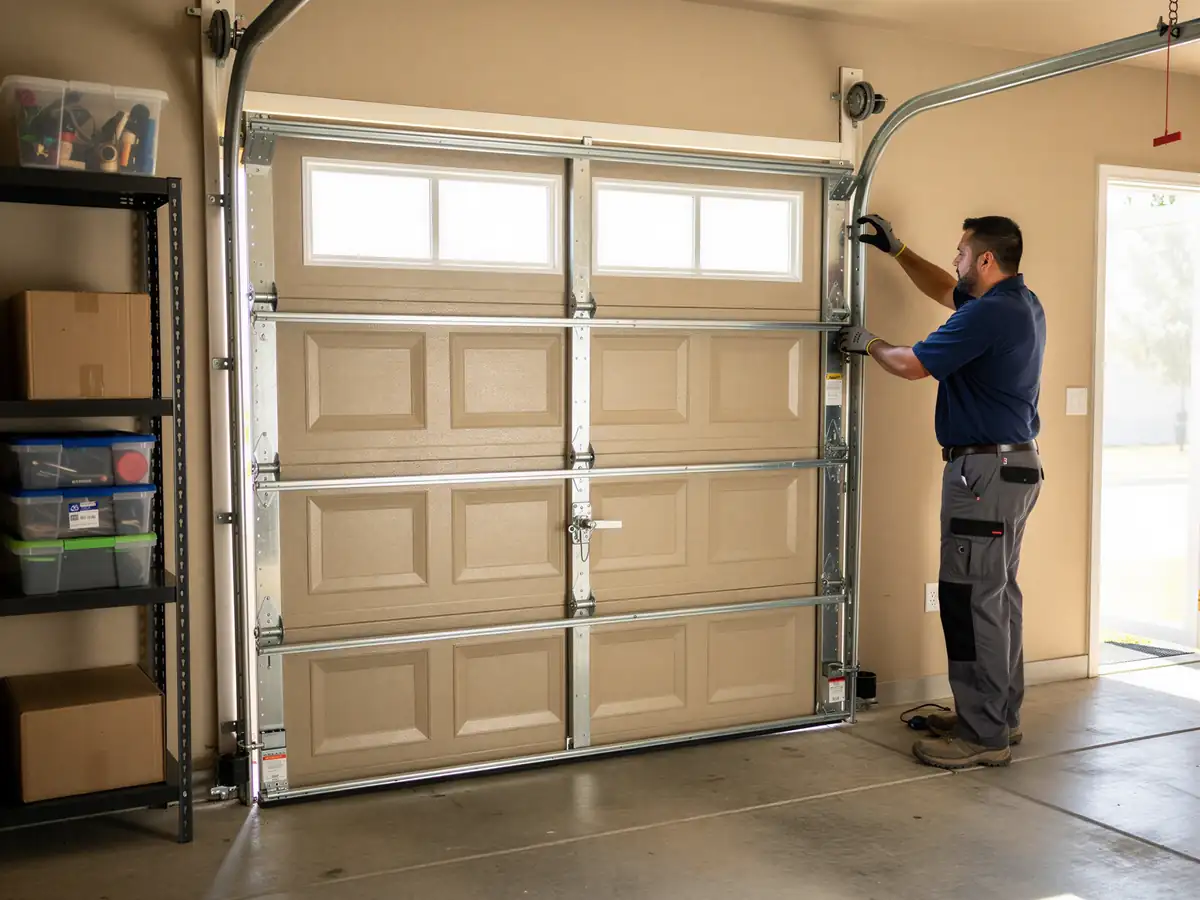
A technician in a blue shirt is working on a tan garage door with windows.

Garage Door Installation

Most Waukesha homes were built between 1938 and 2004, many in the 1960s and 70s, and cold winters wear garage doors fast. Here's what installation involves.

Learn more
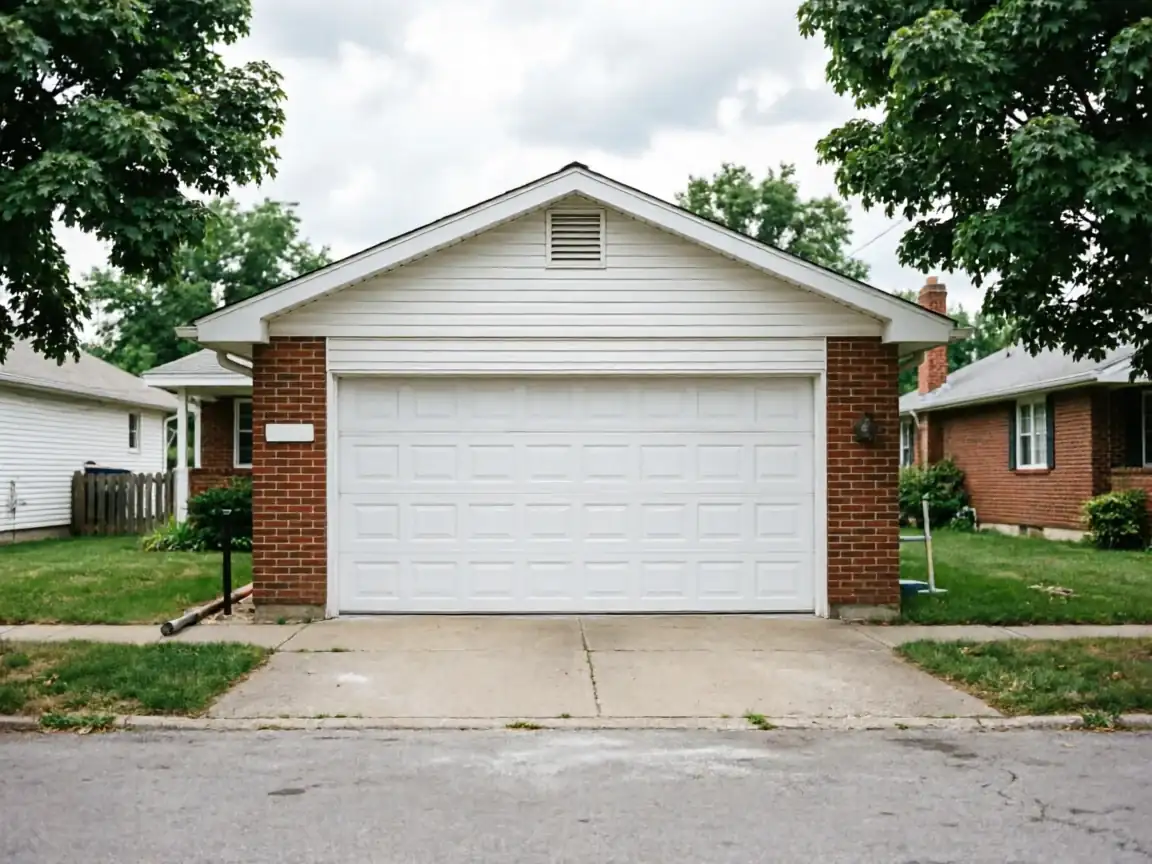
A white garage door on a brick house with white siding and a driveway.

Garage Door Service

Waukesha homes built mostly in the 1960s-70s see specific spring and track failures from cold winters. Here's what causes it, what you can fix, and what takes a call.

Learn more
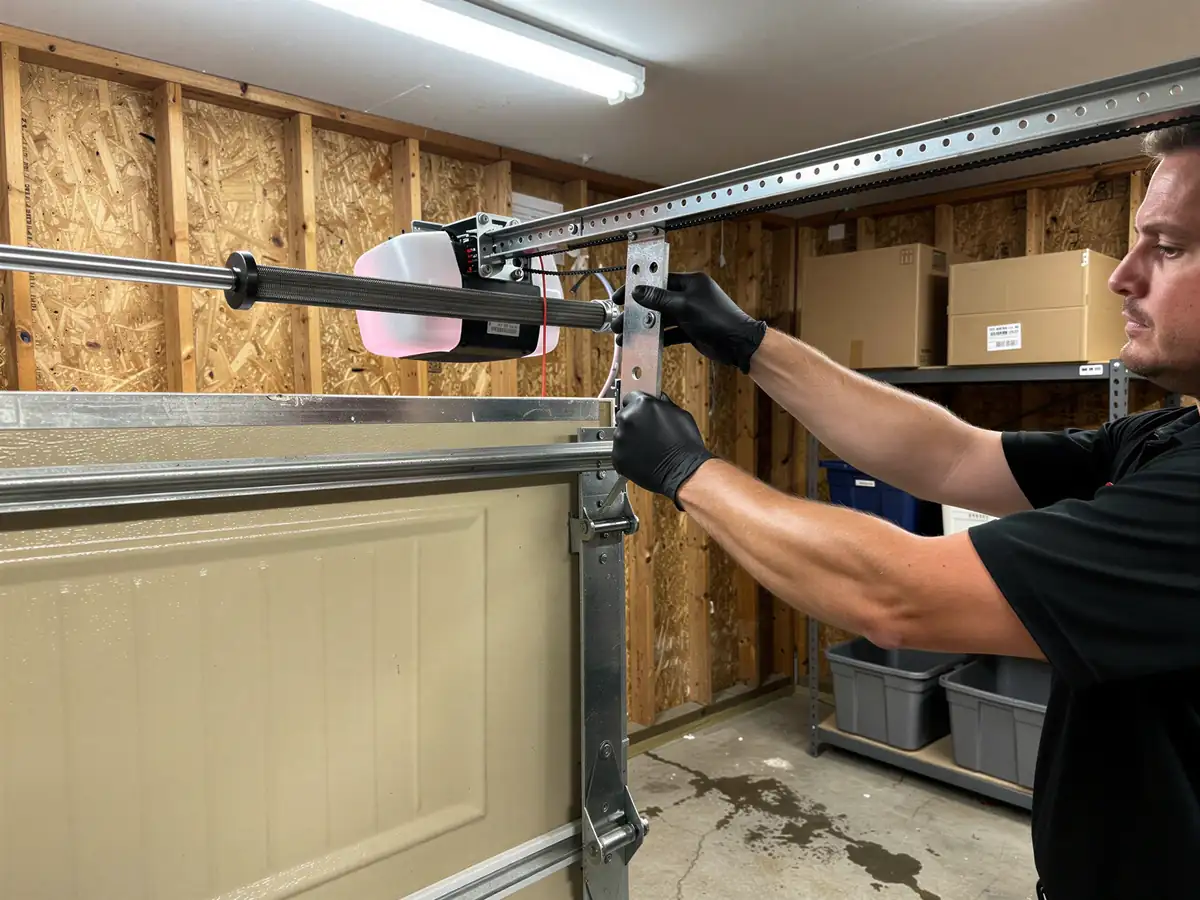
A technician in black gloves adjusts the garage door opener rail.

Opener Installation

Opener installation for Waukesha-area homes, where 1938-2004 housing stock and severe cold winters wear out old chain-drive units faster than owners expect.

Learn more
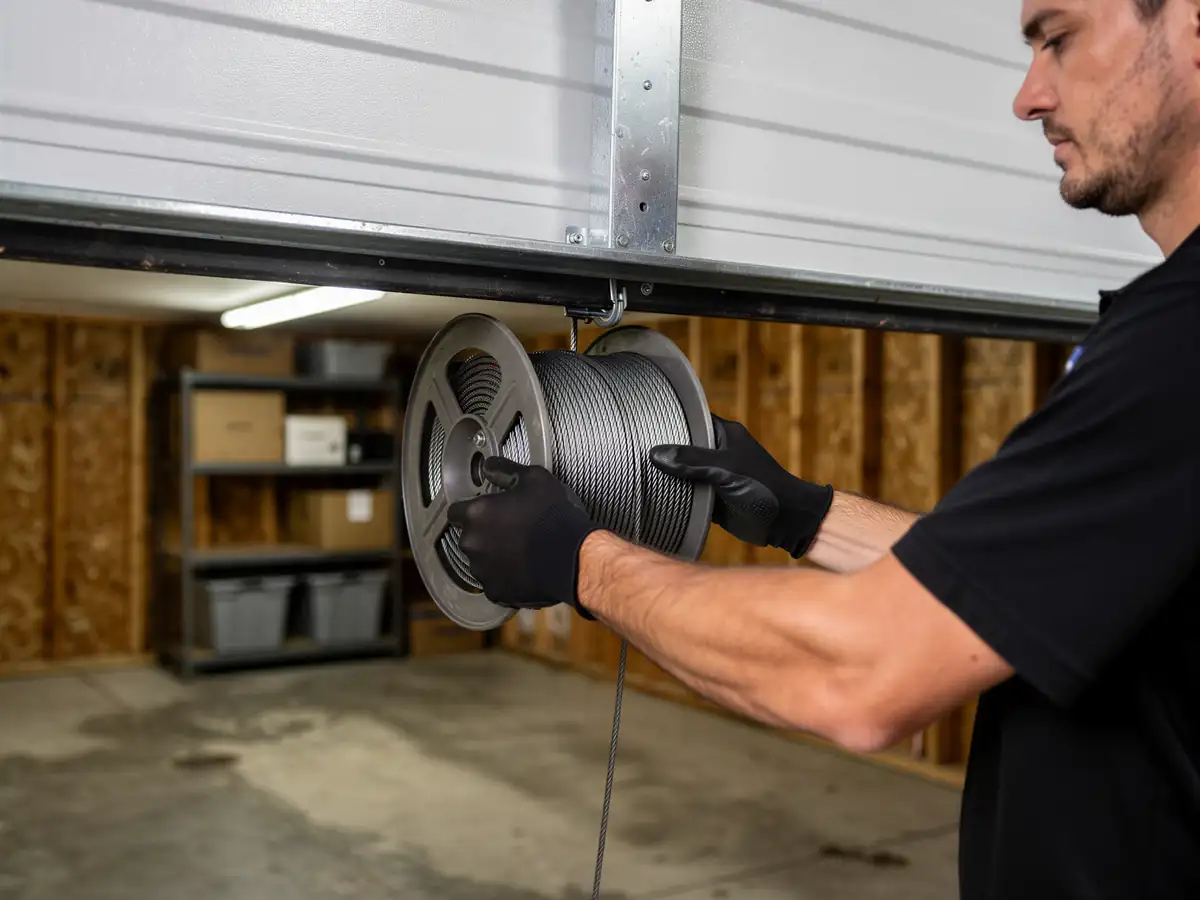
A technician in black gloves holds a spool of cable under a white garage door.

Cable Repair

Snapped or frayed garage door cable in Waukesha, WI? We fix broken cables on torsion and extension systems common in area's 1960s-70s housing stock, fast.

Learn more
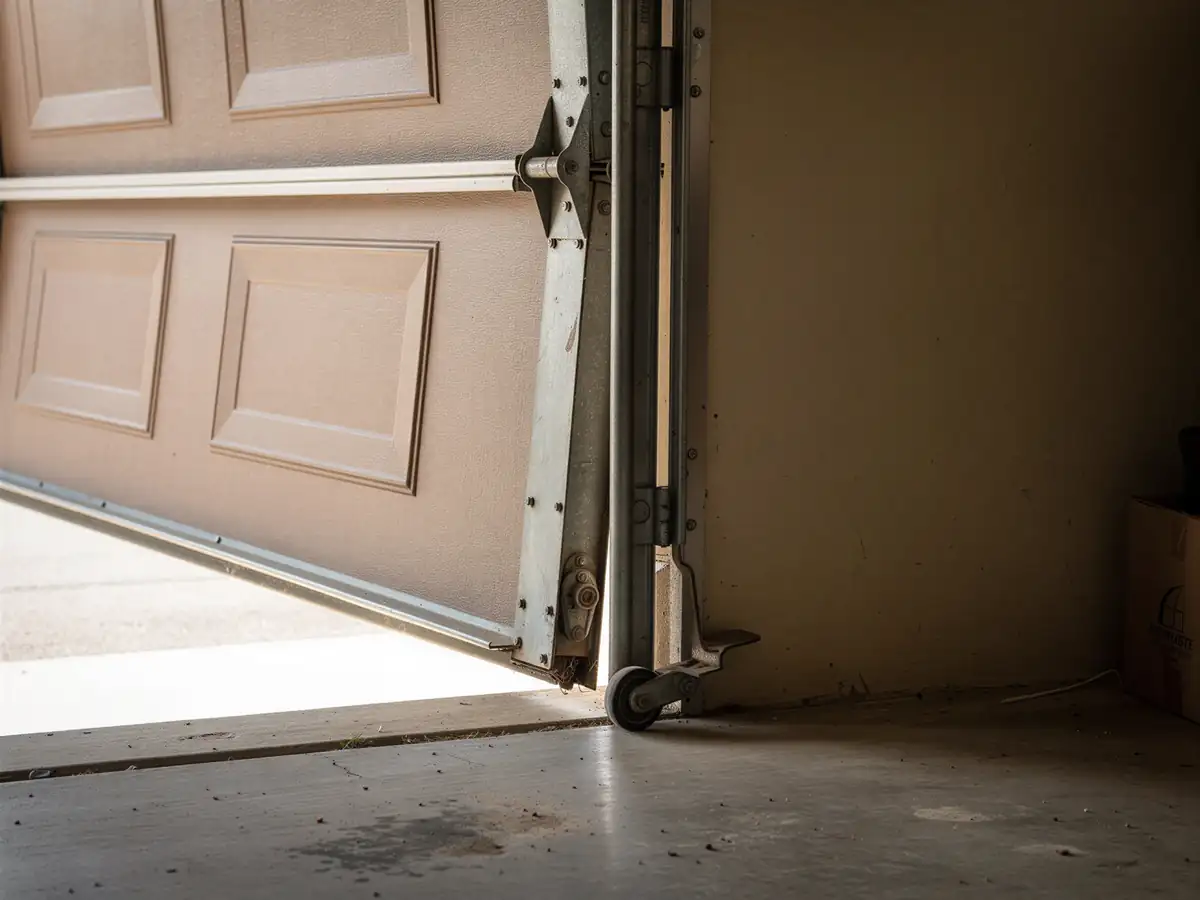
The garage door is off its track, with the bottom panel angled inward.

Off-Track Repair

If your garage door has jumped the track, Waukesha's cold winters and older torsion hardware make it worse fast. Here's what causes it and what to do.

Learn more
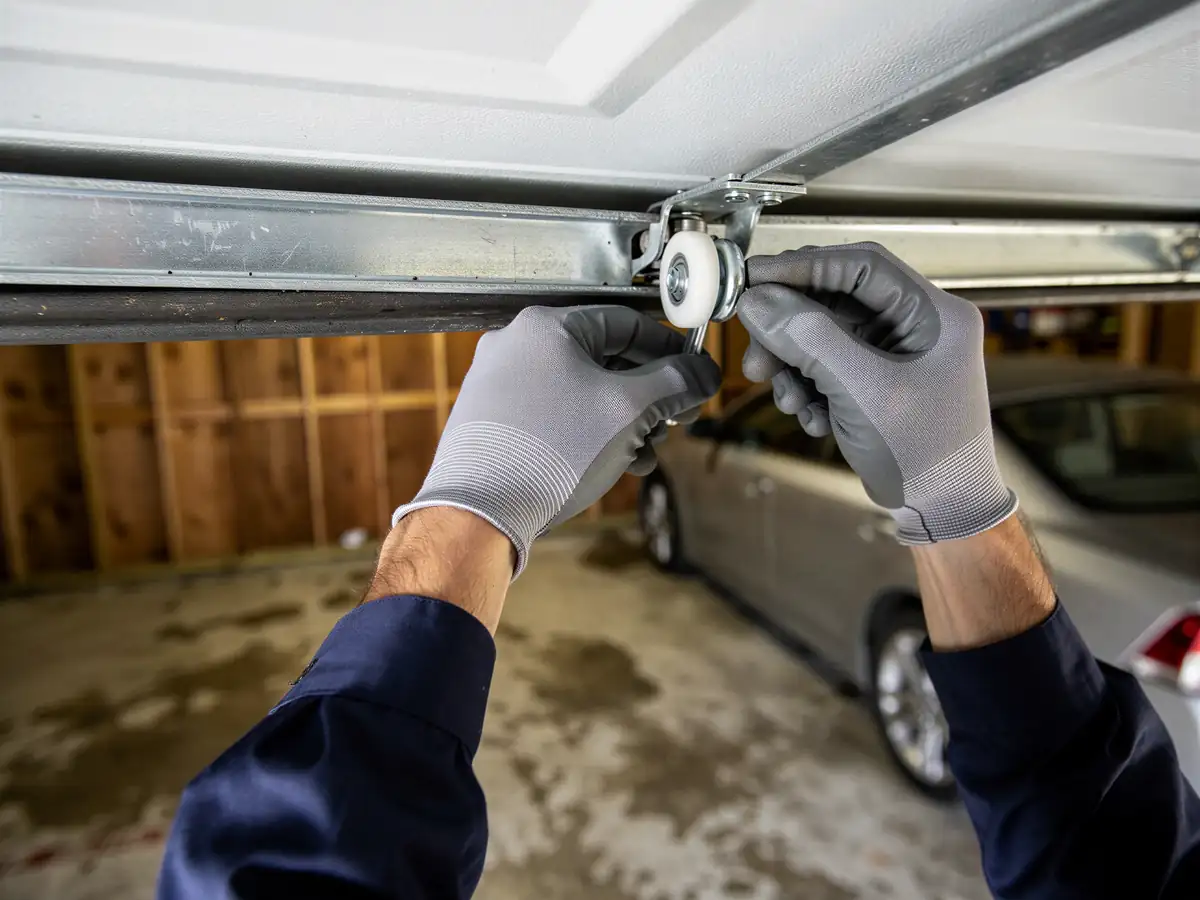
A technician in gloves is installing a new roller on a garage door.

Roller Replacement

Rollers wear fast in Waukesha's cold winters and on the area's older 1960s-70s doors. See why they fail here and what replacement actually involves.

Learn more
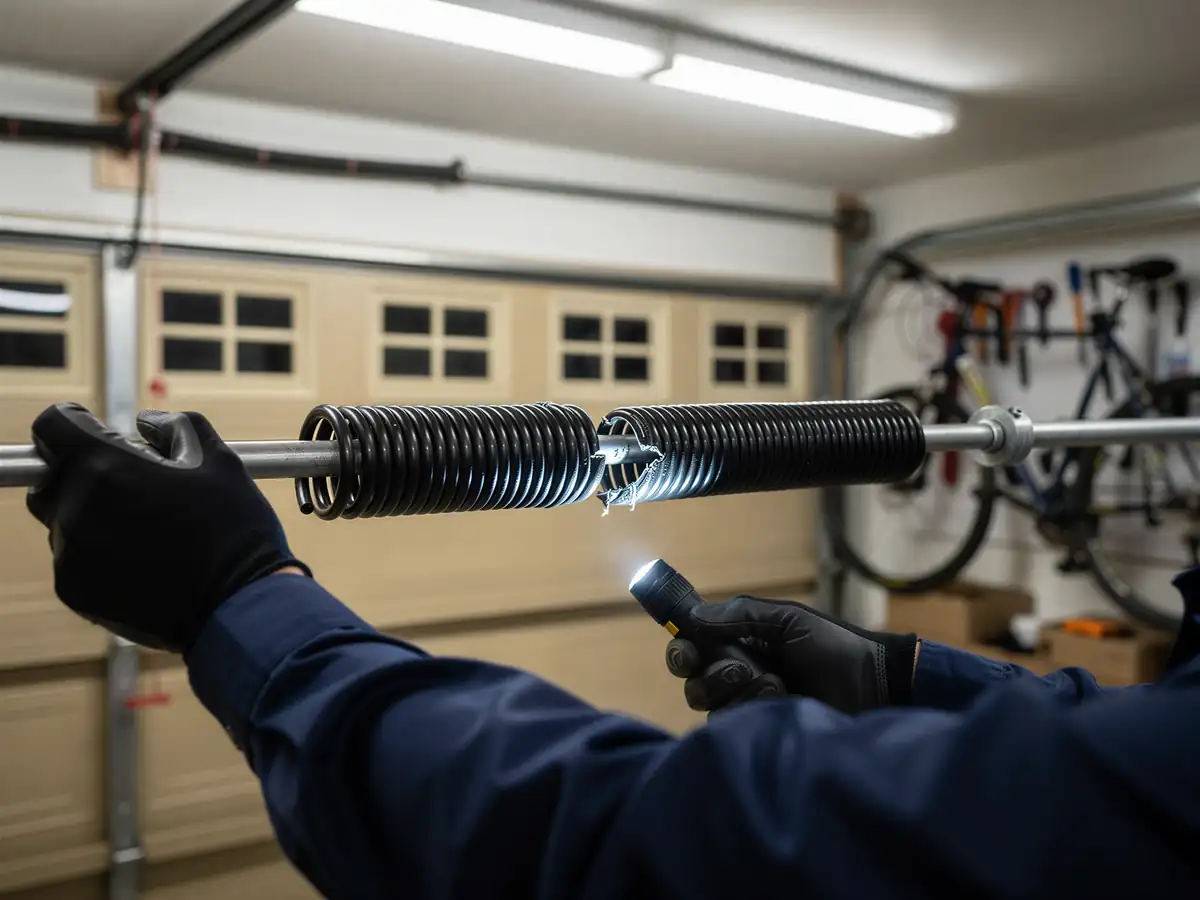
A technician inspects a broken garage door torsion spring with a flashlight.

Emergency Garage Door Repair

Broken spring, stuck panel, or dead opener in Waukesha's cold-climate housing stock? We handle emergency garage door repair across the whole service area, day or night.

Learn more
Questions

Frequently asked

Straight answers about garage door repair in Waukesha. Still unsure? Ask us directly.

How often should I replace garage door weatherstripping in Waukesha?

There's no fixed calendar interval we can give you honestly, but given the severe cold band here, bottom seals on older doors are usually working hard by year five to seven and visibly failing by ten. Check it every fall before the first hard freeze rather than waiting for a draught you can feel.

Is a seal replacement worth it on a door from the 1960s or 70s?

Often yes, if the panels and track are straight. A lot of the housing stock in this area falls right in that build window, and the steel doors from then are solid once resealed. If the panel itself has warped or the insulation inside has broken down, sealing it just delays a replacement decision.

Why does cold air come in even with a new bottom seal installed?

Usually the retainer channel or the track alignment, not the seal itself. On older construction common across this area, the slab has settled slightly over decades, so a correctly sized seal still gaps at the corners unless the channel is reset to match the current slab height.

Ready to get your garage door sorted?

Tell us what it’s doing and where you are in Waukesha - we’ll take it from there.

Request a QuoteCall