How That Shows Up in the Door
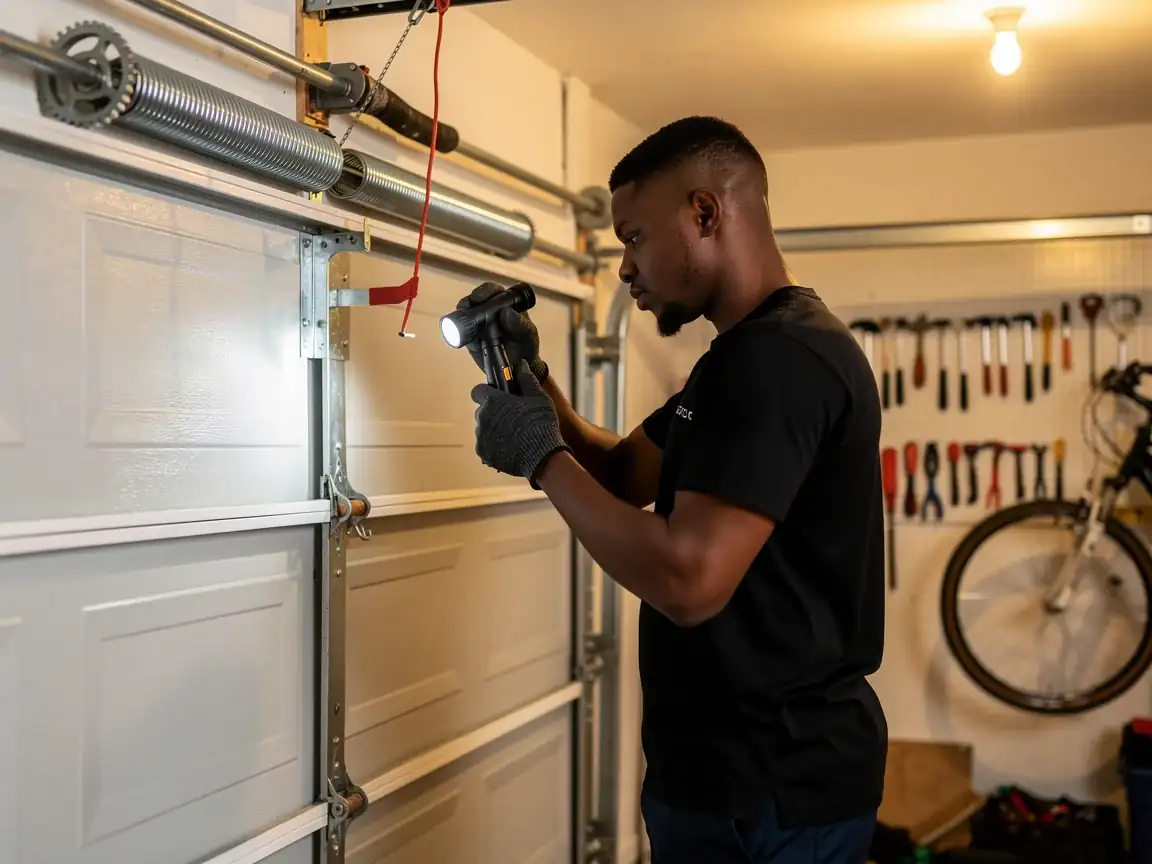
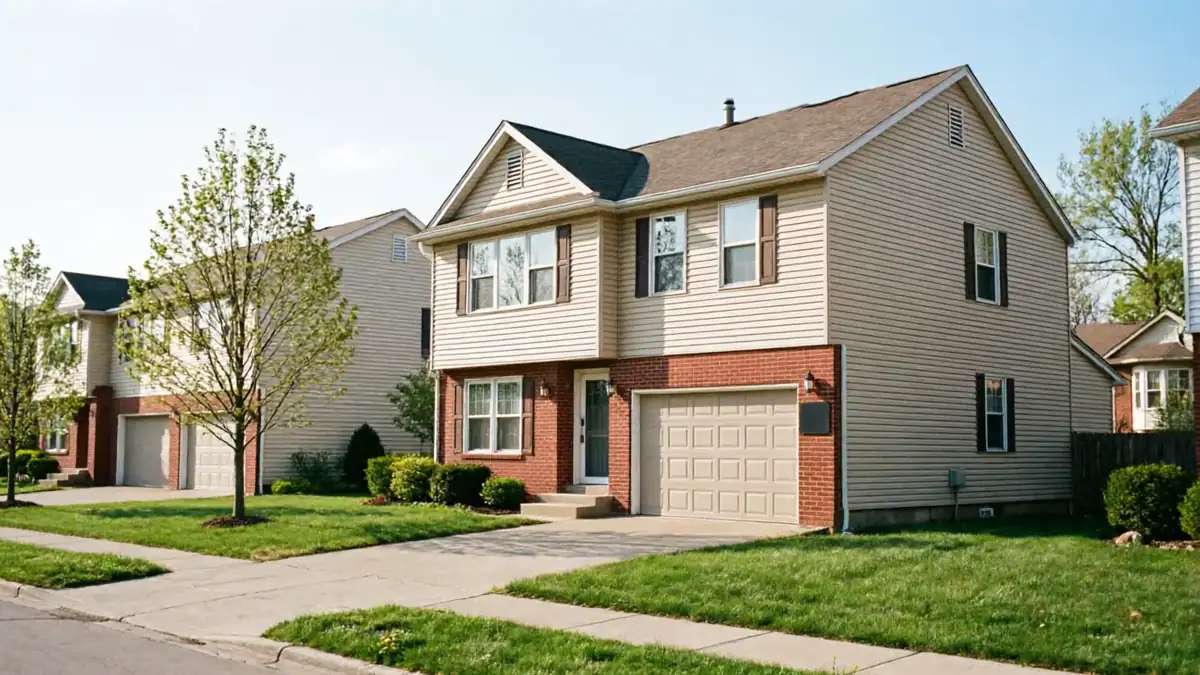
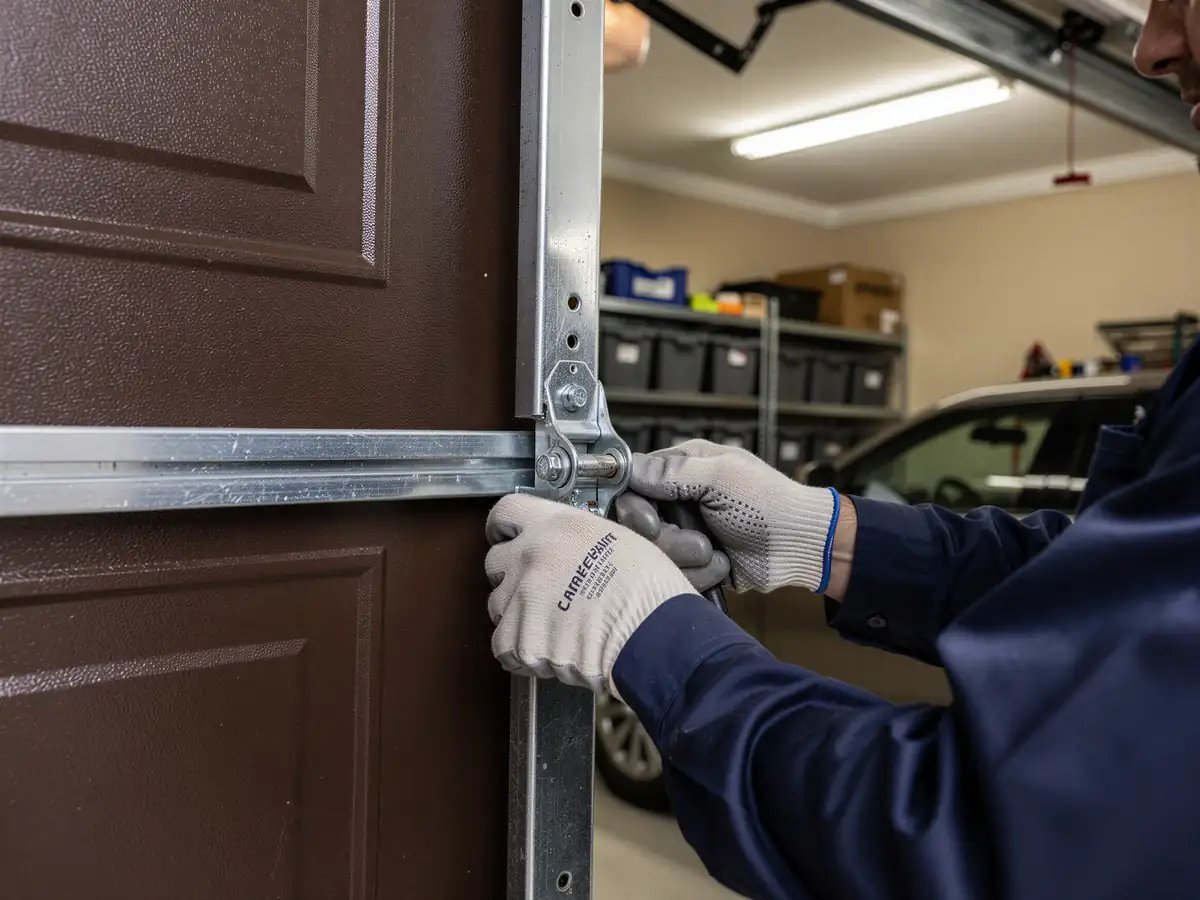
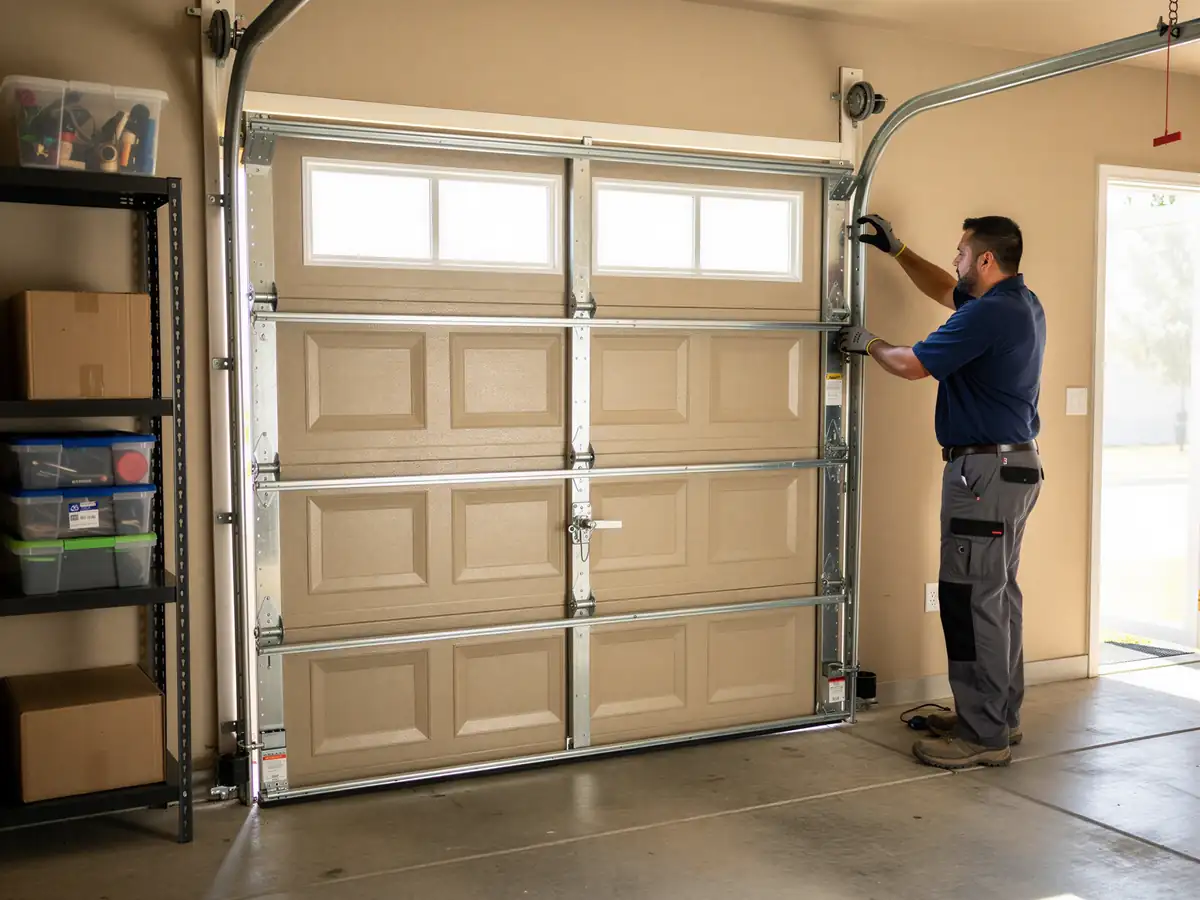
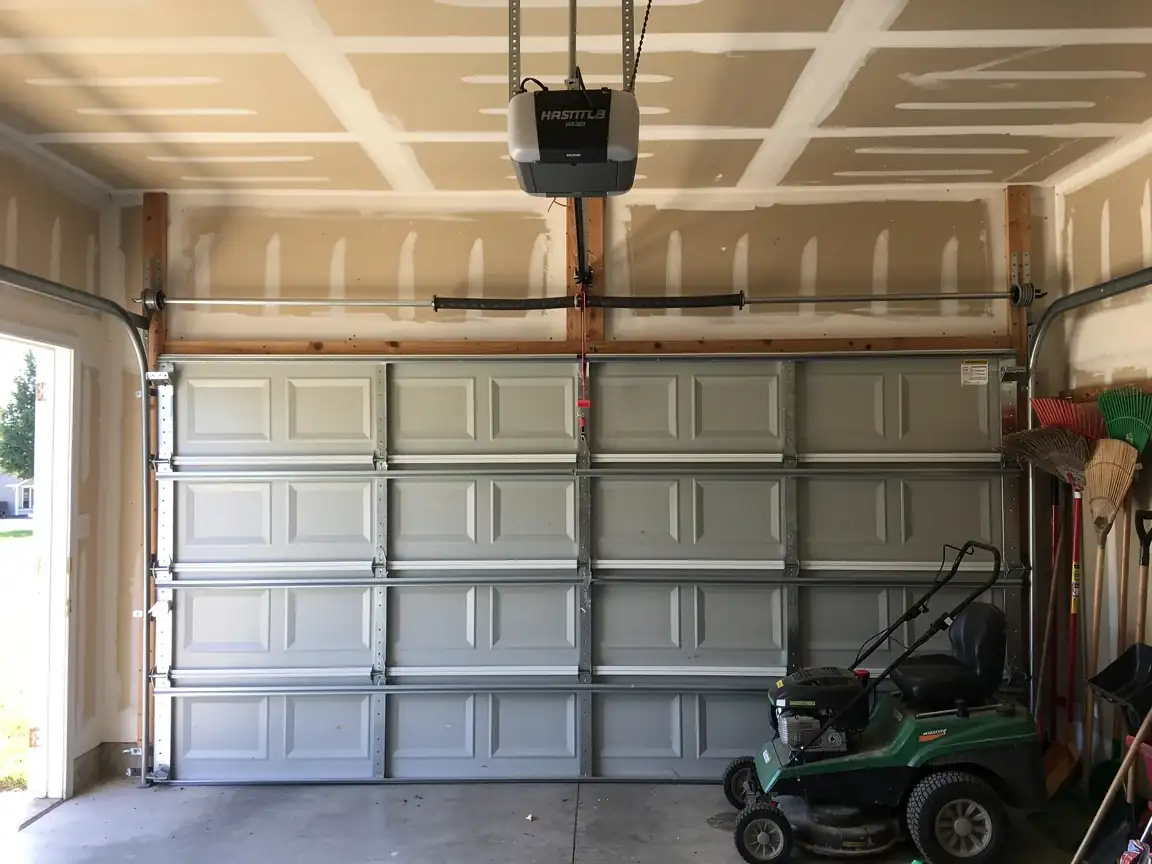
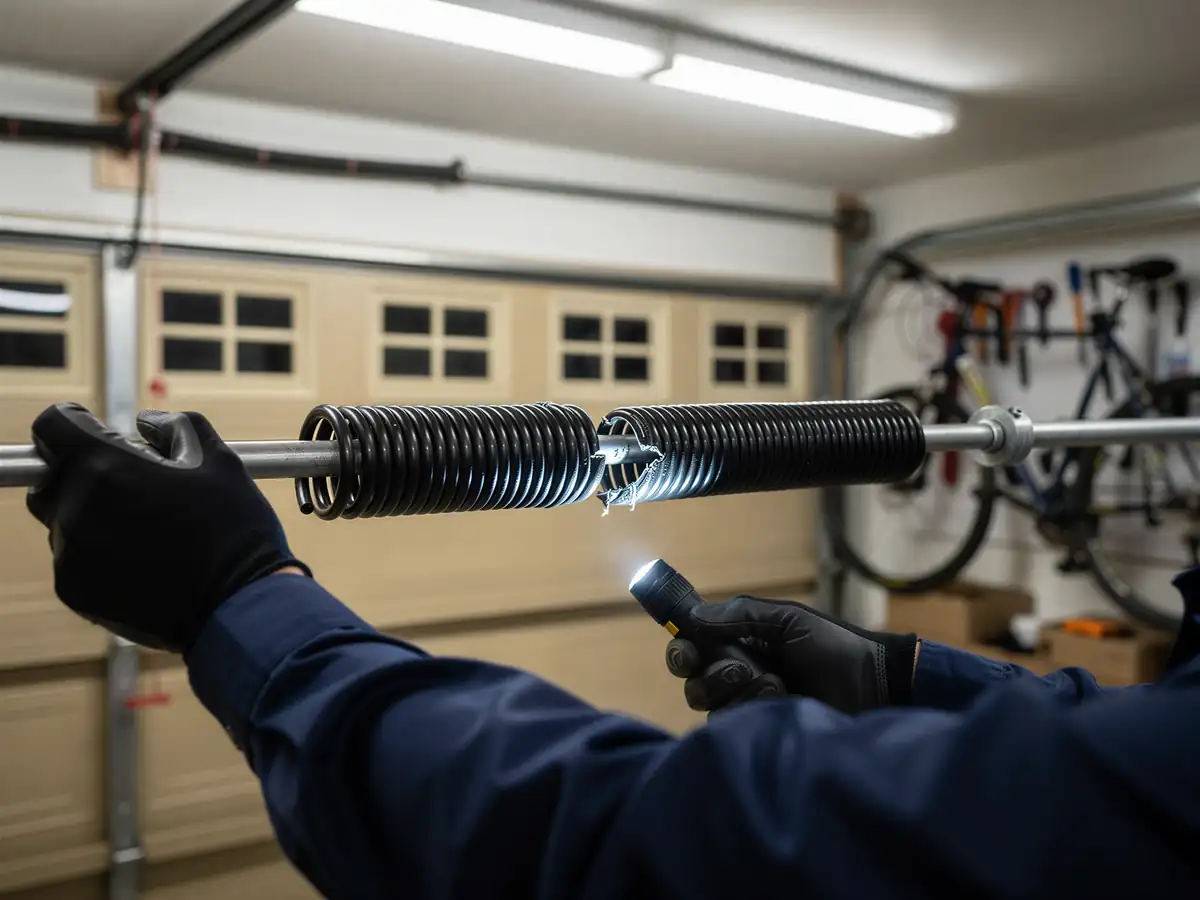
Mequon's housing stock centers on a median build year of 1982, which puts most of the neighborhood a full generation ahead of the older 1960s and 1970s pockets that make up a lot of our wider service area. That matters at the door. A house built around 1982 is more likely to have a steel sectional door on torsion spring hardware rather than the older extension-spring, side-mounted setups common in earlier construction. The openers from that era are chain-drive, often the first or second owner's replacement unit by now, and the weatherstripping and bottom seals are long past their useful life even if nobody's replaced them. We see a lot of original torsion springs still in service on these doors - springs rated for a certain number of cycles that nobody tracked, now thirty-plus years into a job they were built to do maybe ten. When one of those lets go, it's not a surprise, it's overdue. The fix is usually a spring swap and a hardware check, not a full door replacement, which is the better outcome for the homeowner's wallet.
The Split Between Old and New
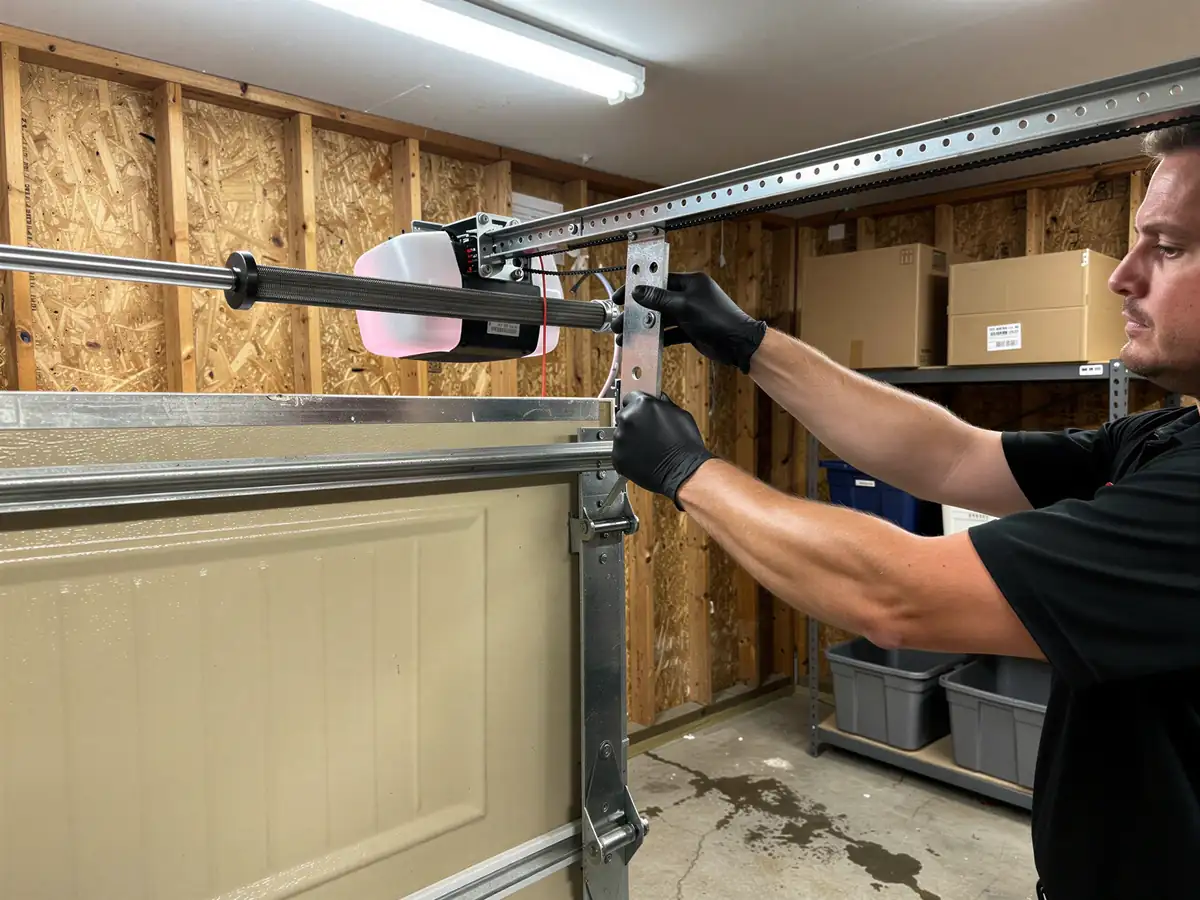
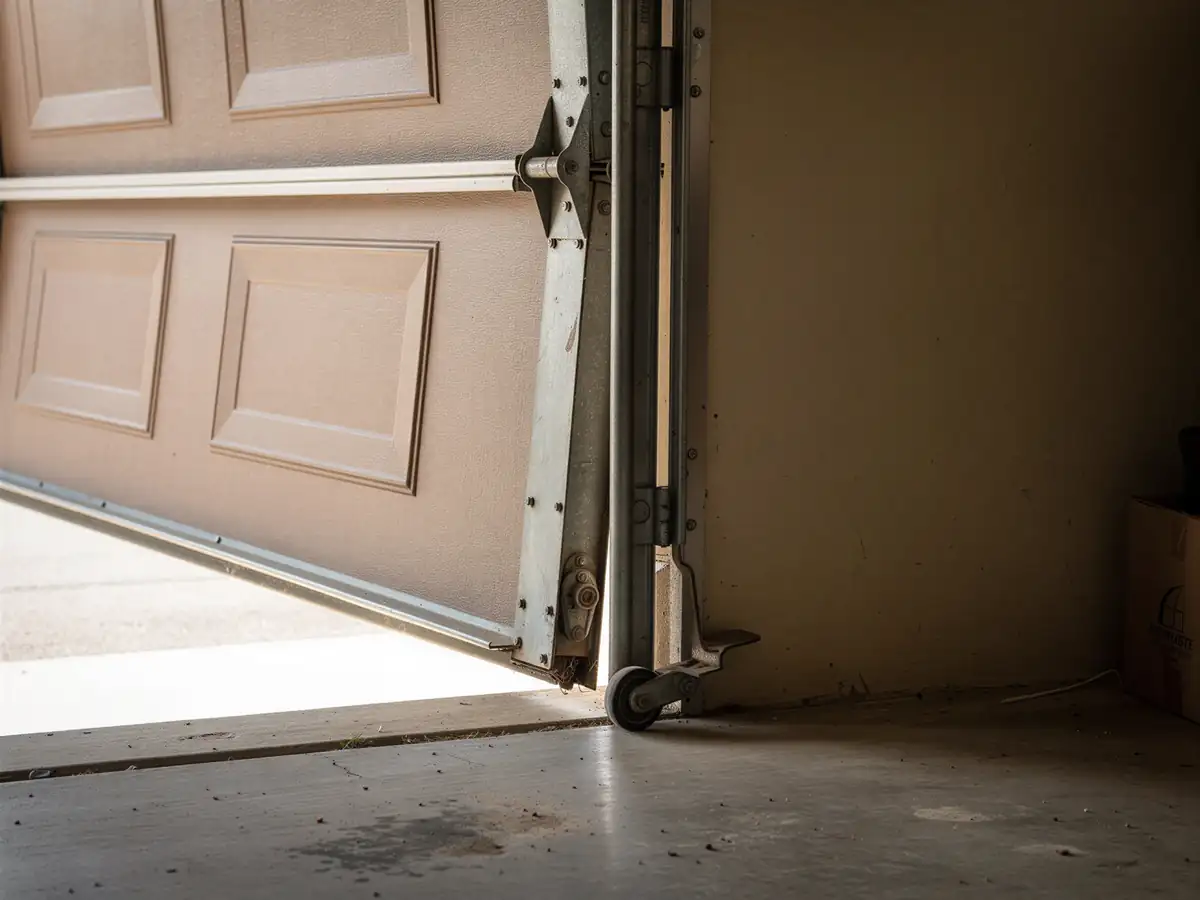
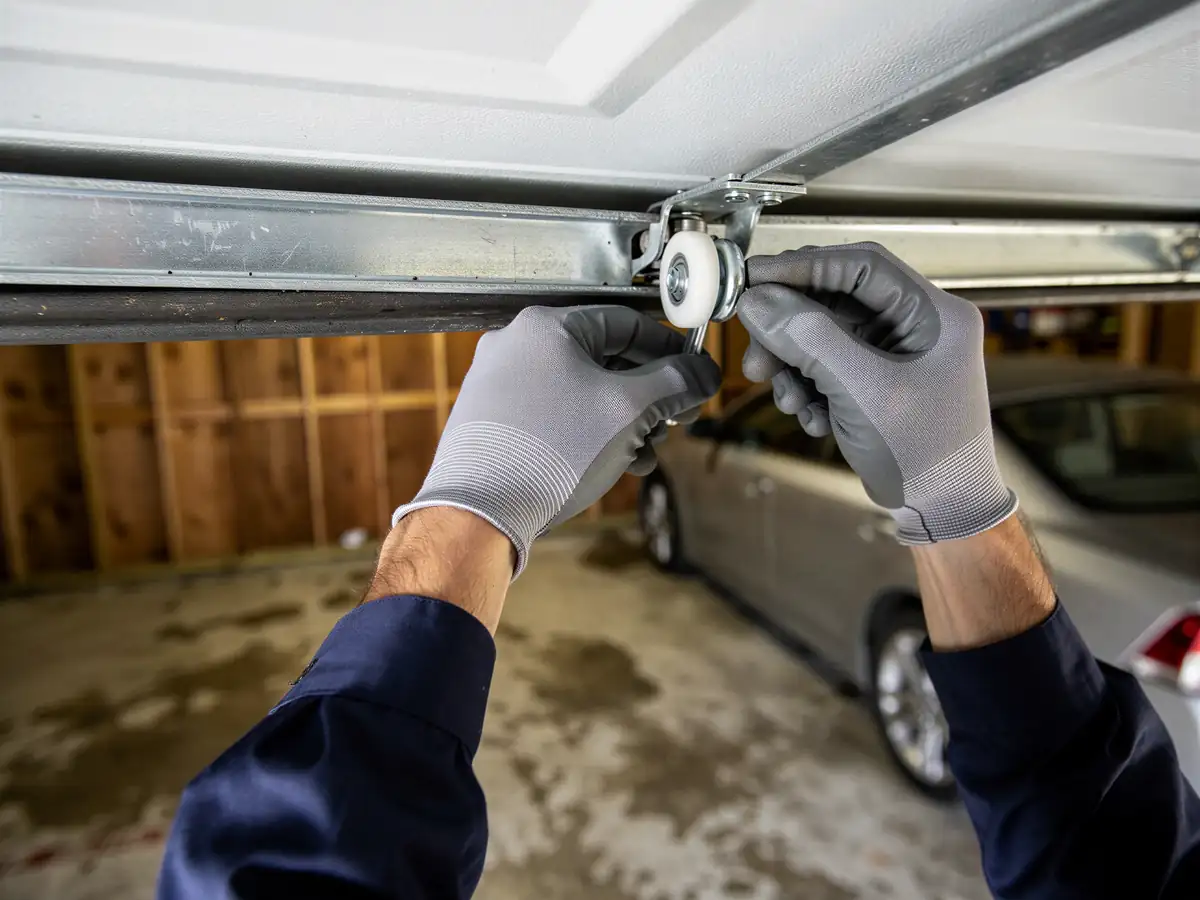
Across the full service area, housing runs from 1938 up through 2004, and most of it in the 1960s and 1970s. Mequon sits later on that curve. You'll still find a scattering of older homes with the original builder-grade doors from decades back, sitting next to houses from the 80s and 90s with their second or third opener already installed. That split means two different failure patterns on the same street: the older door is more likely to need roller and track work because the galvanized rollers have worn grooves into the track over time, while the 1980s-era door is more likely to have a spring that's simply aged out or a logic board on the opener that's finally quit. We don't assume one fix fits every house here. The first thing we check is what decade the door actually came from, because that tells us more than the model number does.
What We Do Not Do
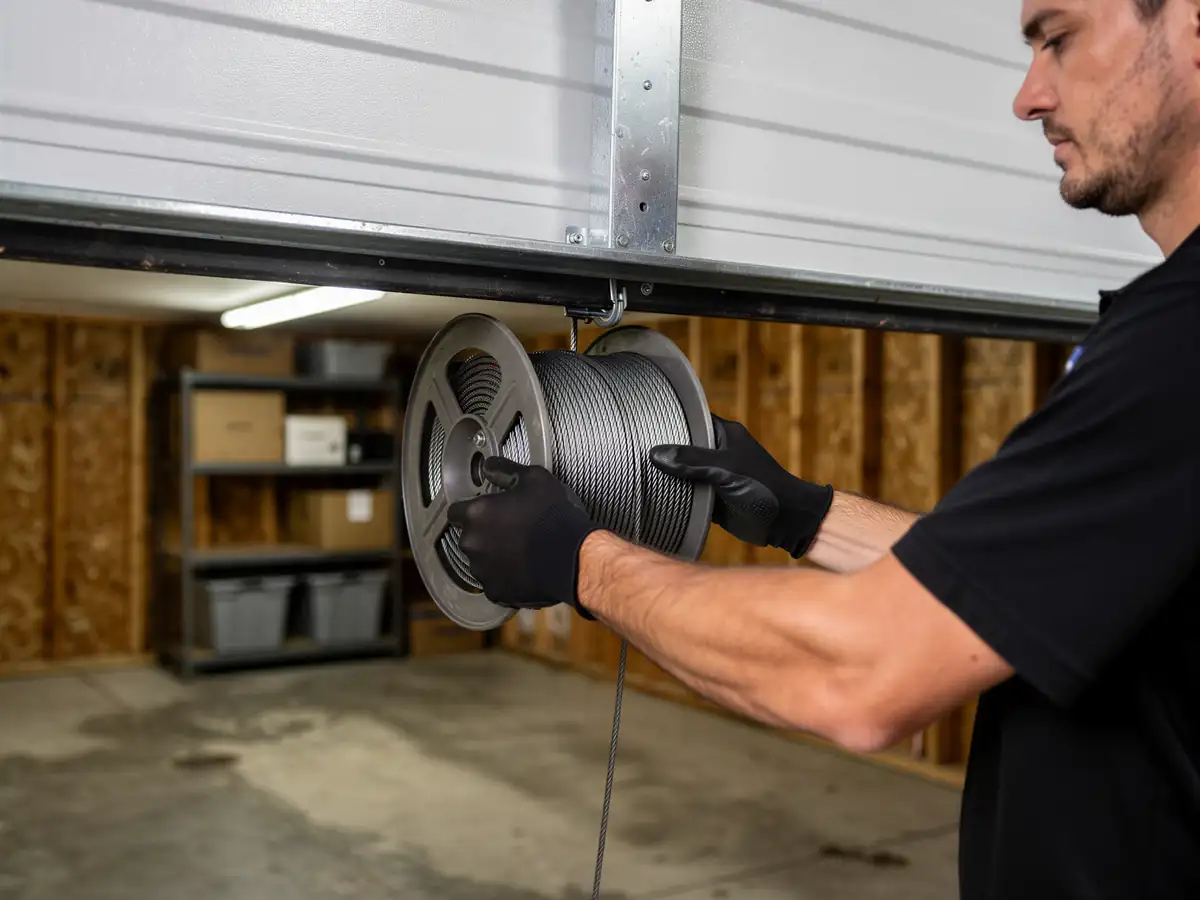
We don't keep a crew or truck stationed in Mequon - we come out from Waukesha, which means we can't promise the kind of immediate, drop-everything response a depot nearby would allow. If your spring breaks on a Sunday night, we'll get you scheduled, not necessarily there in the hour. We also don't do structural garage work - framing, concrete, or anything beyond the door and its hardware - and we won't try to talk you into a full replacement when a $40 roller kit and a spring swap will get another decade out of your current door. If a door is original to a 1982 build and the track is rusted through or the opener's logic board is fried, replacement usually makes more sense than another repair; we'll tell you that straight instead of billing you for a patch that won't hold.