The Situation
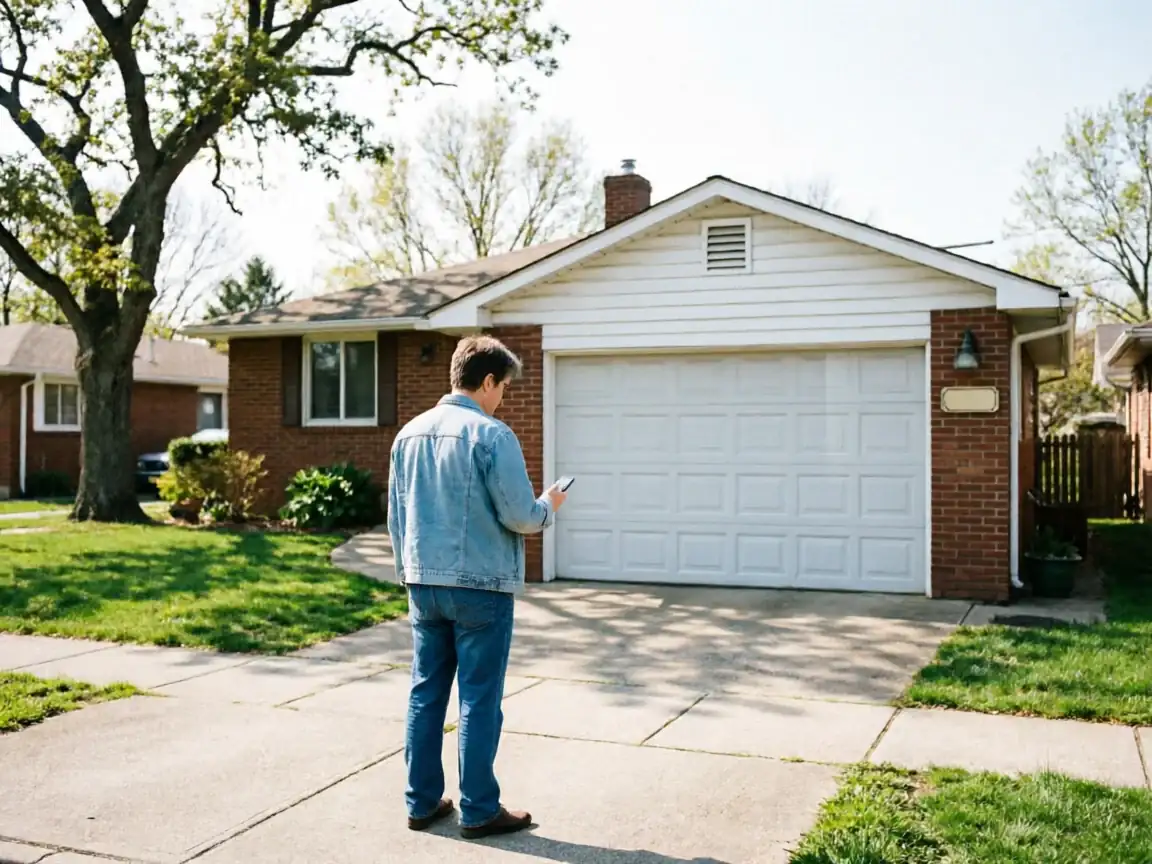
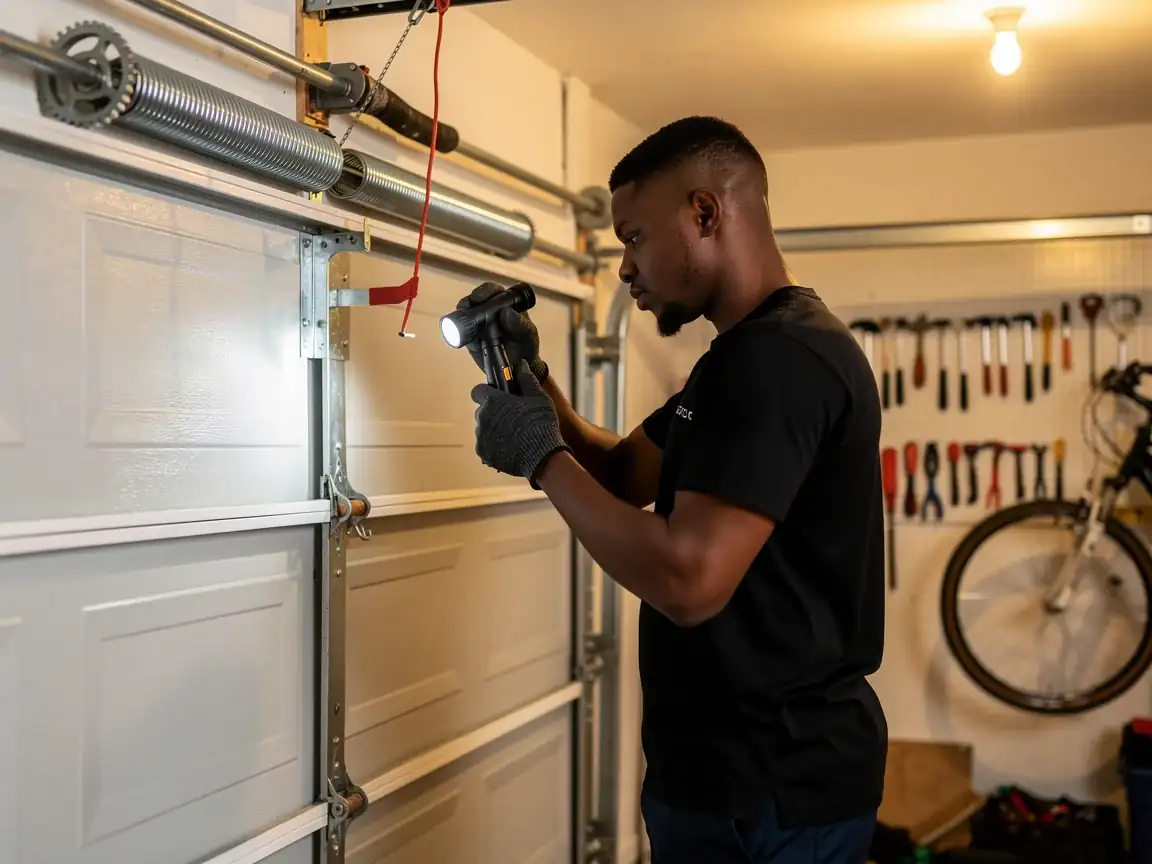
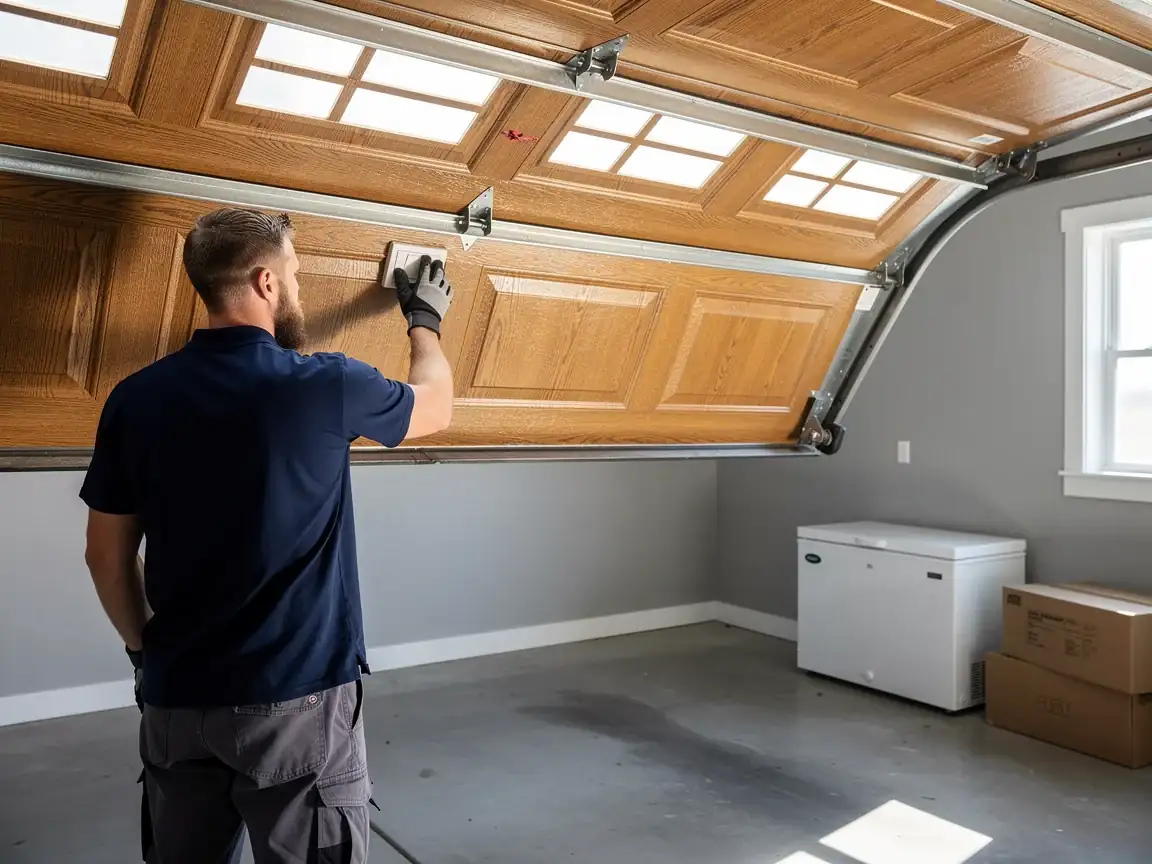
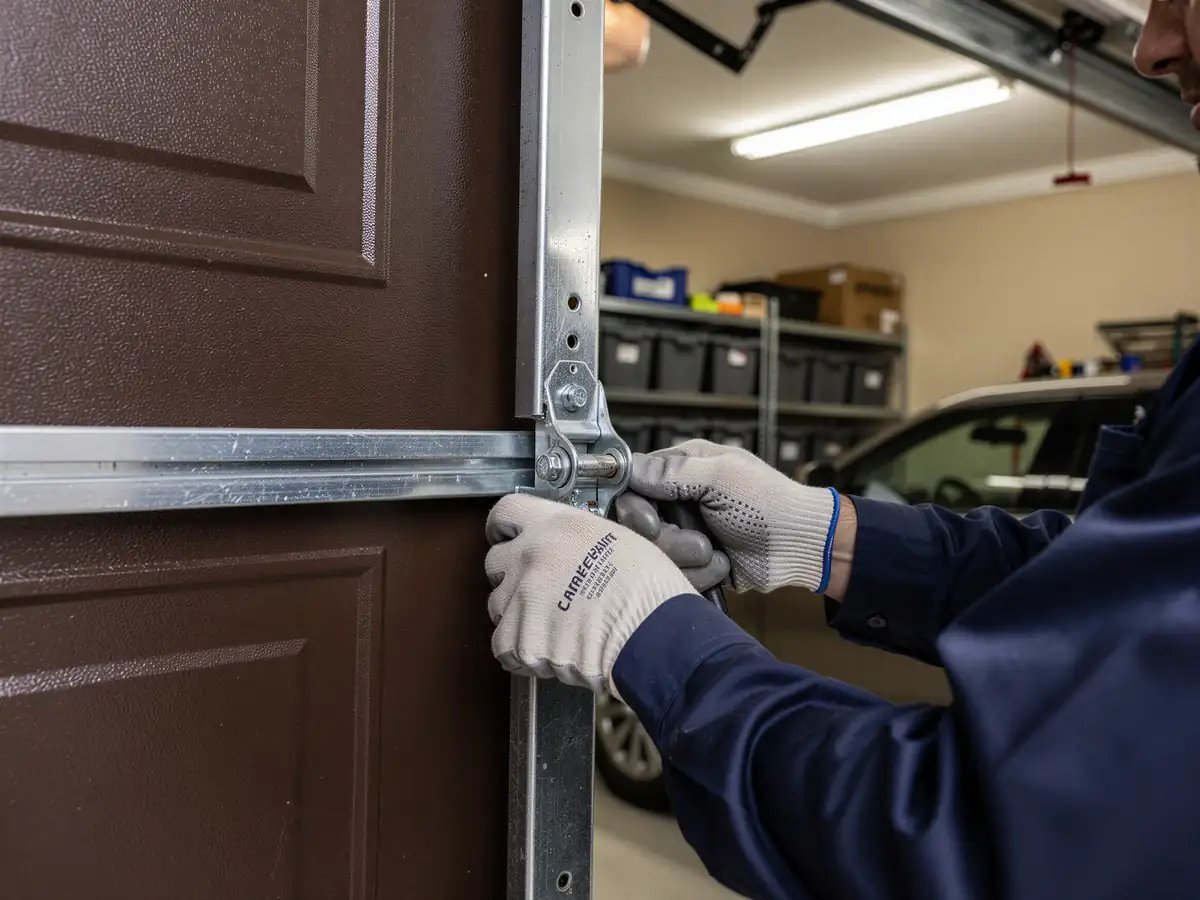
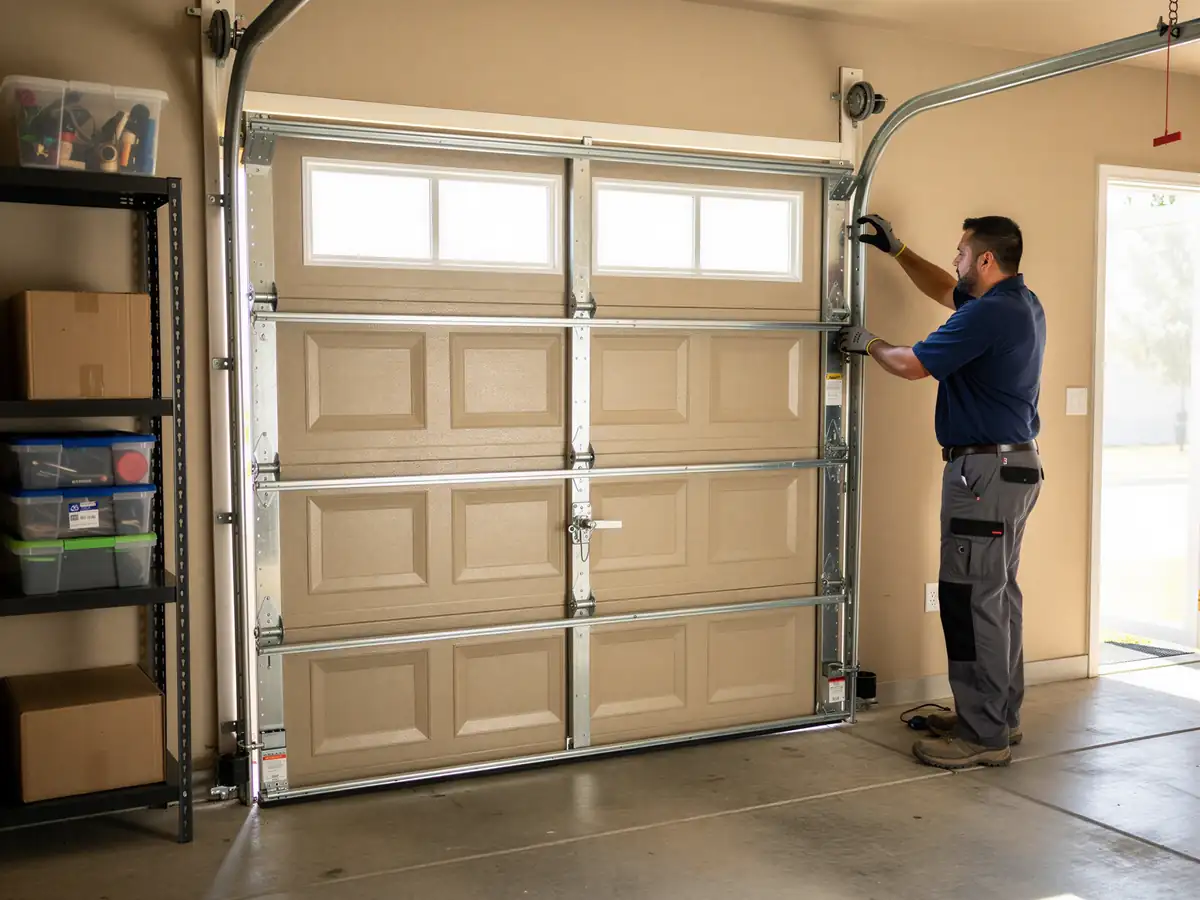
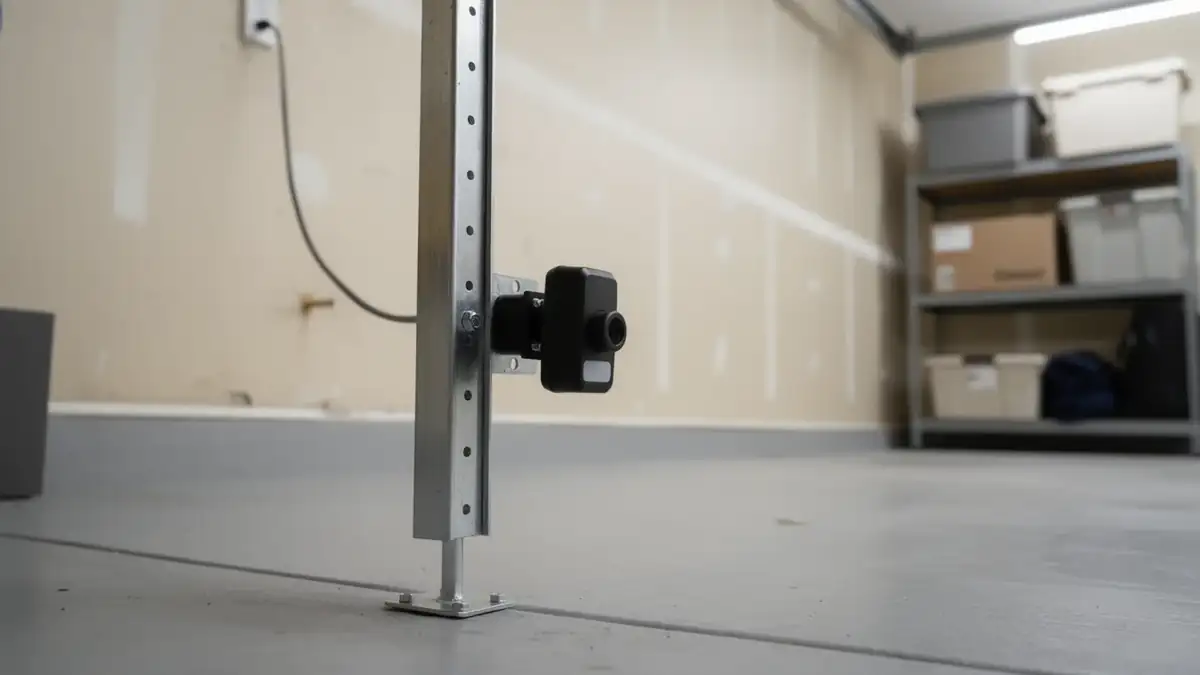
Most houses in this part of Waukesha went up between 1938 and 2004, with the median landing around 1979. That matters more than people think when it comes to the little photo-eye sensors mounted a few inches off the garage floor on either side of the track. Federal law didn't require those sensors on garage door openers until 1993. So on a huge share of the housing stock here, built in the 1960s and 70s before that rule existed, the sensors aren't original equipment. They're retrofits, bolted onto wood jambs or steel tracks that have had decades to shift, settle, or just loosen at the screw holes. A bracket that was square in 1979 isn't necessarily square now. That's the root of most "my door reverses for no reason" calls we get from this side of town, and it's the same story across the 54 or so communities we cover, where the housing era runs pretty consistent. The sensor itself is rarely the failure. The mounting is.
What It Costs
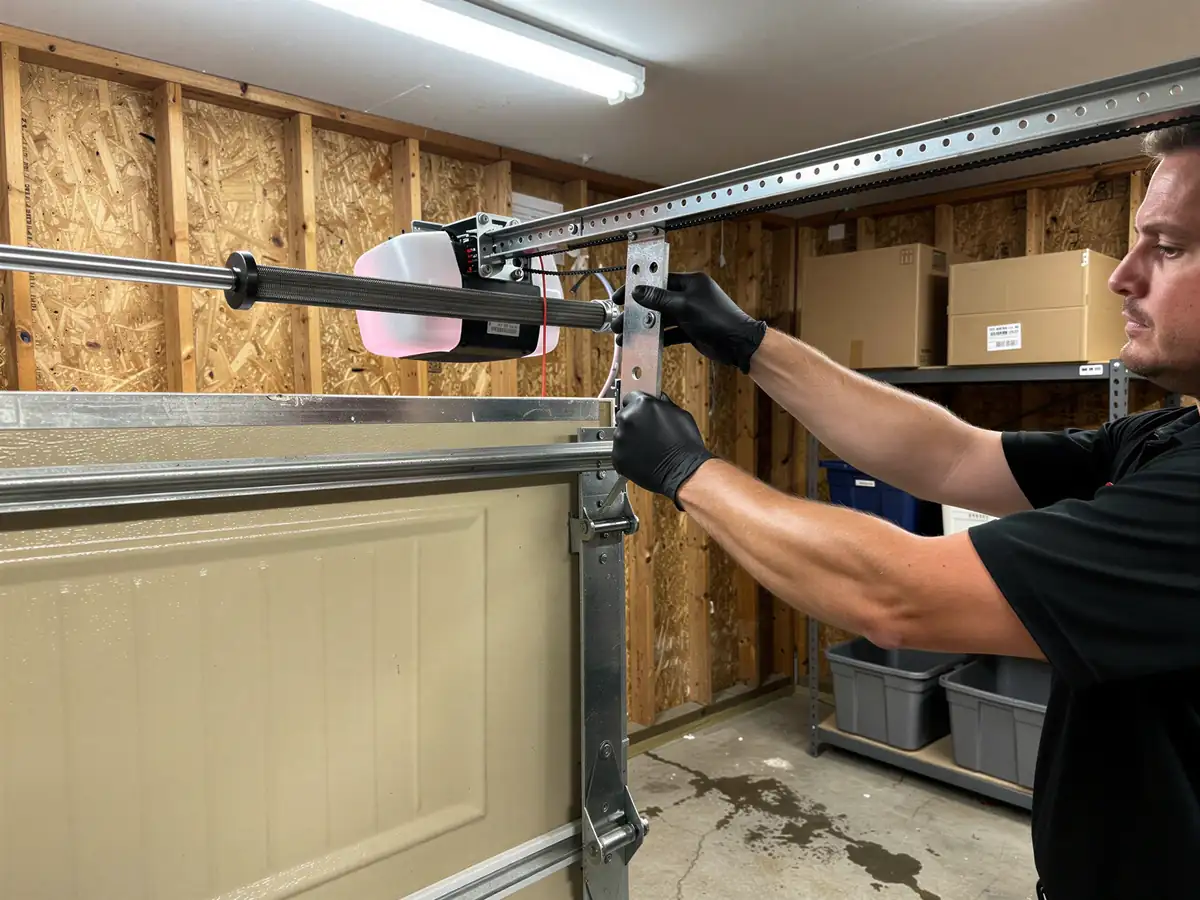
We're not going to throw a number at you here, because what a sensor call actually runs depends on whether this is a five-minute realignment or a bracket that's rusted through and needs replacing outright. What we can tell you is what drives the difference: age of the mount, whether the original bracket is steel or the cheaper stamped kind that was common in 60s and 70s builds, and whether the wiring itself has gone brittle from decades of temperature swings in an unheated garage. A straight realignment is quick work. A full bracket and wiring replacement on an older setup takes longer and costs more, because you're not just nudging a sensor, you're rebuilding the mount it sits on. If your door opener is original to a house from that era, budget for the possibility that this isn't the first sensor issue it's had and won't be the last.
How Local Conditions Play In
Waukesha sits in a climate band classified as severe cold, and that's not a throwaway label. It means real freeze-thaw cycling every winter, not just a cold snap or two. That cycling moves concrete slabs, shifts wood door jambs, and contracts metal brackets a hair more every year. On a house built in the 1960s or 70s, that's fifty-plus winters of that movement acting on the same two sensor brackets. It adds up to exactly the kind of slow misalignment that shows up as a door that won't close, or one that reverses halfway down for no obvious reason. This isn't a one-time fix in this climate. A bracket you square up in October can be a quarter-inch off by February once the ground underneath it has heaved and settled again. If the bracket metal is cracked or badly rusted, realignment won't hold anyway - at that point replacing the bracket costs less than repeat visits.