What Causes It Around Here
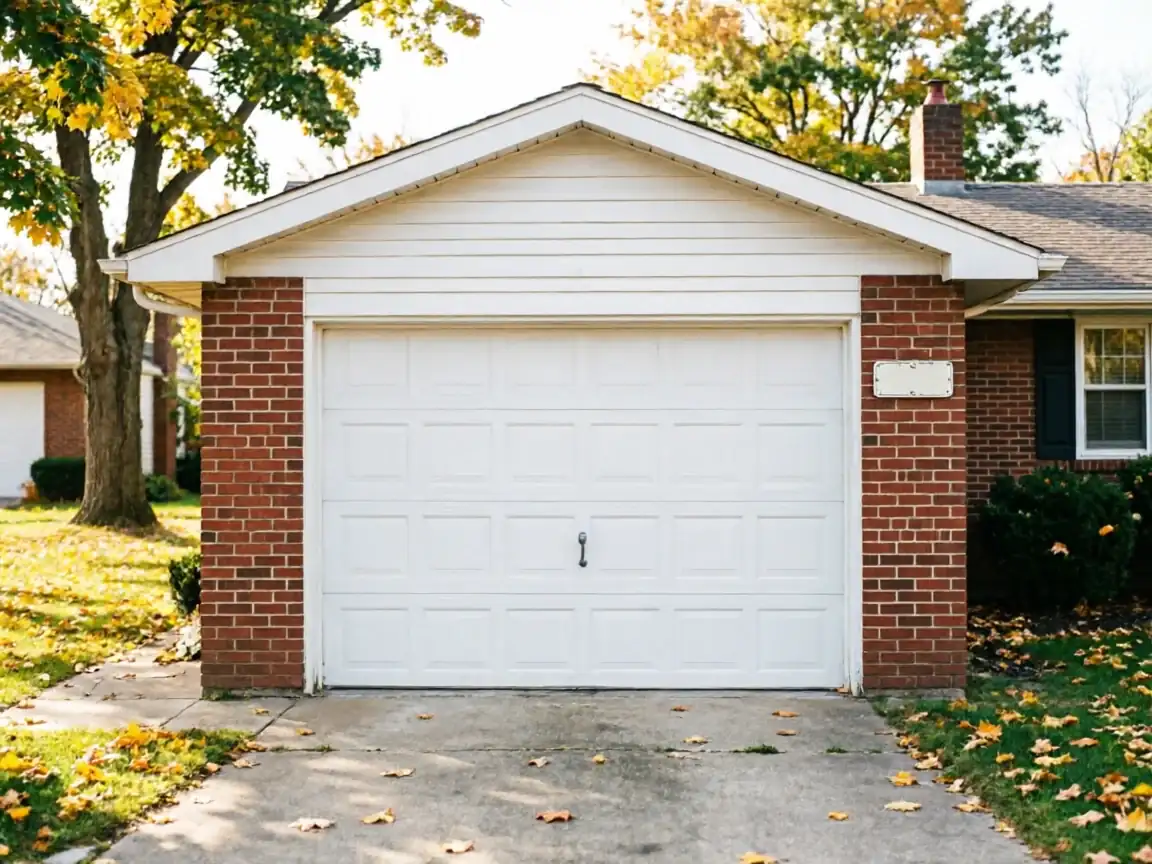
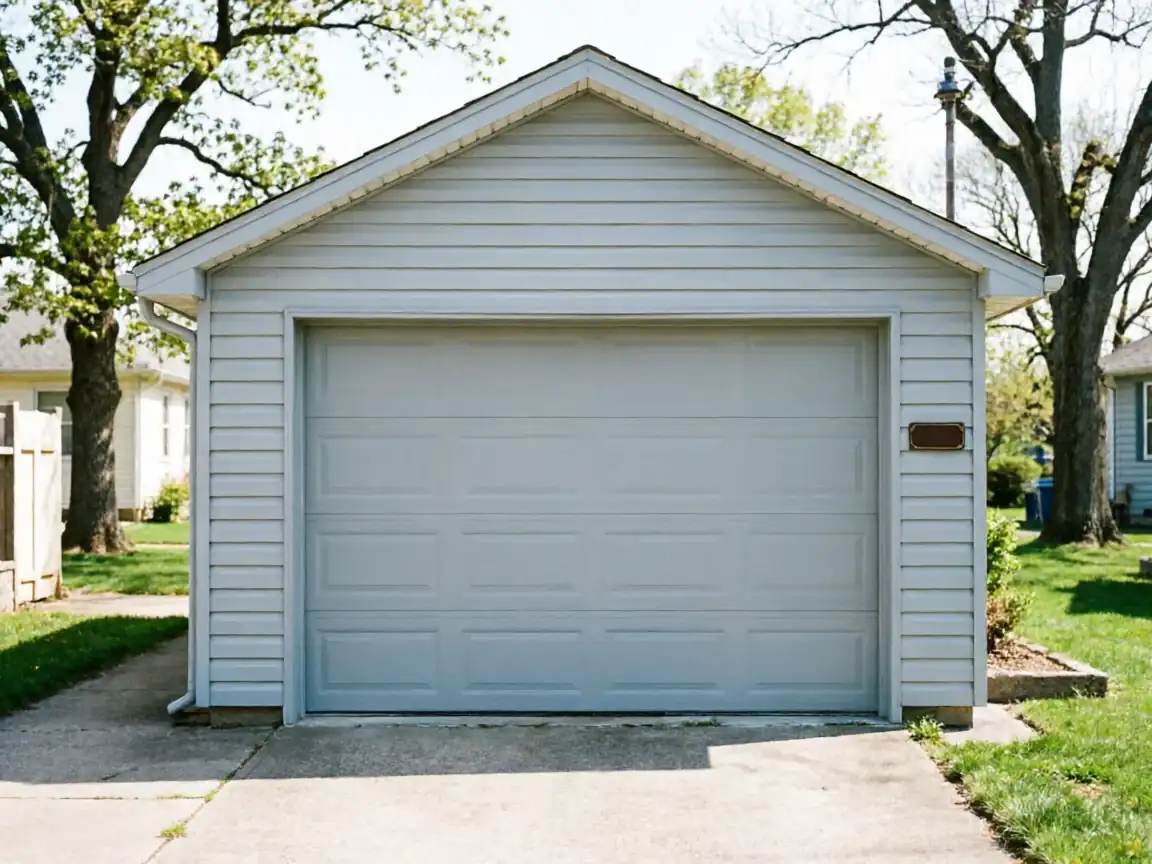
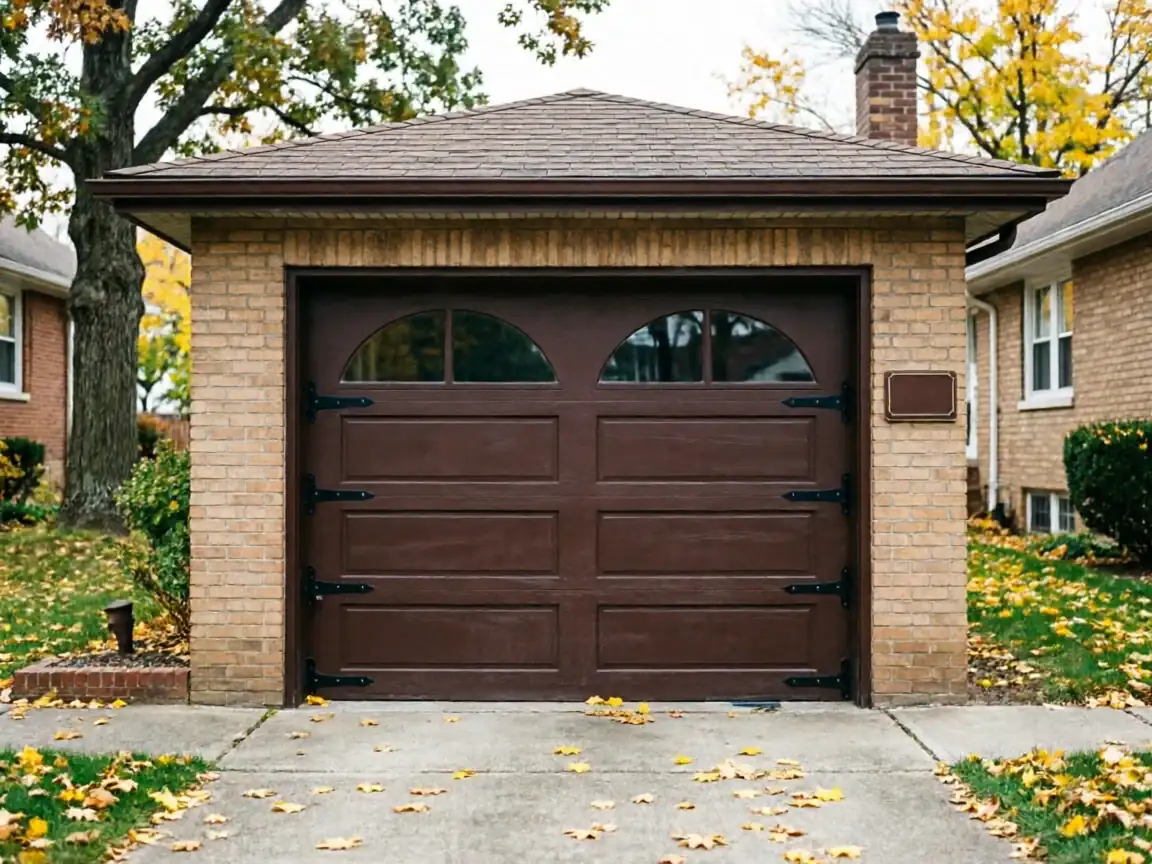
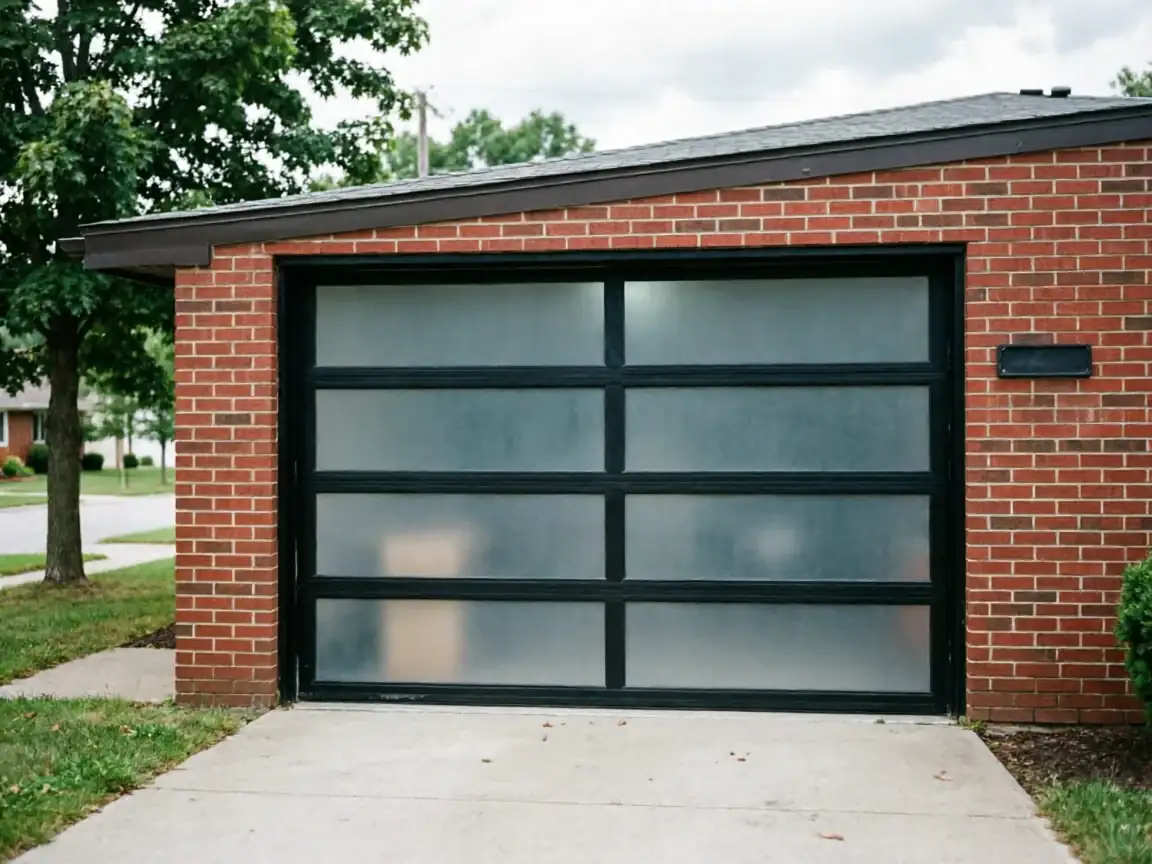
Most of the housing in the Waukesha service area went up between 1938 and 2004, with the median build year sitting at 1979 and the bulk of that stock dating to the 1960s and 70s. That matters here because a door off track is almost always a hardware problem that got worse slowly, not suddenly - a bracket that's been loosening for years, a roller worn down from three decades of use, or a track that's gradually bent out of true. Houses from that era tend to have the original steel track and, in a lot of cases, the original rollers too, which means the margin for error is thinner than on a newer install.
The cold is the other half of it. This area sits in a severe cold-climate band, and that kind of temperature swing works on garage door hardware the same way it works on pavement - freeze and thaw cycles loosen fasteners, stiffen lubricant, and shrink metal just enough to open a gap at a bracket that was already borderline. A track that's a quarter-inch out of alignment in July can be enough to pop a roller free once the cold sets in. We see more off-track calls in the months when temperatures are swinging hardest, which tracks with housing this age meeting weather this rough.
Can You Do This Yourself
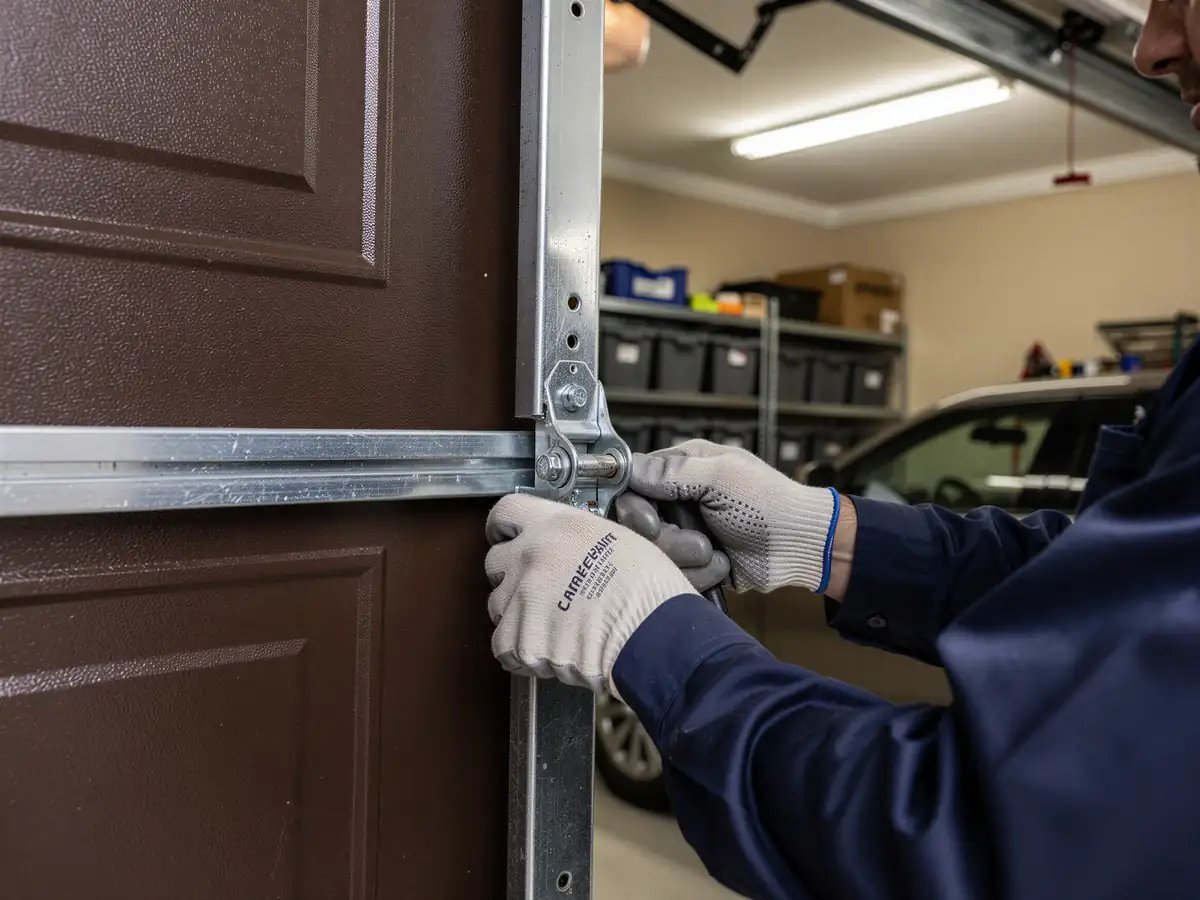
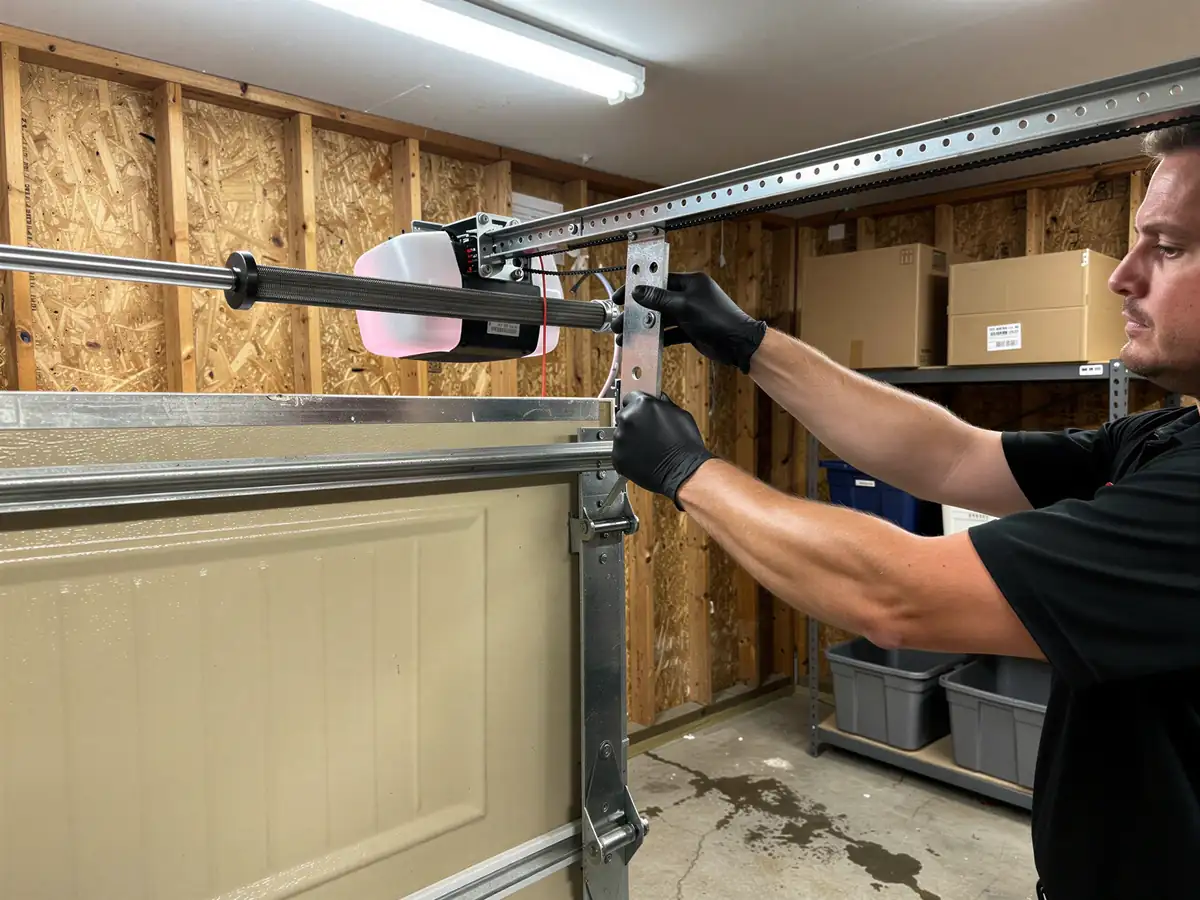
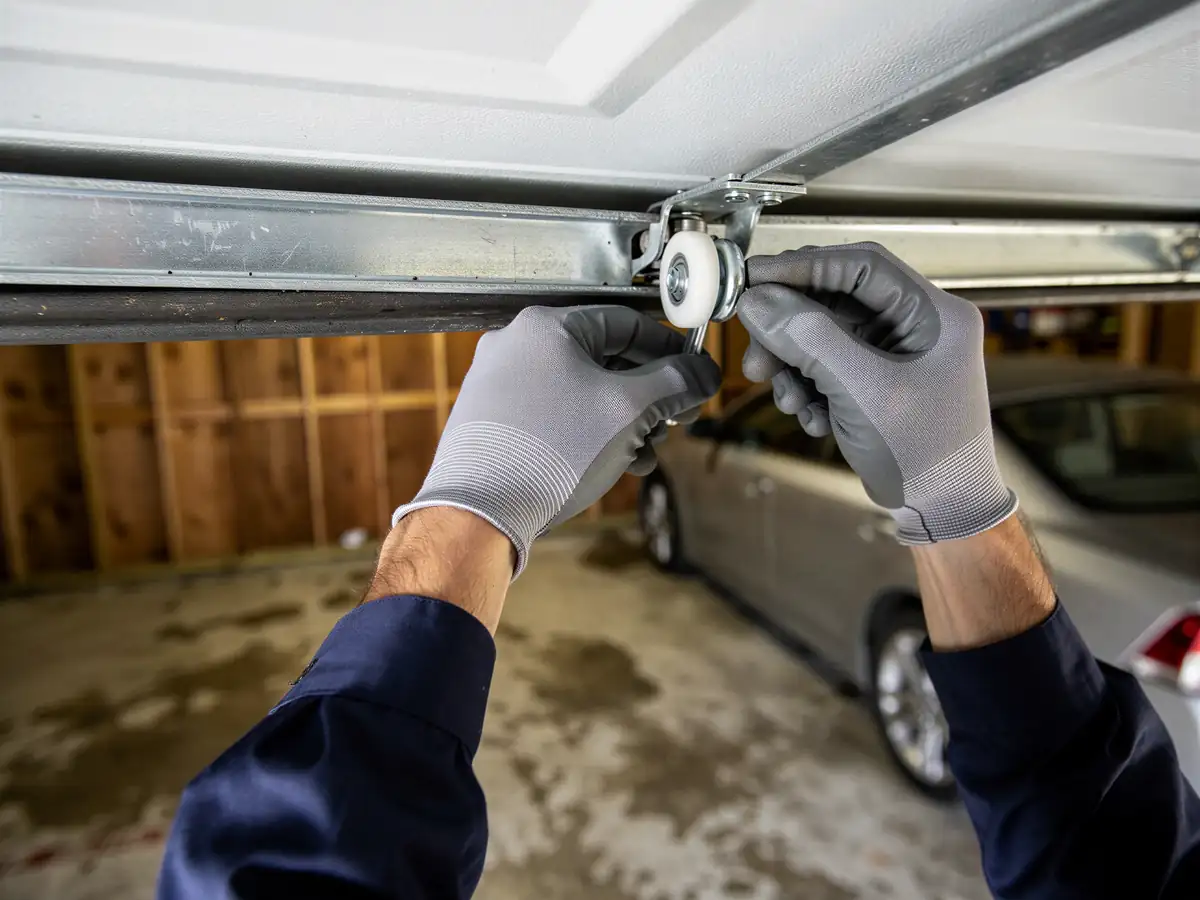
Sometimes, yes. If a single roller has slipped out of the track near the bottom and the door isn't under spring tension in a dangerous way, a careful homeowner can sometimes guide it back in by hand, with the opener disconnected and the door supported. Tightening a loose track bracket with a socket wrench is also reasonable if you can see the bolt and reach it safely.
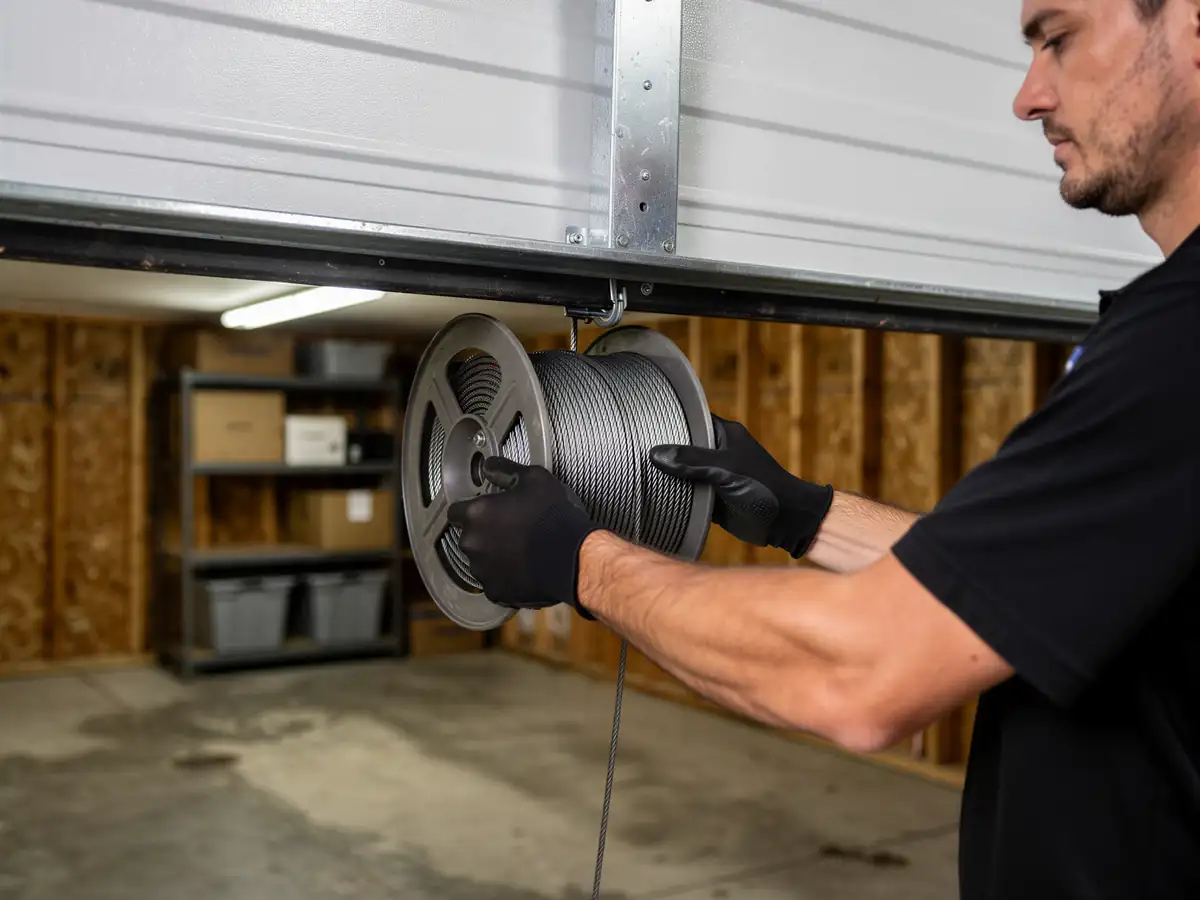
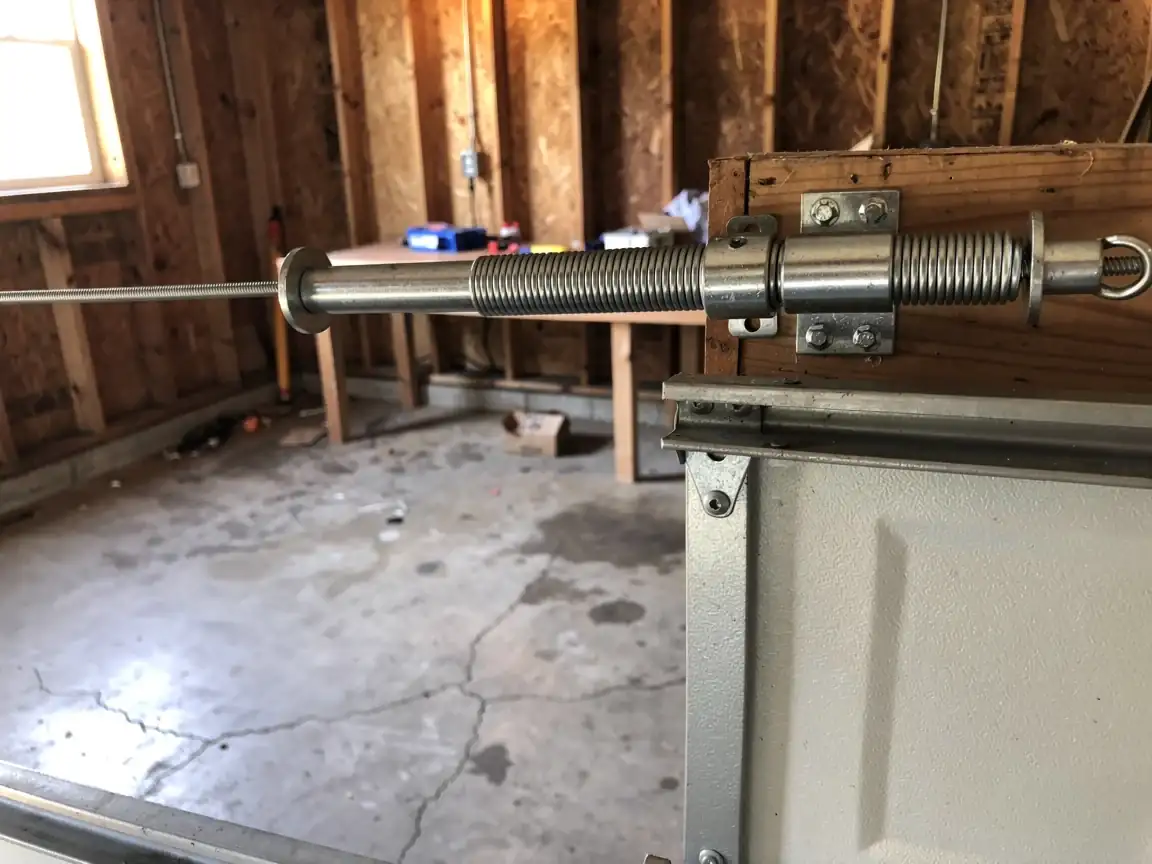
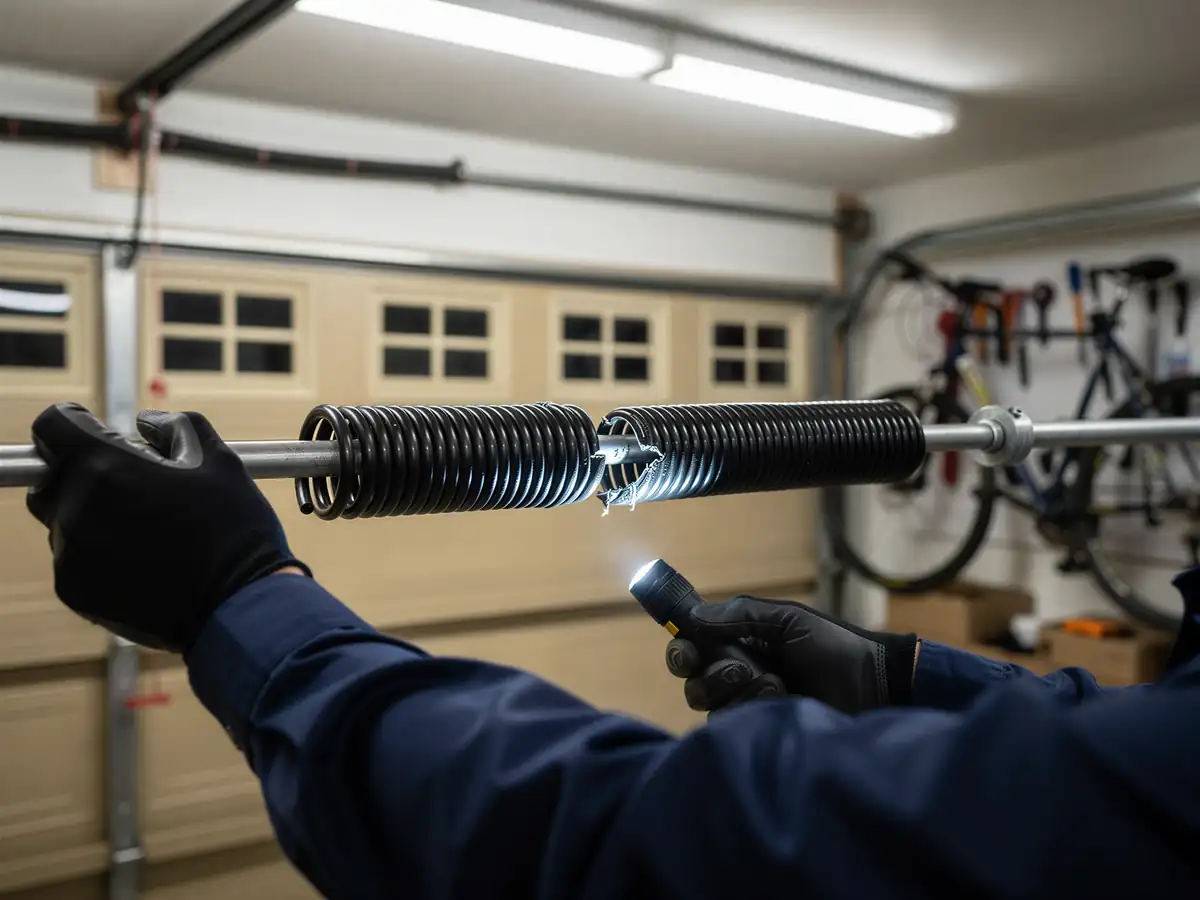
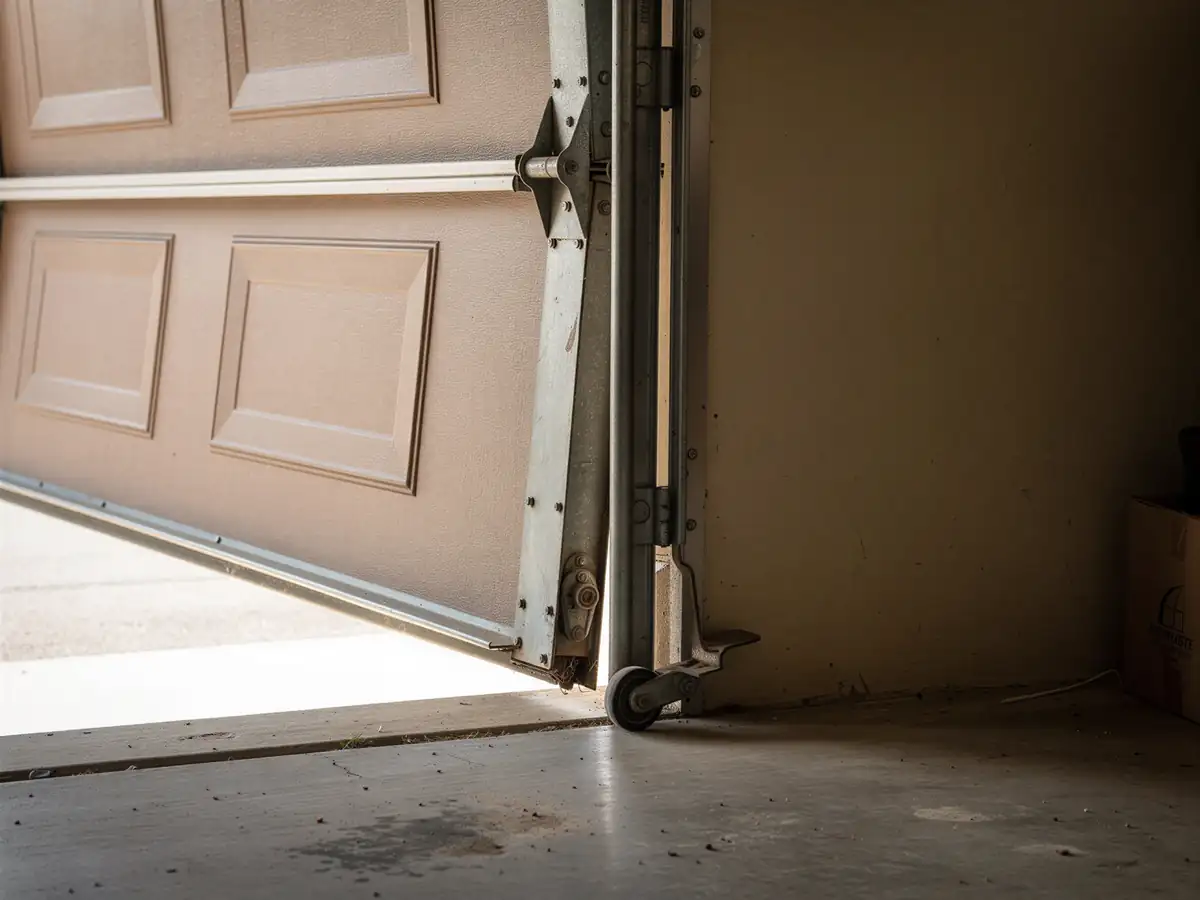
Where we tell people to stop is anywhere the door has come off track on both sides, where a cable looks loose or frayed, or where the door is sitting at a visible angle instead of hanging straight. On a door this old - and a lot of them in this area are - the spring system is also old, and a torsion spring under tension is not something to work around while you're also trying to force a heavy panel back onto bent track. That combination is how people get hurt. If you're not sure which situation you're looking at, that uncertainty is the answer: call it in rather than guess.
We're straight about this - some of these jobs really are a ten-minute fix with a wrench, and we'd rather tell you that than run a truck out for something you could've handled yourself.
How Long It Takes
The honest answer is that it depends on what pulled the door off track in the first place
Not just the fact that it's off track. A door that slipped because of one loose roller is a different job than one where the track itself is bent, where a cable has come off a drum, or where the opener's travel settings got thrown off trying to force the door through the misalignment.
On older housing stock
And a lot of what's in this service area dates back to the 1960s and 70s - we also tend to find secondary wear once we get the door open: a roller bearing that's seized, a hinge that's stretched, a bracket with elongated screw holes from years of vibration. None of that is visible from the driveway, which is why we look at the whole track and the hardware around it before saying what's involved, instead of quoting off a description over the phone.
We won't pretend every call is quick
If the track needs to come off and get reset, or if a bent section needs replacing rather than straightening, that's a longer job than a roller that popped loose. What we can tell you is that we look at cause before we touch anything, because putting a door back on a track that's still bent just means it comes off again.
What You Are Seeing
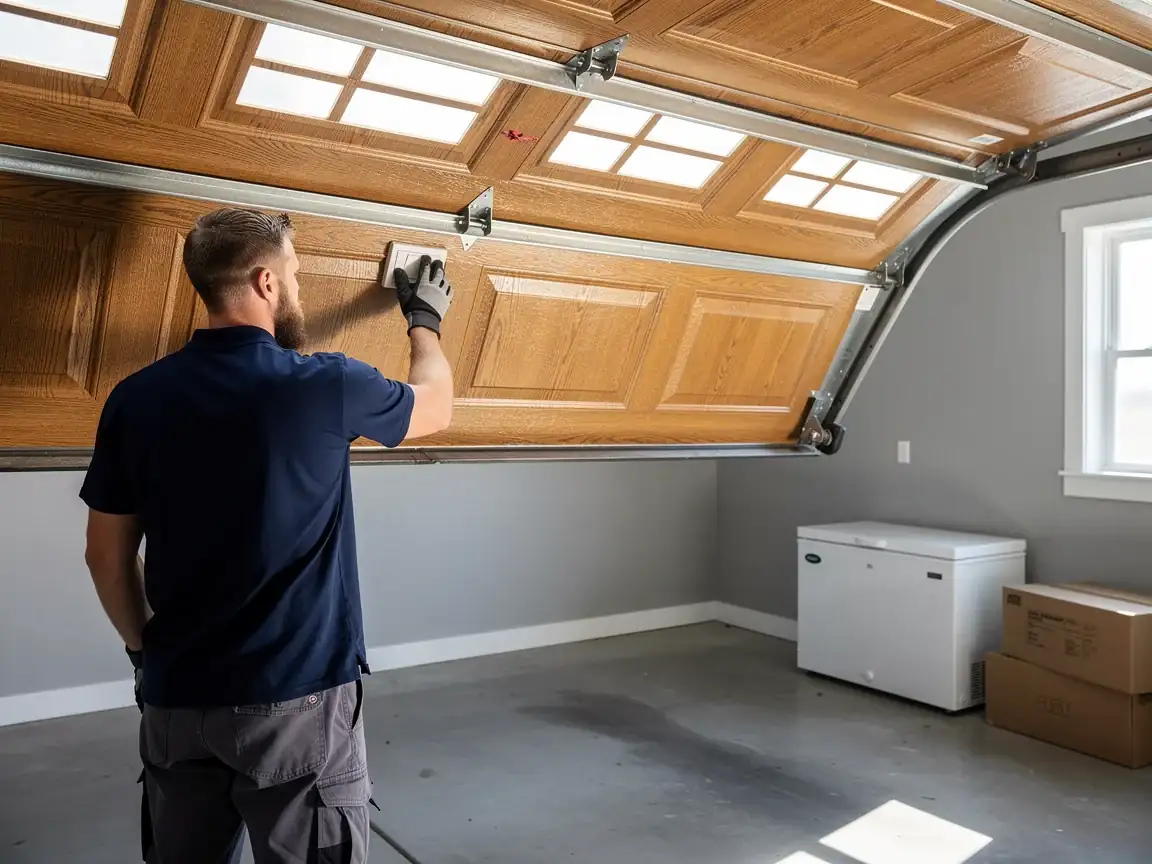
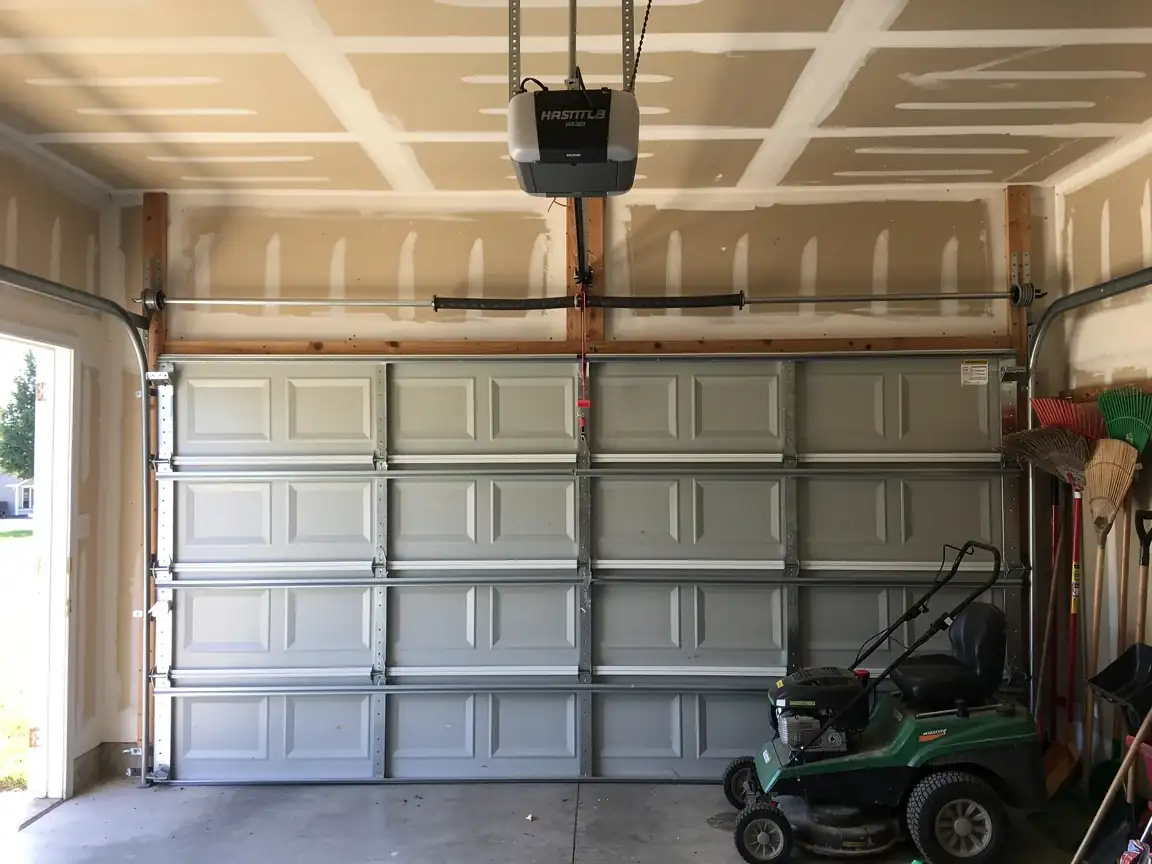
An off-track door doesn't always look dramatic. Sometimes it's subtle - the door closes but leaves a gap of daylight along one side, or it shudders and grinds partway through its travel instead of moving smoothly. Other times it's obvious: the door is hanging at a visible angle, a roller is sitting outside the track instead of inside it, or the door stopped moving altogether with the opener still running.
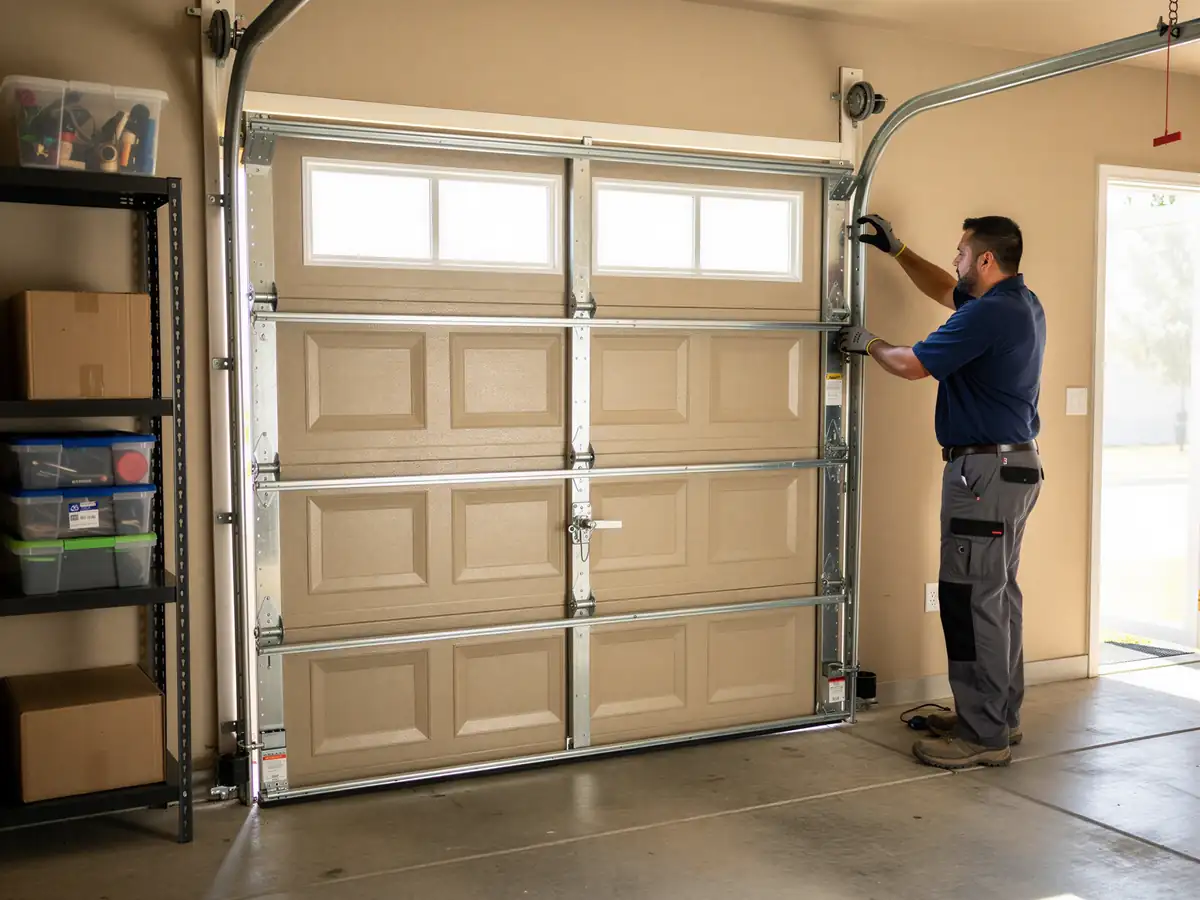
Listen for a grinding or scraping sound right where the roller meets the track - that's usually the first sign before a full derailment. Look at the gap between the door panel and the frame on both sides; if one side sits noticeably tighter or looser than the other, the track on that side has likely shifted. A door that used to close flush and now catches or binds partway down is also showing you an early version of the same problem.
On houses with original hardware from this area's 1960s-70s building wave, we also see rollers that have simply worn thin and started riding loose in the channel, which looks like an off-track problem but is really a worn-parts problem that's about to become one. Either way, don't keep running the opener through resistance - that's what turns a bent bracket into a cracked panel.