What Causes It Around Here
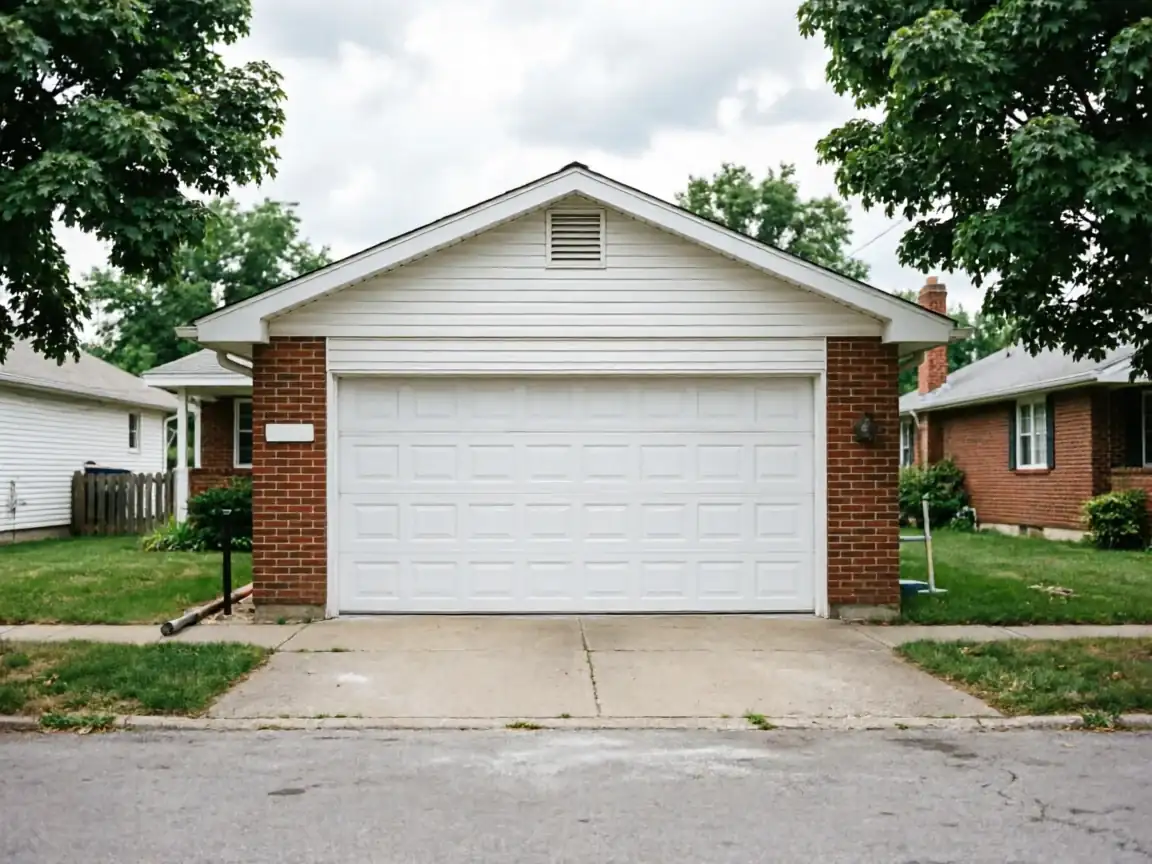
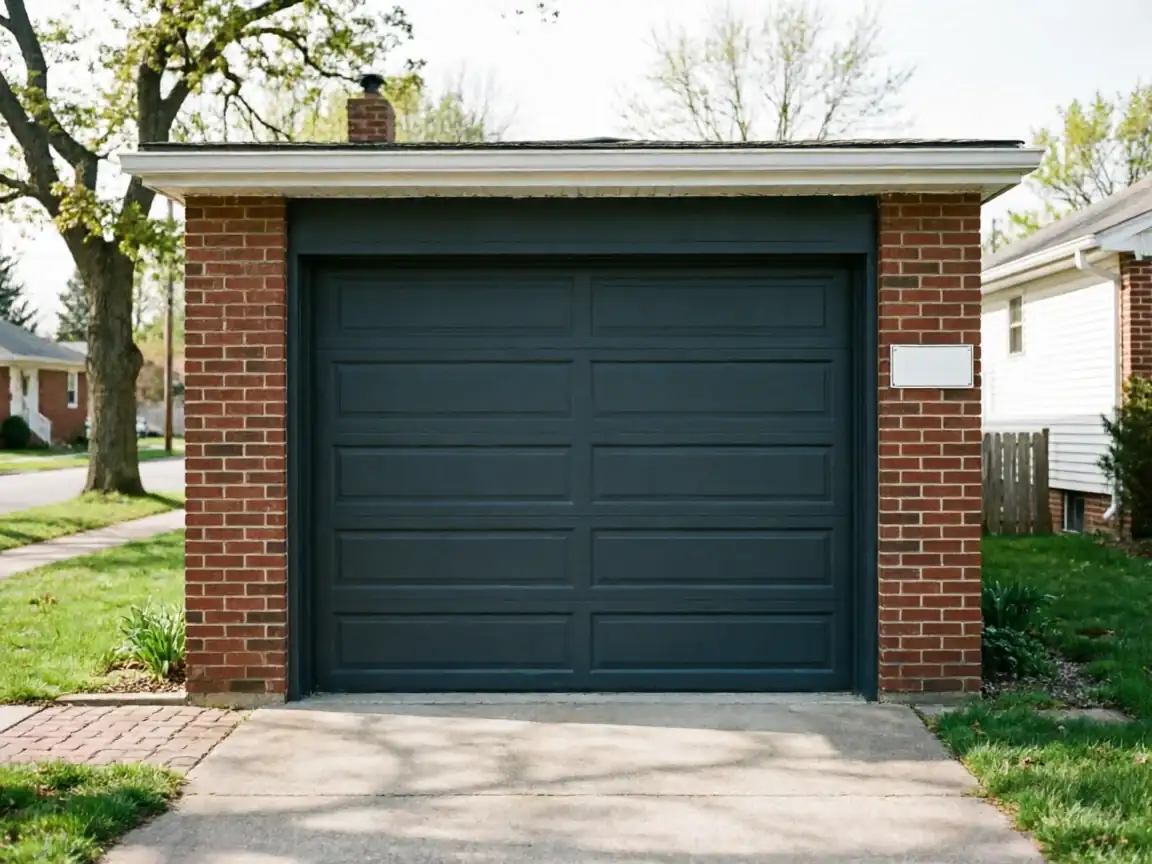
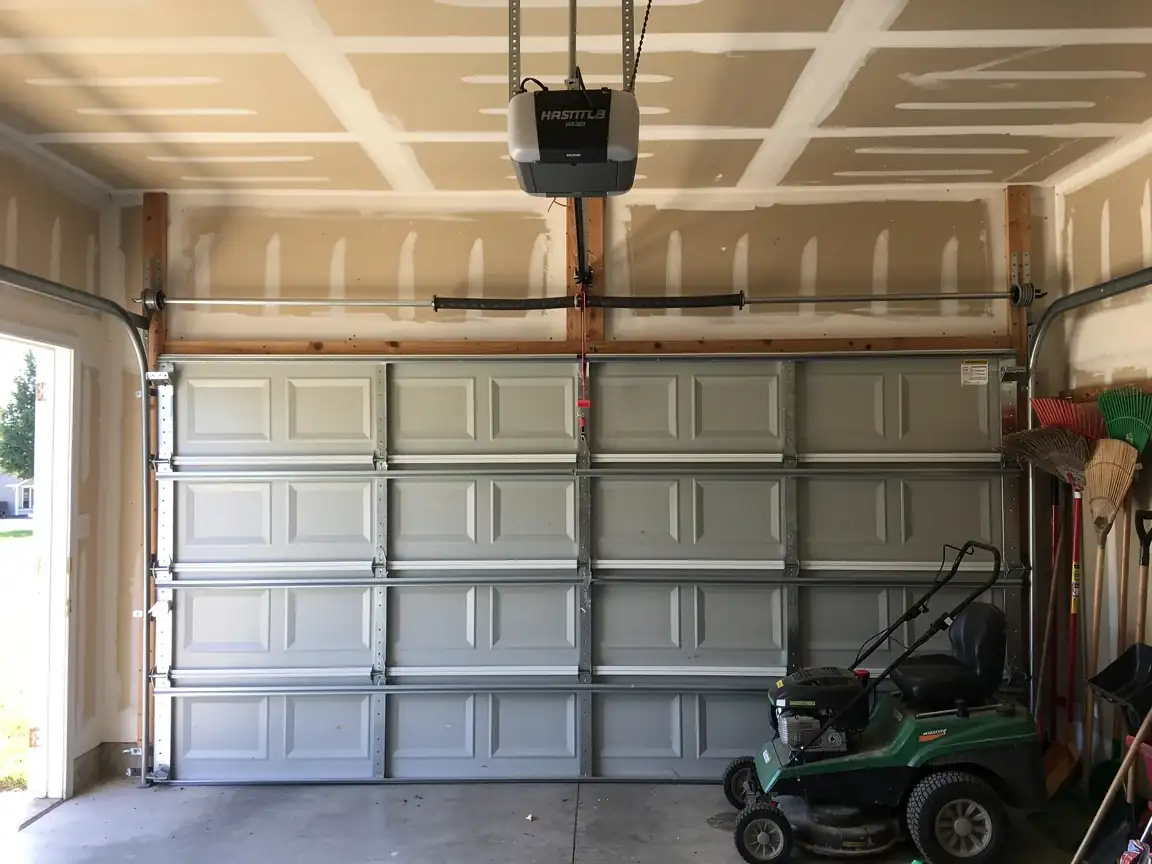
Housing across this service area was mostly built between 1938 and 2004, with a median year of 1979, and most of the stock is 1960s-70s construction. That means a lot of the openers running right now are either original or a single replacement from decades ago - half-horsepower chain units sized for lighter doors than what's hanging on the track today. Add a cold climate on the severe end of the scale, and those older motors and gear sets take a beating every winter. Grease stiffens, chains lose tension, and a motor that already struggles to lift a heavier insulated door has to fight cold-thickened lubricant on top of it. That combination - old opener, heavier modern door, hard winters - is why so many installation calls come in not because the opener died outright, but because it's been laboring for a season or two and finally gives up on a January morning. New installs also come up when owners swap a single steel door for an insulated one and the old opener simply isn't rated for the added weight. It's less about one big failure and more about a unit that was never built for what it's lifting now, in a climate that doesn't forgive worn parts.
Can You Do This Yourself
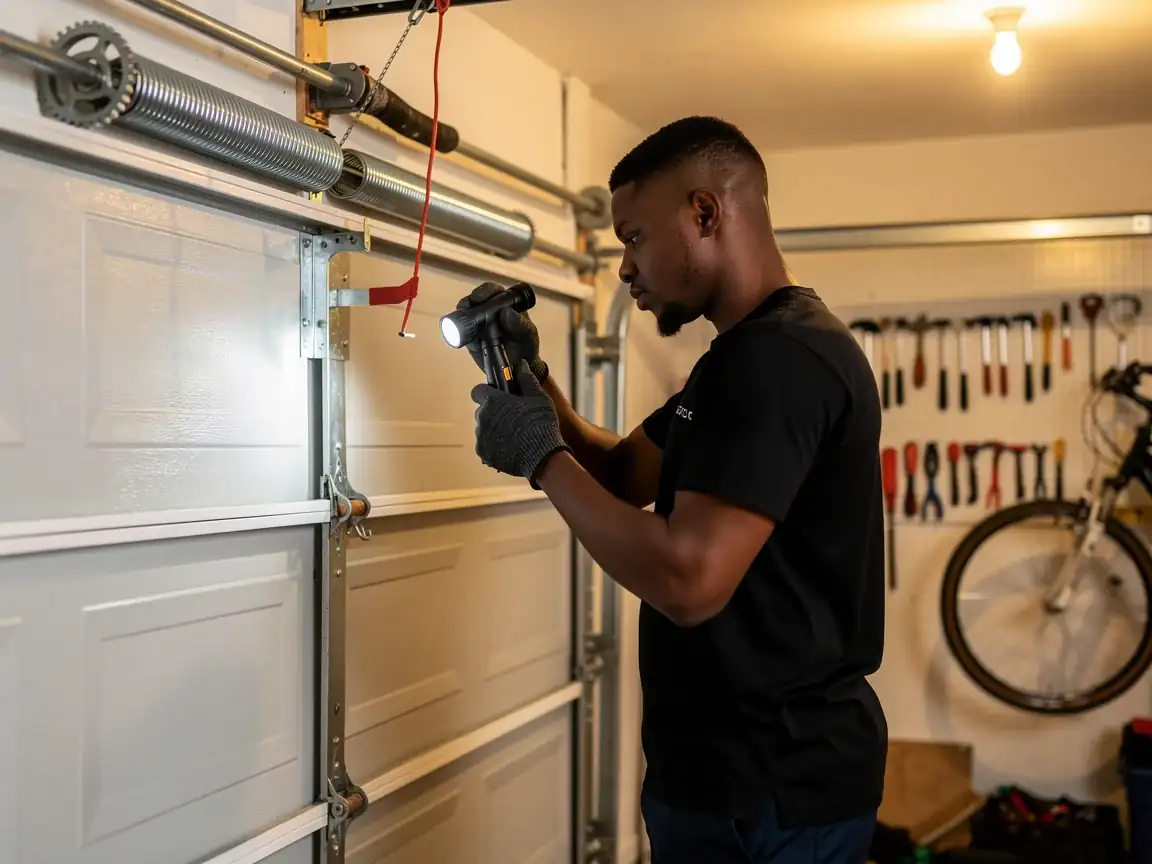
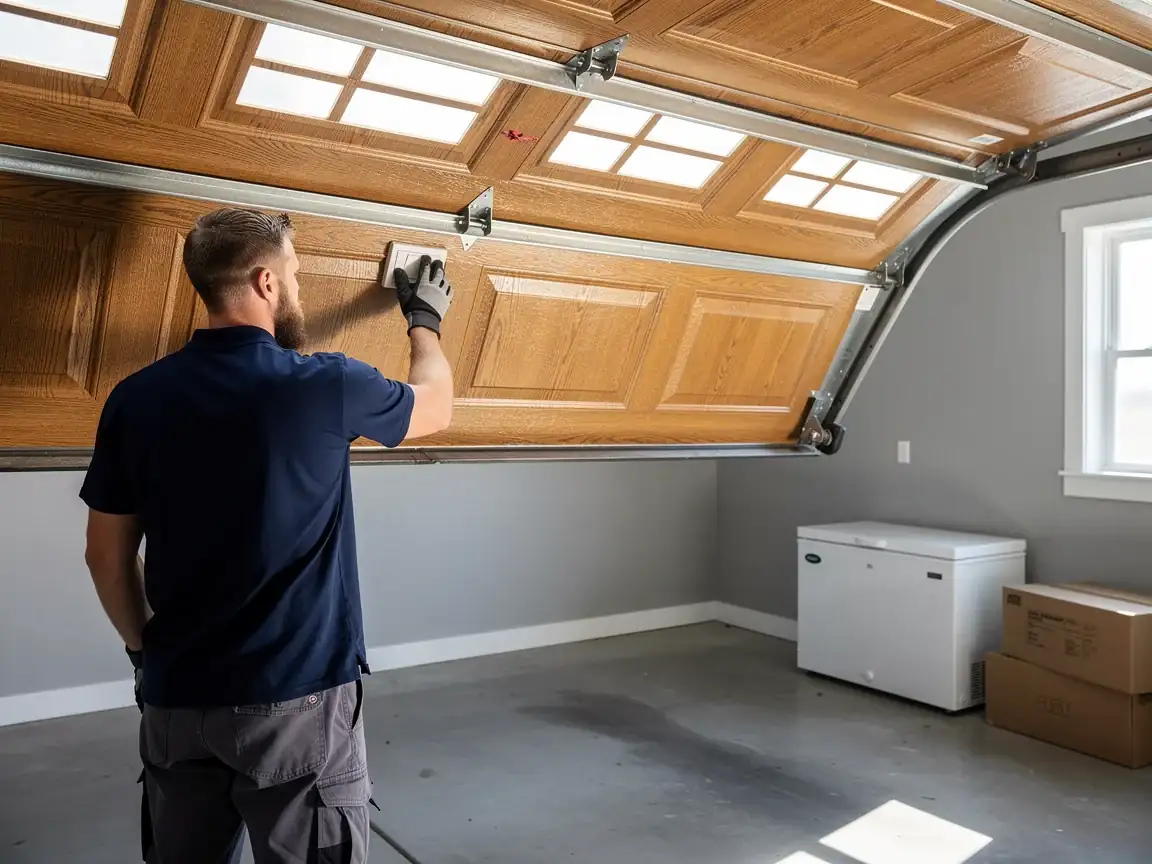
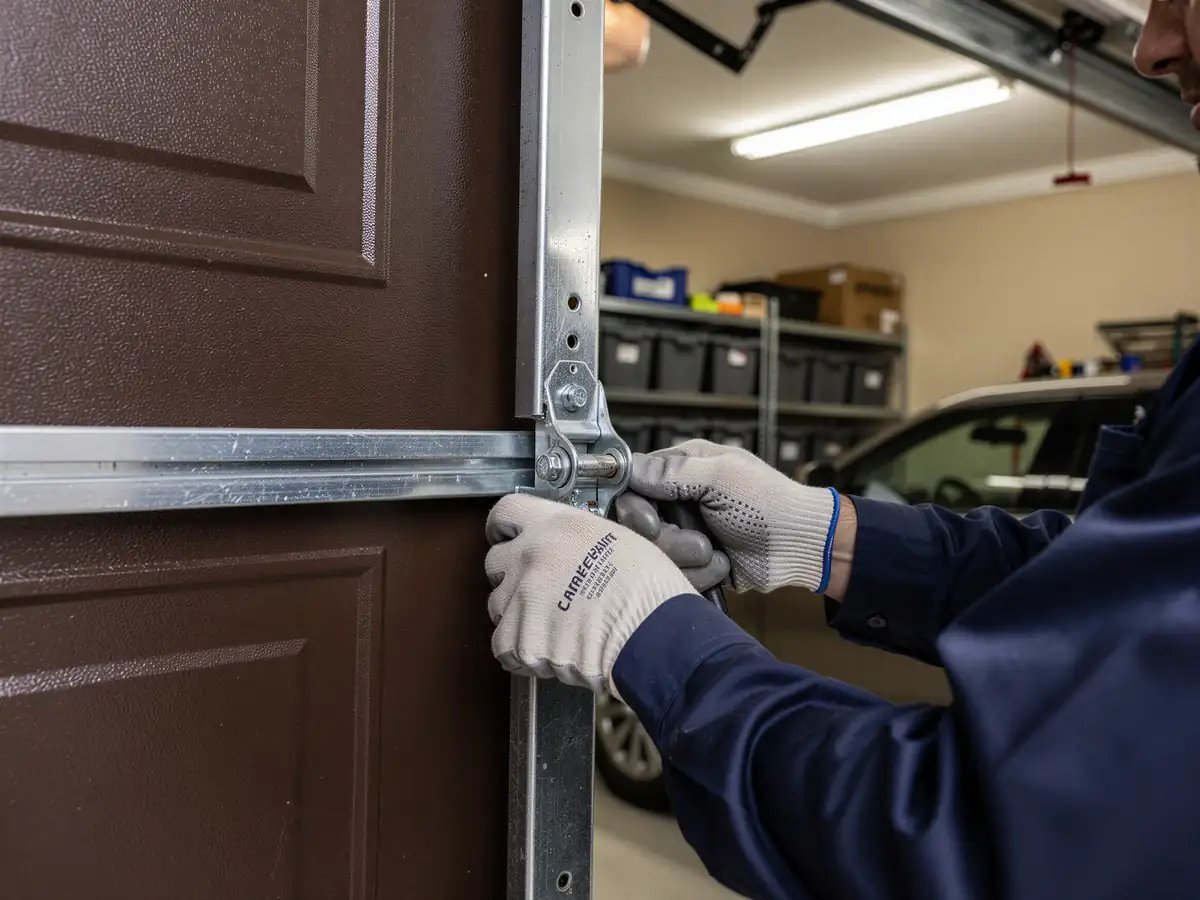
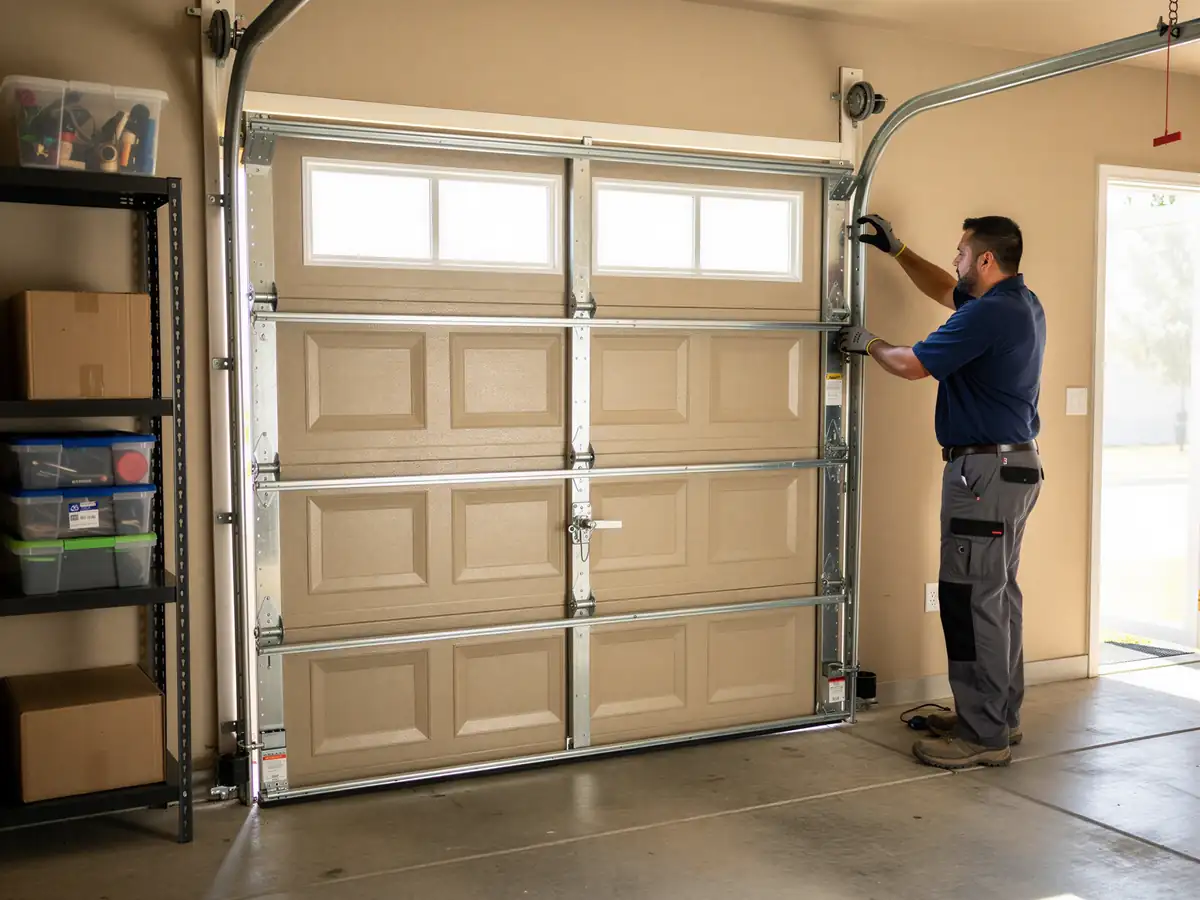
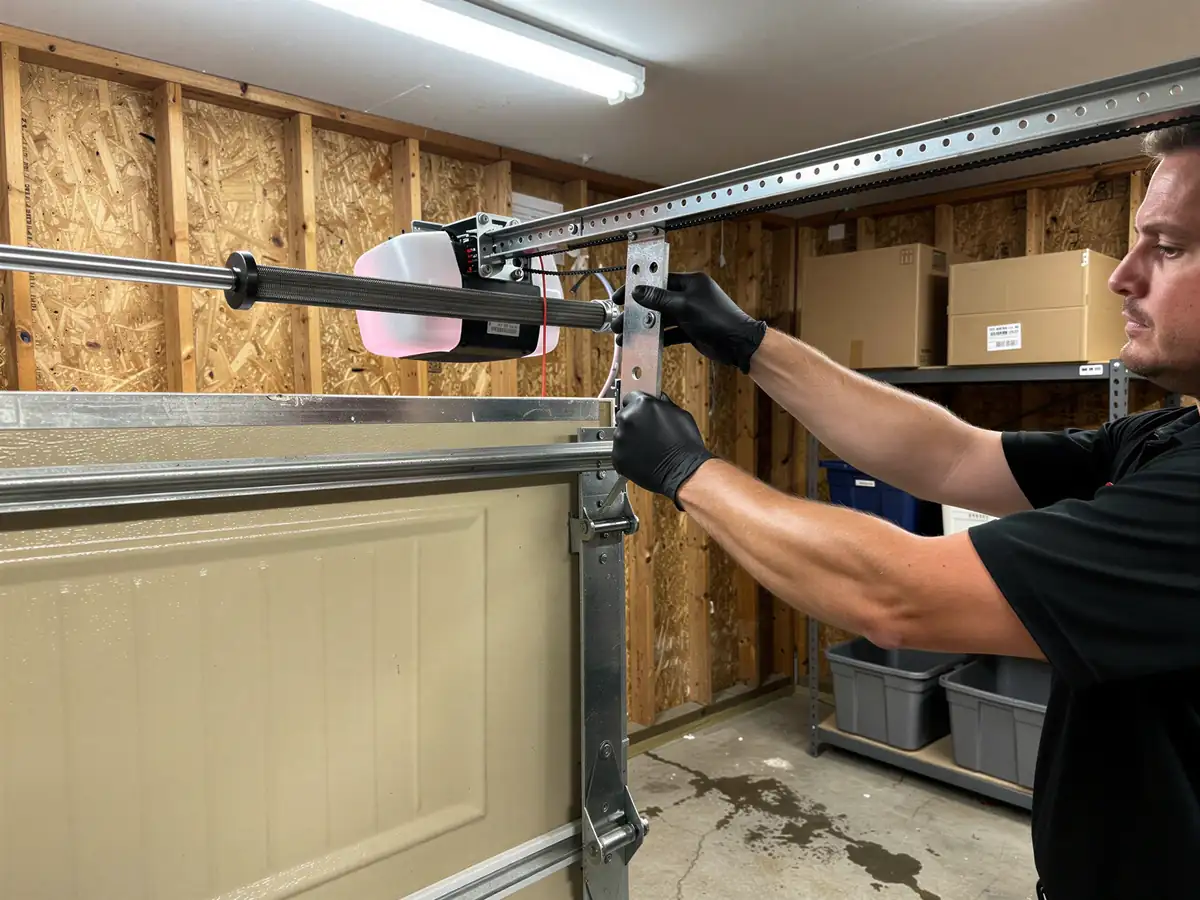
You can buy an opener kit and hang it yourself if you're comfortable with ladder work, wiring a dedicated circuit, and setting travel limits and force settings correctly. The part people get wrong most often is the safety reversal system - the sensors have to be aligned low enough and close enough to the floor that a rolling ball or a small pet trips them, and force settings that are too aggressive can mean a door that doesn't stop on an obstruction. In a climate this cold, the other thing worth knowing is that cold-weather lubricant and belt tension matter more here than in a mild climate, and a kit's factory settings aren't always right for a Wisconsin winter. If your garage isn't heated, that's worth accounting for before you mount anything. We won't tell you it can't be done - plenty of competent homeowners do it - but we also won't pretend the safety setup is optional or that getting it slightly wrong is a cosmetic problem. If you're not confident wiring a dedicated circuit or you don't have a second person to help seat the rail, it's a reasonable job to hand off.
What You Are Seeing
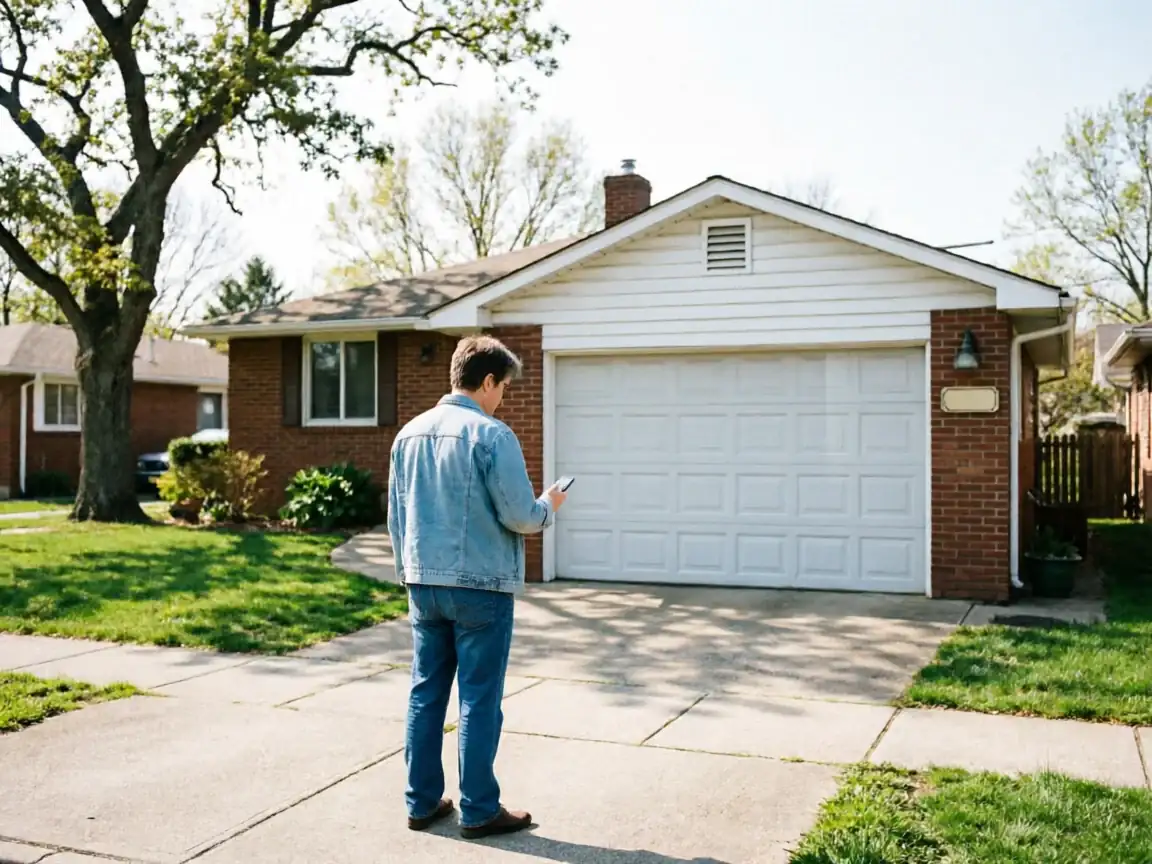
Most owners call us about opener installation after noticing one of a few things: the door creeps open slower than it used to, the motor runs noticeably louder in cold weather than it did in summer, the remote works inconsistently, or the opener strains and shudders partway through the lift cycle before catching again. On older chain-drive units built for this area's 1960s-70s housing stock, that strain is often the motor working harder than it was designed to against cold-stiffened grease and a door that's heavier than the original. Some owners also notice the opener is simply failing to reverse properly on contact, which in a severe cold climate can mean the sensor wiring or alignment has shifted with seasonal temperature swings. None of these symptoms mean the door itself is bad - it's usually the opener losing the fight against age, weight, and winter, in roughly that order.