Serving Waukesha, WI & nearby
(262) 216-2775
Waukesha, WI

Why a Garage Door Goes Off Track Here in Waukesha

Waukesha homes built mostly between the 1960s and 1979 use track hardware that didn't account for decades of freeze-thaw cycles. Here's what actually knocks a door off its rails.

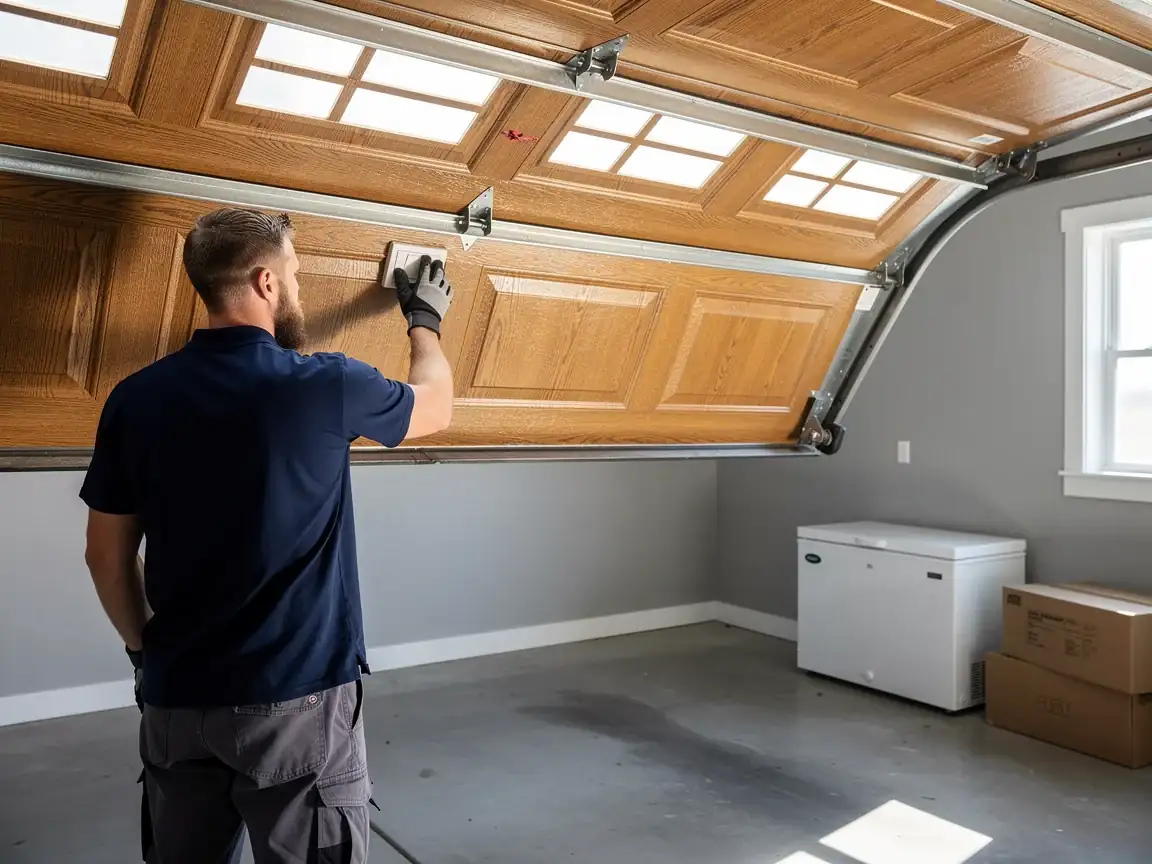
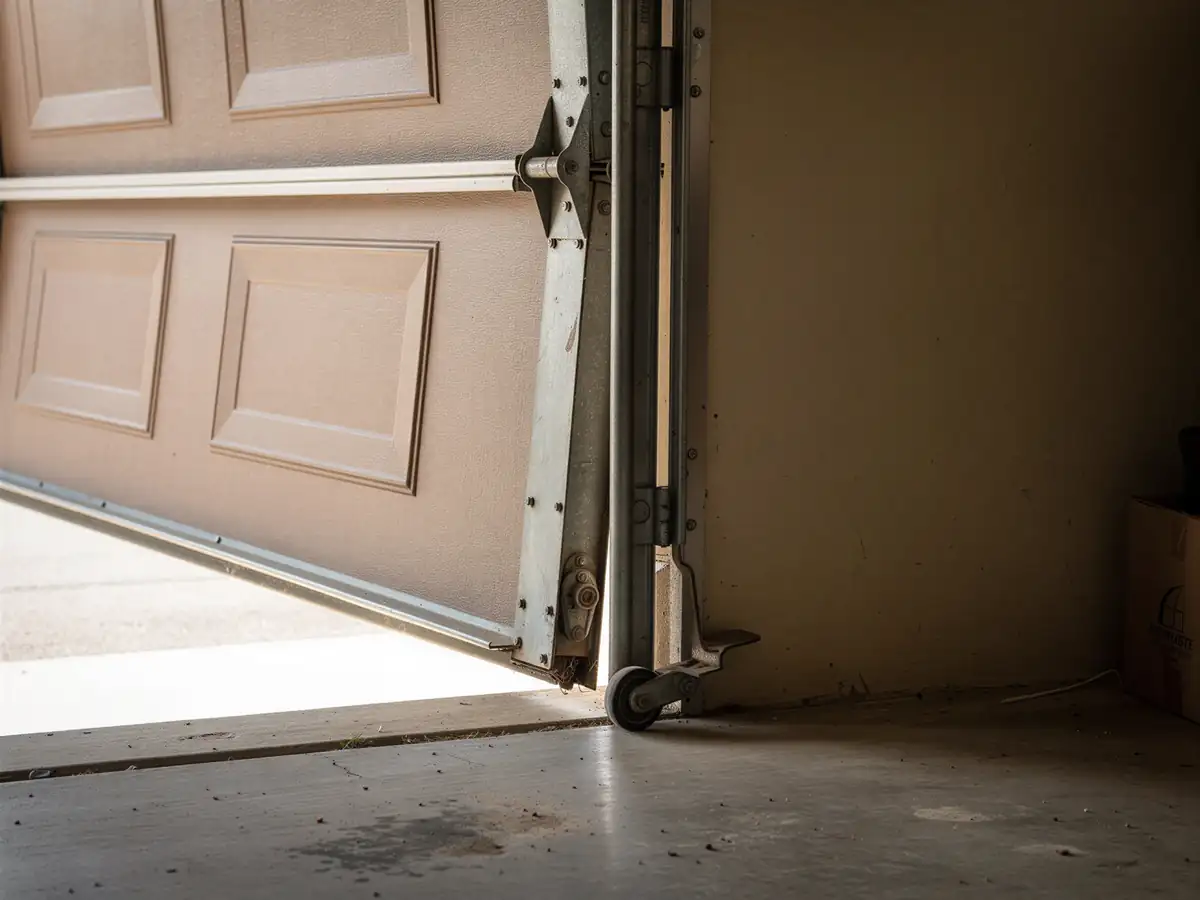
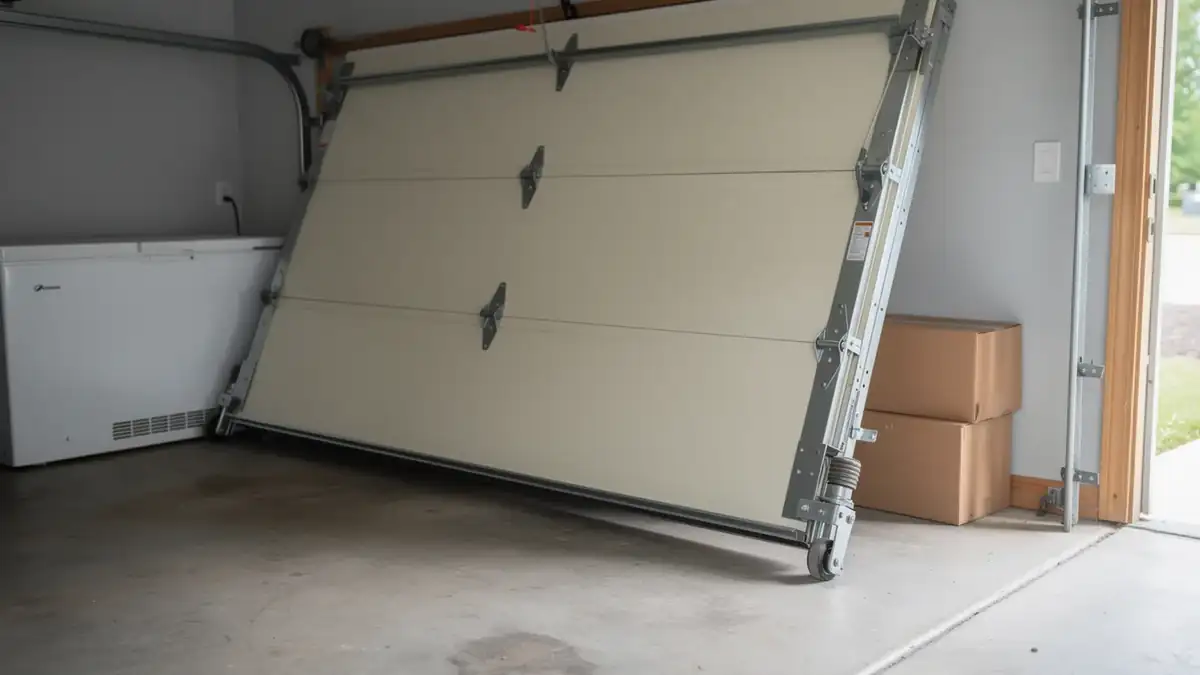
A beige garage door is off its tracks and leaning against a white freezer.

The Situation

A door comes off track for one of two reasons: something bent the track, or something let the door swing loose inside it. In Waukesha, both causes trace back to how old the hardware is. Housing in this area was mostly built between 1938 and 2004, with the median landing around 1979, and most of the 54 named neighborhoods we work in are solidly 1960s-70s stock. That means a lot of doors are still running on the original steel track brackets, which were never rated for the kind of ground movement and slab settling that happens after fifty-plus winters of freeze and thaw.

The most common version of this call: a roller pops out of the track on one side, usually the bottom section, because a bracket bolt has worked loose over the years. The second most common: someone backs into the door, or a kid's bike clips the bottom panel, and the track bends just enough that the rollers bind and jump. Either way, the door looks like it's "off track" but the actual failure point is almost always the hardware holding the track to the frame, not the track itself.

We don't recommend forcing a door back onto a bent track and calling it fixed. It'll come off again, usually worse.

What It Costs

We can't quote a number without seeing the door, so we won't guess here. What we can tell you is what drives the cost up or down. A door that's simply jumped its rollers because of a loose bracket is a straightforward fix - tighten, realign, done. A door with a visibly bent track section usually means replacing that section rather than trying to bend it back, because a track that's been bent once is weaker at that point and will fail again sooner.

Age matters too. With median household income in this area at $108,690, a lot of homeowners here are weighing a track repair against replacing an opener or spring system that's the same age as the track and showing its own wear. If your door was installed anywhere near the 1979 median build year for this area, there's a real chance the track isn't the only original part due for attention.

The honest limitation: we don't stock every bracket and track profile for every build era on the truck. Older, nonstandard track widths sometimes mean a short wait on a part rather than a same-visit fix. We'll tell you up front if that's the case rather than bolting on something that doesn't fit right.

What to Look At First

  1. Before you call anyone, look at three things

    First, check the brackets where the track bolts to the frame - on a house from the 1960s or 70s, these are often the original galvanized brackets, and the bolts loosen with decades of door cycles. A quarter-inch of play here is enough to let a roller walk off the rail.

  2. Second, look for a kink or flare in the track itself

    Usually near the bottom few feet where a car bumper or a stray object can reach it. A track that's bent even slightly out of parallel will fight the rollers every time the door moves, and it gets worse with every cycle, not better.

  3. Third, check whether the door is binding on one side only or both

    One side usually points to a bracket or a bent section. Both sides jumping at once, especially on an older door, often means the whole track assembly has shifted because the framing around it settled - common enough in houses built mid-century on this kind of soil, where original stock. That's a bigger job than tightening a bolt, and it's worth having someone look at the frame itself before touching the track.

How Local Conditions Play In

Waukesha sits in a cold, severe winter climate, and that matters more for track problems than people expect. Steel track contracts in deep cold, and the brackets holding it to a wood-framed garage contract at a different rate than the wood does. Over enough winters, that mismatch works bolts loose and opens tiny gaps between track and frame - exactly the kind of play that lets a roller jump when the door hits a cold spot and the steel is at its tightest.

Houses built in the 1960s and 70s, which make up most of the stock across the named areas we cover, weren't built with today's thermal breaks or insulated track mounts. If your garage isn't heated, the track right near the bottom of the opening sees the widest swing in temperature of any part of the system, which is also where we see the most bent and sprung track sections.

We're not going to tell you to insulate your whole garage over a track problem. But if your door keeps coming off at the same spot every winter and goes quiet again by summer, that's a cold-flex issue in the hardware, not a one-time accident, and it's worth fixing the bracket mounting, not just re-seating the rollers.
How it works

From “it’s stuck” to “it’s fixed”

A quick, honest process - no guesswork and no surprises, start to finish.

  1. 1
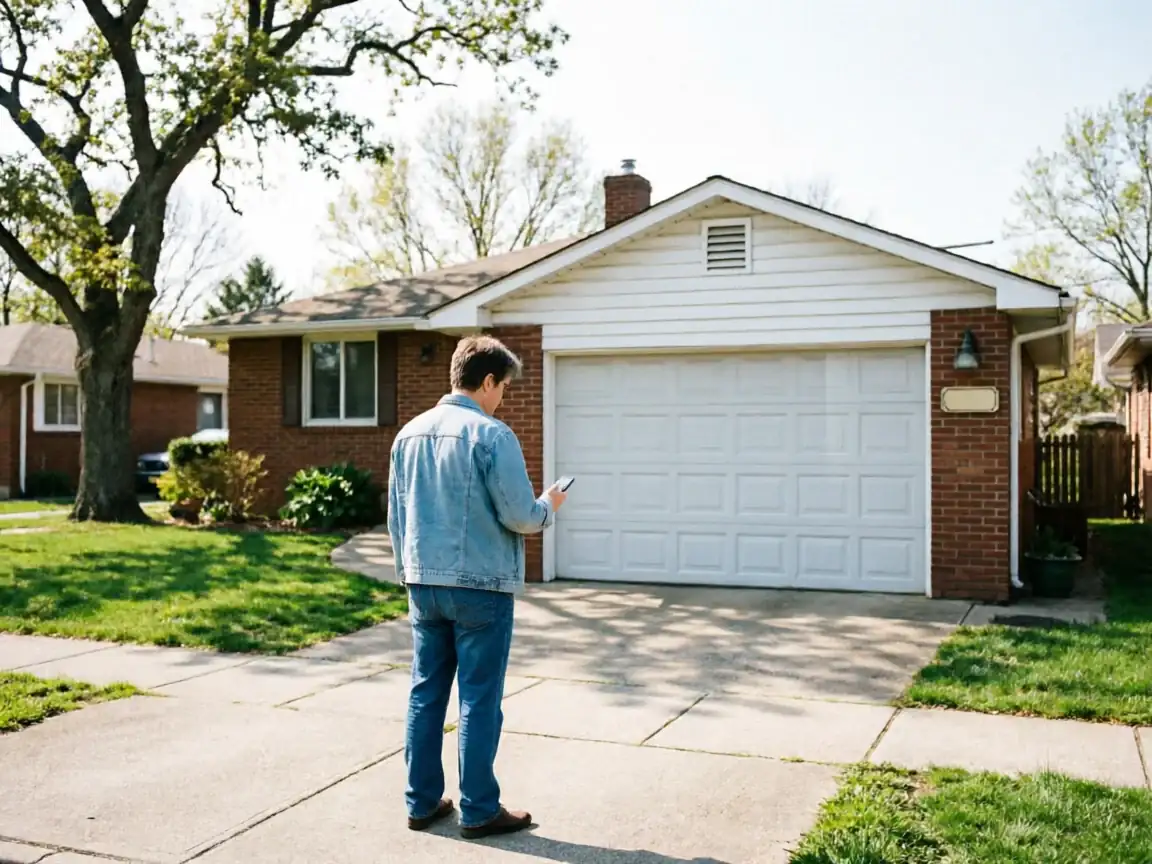
    A man in a denim jacket stands in a driveway looking at his phone.

    Tell us what’s wrong

    Describe the symptom - won’t open, loud bang, opener runs but the door won’t move.

  2. 2
    A technician shines a flashlight on the garage door's top panel and roller.

    On-site diagnosis

    A technician tests the door under power and by hand and finds what actually failed.

  3. 3
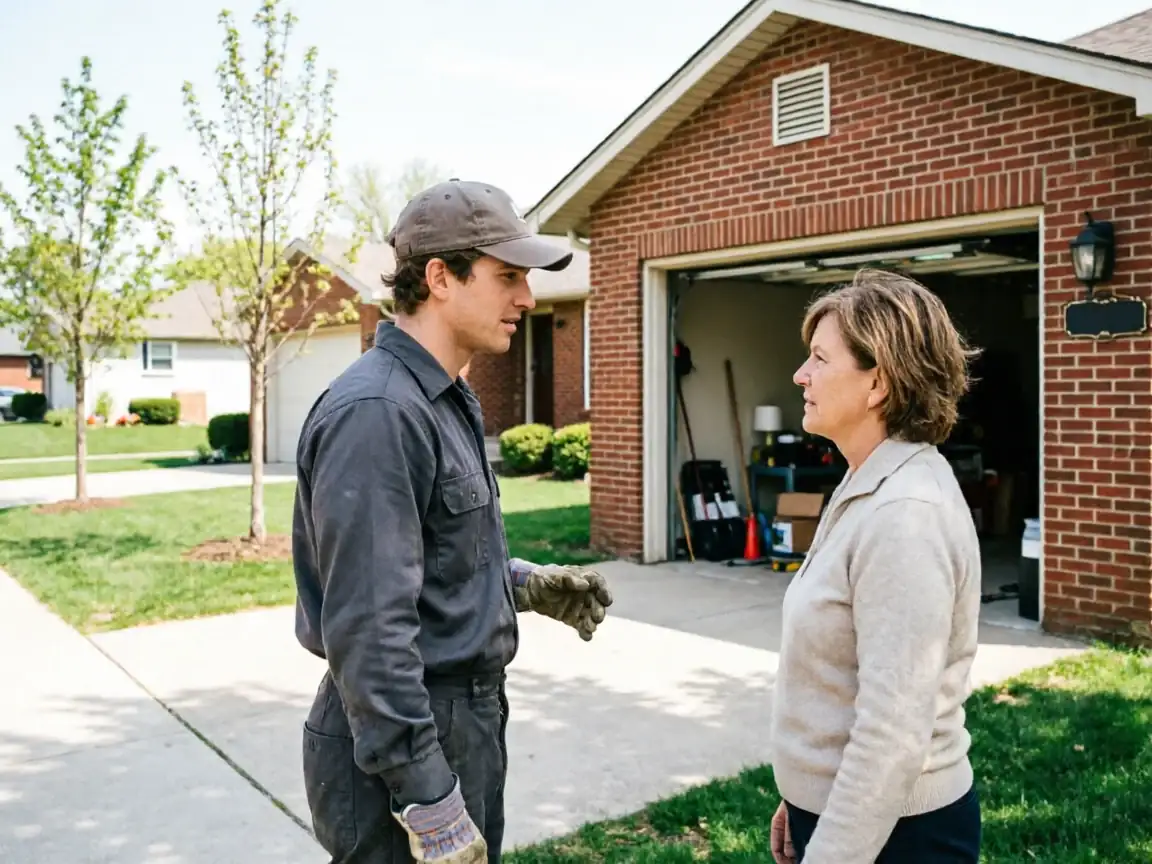
    A technician in a gray uniform talks to a woman in front of a brick house.

    Clear, up-front plan

    You get the fix that’s needed and what drives the cost - before any work starts.

  4. 4
    A technician in a blue shirt is working on a brown garage door.

    Repaired & tested

    The repair is done, the door is set true and tested, and the work area left clean.

Next step

Not sure which repair your door needs in Waukesha, WI? Describe what it’s doing - every job starts with a diagnosis.

How we work

What to expect

Diagnosis firstEvery visit starts by finding what actually failed - not a pre-written parts list.
The right part for the doorSprings and openers matched to the door’s weight and age, so the fix holds up.
Straight answersWhen a repair makes more sense than a replacement - or the reverse - you hear it plainly.
Clean, careful workTension released safely, hardware set true, the door tested under power before we leave.
What we do

Garage Door Services

Repair and installation work for Waukesha homes and businesses.

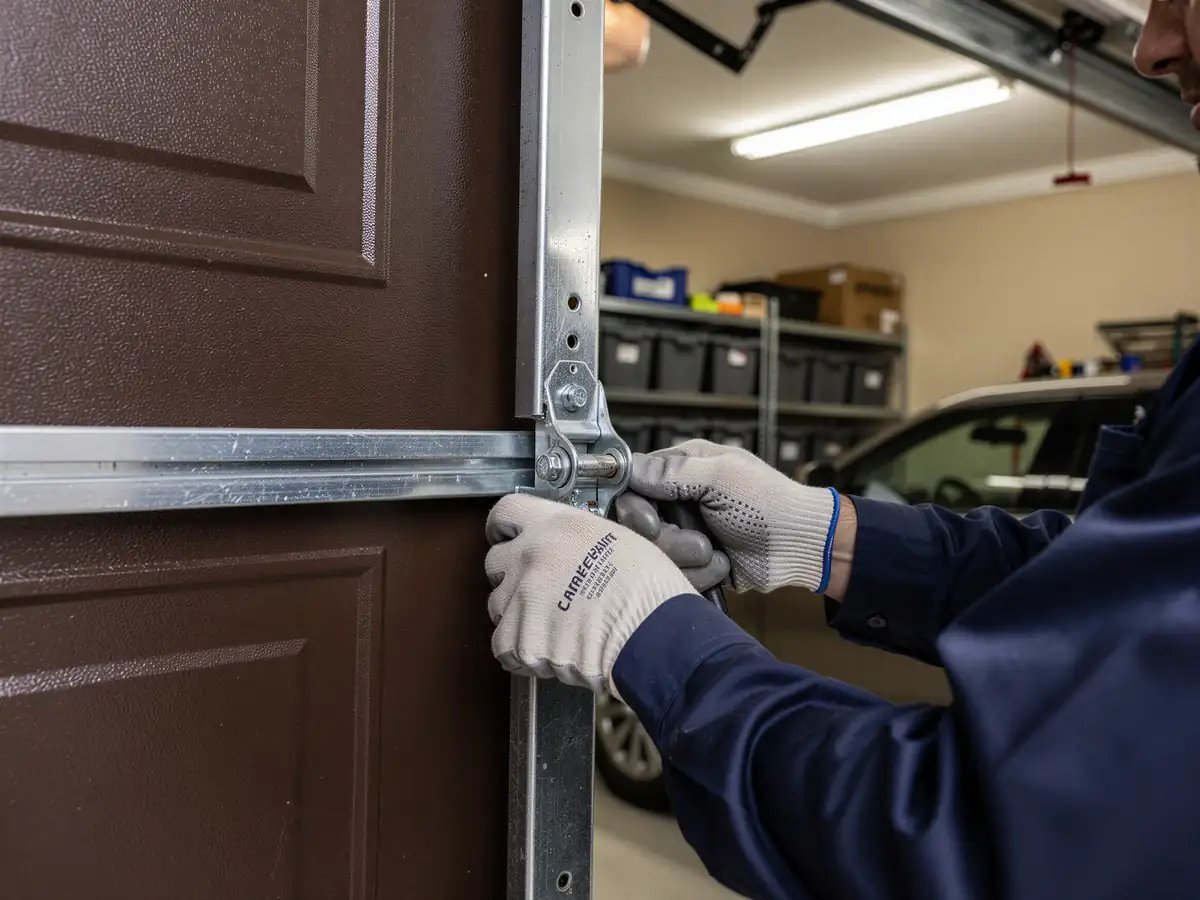
A technician in gloves adjusts the metal track of a brown garage door.

Garage Door Repair

Garage door repair for Waukesha homes built 1938-2004, where cold-climate torsion springs and original openers wear out together. Same service area as Pewaukee, Hartland.

Learn more
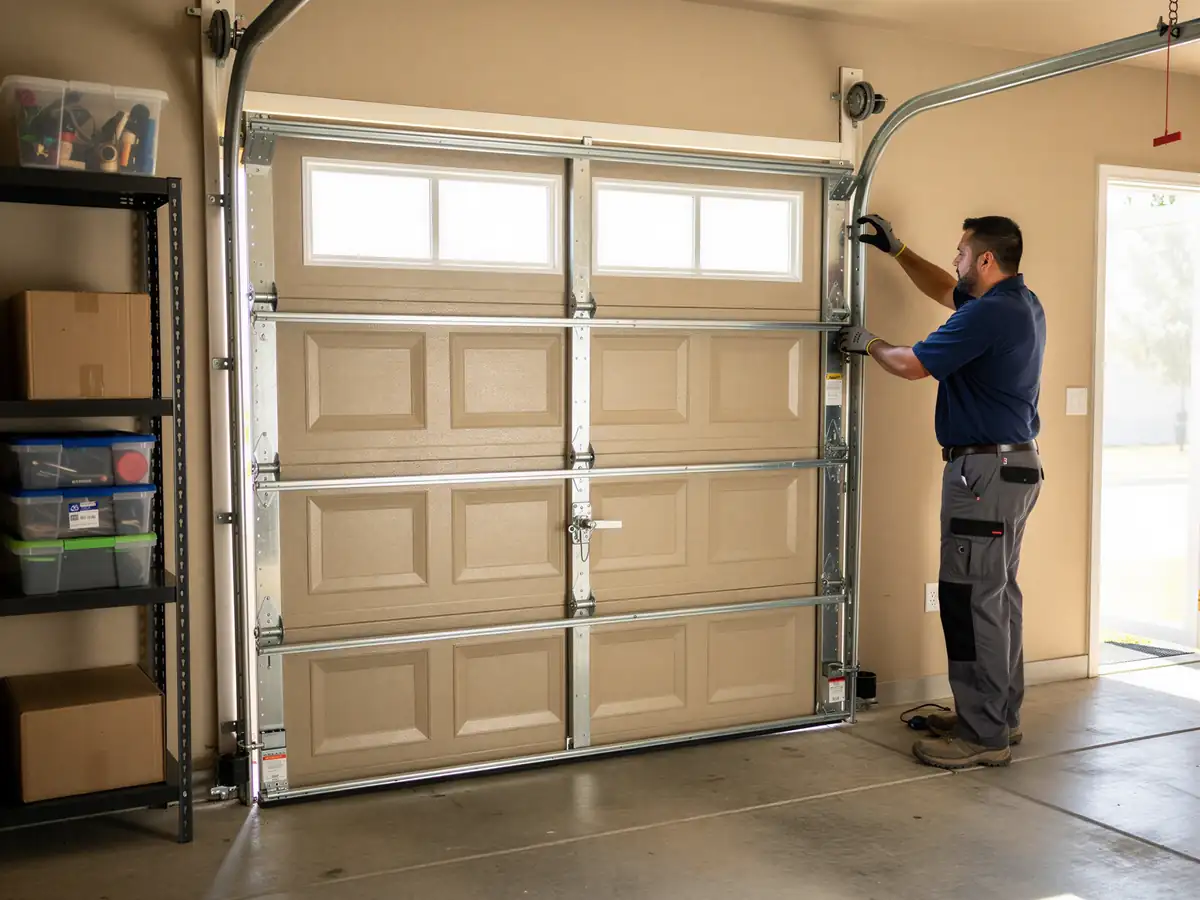
A technician in a blue shirt is working on a tan garage door with windows.

Garage Door Installation

Most Waukesha homes were built between 1938 and 2004, many in the 1960s and 70s, and cold winters wear garage doors fast. Here's what installation involves.

Learn more
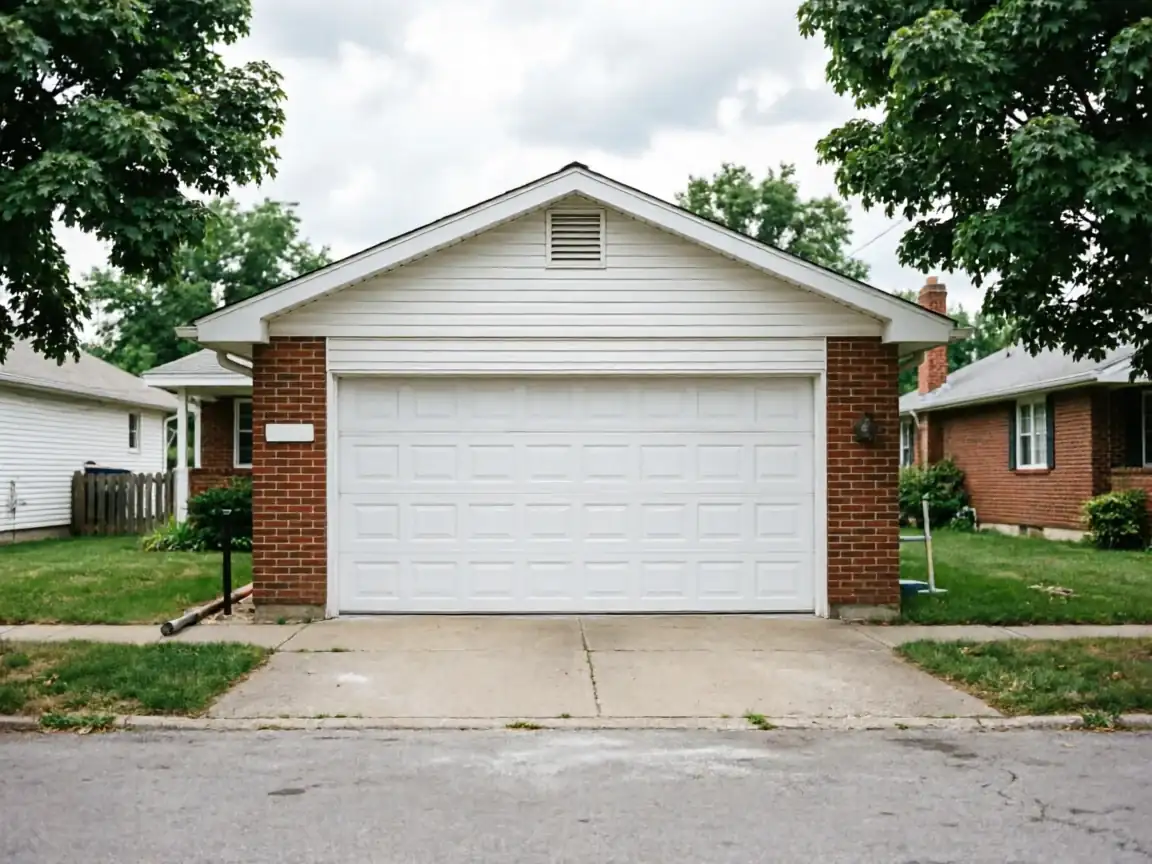
A white garage door on a brick house with white siding and a driveway.

Garage Door Service

Waukesha homes built mostly in the 1960s-70s see specific spring and track failures from cold winters. Here's what causes it, what you can fix, and what takes a call.

Learn more
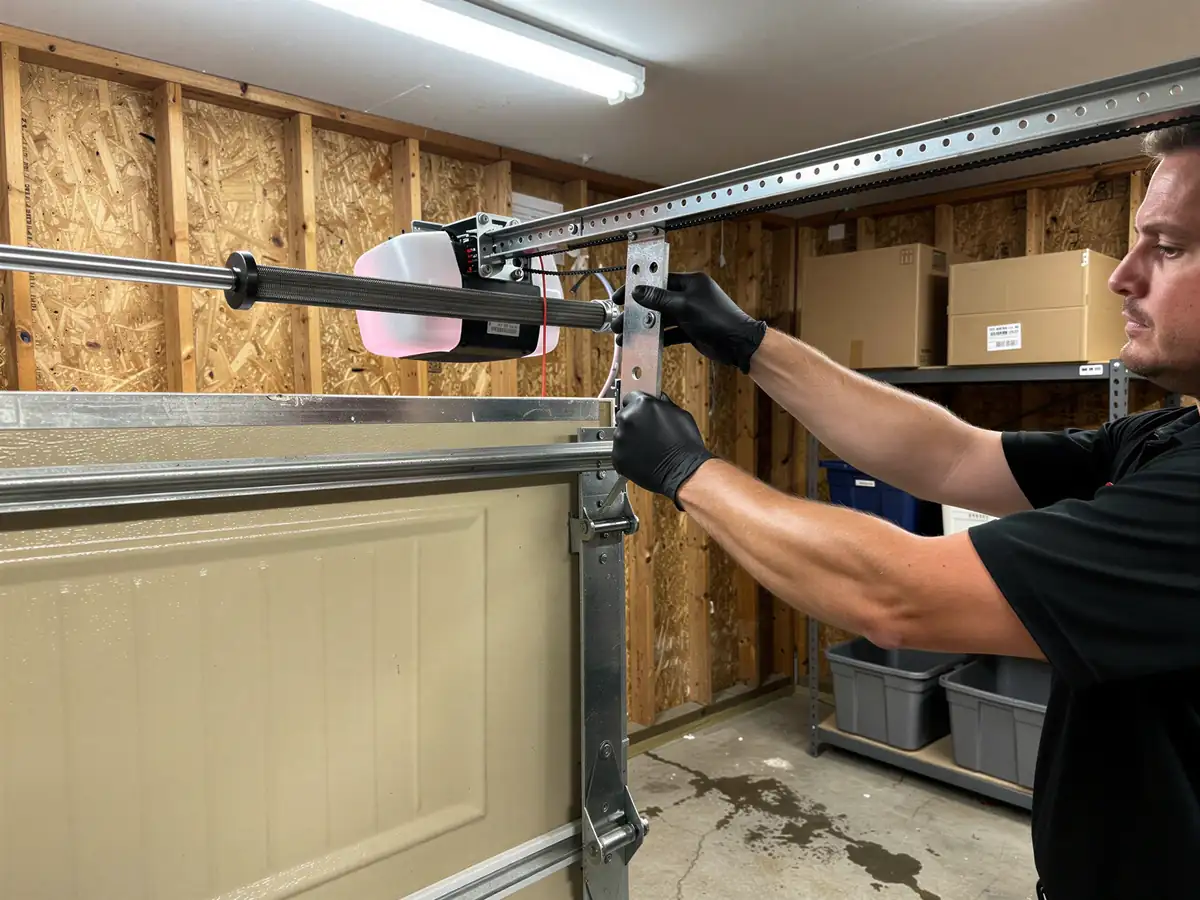
A technician in black gloves adjusts the garage door opener rail.

Opener Installation

Opener installation for Waukesha-area homes, where 1938-2004 housing stock and severe cold winters wear out old chain-drive units faster than owners expect.

Learn more
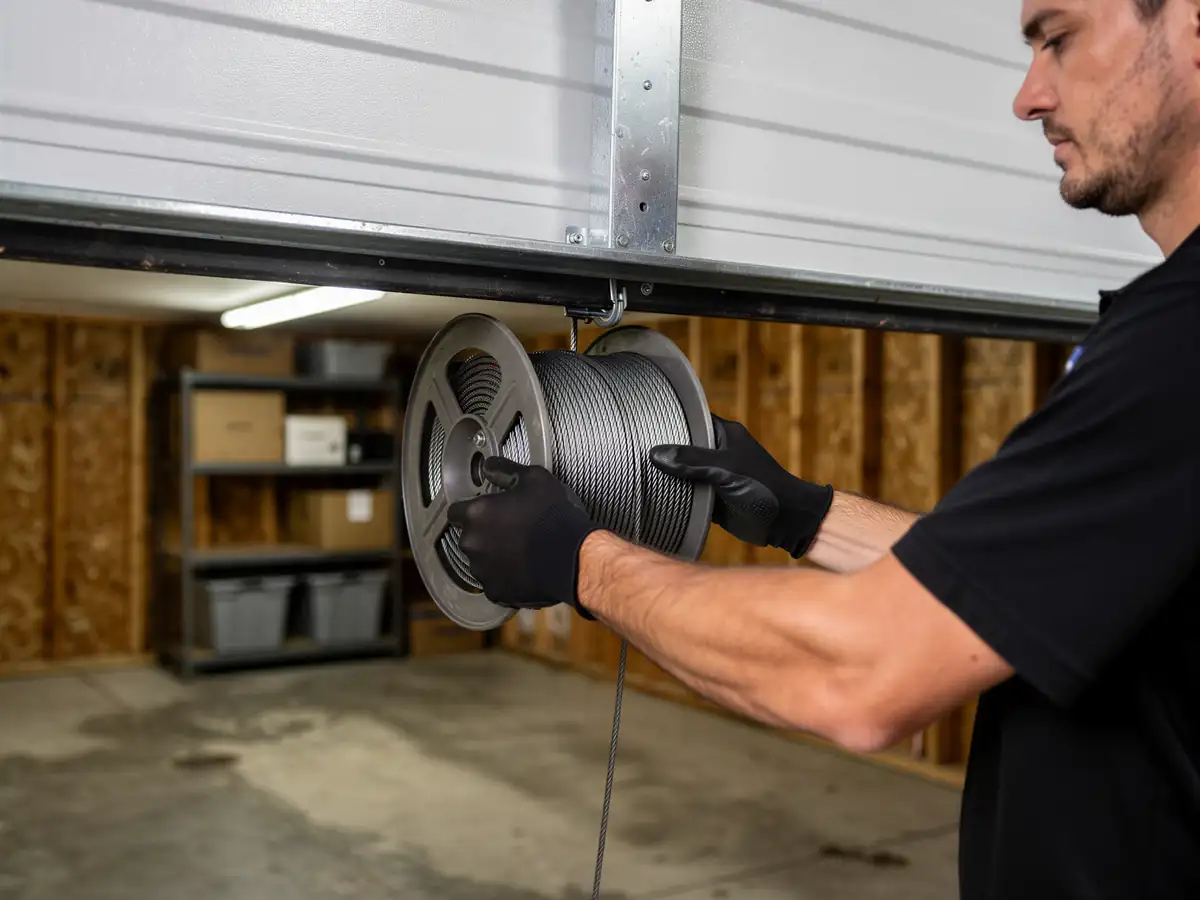
A technician in black gloves holds a spool of cable under a white garage door.

Cable Repair

Snapped or frayed garage door cable in Waukesha, WI? We fix broken cables on torsion and extension systems common in area's 1960s-70s housing stock, fast.

Learn more
The garage door is off its track, with the bottom panel angled inward.

Off-Track Repair

If your garage door has jumped the track, Waukesha's cold winters and older torsion hardware make it worse fast. Here's what causes it and what to do.

Learn more
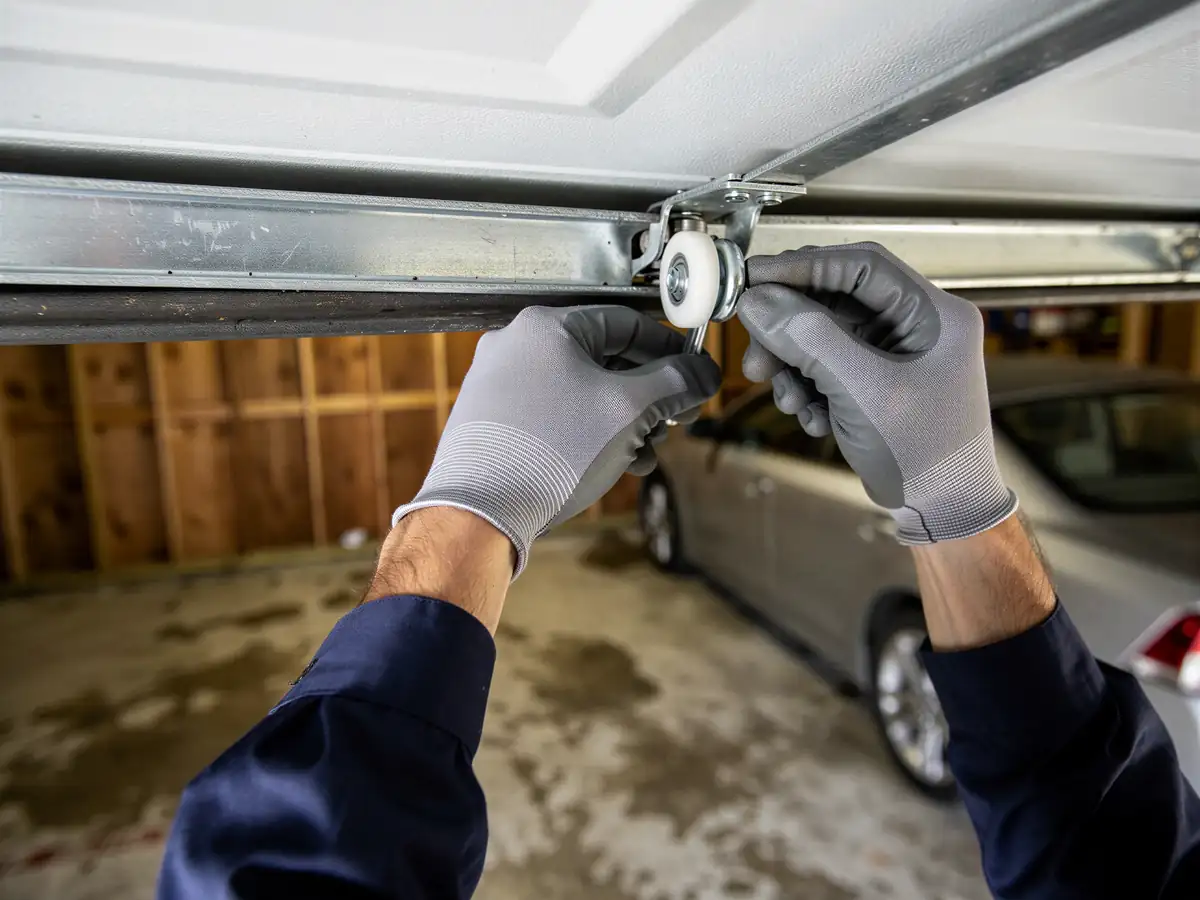
A technician in gloves is installing a new roller on a garage door.

Roller Replacement

Rollers wear fast in Waukesha's cold winters and on the area's older 1960s-70s doors. See why they fail here and what replacement actually involves.

Learn more
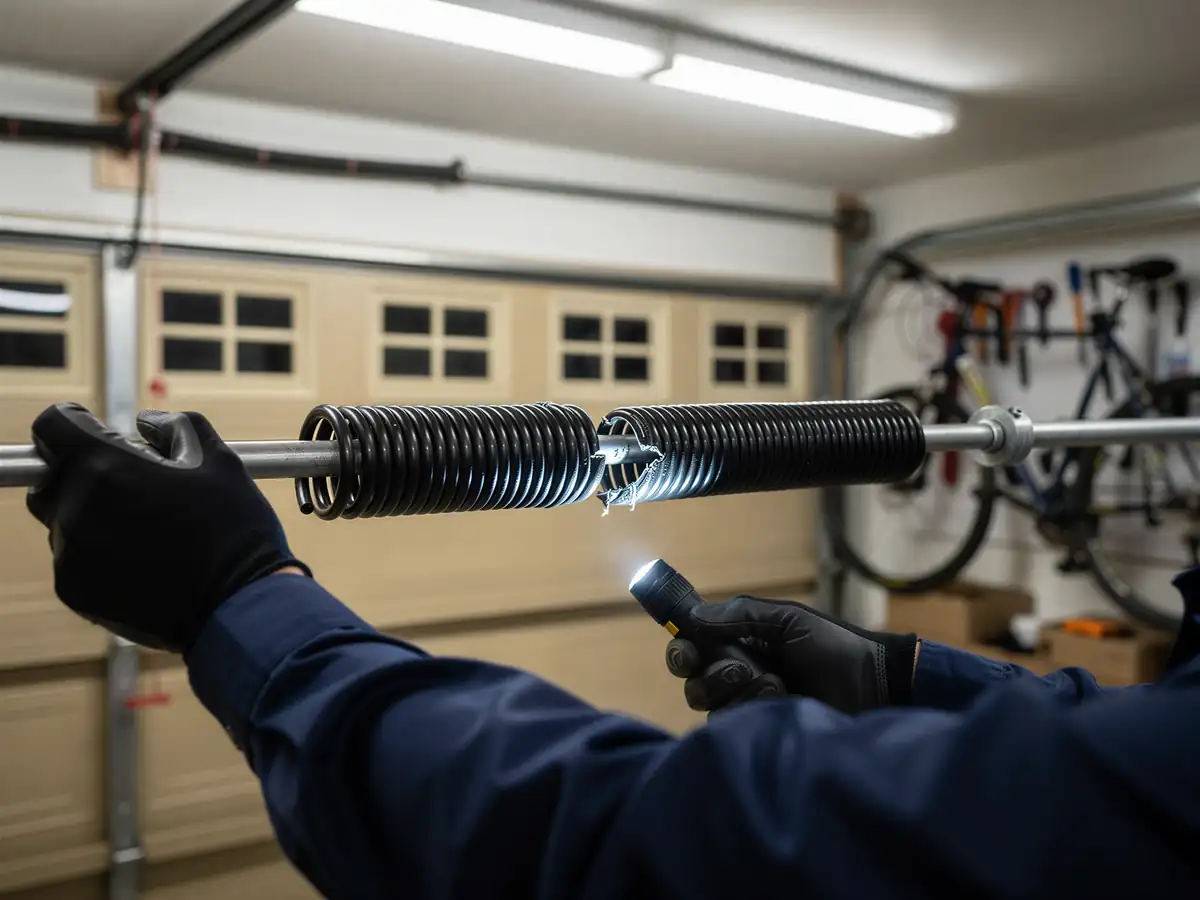
A technician inspects a broken garage door torsion spring with a flashlight.

Emergency Garage Door Repair

Broken spring, stuck panel, or dead opener in Waukesha's cold-climate housing stock? We handle emergency garage door repair across the whole service area, day or night.

Learn more
Questions

Frequently asked

Straight answers about garage door repair in Waukesha. Still unsure? Ask us directly.

Why does my garage door only jump the track in winter?

Steel track contracts in cold weather, and the brackets holding it to the frame don't contract at the same rate. On older houses common in this area, built mostly in the 1960s and 70s, that mismatch loosens mounting bolts over time, giving the roller just enough play to pop loose when the door hits a cold section of track.

Can I just bend the track back myself?

You can, but a track that's been bent once is weaker at that spot and tends to fail again, usually worse. If the bend is more than slight, replacing that section of track is the more durable fix, especially on a door old enough that the rest of the hardware is due for a look anyway.

Is a door off its track always a track problem?

No. Most of the calls we get for an "off track" door turn out to be a loose mounting bracket, not damage to the track itself. On houses from the 1960s and 70s, those original brackets have had fifty-plus years of door cycles and winter contraction to work loose.

Ready to get your garage door sorted?

Tell us what it’s doing and where you are in Waukesha - we’ll take it from there.

Request a QuoteCall