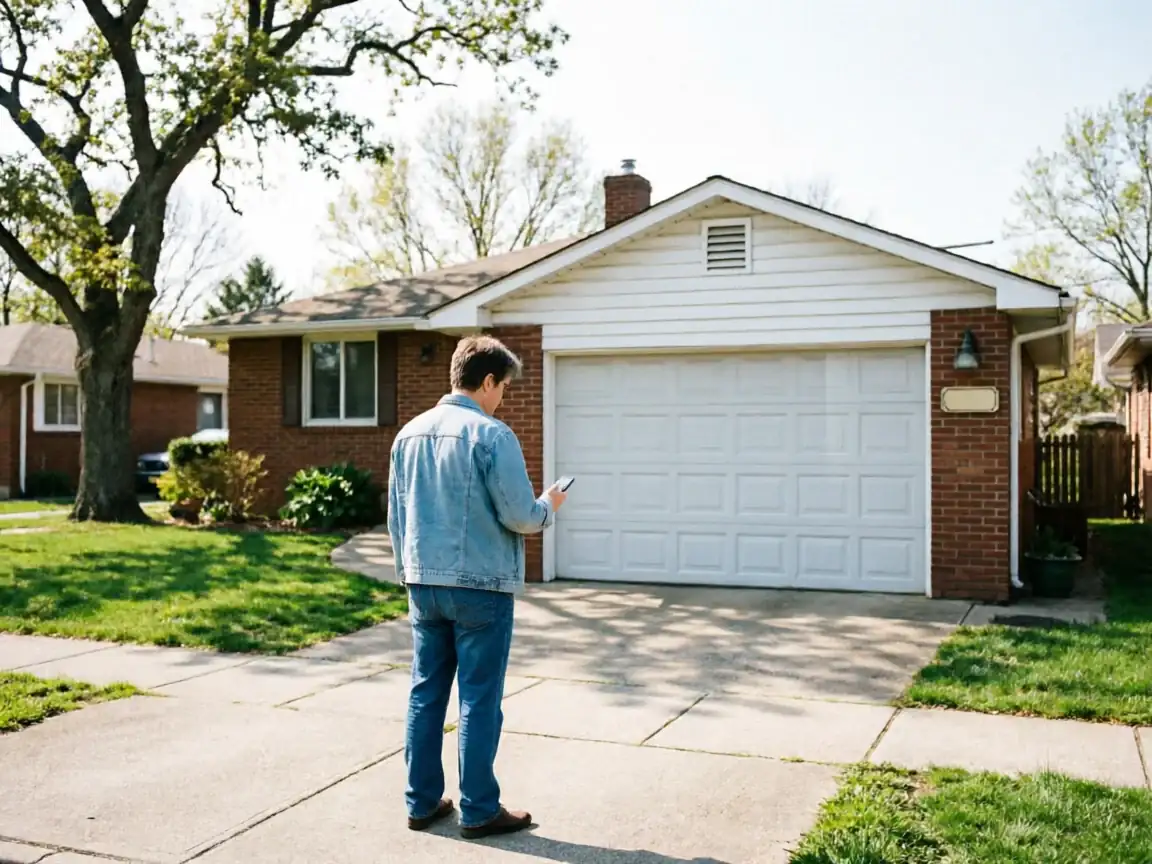
What Causes It Around Here
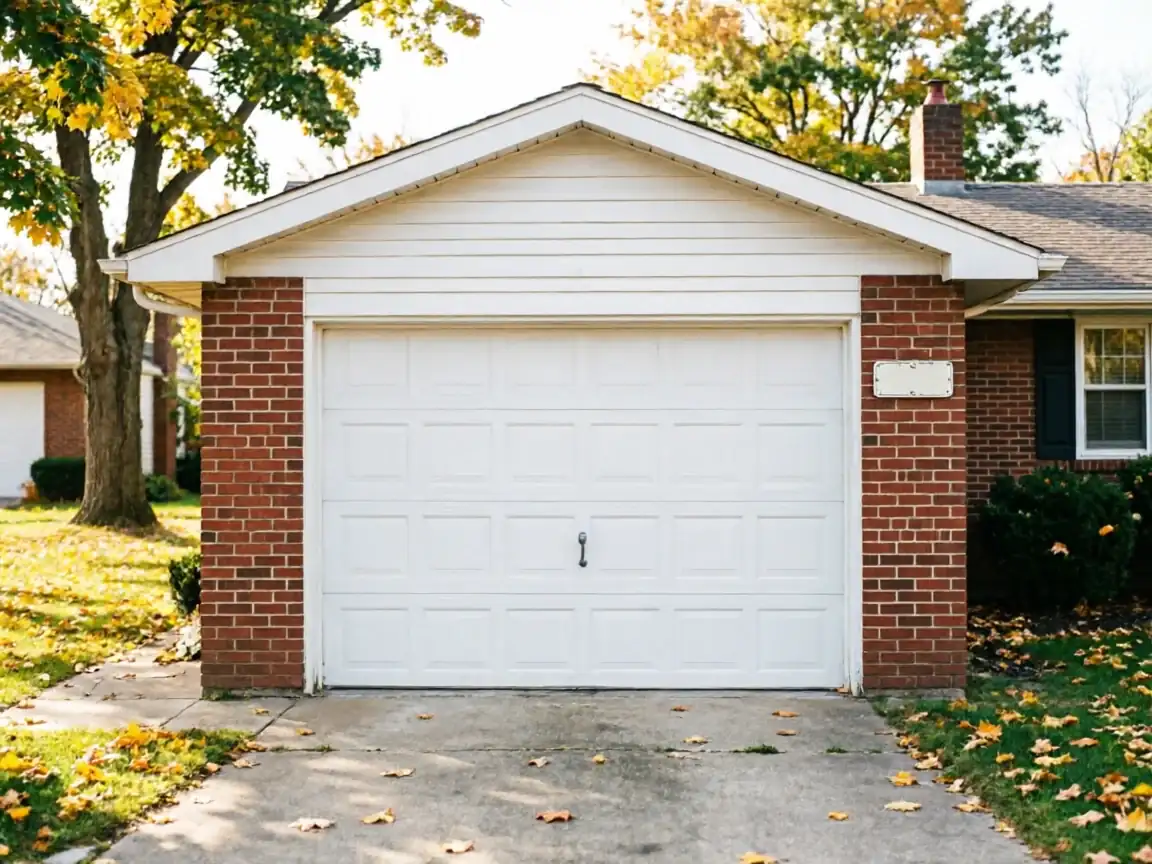
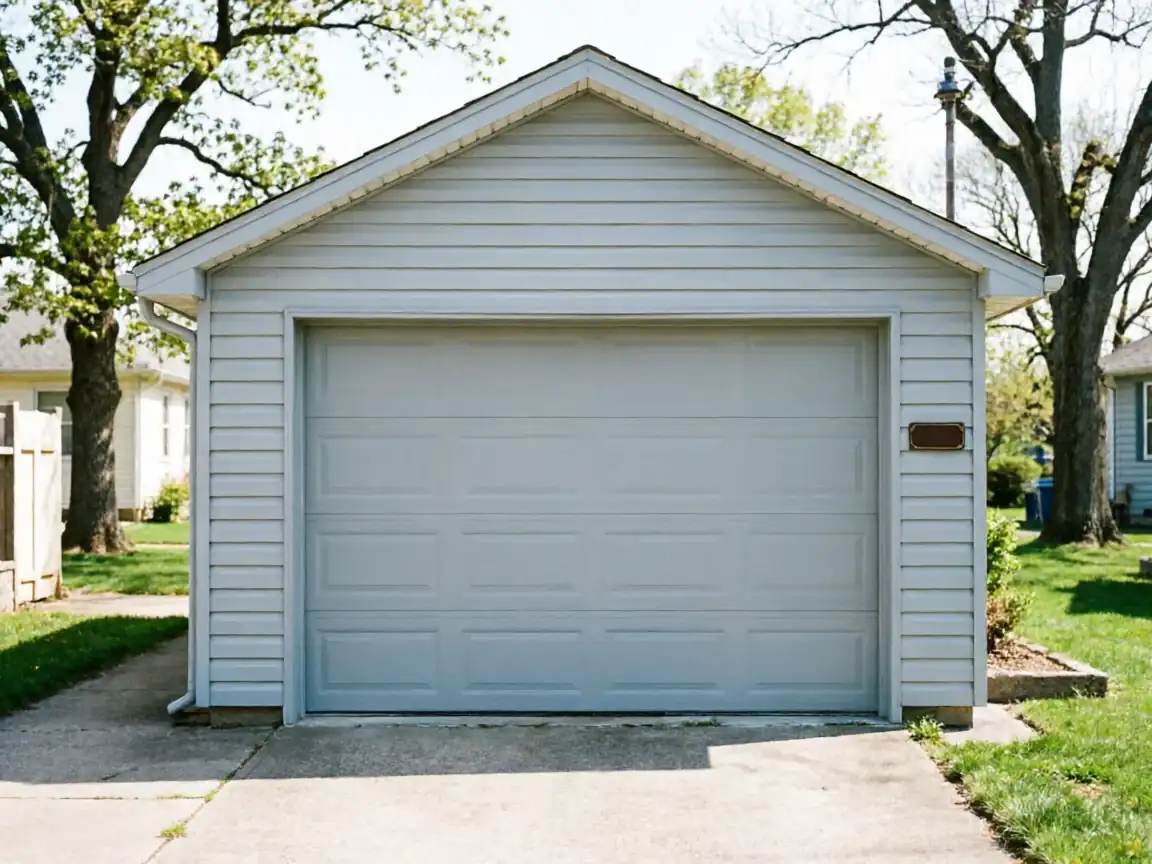
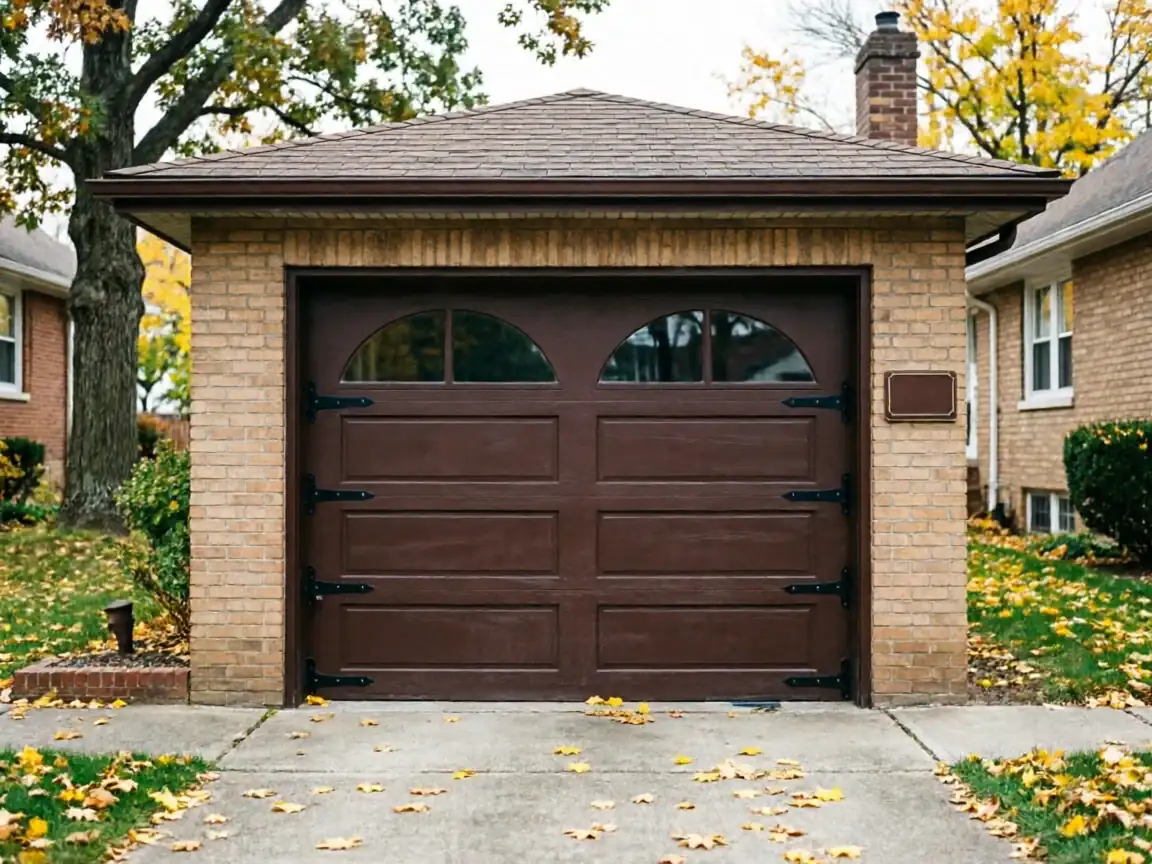
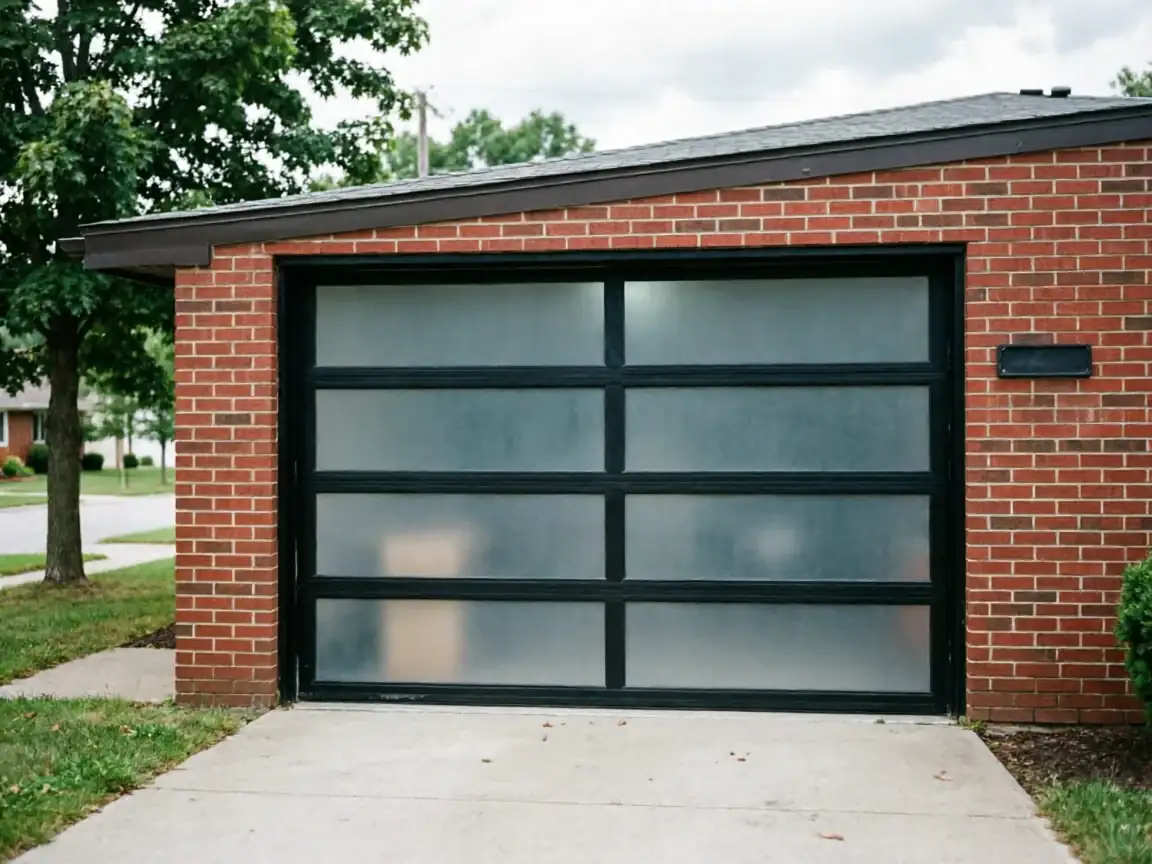
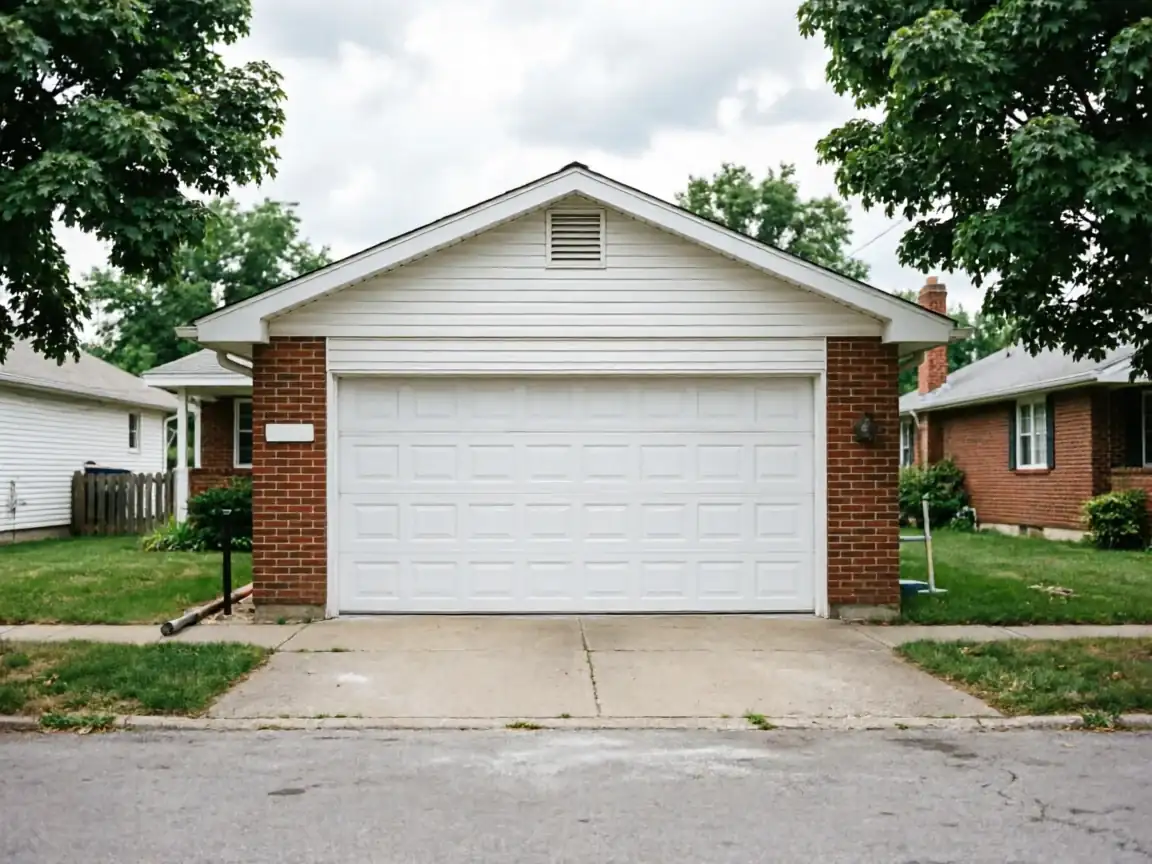
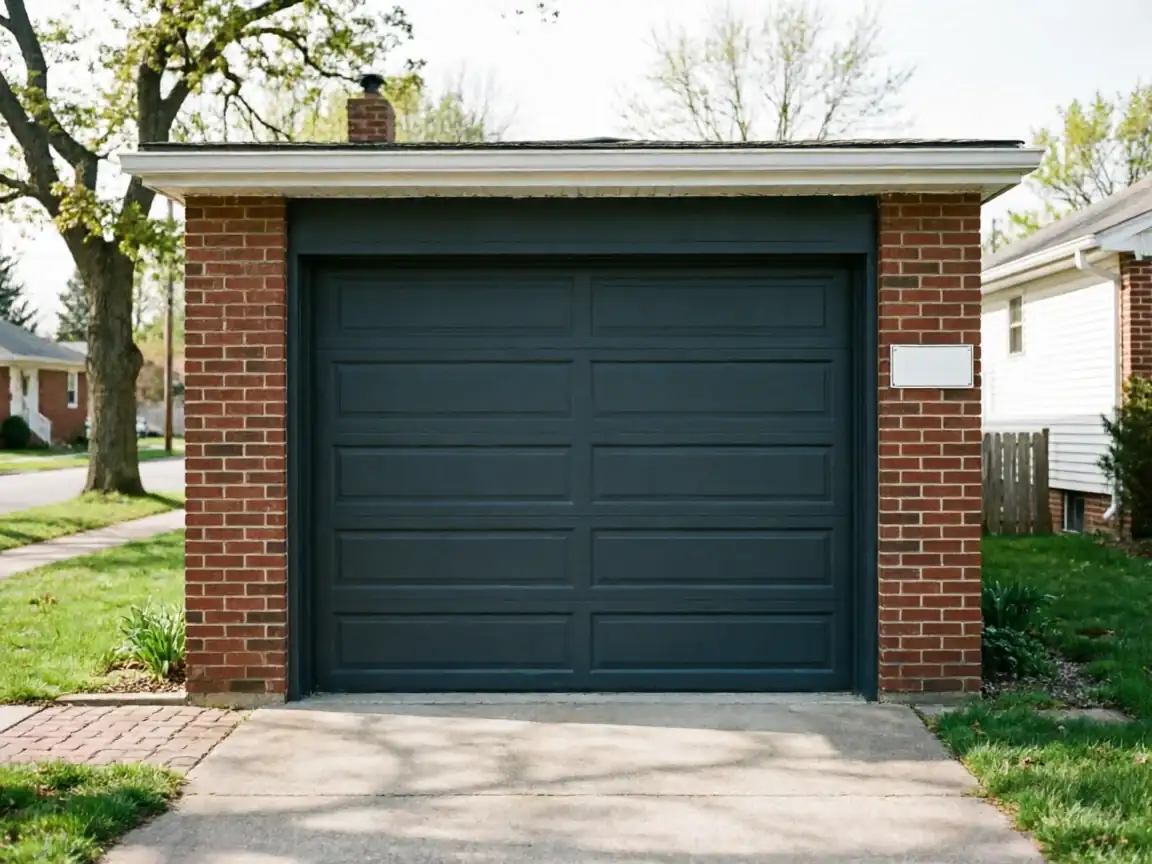
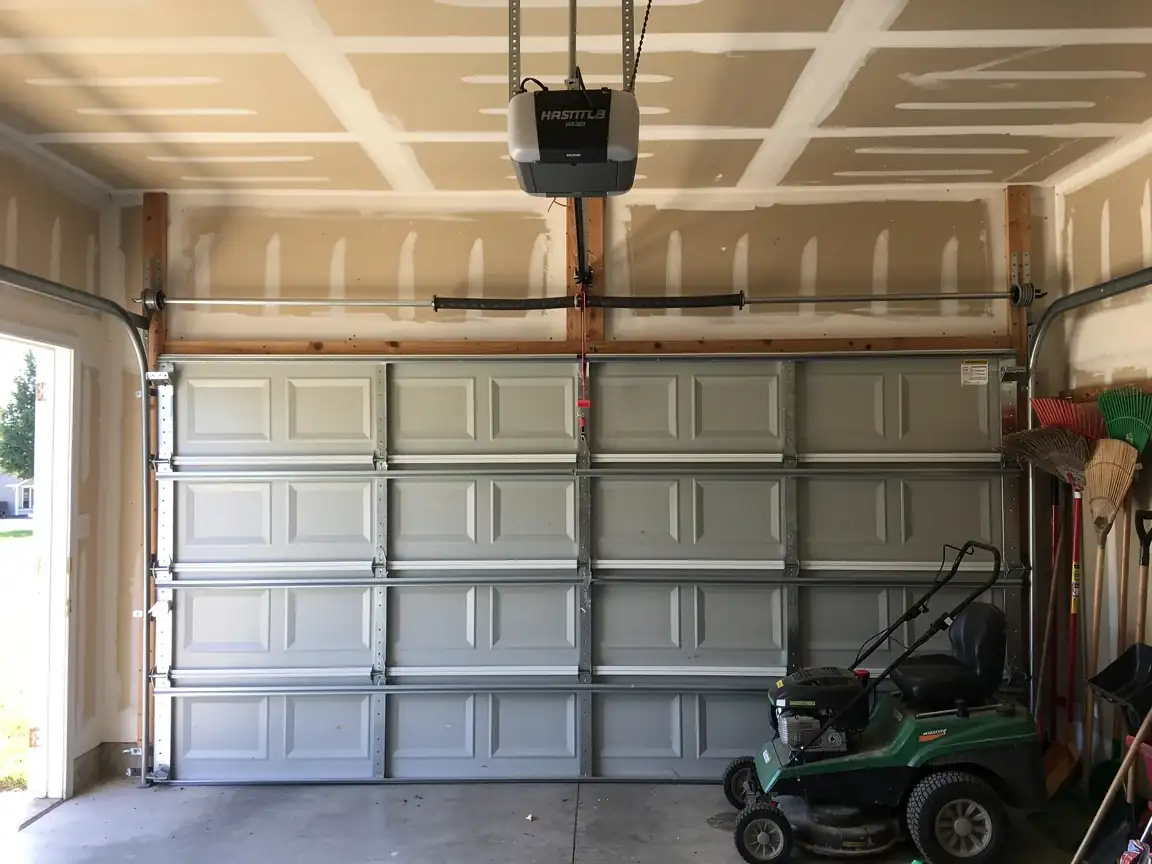
Most of the housing in this service area went up between 1938 and 2004, with the bulk of it dating to the 1960s and 70s across the 54 named communities we work in. That matters because a door built or replaced during that stretch is old enough now that its torsion spring, cable, or extension spring setup is past the end of its rated cycle life. Springs don't fail on a schedule - they fail on a cold morning when the steel has lost flexibility and the last winter's worth of expansion and contraction finally wins.
The climate band here is cold and severe, and that's the second half of the story. A garage that sits unheated through a hard freeze puts stress on every moving part: the opener's gears, the track alignment, the roller bearings, the bottom panel where ice and road salt collect. Lubricant that was fine in August turns thick in January and a chain drive that's been slipping quietly for months will finally jump off the sprocket.
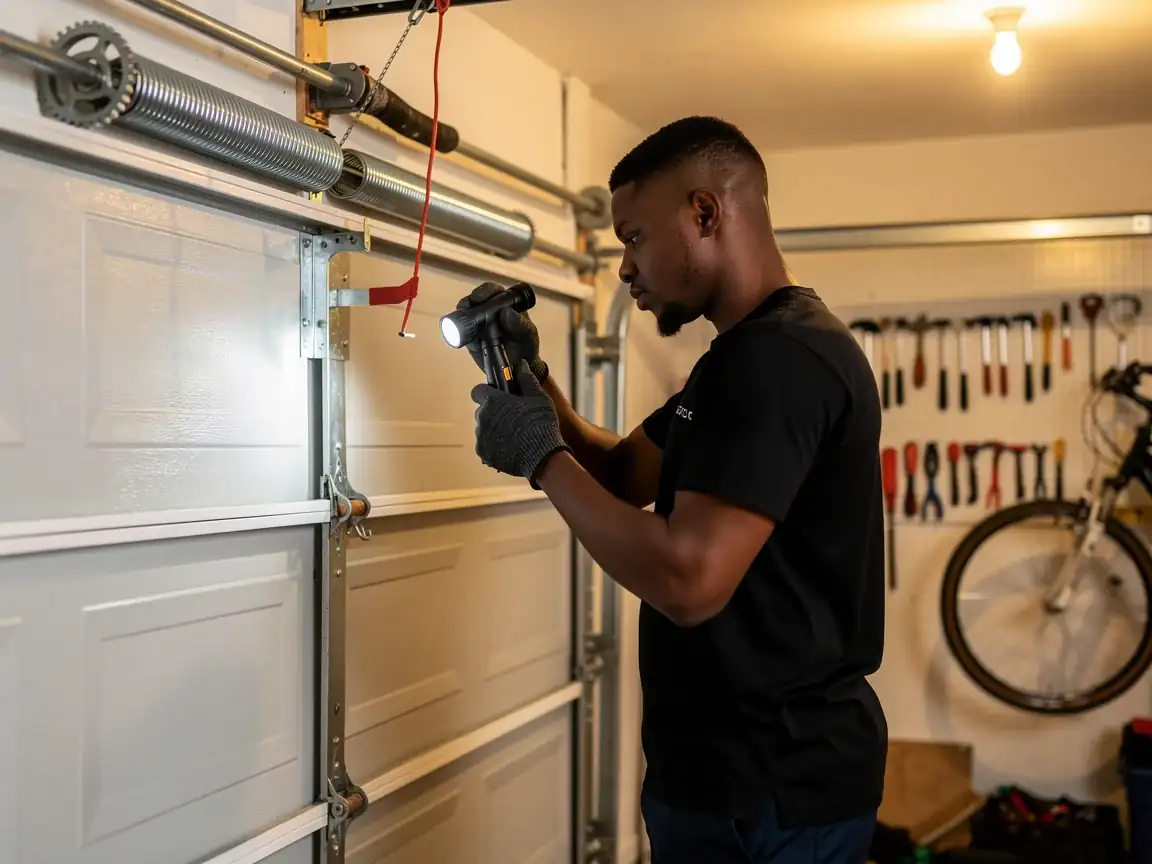
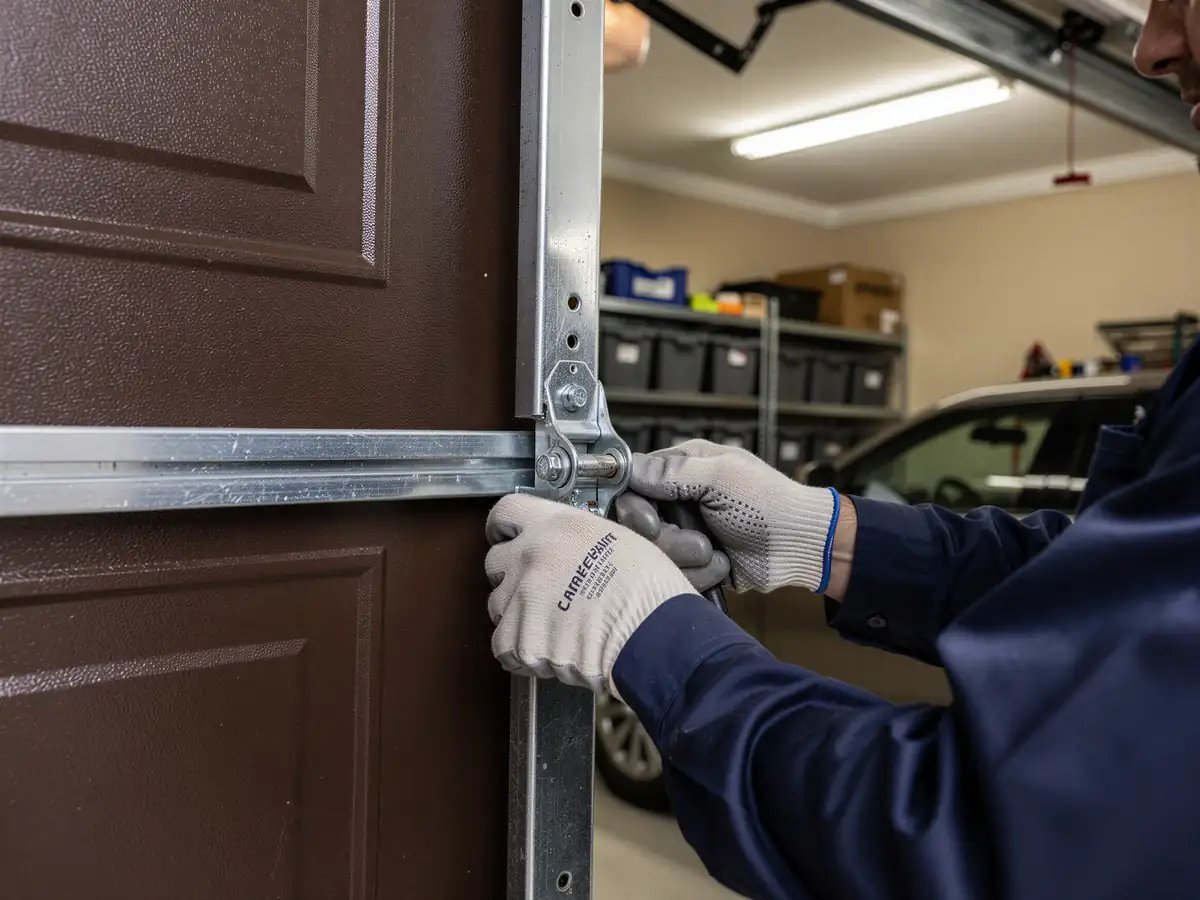
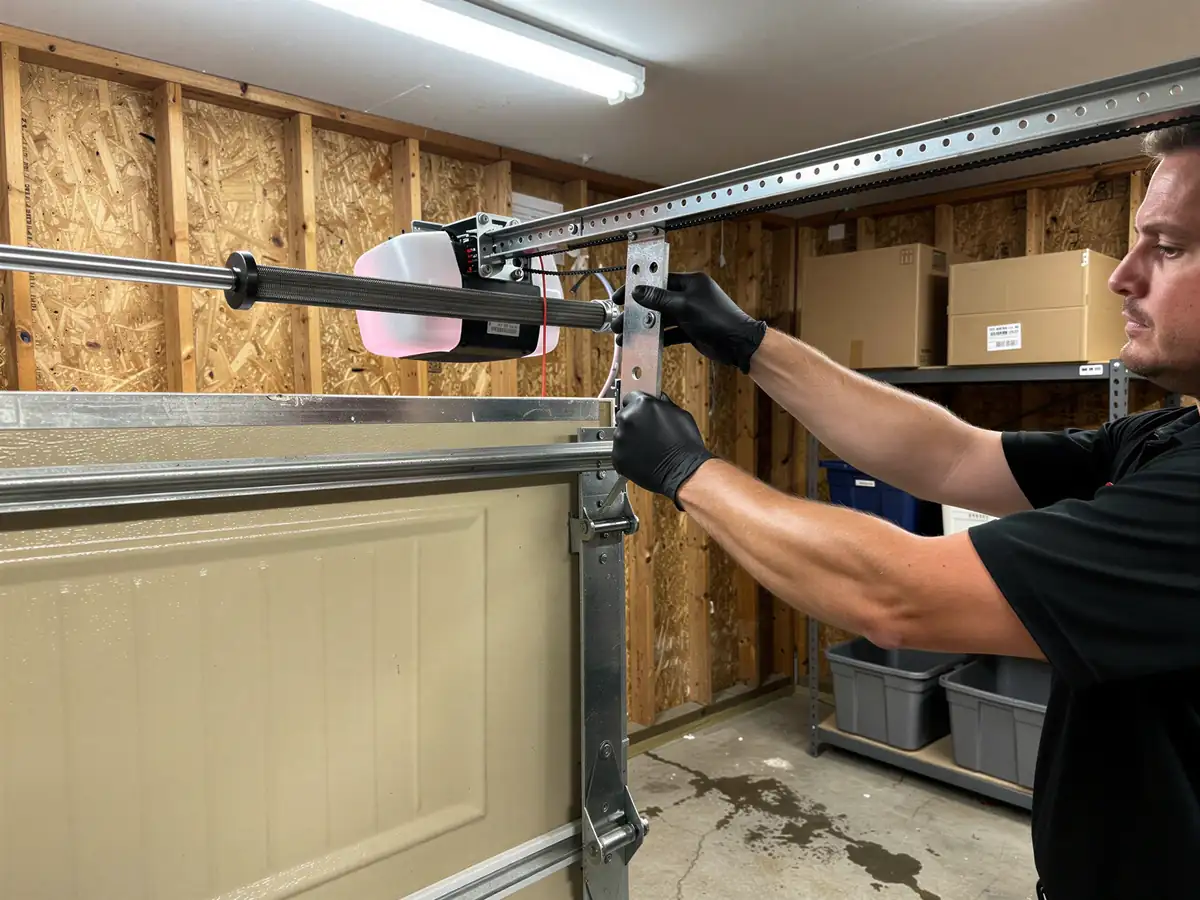
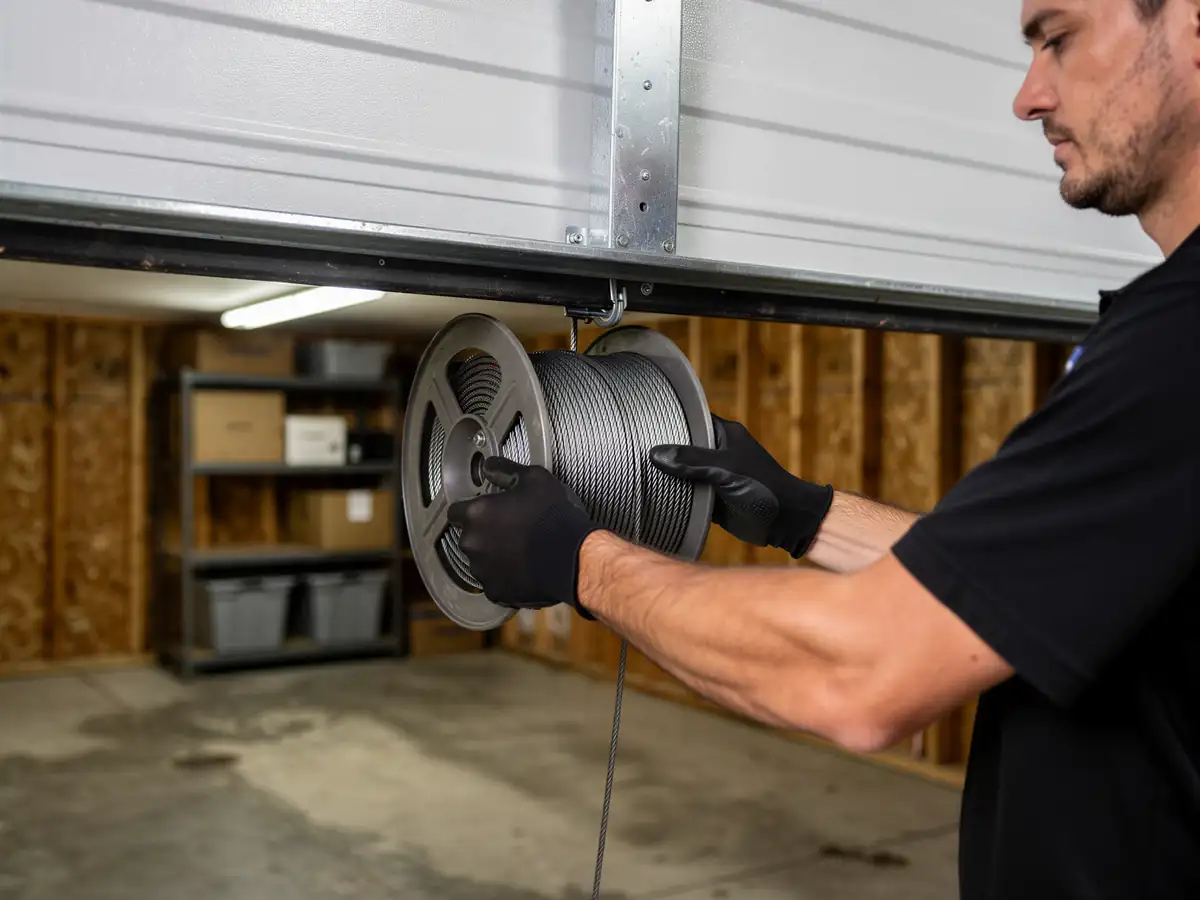
We see the same handful of failures again and again across this area: a snapped torsion spring on a door that hasn't been serviced since it was installed, a cable that frayed through on a pulley nobody's looked at in a decade, and openers original to a 1970s build finally giving out. None of that is exotic. It's just what happens to 40-to-60-year-old hardware in a place that gets real winter.
Can You Do This Yourself
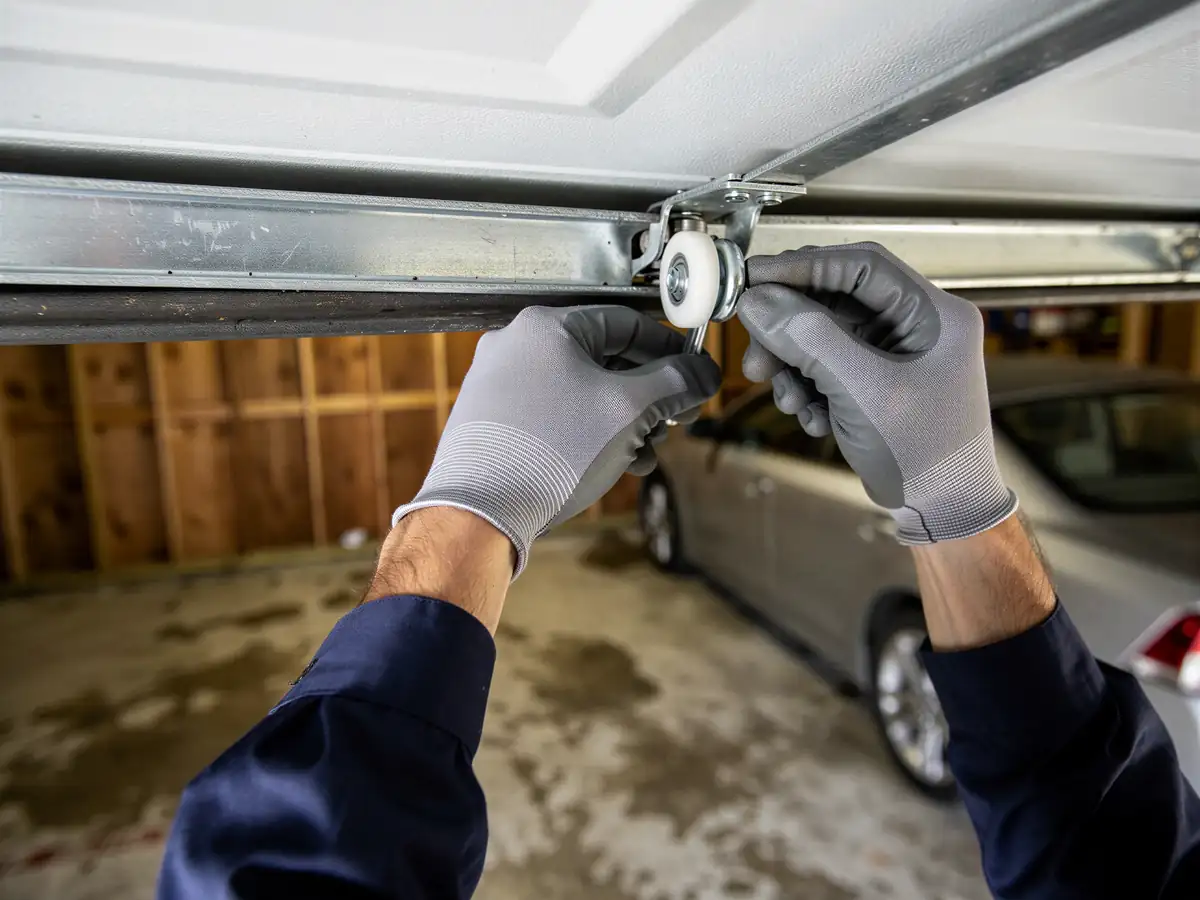
Some of it, yes. A door that's off track because a roller jumped the rail, or an opener that's lost its remote pairing, is something a handy homeowner can usually sort out with a screwdriver and the manual. Lubricating hinges and rollers twice a year is worth doing yourself too.
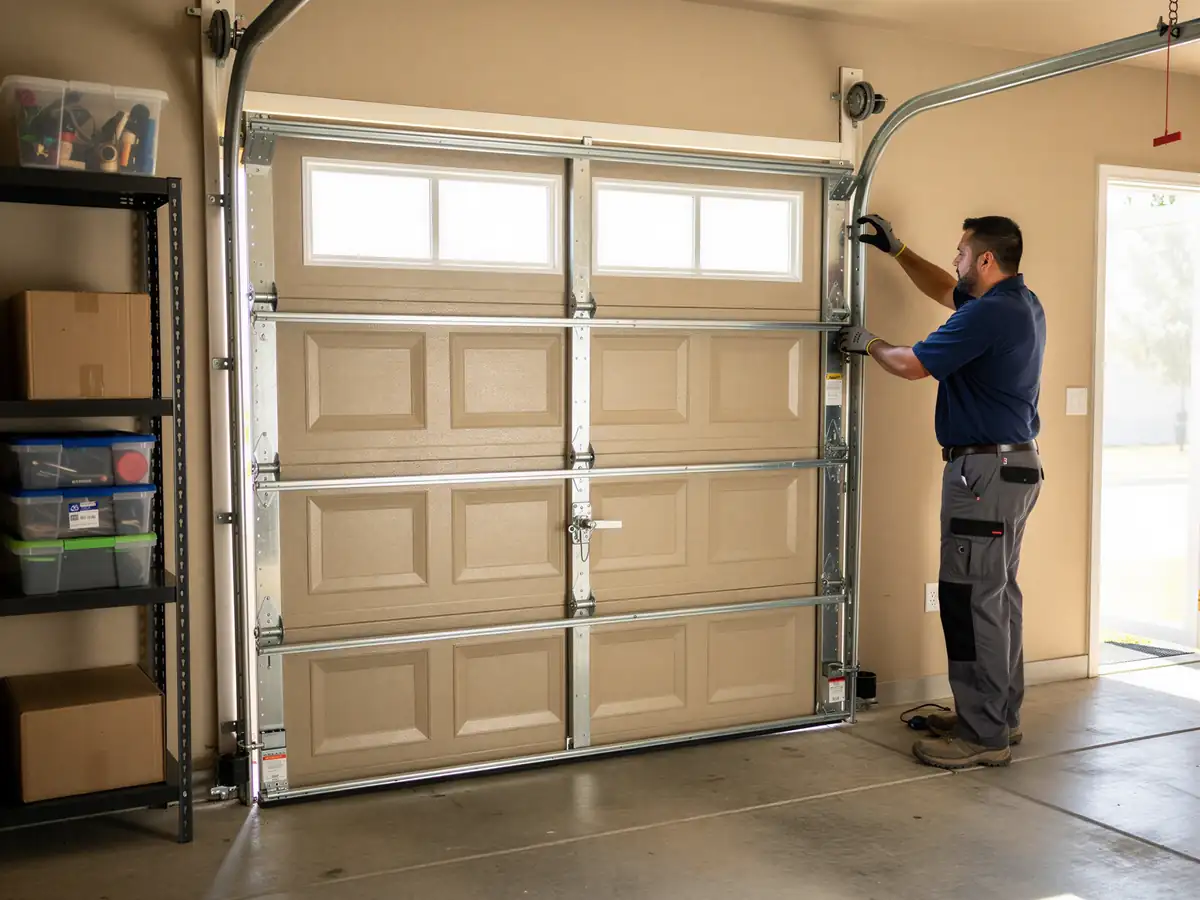
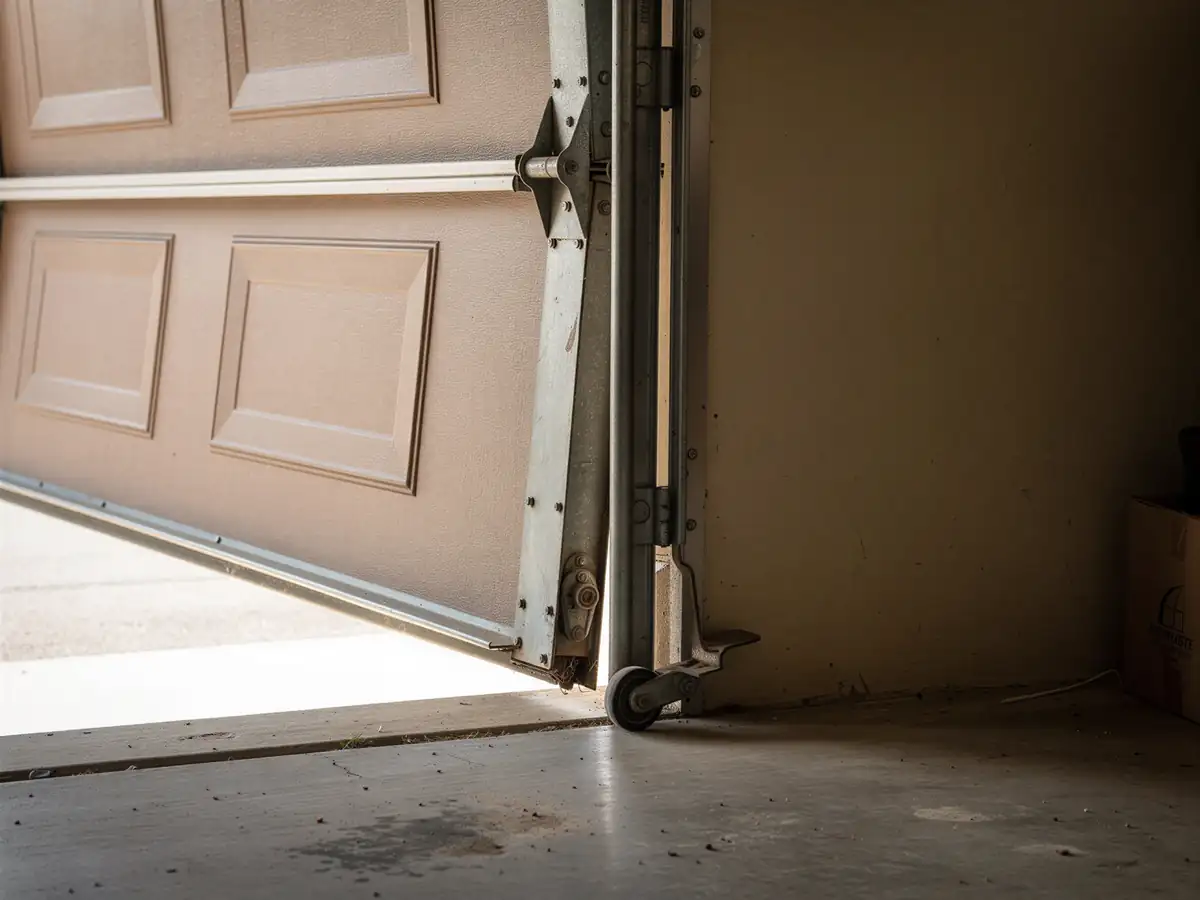
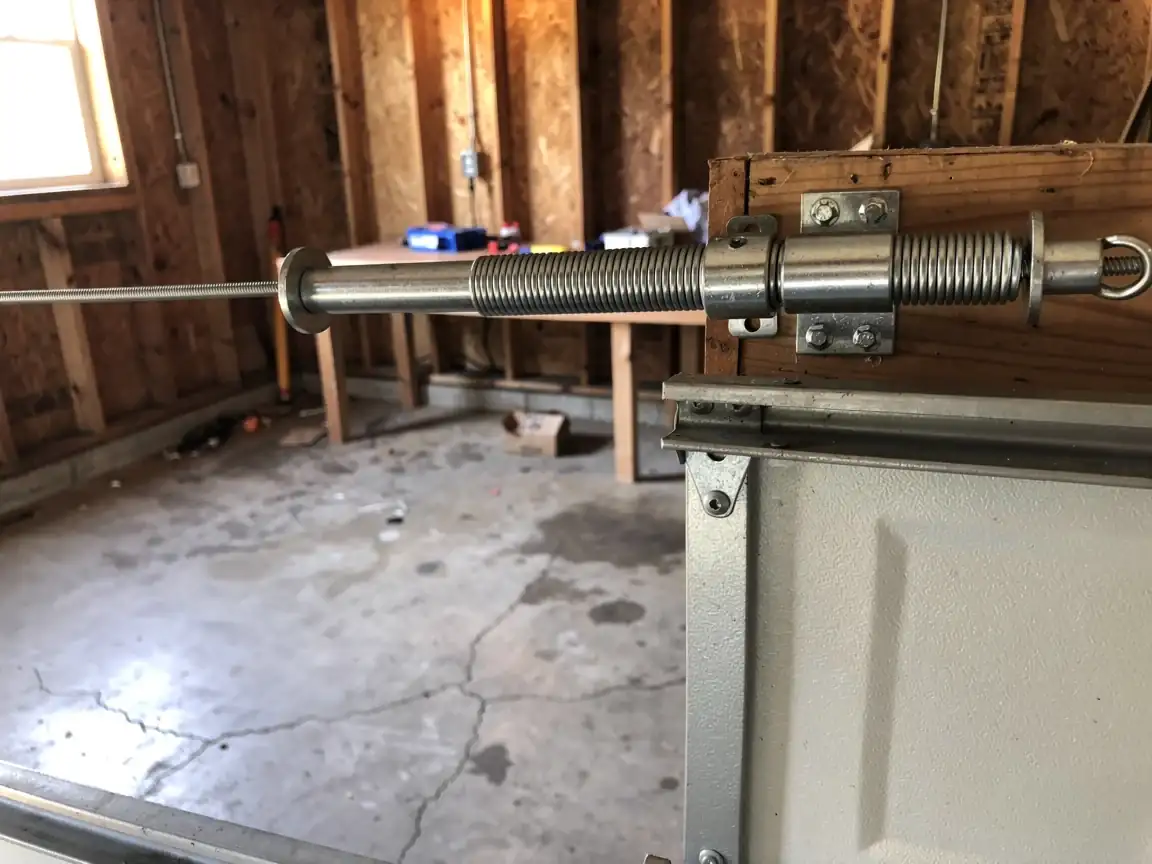
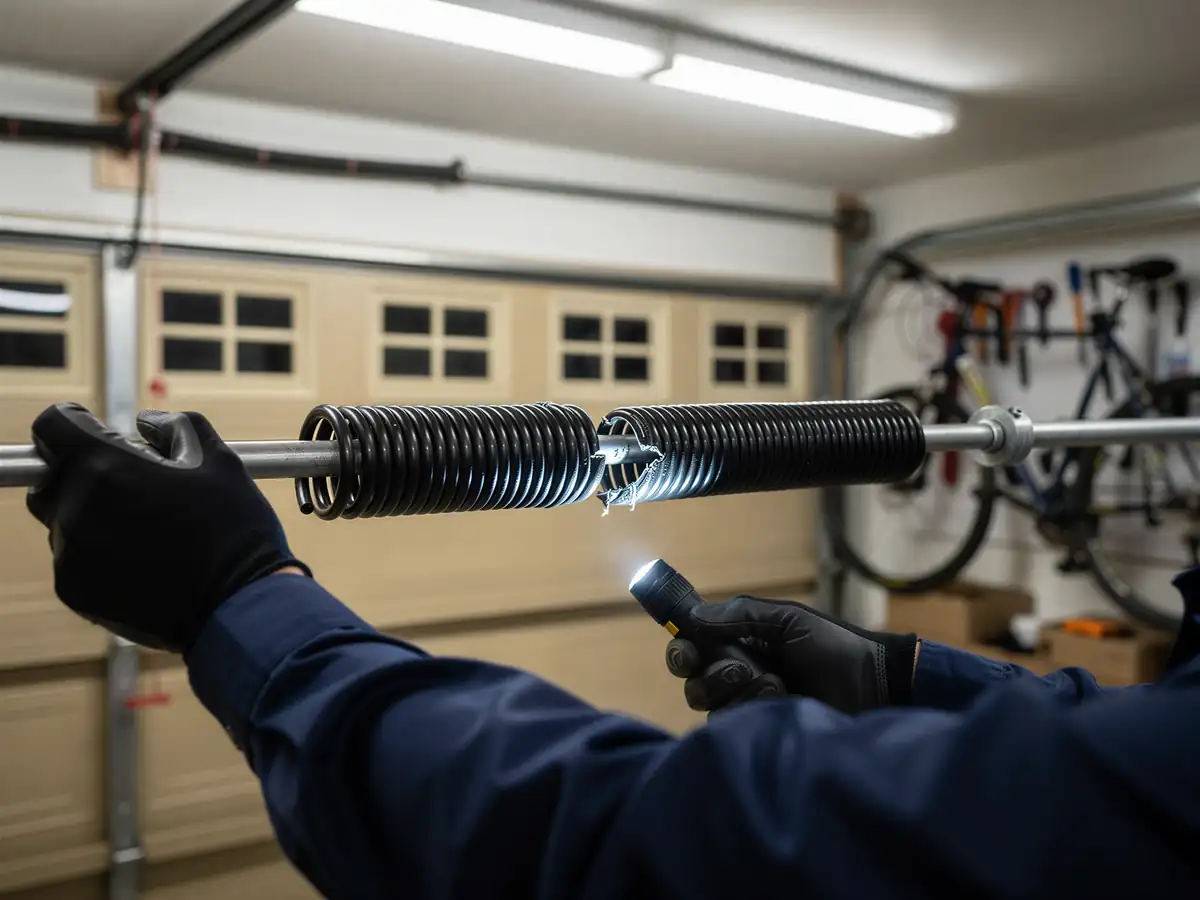
A broken torsion spring is not a DIY job, full stop. Those springs are wound under enough tension to break a hand or worse if you don't have the winding bars and the experience to use them. Same goes for cables under load - if a cable has snapped and the door is sitting crooked or jammed partway up, leave it. The door is heavier than it looks and it's not balanced anymore.
If the opener is dead but the door moves fine by hand, you can usually get the car out and wait for a scheduled visit instead of an emergency call. If the door won't move at all, won't stay up, or has come off one side of the track, that's a safety issue, not a convenience one, and it's worth the emergency rate to get someone out before anyone tries to force it.
How Long It Takes
A straightforward spring replacement or cable job on a standard residential door, once we're on site, is usually a same-visit fix
We carry common spring sizes and cable lengths on the truck because they're the calls we run most often in a housing stock this age. Opener repairs vary more: if it's a logic board or a part we don't stock, that can mean a return trip once the part is in.
We don't have exact response-time numbers to promise you here
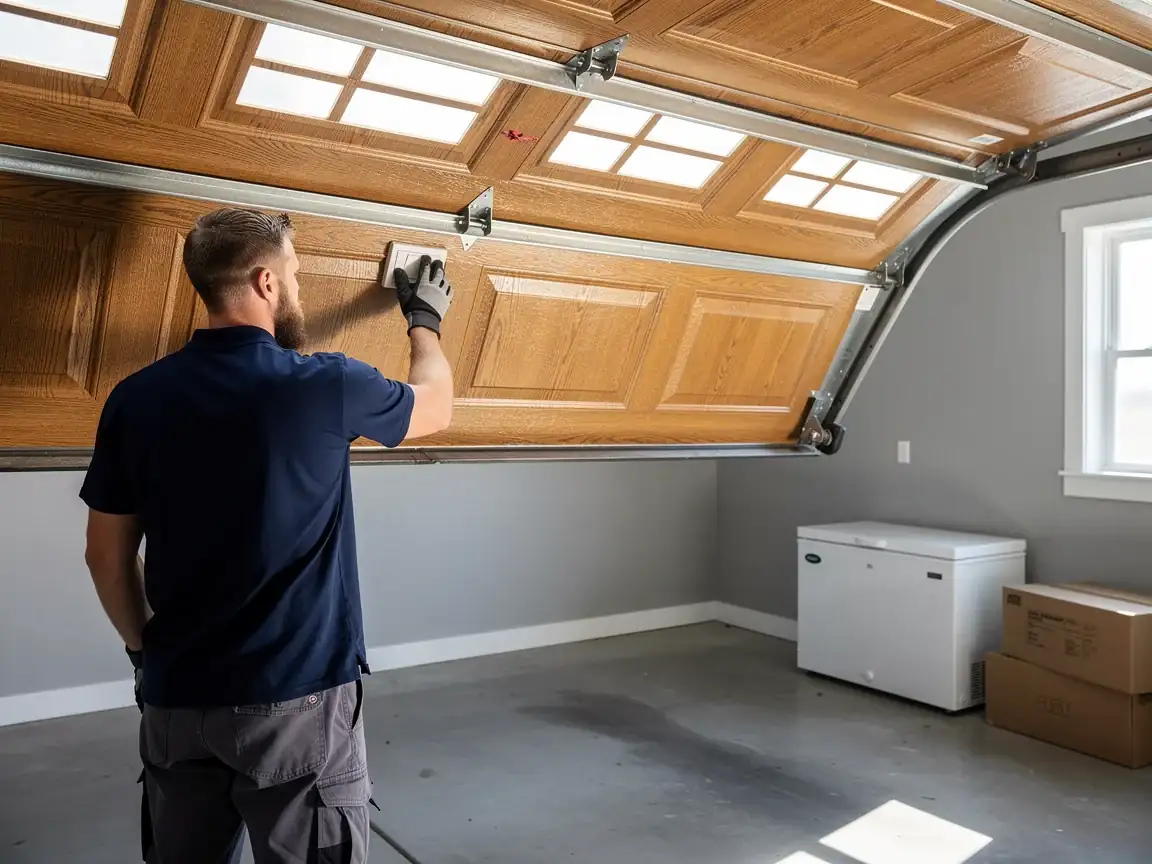
And we won't make one up just to sound fast. What we can tell you is that the work itself, once a tech is in your driveway, tends to run an hour or two for a spring or cable, longer if the track is bent or the panel's damaged enough to need a full section replaced.
Winter calls take a little longer on average
Mostly because cold steel and frozen weatherstripping make everything stiffer to work with, and because we're often clearing ice off hardware before we can even diagnose it properly.
What You Are Seeing
If the door won't budge and you hear a bang or a loud snap right before it stopped moving, that's almost certainly a broken spring. If one side of the door looks lower than the other, or it's hanging at an angle, that's a cable or spring failure on one side only.
A door that opens partway then reverses, or that the opener strains loudly to lift, points to a spring that's weakened but not fully broken - the opener is doing a job it was never built to do alone. Grinding or popping from the track usually means a roller has worn out or a hinge has cracked, both common once a door has been through a few decades of Wisconsin winters.
If the opener runs but the door doesn't move, check the manual release cord first - it may have come loose. If it's still stuck after that, it's worth a call rather than forcing the opener to keep trying, since that can burn out the motor on top of whatever's already broken.