Serving Waukesha, WI & nearby
(262) 216-2775
Waukesha, WI

A Broken Spring on a Cold Morning in Waukesha

Why Waukesha's cold snaps snap torsion springs on houses built 1938-2004, what drives the repair cost, and what to check before you call it in.

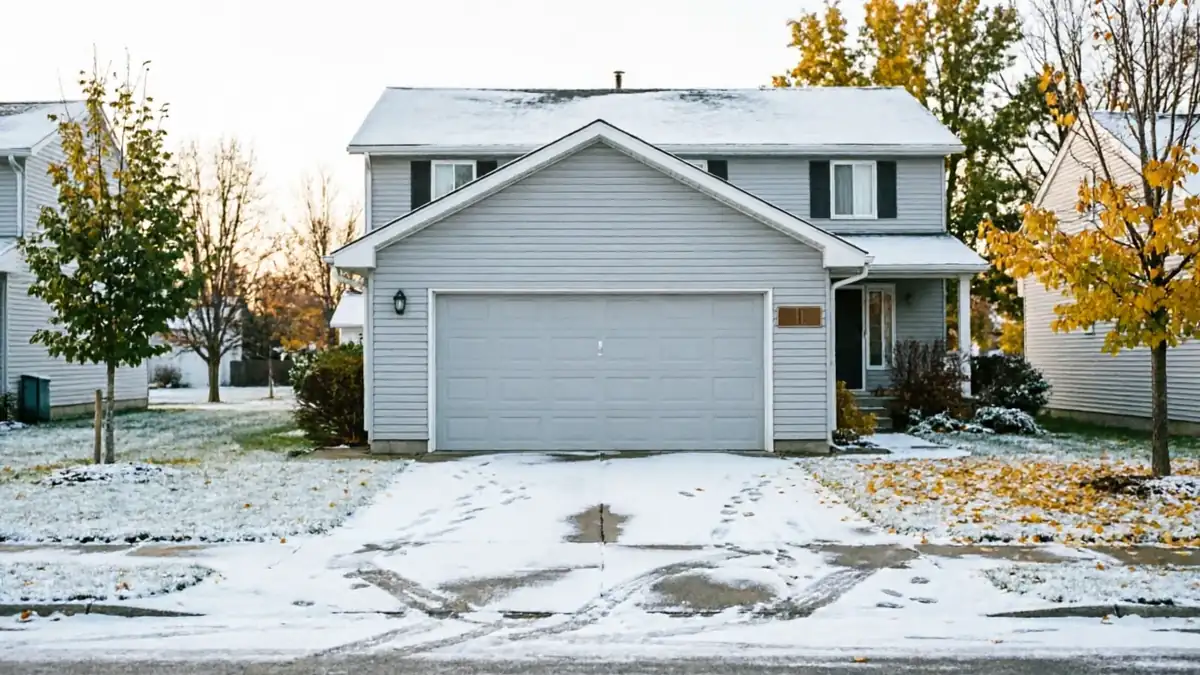
The house has a light gray garage door and siding, with snow on the roof and ground.

The Situation

Steel contracts when it's cold, and a torsion spring that's been winding and unwinding for years already has microscopic fatigue in the coil. Drop the temperature hard enough and that fatigue point gives out, usually on the first cold pull of the morning. You hear a bang from the garage, the door won't budge past a few inches, or it comes down fast and uneven.

This matters more here than in a lot of places because of what's actually hanging in Waukesha garages. Houses in this service area went up mostly between 1938 and 2004, with the median landing in 1979, and a big share of that stock is 1960s and 70s construction. That means a lot of original or first-replacement torsion springs, sized for doors that were heavier and simpler than what's sold today, still doing the job decades later. Add a hard freeze to metal that's already tired and the spring doesn't ease out - it goes.

One thing we won't pretend: cold doesn't cause every spring failure. Plenty break in July. But cold is what pushes an already-weak spring over the edge, and that's the call we get most in January and February.

What It Costs

We're not going to give you a number here, because a spring job isn't one job. Torsion springs come in different wire gauges and wind directions depending on door weight and height, and a lot of the doors on 1960s and 70s houses in this area were built heavier than what goes in new construction now. Extension springs, which some older detached garages still use, price differently than torsion setups entirely.

What we can tell you is what drives the number up or down: whether it's one spring or a matched pair (we always recommend replacing both on a double spring system, even if only one broke), whether the drums or cables show wear from the same age and use, and whether the opener has been straining against a weak spring long enough to need attention too.

With a median household income of $108,690 across this service area, most owners we talk to choose to replace the pair rather than patch a single spring and have the second one go a year later. That's a decision we'll walk you through on-site, not over the phone, because guessing at a torsion spring size from a phone description is how you end up with the wrong part on the truck.

What to Look At First

  1. Before you call, a few things are worth a look if it's safe to do so

    Don't put your hands near a wound torsion spring - that's not a DIY fix, cold or not.

  2. First, look at the spring itself, usually above the door on a horizontal bar

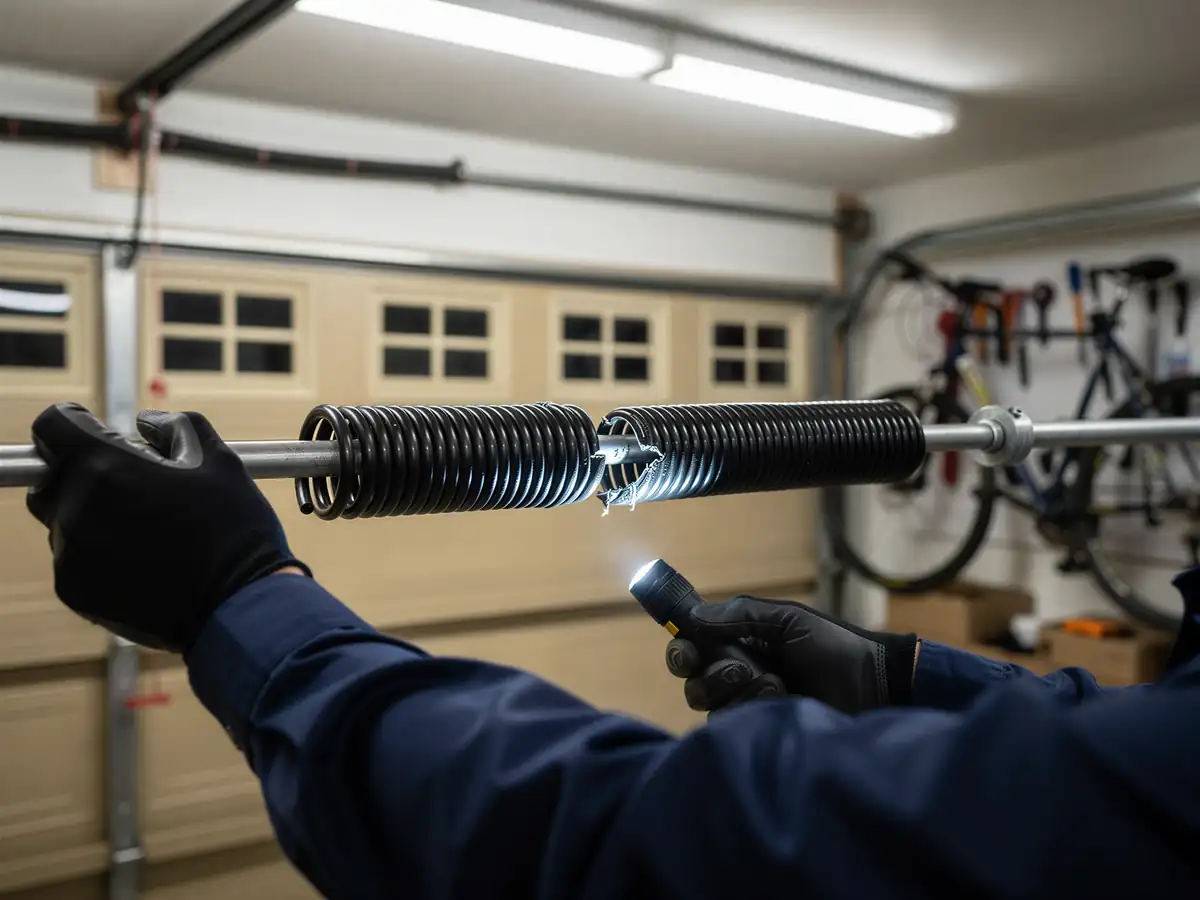
    A broken one shows a visible gap in the coil, often with the two halves pushed apart an inch or two. Second, check whether the door moved at all before it stopped, or locked up immediately - that tells us whether it's the spring, a cable off the drum, or something else entirely like a bent track.

  3. Third, note the door's age if you know it

    On a house from the 1960s or 70s stock common across this area, original hardware is old enough that we'll usually recommend replacing both springs and checking the cables and rollers in the same visit, since they're all the same vintage and under the same stress. On a newer build, a single spring swap is often enough.

  4. Don't force the opener

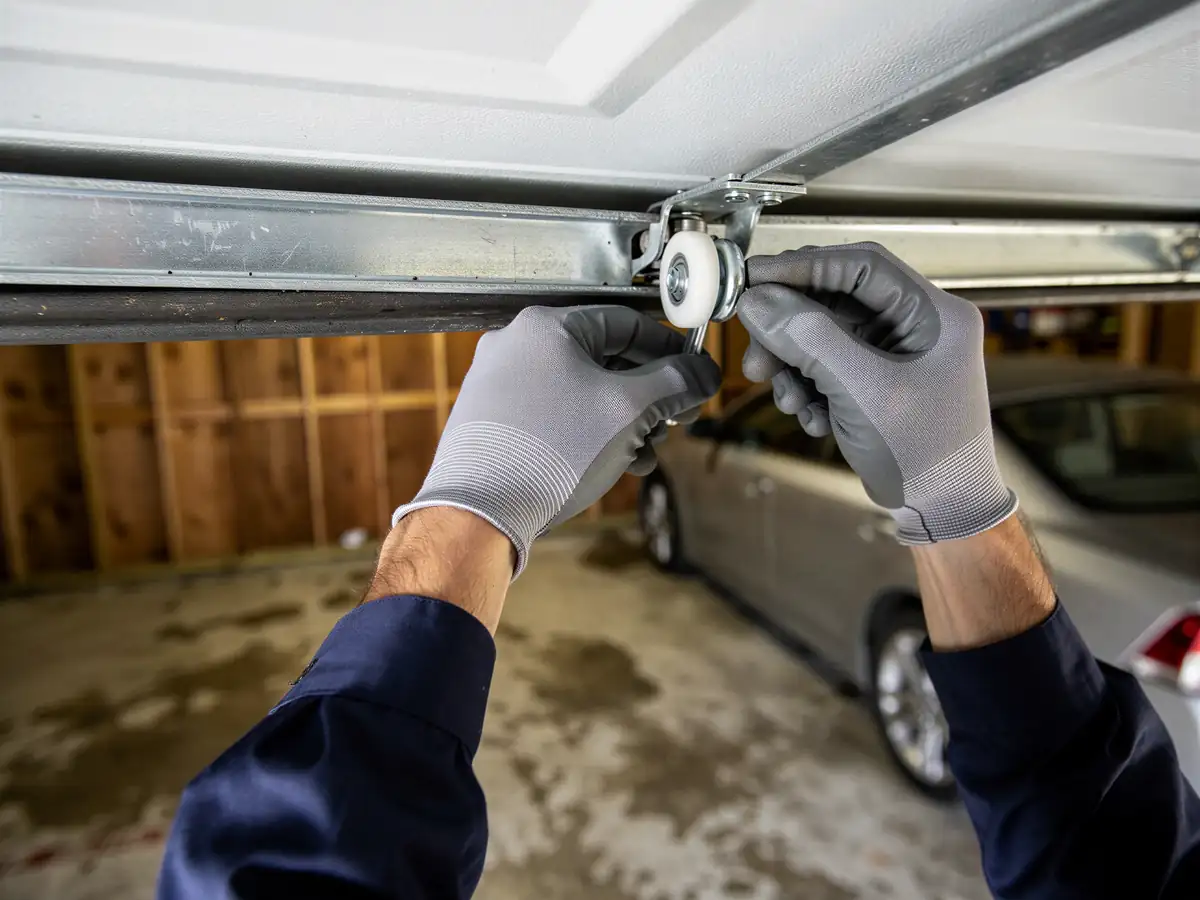
    Running the motor against a broken spring strains the drive gear and can turn a spring job into an opener job.

How Local Conditions Play In

Waukesha sits in a climate band classed cold and severe, and that's the single biggest reason spring failures cluster in winter here rather than spreading evenly through the year. Steel loses flexibility as it cools, and a coil that's been quietly fatiguing all year finds its breaking point on the coldest mornings, not the mildest ones.

That pattern holds across the wider service area too - out toward Pewaukee four miles off, Hartland and Delafield each about eight miles out, or Sussex nine miles away, the same 1960s and 70s construction era shows up house after house, and the same cold-weather spring failures come with it. Across the 54 named areas that make up this region, with 106,001 owner-occupied houses on record, a lot of garages are carrying hardware old enough to be due.

If your door is original to a house built anywhere in that 1938-2004 range, the spring isn't a question of if, it's when, and cold weather is usually what decides the exact morning.
How it works

From “it’s stuck” to “it’s fixed”

A quick, honest process - no guesswork and no surprises, start to finish.

  1. 1
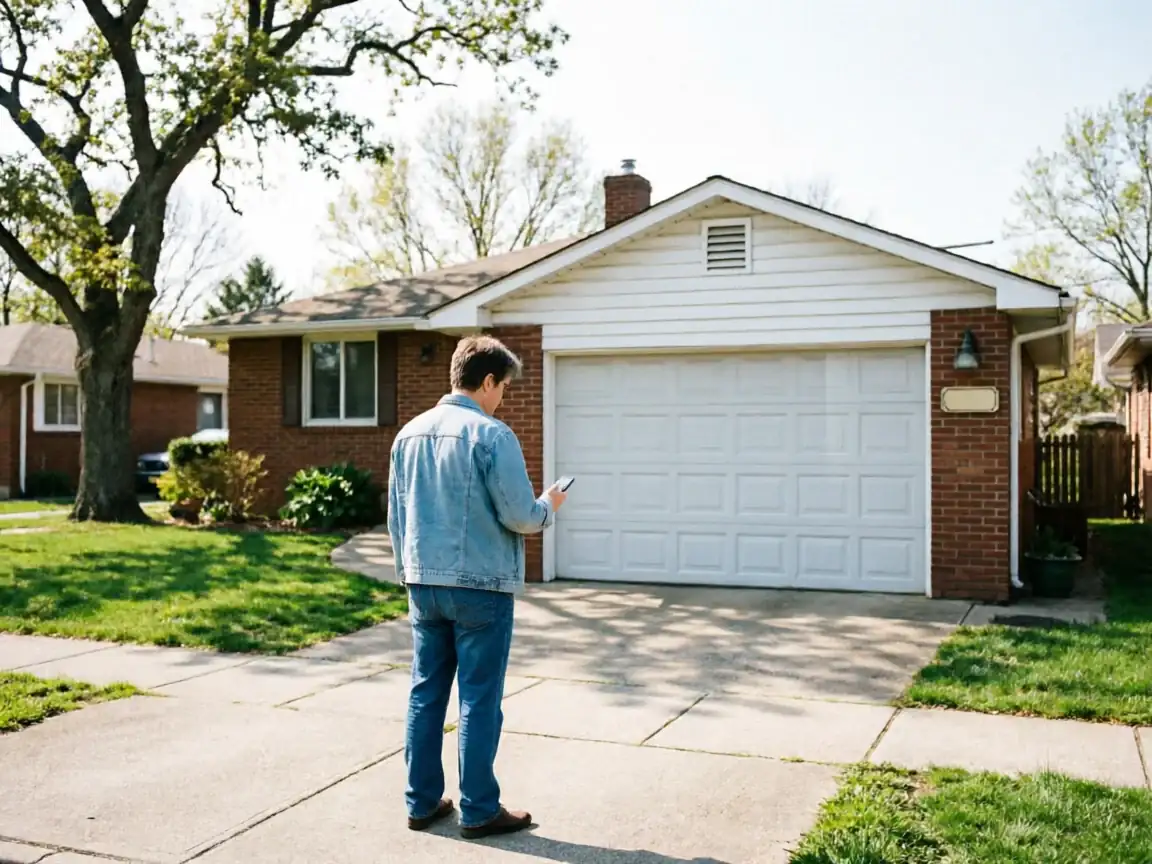
    A man in a denim jacket stands in a driveway looking at his phone.

    Tell us what’s wrong

    Describe the symptom - won’t open, loud bang, opener runs but the door won’t move.

  2. 2
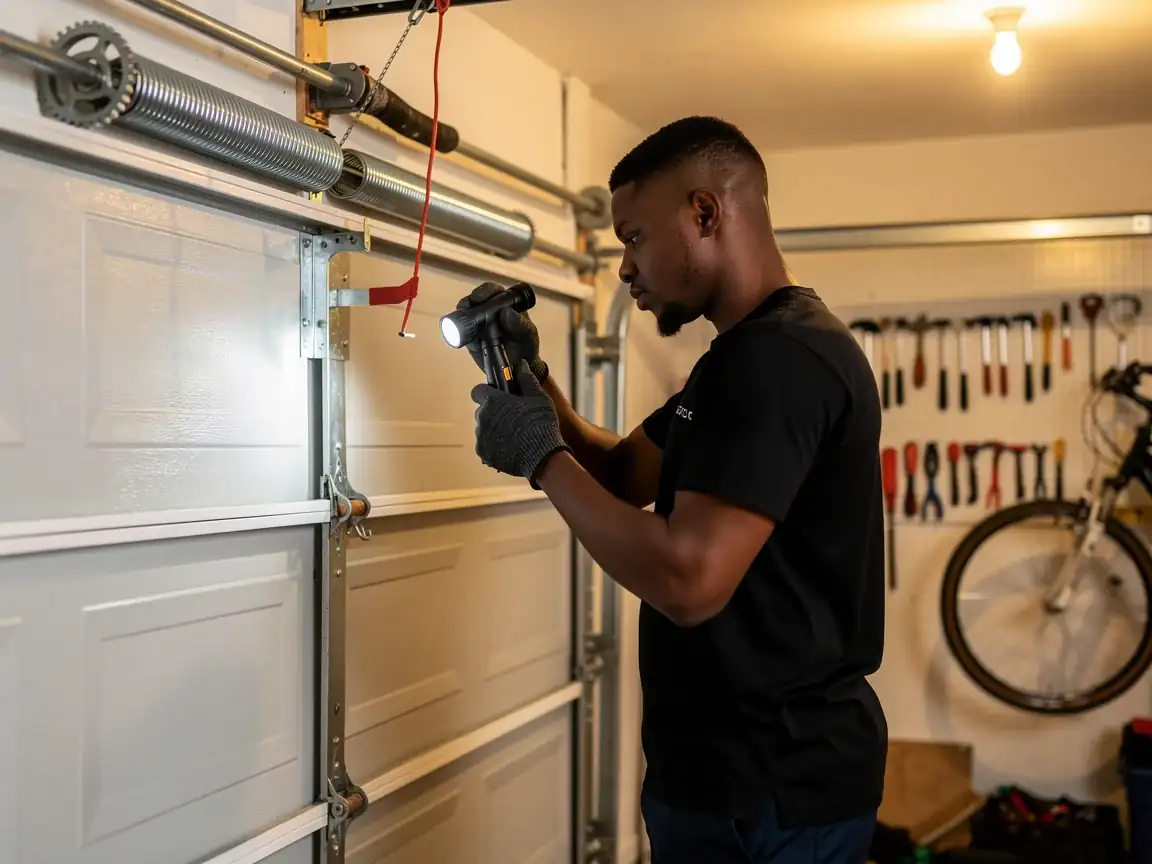
    A technician shines a flashlight on the garage door's top panel and roller.

    On-site diagnosis

    A technician tests the door under power and by hand and finds what actually failed.

  3. 3
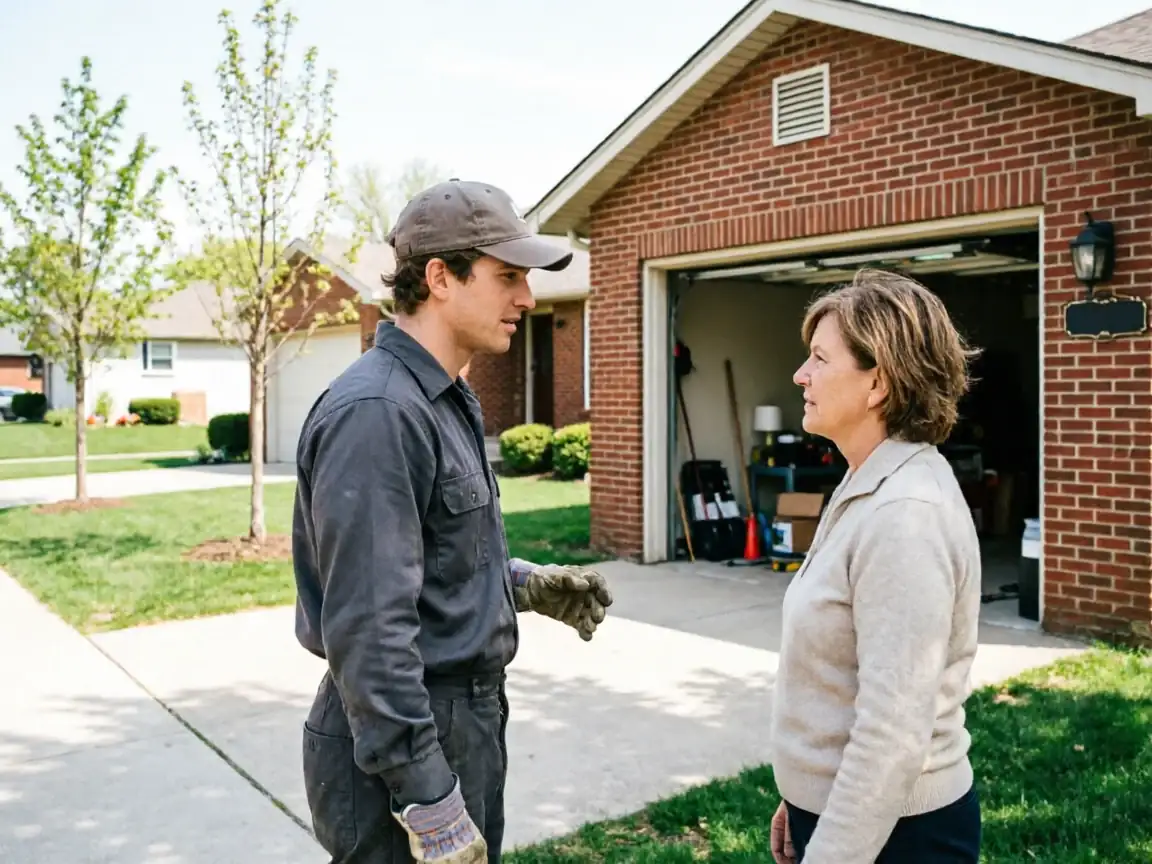
    A technician in a gray uniform talks to a woman in front of a brick house.

    Clear, up-front plan

    You get the fix that’s needed and what drives the cost - before any work starts.

  4. 4
    A technician in a blue shirt is working on a brown garage door.

    Repaired & tested

    The repair is done, the door is set true and tested, and the work area left clean.

Next step

Not sure which repair your door needs in Waukesha, WI? Describe what it’s doing - every job starts with a diagnosis.

How we work

What to expect

Diagnosis firstEvery visit starts by finding what actually failed - not a pre-written parts list.
The right part for the doorSprings and openers matched to the door’s weight and age, so the fix holds up.
Straight answersWhen a repair makes more sense than a replacement - or the reverse - you hear it plainly.
Clean, careful workTension released safely, hardware set true, the door tested under power before we leave.
What we do

Garage Door Services

Repair and installation work for Waukesha homes and businesses.

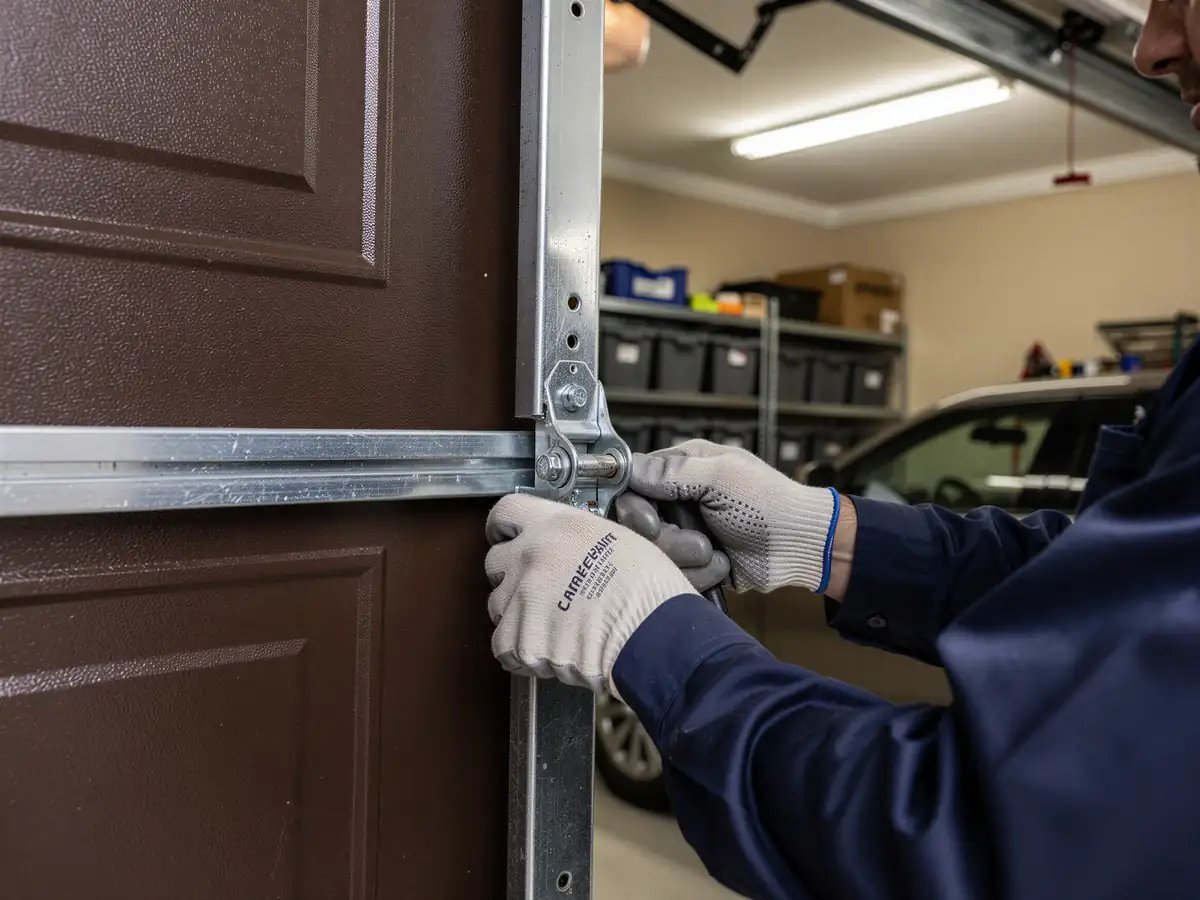
A technician in gloves adjusts the metal track of a brown garage door.

Garage Door Repair

Garage door repair for Waukesha homes built 1938-2004, where cold-climate torsion springs and original openers wear out together. Same service area as Pewaukee, Hartland.

Learn more
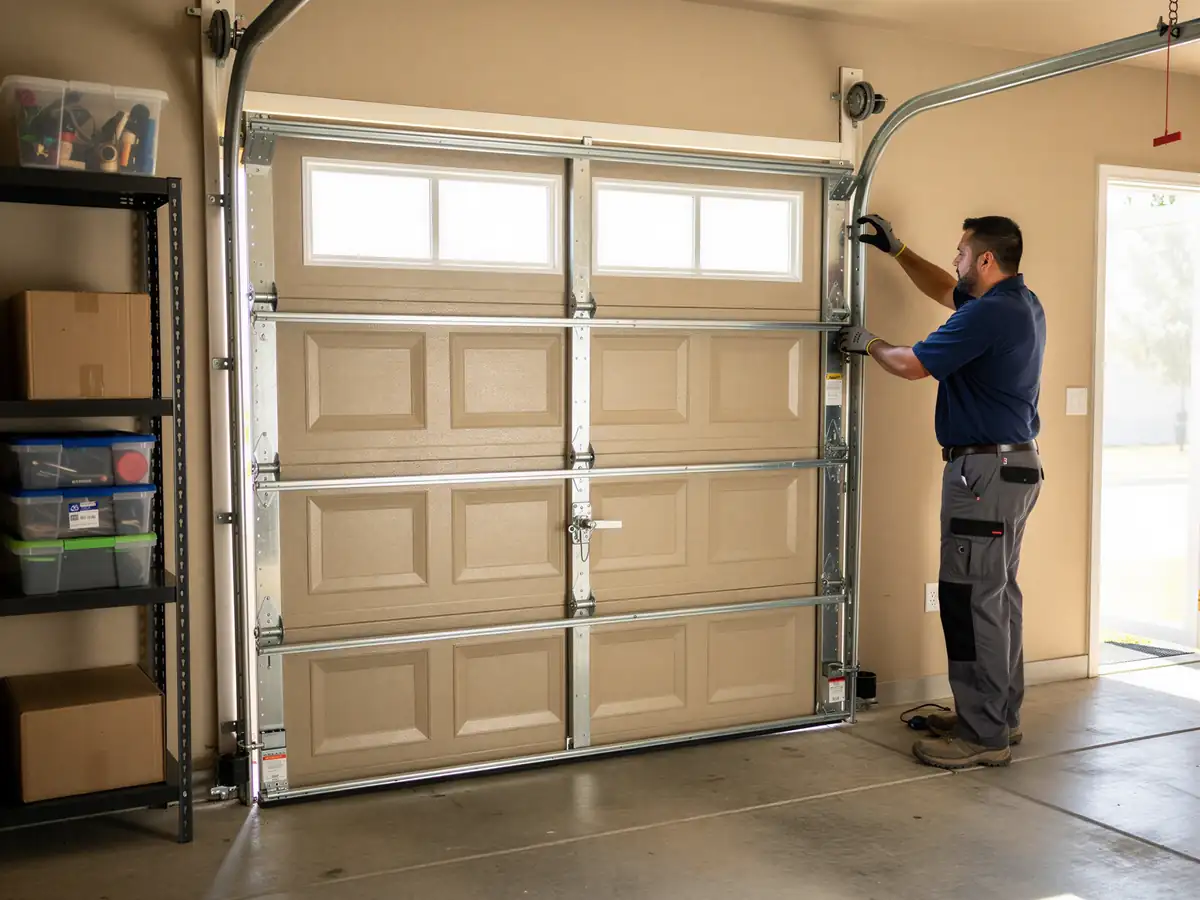
A technician in a blue shirt is working on a tan garage door with windows.

Garage Door Installation

Most Waukesha homes were built between 1938 and 2004, many in the 1960s and 70s, and cold winters wear garage doors fast. Here's what installation involves.

Learn more
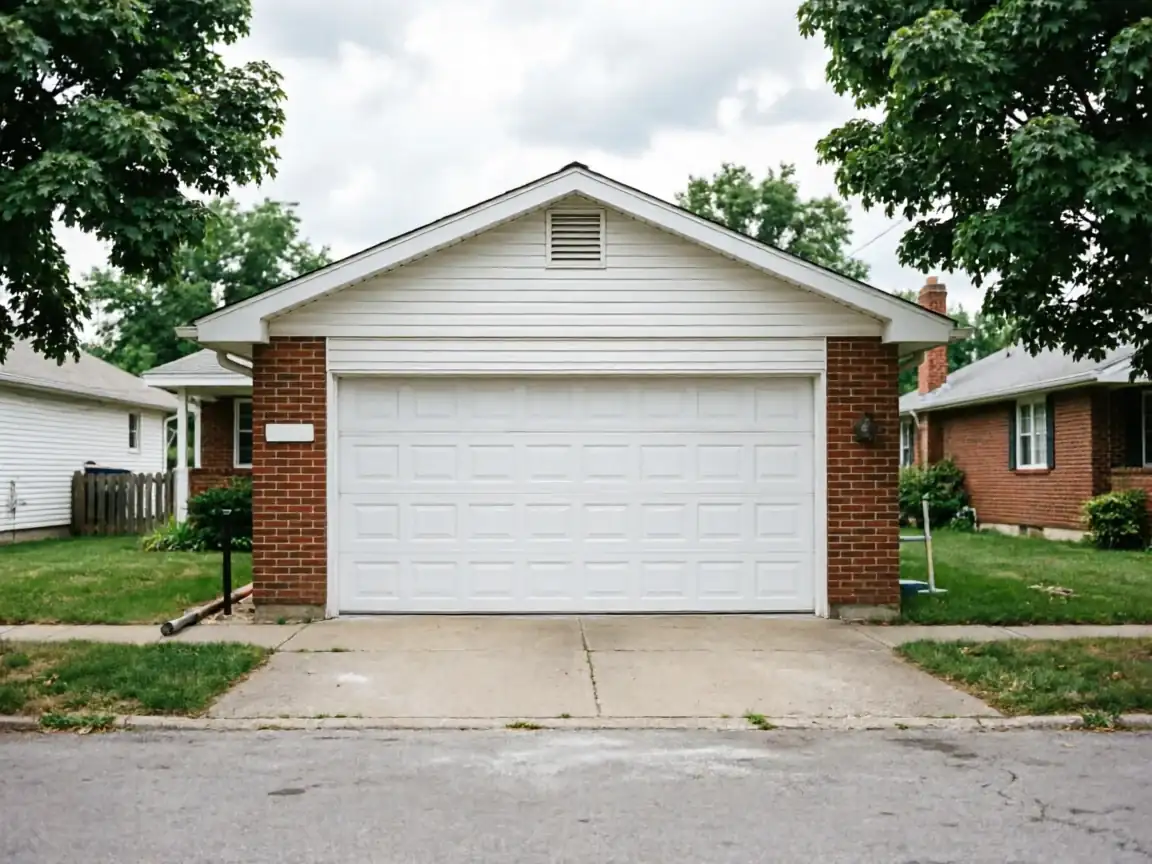
A white garage door on a brick house with white siding and a driveway.

Garage Door Service

Waukesha homes built mostly in the 1960s-70s see specific spring and track failures from cold winters. Here's what causes it, what you can fix, and what takes a call.

Learn more
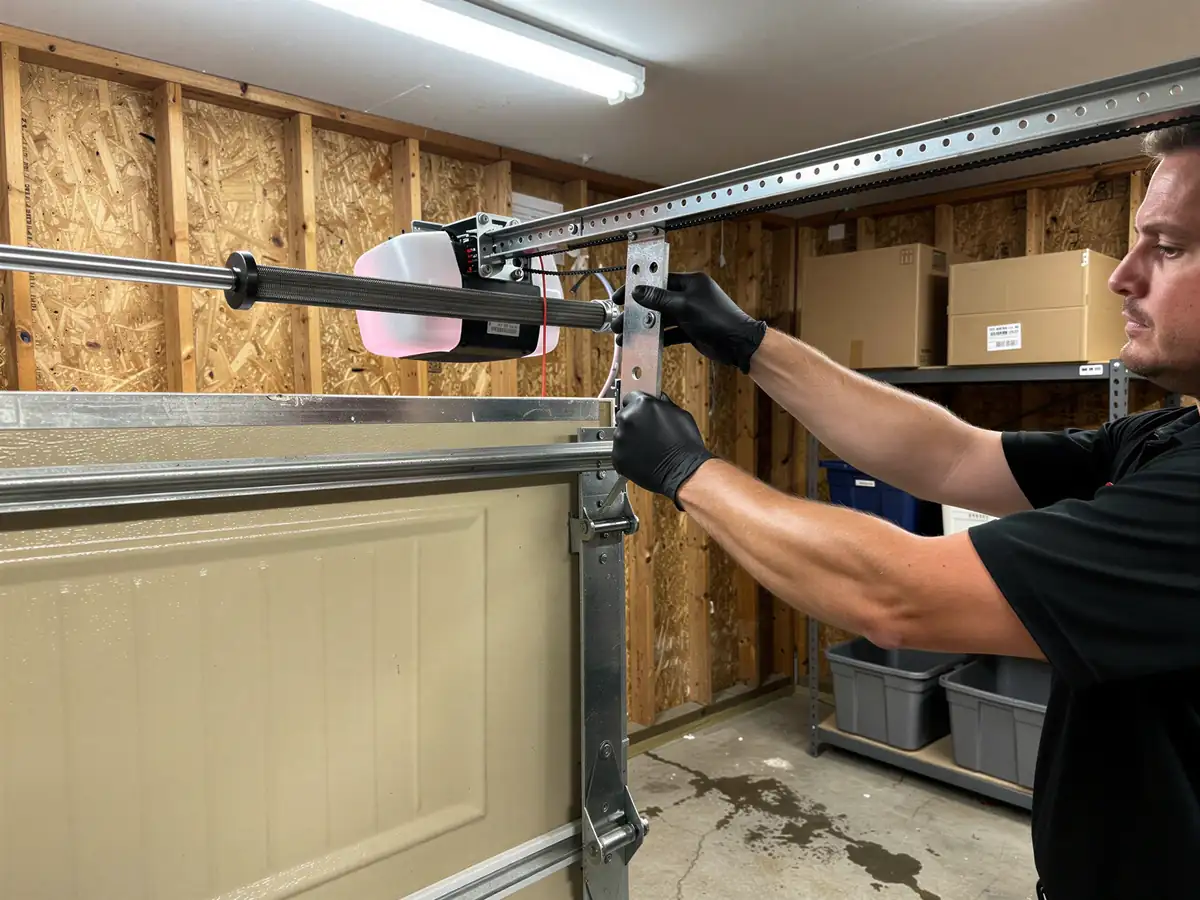
A technician in black gloves adjusts the garage door opener rail.

Opener Installation

Opener installation for Waukesha-area homes, where 1938-2004 housing stock and severe cold winters wear out old chain-drive units faster than owners expect.

Learn more
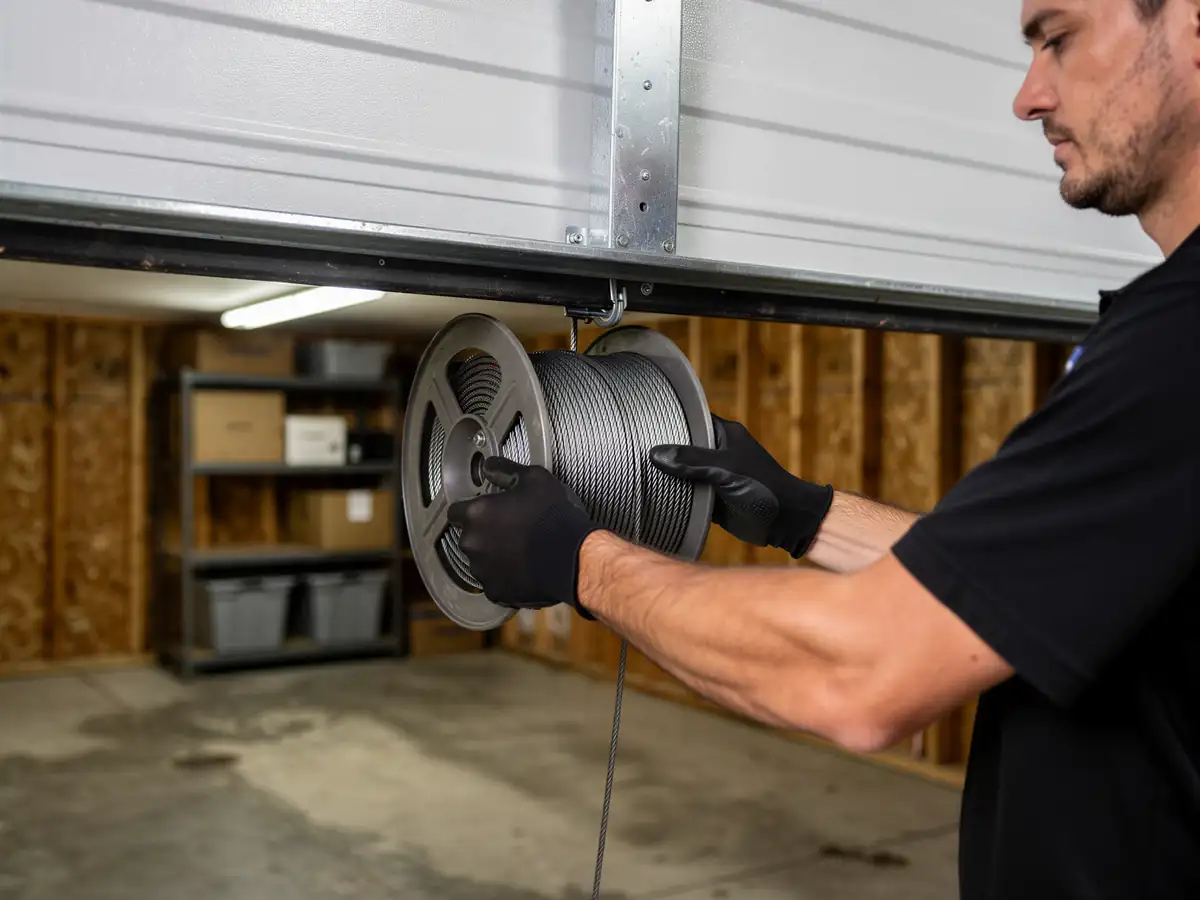
A technician in black gloves holds a spool of cable under a white garage door.

Cable Repair

Snapped or frayed garage door cable in Waukesha, WI? We fix broken cables on torsion and extension systems common in area's 1960s-70s housing stock, fast.

Learn more
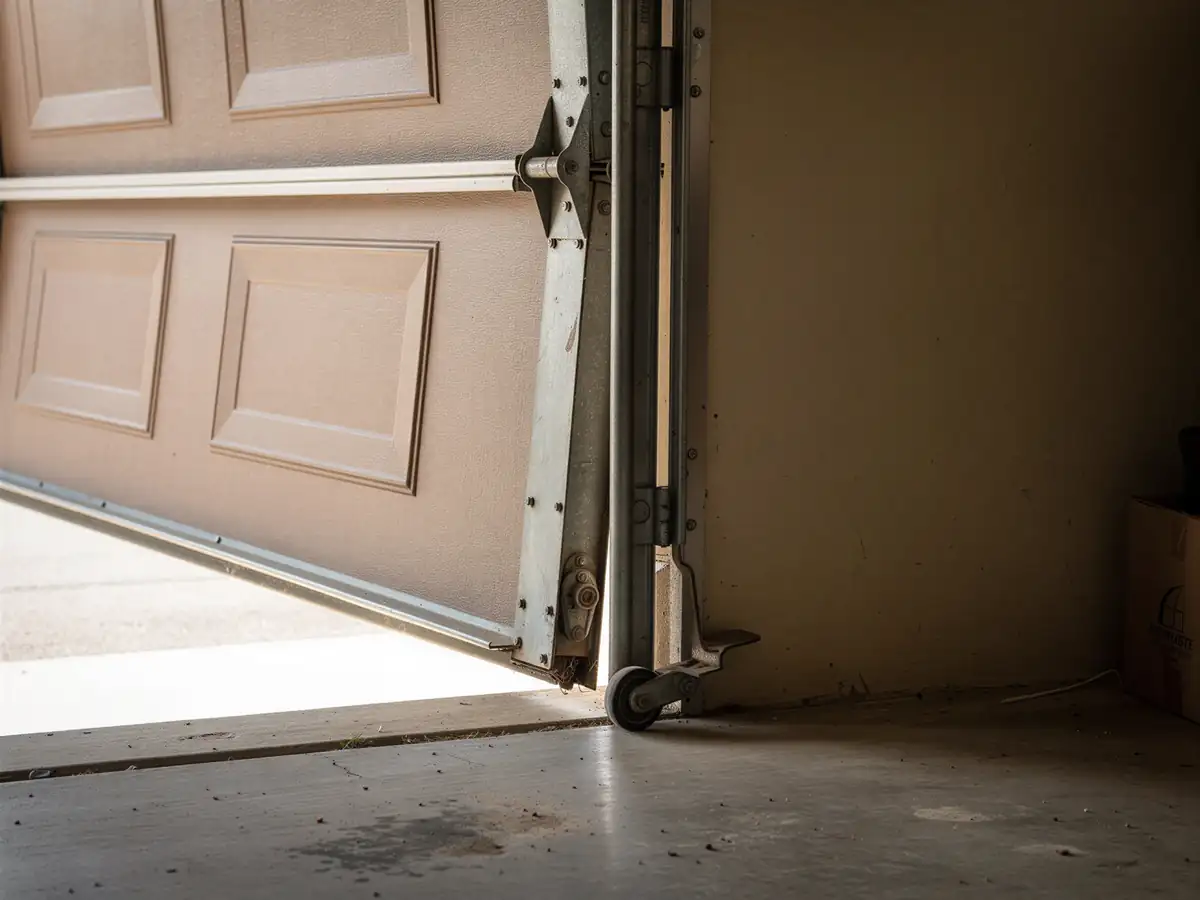
The garage door is off its track, with the bottom panel angled inward.

Off-Track Repair

If your garage door has jumped the track, Waukesha's cold winters and older torsion hardware make it worse fast. Here's what causes it and what to do.

Learn more
A technician in gloves is installing a new roller on a garage door.

Roller Replacement

Rollers wear fast in Waukesha's cold winters and on the area's older 1960s-70s doors. See why they fail here and what replacement actually involves.

Learn more
A technician inspects a broken garage door torsion spring with a flashlight.

Emergency Garage Door Repair

Broken spring, stuck panel, or dead opener in Waukesha's cold-climate housing stock? We handle emergency garage door repair across the whole service area, day or night.

Learn more
Questions

Frequently asked

Straight answers about garage door repair in Waukesha. Still unsure? Ask us directly.

Why do springs break more in winter in Waukesha?

Cold makes steel less flexible, so a torsion spring that's already fatigued from years of cycling is more likely to snap on a cold morning than a mild one. It's rarely the cold alone - it's cold meeting a spring that was already near the end of its life.

Should I replace one spring or both?

If your door runs on a pair, we generally recommend replacing both even if only one broke, since they're the same age and under the same wear. Replacing just one often means a second failure within a year or two, especially on older hardware common in this area's 1960s and 70s housing stock.

Can I drive the door with a broken spring to get it open once?

We'd rather you didn't. Forcing an opener against a broken spring puts heavy strain on the drive gear and can turn a spring repair into an opener repair. If the door won't move freely by hand, leave it and call.

How do I know if my spring is original to the house?

If your house was built in the 1960s or 70s and the door hardware has never been touched, there's a good chance it's original or an early replacement. We can tell you more once we see the wind direction, wire gauge, and wear on the drums in person.

Ready to get your garage door sorted?

Tell us what it’s doing and where you are in Waukesha - we’ll take it from there.

Request a QuoteCall