What Causes It Around Here
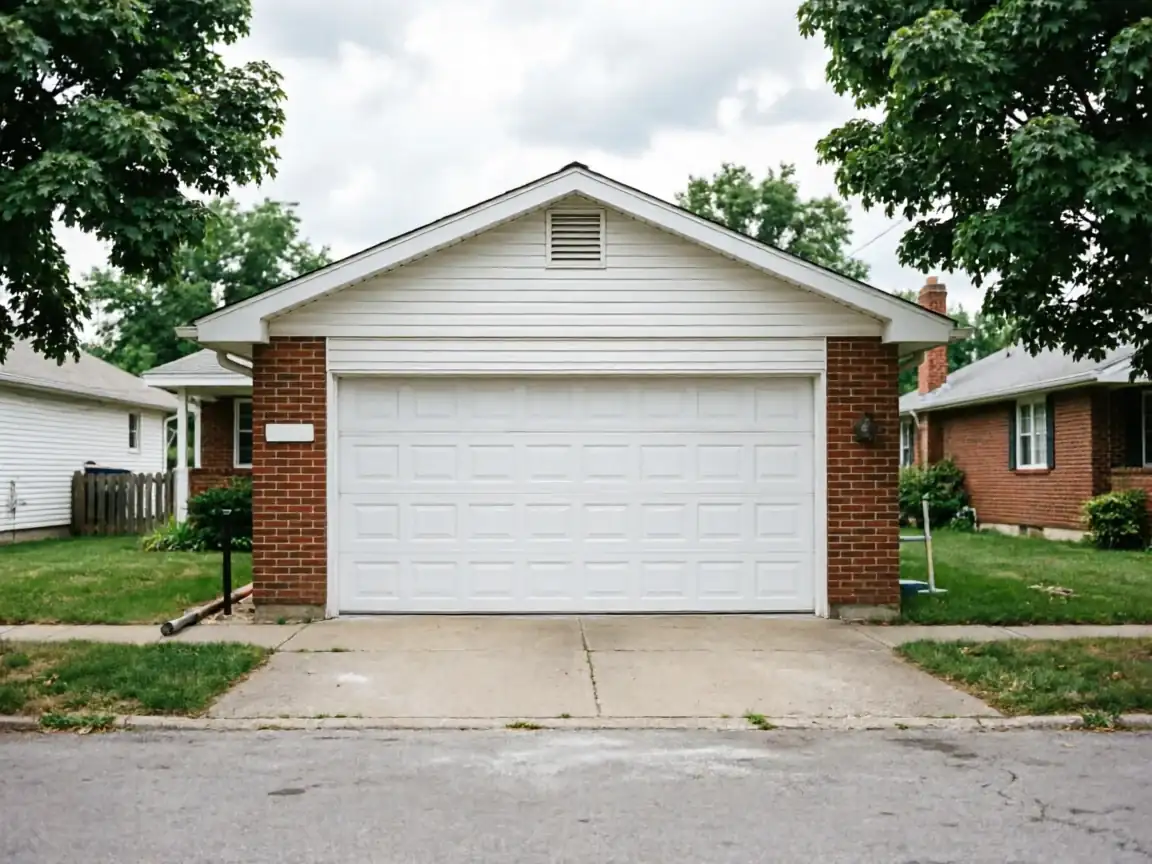
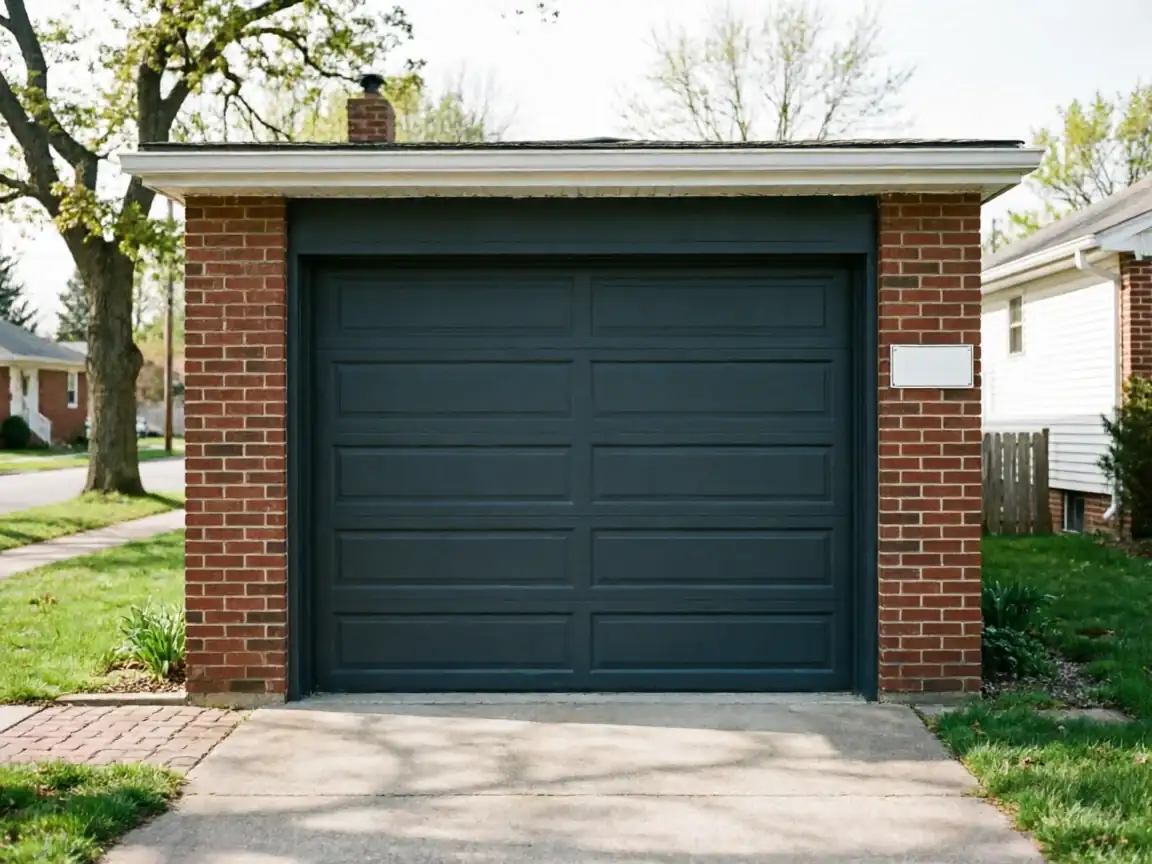
Most of the housing stock in and around Waukesha went up between 1938 and 2004, with the median build year landing at 1979 and the bulk of it dated to the 1960s and 70s across the 54 named areas that make up this service area. That matters for one reason: torsion springs and openers from that era were not built to last fifty years, and a lot of them haven't been touched since the house was framed.
Waukesha sits in a cold climate band with severe winters, and that's the second half of the problem. Steel springs lose tension as temperatures drop, and a spring already near the end of its cycle count will often snap on the first hard cold snap of the season rather than fail gradually in summer. Original steel tracks on 1960s and 70s doors also narrow slightly in deep cold, which is why a door that rolled fine in October suddenly binds or jumps the roller in January.
We see the same pattern on doors from Pewaukee to Hartland to Delafield - houses built in that same postwar-to-1980s window, carrying the same original hardware, hitting the same cold-weather failure points. It's not bad luck. It's the age of the stock meeting the weather.
Can You Do This Yourself
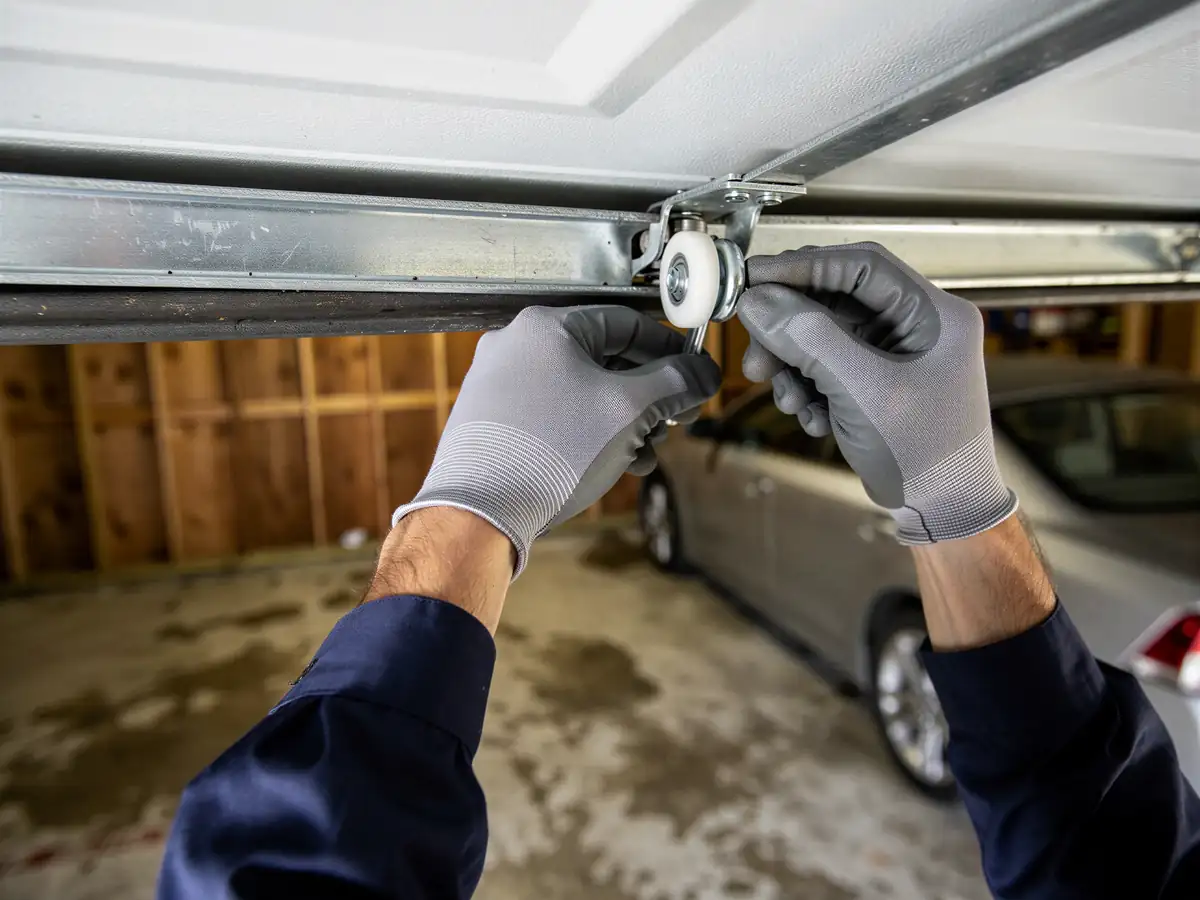
Some of it, yes. Tightening loose hinge bolts, lubricating rollers and hinges, clearing a track of debris, or replacing weatherstripping along the bottom panel are all reasonable weekend jobs on a door from any era.
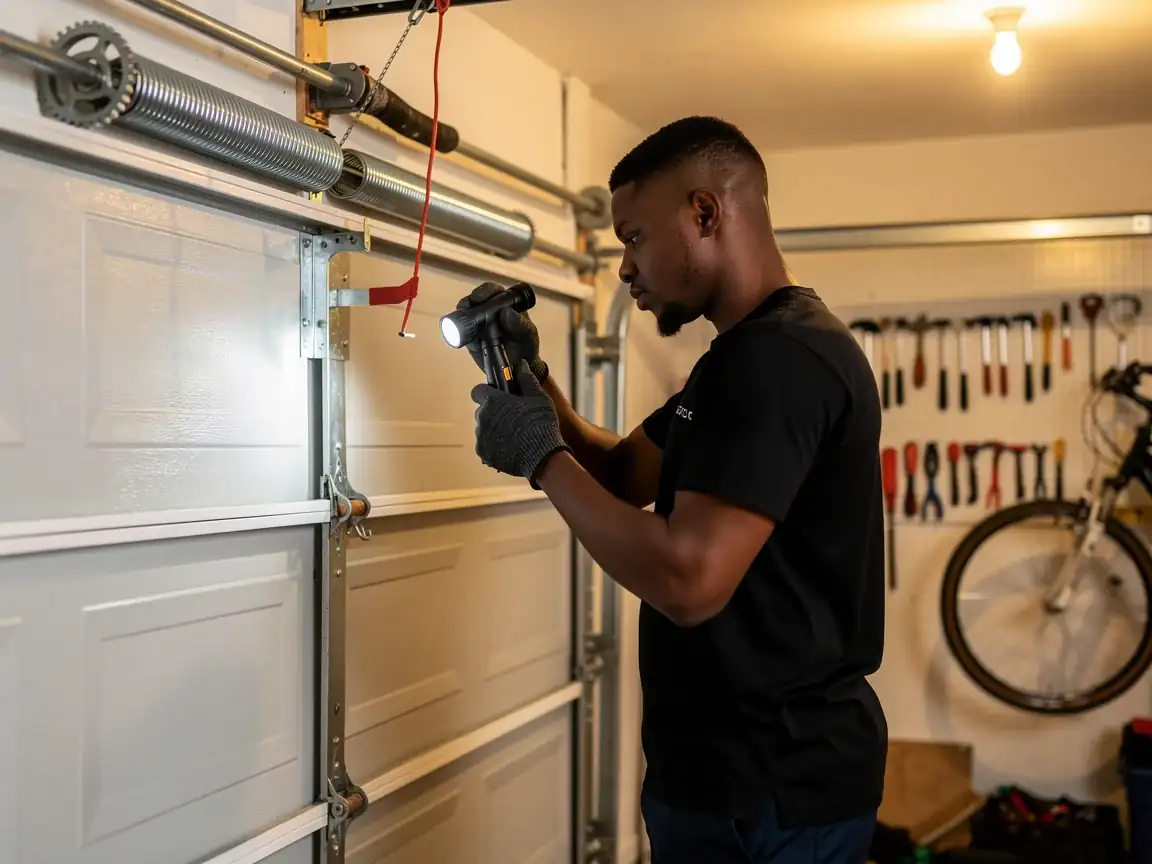
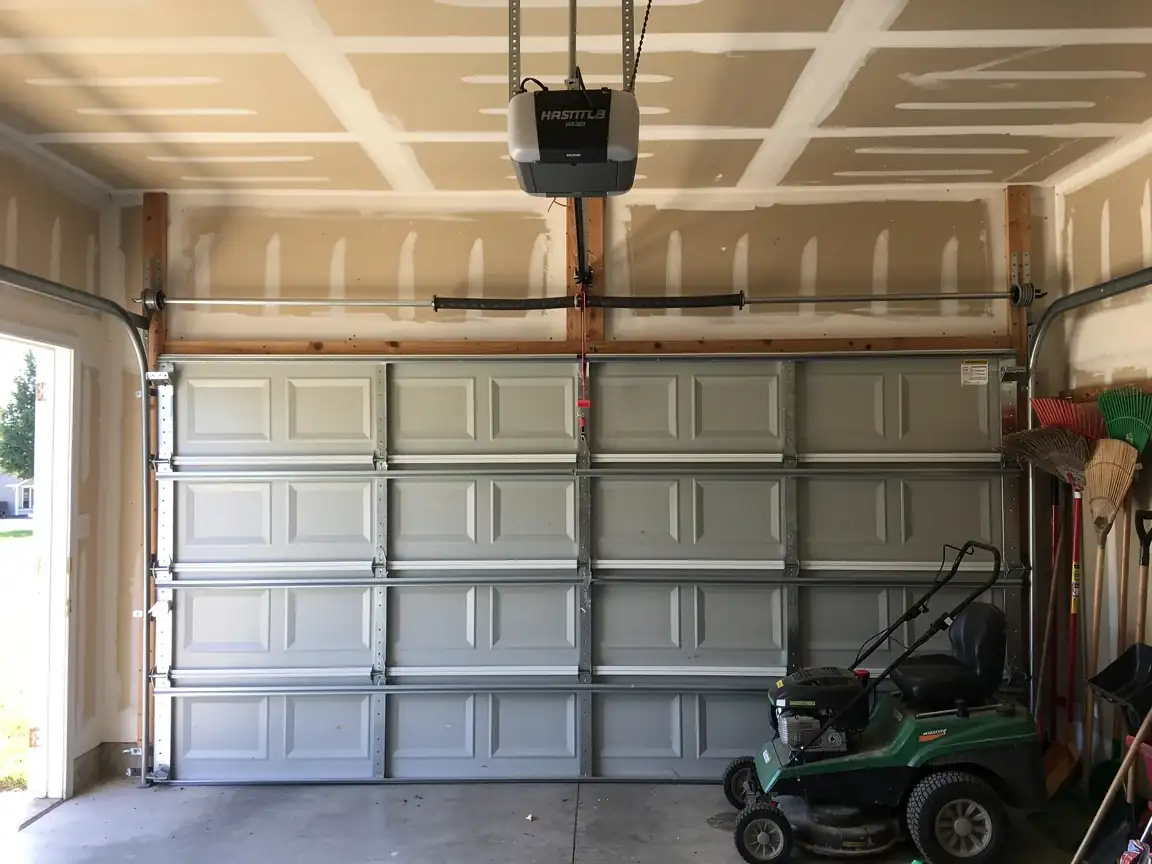
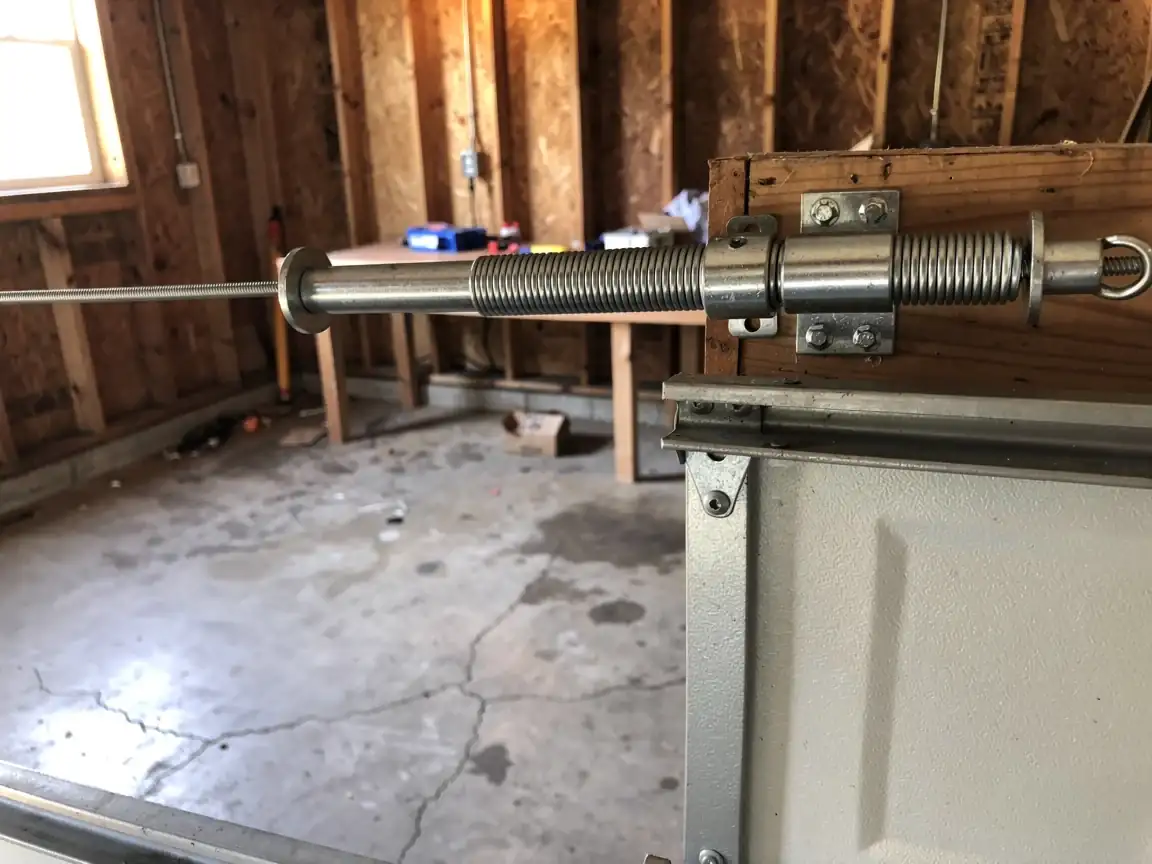
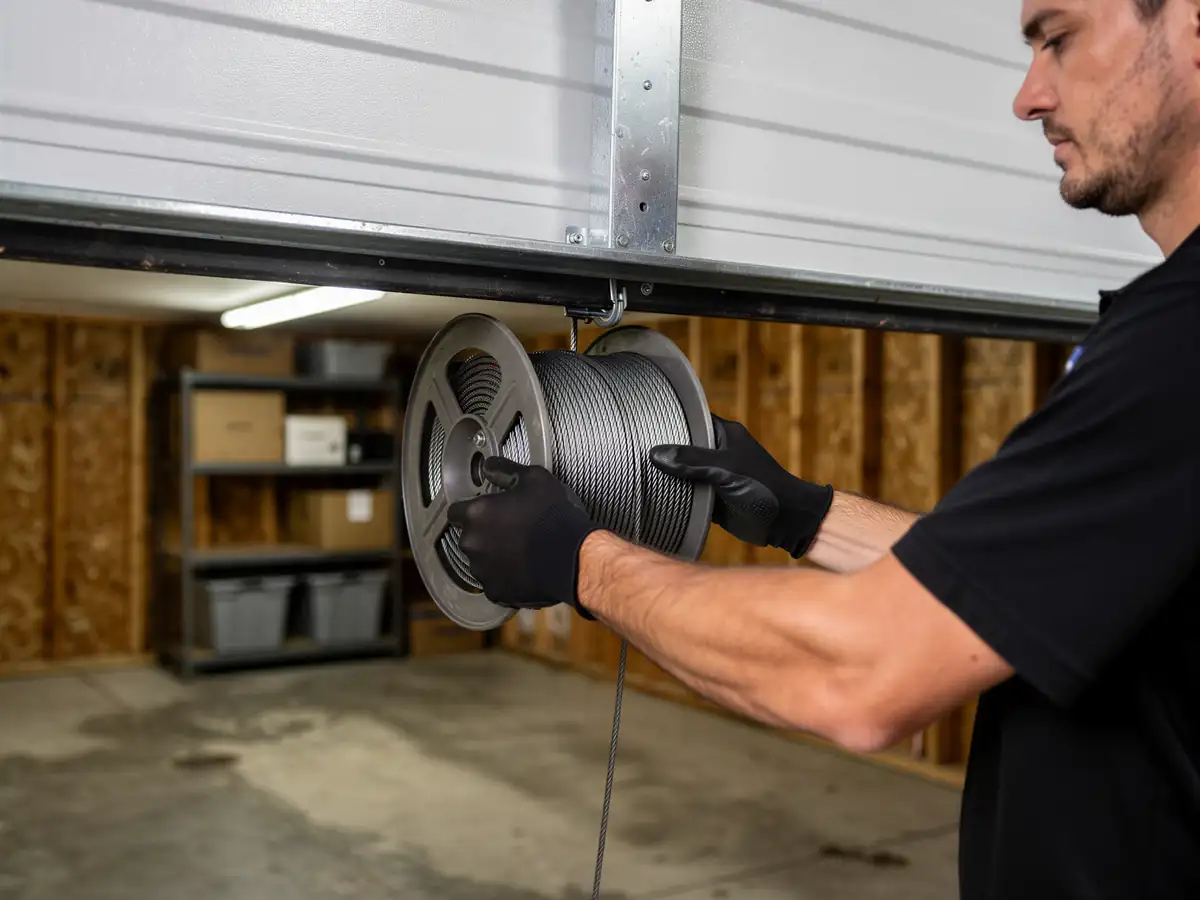
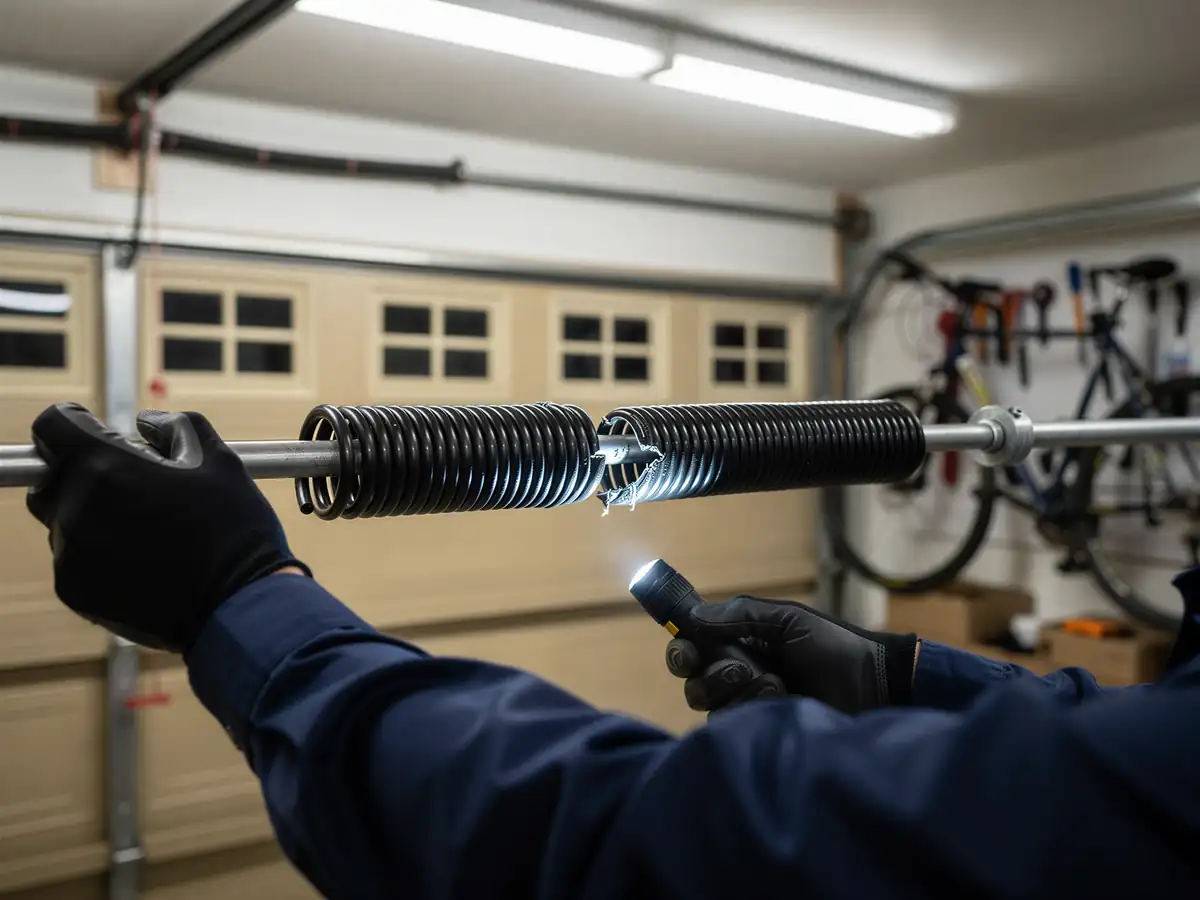
A broken torsion spring is not one of those jobs. The spring on a double door built in the 1960s-70s window is under enough tension to break a wrist or worse if the winding bar slips, and the hardware on original installs is often rusted or undersized compared to what's sold today. Cable replacement carries the same risk - the cable is under load even with the door closed.
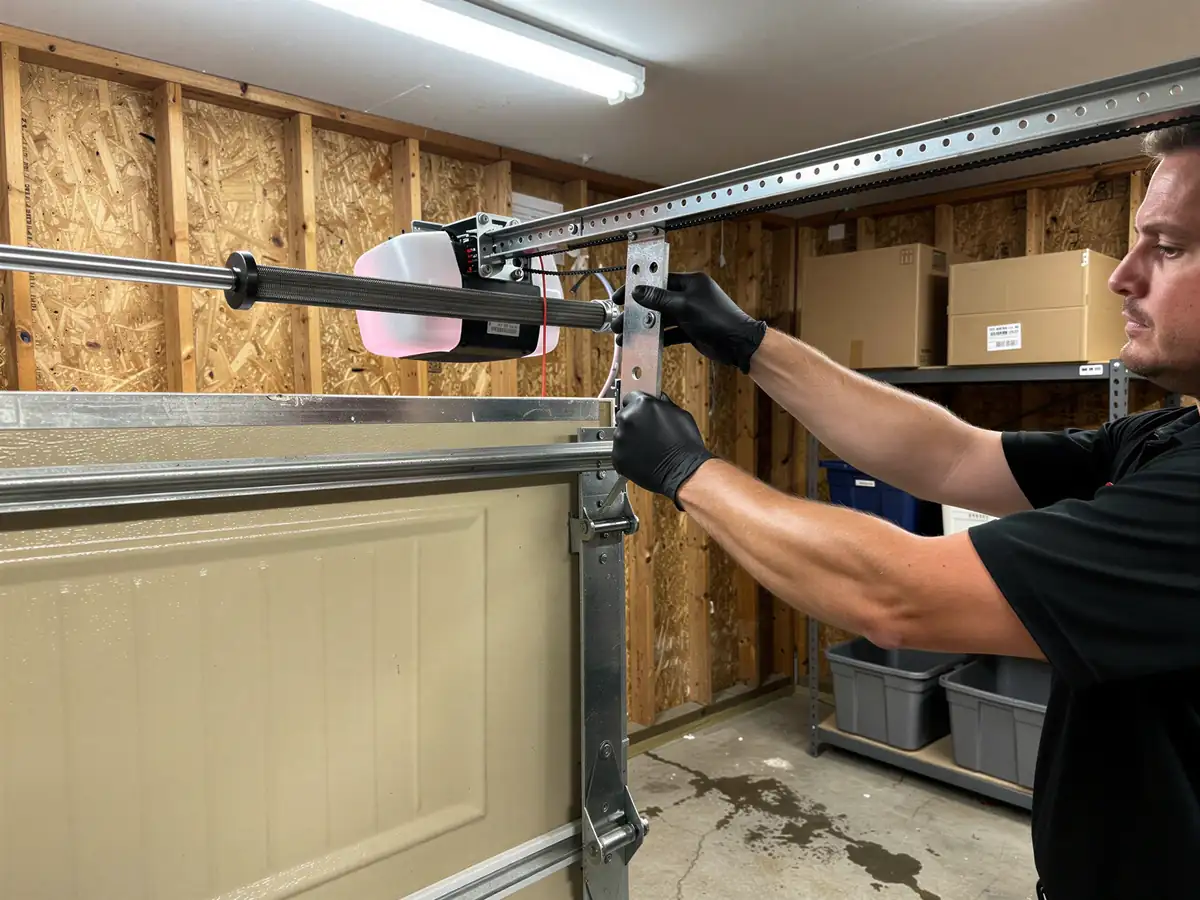
If the opener itself is original to a house from that 1938-2004 build range, you're also dealing with a motor and logic board old enough that replacement parts may not exist anymore. That's the honest limit here: we don't chase parts for discontinued openers indefinitely. Past a certain point, swapping the opener costs less than hunting down a part that was discontinued a decade ago, and we'll tell you that instead of billing hours to search for it.
How Long It Takes
A straight spring replacement on a standard double door
Once we're on site with the right size spring, usually runs under two hours. Cable and roller jobs are similar. What slows a call down is diagnosing which part of an original 1960s-70s system failed first, since a dead opener, a broken spring, and a bent track can all present as "the door won't open" and only one of them is usually the real cause.
Winter calls in a cold-climate area like this one tend to take a little longer start to finish
Not because the repair itself changes, but because a door that's been fighting contracted steel and a weak spring for weeks sometimes has a second issue hiding behind the obvious one - a bent roller track, a worn cable at the drum - that only shows up once the main fault is cleared.
What You Are Seeing
A door that won't budge and a visible gap or kink partway up one of the vertical cables is a broken or fraying cable, not a dead opener - don't keep hitting the remote. A loud bang followed by the door refusing to move at all is almost always a torsion spring letting go; the door will feel much heavier than usual if you try to lift it by hand, and that's your cue to stop pulling on it.
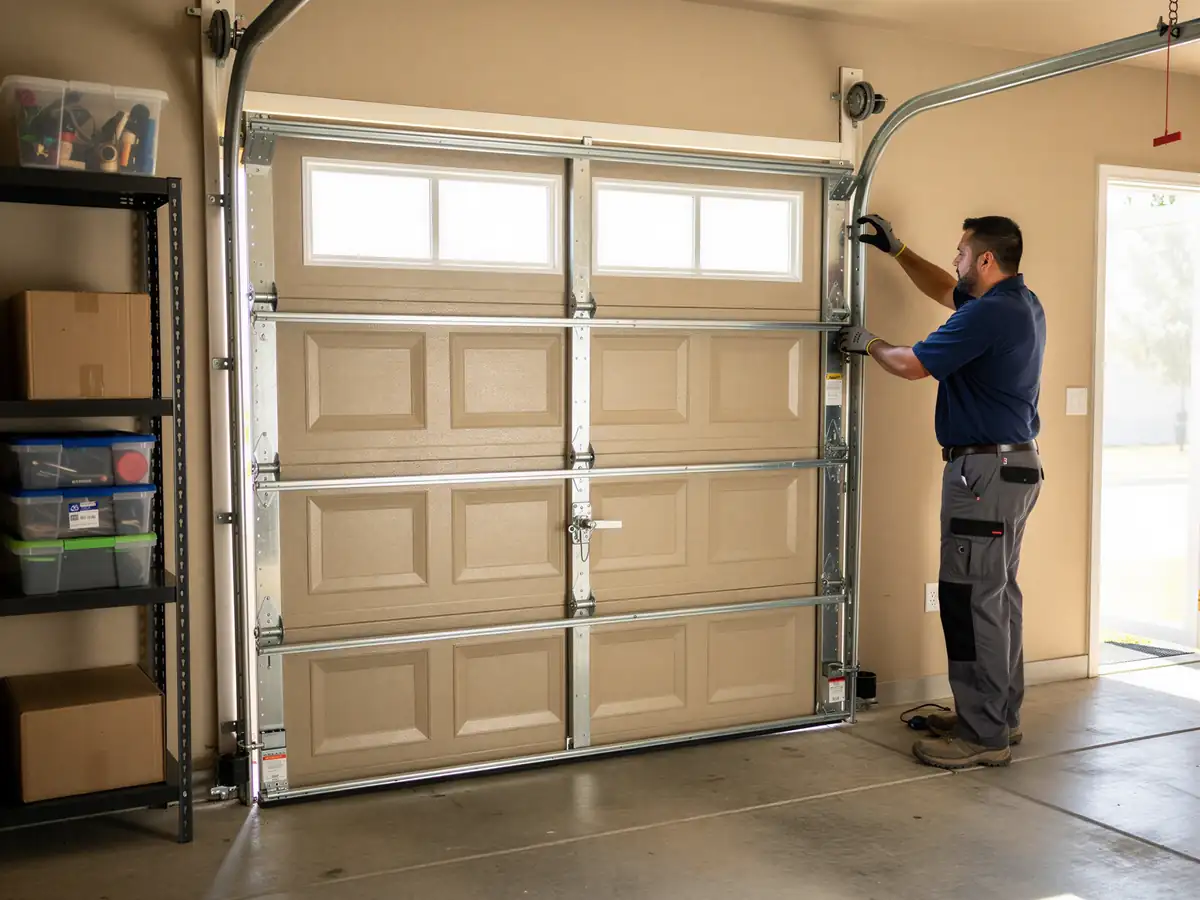
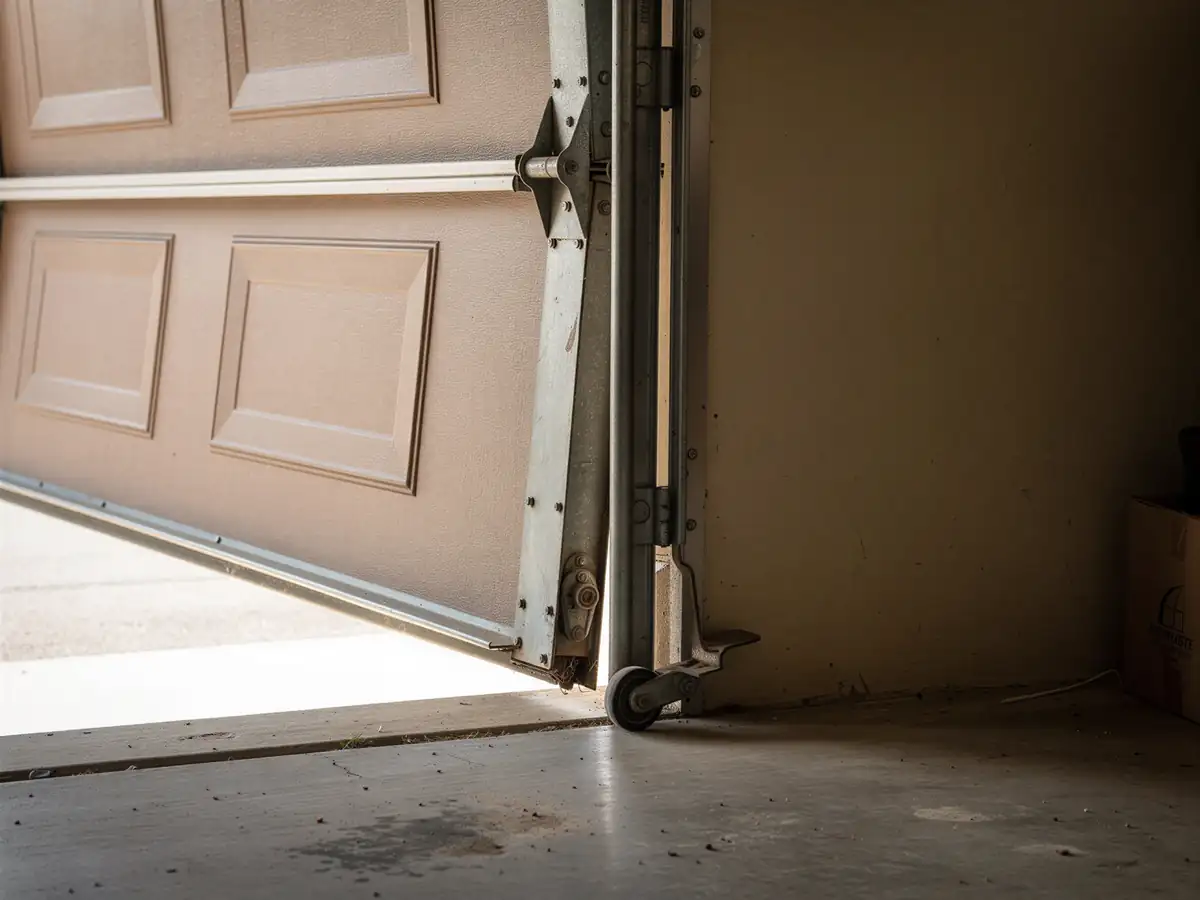
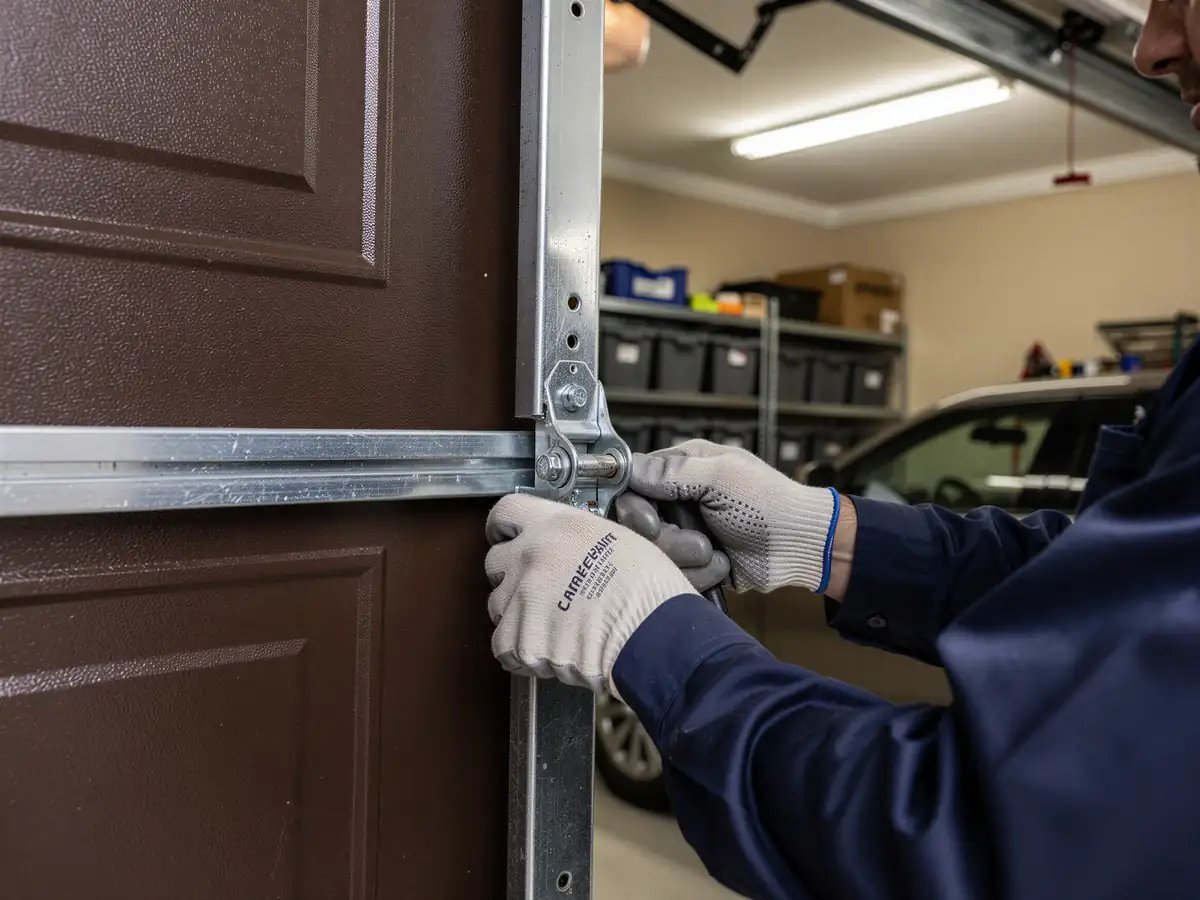
A door that opens partway and reverses, or that grinds and stutters on the track, points toward a bent track or a roller that's worn out - common on original 1960s-70s steel track that's taken fifty-plus winters of expansion and contraction. If the opener runs but the door doesn't move, check whether the drive gear or belt has failed before assuming the motor is dead; on original units that age is often cheaper to diagnose than to guess at.
Across the area - households here number around 205,003 with roughly 106,001 owner-occupied houses, and a median income near $108,690 - we see the same handful of failure patterns repeat on houses of the same age, whether that's in Waukesha proper or out toward Sussex or Mukwonago.