Serving Waukesha, WI & nearby
(262) 216-2775
Waukesha, WI

What That Sound From Your Garage Door Is Actually Telling You

Grinding, popping, or scraping from your garage door in Waukesha usually points to one of a handful of causes tied to this area's housing age and winters. Here's how to tell them apart.

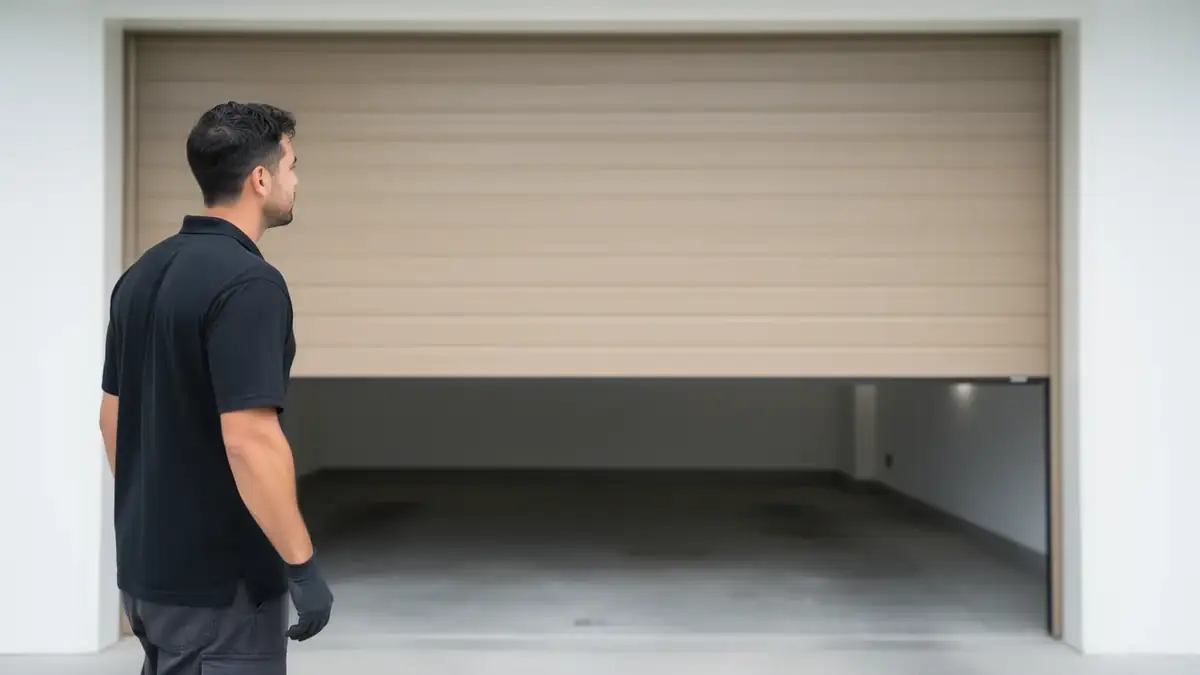
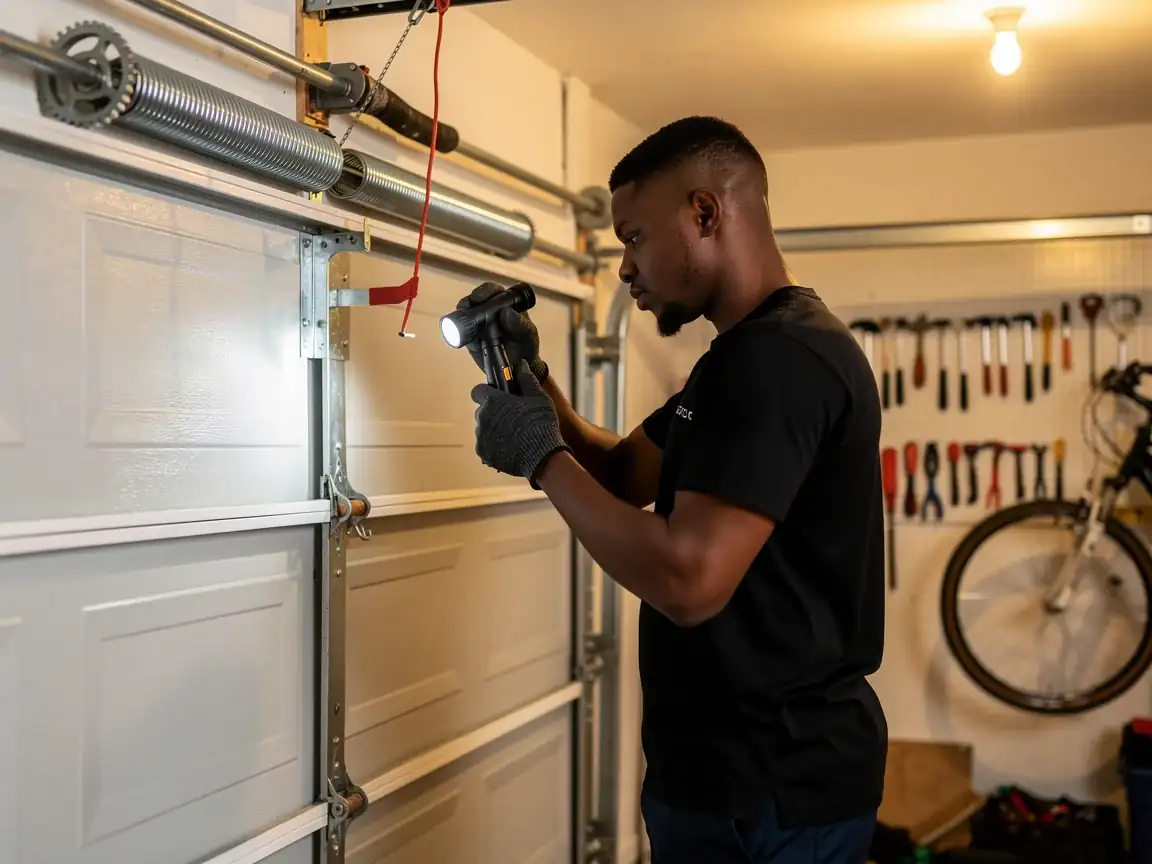
A technician in a black shirt and gloves stands in front of a partially open garage door.

The Situation

Most houses on this side of Waukesha went up somewhere between 1938 and 2004, with the bulk of the stock dating to the 1960s and 70s, spread across the dozens of named subdivisions and areas that make up the service area. That matters more than people think when it comes to noise. A door installed in 1972 is running hardware that's been through fifty-plus Wisconsin winters of expansion and contraction. The rollers have worn grooves into the track. The torsion spring has fatigued past the tension it was wound to. None of that announces itself with a warning light - it announces itself with sound.

A rhythmic thump as the door travels usually means a flat spot on a roller, worn from decades of the same contact point hitting the track. A sharp bang, usually right when the door is sitting still, is very often a spring losing its wind suddenly rather than gradually. A grinding or scraping sound low in the pitch, especially right as the door starts moving, points to the opener's gears or the drive mechanism working harder than it should. In a service area with this much mid-century housing, we hear all three on a regular basis, and the age of the house is usually the first clue to which one it is.

What It Costs

I'm not going to put a number here that I can't back up - what a repair runs depends on what's actually wrong, the door size, and whether parts for an older system are still easy to source. What I can tell you is what drives the cost up or down. A door built for the original 1960s or 70s opening often runs different spring sizing and hardware than anything sold today, so a repair on one of these older setups can mean more time sourcing the right part rather than more time on the truck.

Replacement parts for a door that age aren't always sitting on a shelf. That's the honest limitation: if your door is original to a house built in that era, expect the visit to include some diagnosis time before we can tell you whether we're looking at a same-day fix or an order. Newer doors, built since the area saw more renovation and infill construction, tend to use more standard hardware and go faster. Either way, the sound itself is usually the cheapest diagnostic tool you have - catching a flat-spotted roller before it takes out a track is a lot less than catching it after.

What to Look At First

  1. Start with where the sound happens in the door's travel

    Noise only at the very top or bottom, right near the fully open or fully closed position, usually means the track is slightly out of alignment there - common in houses old enough that the garage slab has settled unevenly over the decades. Noise through the whole run points more toward rollers or the spring itself.

  2. Next, listen for whether it's metal-on-metal or more of a rattle

    A rattle is often just a loose bracket, easy to tighten. A grinding, metal sound usually means something is making contact that shouldn't be - a roller bearing seized, or a spring coil rubbing where it's lost proper tension. On a torsion system, which is what most of the original doors around here were built with, a spring going bad rarely gives you much notice before it fails outright, so a new noise from that area of the door is worth a call rather than a wait.

How Local Conditions Play In

This area sits in a cold climate band with severe winter conditions, and that cold is doing something to your hardware whether you notice it or not. Steel springs lose a little flexibility as temperatures drop, and a spring that's already fatigued from age is the one that will announce it first - often with a louder bang on a cold morning than it ever made in July. Lubricant on rollers and hinges also thickens in the cold, which is part of why a door that ran quiet all summer can start grinding once temperatures drop hard.

Houses in this service area built in the 1960s and 70s often have garages that weren't built with the insulation standards used today, so the swing between inside and outside temperature on the door itself is wider than on a newer build. That temperature swing is hard on wood panels especially, and on any steel door where the coating has started to fail. If your door has gone quiet-then-loud with the season rather than gradually over months, the cold is very likely part of the story, not the whole of it.
How it works

From “it’s stuck” to “it’s fixed”

A quick, honest process - no guesswork and no surprises, start to finish.

  1. 1
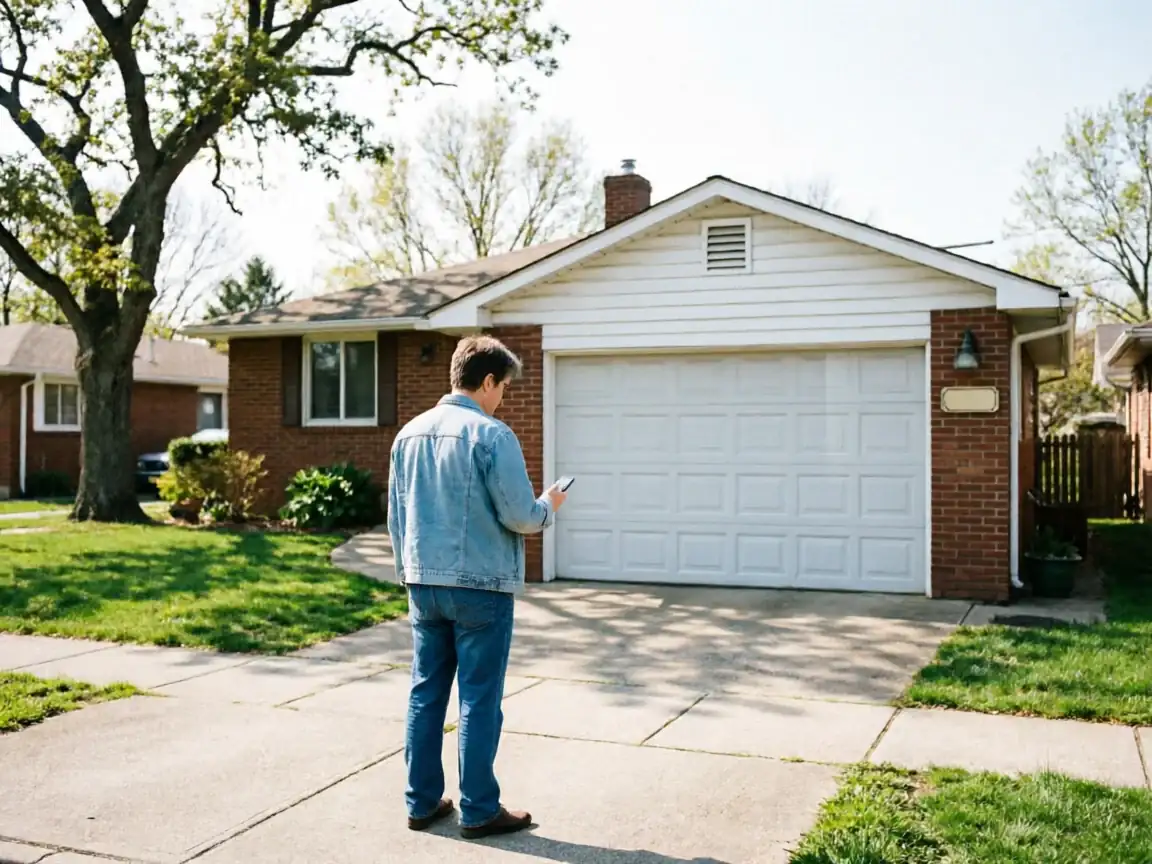
    A man in a denim jacket stands in a driveway looking at his phone.

    Tell us what’s wrong

    Describe the symptom - won’t open, loud bang, opener runs but the door won’t move.

  2. 2
    A technician shines a flashlight on the garage door's top panel and roller.

    On-site diagnosis

    A technician tests the door under power and by hand and finds what actually failed.

  3. 3
    A technician in a gray uniform talks to a woman in front of a brick house.

    Clear, up-front plan

    You get the fix that’s needed and what drives the cost - before any work starts.

  4. 4
    A technician in a blue shirt is working on a brown garage door.

    Repaired & tested

    The repair is done, the door is set true and tested, and the work area left clean.

Next step

Not sure which repair your door needs in Waukesha, WI? Describe what it’s doing - every job starts with a diagnosis.

How we work

What to expect

Diagnosis firstEvery visit starts by finding what actually failed - not a pre-written parts list.
The right part for the doorSprings and openers matched to the door’s weight and age, so the fix holds up.
Straight answersWhen a repair makes more sense than a replacement - or the reverse - you hear it plainly.
Clean, careful workTension released safely, hardware set true, the door tested under power before we leave.
What we do

Garage Door Services

Repair and installation work for Waukesha homes and businesses.

A technician in gloves adjusts the metal track of a brown garage door.

Garage Door Repair

Garage door repair for Waukesha homes built 1938-2004, where cold-climate torsion springs and original openers wear out together. Same service area as Pewaukee, Hartland.

Learn more
A technician in a blue shirt is working on a tan garage door with windows.

Garage Door Installation

Most Waukesha homes were built between 1938 and 2004, many in the 1960s and 70s, and cold winters wear garage doors fast. Here's what installation involves.

Learn more
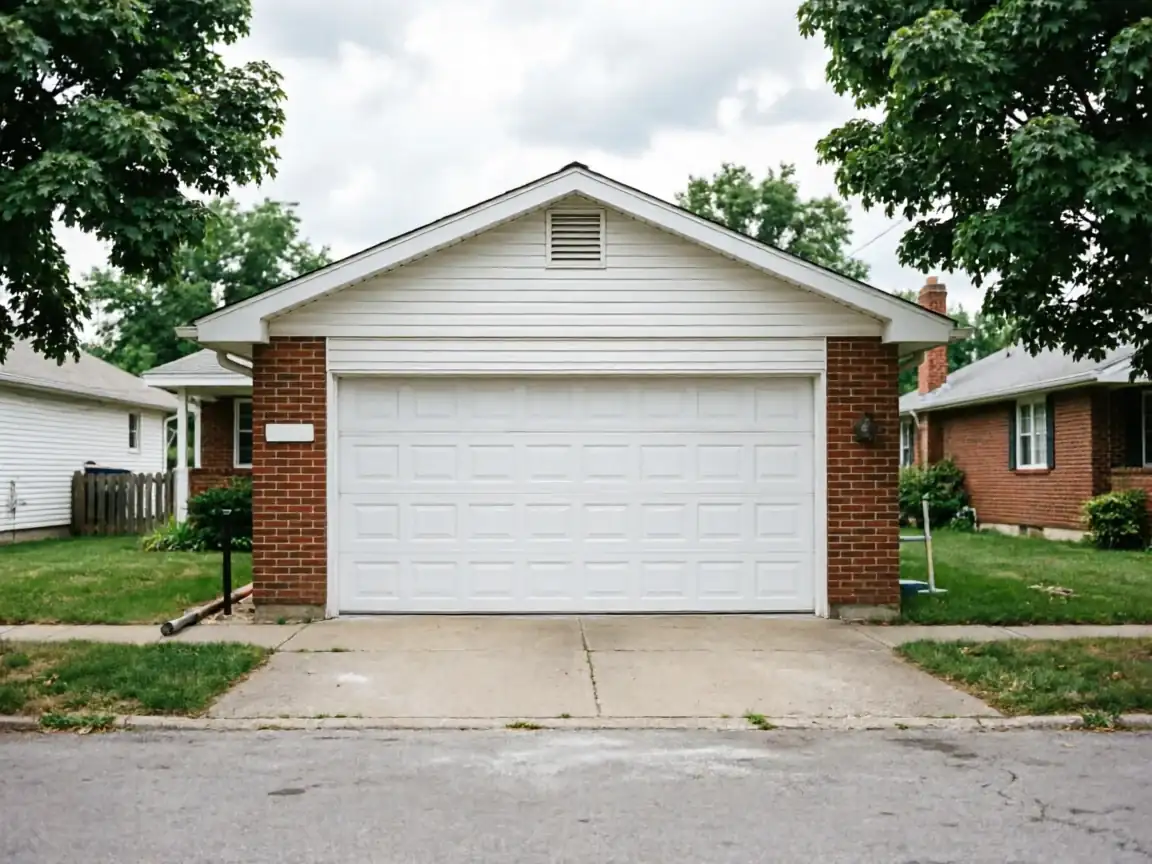
A white garage door on a brick house with white siding and a driveway.

Garage Door Service

Waukesha homes built mostly in the 1960s-70s see specific spring and track failures from cold winters. Here's what causes it, what you can fix, and what takes a call.

Learn more
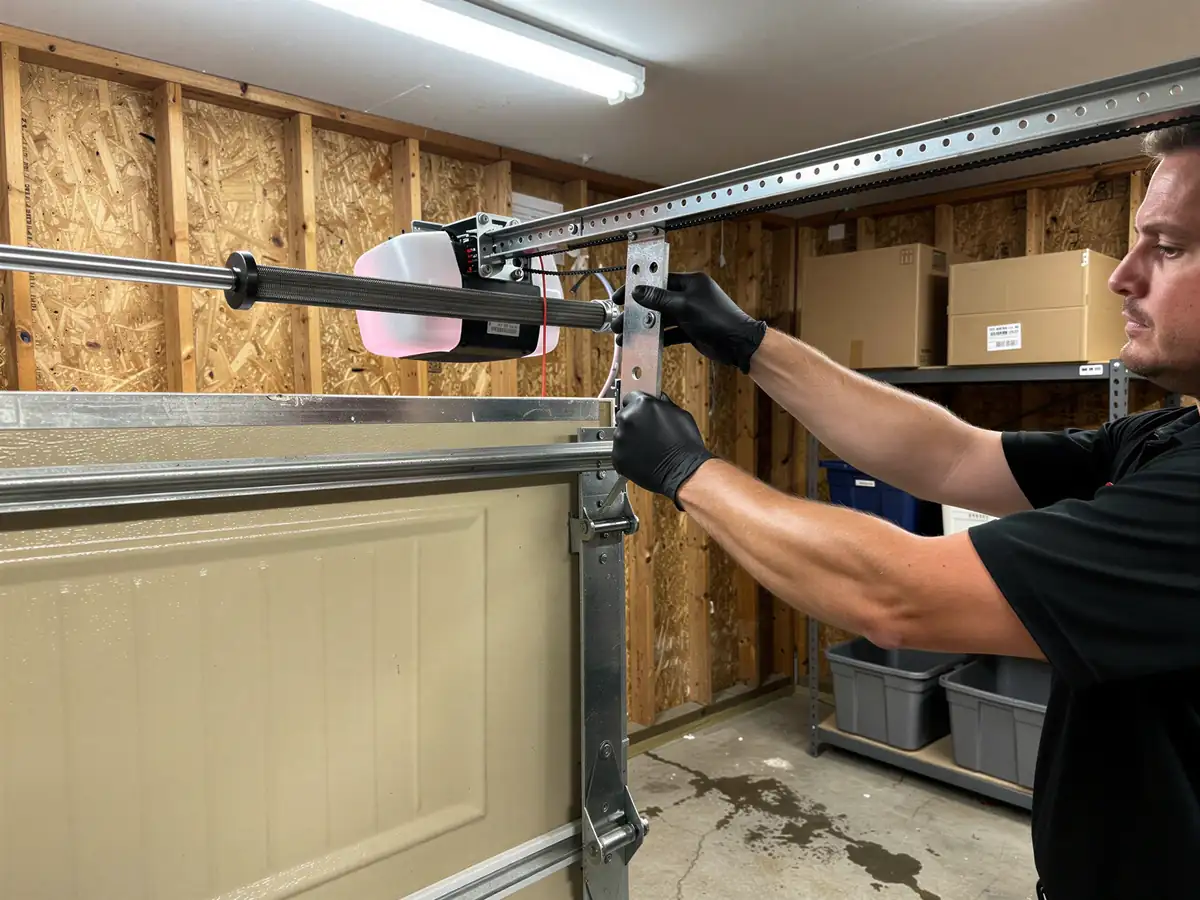
A technician in black gloves adjusts the garage door opener rail.

Opener Installation

Opener installation for Waukesha-area homes, where 1938-2004 housing stock and severe cold winters wear out old chain-drive units faster than owners expect.

Learn more
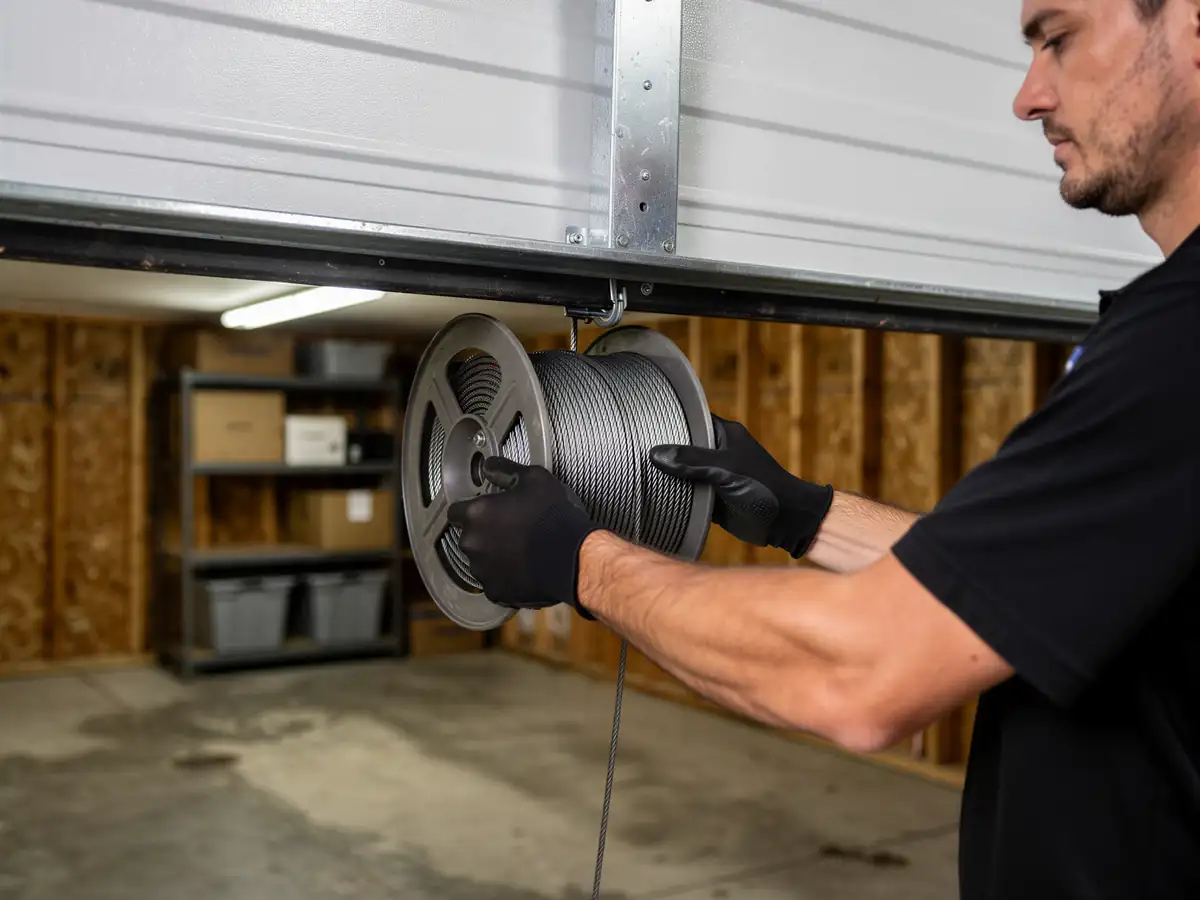
A technician in black gloves holds a spool of cable under a white garage door.

Cable Repair

Snapped or frayed garage door cable in Waukesha, WI? We fix broken cables on torsion and extension systems common in area's 1960s-70s housing stock, fast.

Learn more
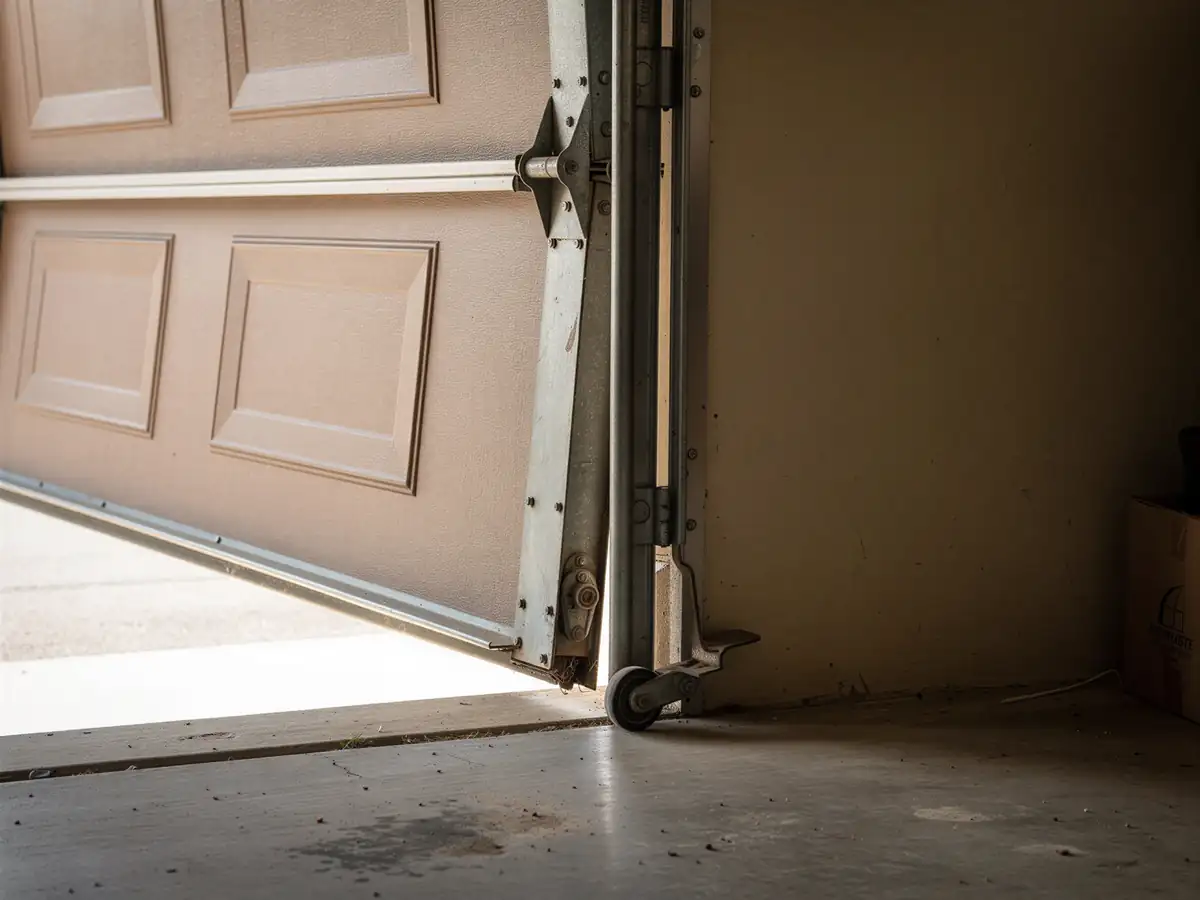
The garage door is off its track, with the bottom panel angled inward.

Off-Track Repair

If your garage door has jumped the track, Waukesha's cold winters and older torsion hardware make it worse fast. Here's what causes it and what to do.

Learn more
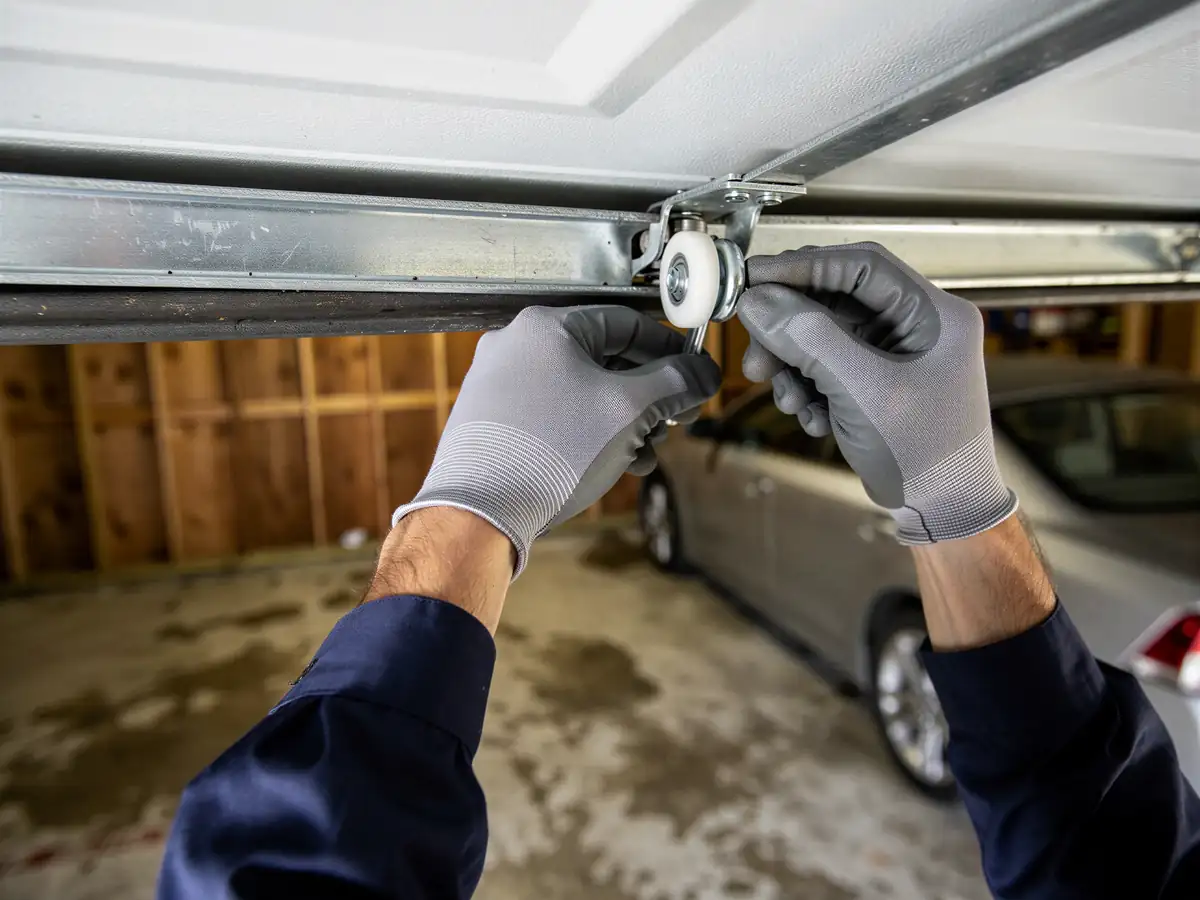
A technician in gloves is installing a new roller on a garage door.

Roller Replacement

Rollers wear fast in Waukesha's cold winters and on the area's older 1960s-70s doors. See why they fail here and what replacement actually involves.

Learn more
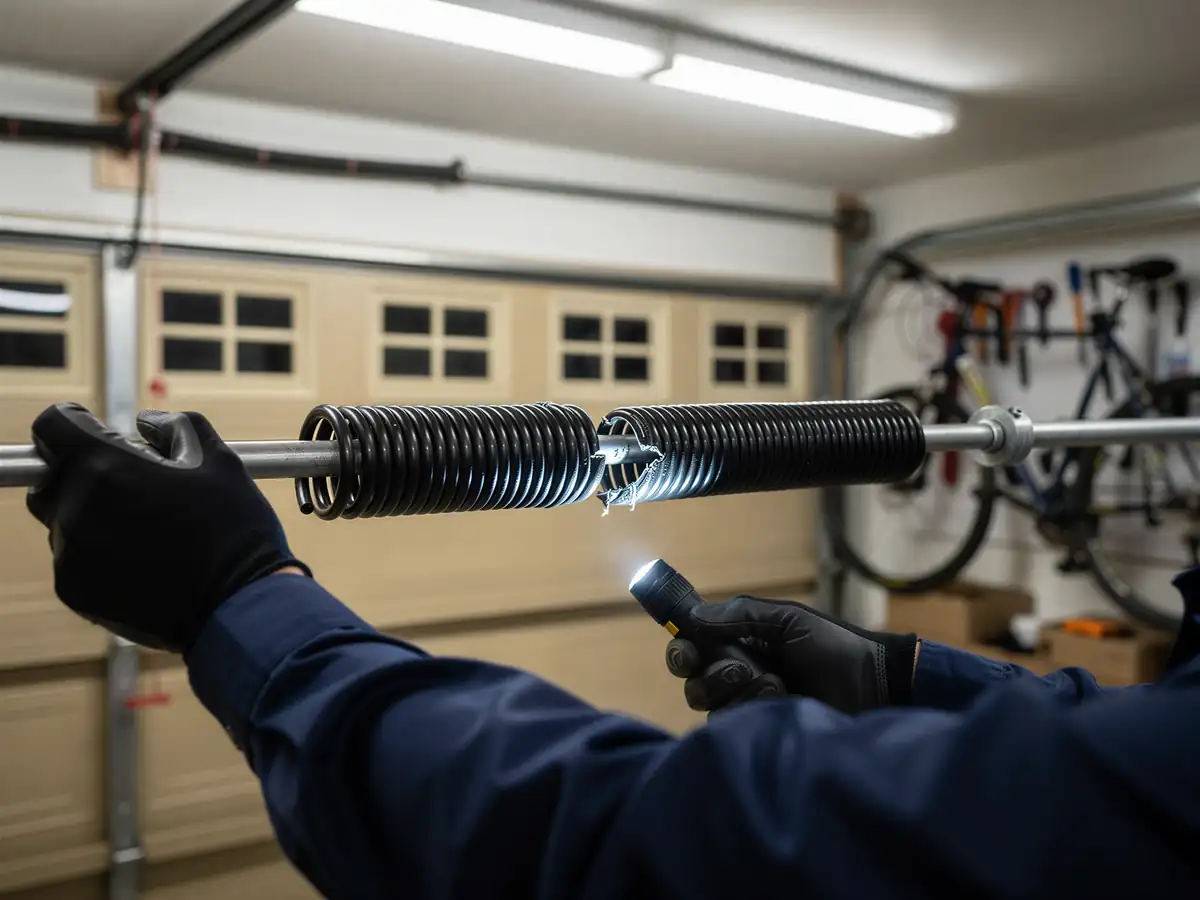
A technician inspects a broken garage door torsion spring with a flashlight.

Emergency Garage Door Repair

Broken spring, stuck panel, or dead opener in Waukesha's cold-climate housing stock? We handle emergency garage door repair across the whole service area, day or night.

Learn more
Questions

Frequently asked

Straight answers about garage door repair in Waukesha. Still unsure? Ask us directly.

My garage door only makes noise in winter - is that normal?

It's common, especially on older torsion systems. Cold stiffens the spring steel and thickens lubricant on rollers and hinges, so hardware that's already worn will often get noisier as temperatures drop. If the noise appeared suddenly rather than building gradually, don't assume it's just the cold - have it looked at.

Is a loud bang from the garage always a broken spring?

Not always, but a sudden bang with the door sitting still, rather than while it's moving, is one of the more common signs of a torsion spring losing its wind. Given how much of this area's housing stock dates to the 1960s and 70s, worn original springs are a frequent cause of that exact sound.

Why does my door sound different now than when the house was built?

Hardware wears unevenly over fifty-plus years. Rollers develop flat spots, tracks shift slightly as a slab settles, and lubricant that worked fine decades ago isn't doing much now. A door built for a 1960s or 70s opening is simply further along that wear curve than a newer one.

Can I just add oil to stop the noise myself?

Sometimes, if it's a dry hinge or roller. It won't fix a flat-spotted roller, a misaligned track, or a fatigued spring - those sounds need a hands-on look. Lubricant can mask a problem for a while, which is part of why a noise that goes away and comes back is worth checking rather than re-oiling repeatedly.

Ready to get your garage door sorted?

Tell us what it’s doing and where you are in Waukesha - we’ll take it from there.

Request a QuoteCall