The Situation
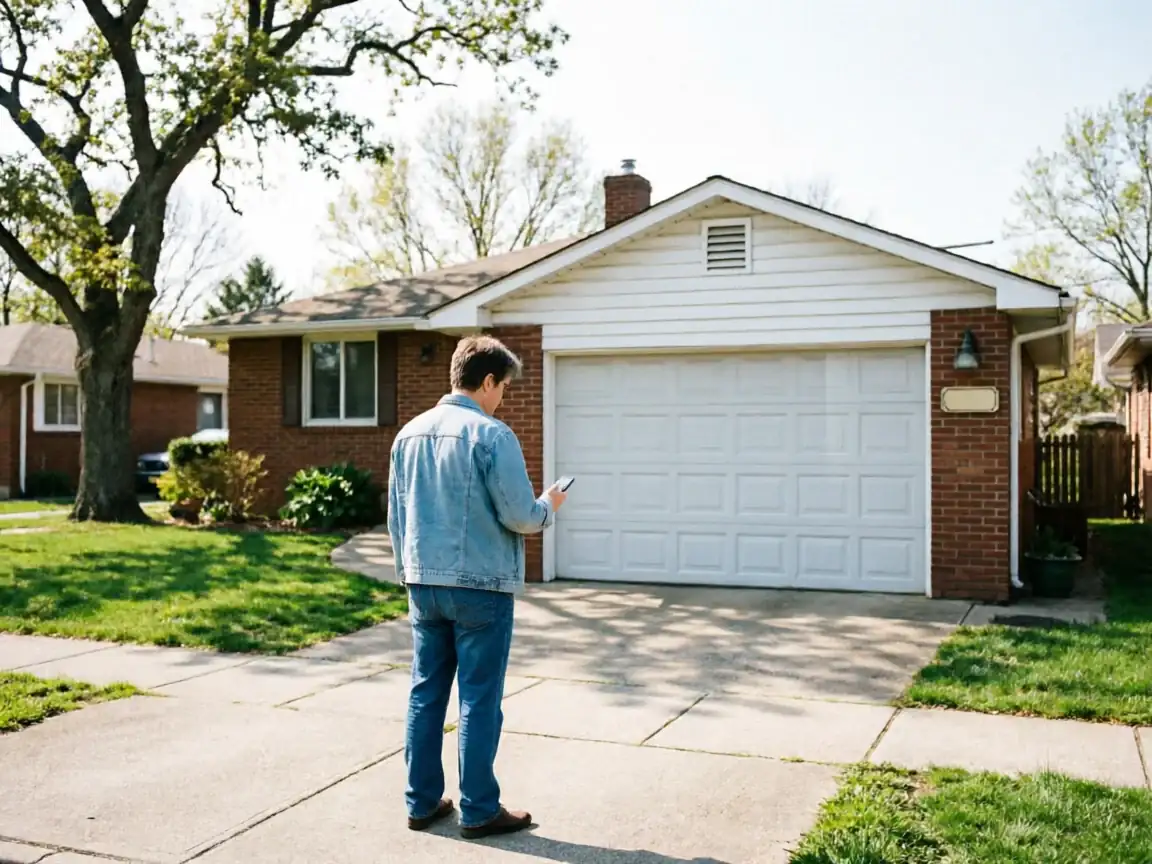
Waukesha's housing stock runs mostly 1938 to 2004, with the median build year sitting at 1979 and the bulk of homes across the area's 54 named neighborhoods dating to the 1960s and 70s. That matters more than people think when the power drops. A lot of those houses still run the opener that came with a remodel decades back, or a replacement unit installed without anyone thinking about backup power. When the electricity cuts, the opener stops dead mid-cycle more often than people expect, and the door is wherever it happened to be when the lights went out - half up, half down, or fully closed with no way to drive out until someone finds the manual release.
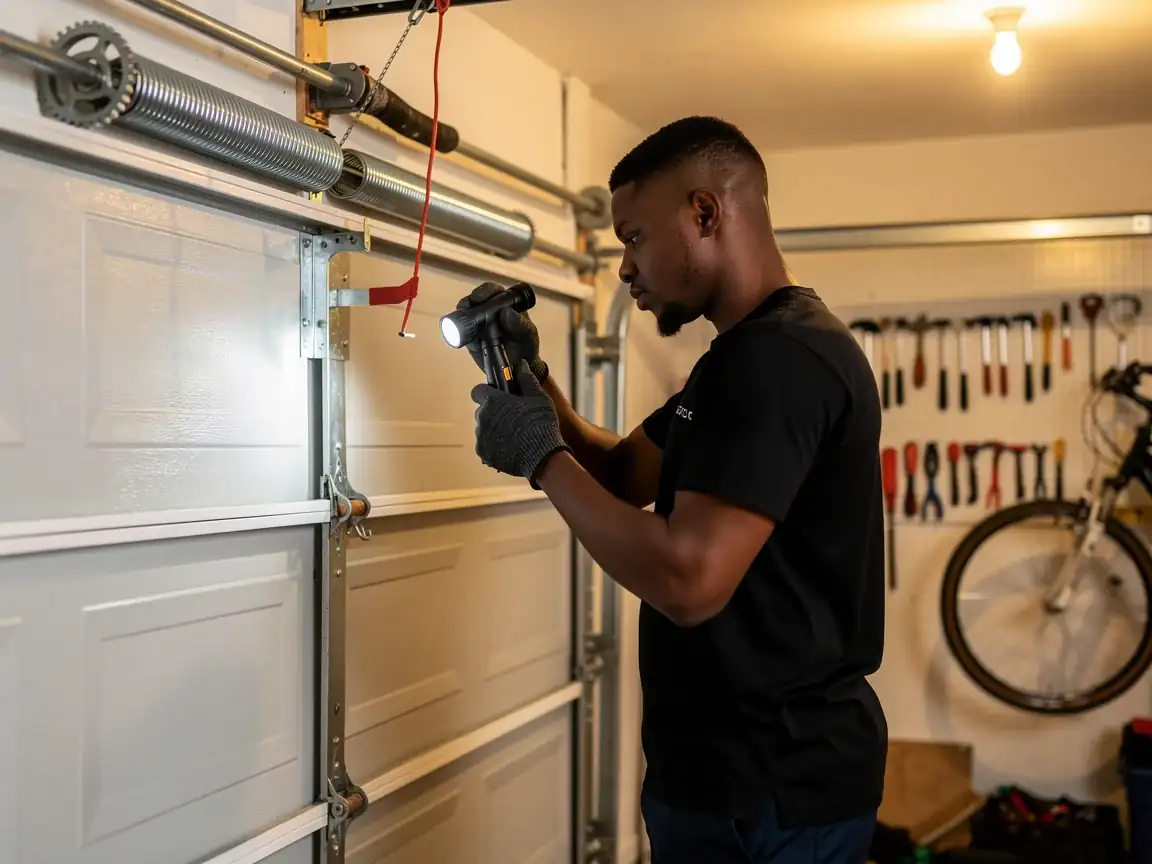
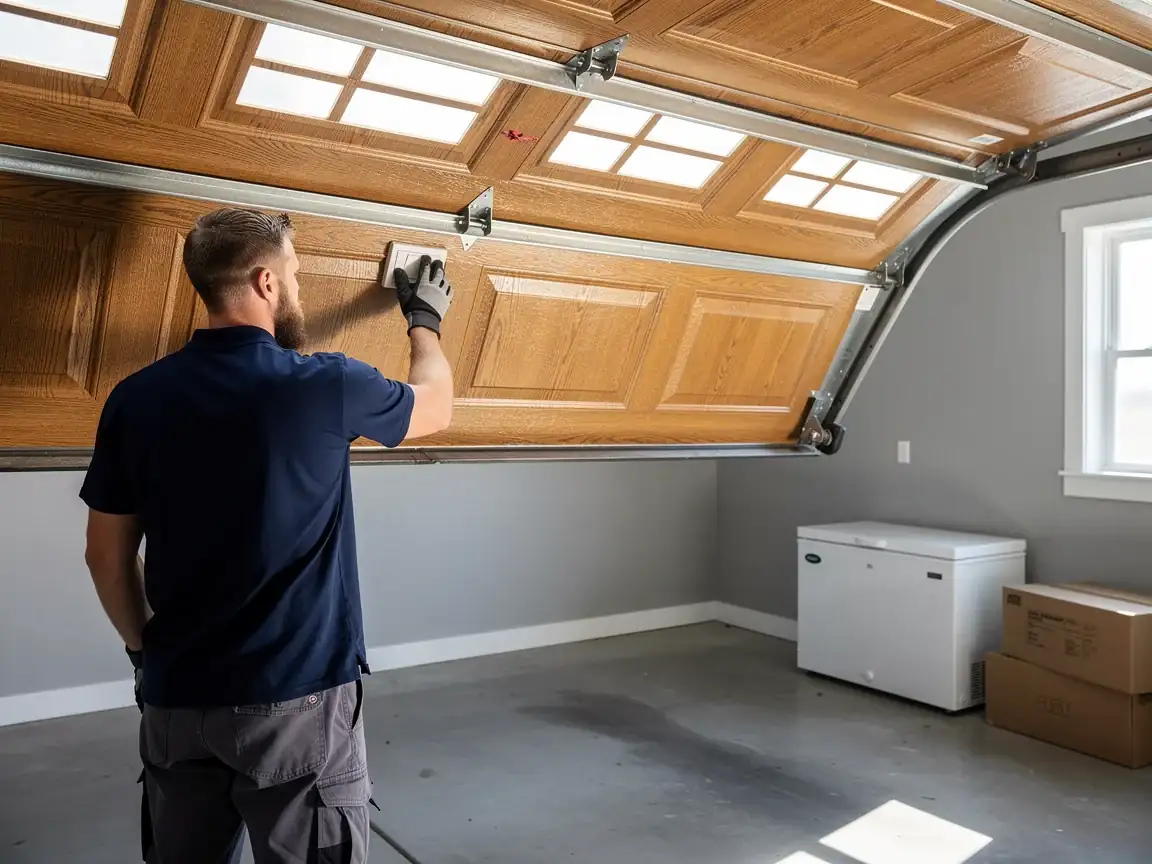
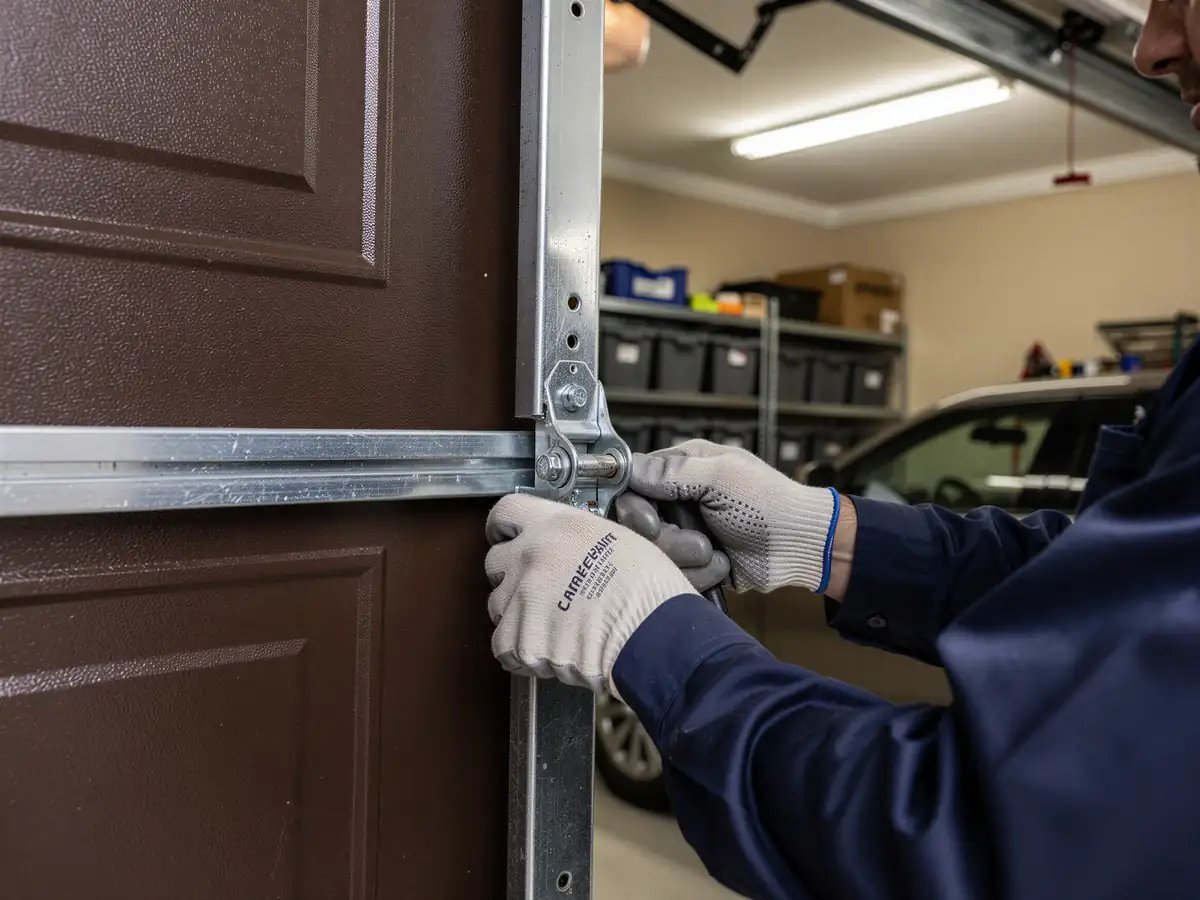
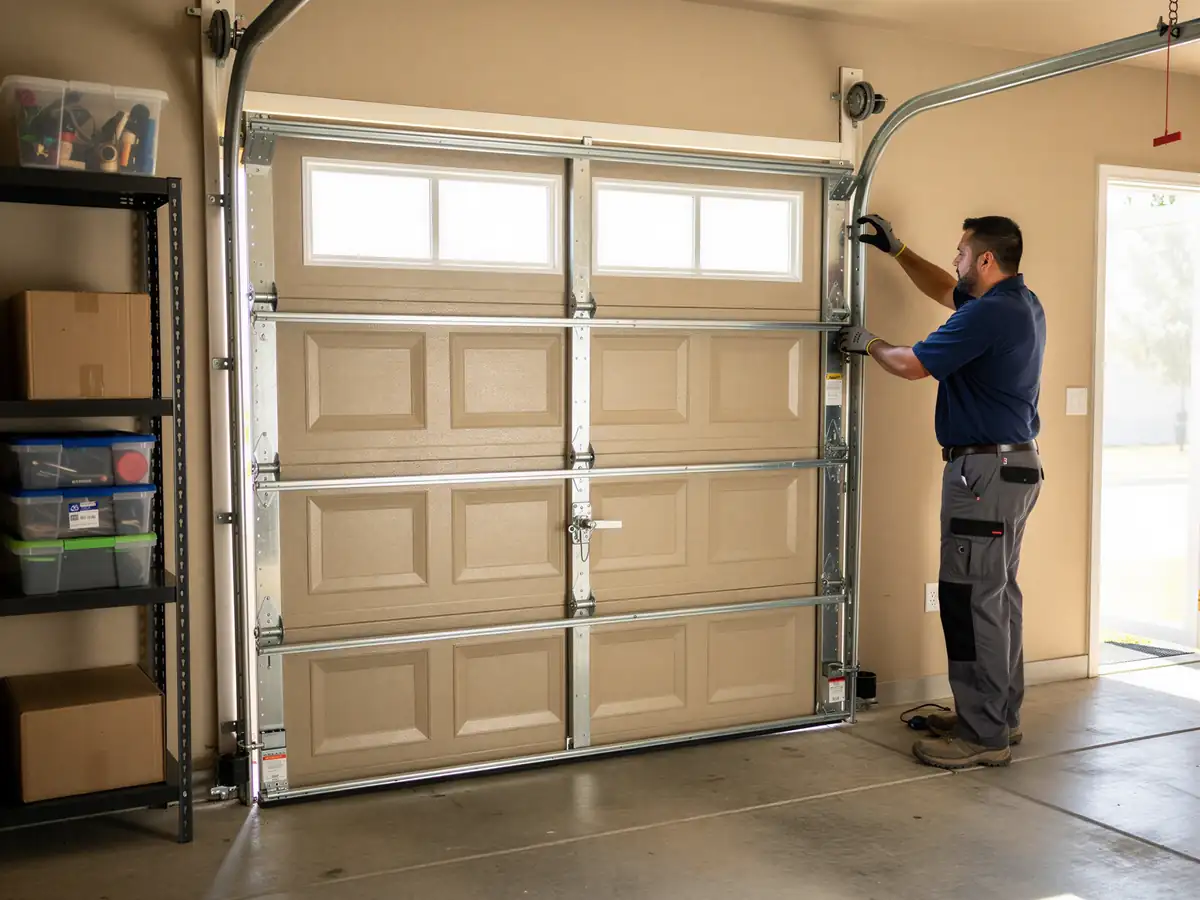
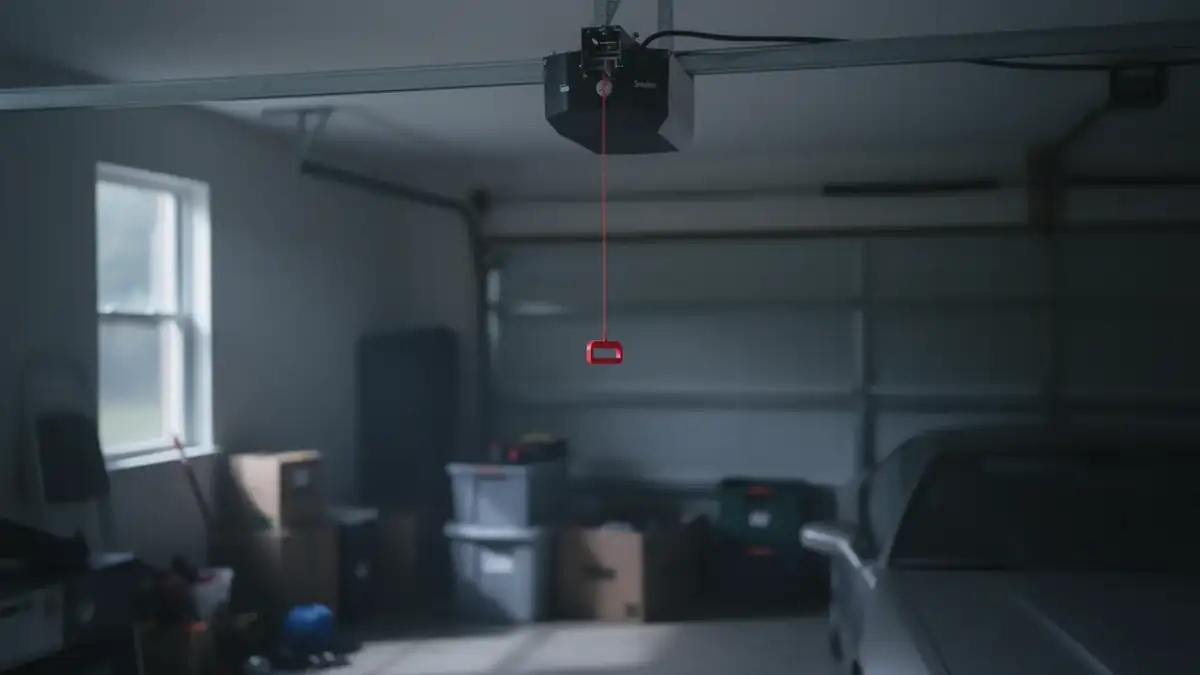
The release cord hanging from the trolley is the part most homeowners have never touched. On a 1970s-era door with a heavier wood or early steel panel, pulling that cord disengages the opener but you're then lifting the door by hand, and on an older spring setup that can be a real fight if the spring is tired. This isn't a problem unique to any one house - it's a mechanical fact of how chain and belt-drive openers are built. The fix starts with knowing where that release handle is before you need it in the dark.
What It Costs
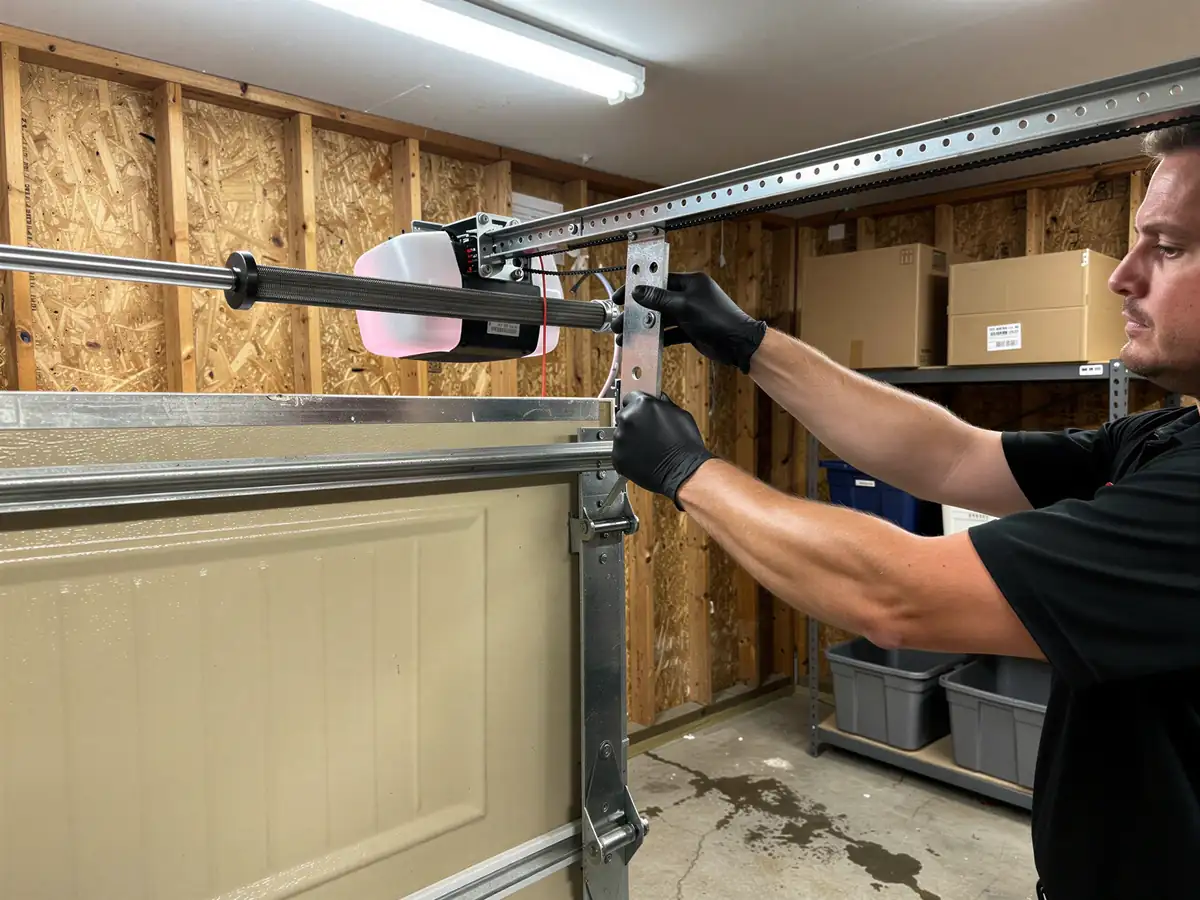
We're not going to put a number here that doesn't hold up - every house is different, and the cost of dealing with a power-cut problem depends on whether you're looking at a battery backup unit for an existing opener, a full opener swap, or just a manual release repair kit. What we will say is this: homes built before the 1990s commonly have openers without any battery backup built in, because that wasn't standard equipment back then. Retrofitting backup power onto an older chain-drive unit is usually a smaller job than replacing the whole opener. Replacing the opener makes more sense once the motor itself is failing or parts for that model stopped being made years ago - a real issue on units installed when a lot of this area's housing went up. Ask for the two options side by side before you decide, and get a straight answer on whether your current opener is even worth saving.
What to Look At First
Start with the release cord
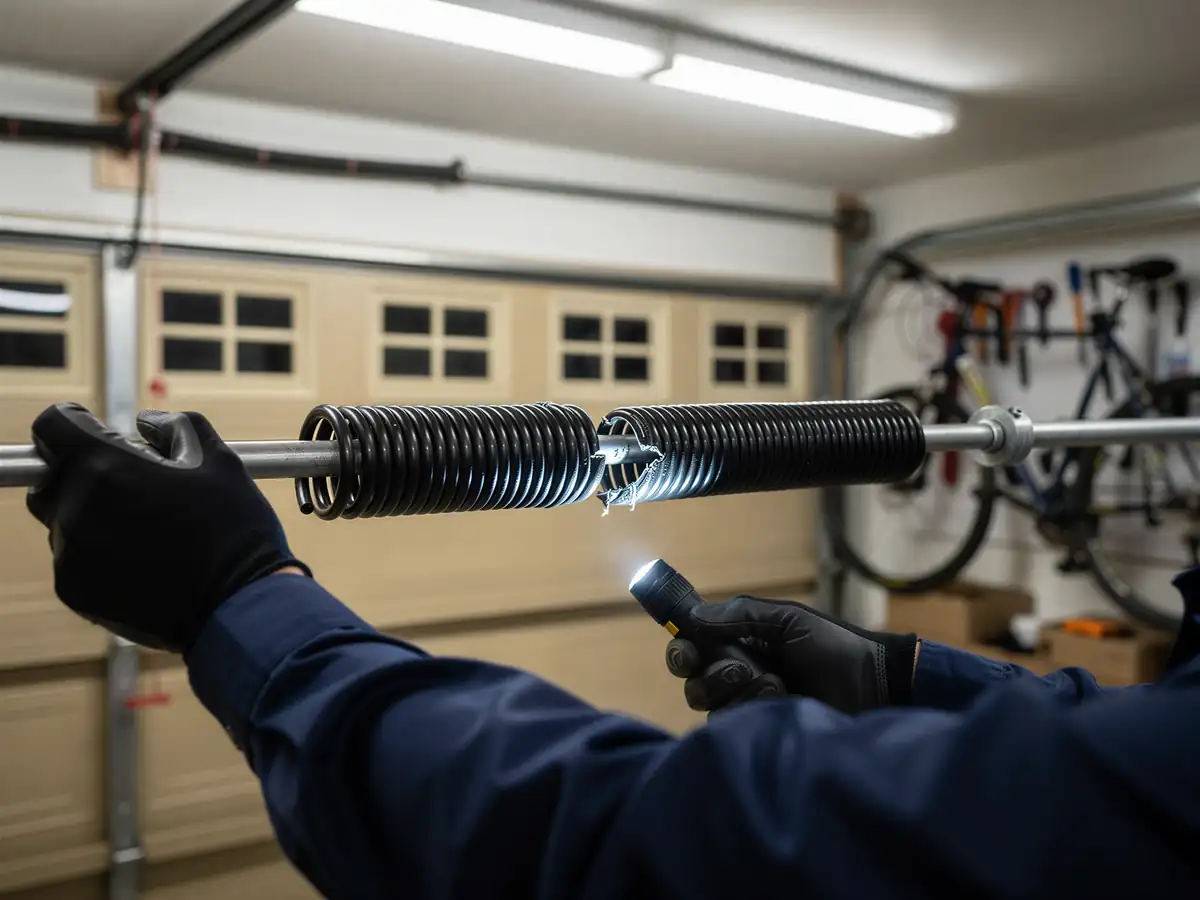
Find it, pull it once with the door closed, and make sure the door can be lifted by hand without a fight. If it's hard to lift, that's a spring problem, not an opener problem, and no backup battery fixes a spring that's lost its tension. Next, check the opener's age and model plate. If it predates battery backup as a factory option (common on units installed in houses from Waukesha's 1960s-70s building wave), you're looking at an add-on battery or a replacement, not a software fix.
Also look at the wall station and sensors
After any power interruption, openers sometimes need the travel limits reprogrammed, and a unit that's already old may not hold that setting well. If your door won't respond at all after power's restored, that's often the opener's logic board, not the motor, and it's worth knowing the difference before paying for a whole new unit.
How Local Conditions Play In
This area sits in a cold, severe winter climate band, and that changes how a power cut plays out. A door stuck open or ajar during a January outage isn't just inconvenient - it's an open path for cold air into an attached garage, and on older homes without great garage insulation, that can mean frozen pipes on the other side of that wall within hours. Cold also stiffens grease in the opener's drive mechanism and can make the manual release and the door itself heavier to lift than it would be in July, right when you need it to work without a fight.
With 106,001 owner-occupied houses across this service area and a median household income of $108,690, a lot of homeowners here can afford to do this right rather than patch it - a battery backup on the opener, paired with a release mechanism that's actually been tested, is cheap insurance against a cold-weather outage. It's worth doing before the next one hits, not during it.