How That Shows Up in the Door
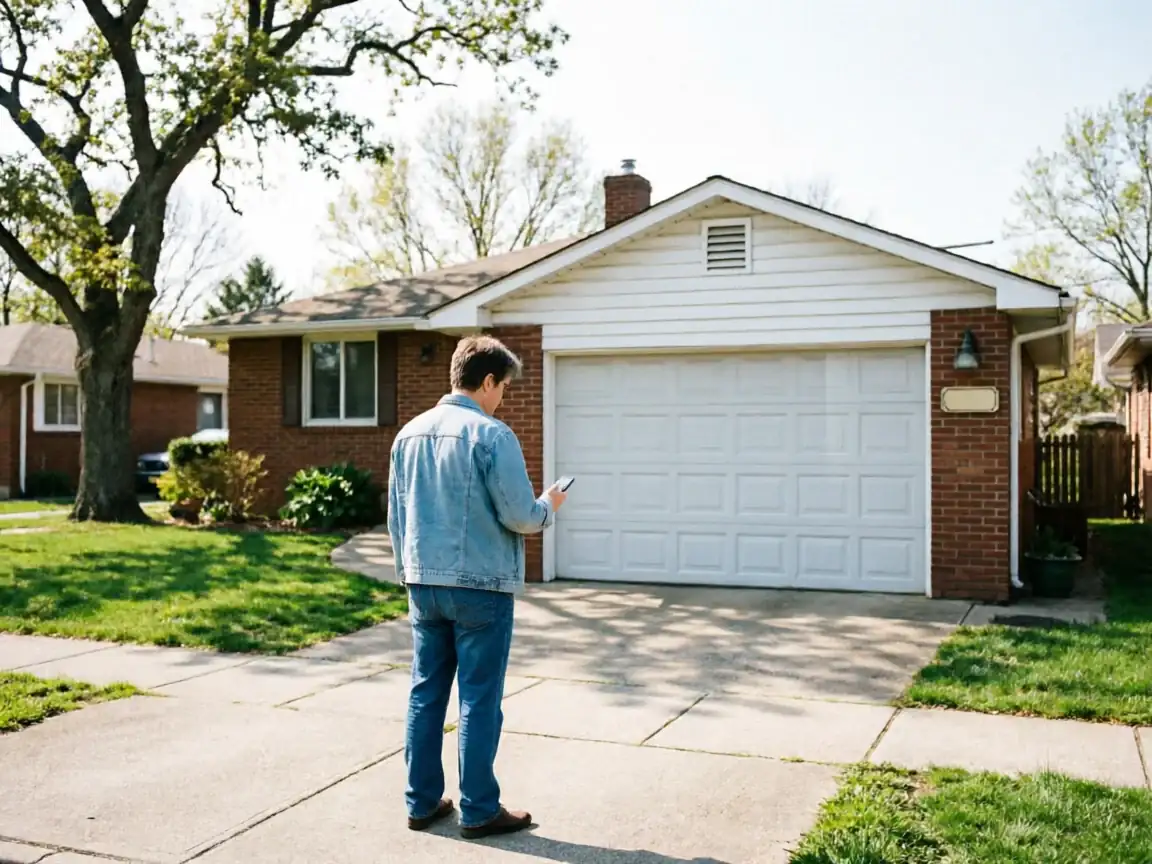
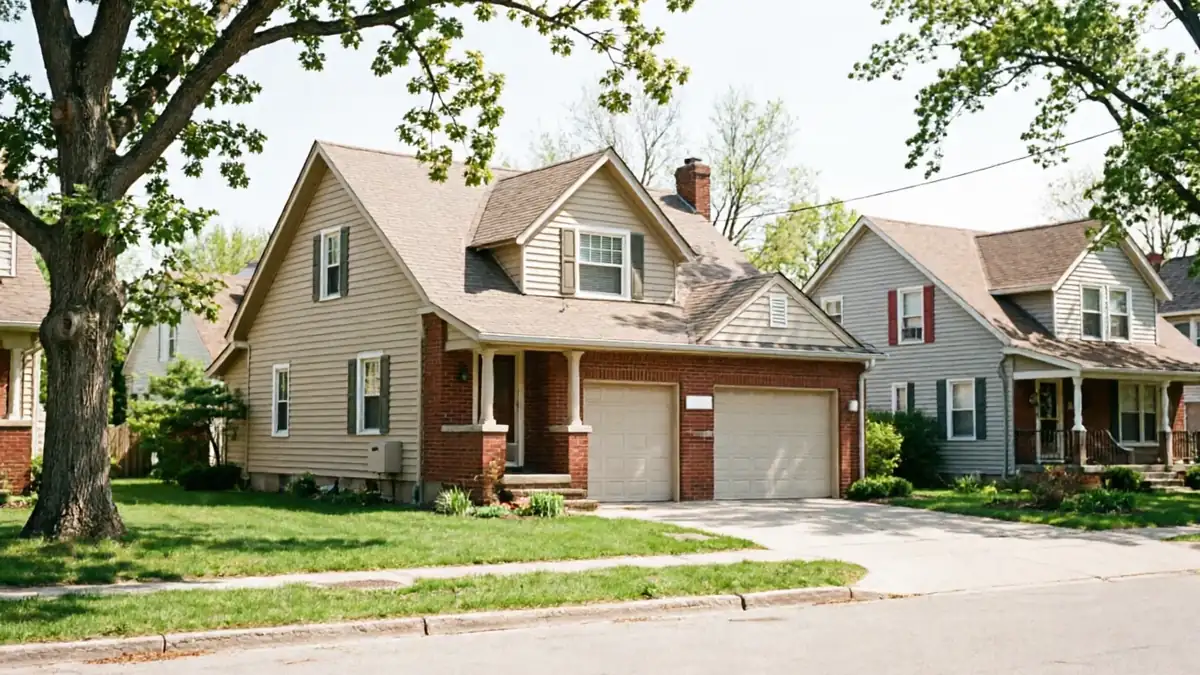
Pewaukee's housing stock is newer than most of what we see on a typical day. The median home here went up around 1993, well past the 1979 median that describes the wider service area we cover out of Waukesha. That gap matters more than it sounds like it should.
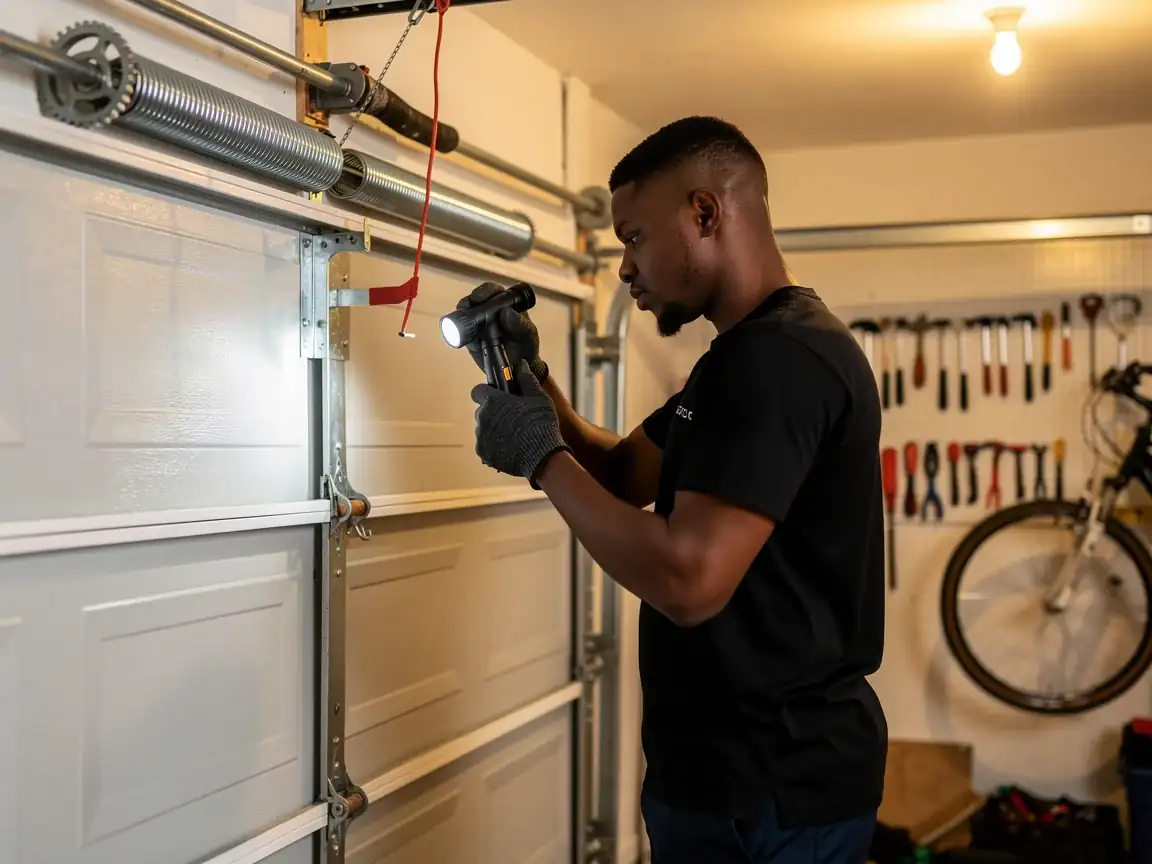
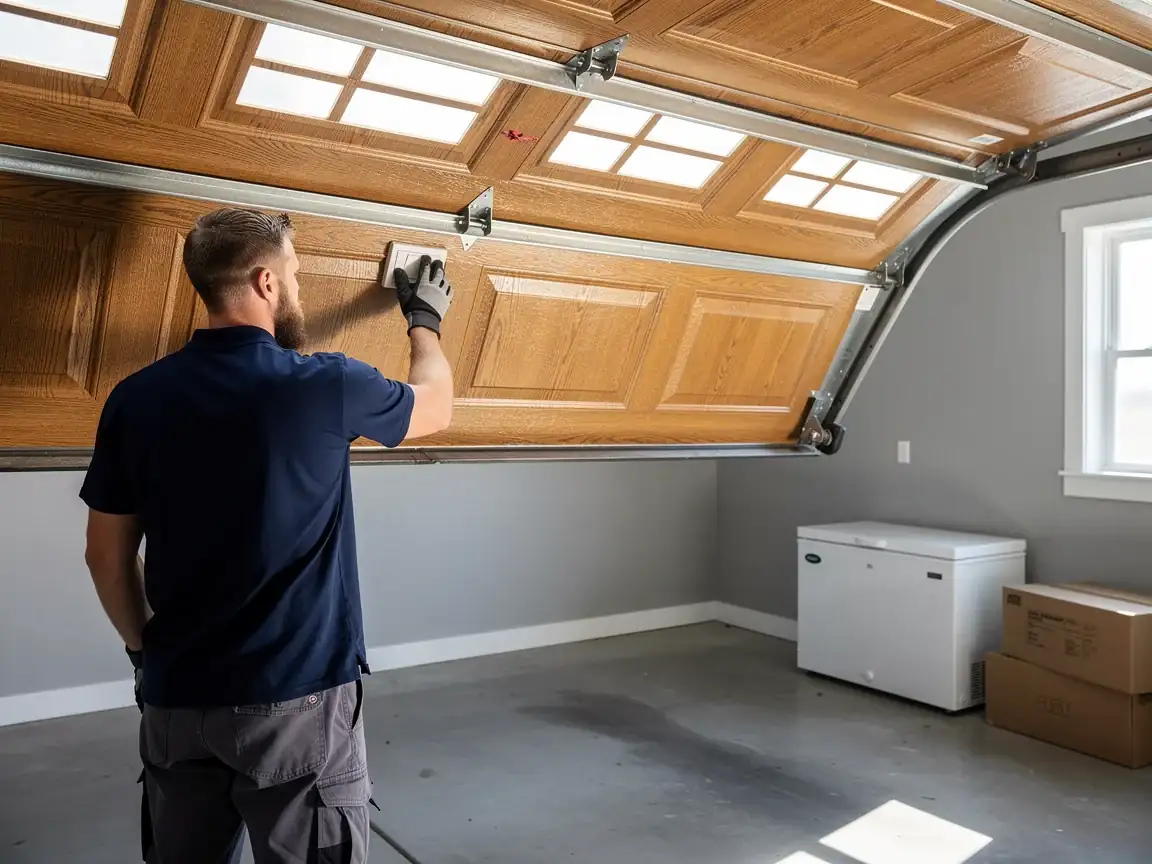
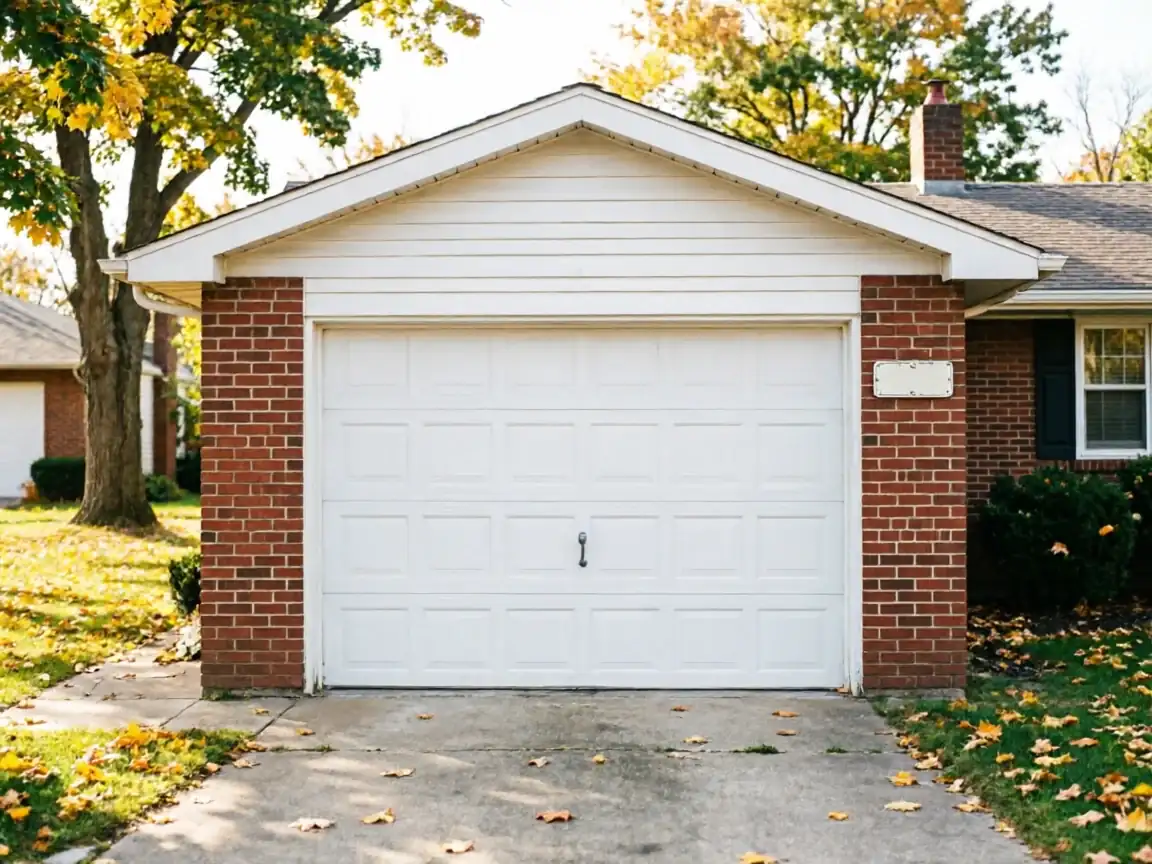
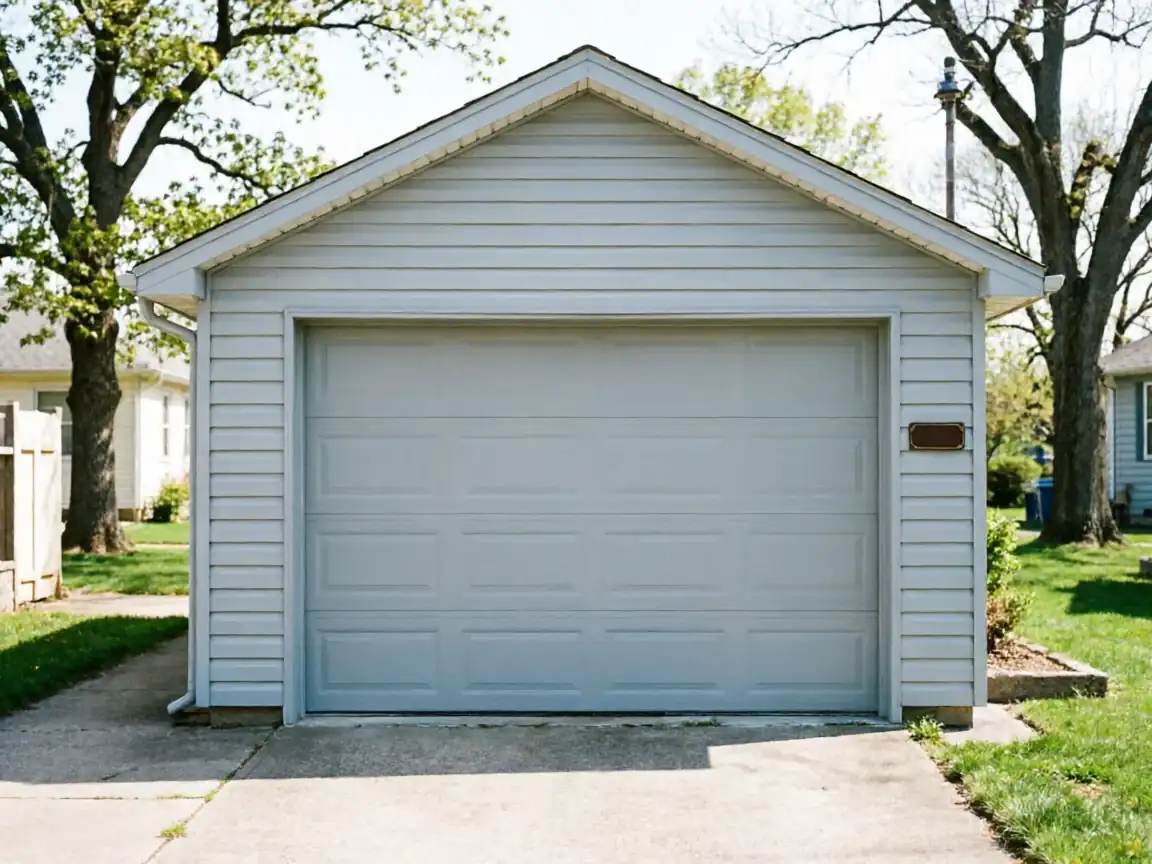
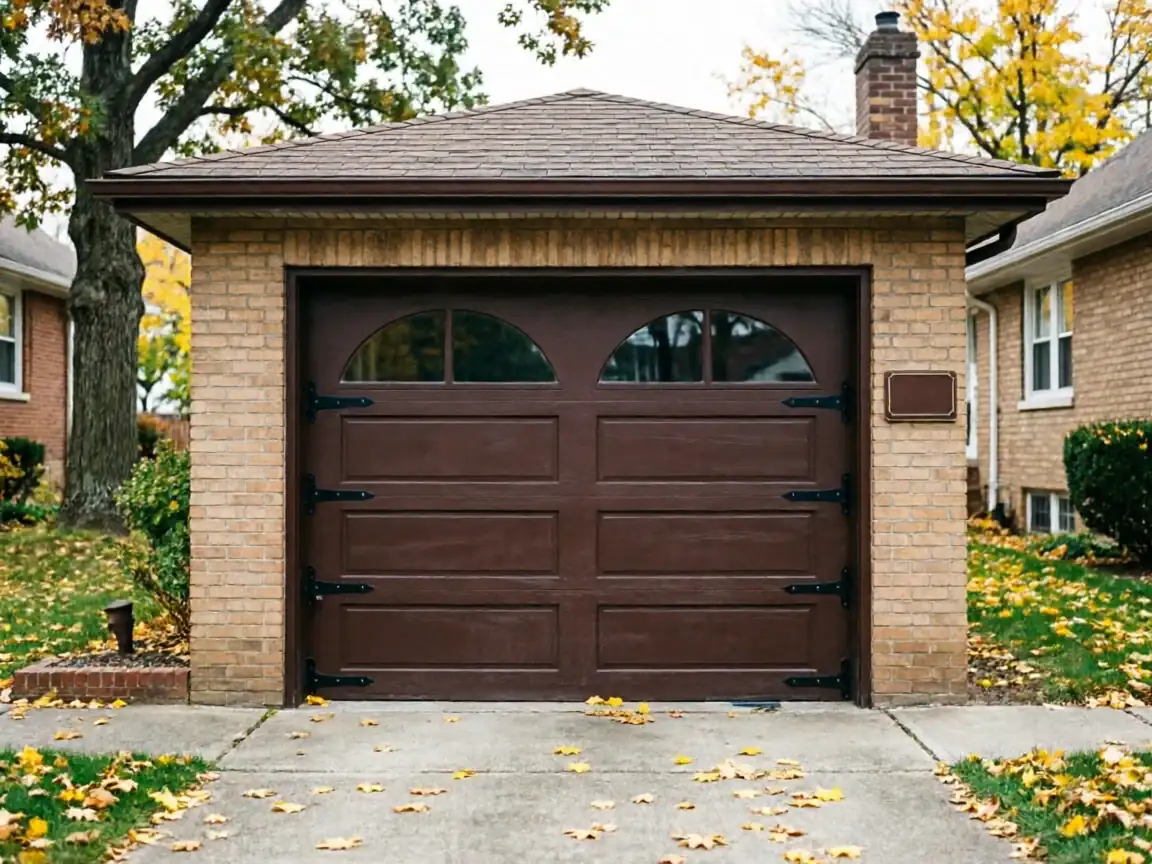
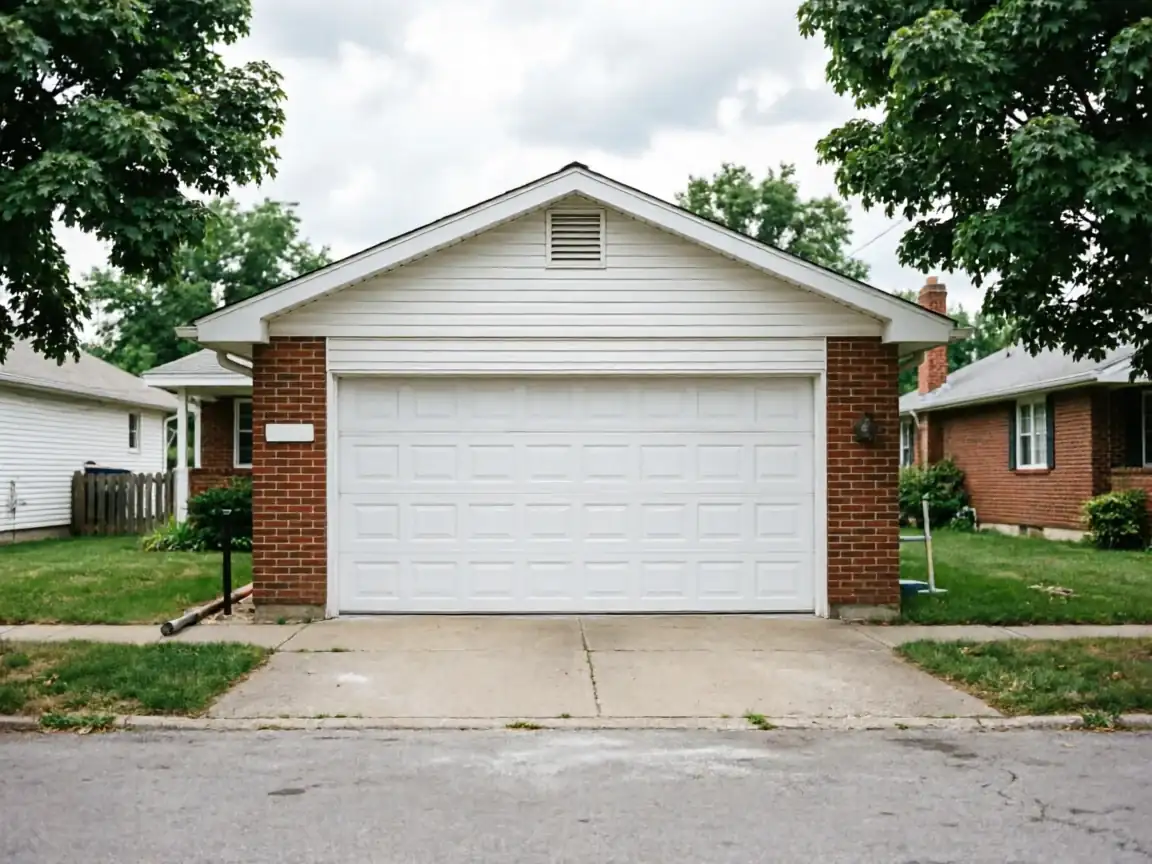
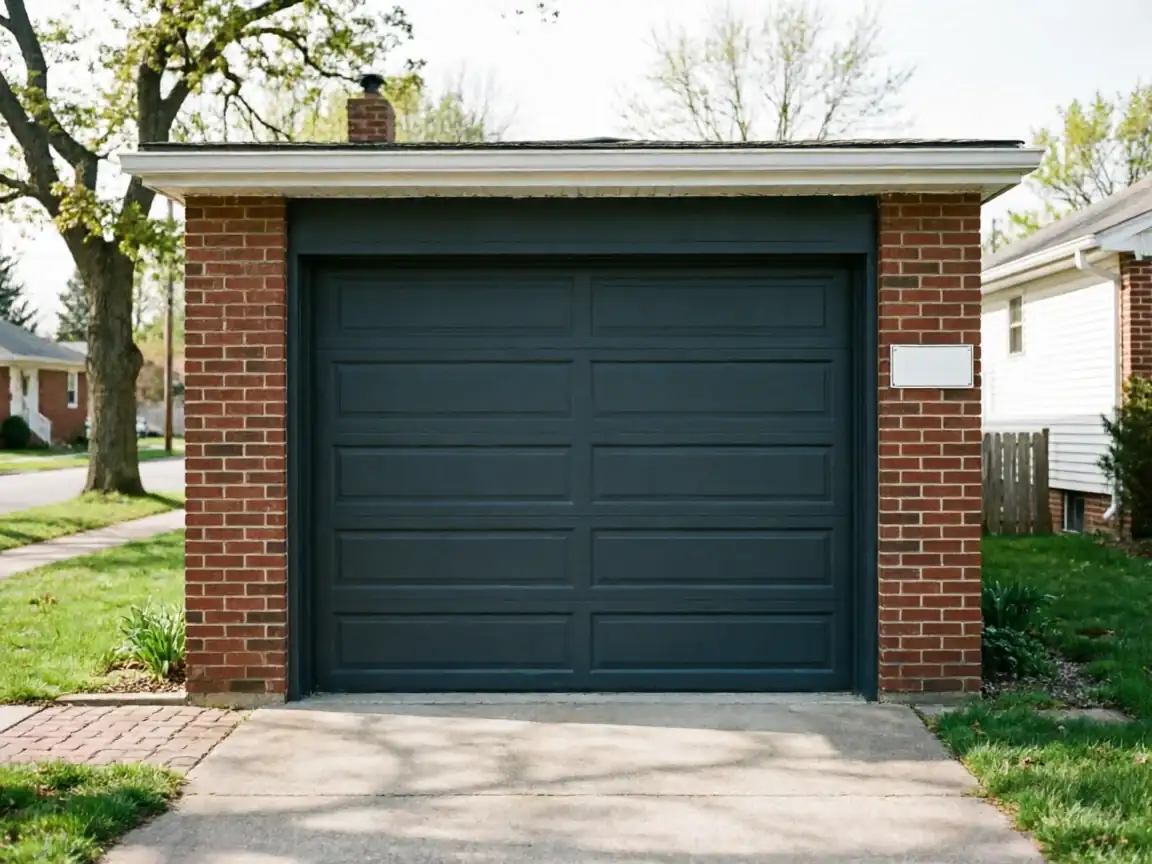
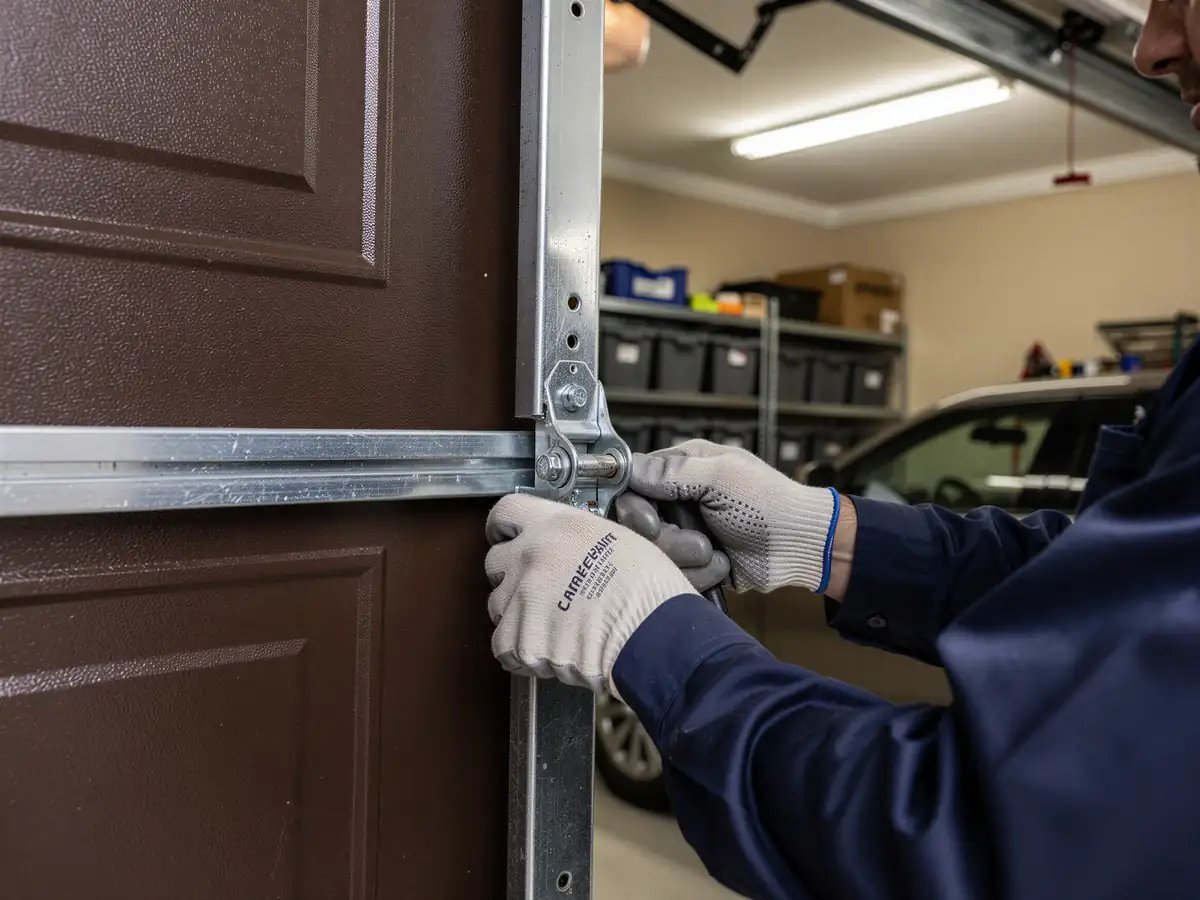
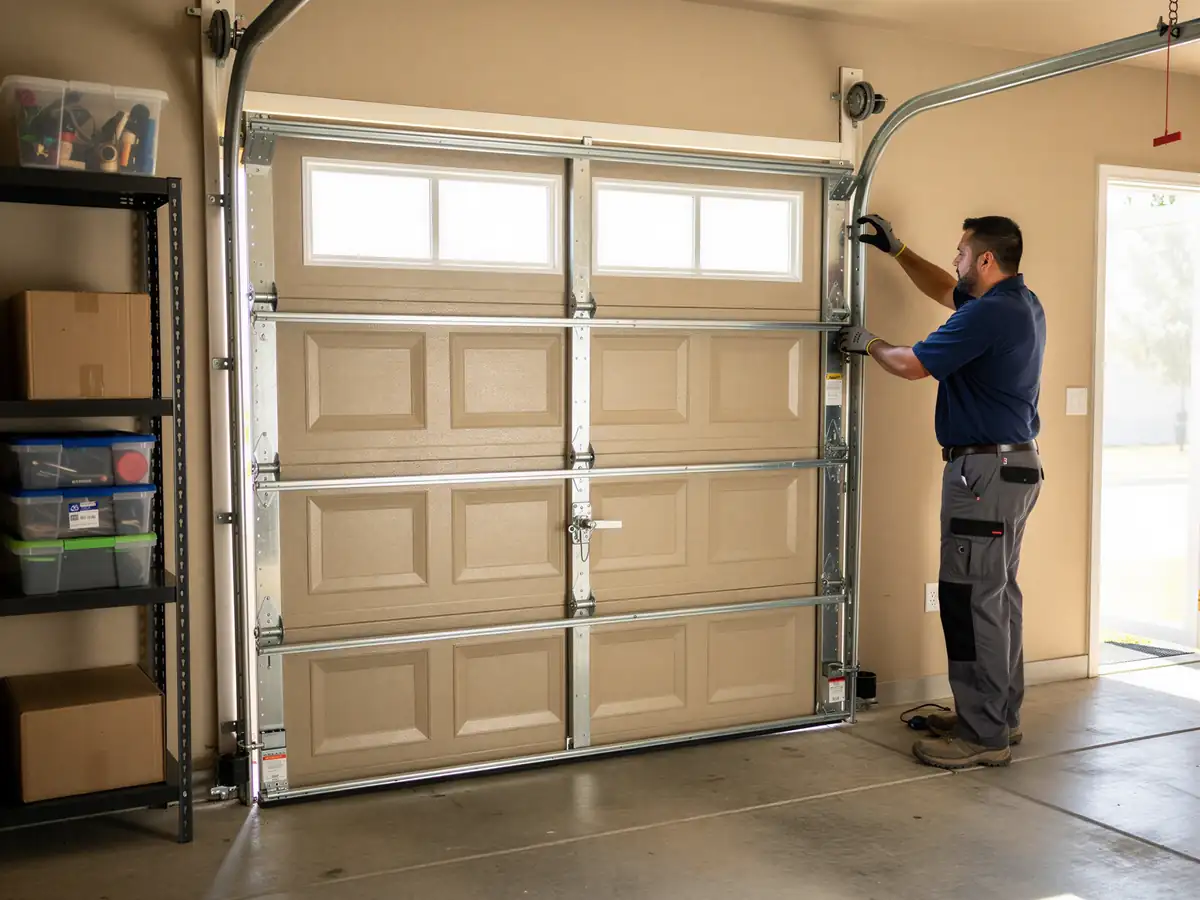
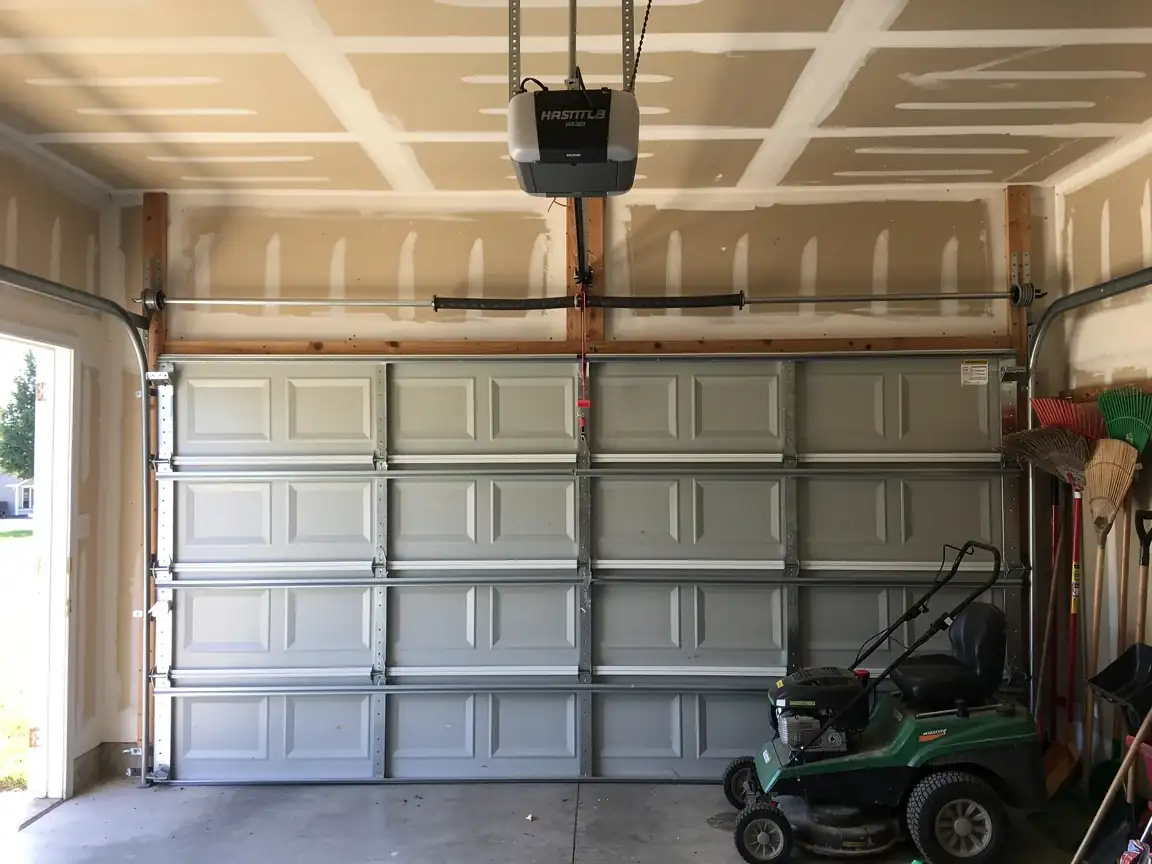
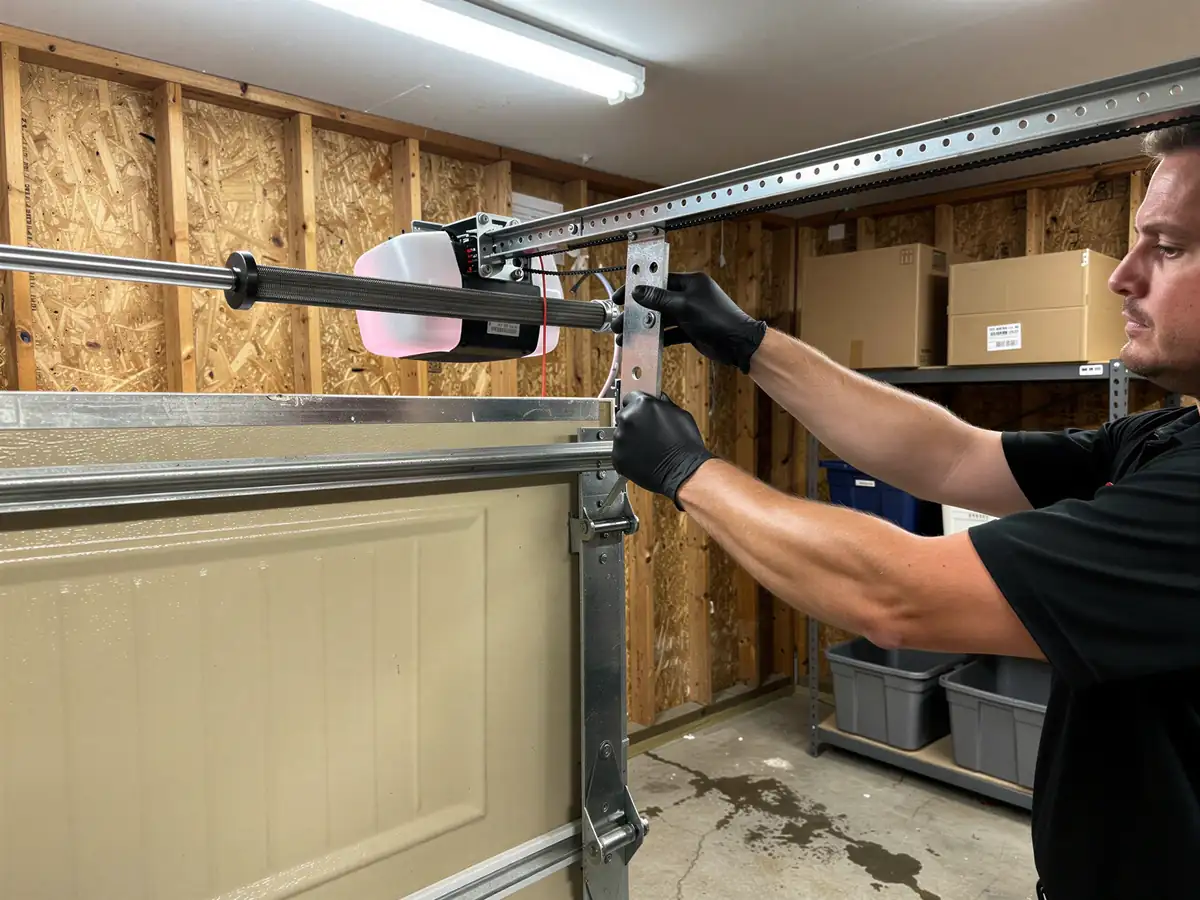
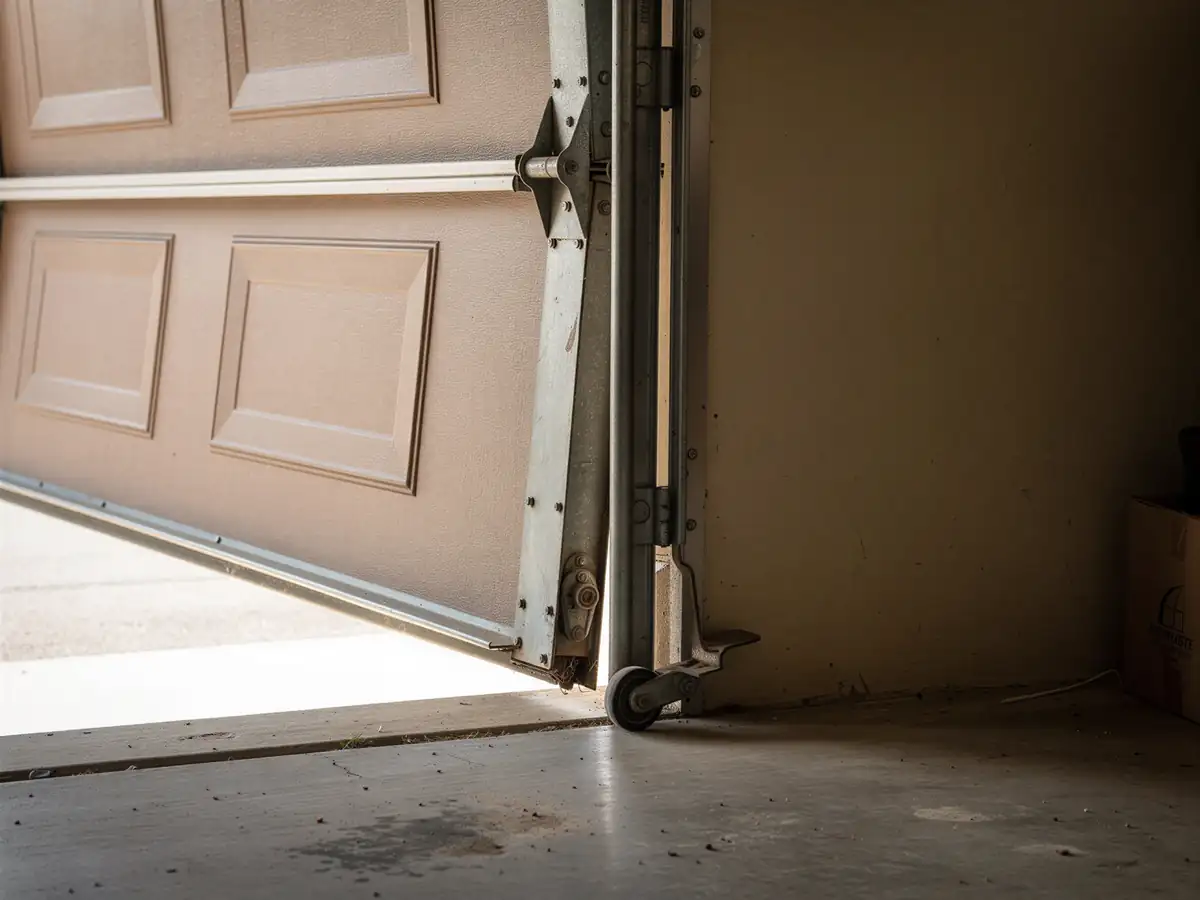
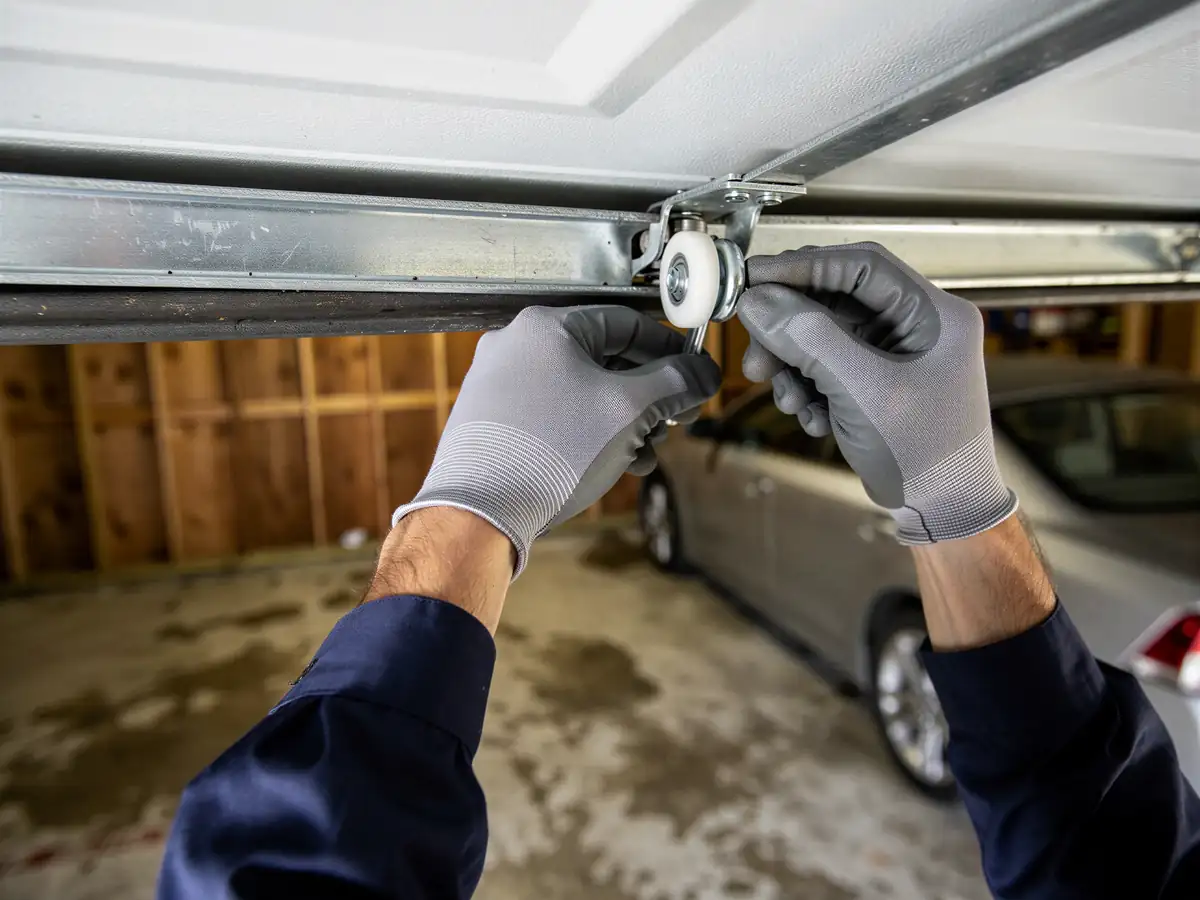
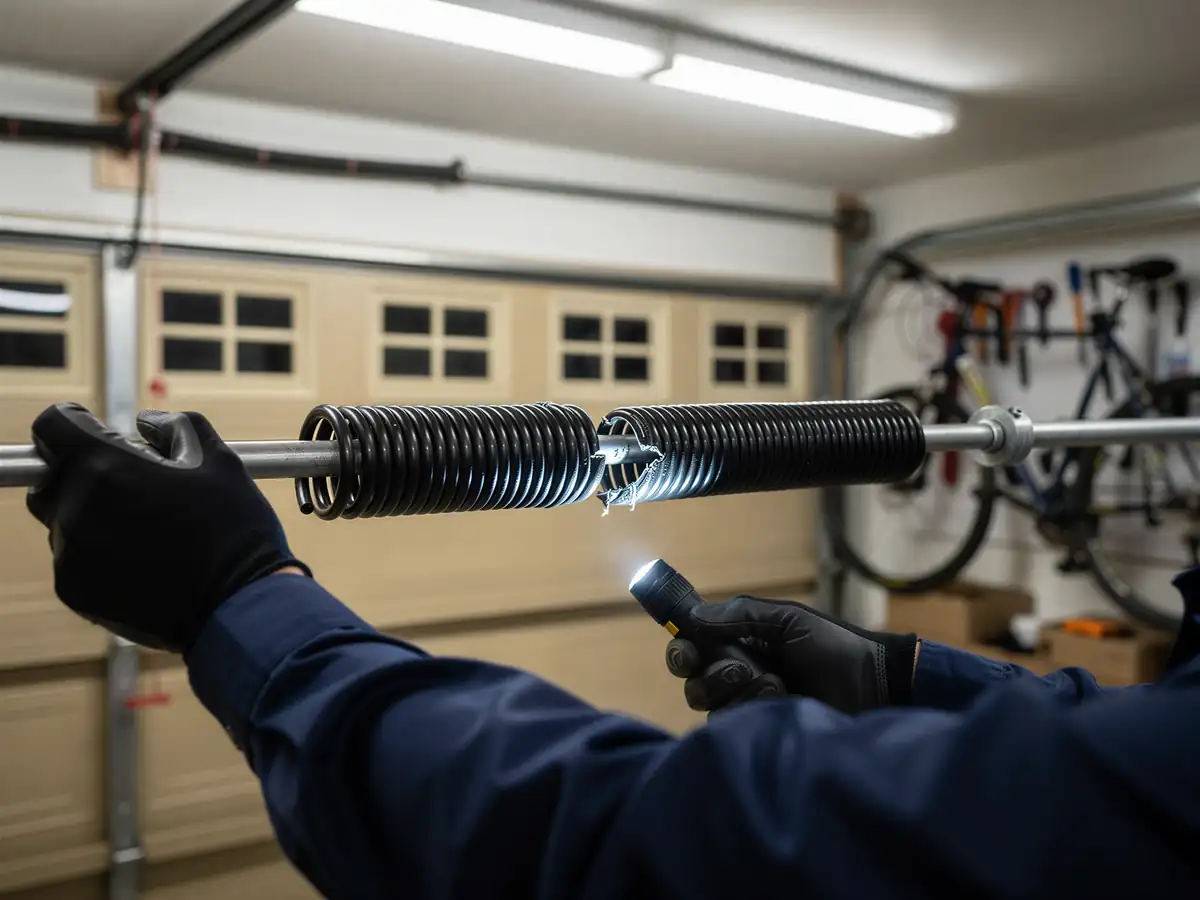
A house built in 1993 almost always came with a factory steel sectional door on a torsion spring mounted above the opening, not the side-mounted extension springs you'd find on a house from the 1960s. The failure points are different too. Instead of a tired extension spring stretching out over decades, we're more often chasing worn nylon rollers, a cracked bottom bracket, or an opener logic board that's finally quit after twenty-plus years of garage-door-opener duty. Torsion springs on these newer doors do fail, but usually from cycle count and cold, not age-related sag.
The practical upshot: if your door is sticking or the opener is grinding, don't assume it's the same fix your neighbor's older house needed. The hardware generation is different, and so is the part we're likely replacing.
The Split Between Old and New
Across the whole service area, homes run from 1938 up through 2004, with that 1979 median point we mentioned. Most of the stock in the 54 communities we work is still 1960s and 70s construction. Pewaukee sits on the newer side of that split, closer to the 1993 mark, which puts a lot of its garage doors into a different hardware era than what's common a few towns over.
What doesn't change with build year is the climate. This is a cold-severe band, and a 1993 torsion spring stiffens up on a January morning the same way a 1965 extension spring does. Cold doesn't care what decade your house was framed. We still get calls here about a door that won't lift until the sun's been up for an hour, same as anywhere else in the area.
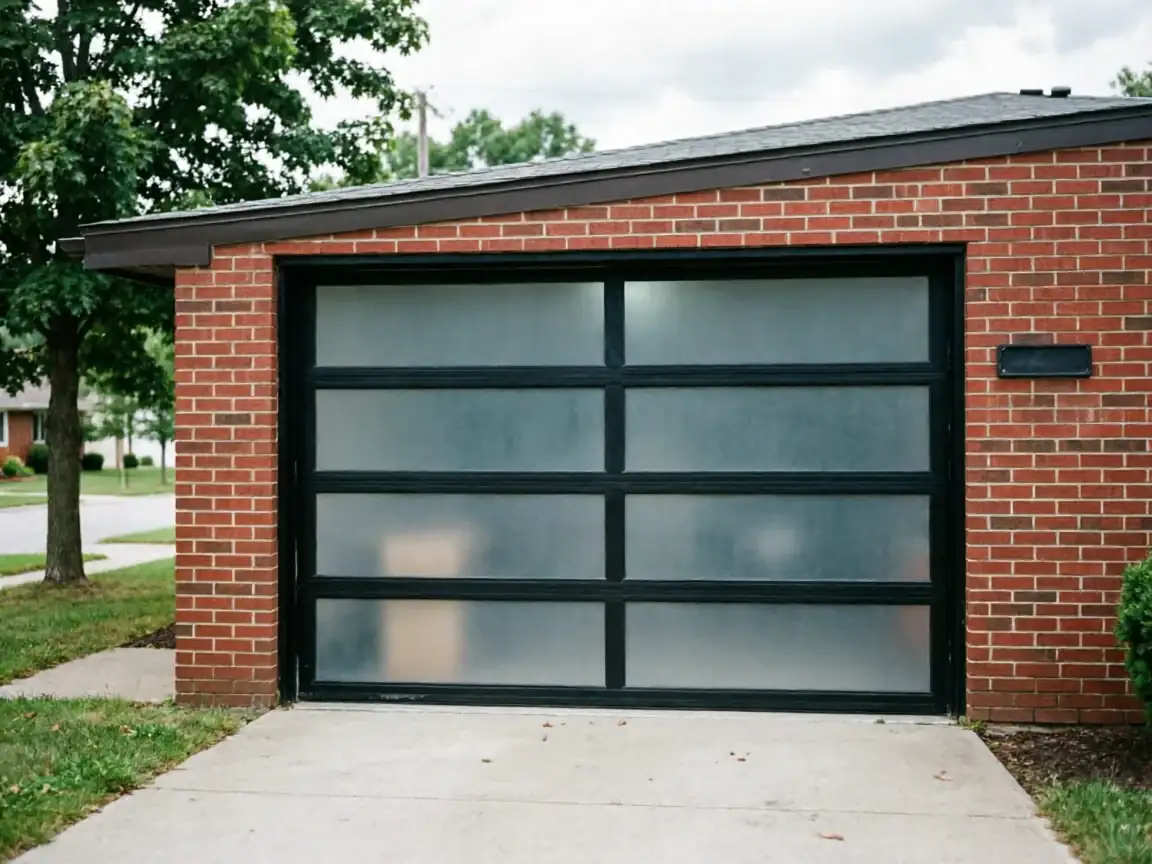
Where build year does matter is parts. Newer doors mean more standardized panel sizes and openers that are still in production, which usually means a faster parts order than hunting down something for a door that predates most of the current manufacturers' catalogs.
This Area's Housing
Pewaukee has about 6,708 households, a small slice of the roughly 205,003 households and 106,001 owner-occupied houses spread across the whole area we serve from Waukesha
Median household income here runs around $112,093, a bit above the $108,690 median for the service area as a whole.
- 106,001 owner-occupied
That income level tends to track with what we see on service calls
More belt-drive and screw-drive openers with battery backup, more insulated steel doors instead of bare single-layer panels, and homeowners who are more likely to replace a dying opener outright rather than patch it one more time. None of that is a guarantee on any single house, just a pattern that shows up often enough to notice.
We're 4 miles out from our Waukesha base to reach Pewaukee
Which is close enough that it doesn't change how we price a job, just how soon we can get there after a call comes in.
- 4 miles
What We Do Not Do
We don't keep a depot or stage a truck in Pewaukee. We run out of Waukesha, 4 miles away, and that's the honest shape of our coverage here - we're not claiming a storefront or a standing presence in town.
We also don't try to force a repair past the point it makes sense. If a torsion spring has gone and the opener is also on its last legs, patching the spring alone just sets up a second call in a few months. We'll tell you when replacement is the better math, even if that's a bigger number up front than a single repair.
And we don't stock every panel style on the truck. Custom or discontinued door profiles sometimes mean a parts order with a wait attached, and we'd rather tell you that up front than promise a same-day fix we can't back up.