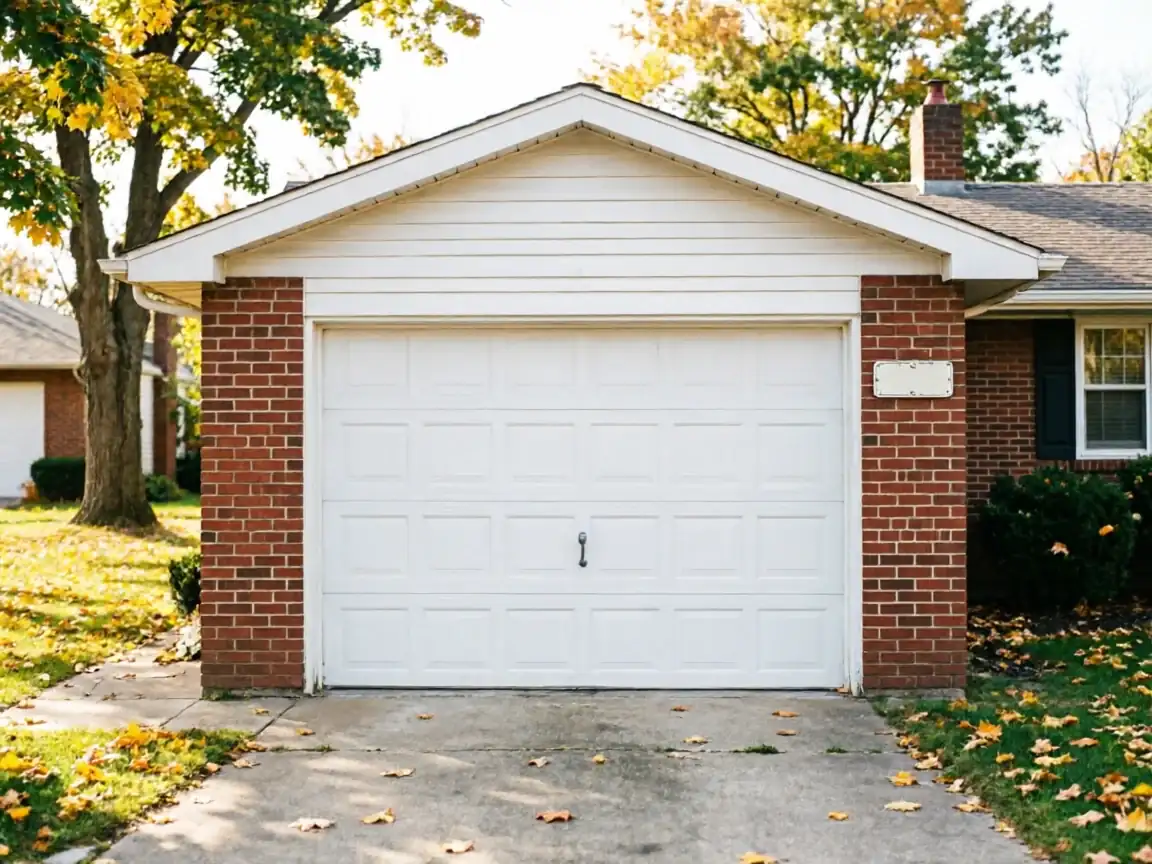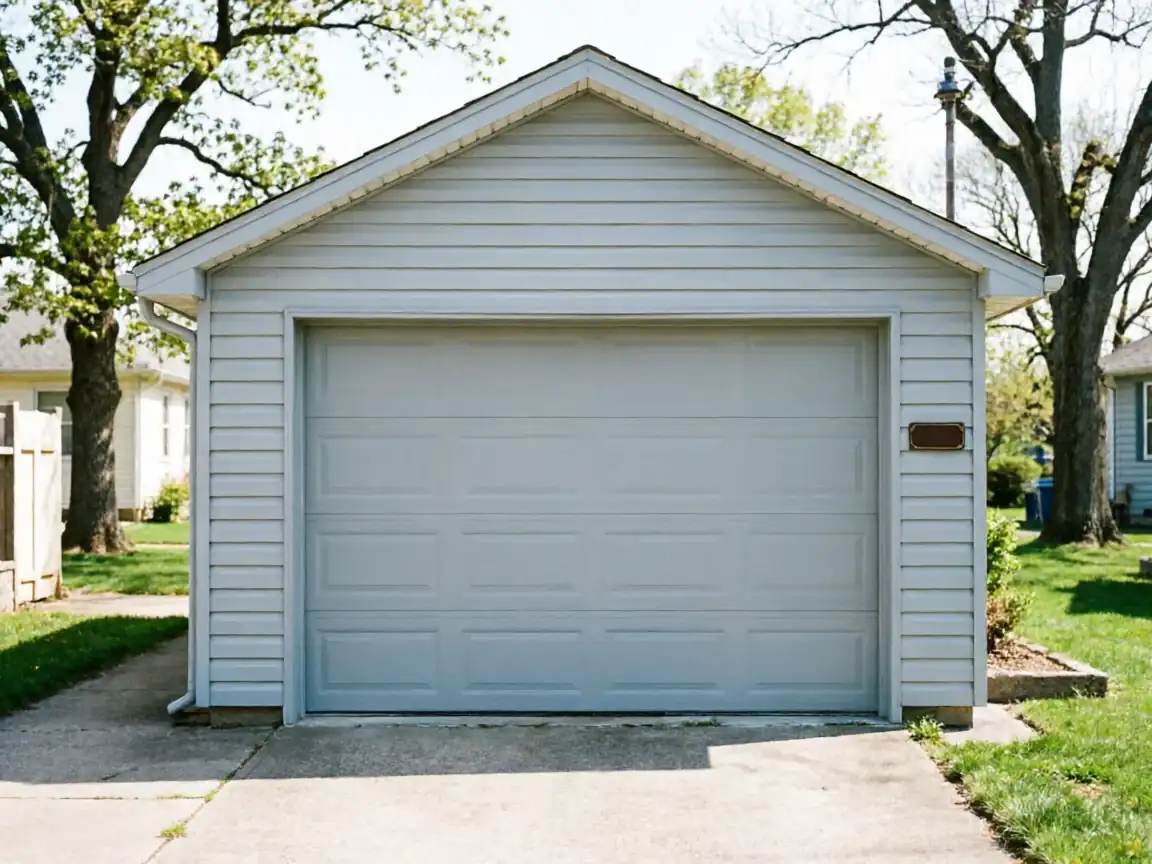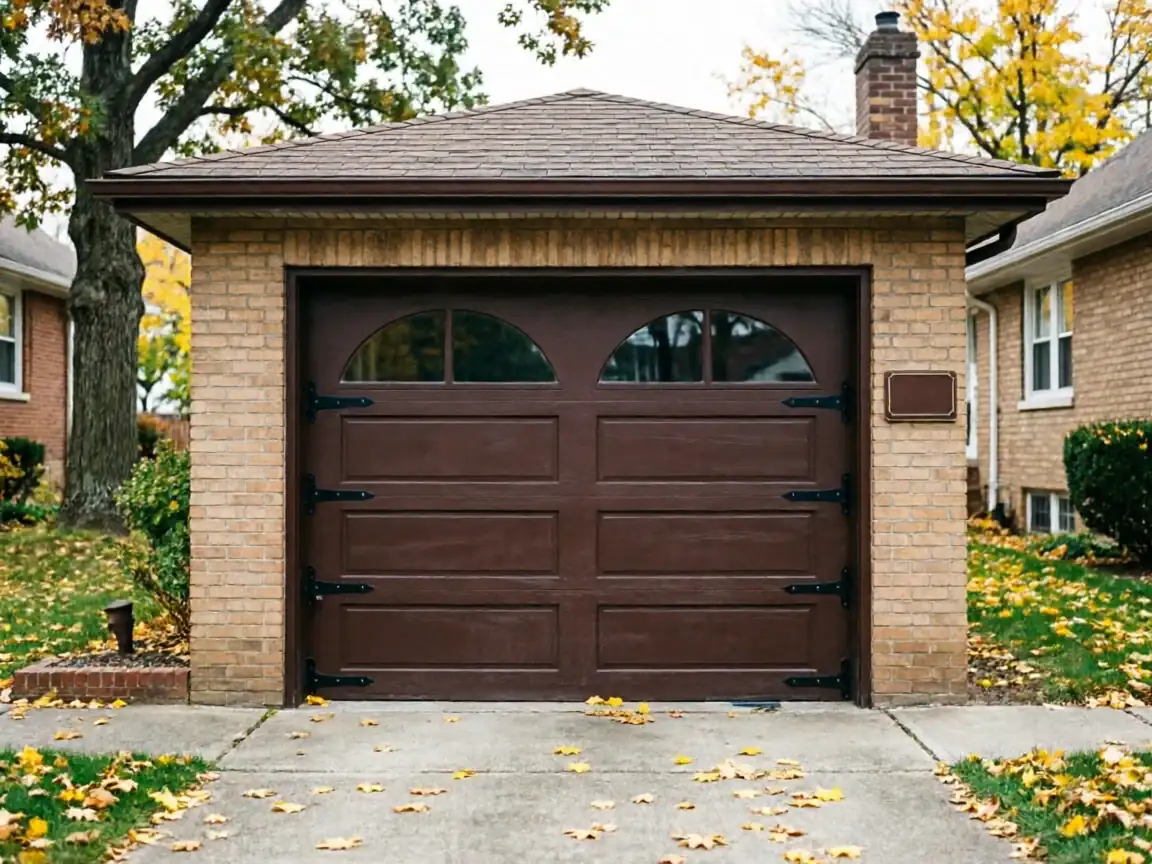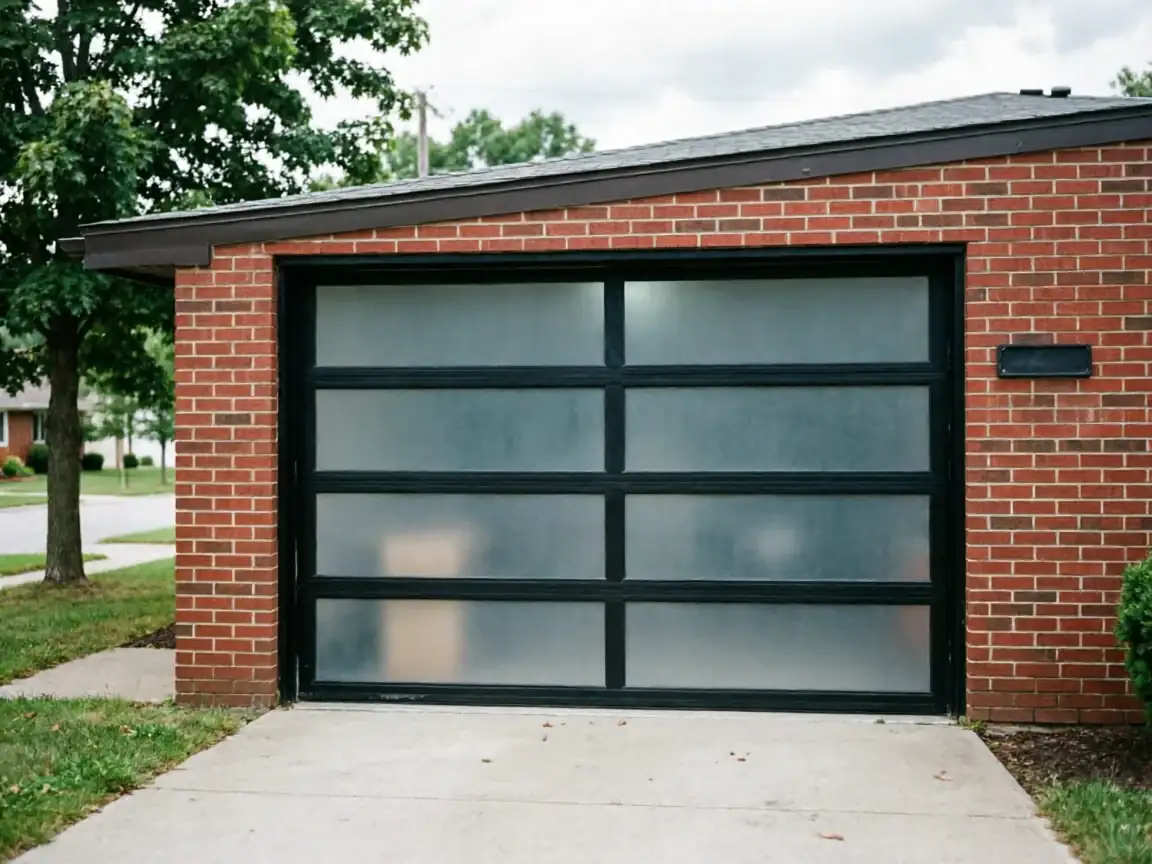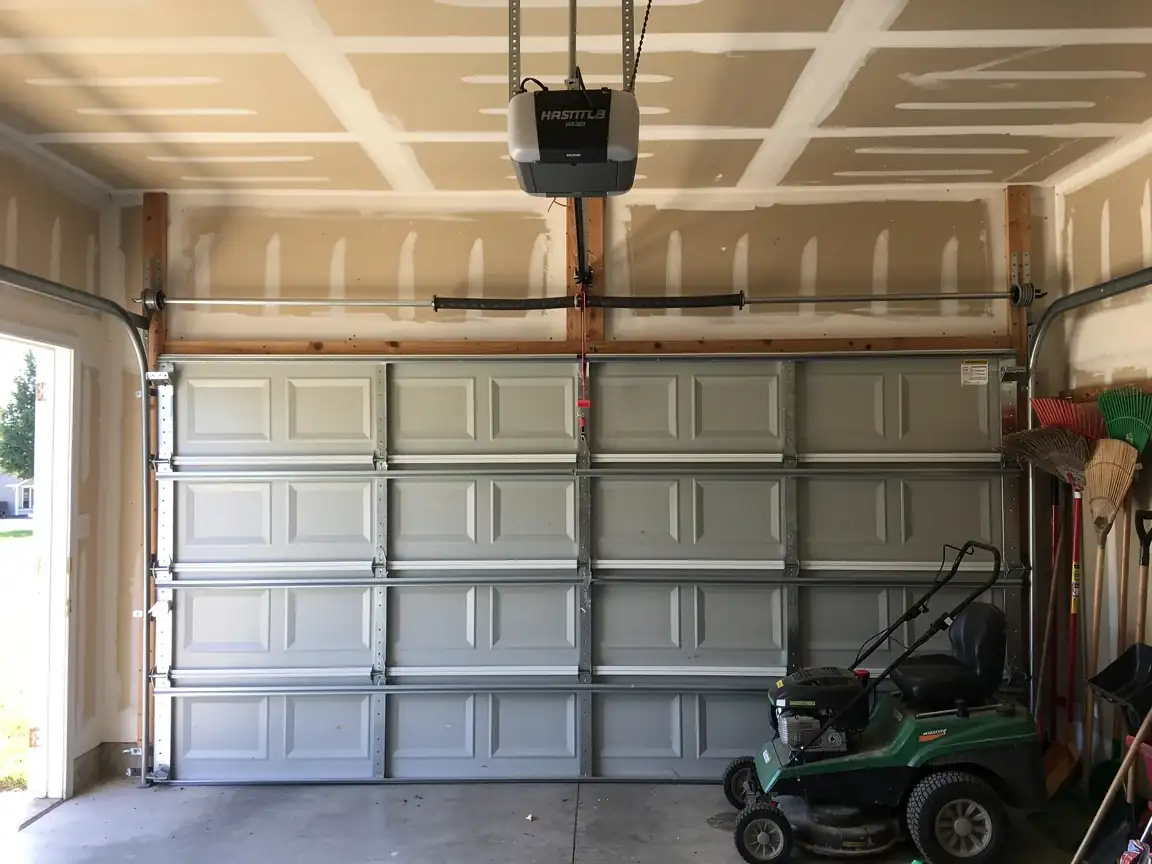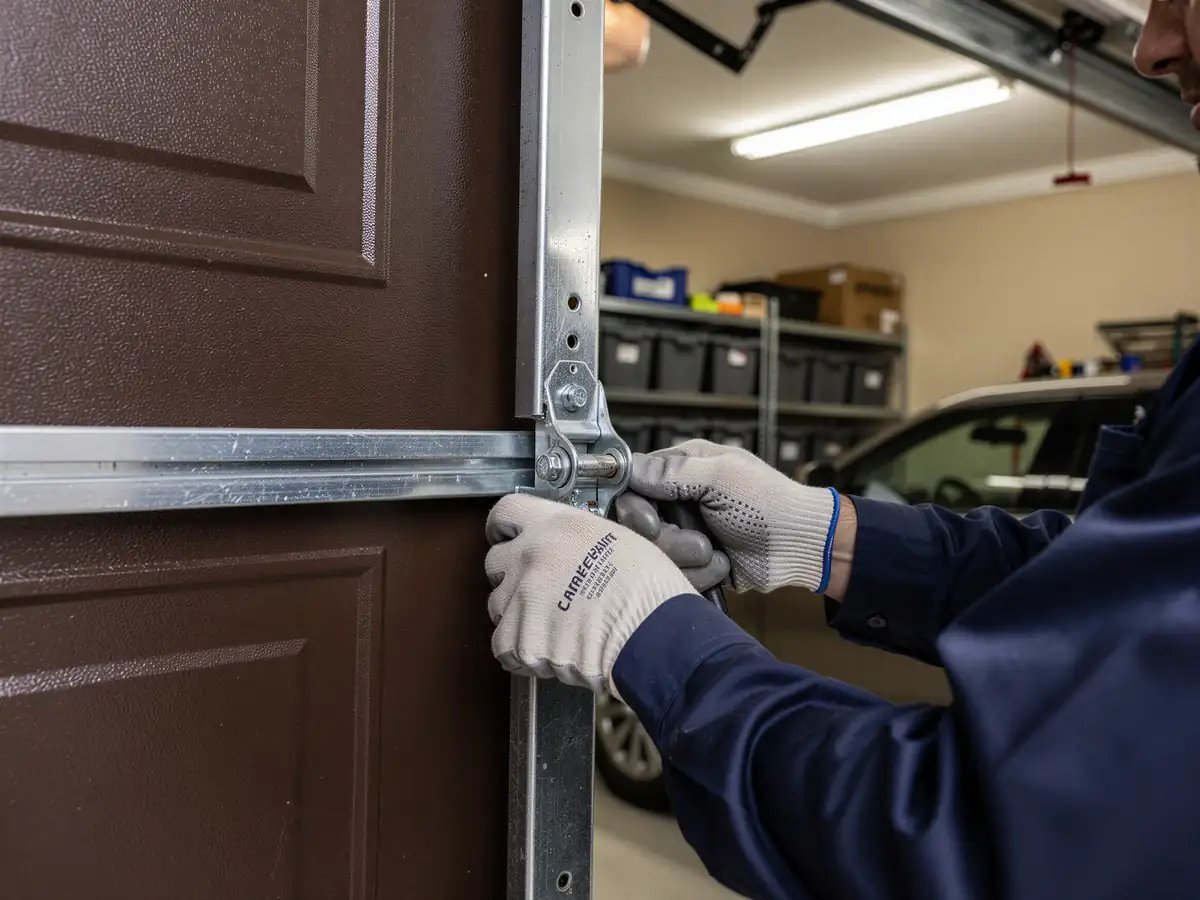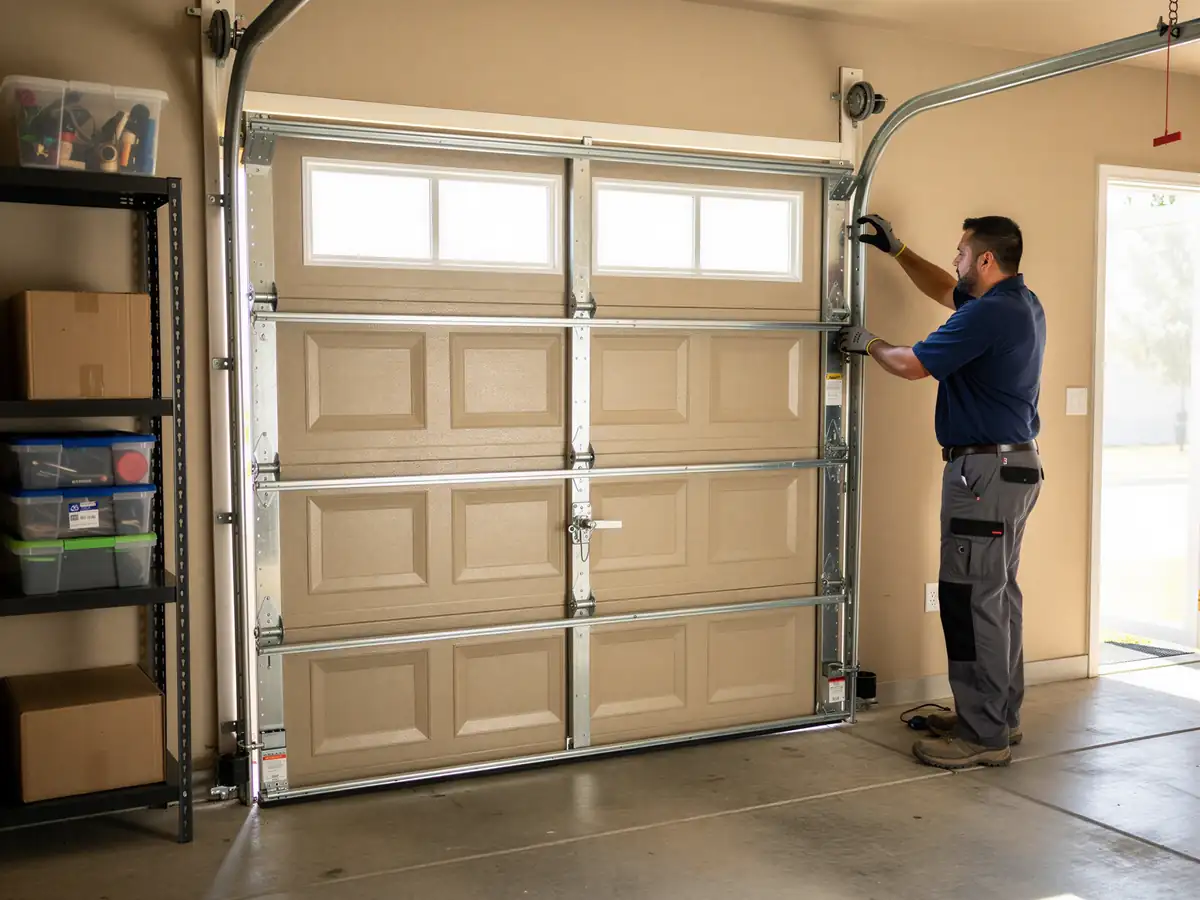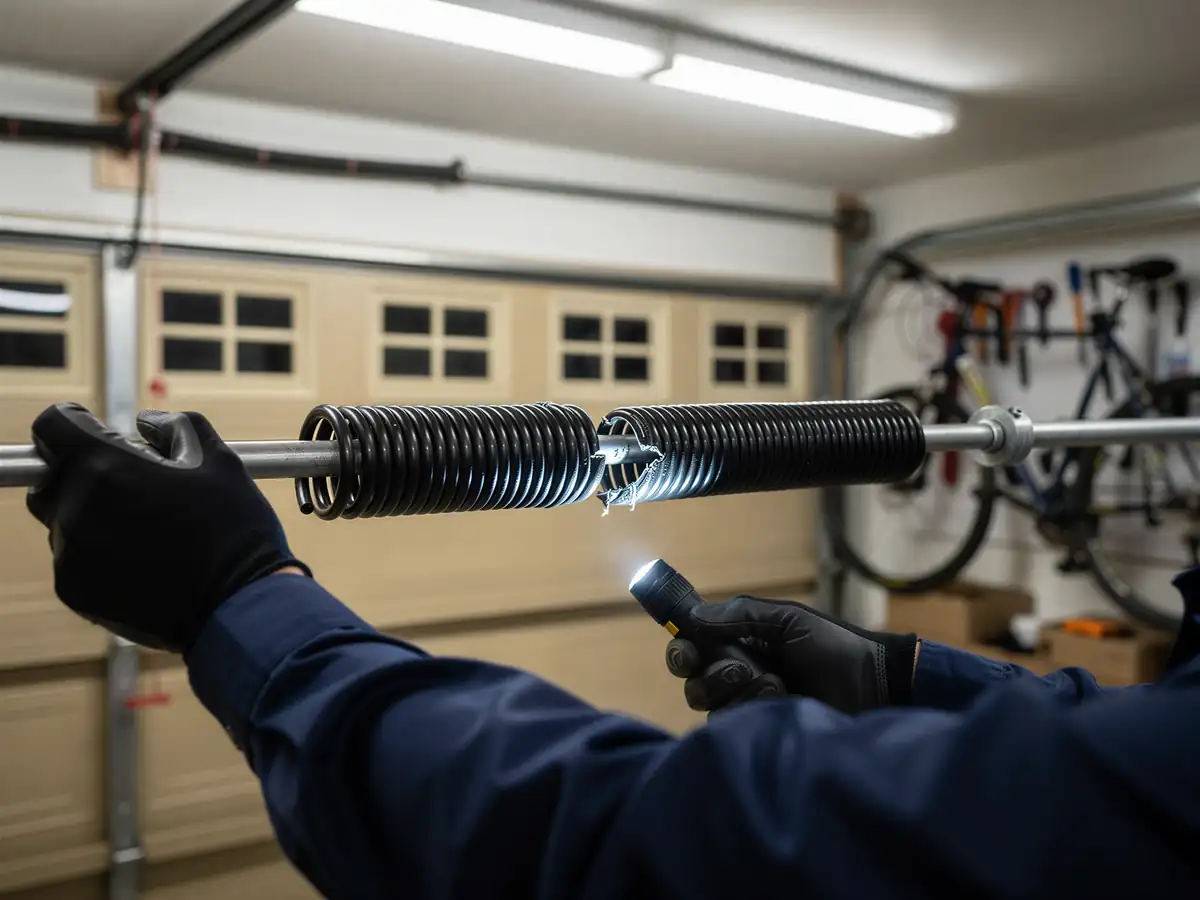
What You Are Seeing
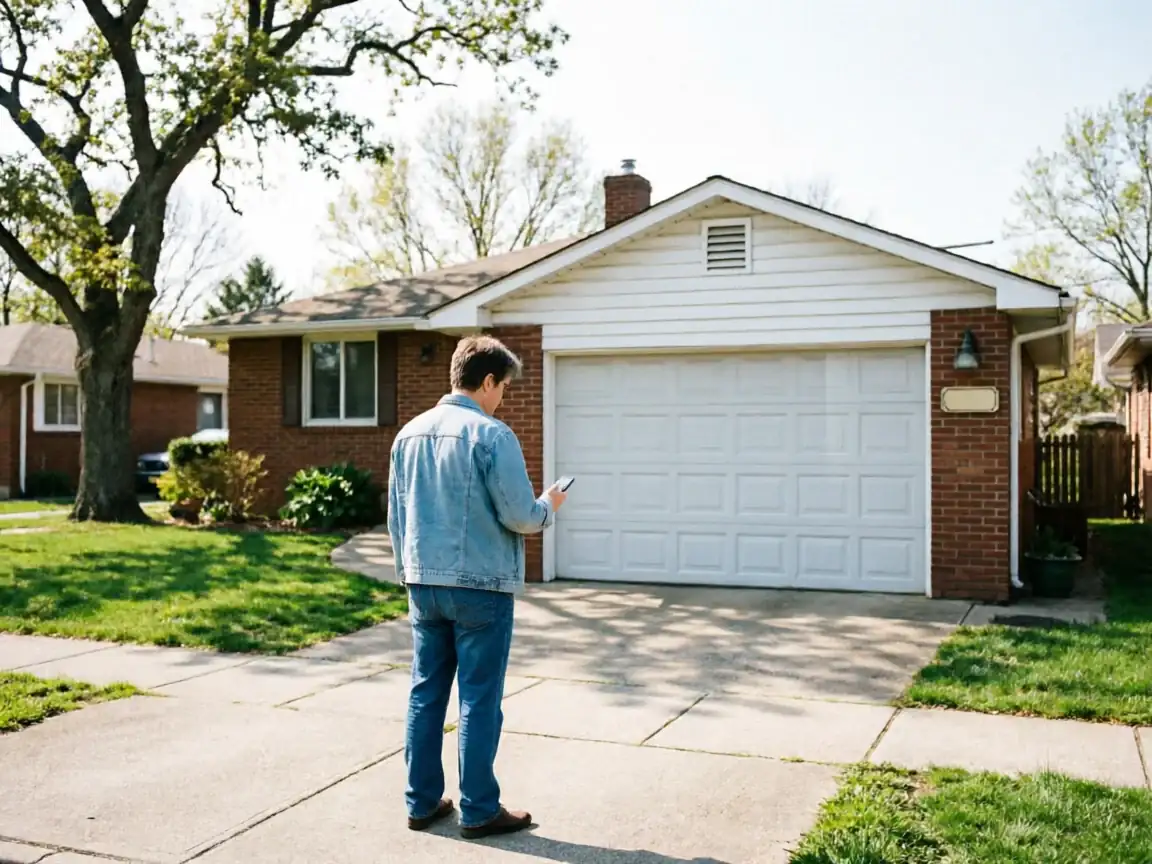
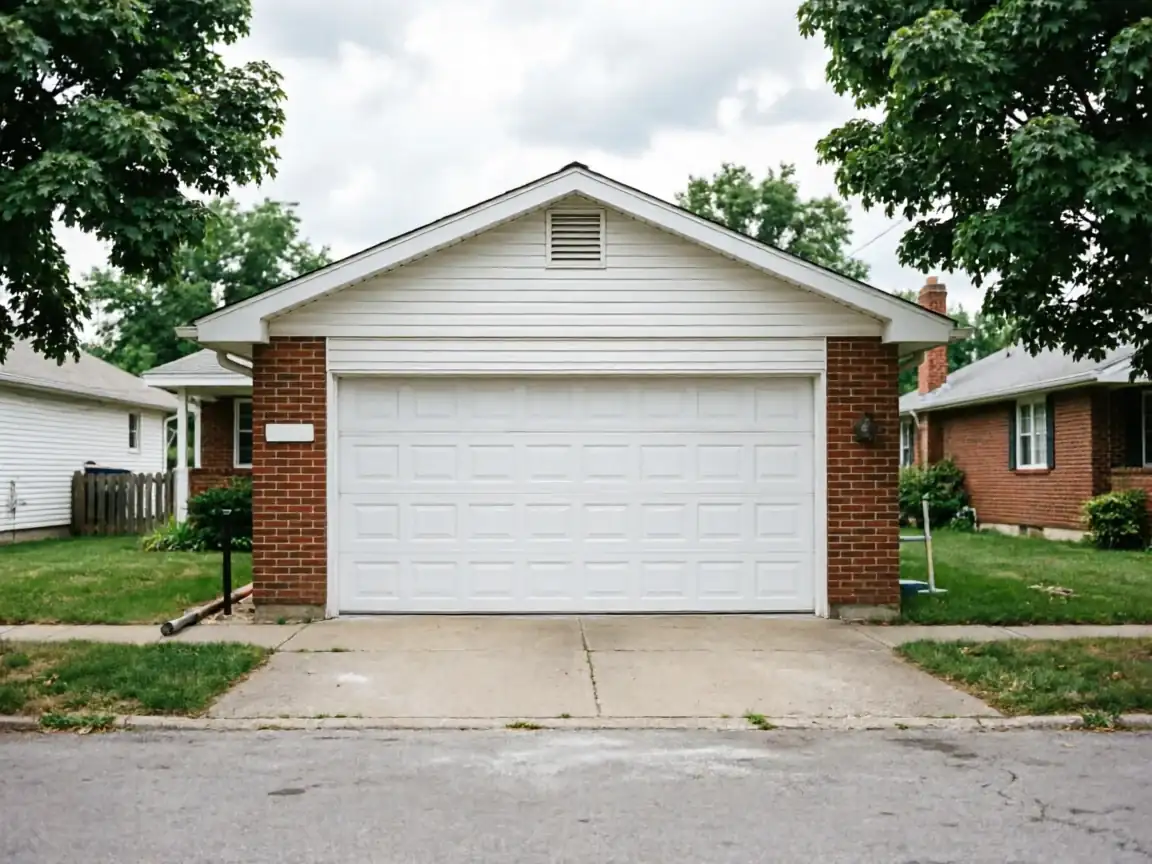
Pewaukee sits four miles from our shop in Waukesha, which matters more than it sounds like it should. A short drive means we're not burning half the appointment window getting here, and it means we can carry a couple of opener models on the truck instead of guessing which one to load before we leave.
What we're usually called out for here isn't what you'd expect in an older part of the county. The median home in Pewaukee was built around 1993, a good fourteen years newer than the 1979 median across the wider service area. That means the openers failing right now mostly aren't ancient chain units from the 1970s - they're the chain and screw-drive models that came standard in houses built in the early 90s, and they're hitting the age where circuit boards, logic chips, and safety sensor wiring start going bad together. You'll see a door that reverses for no reason, a remote that works some days and not others, or a unit that just hums and won't lift. That's a board or a sensor issue on a thirty-year-old opener, not a dying motor.
What It Costs
We're not going to put a number here we can't back up - pricing depends on the opener you choose, whether we're running new wiring for safety sensors, and whether the existing rail and mounting hardware are salvageable or need replacing outright. What we can tell you is that Pewaukee's median household income runs around $112,093, noticeably higher than the roughly $108,690 median across the rest of the area we cover, and we see that reflected in what homeowners here tend to choose - more requests for belt-drive units with battery backup than the base chain-drive models.
If you want an actual number, that's a phone conversation, not a guess on a webpage. We'll ask what opener you have now, what's failing, and what you want out of the new one before we quote anything.
What Causes It Around Here
This is a cold-climate area, and that's not a minor detail for opener hardware
Circuit boards and capacitors degrade faster under repeated hard freezes than most people expect, and a board that's marginal in October can fail outright on the first真 week of single-digit nights. In homes built around the early 1990s - which is most of Pewaukee's housing stock - that means the original opener is often right at the point where cold stress finds the weak spot: a cracked solder joint, a sensor eye that's lost its seal, a logic board that resets itself at random.
We also see a fair number of safety sensor failures that have nothing to do with the opener itself
The sensors get bumped, the wiring gets pinched when something's stored against the wall, or moisture gets into the connector over a few winters. None of that shows up until the door won't close without you holding the button down, which is usually the call we get.
Getting It Booked In
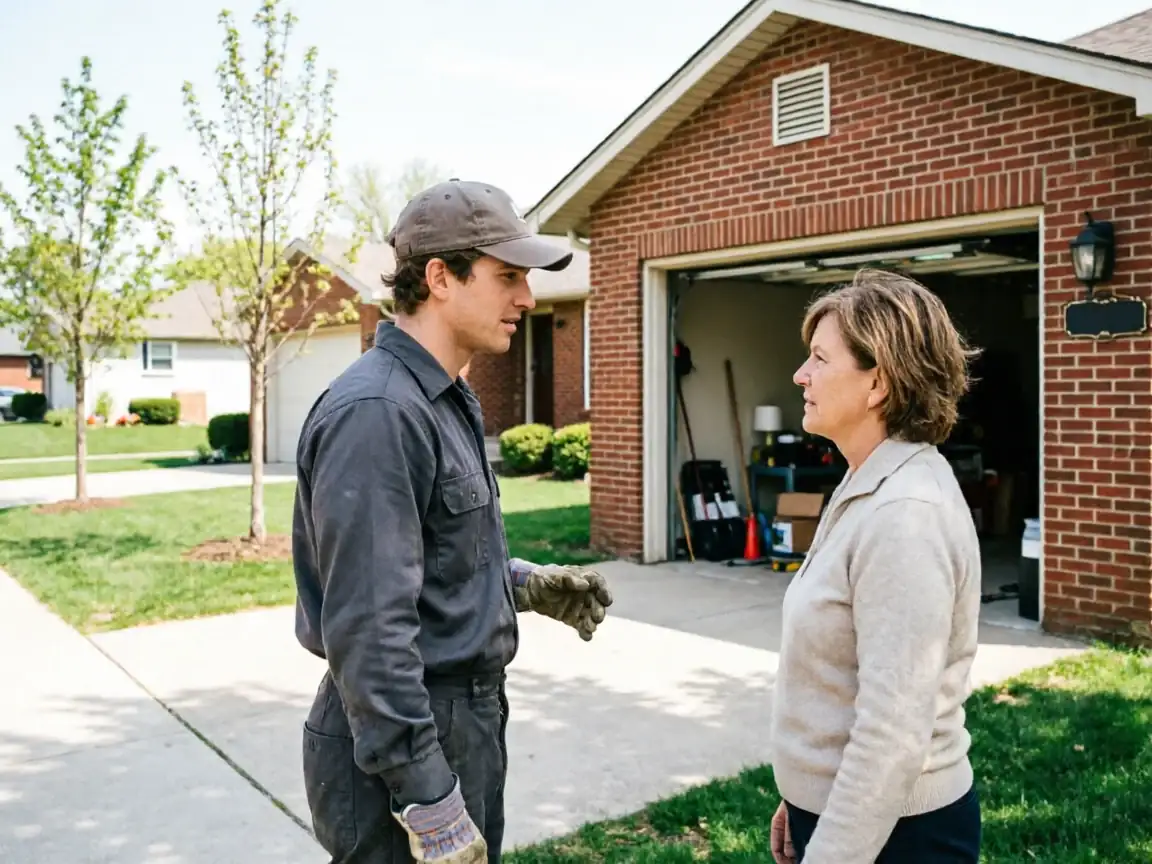
Because Pewaukee is close in - four miles out from Waukesha - scheduling here is straightforward. We're not routing around a longer run to Mukwonago or Dousman to fit you in, so booking an opener install doesn't usually mean waiting out a wide window. Tell us the opener you have, roughly how old it is, and what's actually happening (won't close, reverses, remote range dropped, grinding noise), and we can usually tell on the phone whether it's a sensor fix, a board swap, or a full replacement.
If you're replacing rather than repairing, having the make and horsepower of the old unit ready when you call saves a trip - some rail and header hardware carries over, some doesn't, and we'd rather know before we're standing in your garage.
What the Repair Takes
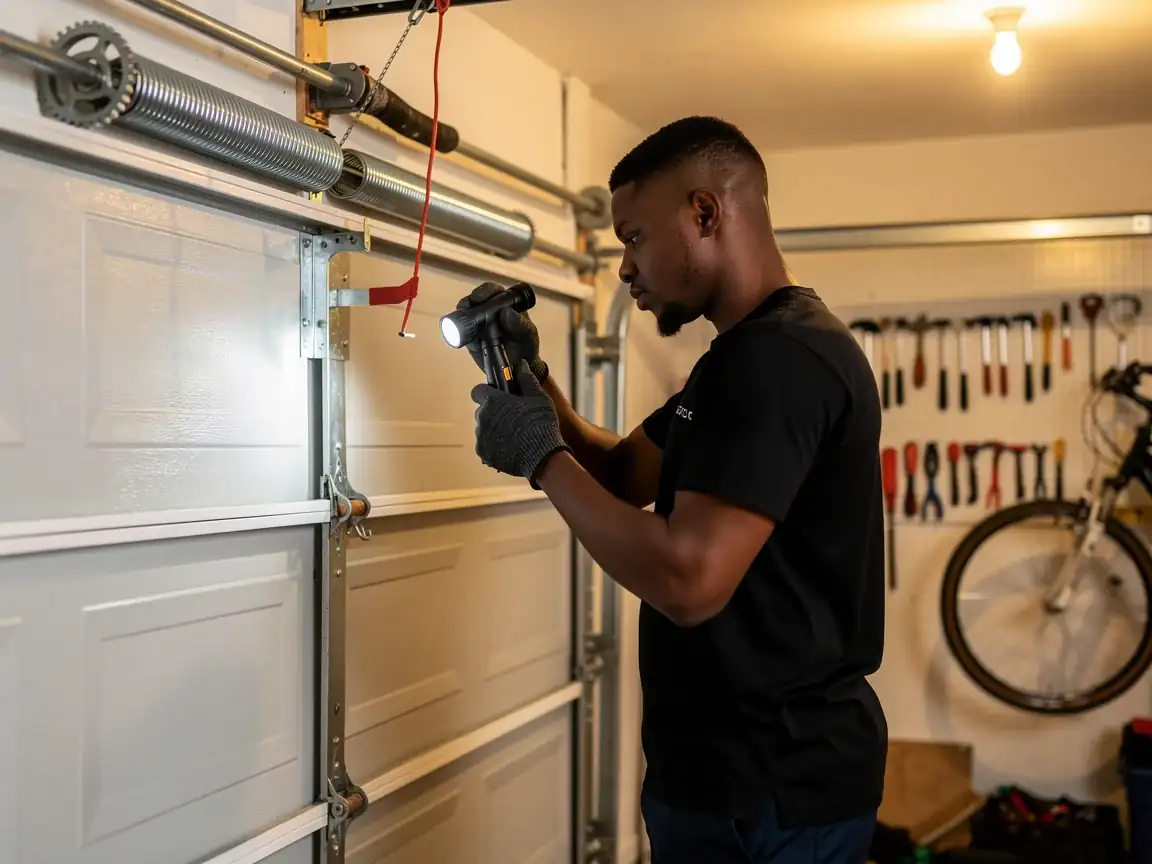
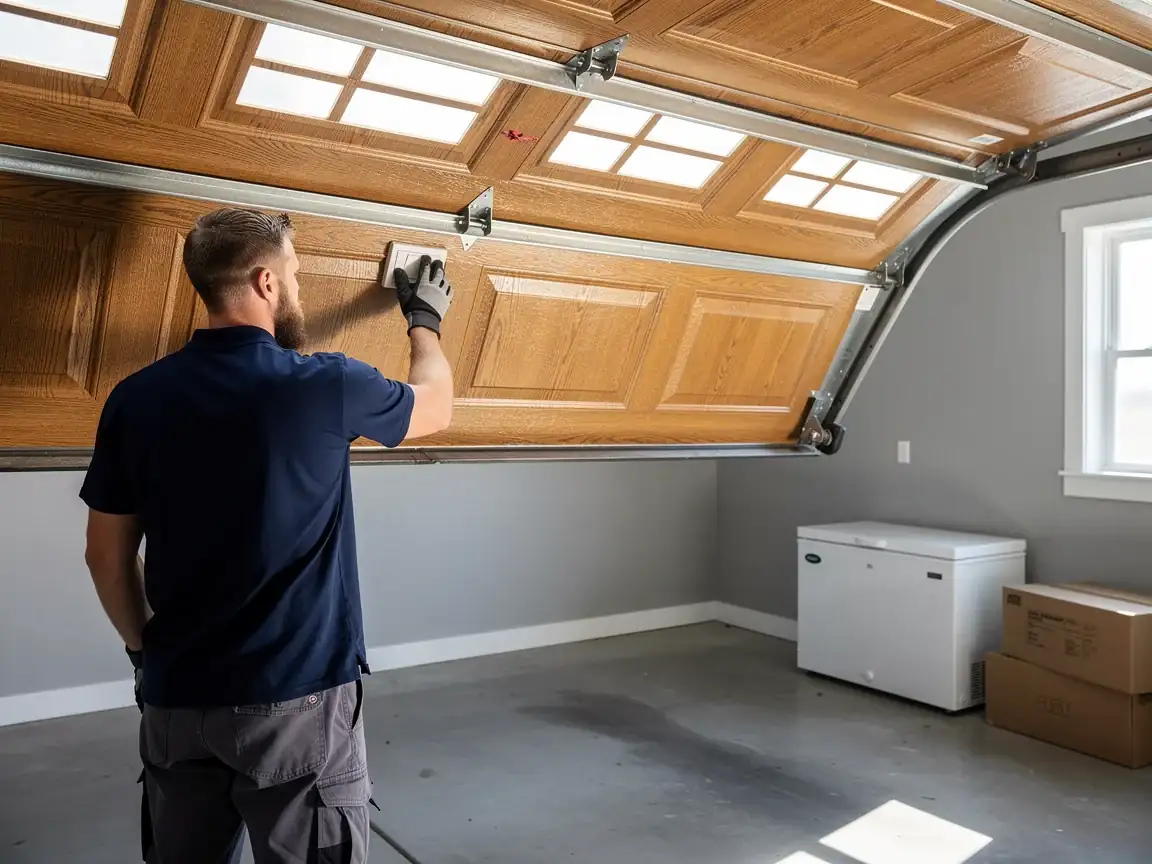
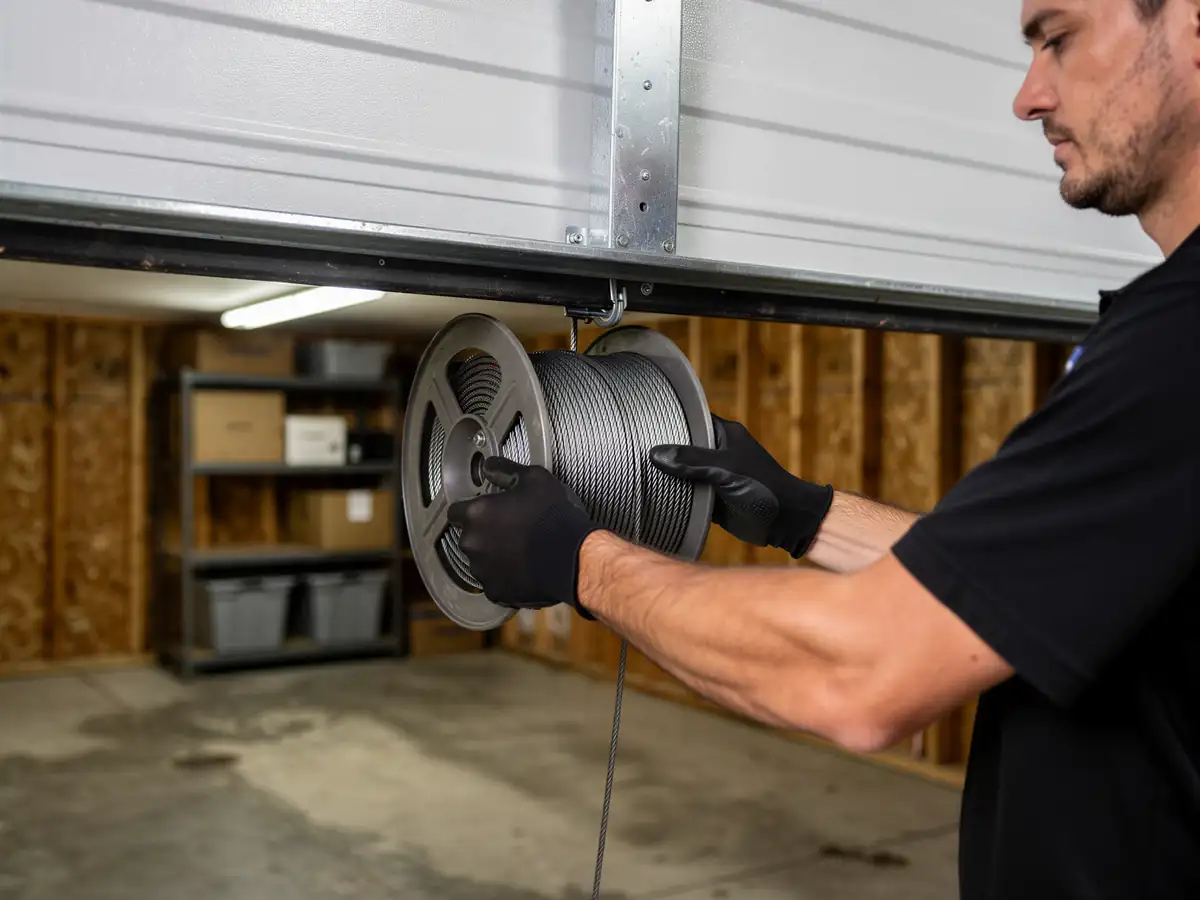
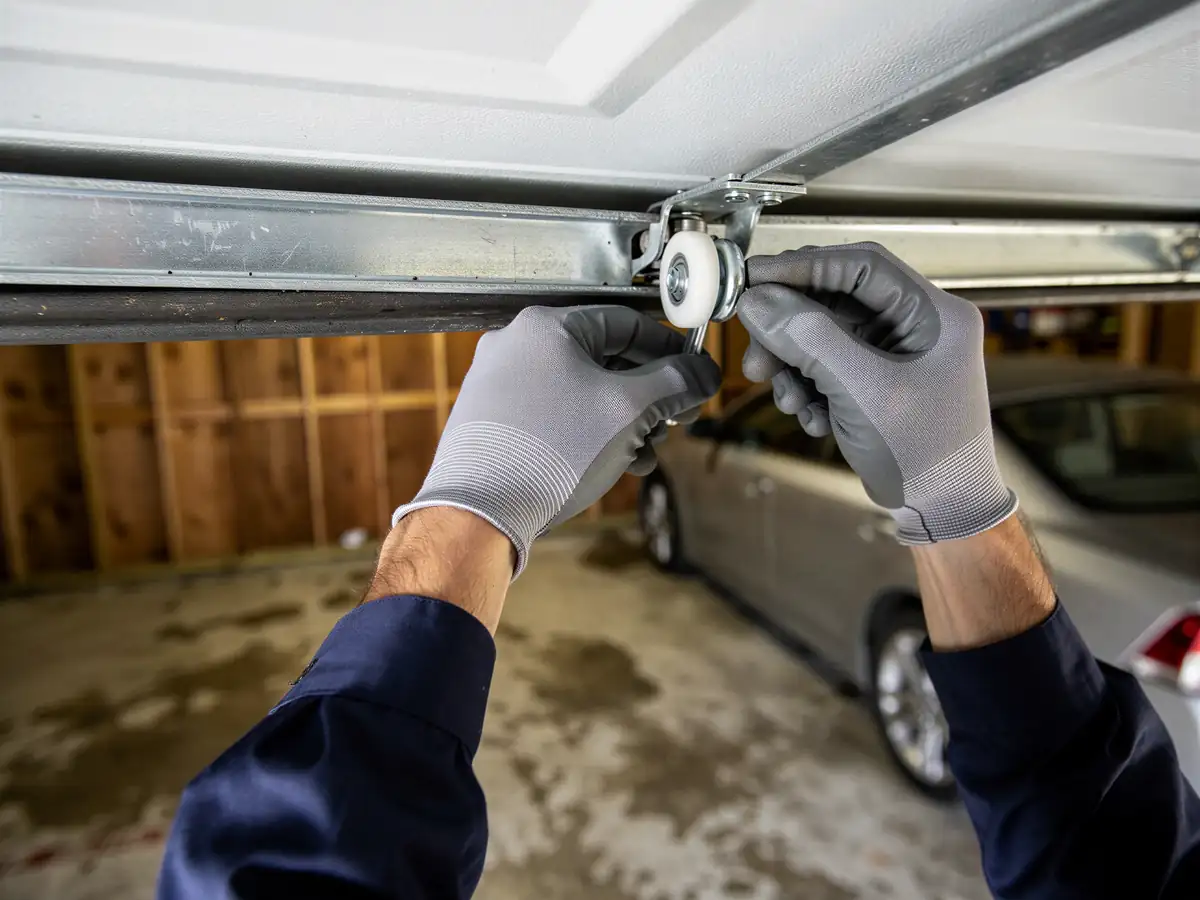
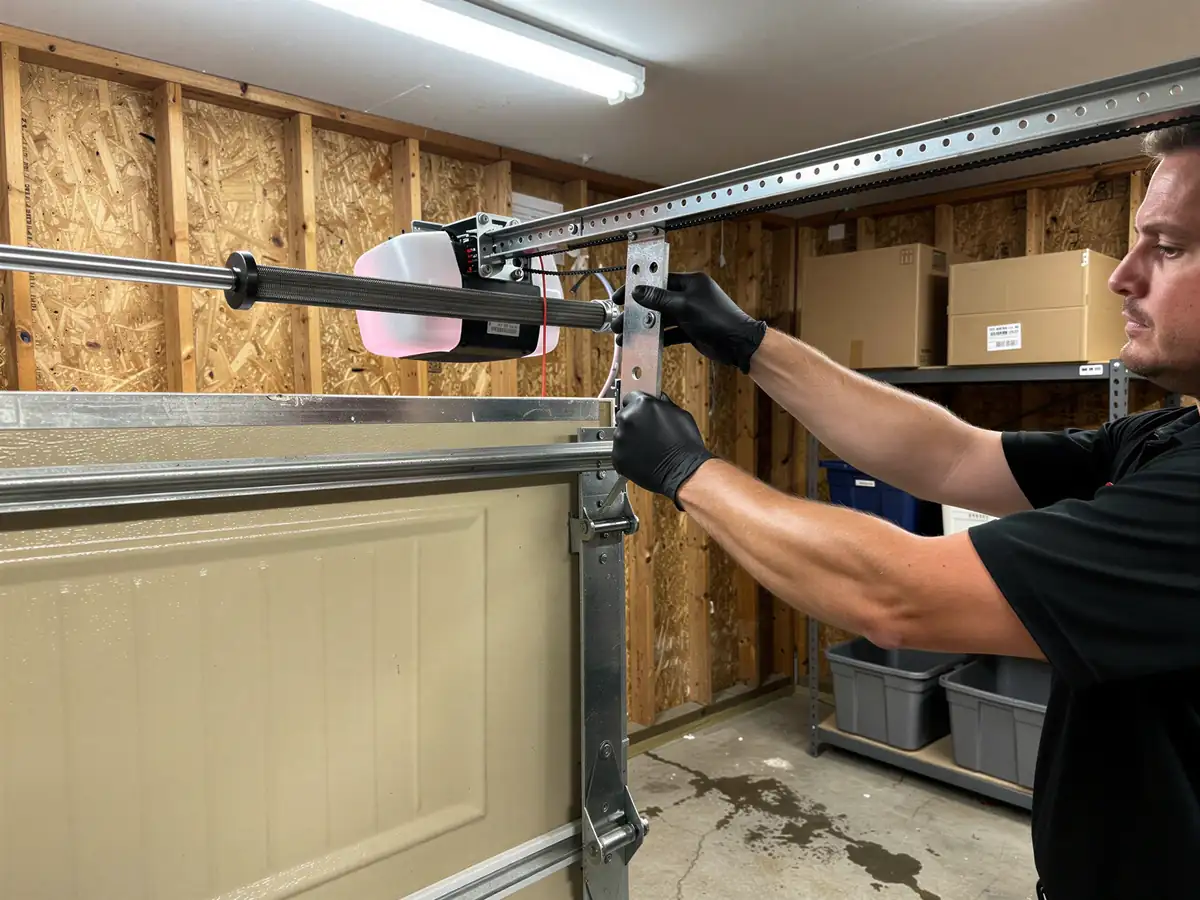
A straight opener swap on a standard single door usually runs under two hours once we're on site - old unit down, new motor head mounted, rail reattached or replaced, safety sensors realigned and tested, travel limits set, and the remotes or keypad programmed. Where it runs longer is the sensor wiring: in houses from the early 90s, that wiring is often original, and if it's brittle or chewed by rodents in the attic space, we're pulling new wire rather than reusing what's there.
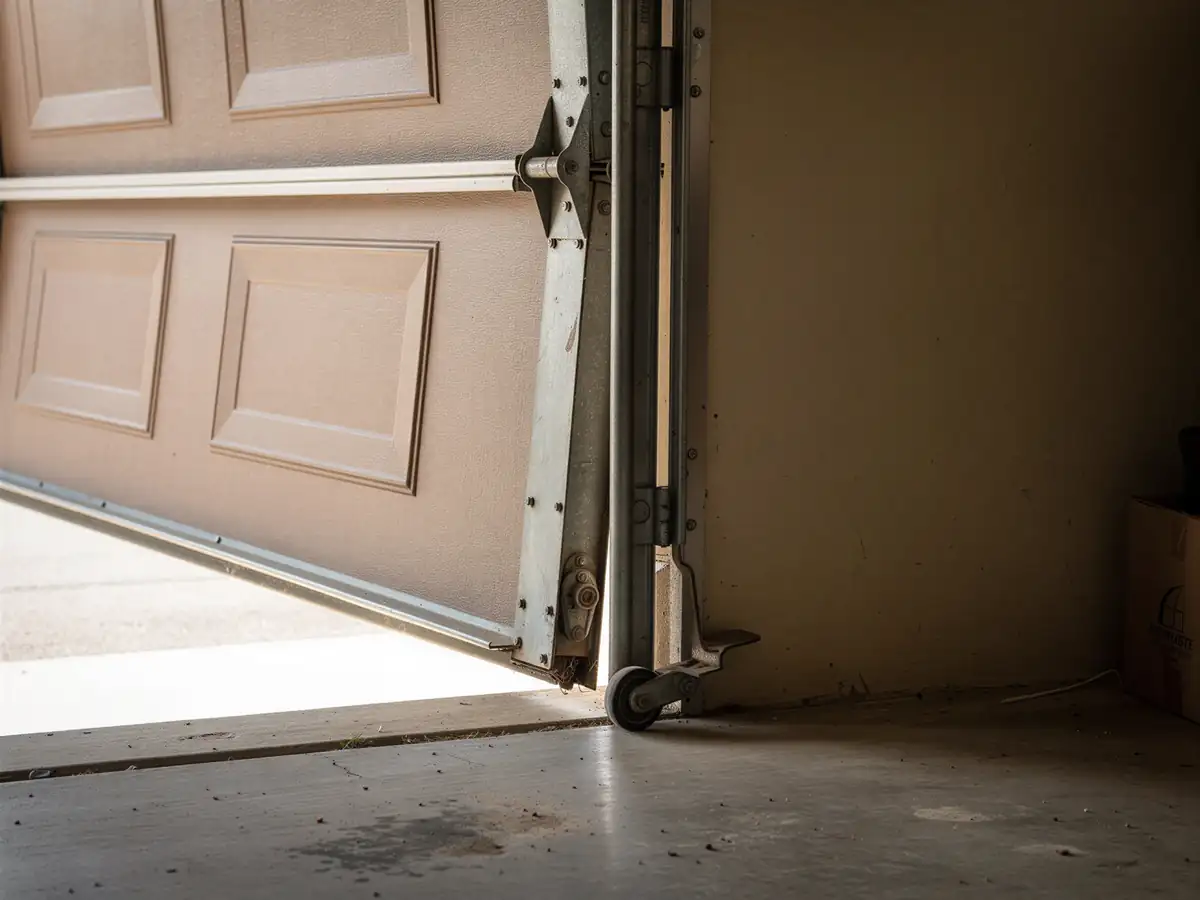
We test the auto-reverse and the force settings before we leave, every time - that's not optional, it's how the door stays safe to be around. If your existing rail or header bracket is bent or undersized for the new motor, we'll say so rather than force a fit that'll shake loose in a year.
Where This Job Goes Sideways
The honest limitation
If your garage doesn't have power run to it yet, or the wiring runs through a finished ceiling we'd have to open up, that's a bigger job than an opener swap and we'll tell you that up front rather than quote it like a simple install.
The other place it goes sideways is reused hardware
Homeowners sometimes want to keep the existing rail or the old wall button to save money, and sometimes that's fine - other times the rail is the wrong length for the new motor's travel, or the wall button is wired in a way the new opener's logic board doesn't support. We'll tell you plainly when reusing a part is going to cause callbacks instead of savings. A new opener on bad bones isn't a fix, it's a delay.