What You Are Seeing
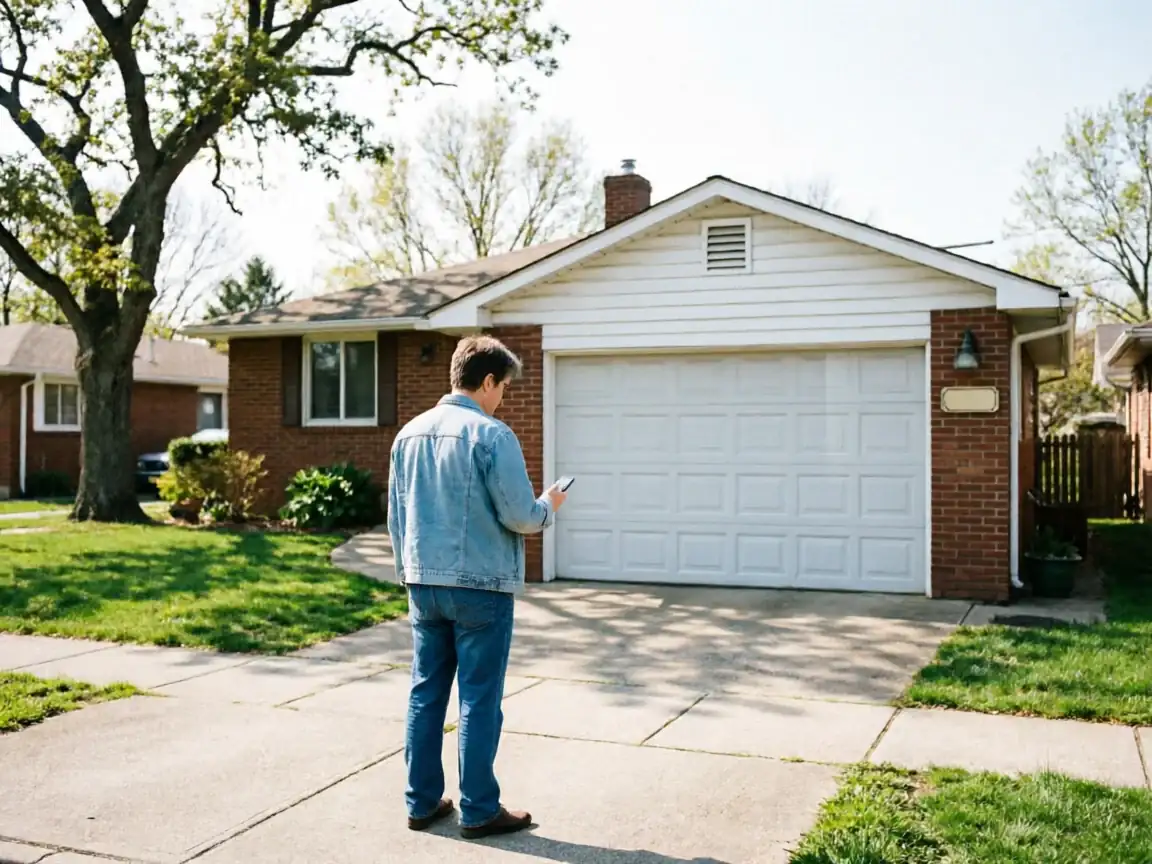
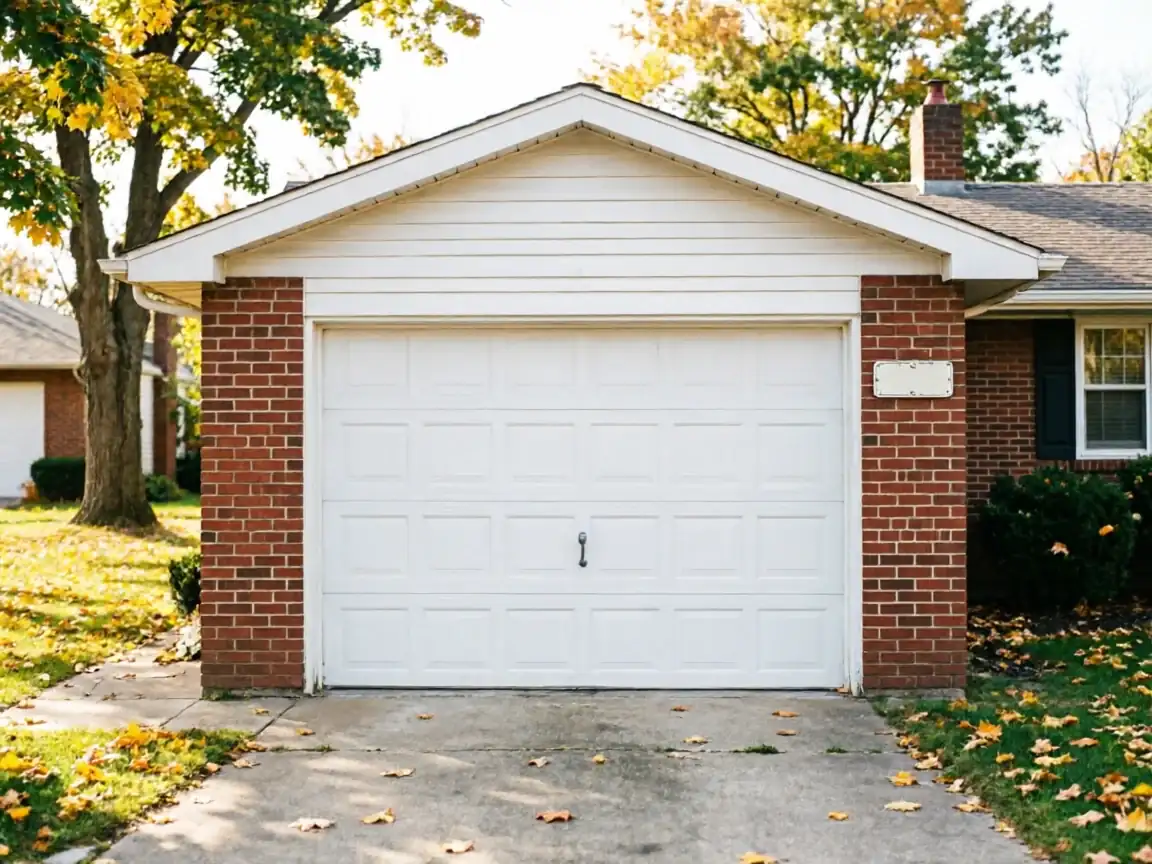
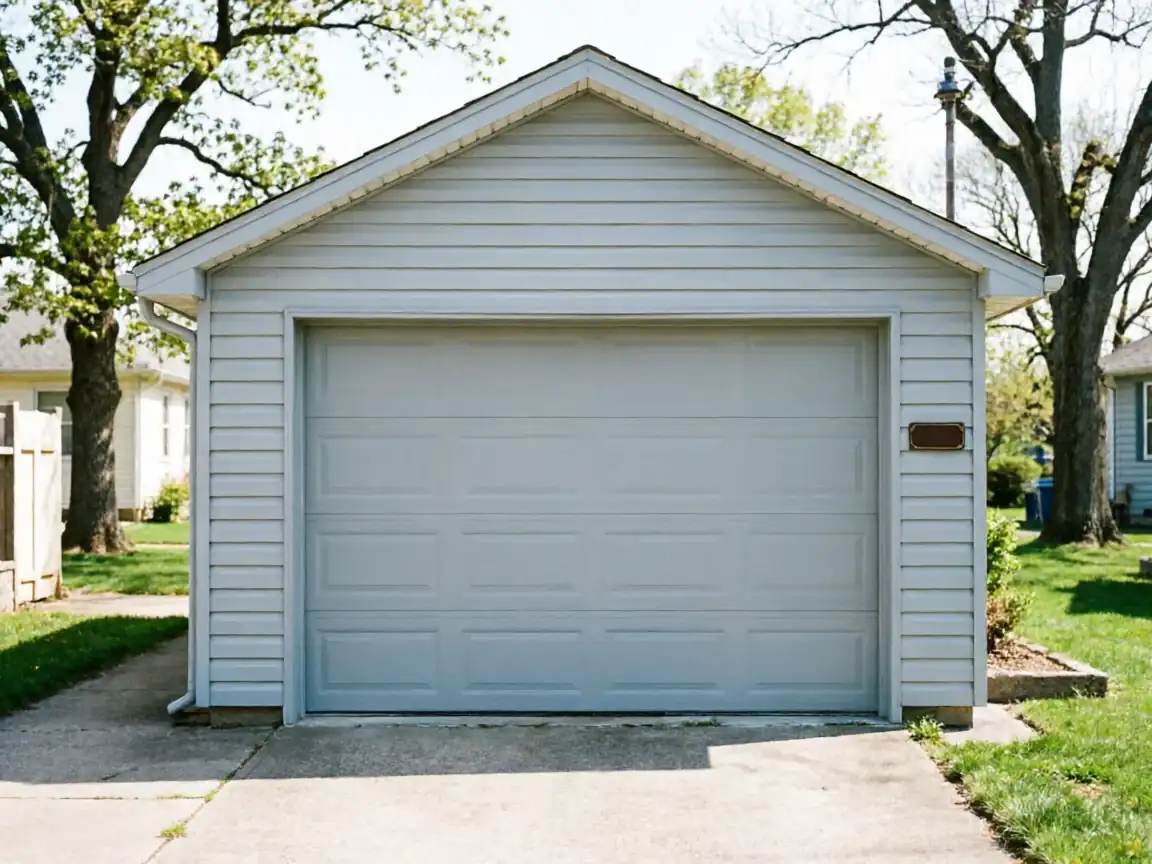
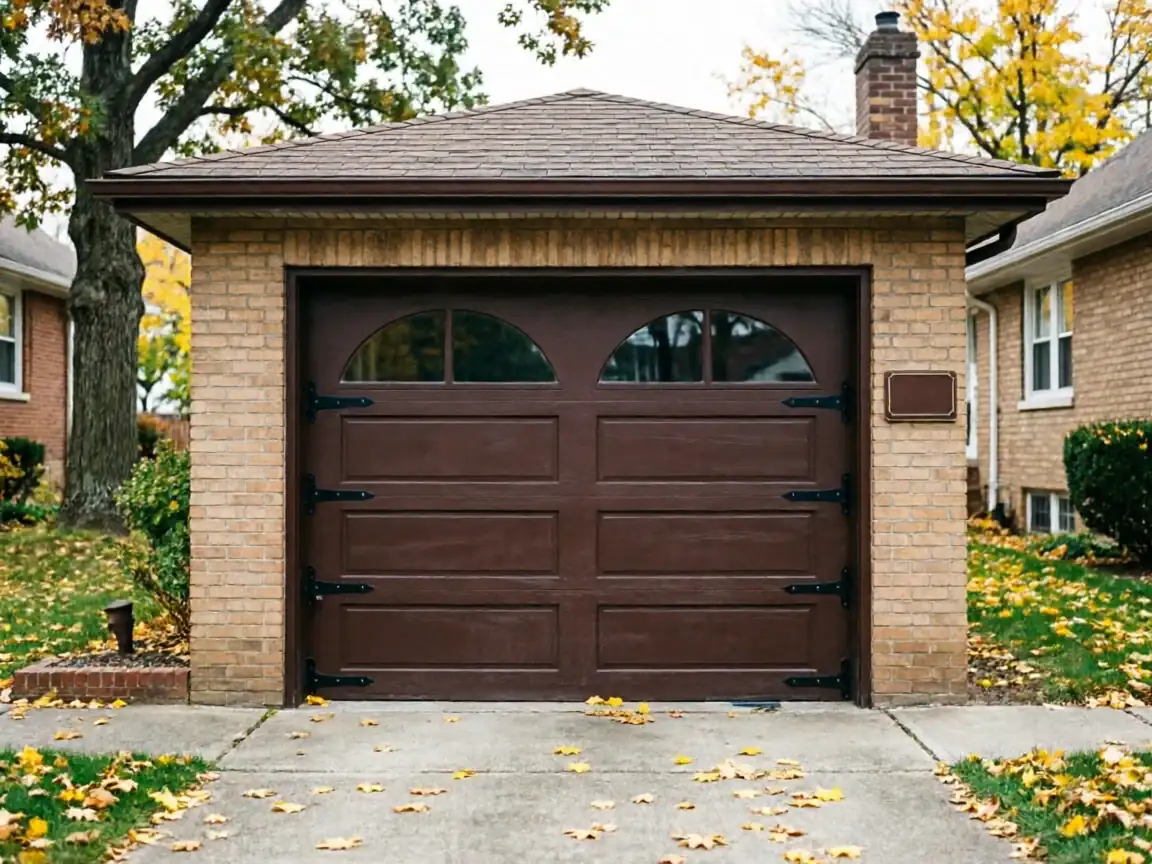
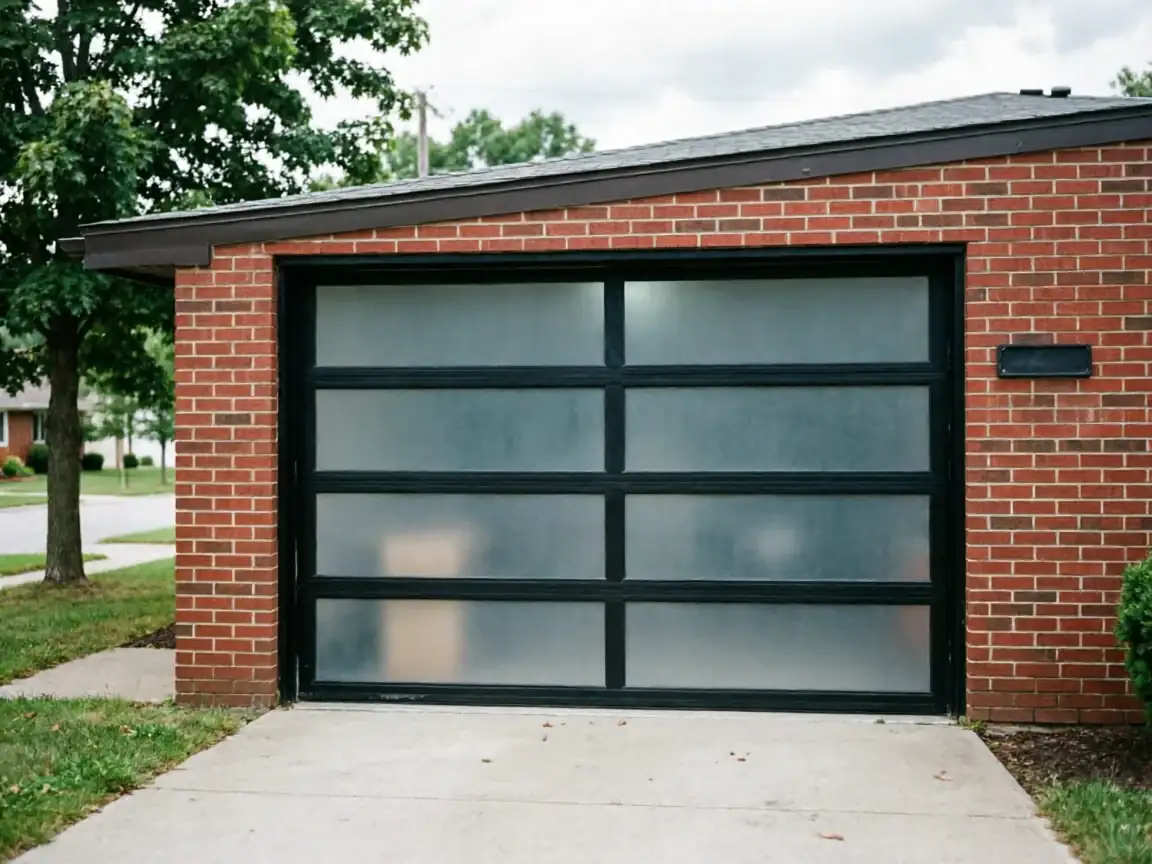
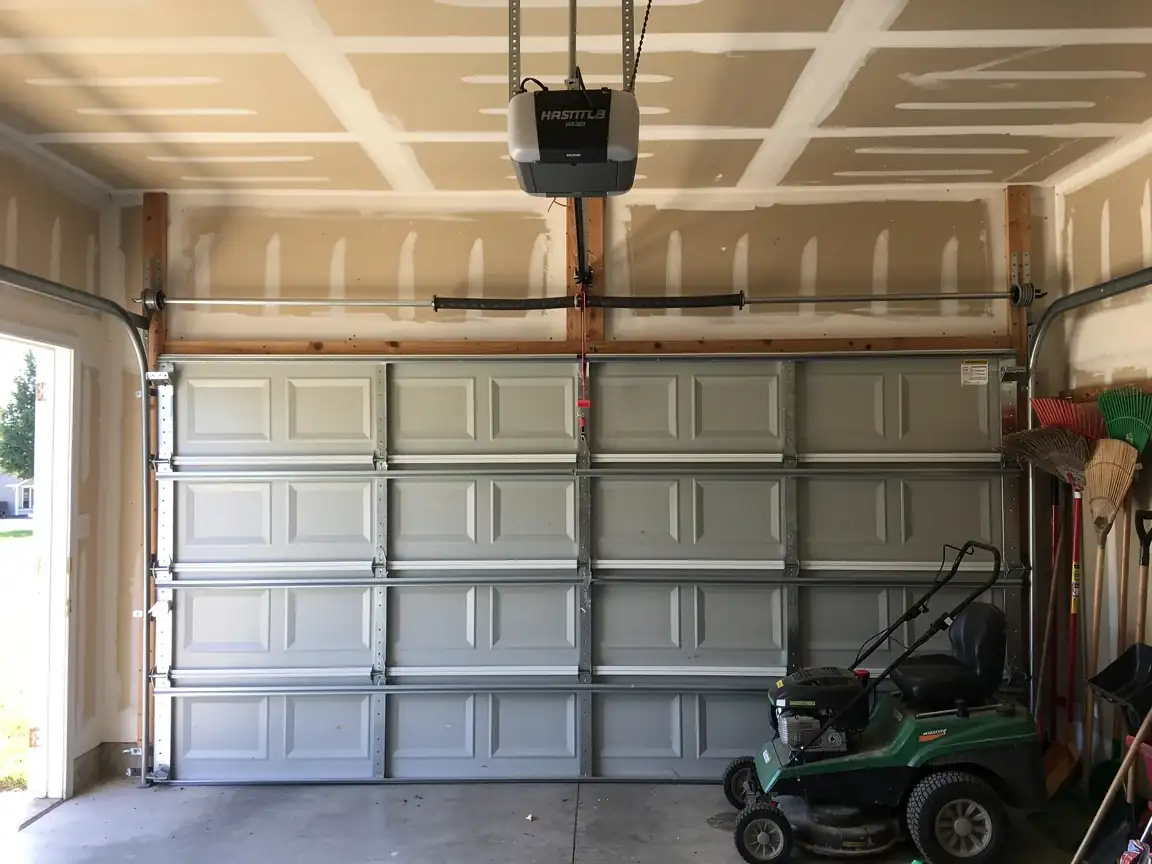
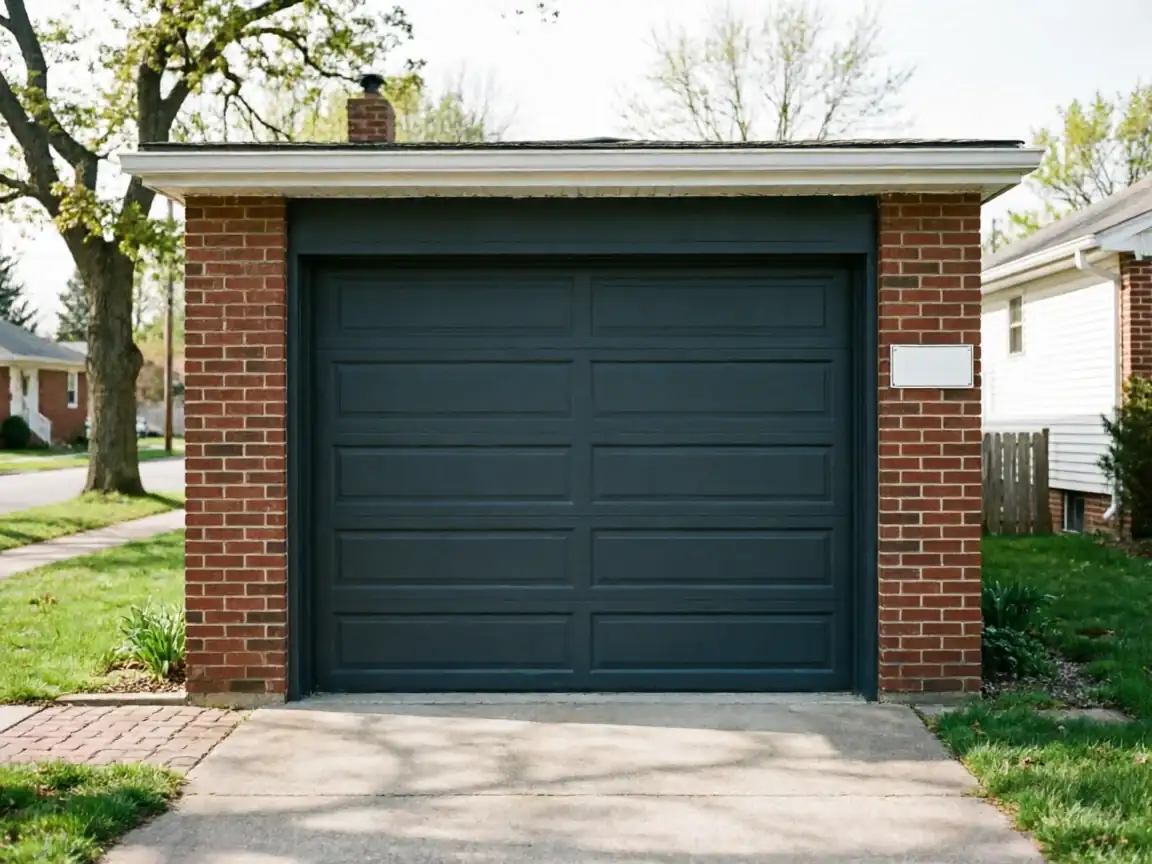
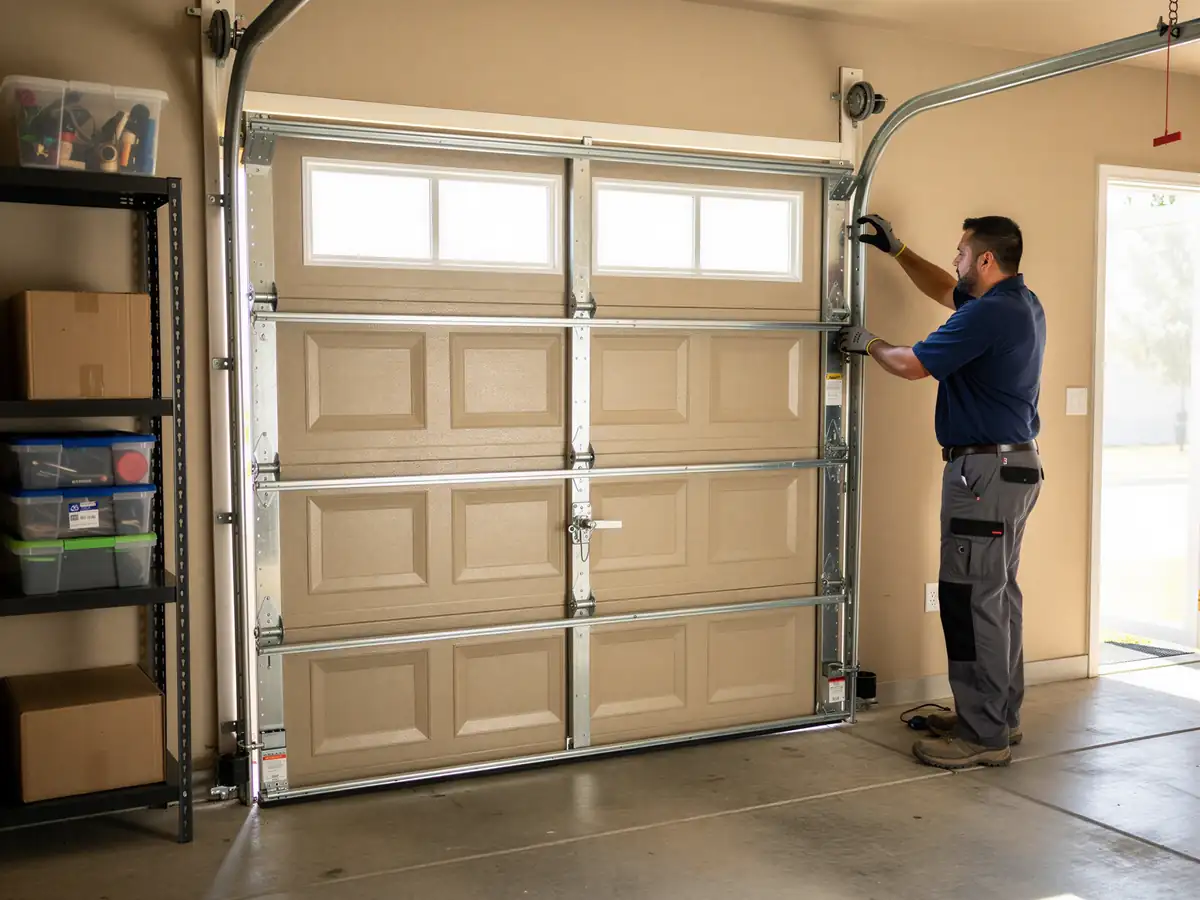
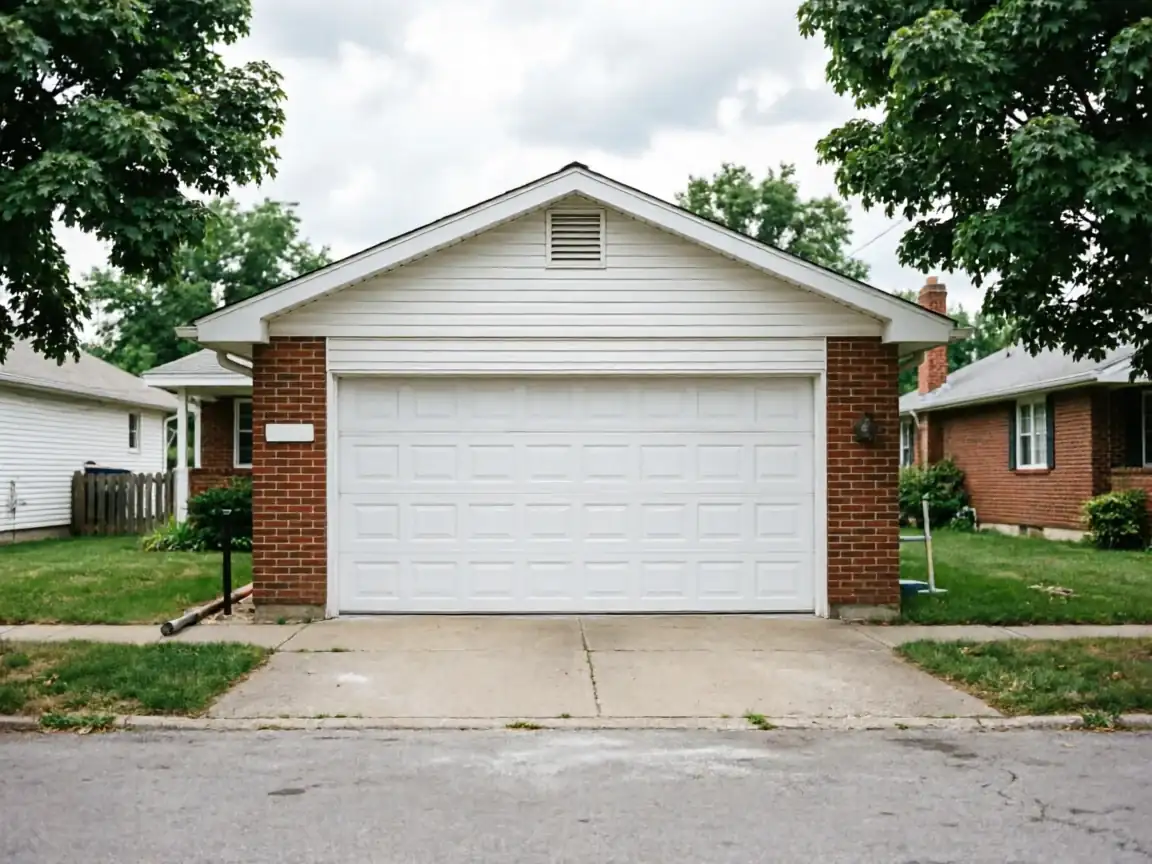
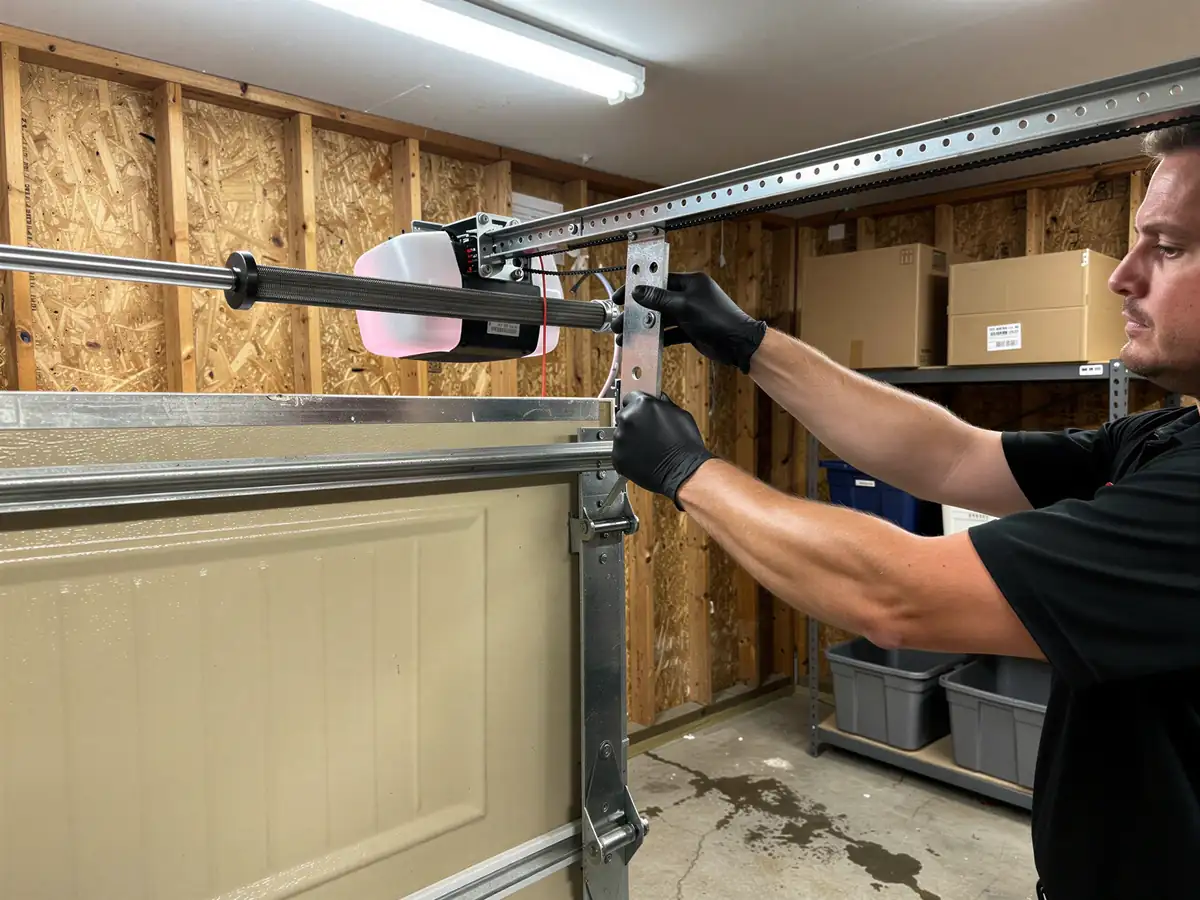
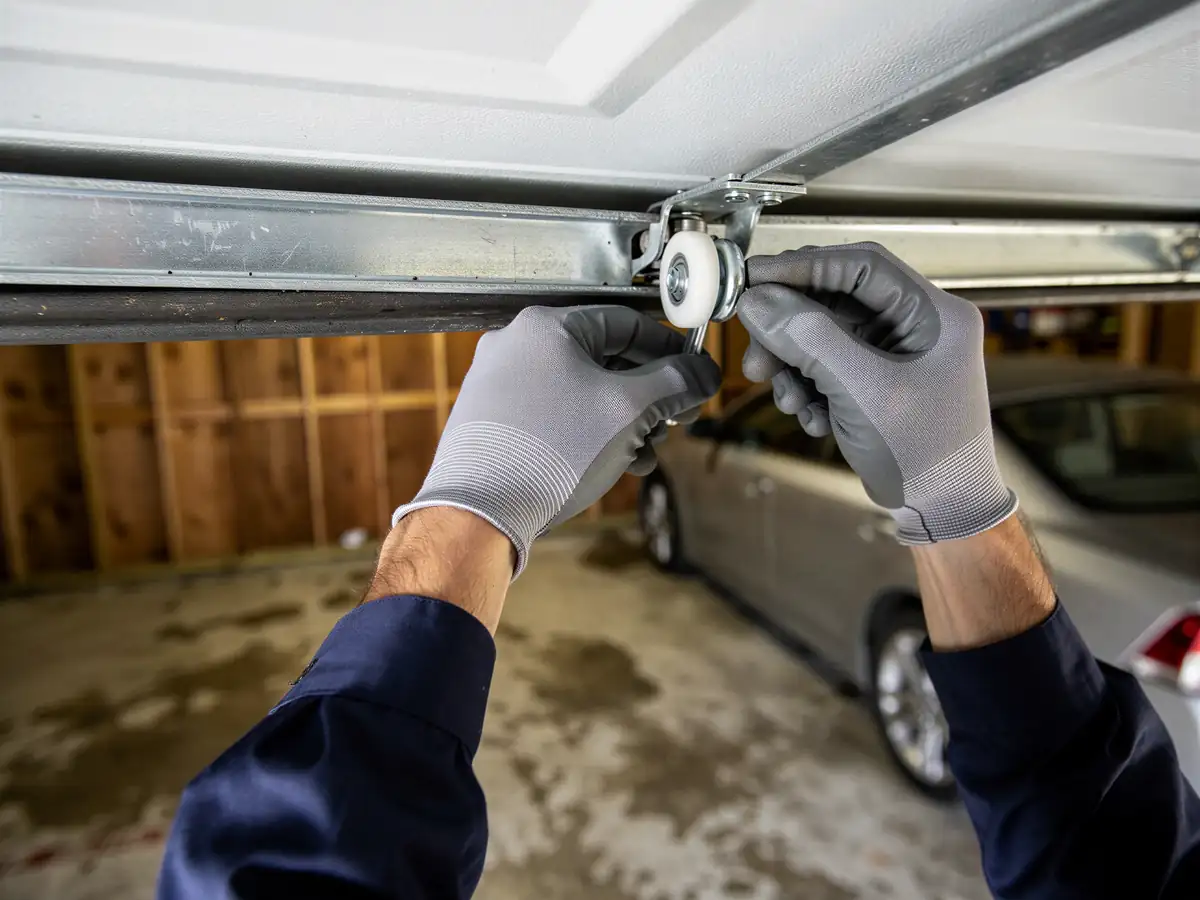
Pewaukee's median home was built in 1993, which puts most garages here a full generation newer than the older pockets of Waukesha this company also drives into. That matters for what breaks. You're less likely to have an original one-piece door on side-mount hardware - that's an older-housing problem - and more likely to have a factory steel sectional door with torsion springs, a chain or screw-drive opener from the 90s or early 2000s, and roller tracks that have seen thirty winters of use but not thirty years of rust-through.
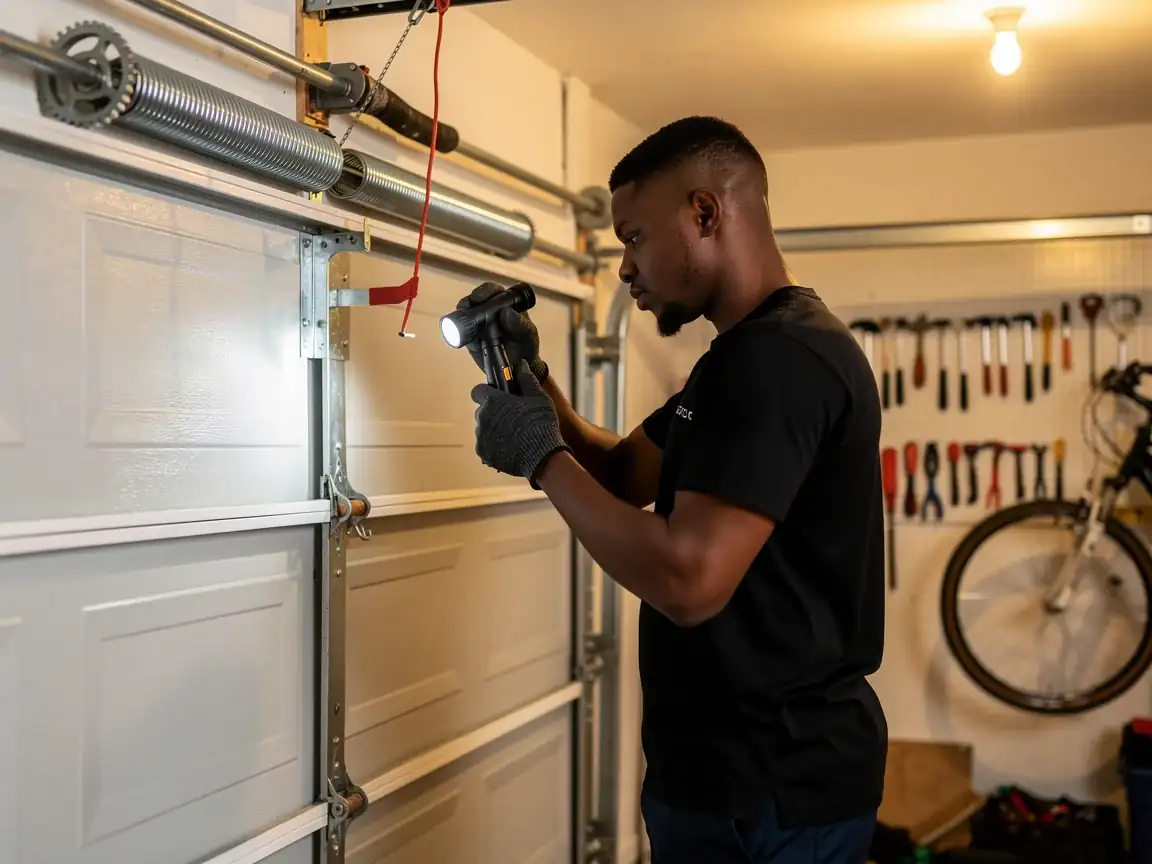
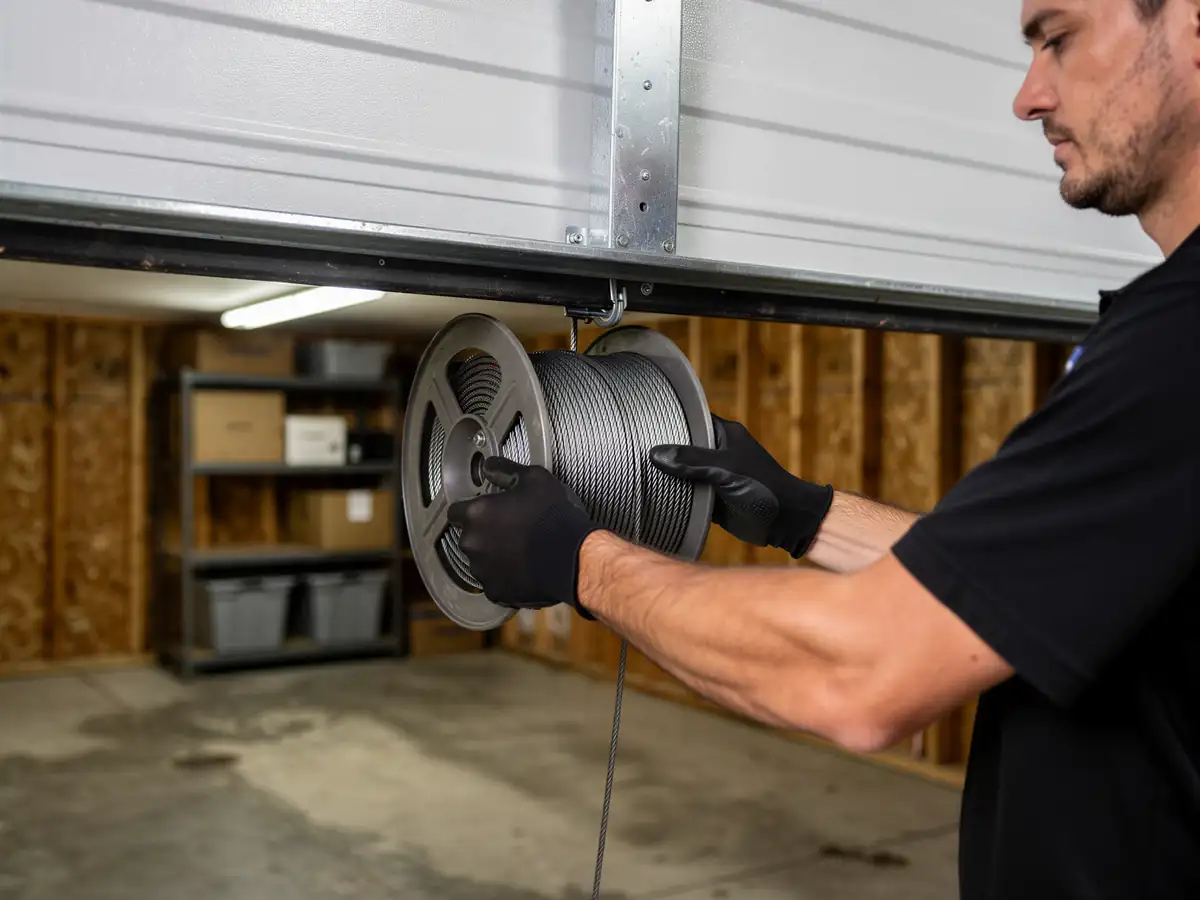
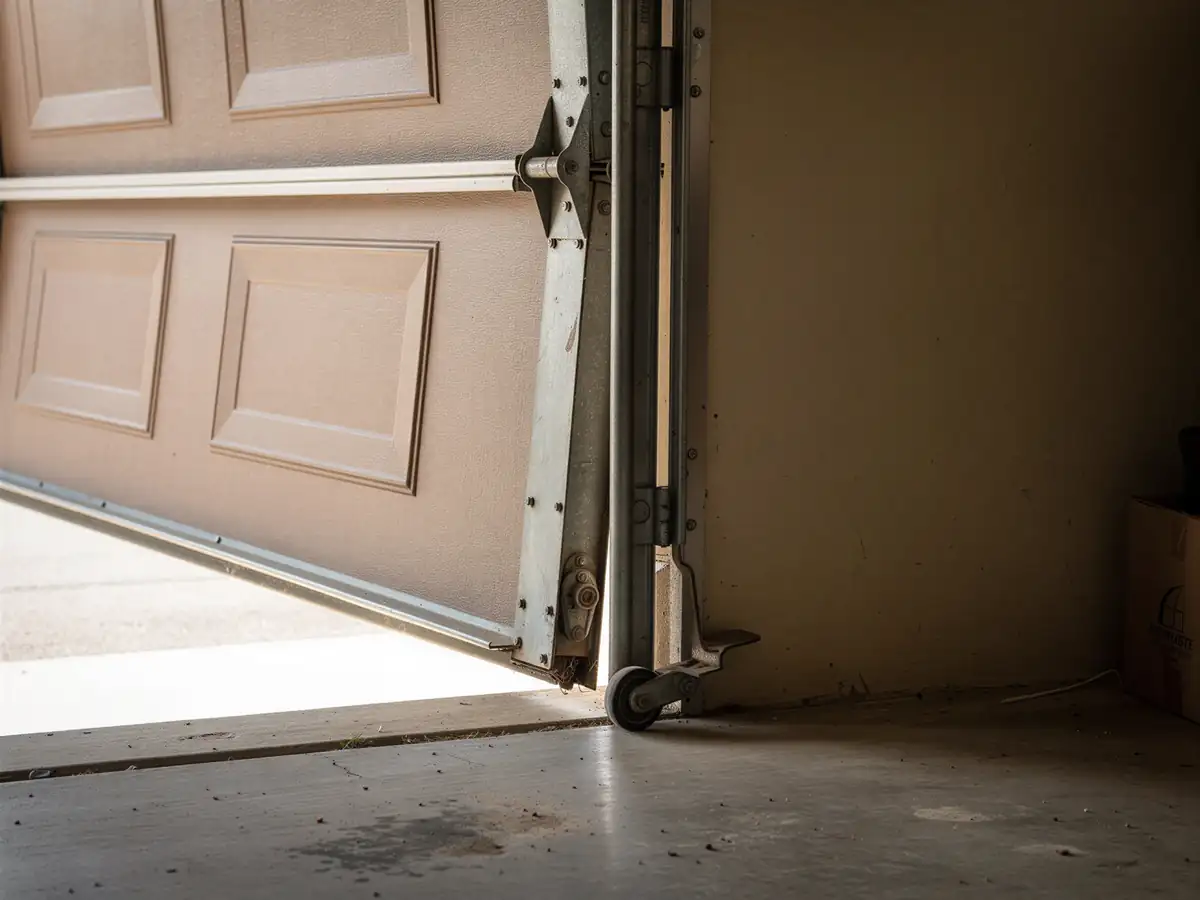
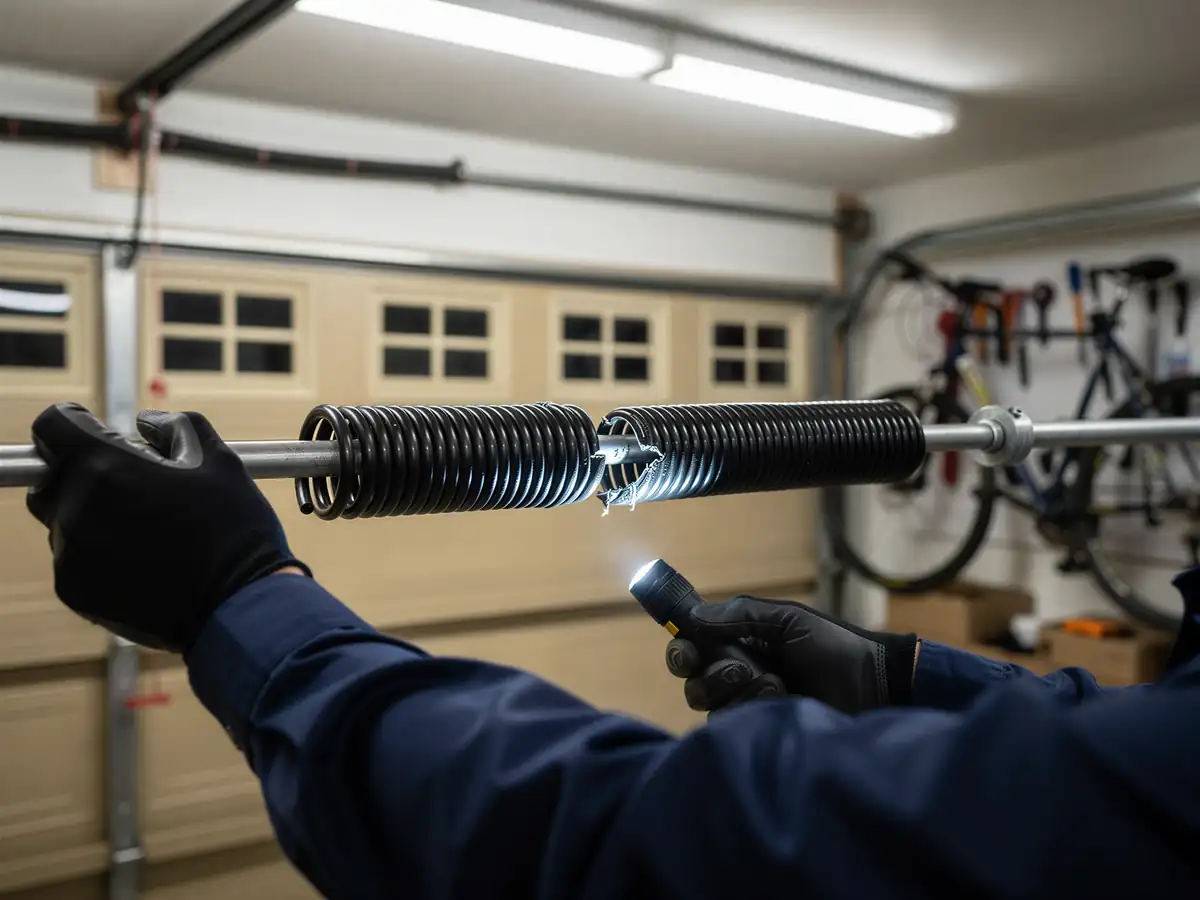
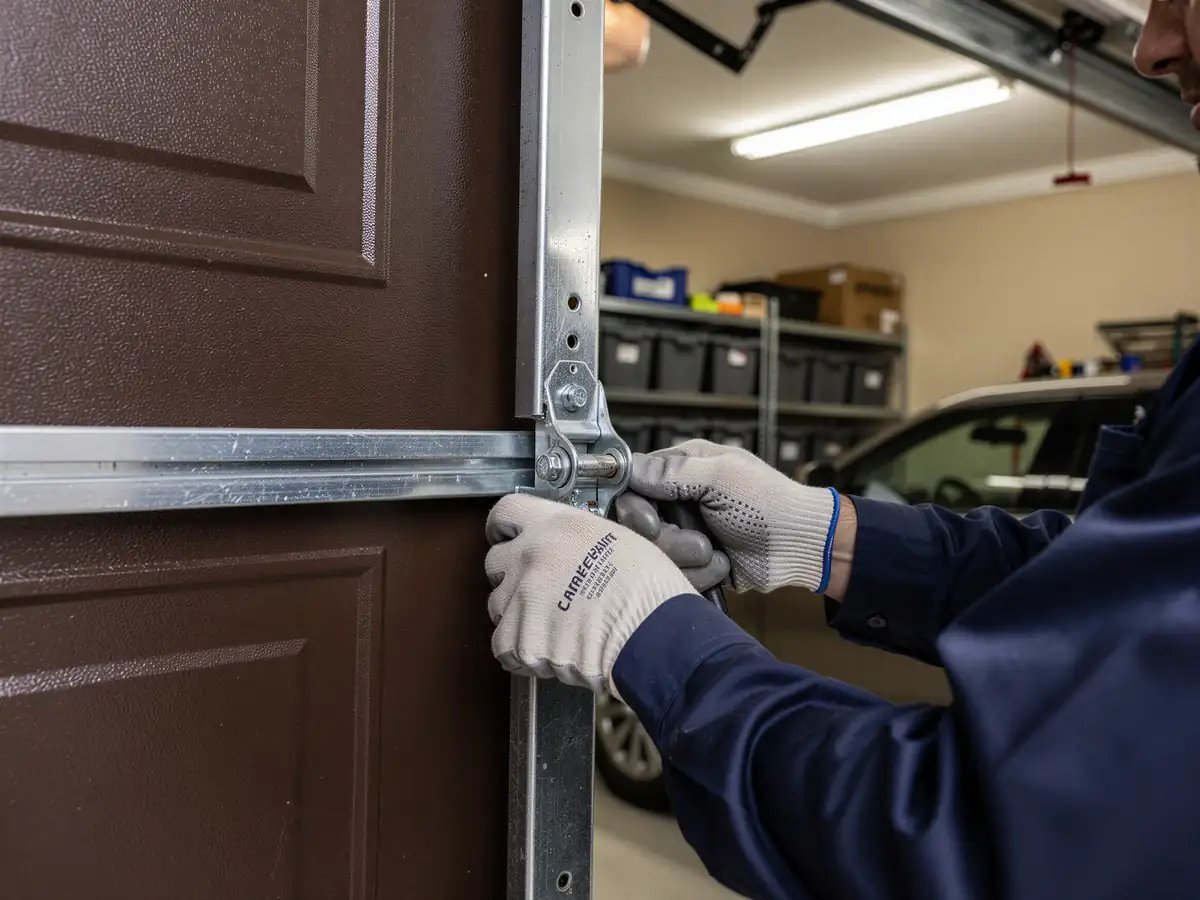
What we actually see on Pewaukee calls: torsion springs that have hit the end of their cycle count right on schedule, opener logic boards that finally give out after two or three decades of cold starts, and worn nylon rollers that have gone loud but haven't yet jumped the track. If your door is slow to close, reverses on its own, or the opener light blinks a code and won't run, that's consistent with hardware from this era reaching the end of its first life, not a structural problem with the door itself.
What It Costs
Pewaukee's median household income is $112,093, noticeably above the $108,690 median across the wider service area. That income level usually means homeowners here can afford to replace rather than nurse along a door that's failing in more than one place at once - and because most garages are 1990s construction, a full-door replacement isn't fighting decades of frame settling or rot the way it might on an older house.
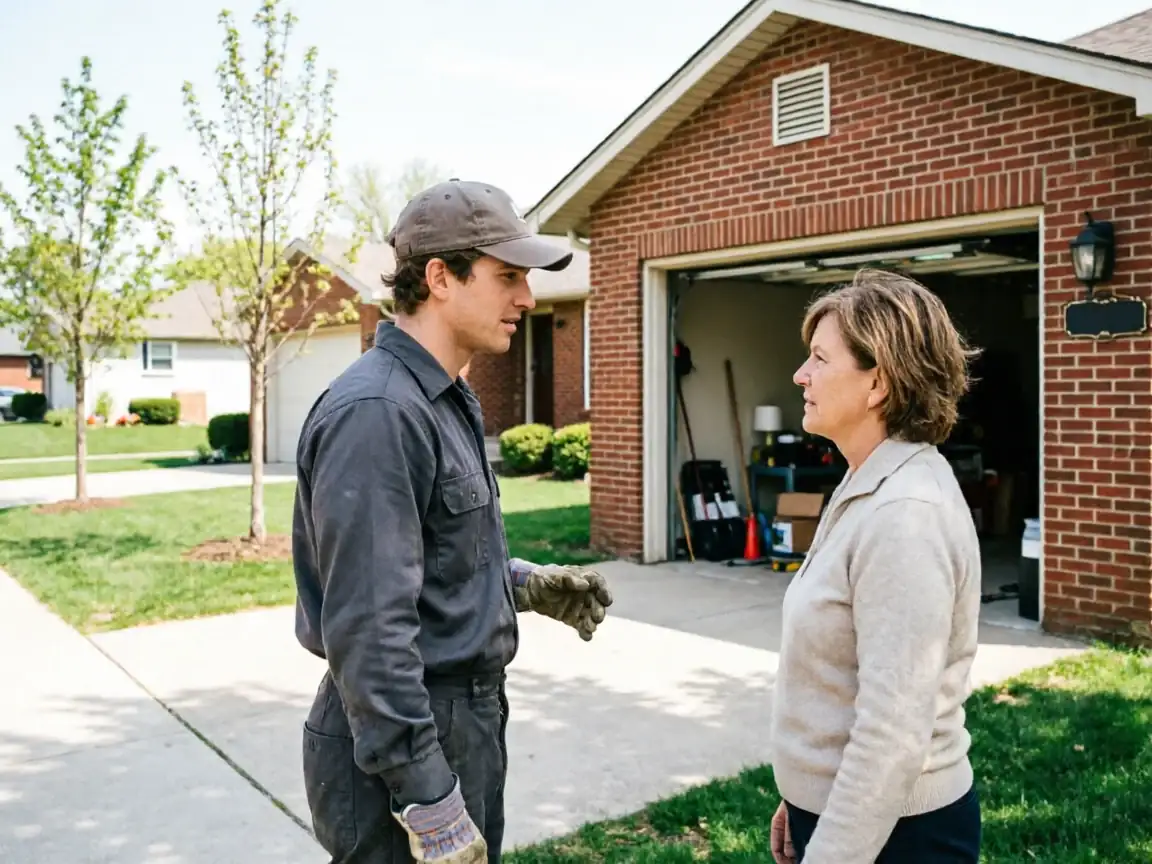
But income doesn't change physics. A single broken torsion spring on an otherwise sound 30-year-old door is almost always a repair, not a replacement, regardless of what the house is worth. We quote the job in front of you - spring, cable, opener board, or roller - and tell you honestly when a repair is the better dollar-for-dollar call versus when the opener or the door itself is old enough that fixing it twice in two years is throwing money at something you'll replace anyway.
What Causes It Around Here
This whole area sits in a severe cold climate band
And that doesn't care what decade your house went up in. Steel contracts in deep cold, torsion springs lose a little tension every winter, and openers with aging capacitors are more likely to fail on the coldest mornings than in July. That part is the same whether you're in a 1960s house or a 1993 one.
What's different in Pewaukee is the hardware generation
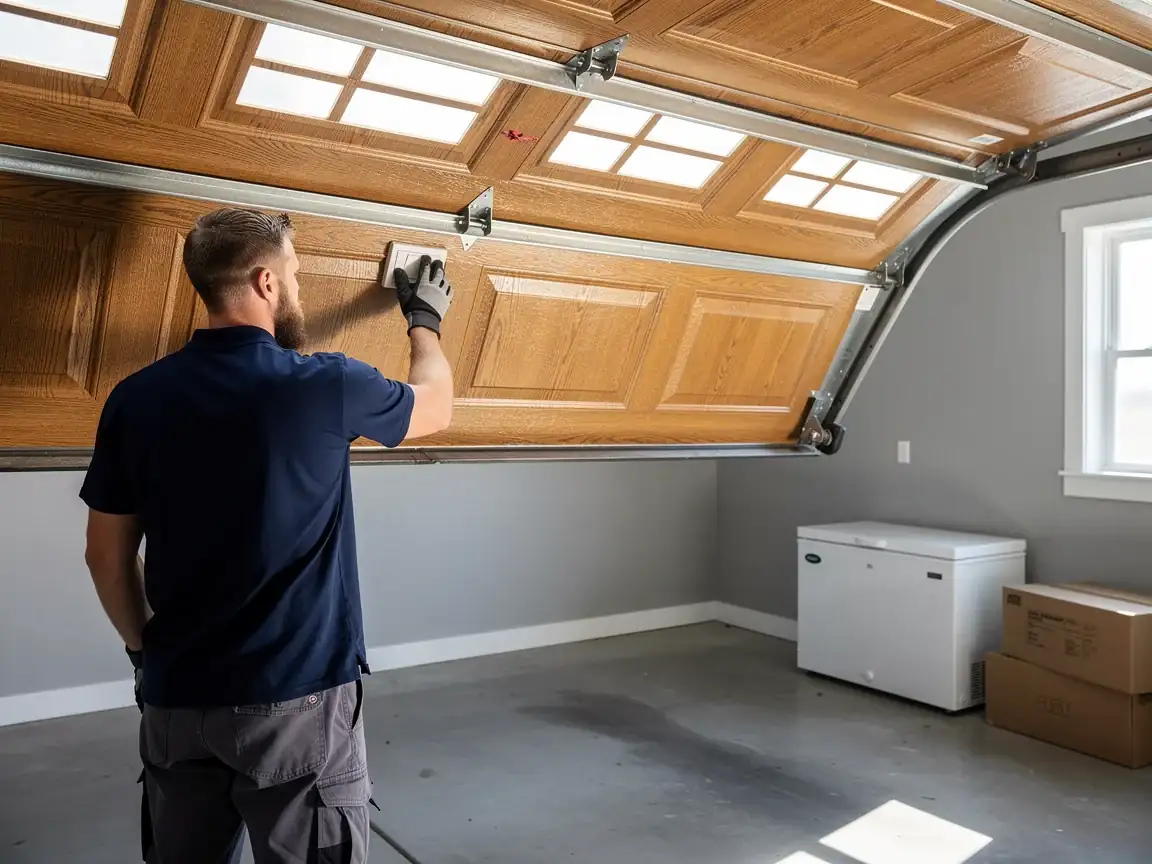
With a median build year of 1993, a lot of garages here are coming up on their first major opener replacement - these units weren't built to run forever, and 25-to-30-year-old circuit boards are a known failure point industry-wide. Springs on doors this age are also due, since most torsion springs are rated for a fixed number of open-close cycles and a 30-year-old spring has usually used most of them up, cold weather or not. It's less