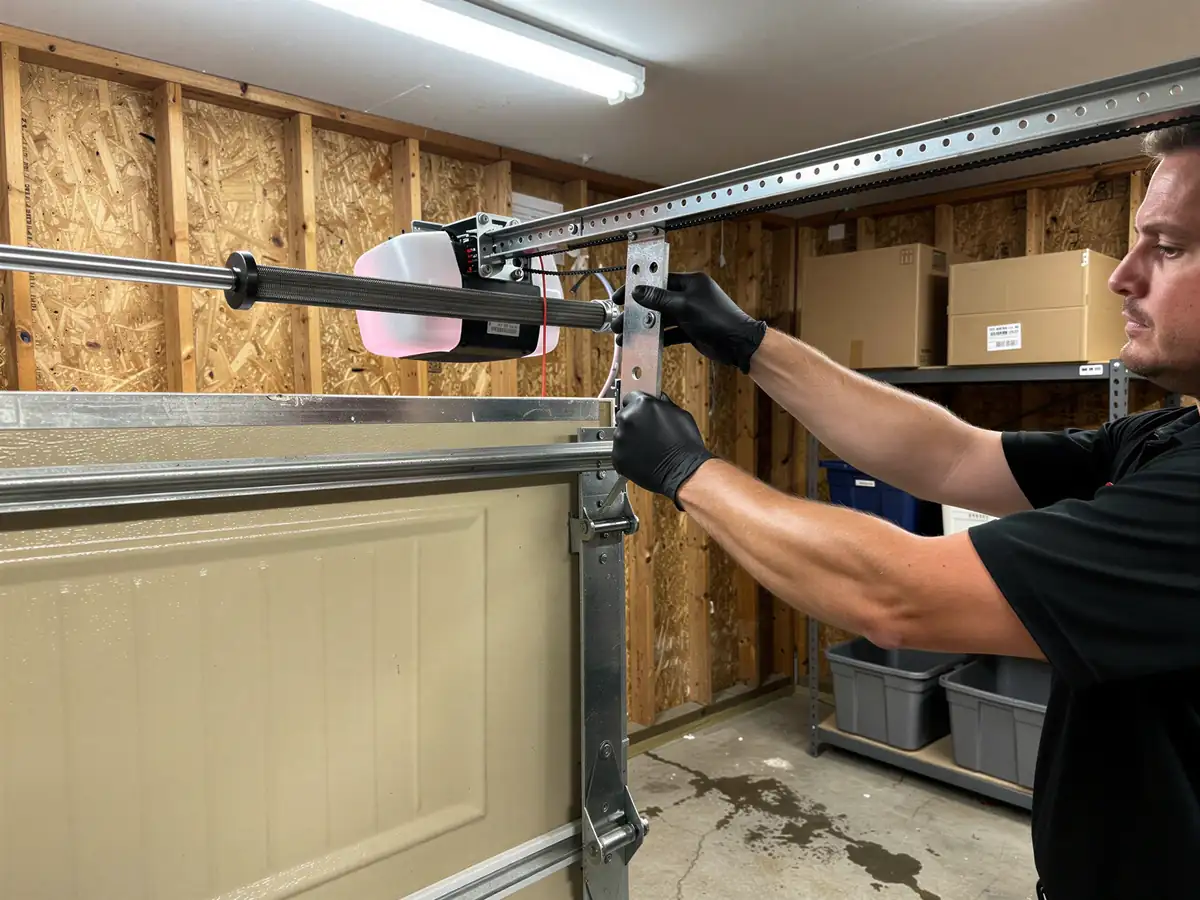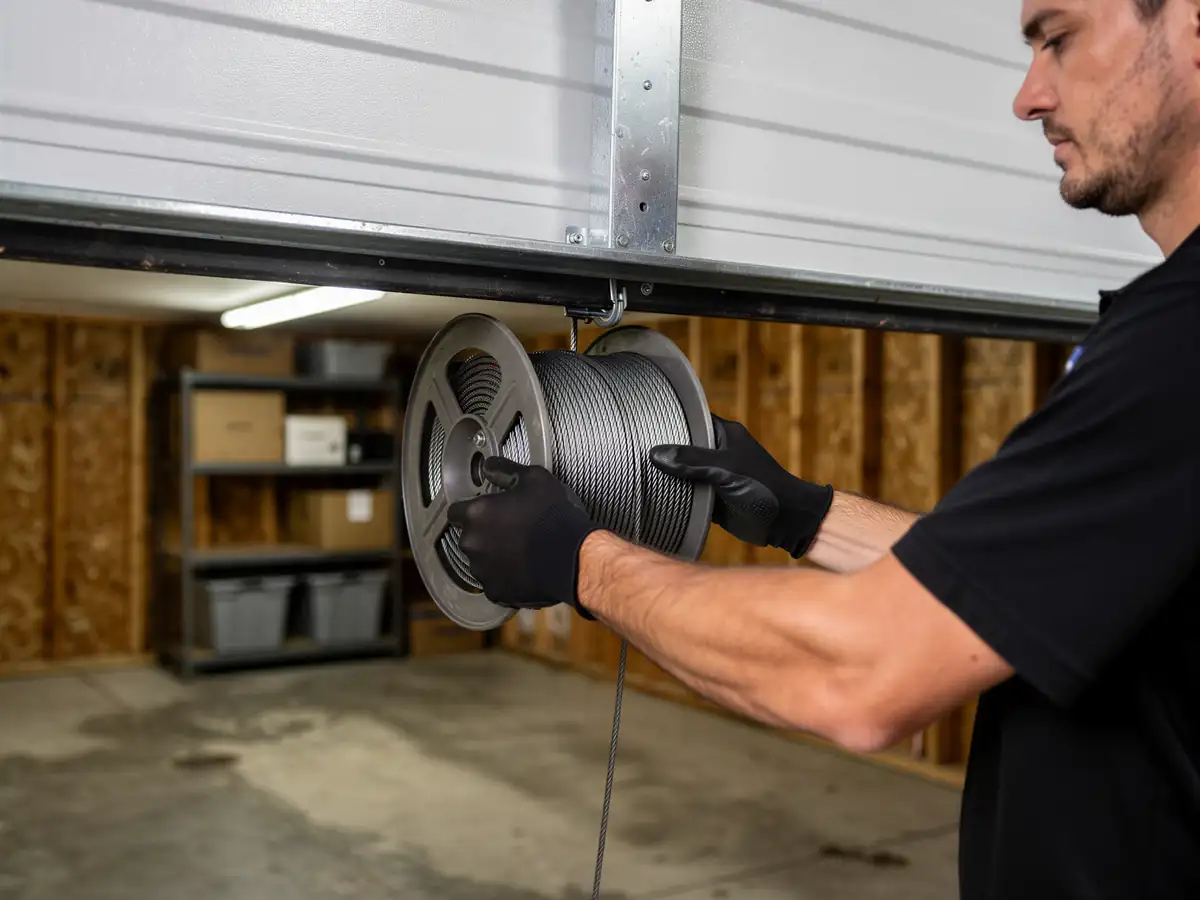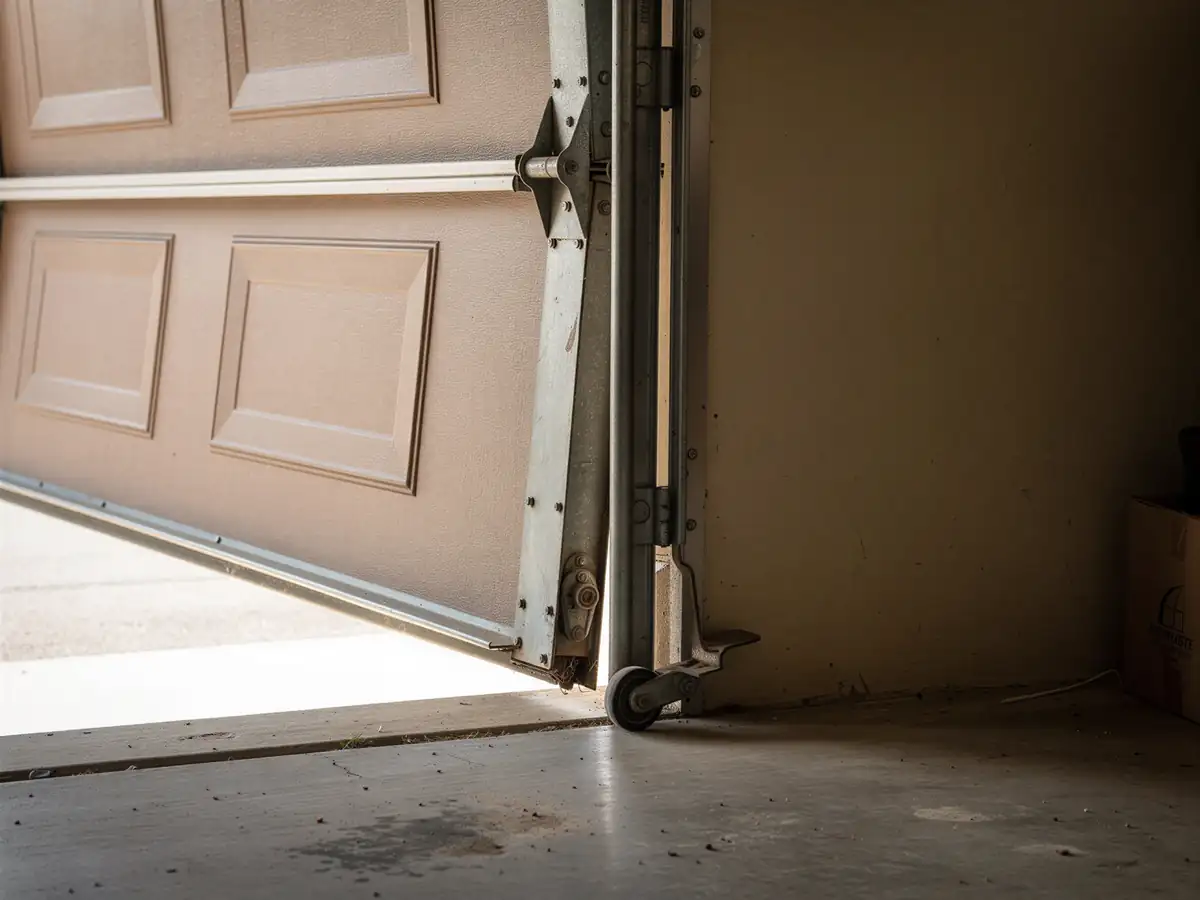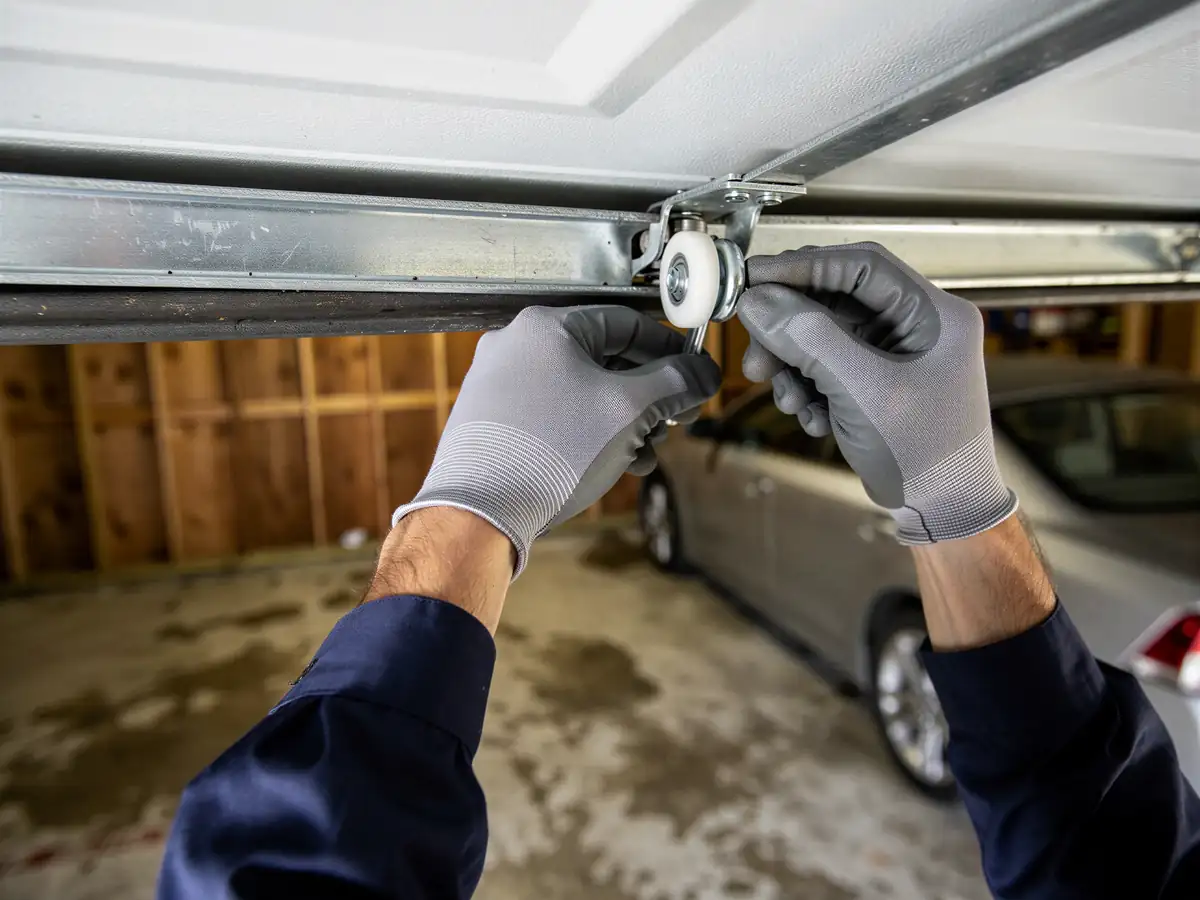
What You Are Seeing
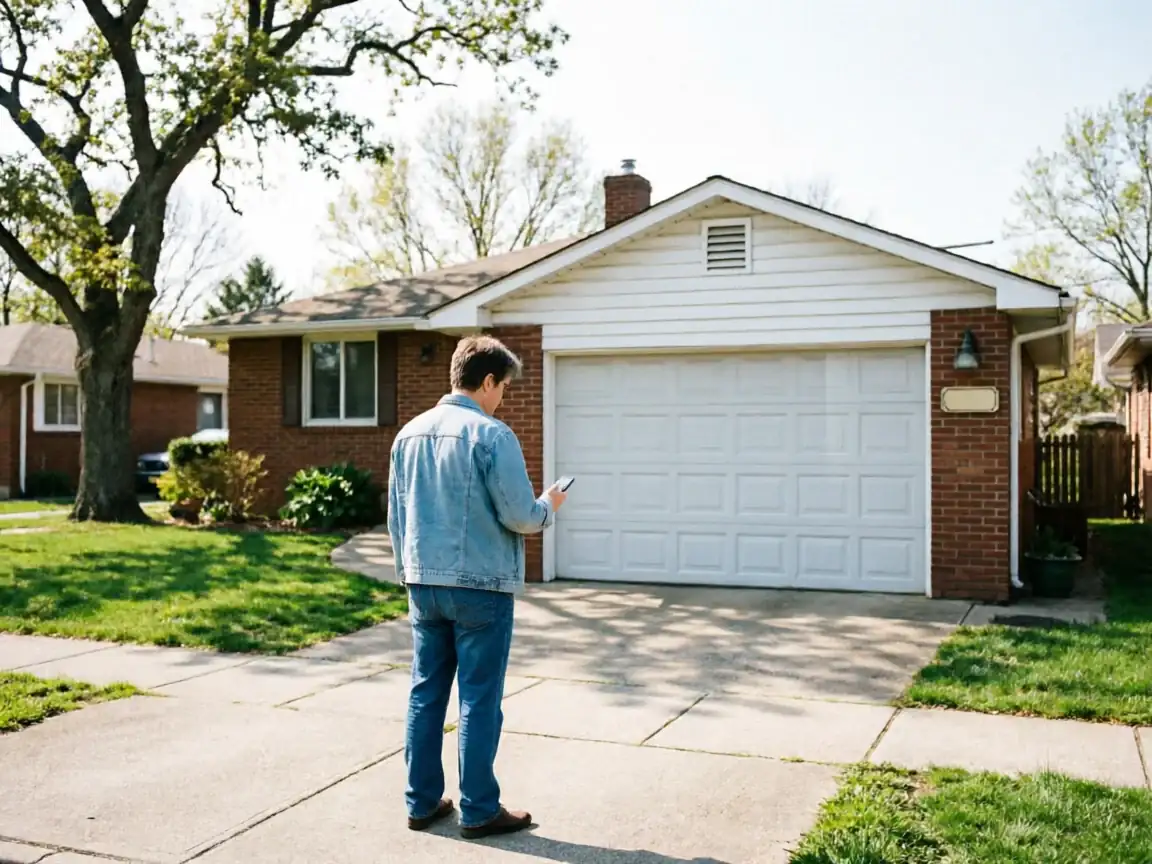
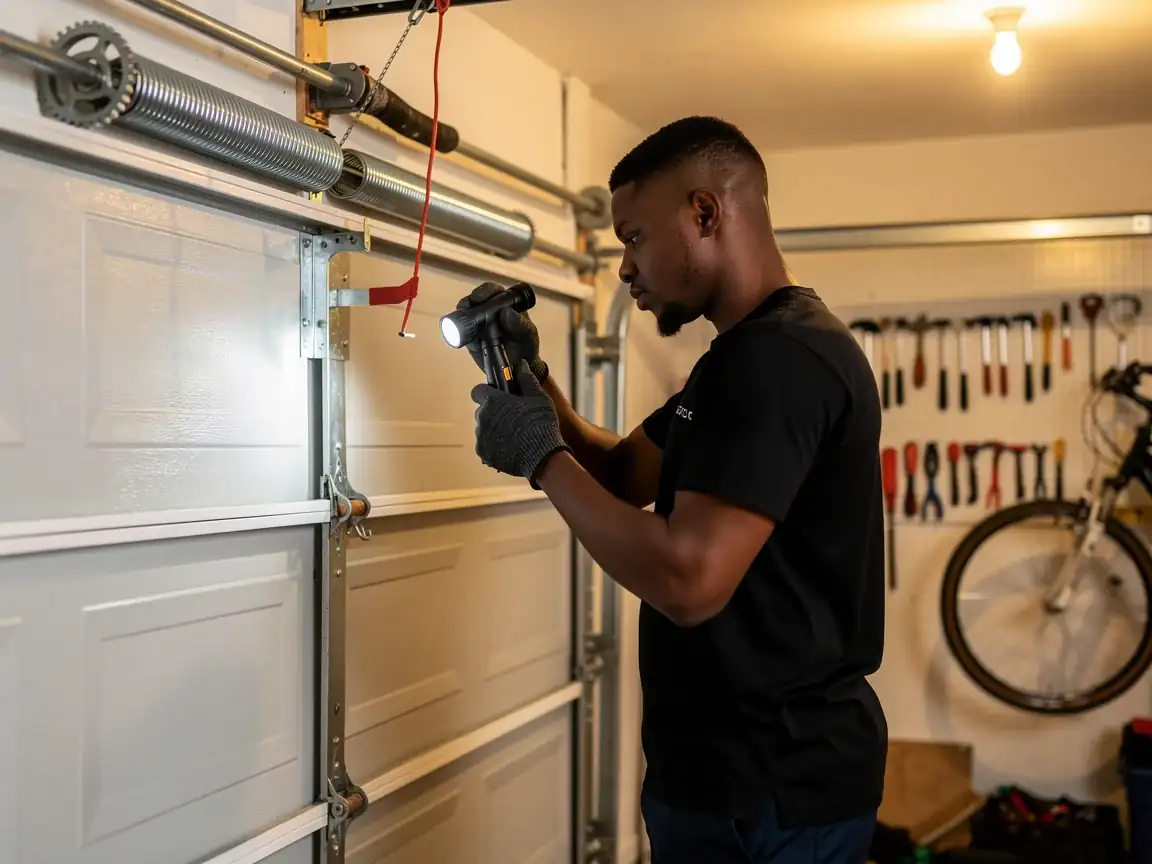
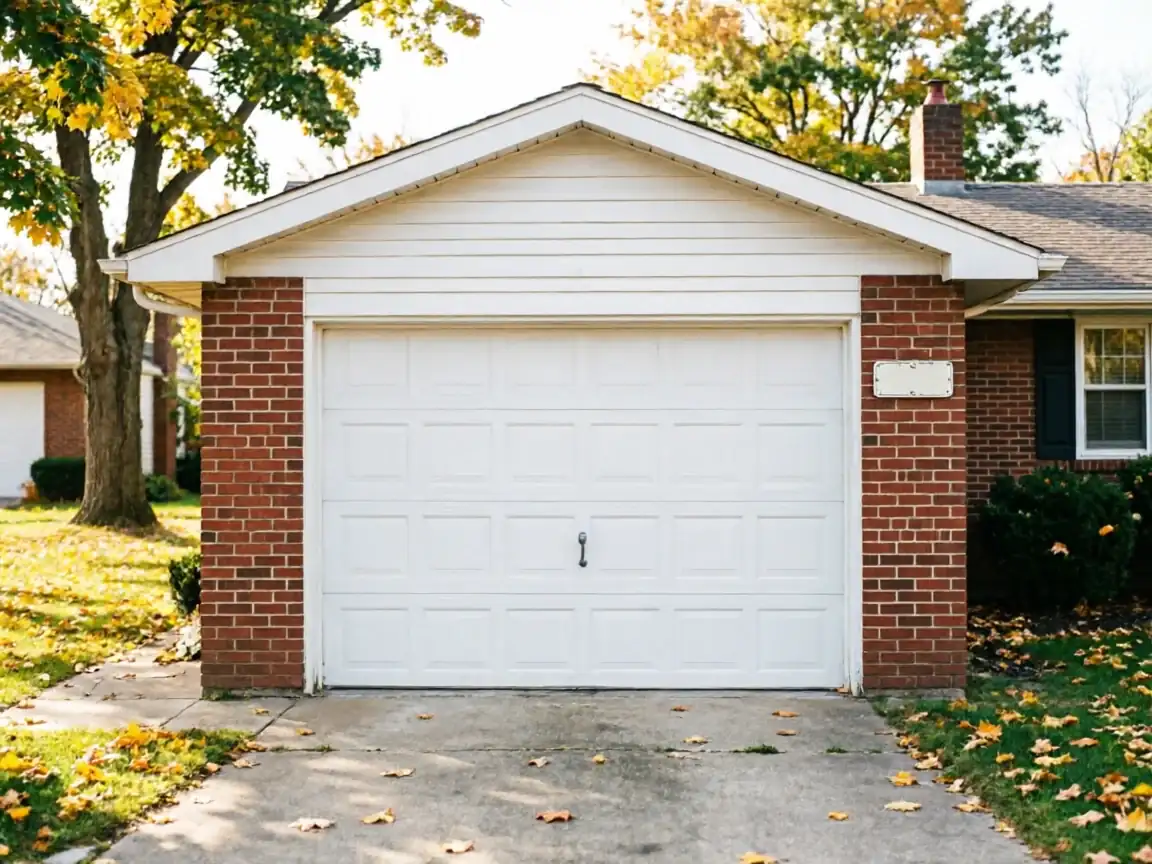
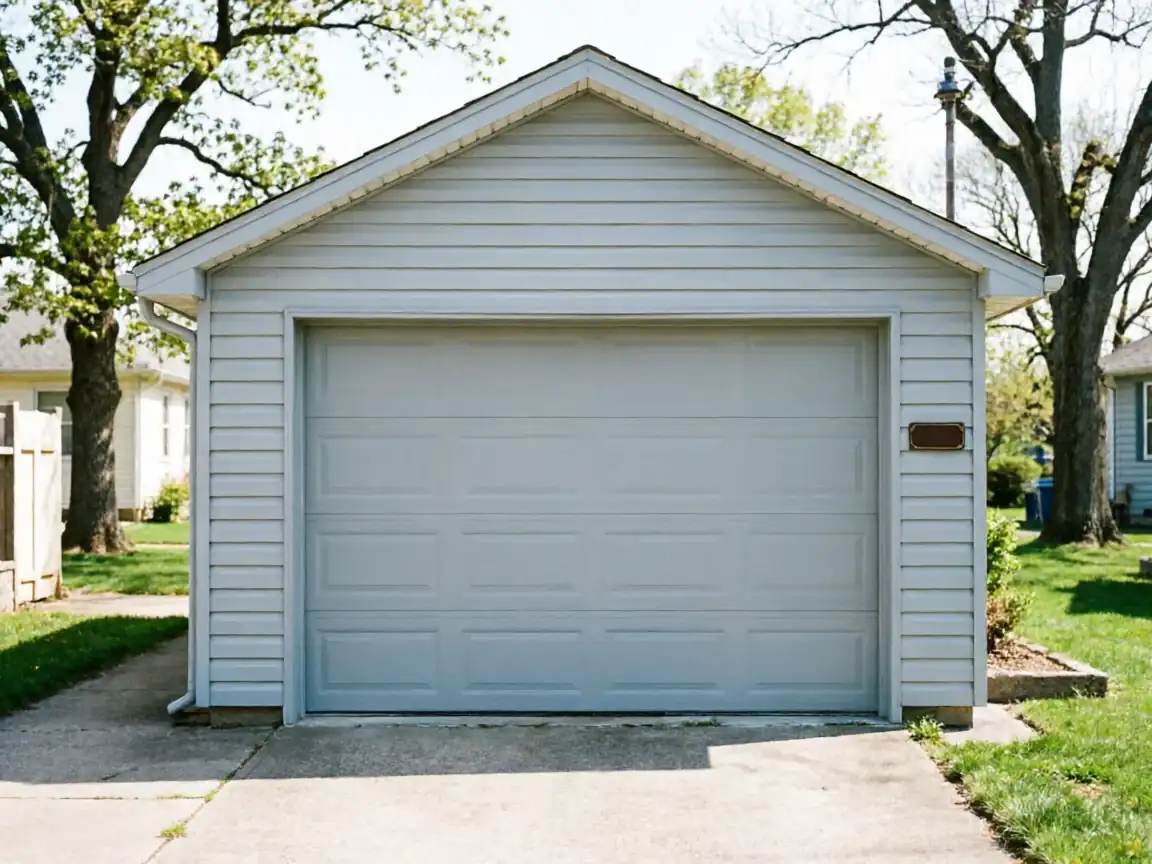
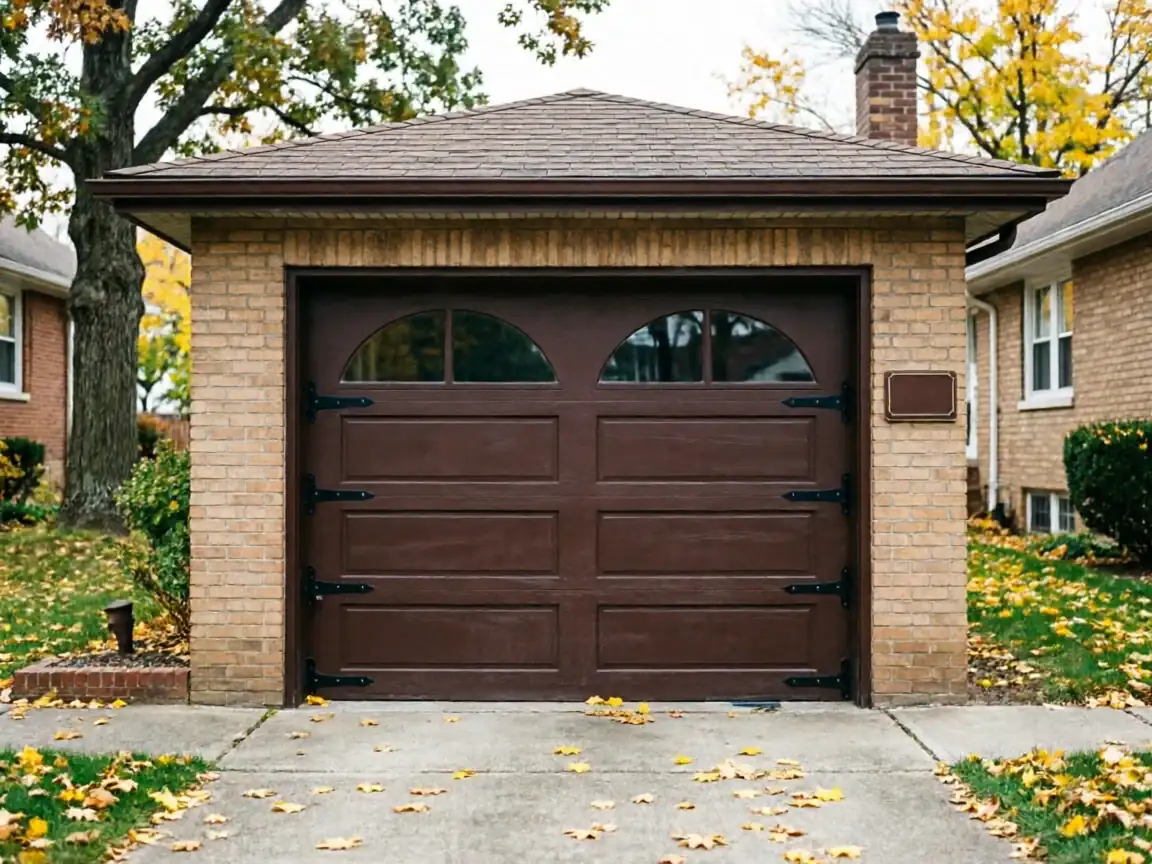
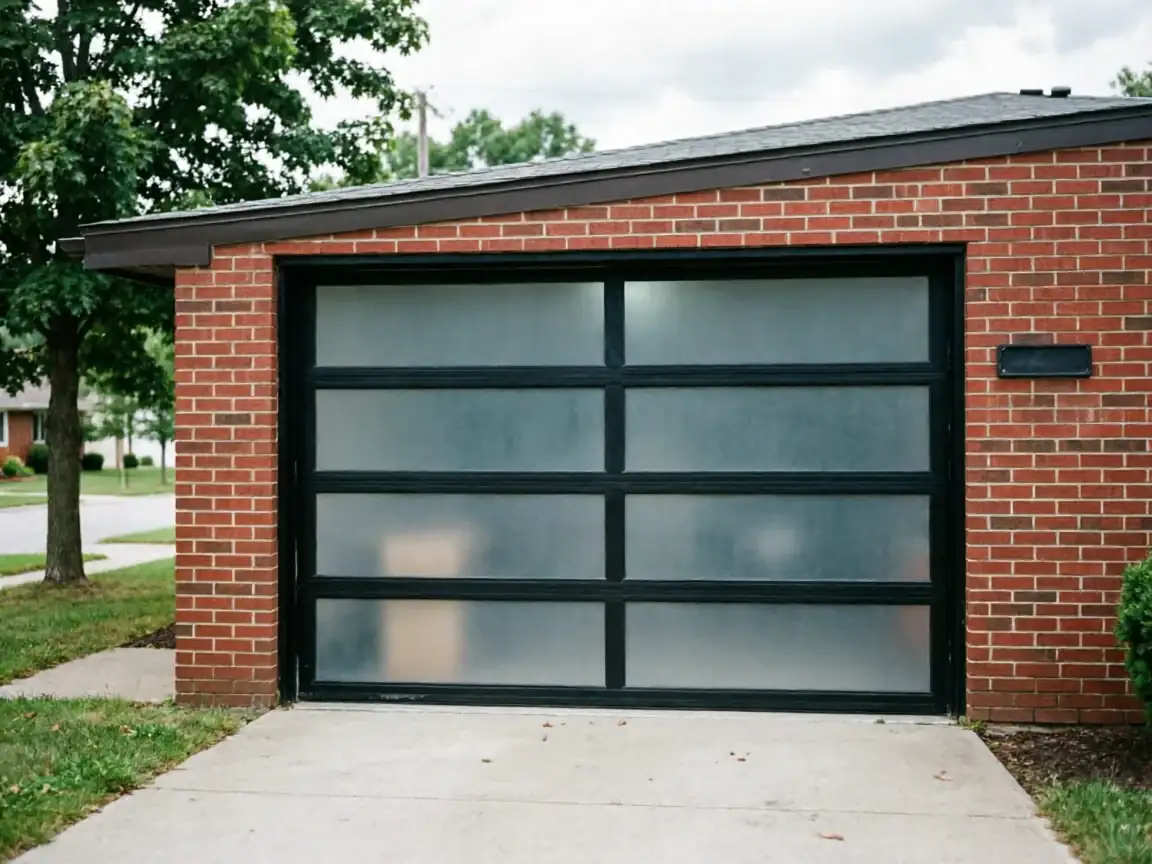
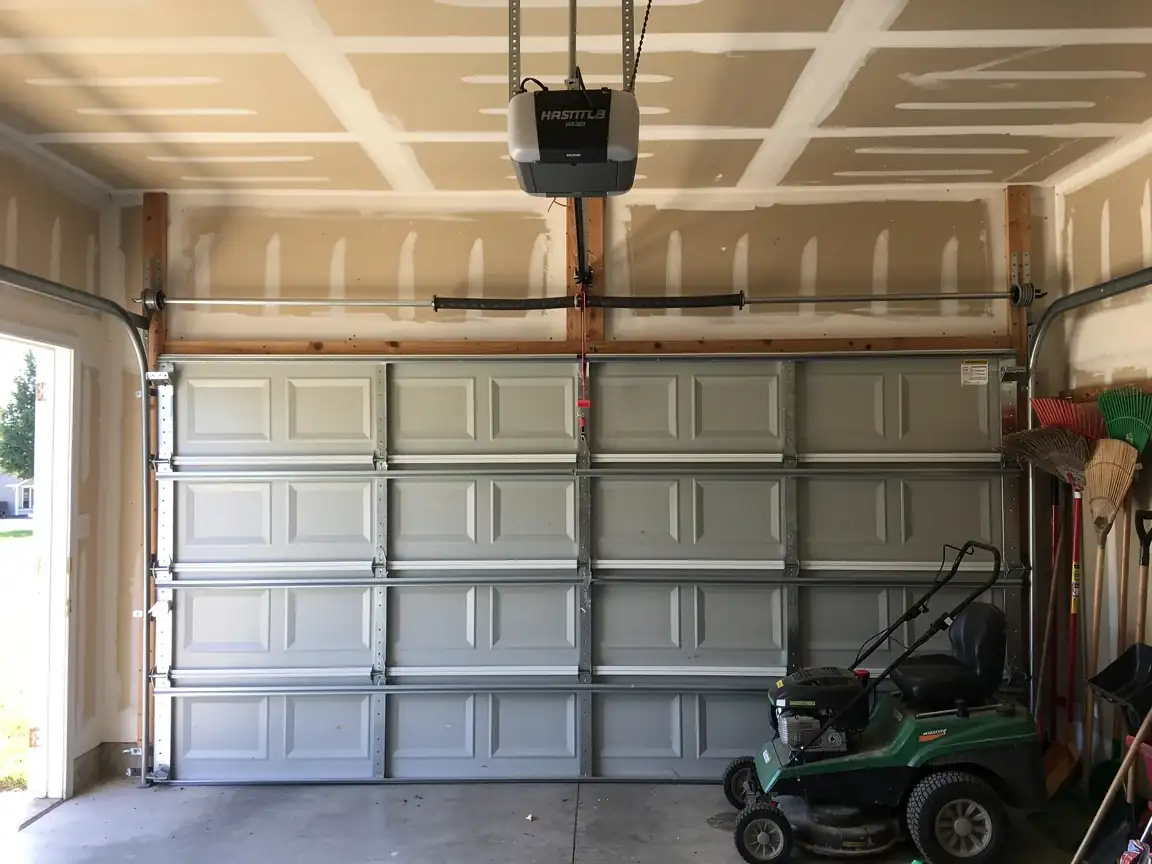
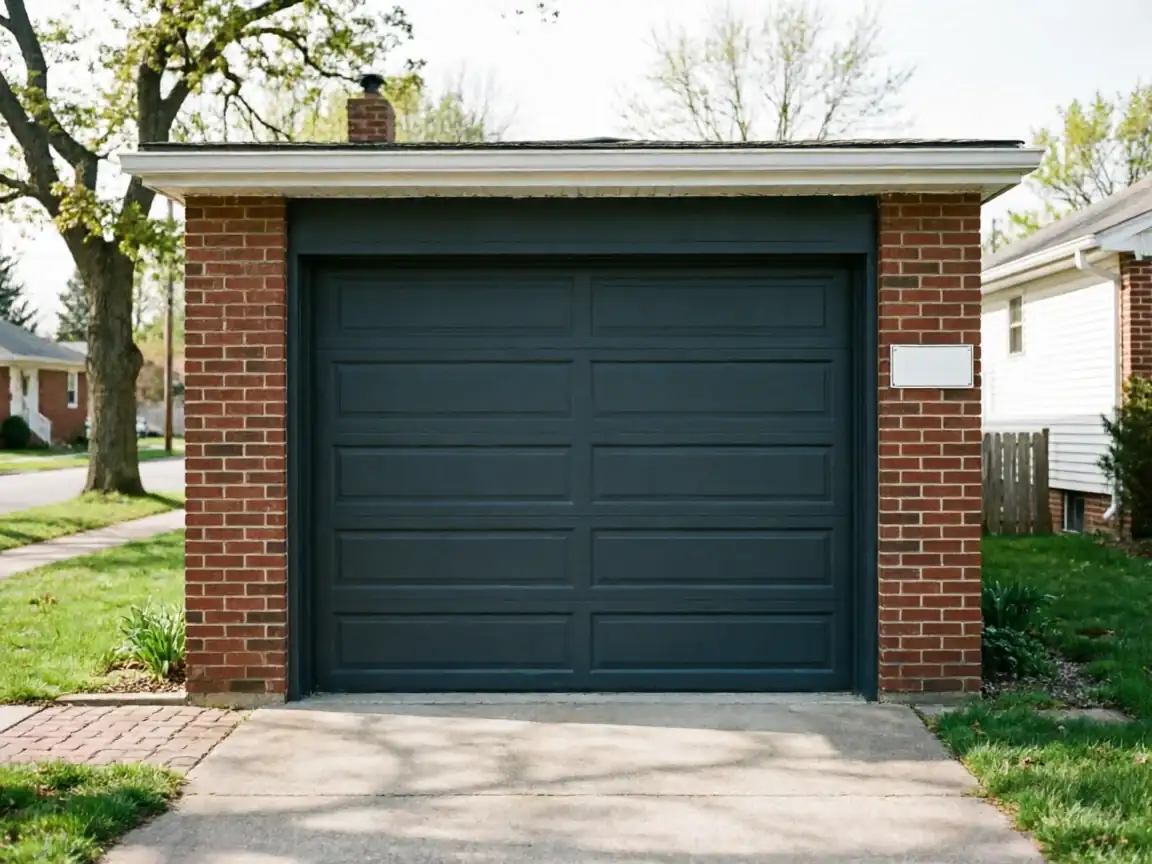
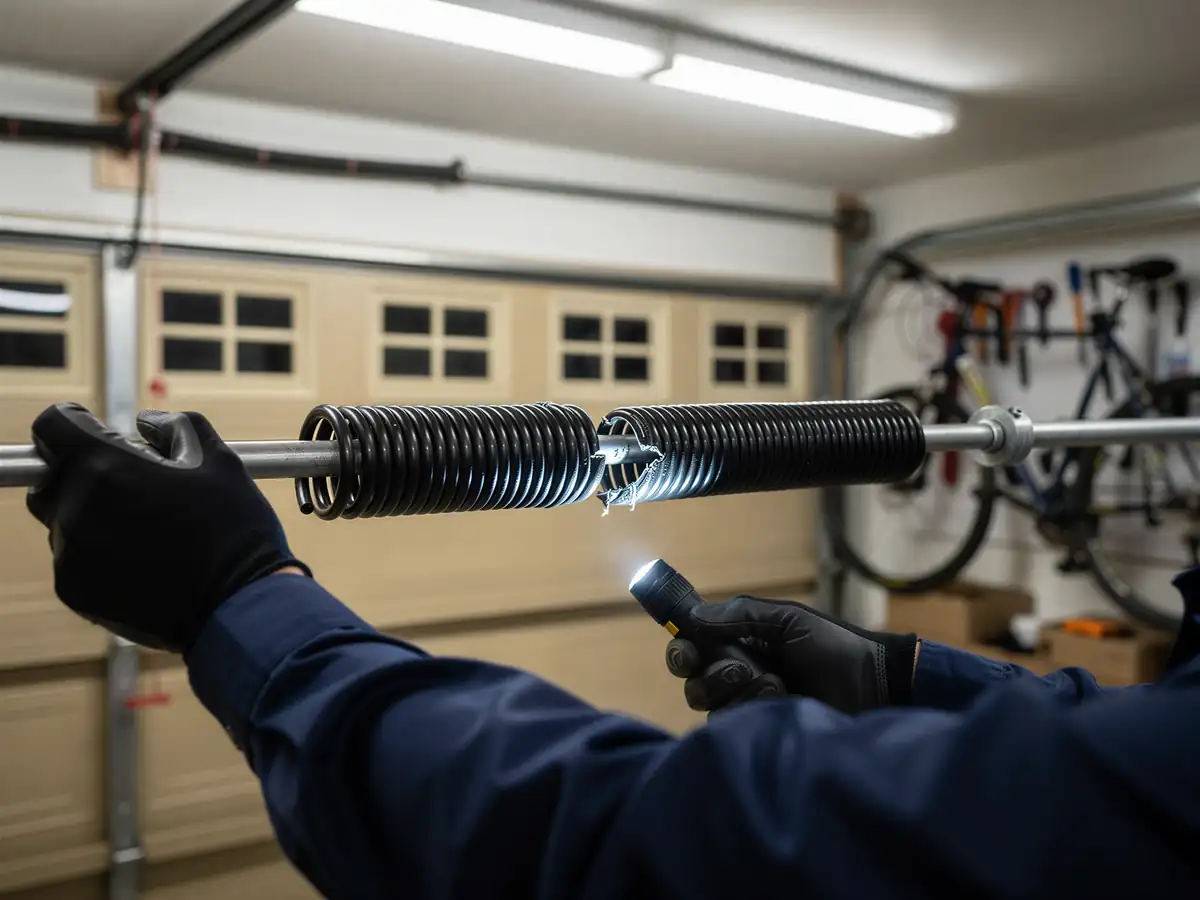
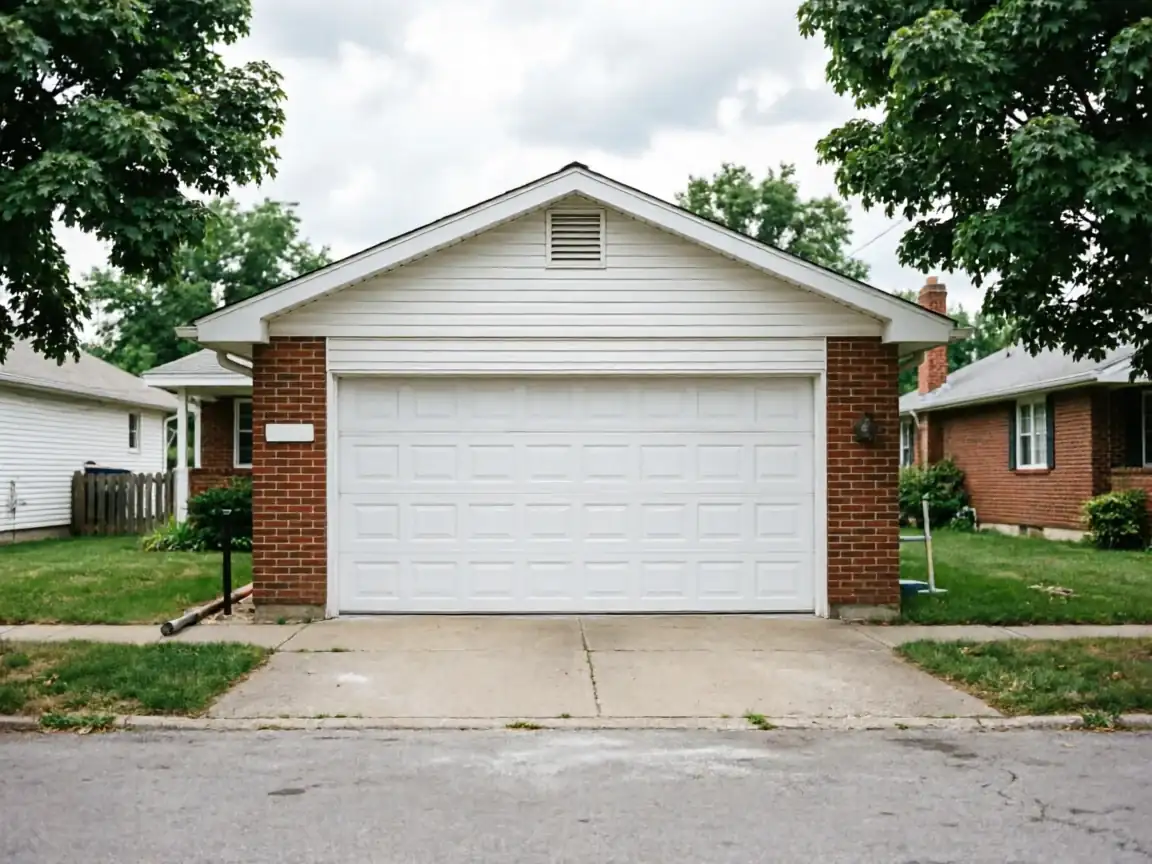
Pewaukee sits about 4 miles from our Waukesha shop, and the doors we pull up to here skew noticeably newer than what we see on calls closer to the city center. The service area overall spans housing built between 1938 and 2004, with a median around 1979 - a lot of older one-piece doors and side-mount torsion hardware mixed in. Pewaukee's own median build year lands around 1993, which puts most of its garage stock squarely in the steel sectional era: factory torsion springs mounted on a center shaft, roller tracks bolted to pressed steel jambs, openers from the chain-drive boom of the 90s and early 2000s. That's a different animal from the older housing stock, and it changes what breaks and how. You're less likely to find a door that predates modern spring cones, and more likely to find an opener logic board that's simply aged out, or a torsion spring rated for a heavier insulated panel than the door actually has. The symptoms look similar on the surface - door won't open, door slams shut, door groans off its track - but the parts behind the symptom are a decade or two younger than what we're used to pulling off a house two towns over.
What It Costs
We don't post a flat number here because the fix depends on what's actually failed - a cable, a spring, a roller, an opener board - and we're not going to guess at a price before we've seen the door. What we can say is that Pewaukee's housing age works in your favor on parts availability: 1990s-era torsion springs, standard steel panels, and common chain or belt-drive openers are parts we carry or can get quickly, unlike the obsolete one-piece hardware you'll find in some of the older pockets of the service area. That doesn't mean every job is cheap - a full opener swap costs more than a cable repair, and a heavier insulated double door needs springs matched to its weight, not a generic swap. If a spring looks original to a 1990s build and the door's never been serviced, expect a tech to check both springs even if only one failed, since cones that age tend to go in pairs.
Getting It Booked In
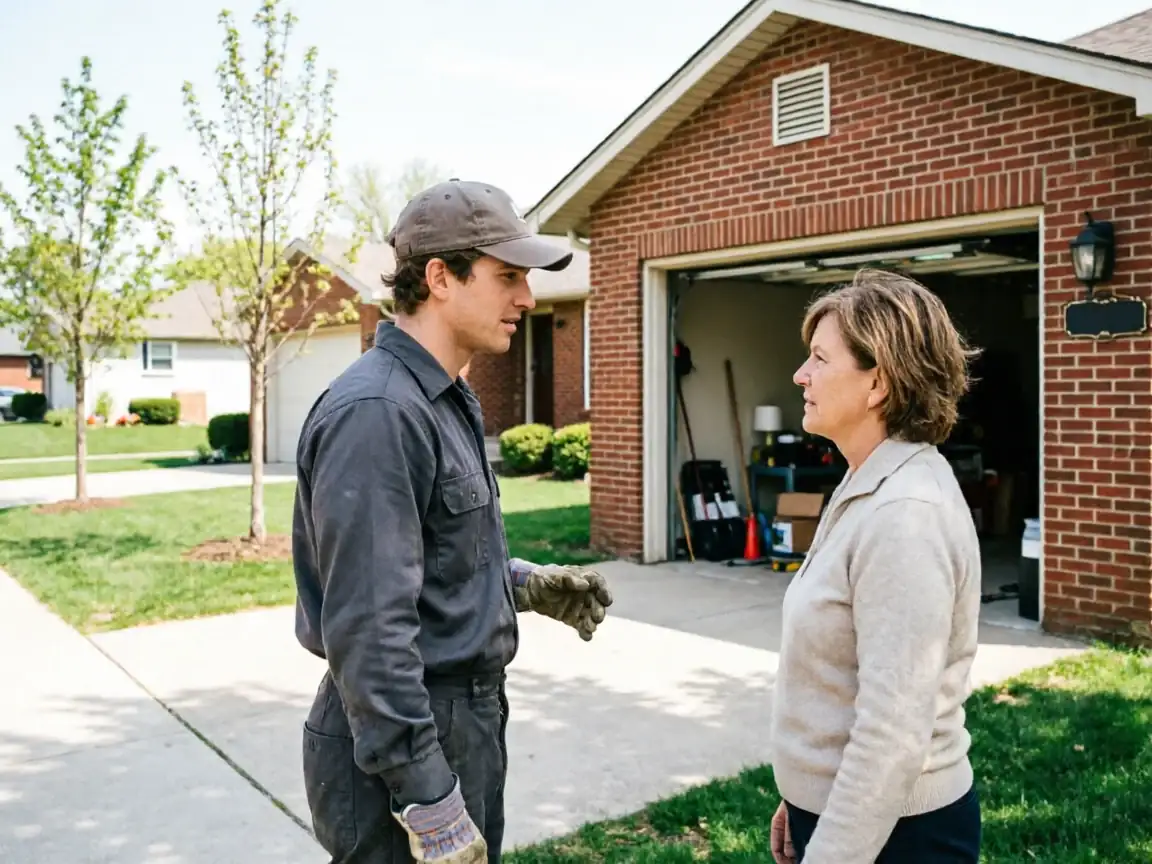
We run out of Waukesha and cover Pewaukee as part of the regular route, about 4 miles out. Call and tell us the symptom - door won't budge, opener runs but door doesn't move, panel's dented from a backed-into car - and we'll get a sense of what's likely wrong before a truck ever leaves the shop. If it's a spring or cable, that's usually one visit. If it's an opener board or a panel that needs ordering, we'll tell you that up front rather than have you wait on-site while we figure it out.
What the Repair Takes
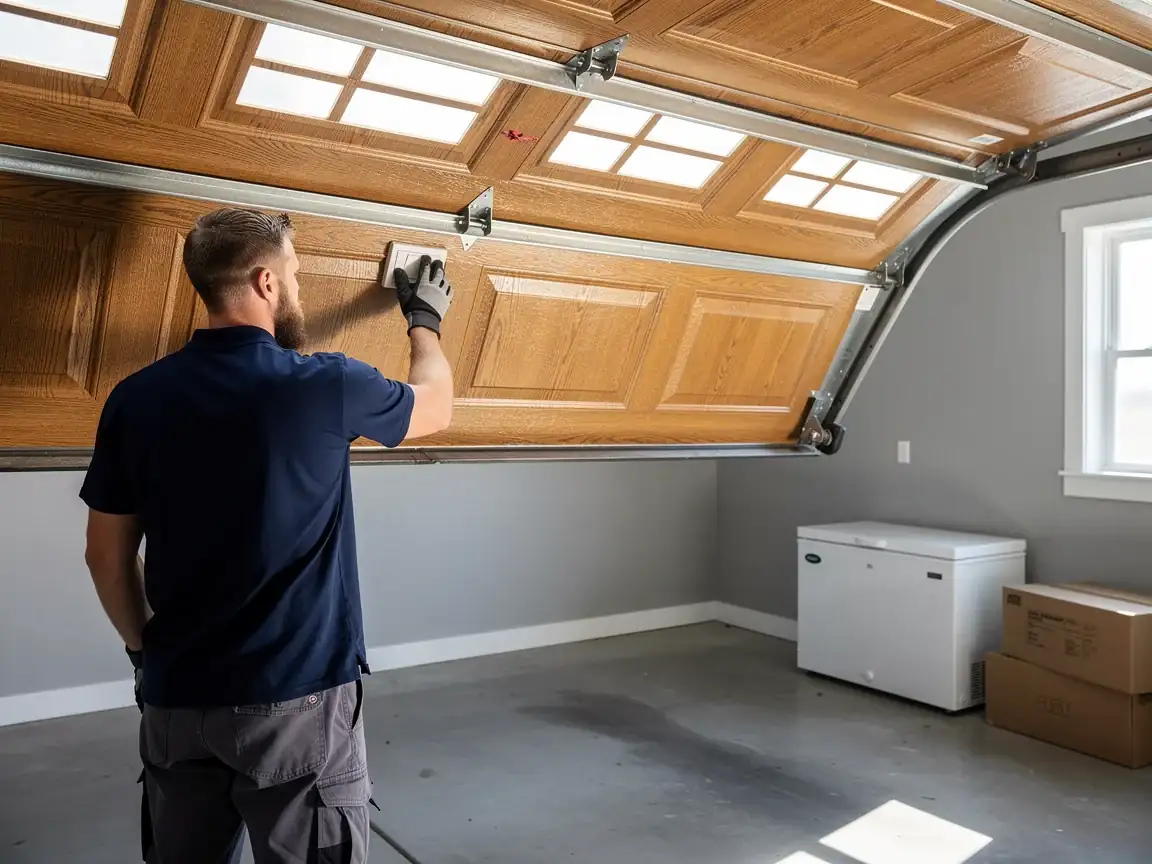
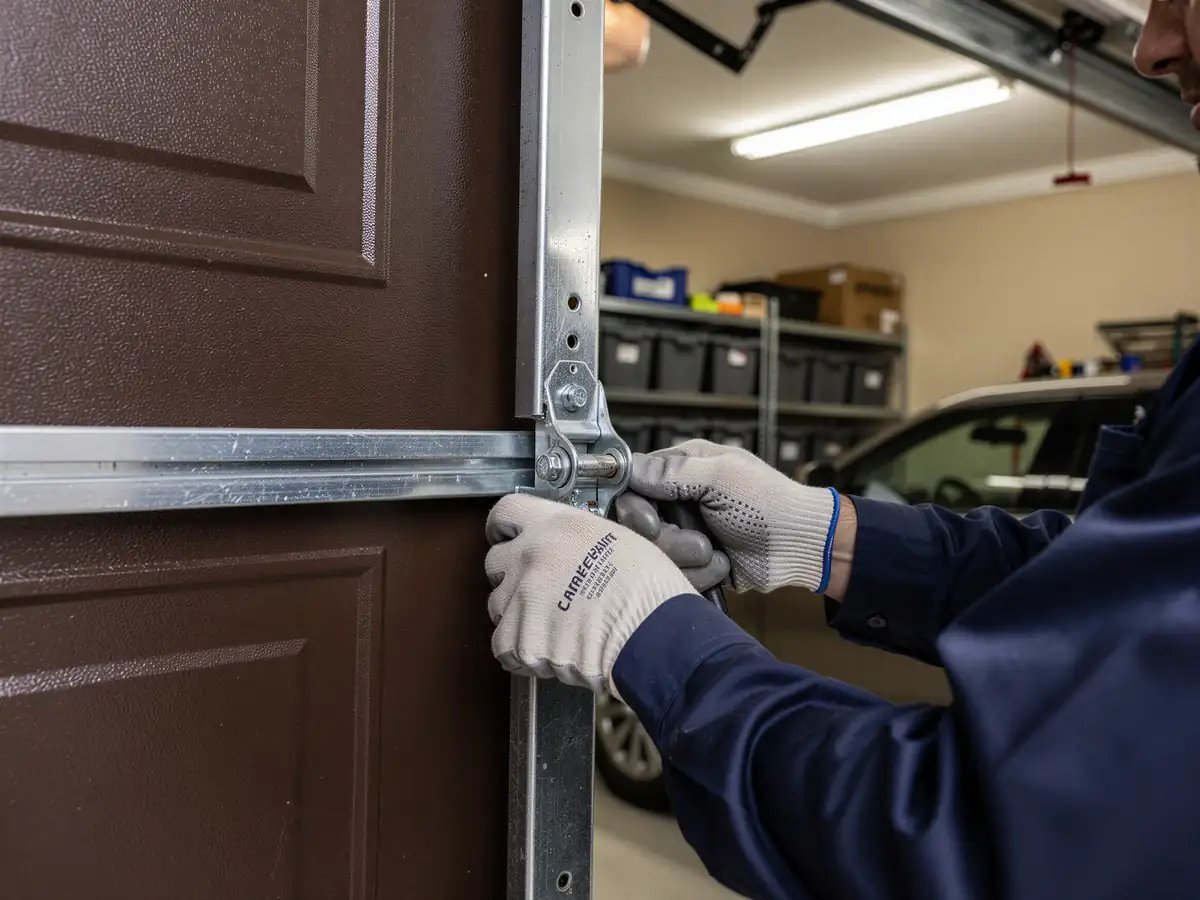
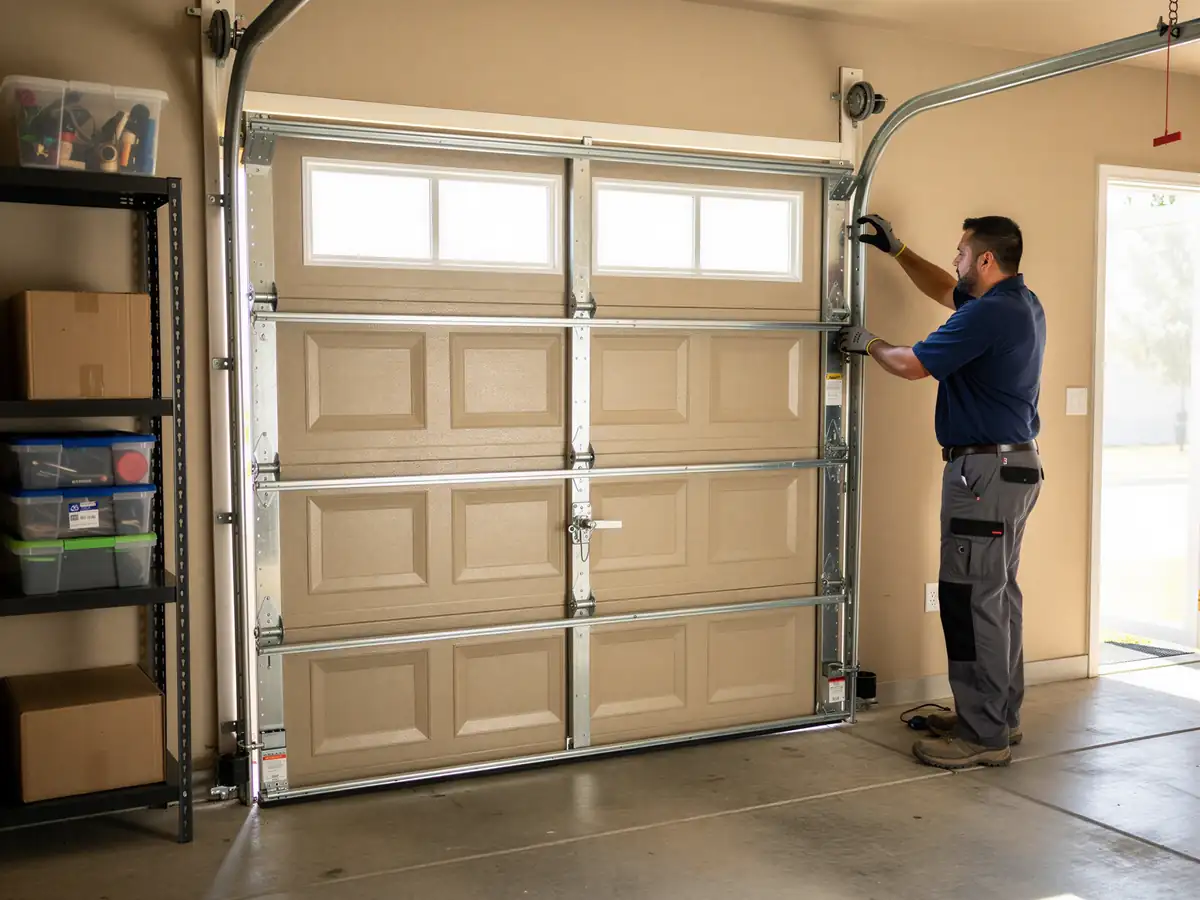
Most spring and cable jobs on a 1990s sectional door run under two hours once the tech is on site - the hardware is standard enough that parts aren't a holdup. Opener swaps take a bit longer, especially if the old unit's mounting doesn't match a current model and the bracket needs adapting. Panel replacement is the one that can stretch out: if your door's an older color or a discontinued profile, we may need to order the section rather than pull one off a shelf, and that's a lead-time issue we can't shortcut. We'll always tell you before the job starts if we expect a wait on parts rather than letting you find out at the end.