How That Shows Up in the Door
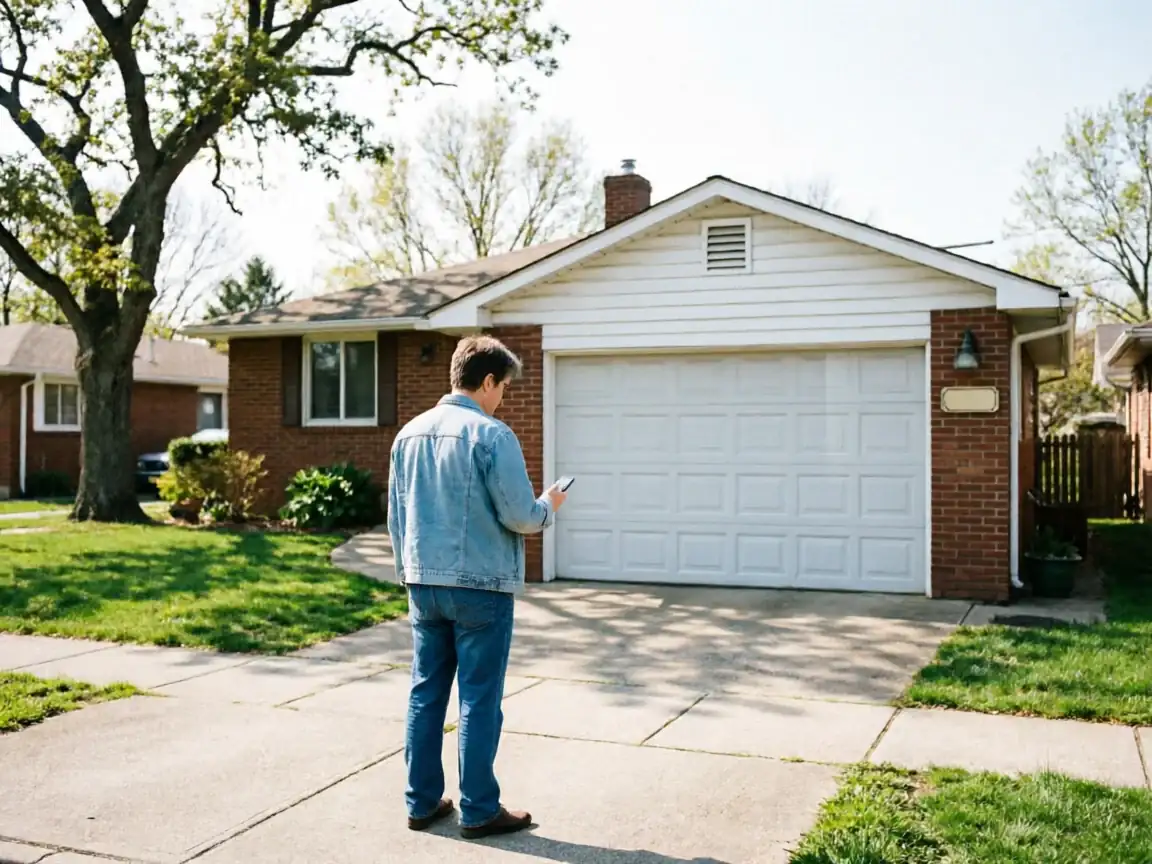
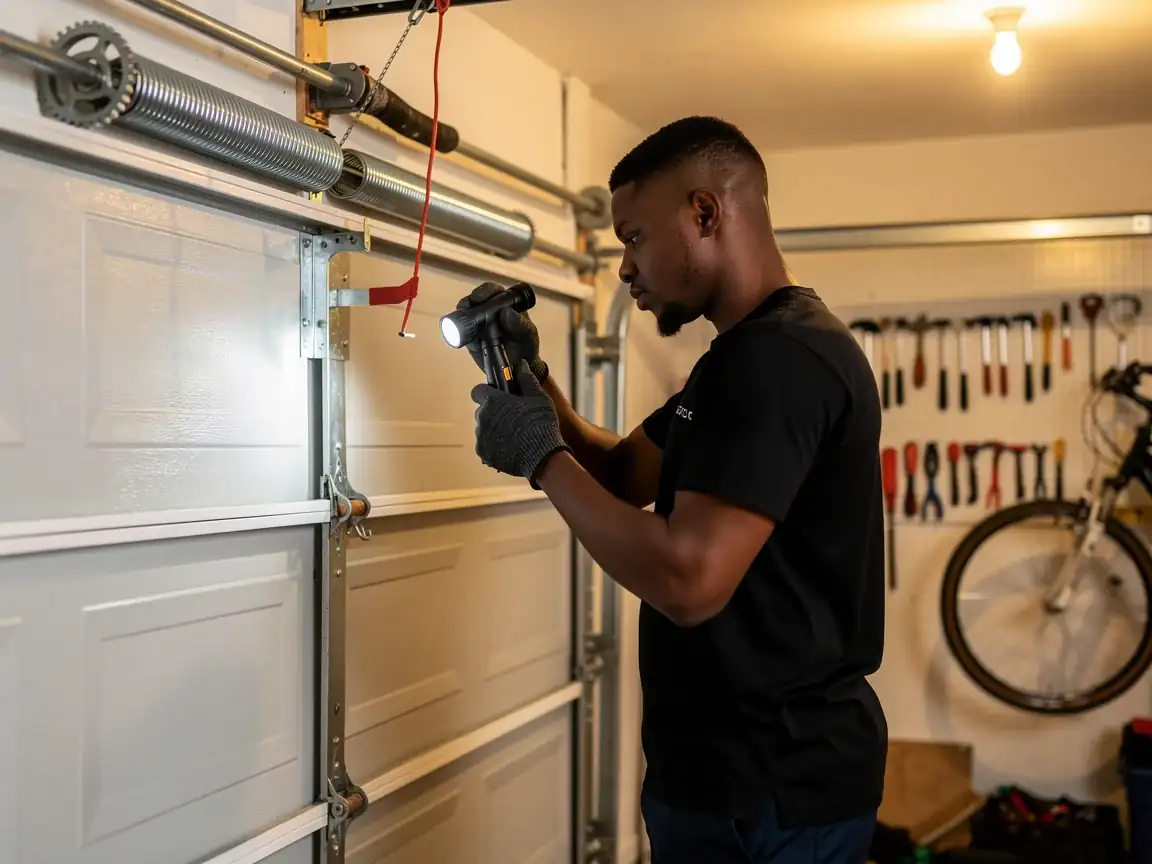
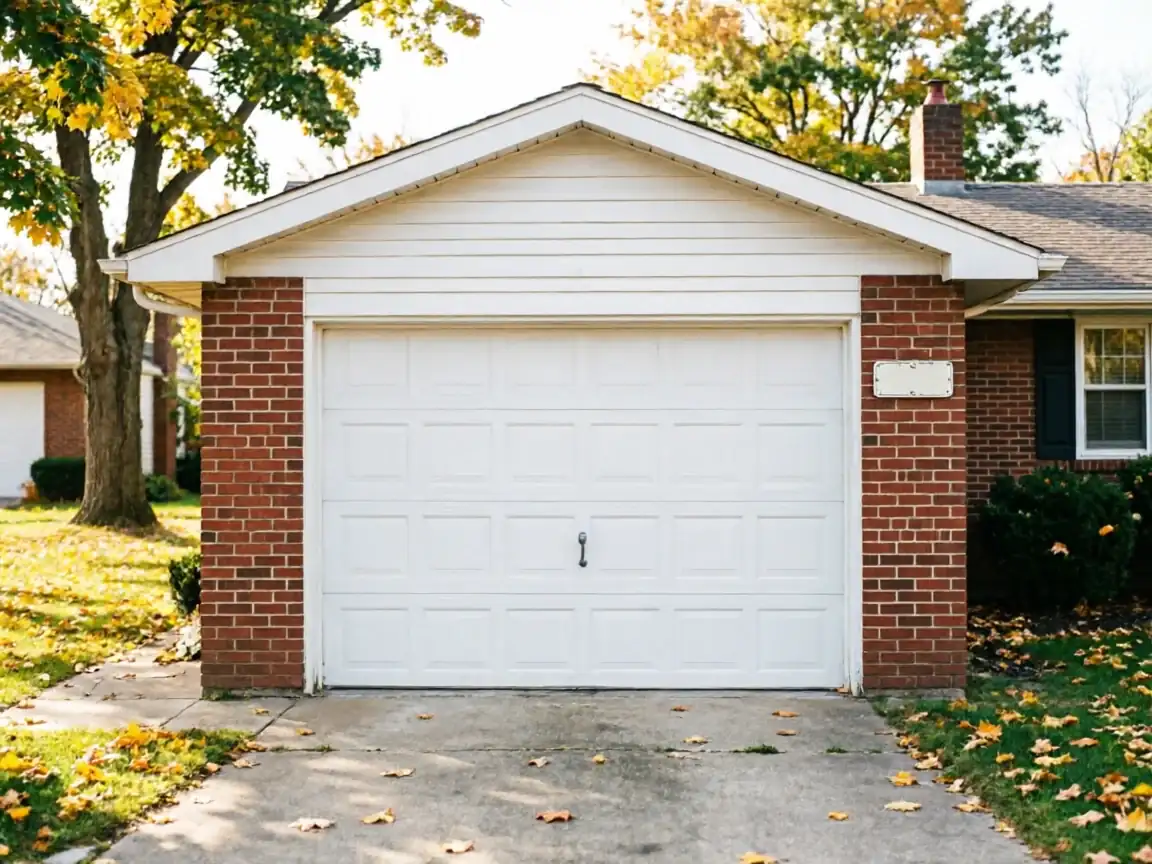
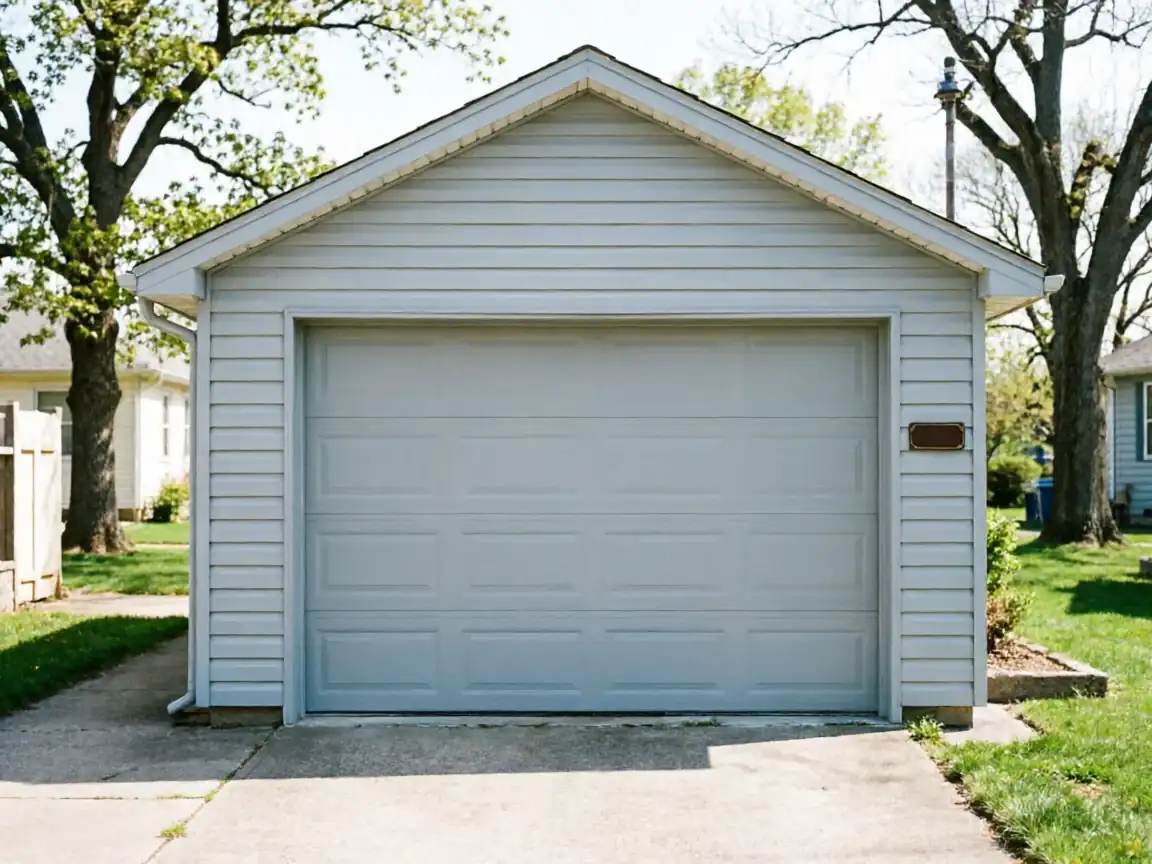
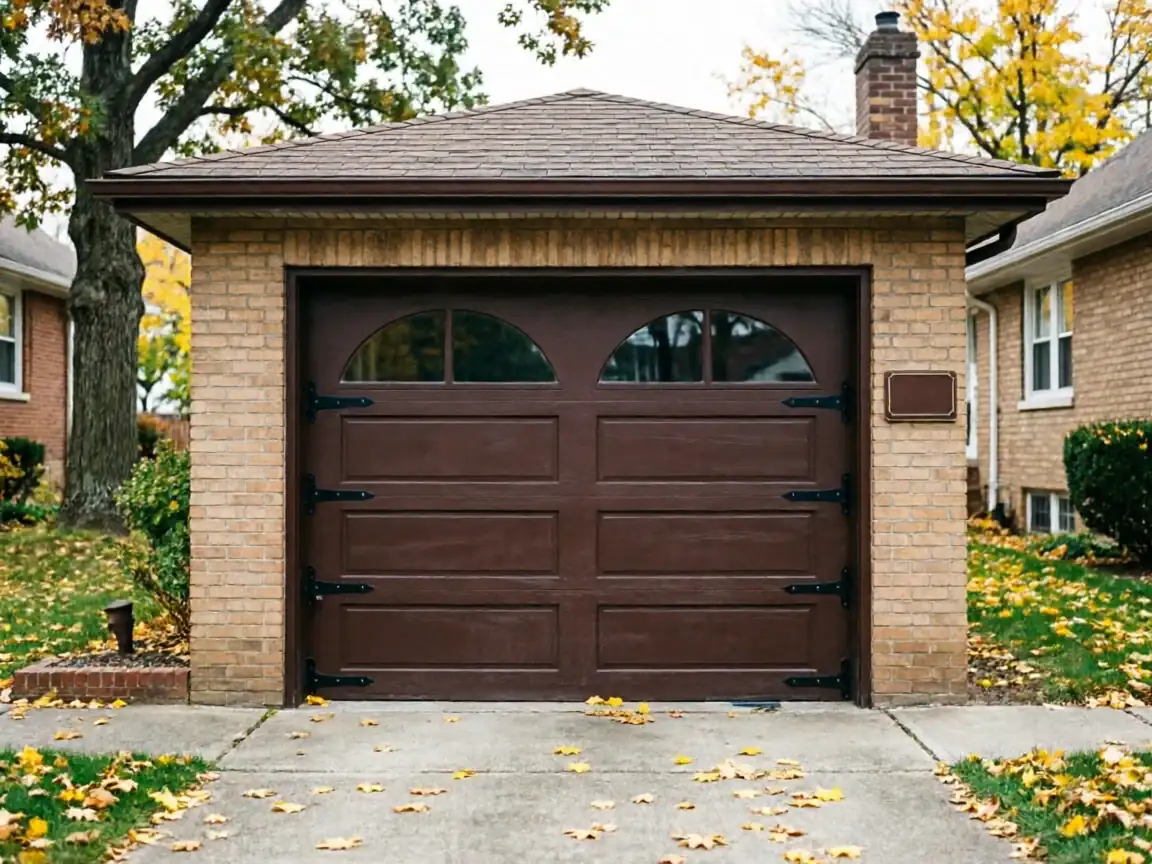
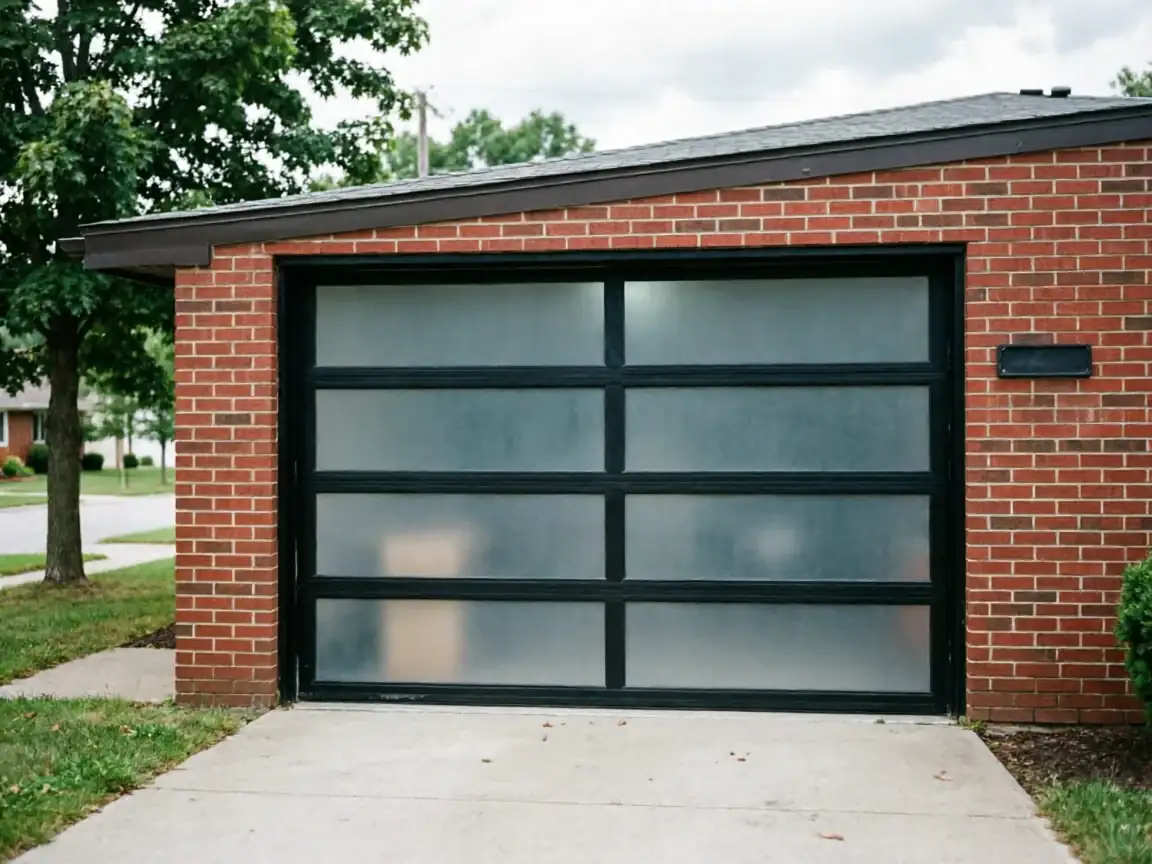
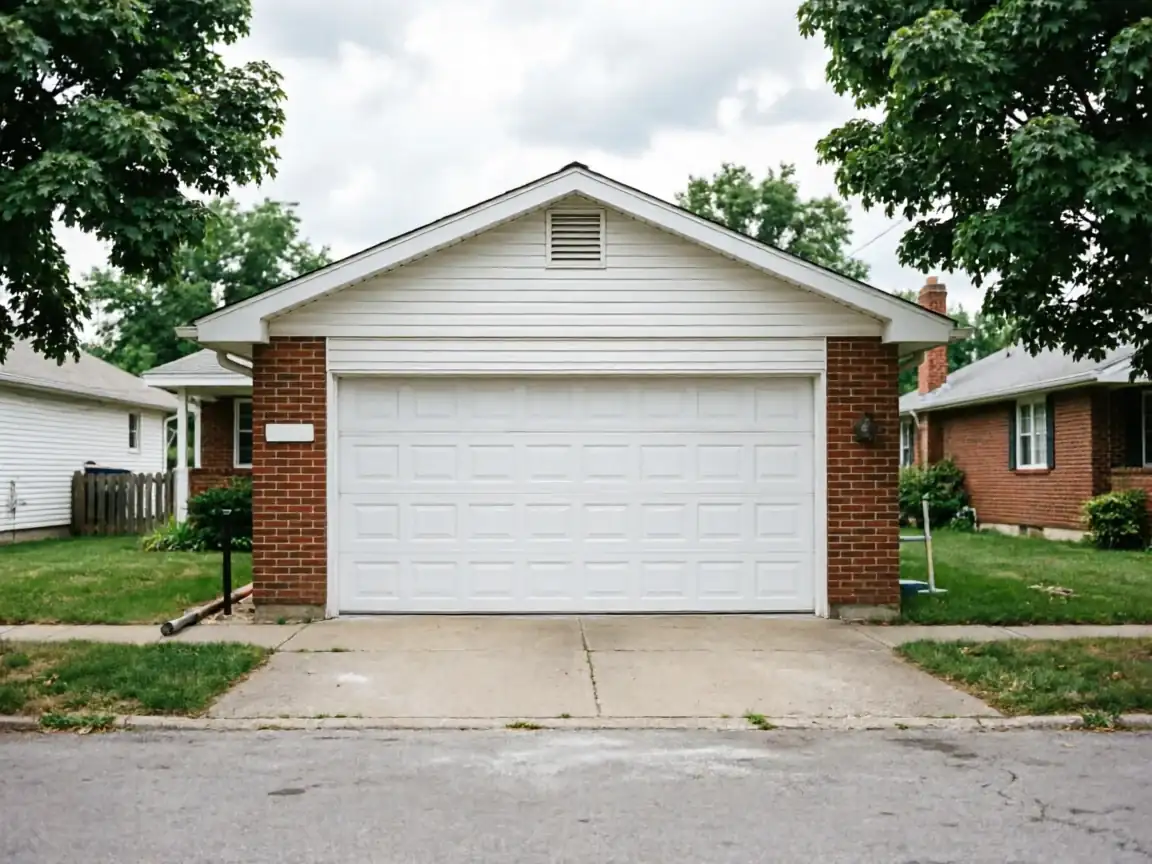
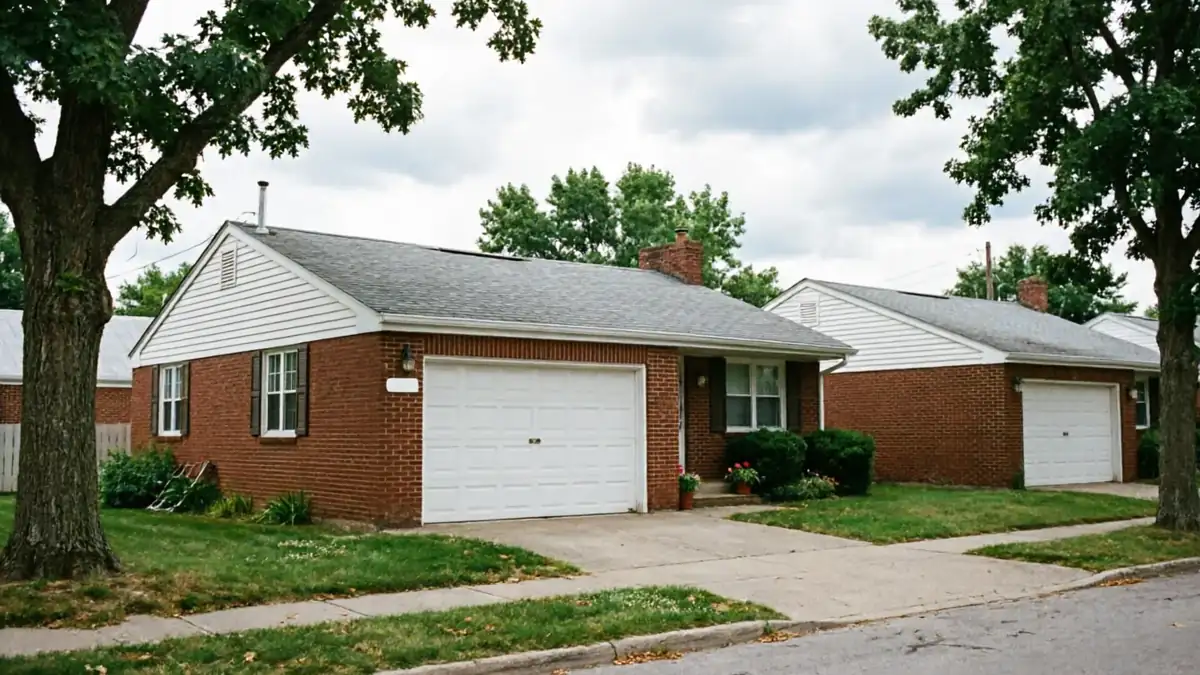
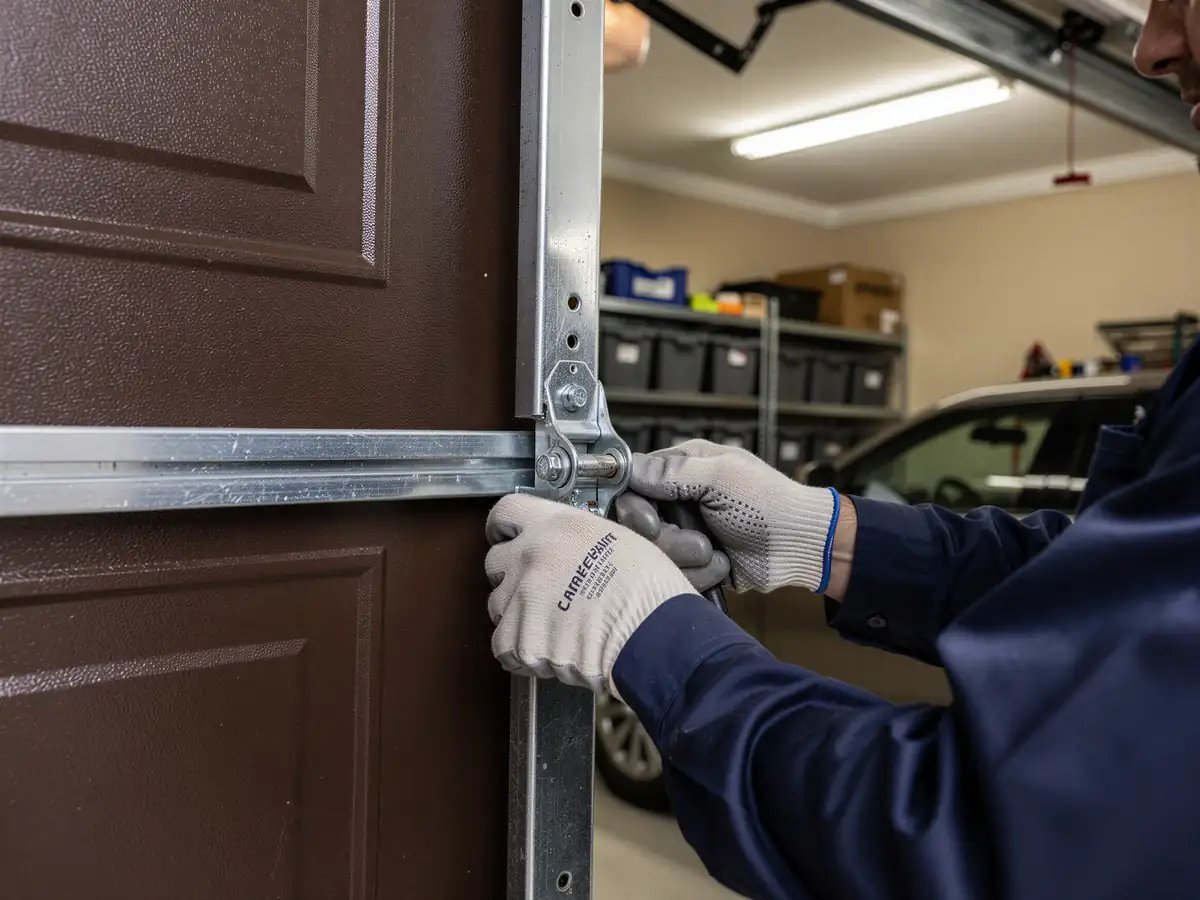
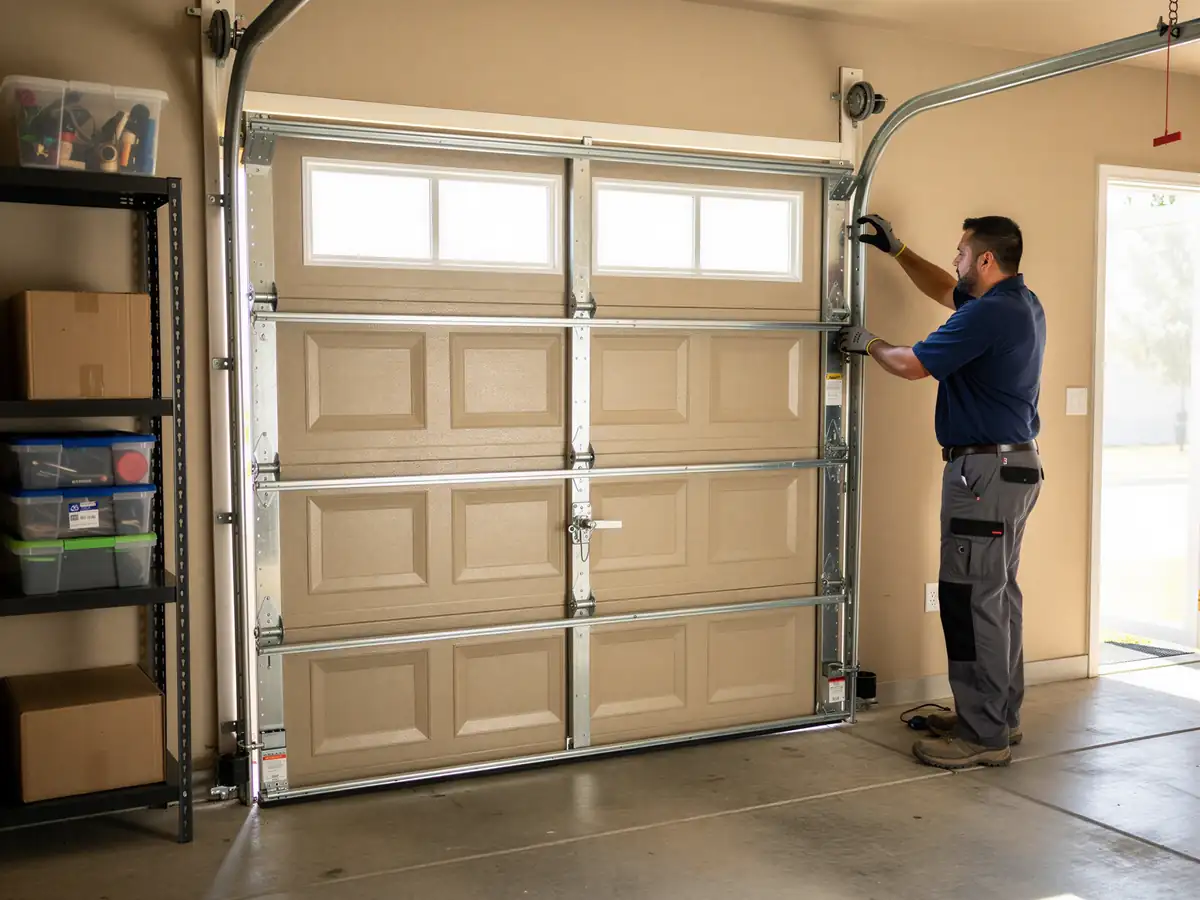
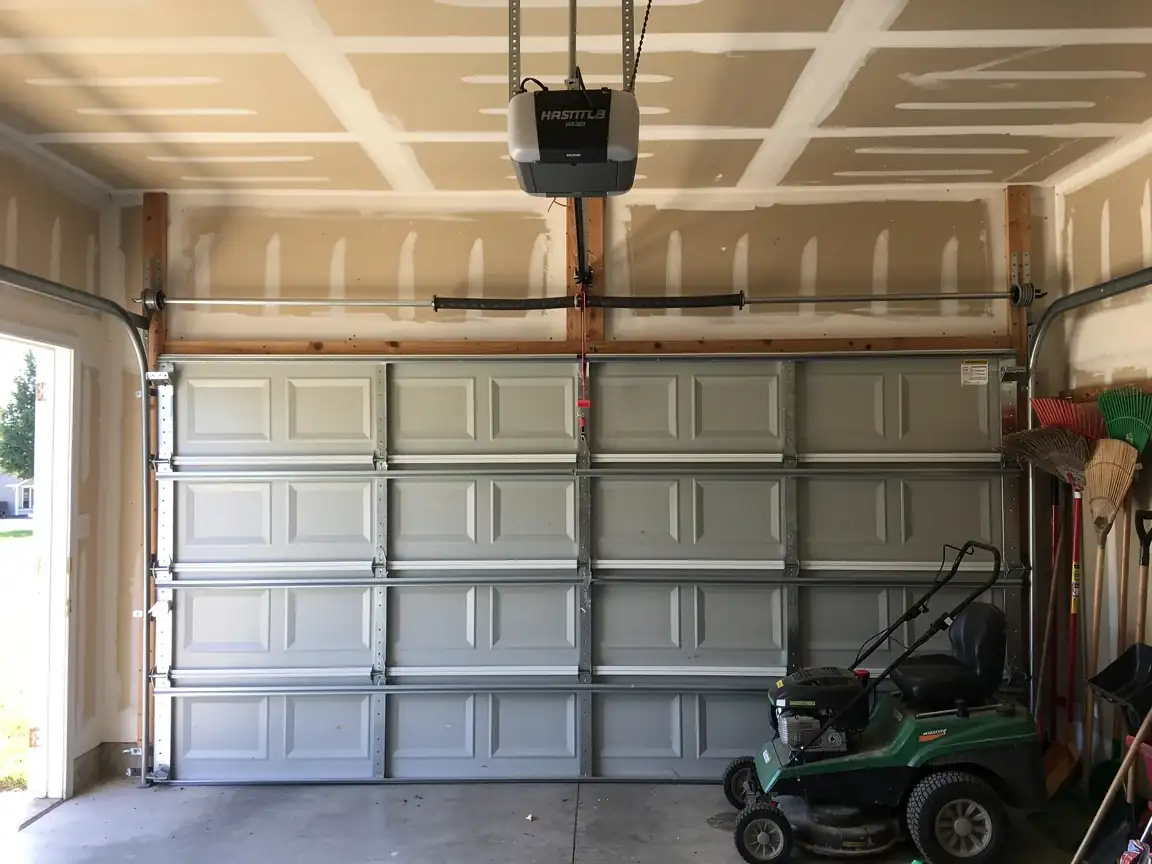
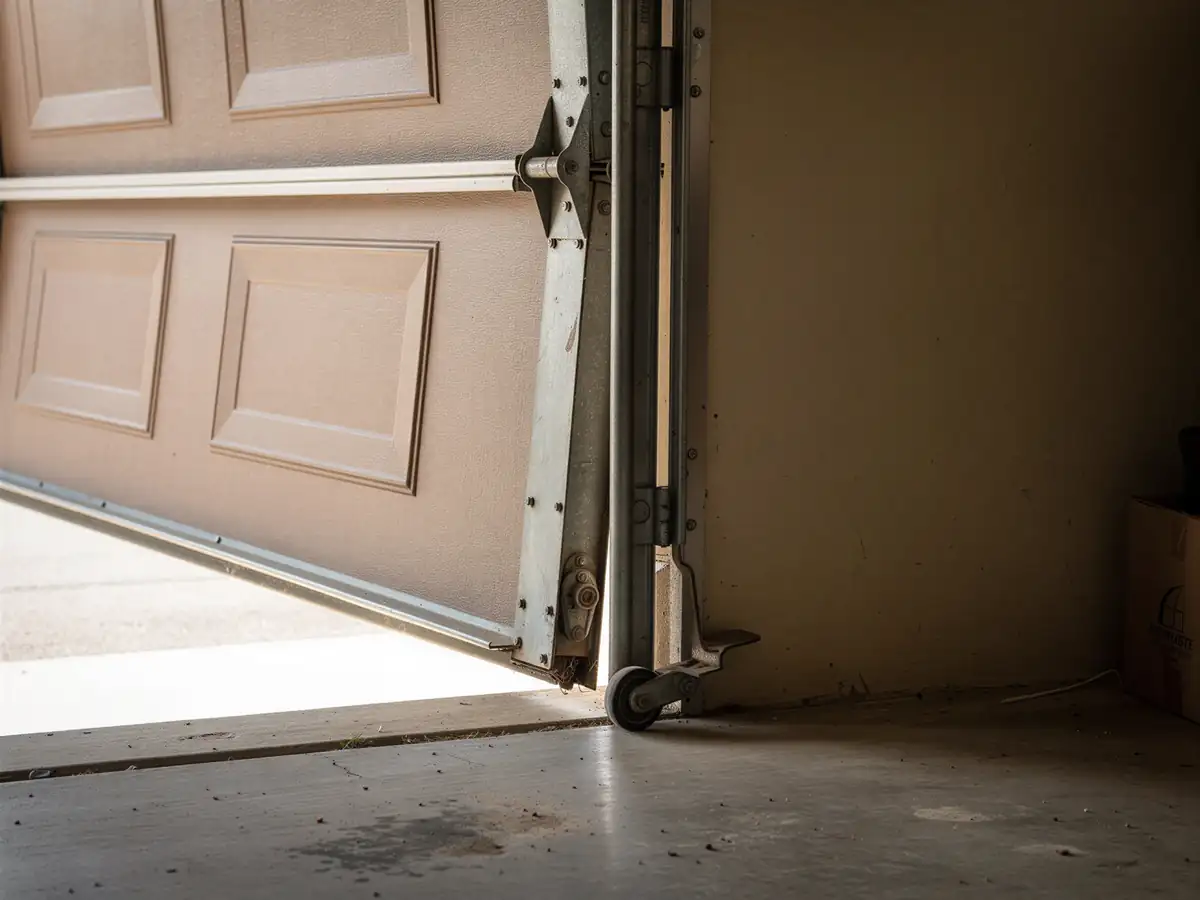
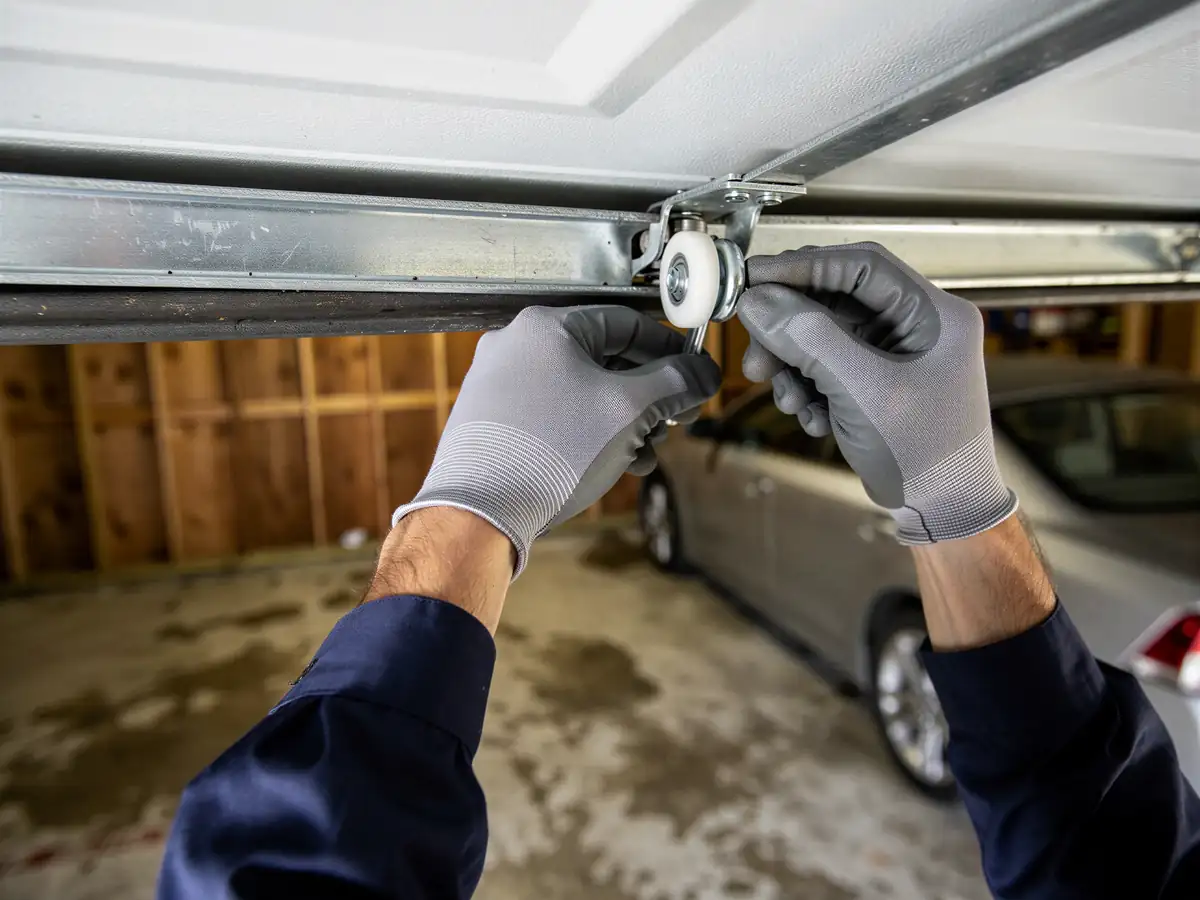
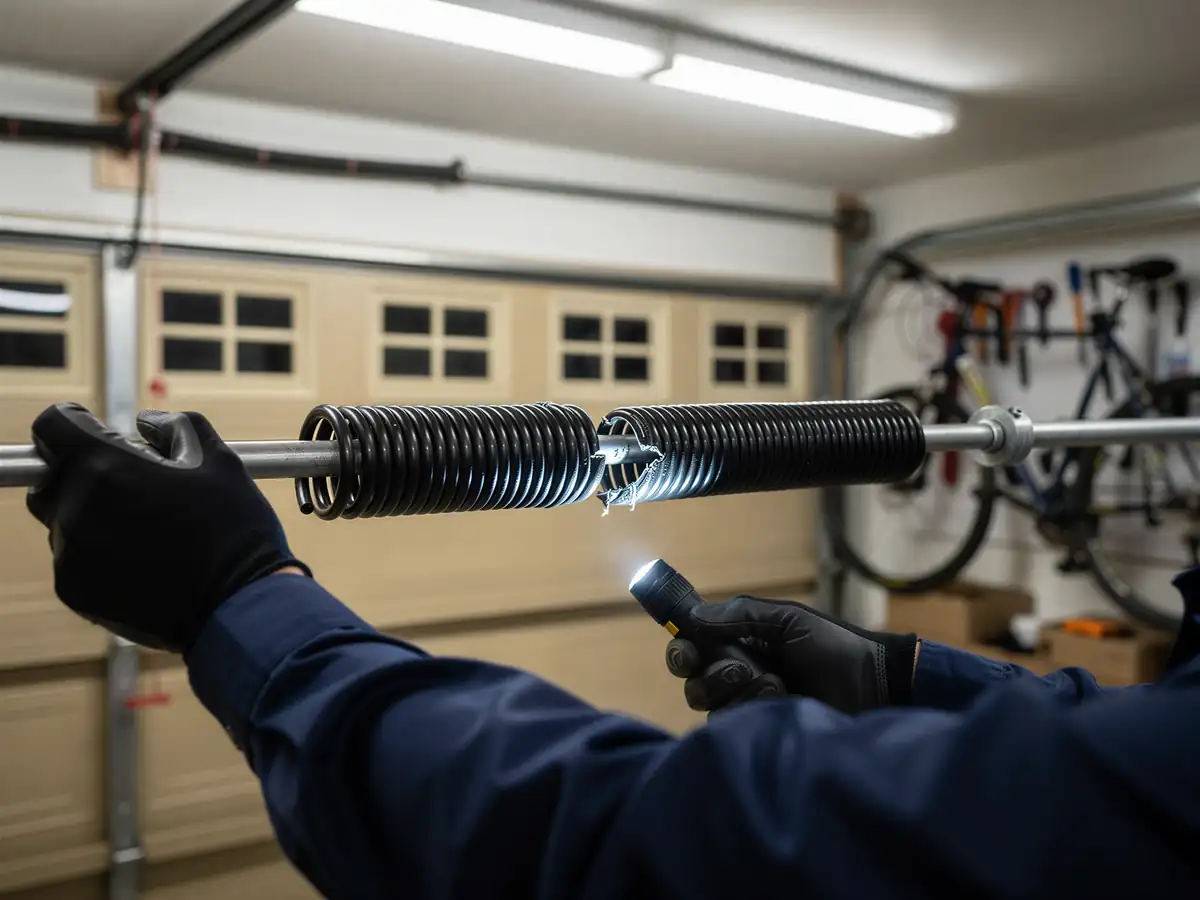
Delafield's median home was built around 1987, newer than the 1938-2004 spread we see across the wider service area, where the typical house went up closer to 1979. That ten-year jump matters more than it sounds. A house built in the late 80s almost always came with a steel sectional door on torsion springs from the factory, not the older extension-spring setups with the exposed stretch springs over the horizontal track that you still find on homes from the 60s and 70s. Fewer of our Delafield calls are about that old-style hardware than they are about worn rollers, a torsion spring that's done its 10,000 cycles, or an opener logic board that's aged out after three decades of Wisconsin winters. The cold band we sit in - and it's a severe one - still works the same metal fatigue into springs and hinges no matter the build year, but what fails first and how we fix it depends on which system is actually hanging on the wall. That's the piece a city-wide page glosses over and a Delafield-specific one can't.
The Split Between Old and New
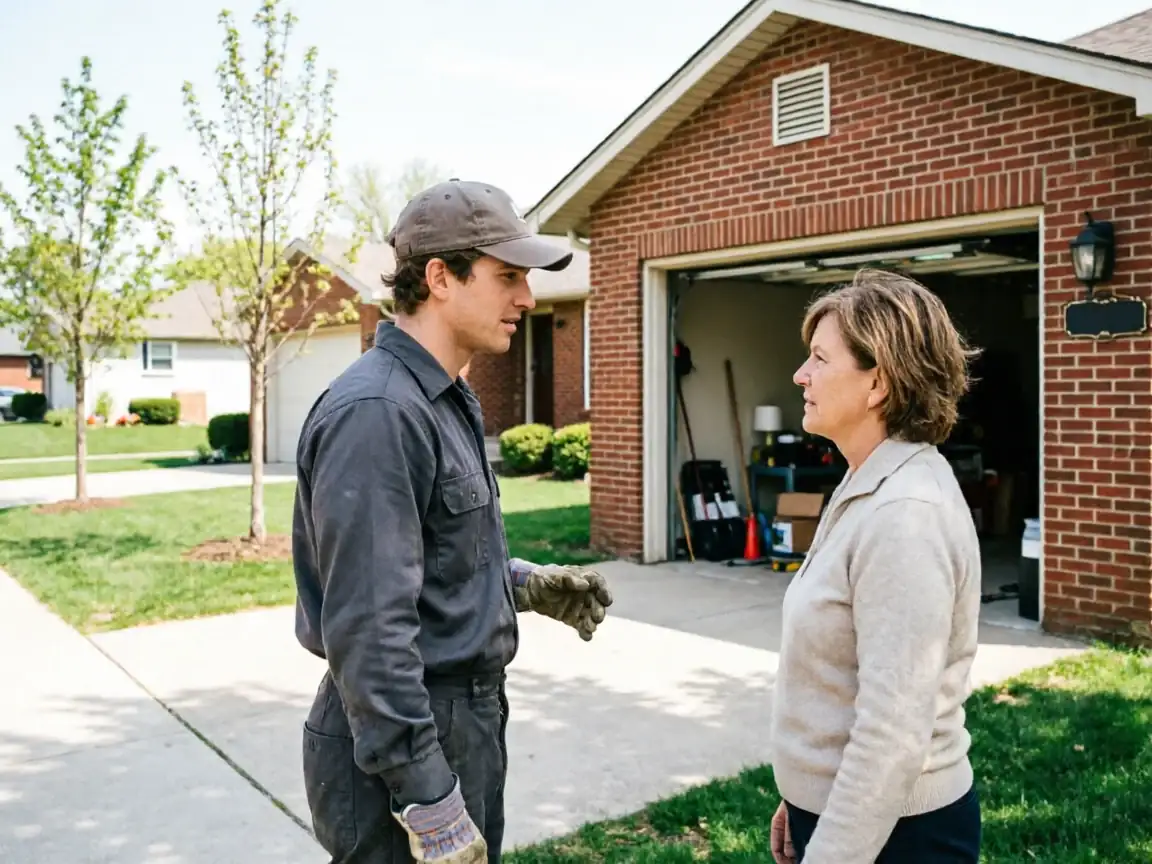
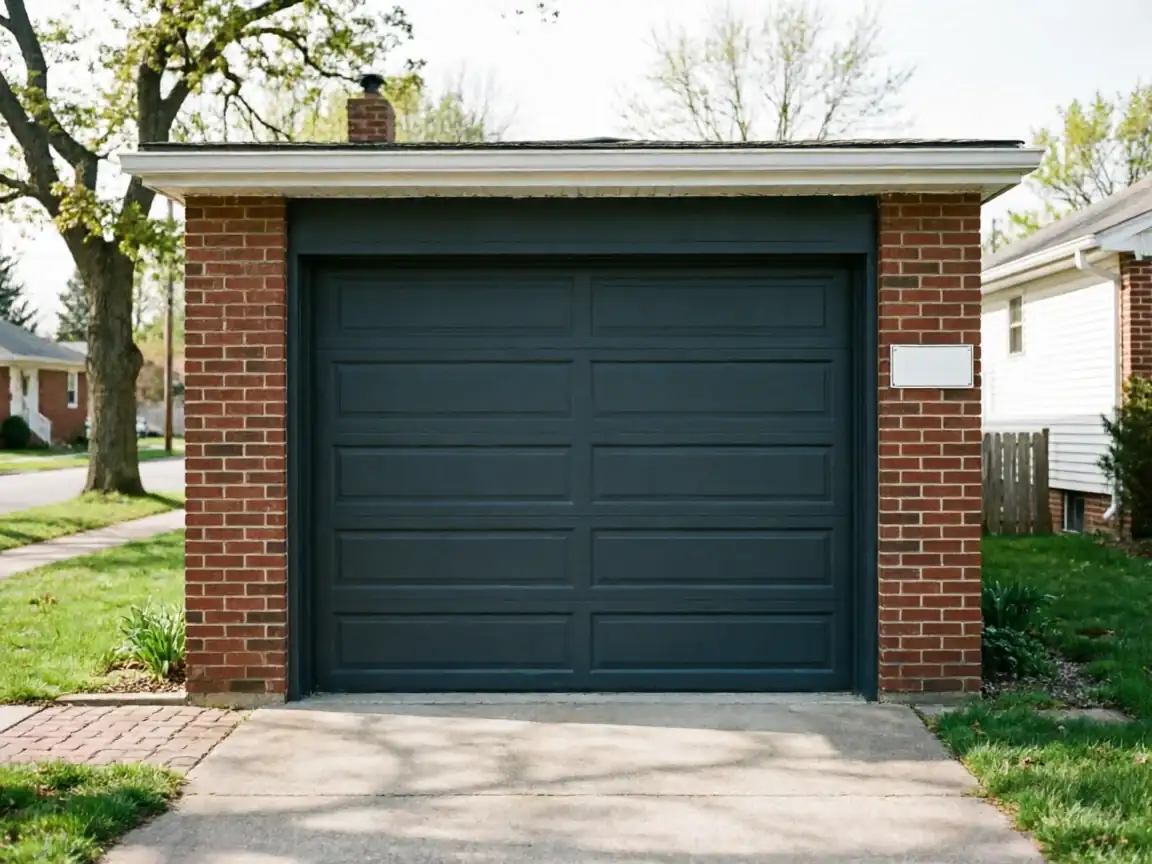
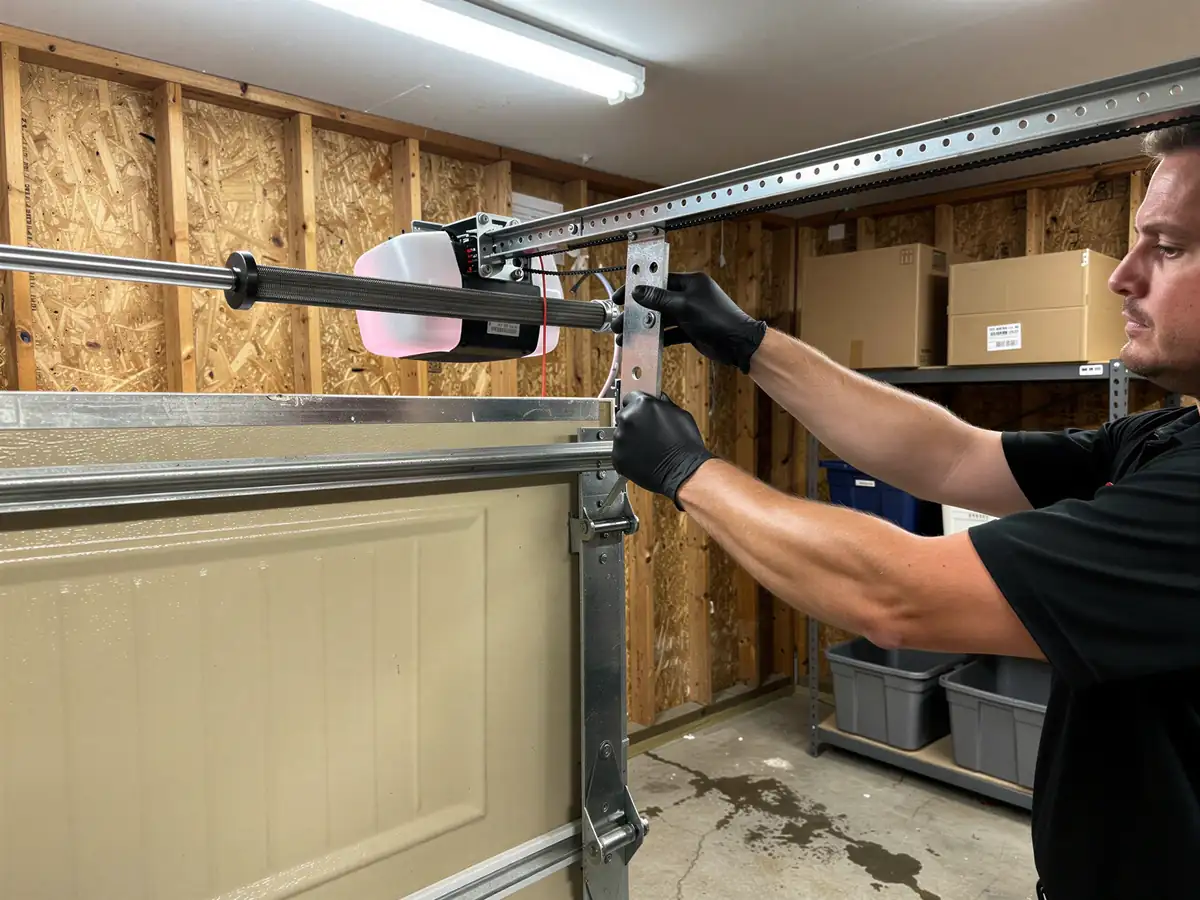
Delafield isn't one uniform build era, even with a newer median than the broader area. You'll still find pockets that match the older 1960s-70s stock common across the other 54 communities we cover, sitting alongside the more common late-80s and 90s construction that pushed the local median to 1987. On the older end, we're often dealing with narrower door openings, lighter-gauge panels, and extension springs that need a safety cable most homeowners don't know is missing. On the newer end, it's torsion springs mounted on a header above the door, heavier insulated panels, and openers with circuit boards instead of simple relays. The repair kit and the failure points are different enough between the two that guessing wrong before a truck rolls means a second trip. We ask about the approximate age of the house up front for exactly this reason - it tells us more about what's likely wrong than the symptom description usually does.
What We Do Not Do
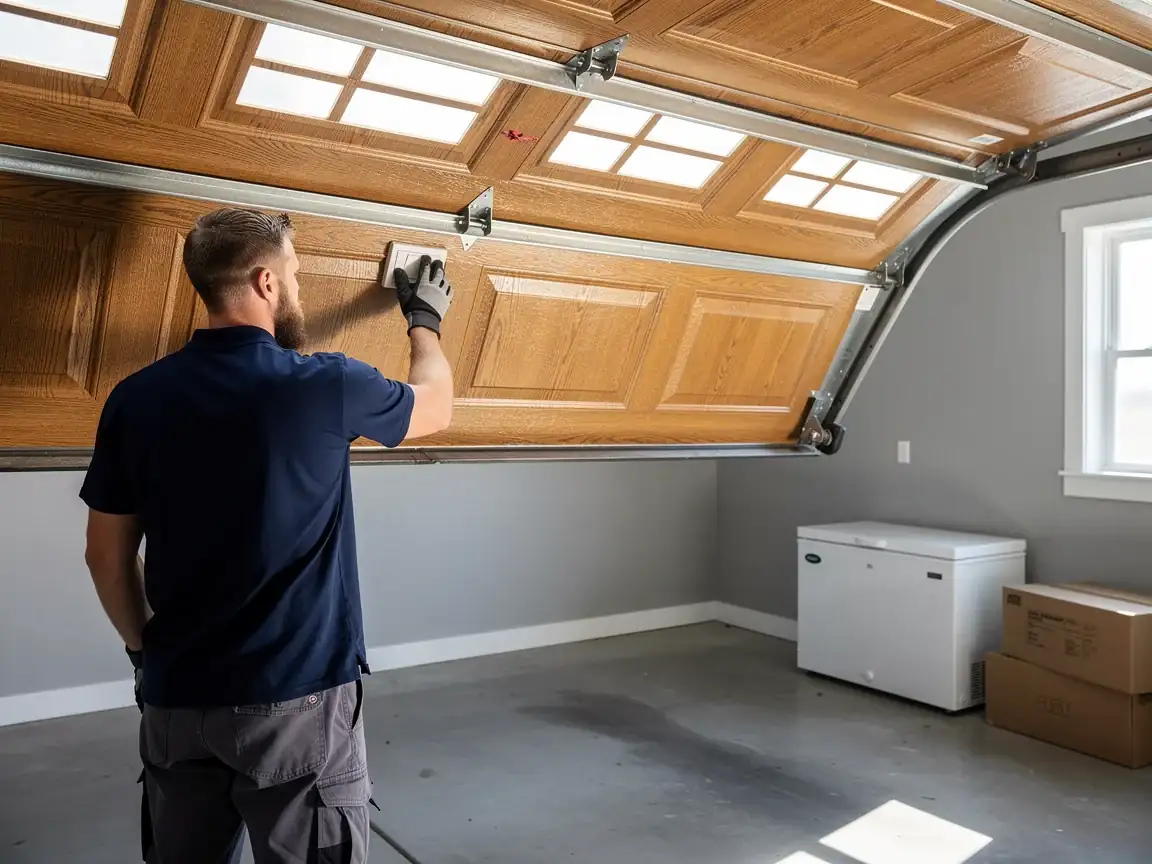
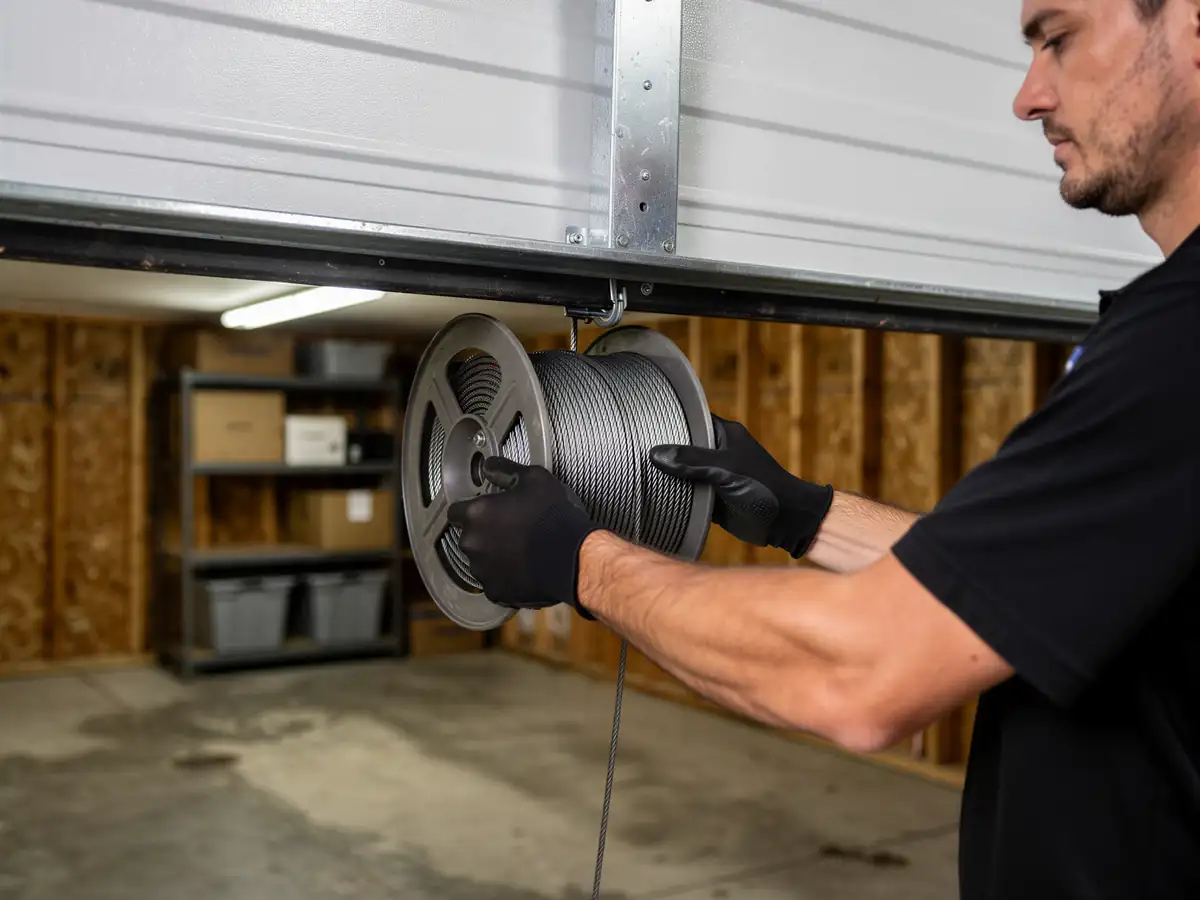
We don't keep a depot or stock room in Delafield - every job runs out of the Waukesha truck, so if a repair needs an unusual torsion spring size or a discontinued opener part, it can mean a return trip rather than a same-visit fix. We also won't tell you to replace a door when a spring or a cable is the actual problem; on a lot of the newer-built homes here, the opener and track are solid and a spring swap solves it cleanly. On the flip side, if the panels on an older extension-spring door are rusted through or the track is bent past true, we'll say so instead of patching something that's going to fail again in a year. We don't do new-construction installs timed to a builder's schedule, and we don't guarantee parts availability for openers that have been out of production for years - some of those boards just aren't made anymore.