What the Repair Takes
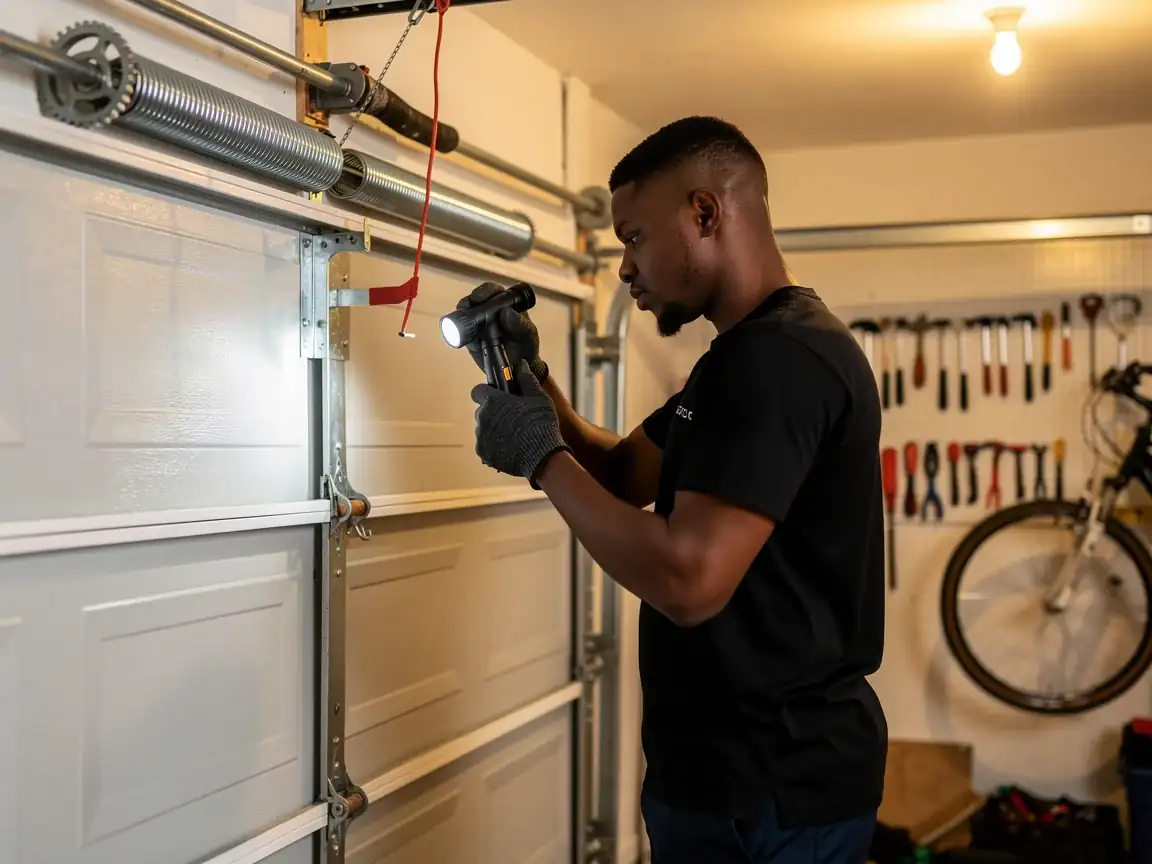
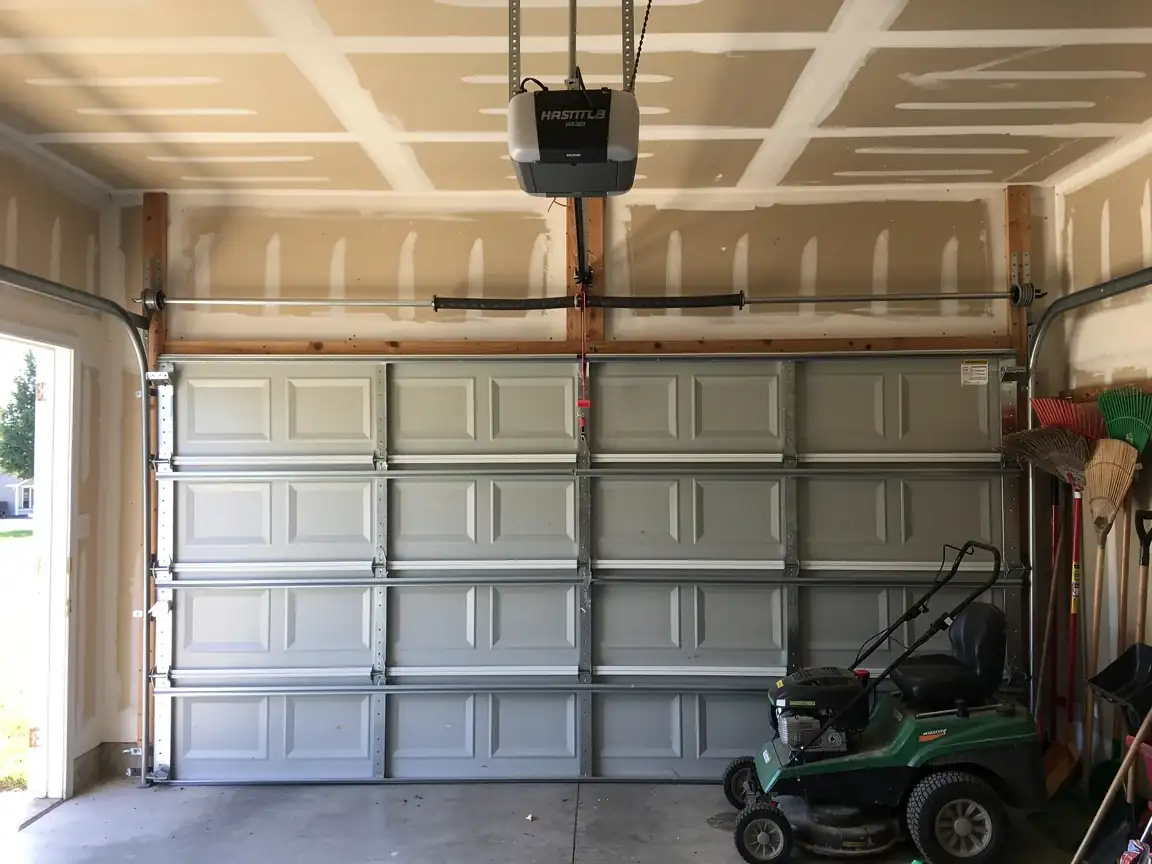
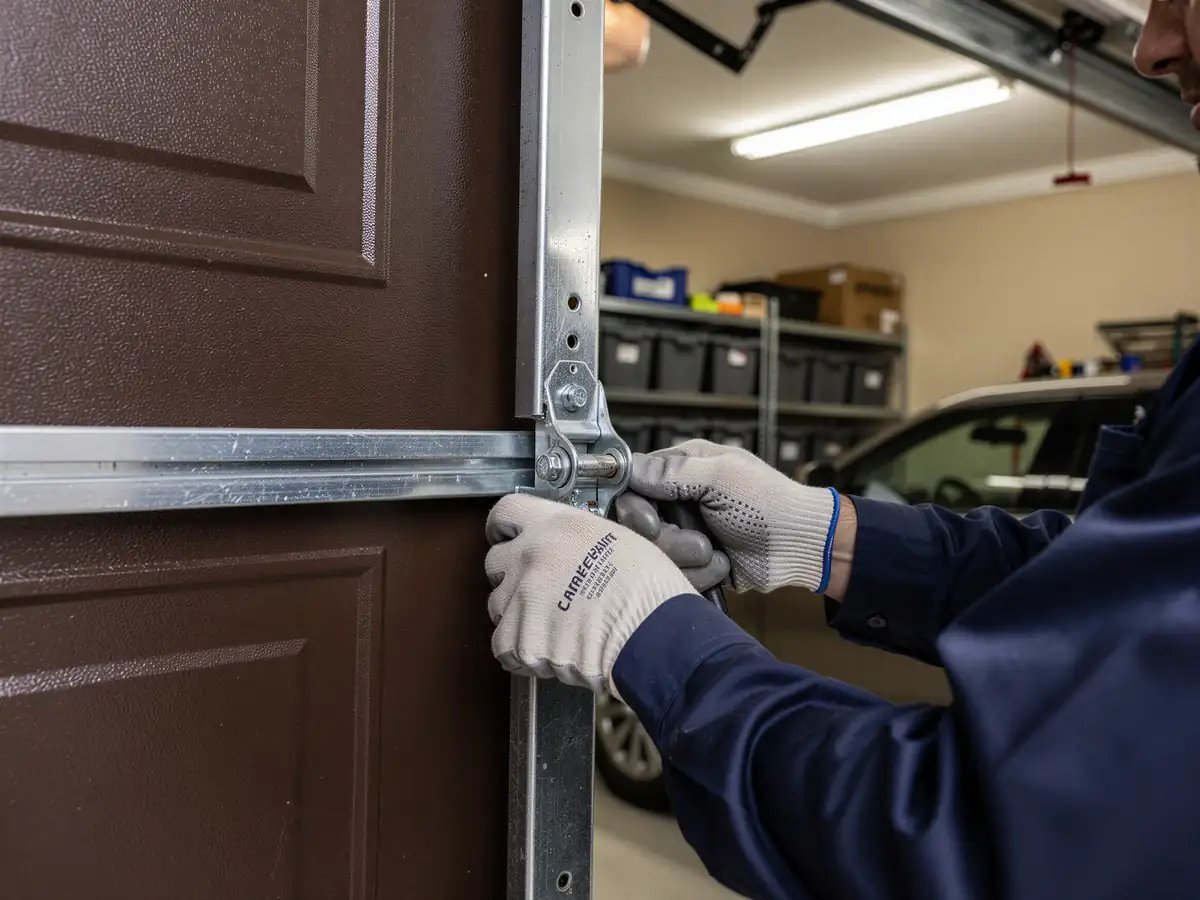
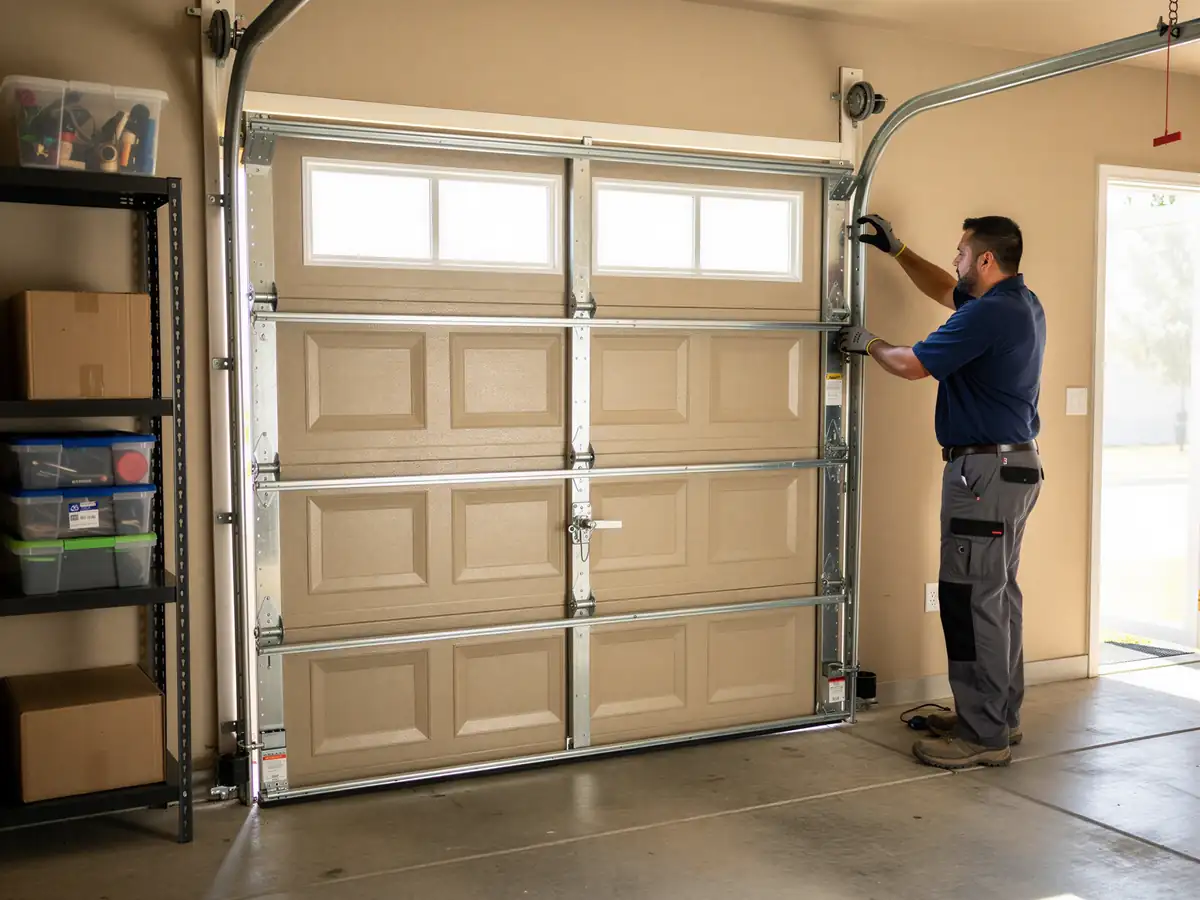
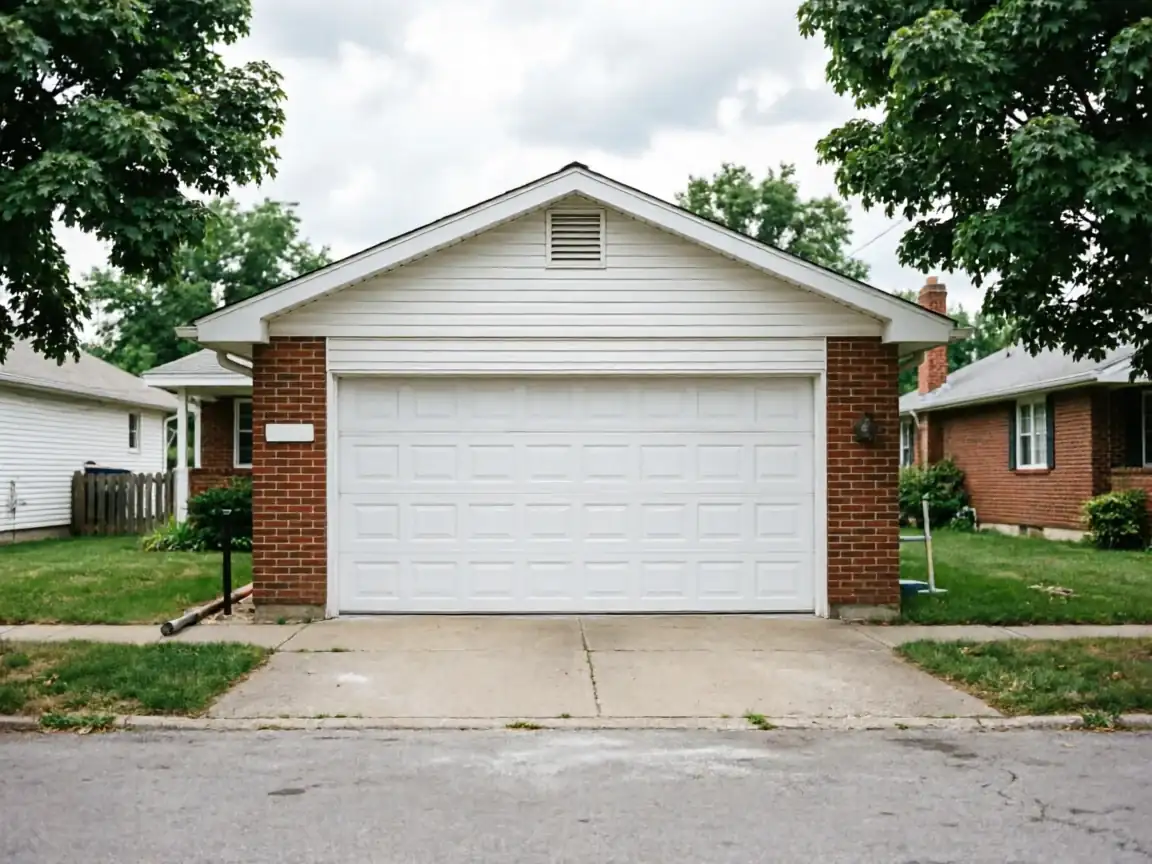
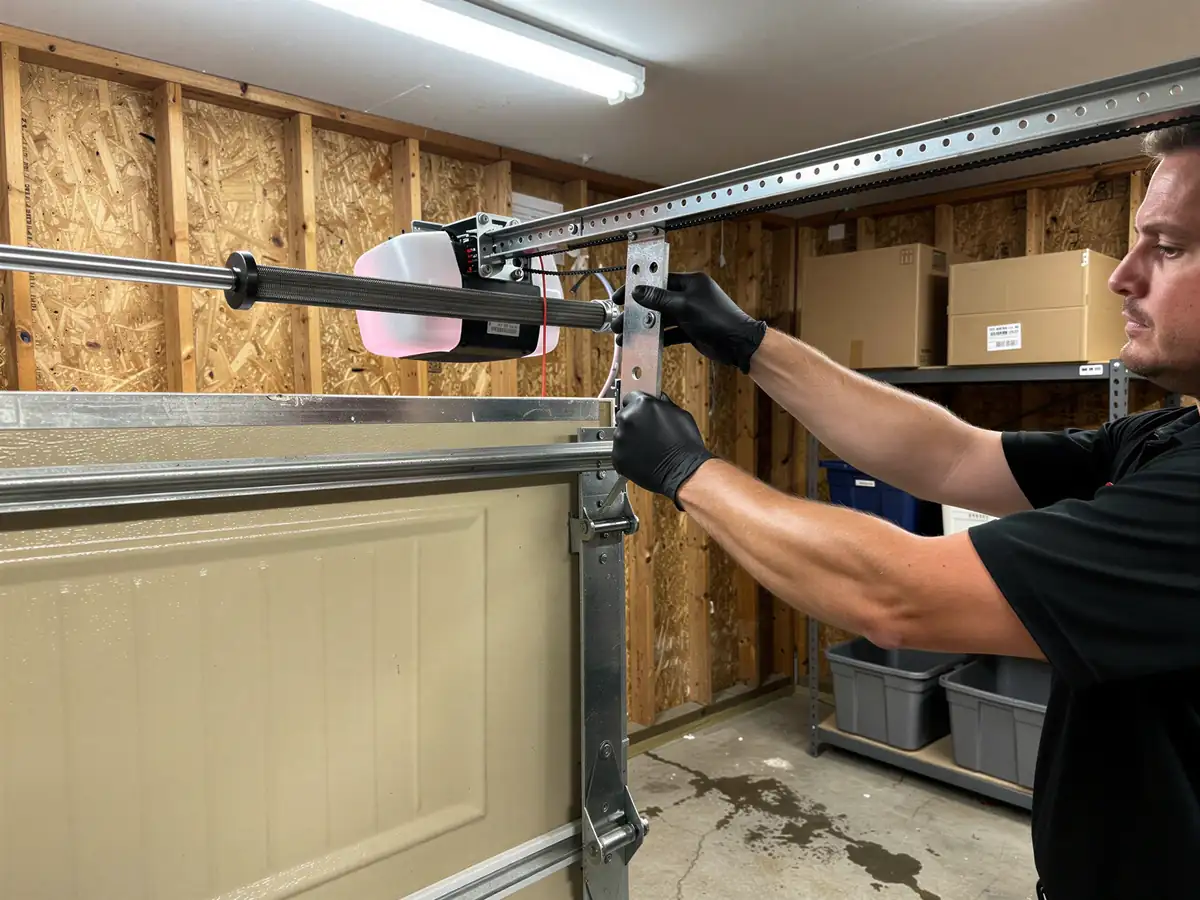
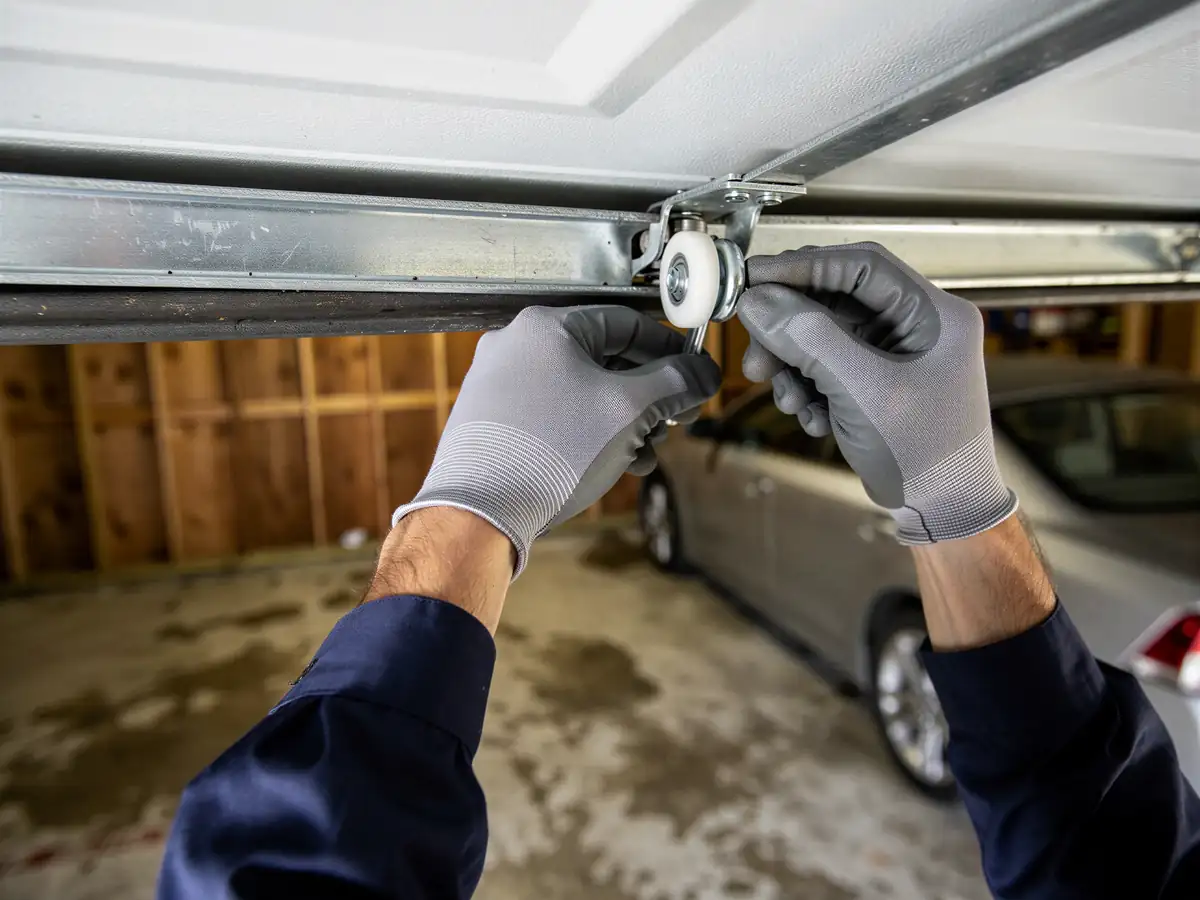
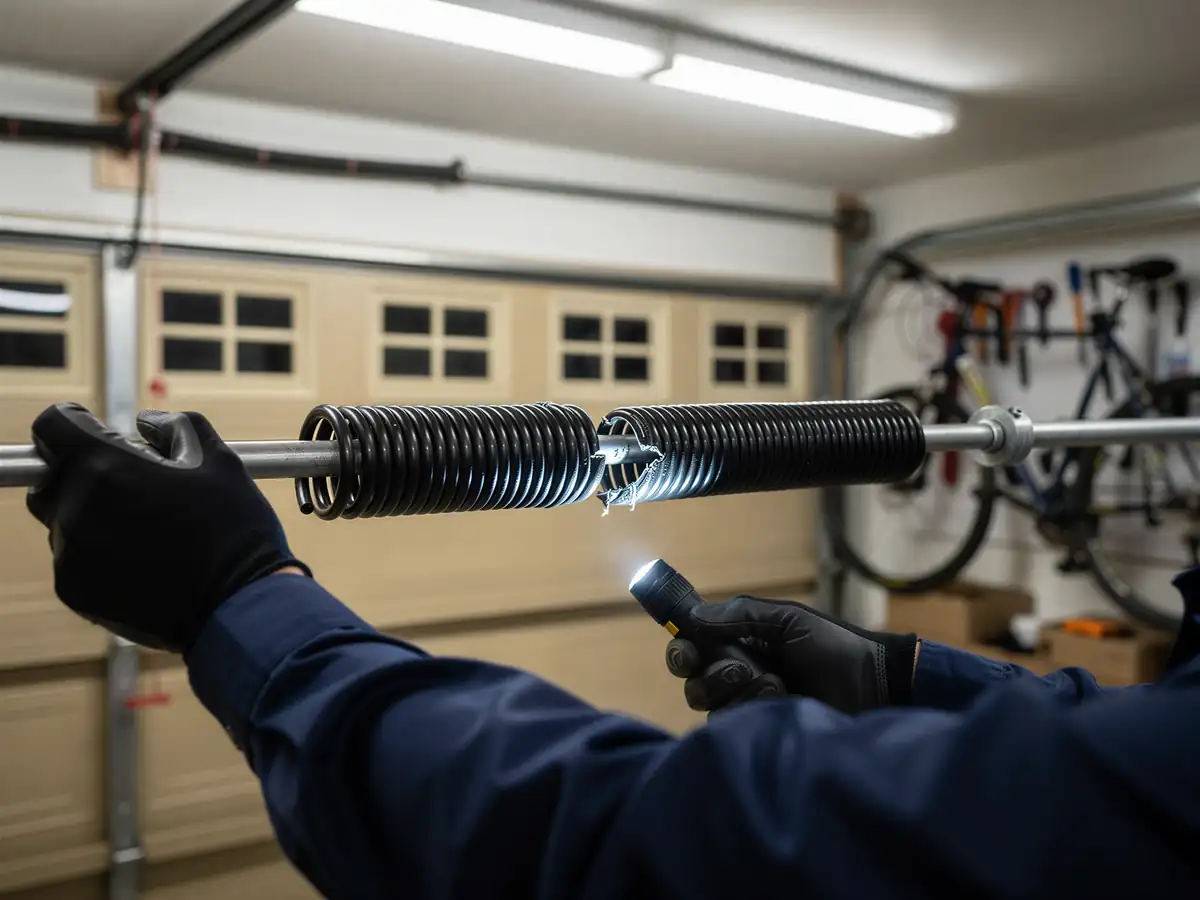
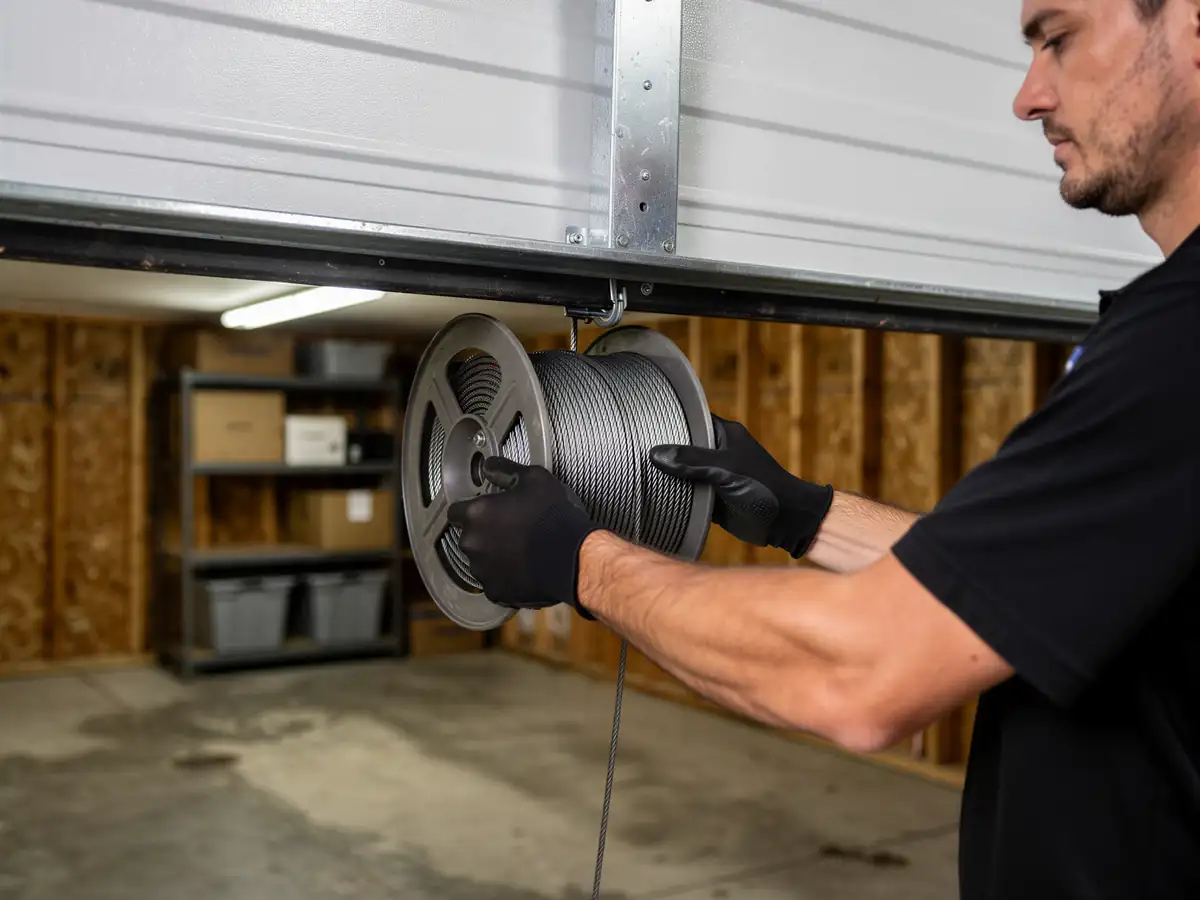
Most garages in Delafield went up around 1987, newer than the typical house across our service area, where the median build year sits closer to 1979. That later build date usually means a double-car sectional door on a torsion spring with two lift cables running off drums at each end of the shaft, not the older single-cable swing-up setups you still find on houses built before the 70s. A snapped or frayed cable on this kind of door is a drum-and-shaft job: we unload the spring tension first, pull the old cable off the drum, run new galvanized aircraft cable at the correct length for your door height, and reset the drum so both sides wind evenly. Get that balance wrong and the door racks sideways in the track within a few openings. We also check the bottom bracket where the cable anchors, since that's the spot that takes the most wear on a door that's been cycling for three and a half decades. If the drum itself is grooved or cracked from the old cable riding wrong, that gets replaced too, not just wrapped - a new cable on a bad drum fails again inside a year.
Getting It Booked In
We run out of Waukesha, about 8 miles from Delafield, so when you call we're scheduling the drive time along with the repair, not working from a branch in town. Tell us the door is stuck down, has a cable hanging loose, or the opener runs but the door won't move, and we'll bring the right cable stock and drum hardware for a standard torsion setup, since that's what most Delafield doors of this era use. If your door is older or was replaced with a different lift system than what came standard in the 80s, say so when you call - it changes what we load on the truck before we leave Waukesha.
What You Are Seeing
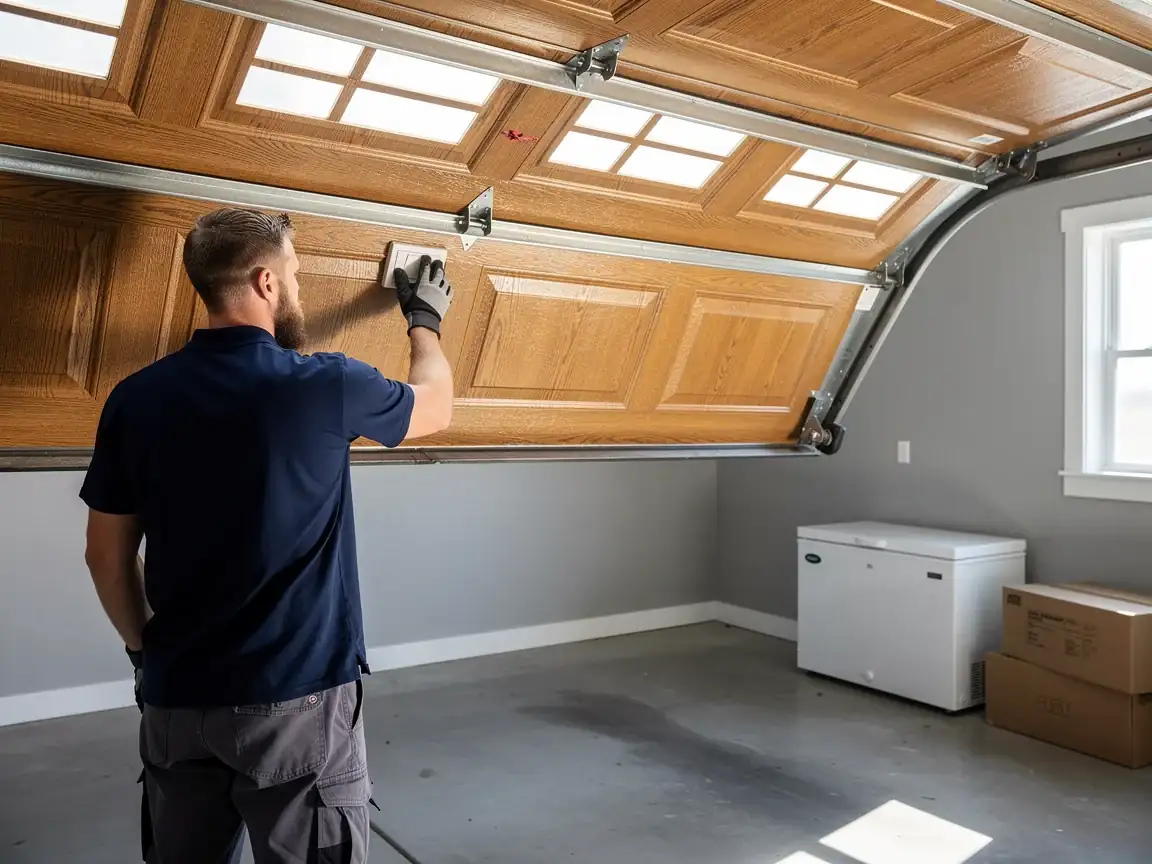
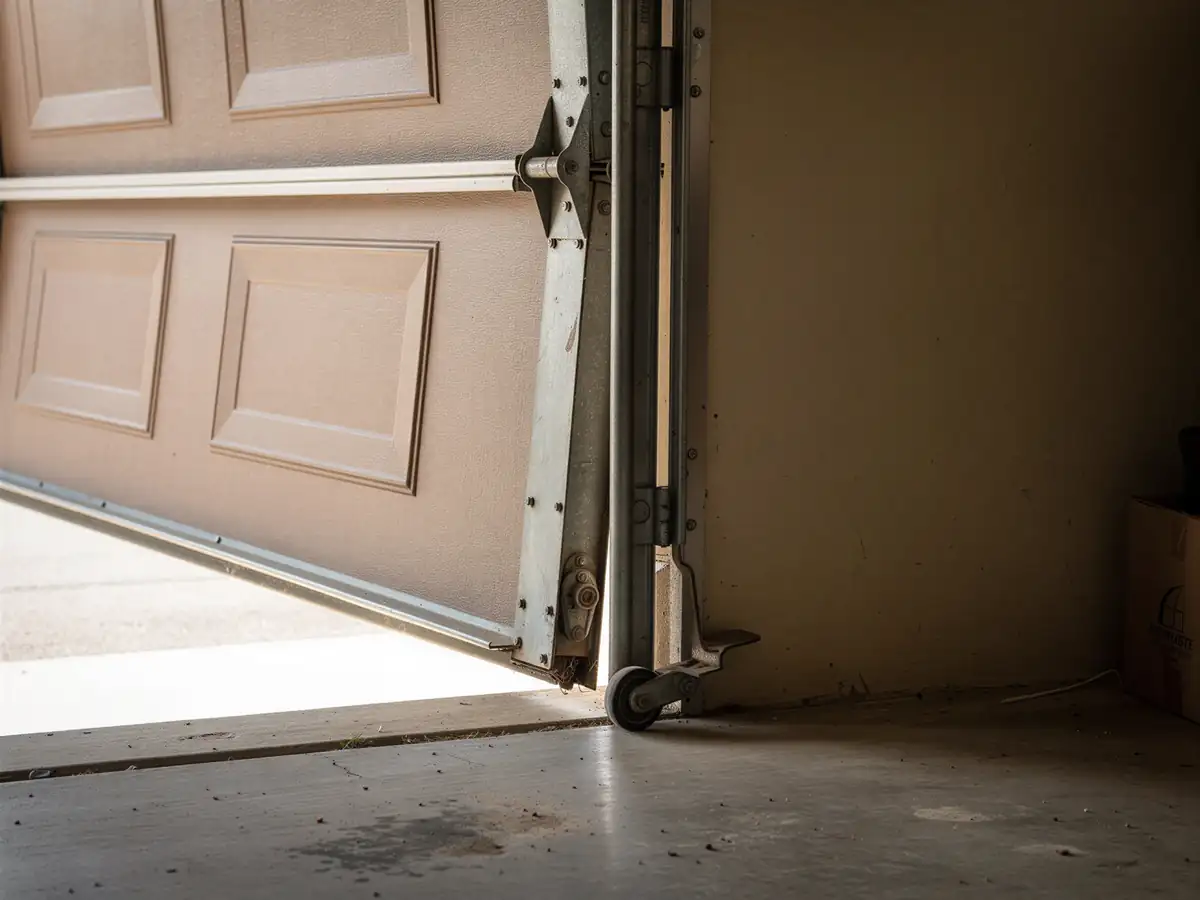
A cable failure on this kind of door usually shows up as one corner of the door hanging low while the other side looks normal, because one cable let go while the other is still holding its half of the weight. You might hear a bang followed by the door refusing to open past a few inches, or see loose cable looped on the floor of the garage instead of running taut up to the drum. Sometimes it's slower: visible fraying where the cable bends over the bottom bracket, rust bloom on the strands, or the door starting to drift crooked in the track over a few weeks before it finally lets go. Any of these is a sign to stop running the opener - forcing it with a bad cable usually bends the track or cracks a panel, turning a cable job into a bigger one.
What Causes It Around Here
This region sits in a cold-climate band with real winter severity, and that matters for cable life specifically: road salt tracked in on tires, ice melt runoff, and condensation in an unheated garage all speed up corrosion on galvanized cable strands. A cable built in 1987 was coated to a standard of its time, and thirty-plus winters of salt exposure is enough to weaken strands from the inside even when the outside still looks intact. Houses in Delafield built in that era also tend to have garages that see more temperature swing than a fully conditioned space, which stiffens the cable and the drum grease alike in deep cold, adding strain right when the door is working hardest to lift. That combination - de-icing chemical exposure plus a few decades of freeze-thaw cycling - is the main reason cables here fail at the drum end first, rather than snapping in the middle of the run.