What the Repair Takes
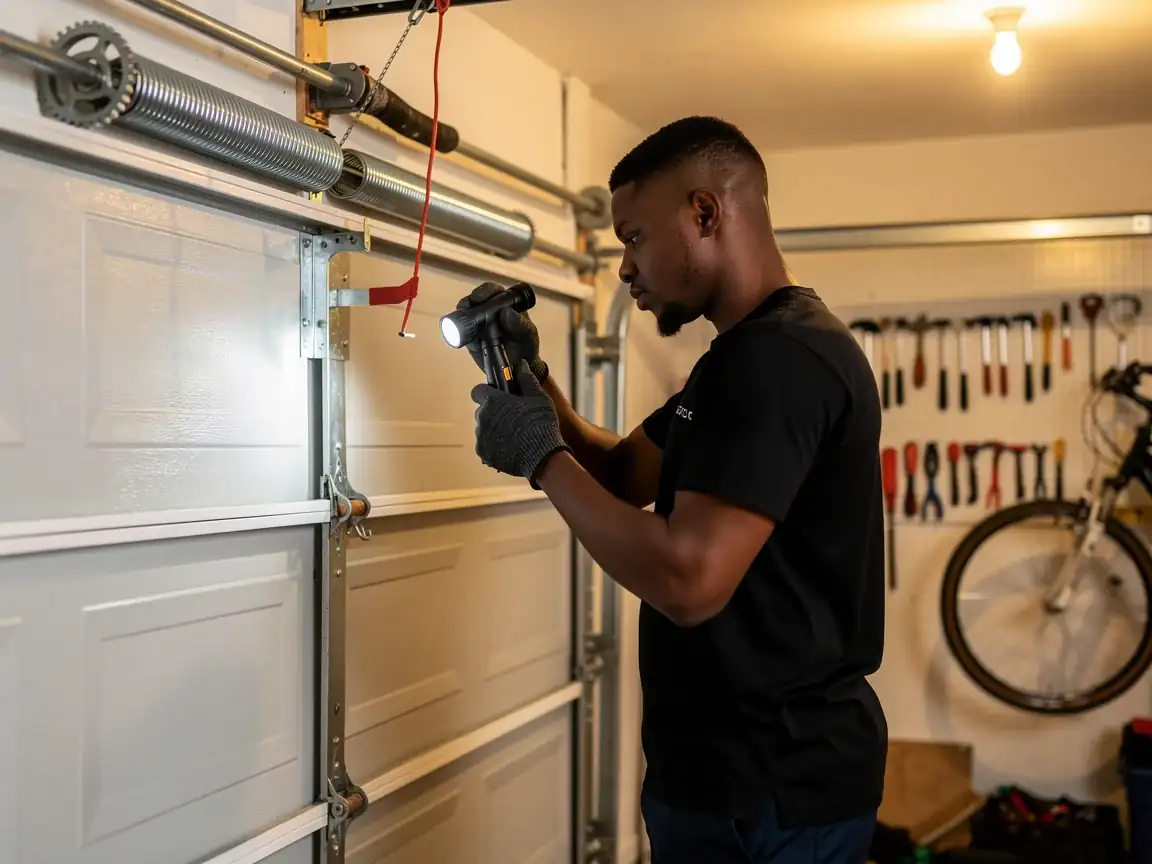
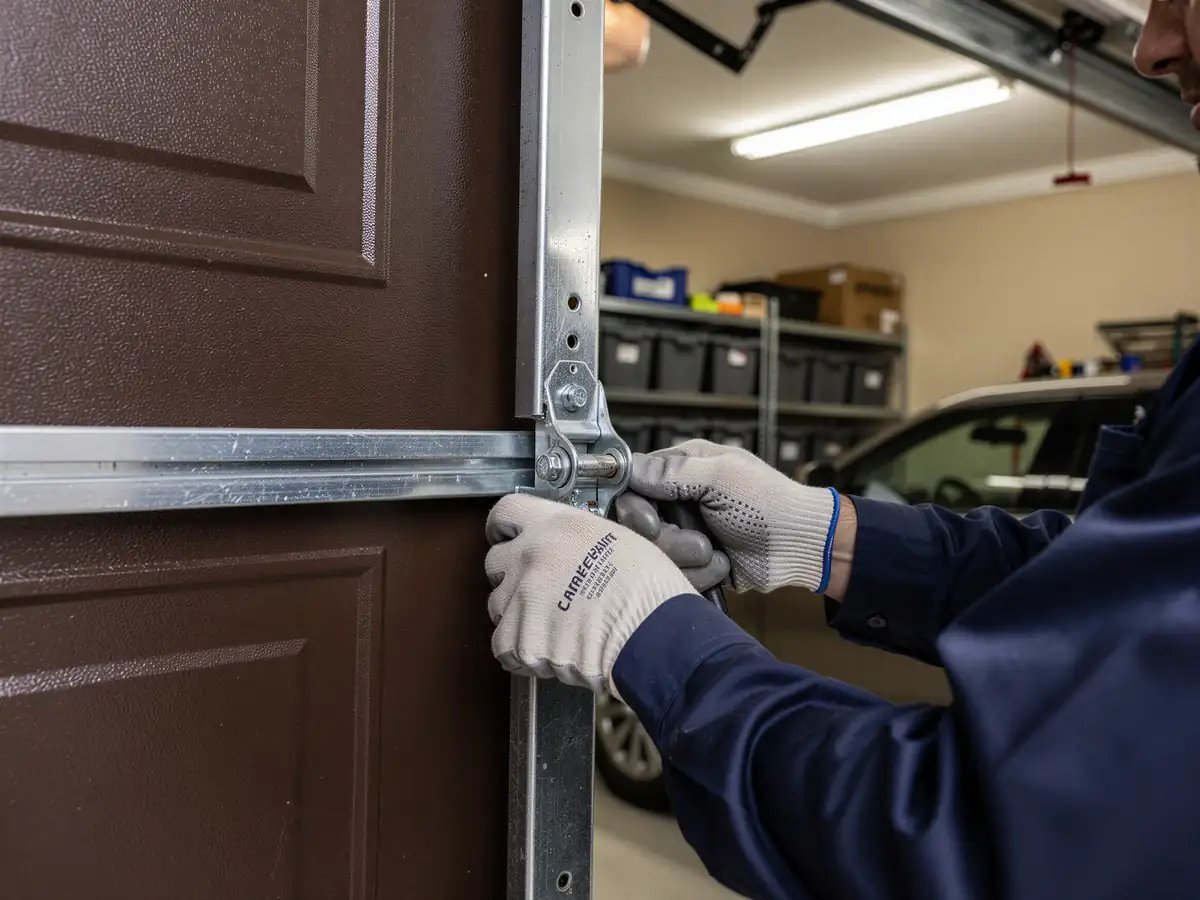
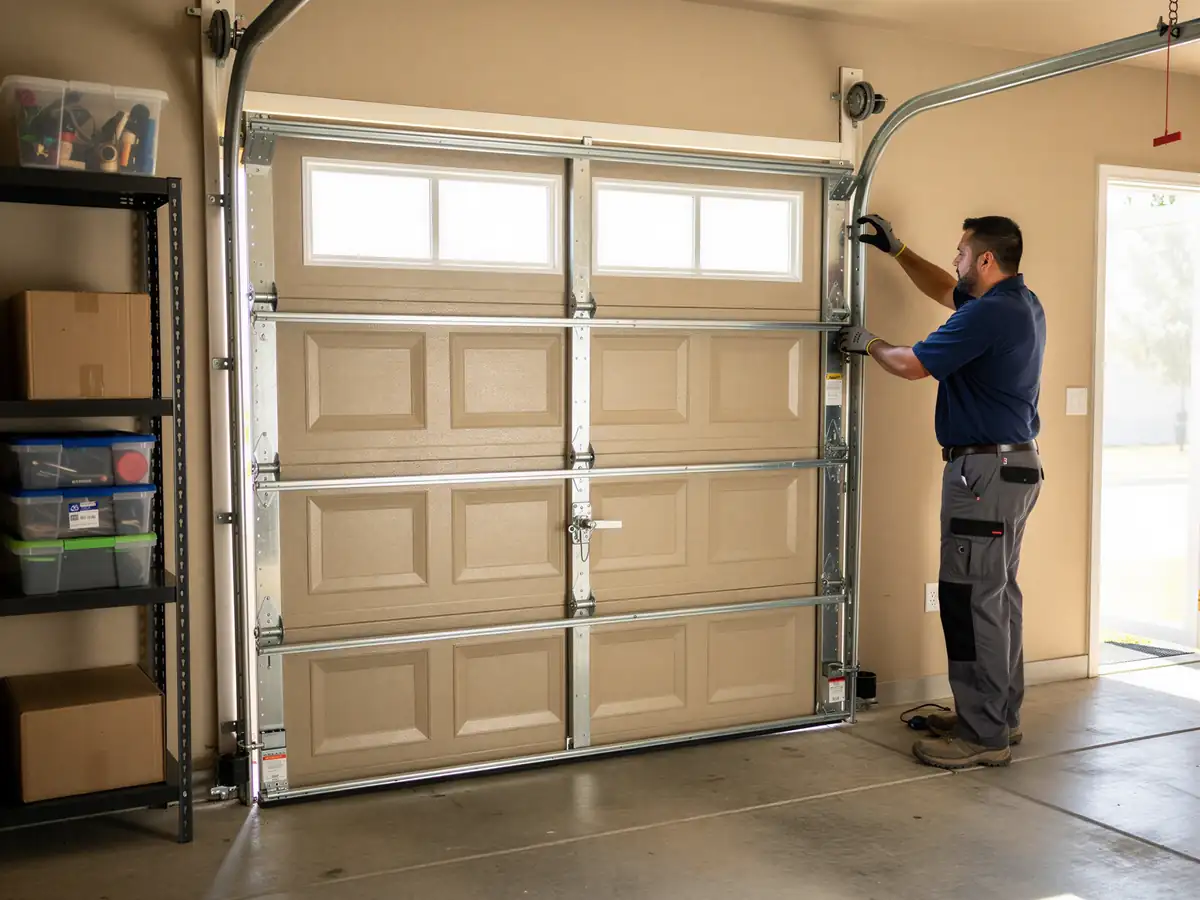
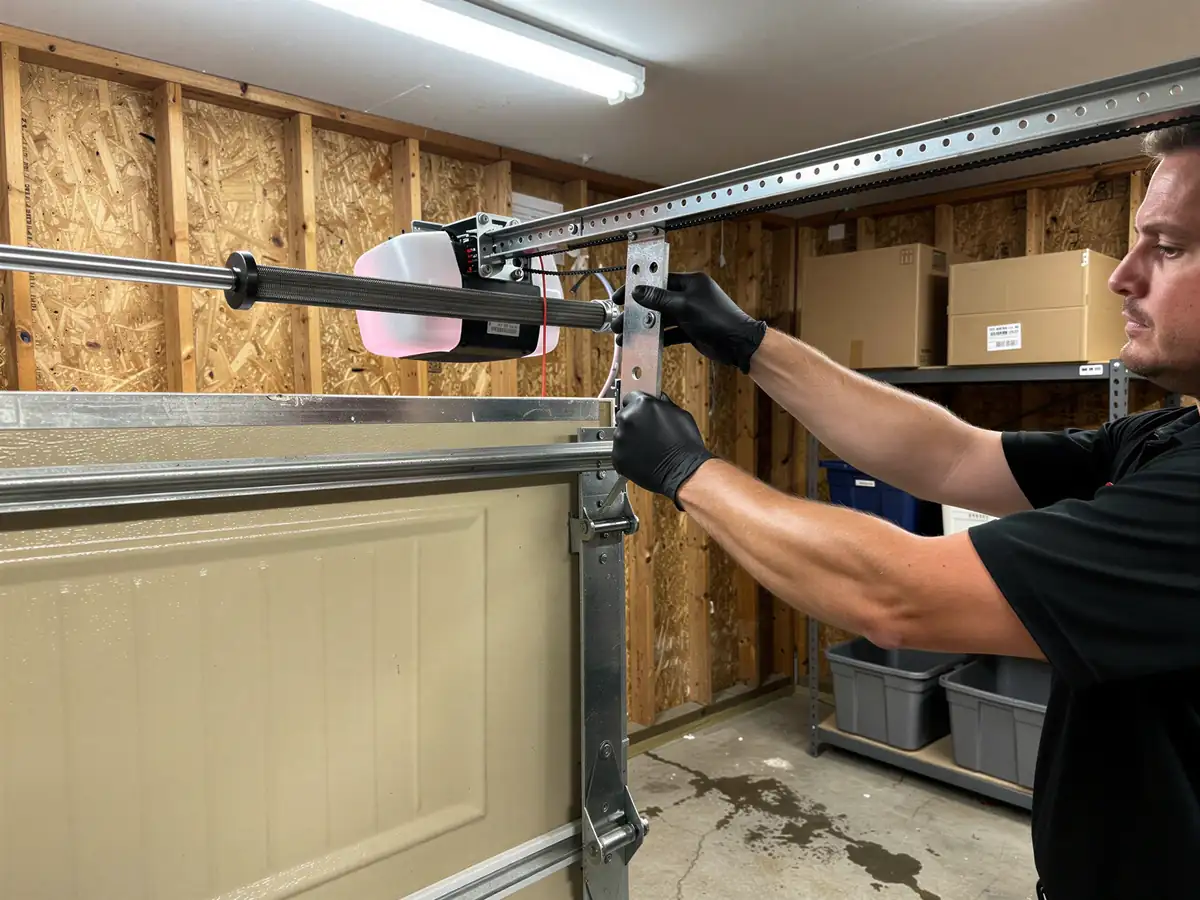
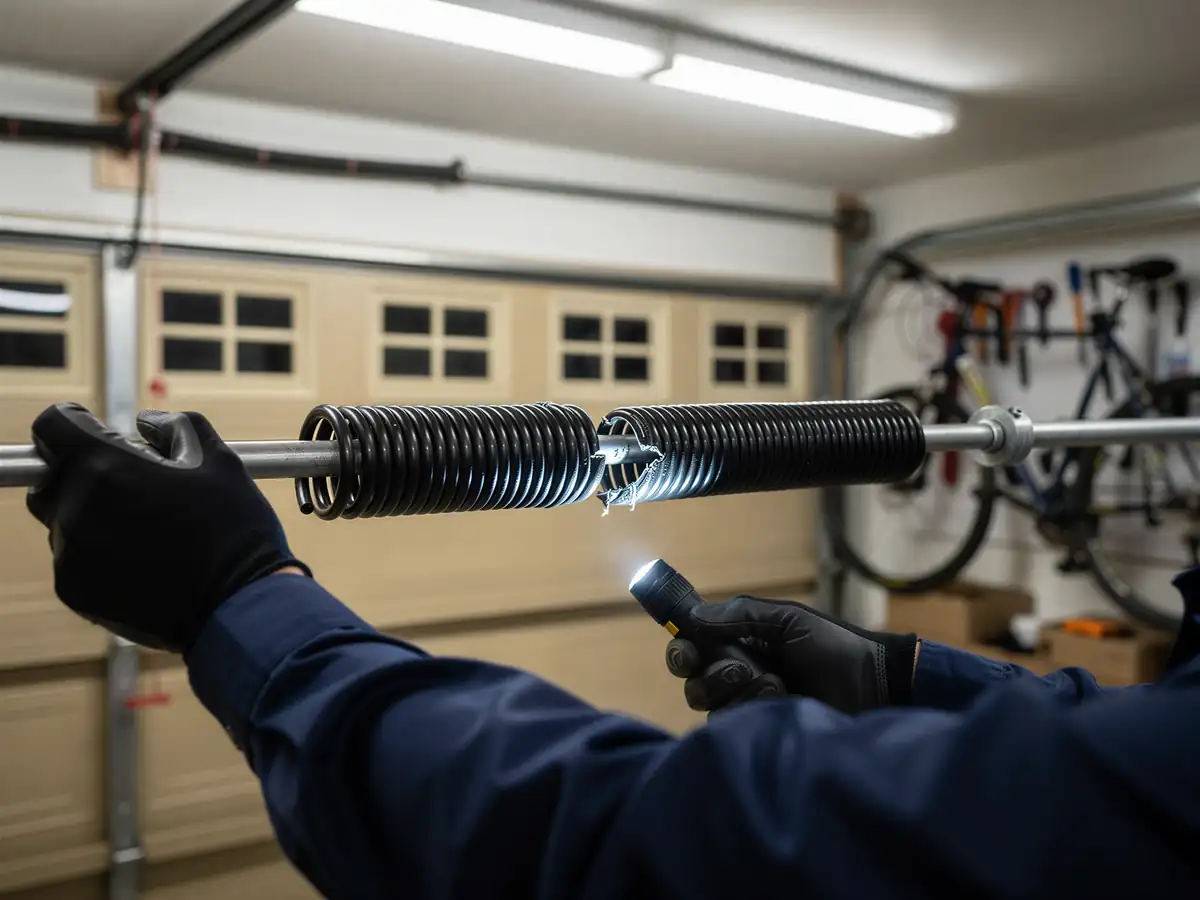
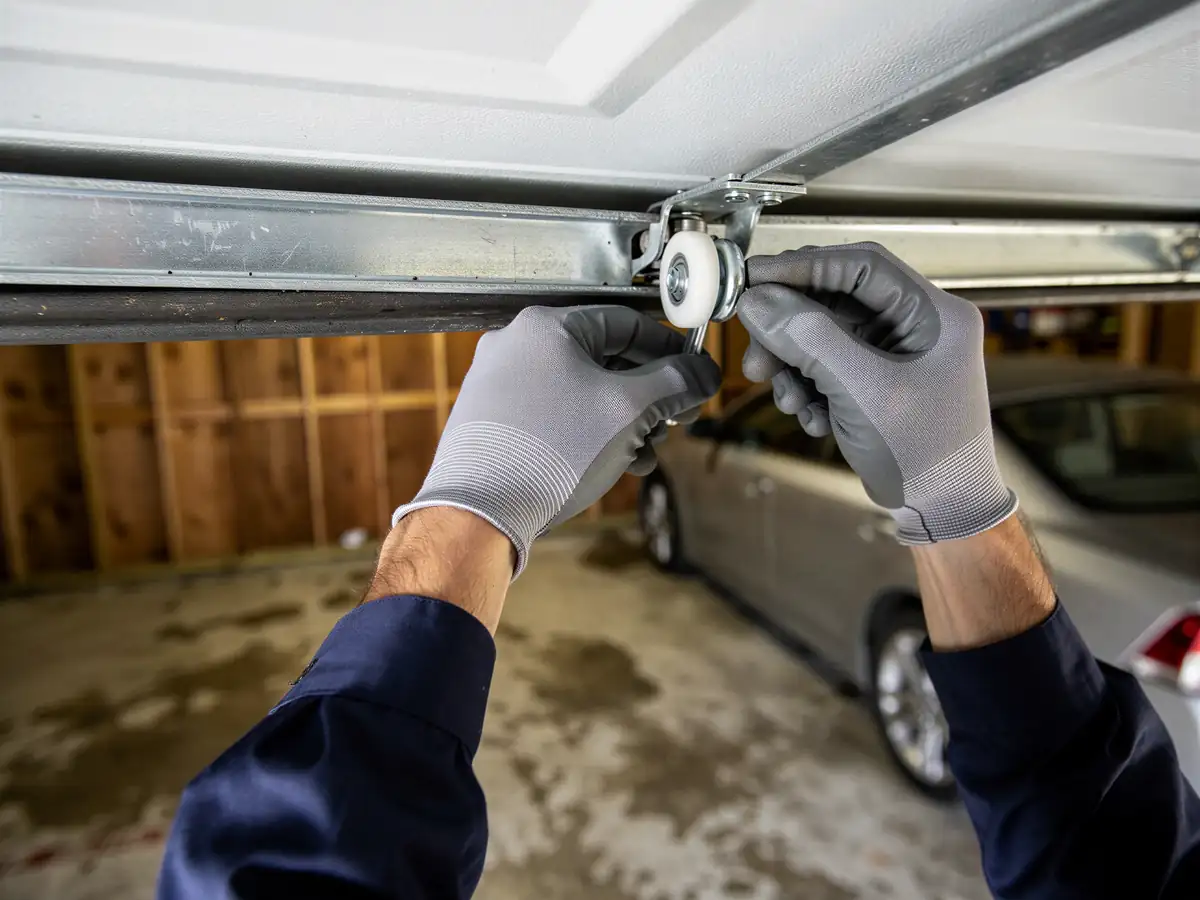
Delafield's housing stock runs newer than most of the territory we cover out of Waukesha. The median home here dates to 1987, almost a decade past the 1979 median across the rest of the service area, and that gap matters more than it sounds like it should. Doors installed new in the late '80s mostly came with galvanized steel rollers on standard-width track, not the sealed 10-ball nylon rollers that became the default after 2000. Swapping a steel roller for a nylon one on that older track usually works fine, but the stem length and the drum size on the track end can be off by enough to bind the door on the first few cycles if you don't check it. We pull the old rollers, check the track gauge, measure stem length against the hinge plate, and set new rollers one at a time so the door stays supported the whole way. On a standard double door that's ten rollers, two of them heavier-gauge for the bottom brackets. We don't touch the springs unless they're clearly shot - that's a separate job and a separate charge, and we'll tell you up front if we see it.
Getting It Booked In
We run this job out of Waukesha, about 8 miles from Delafield, so there's no local branch here and we're not going to pretend otherwise. What that means for you: we schedule the drive into the visit, and if you've got a specific window you need, say so when you call rather than after the truck's already loaded for a different part of the route. Delafield is a smaller market for us - around 3,229 households total - so we're not running multiple trucks through on a given day the way we might closer to Waukesha itself. That's not a complaint, just the math of the drive. If your roller has already seized and the door is stuck half-open, mention that when you book; it changes what we bring. If it's just noisy but still running smooth, that's a lower-priority slot and we'll say so rather than rush you into same-day pricing you don't need.
What You Are Seeing
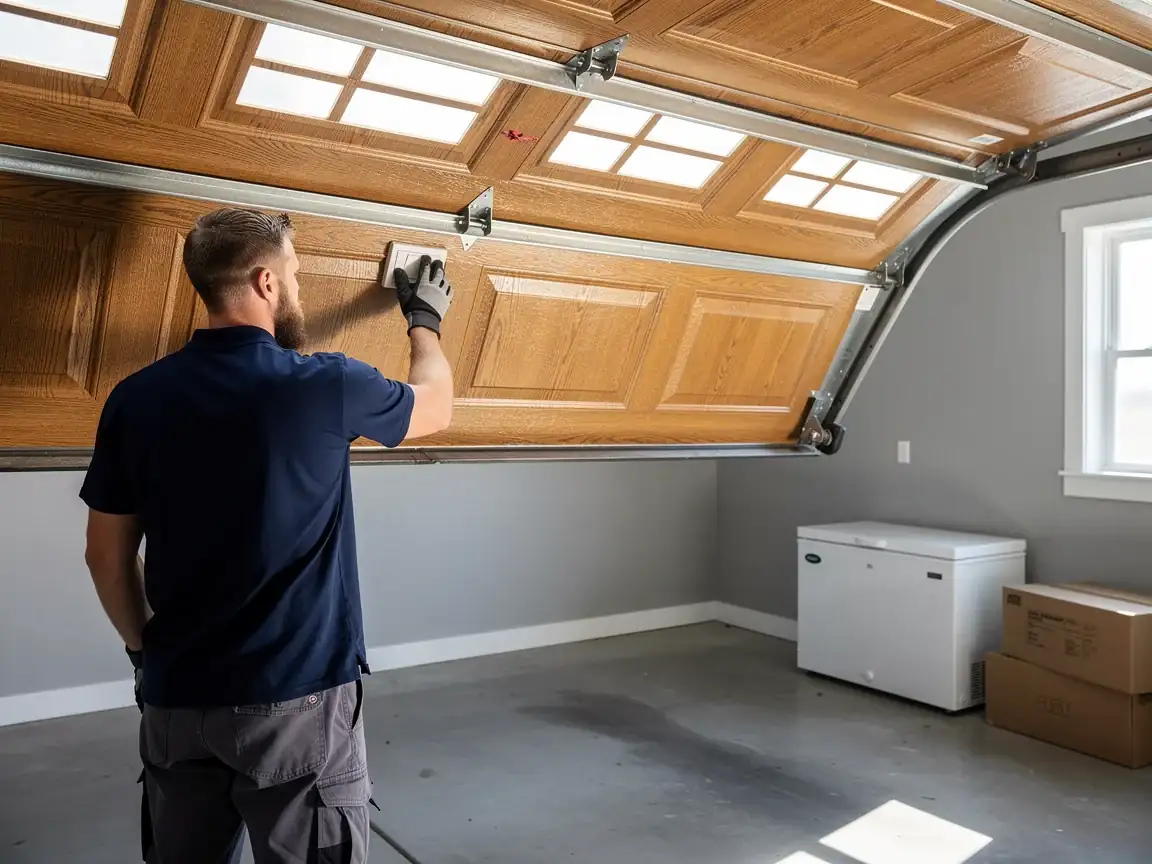
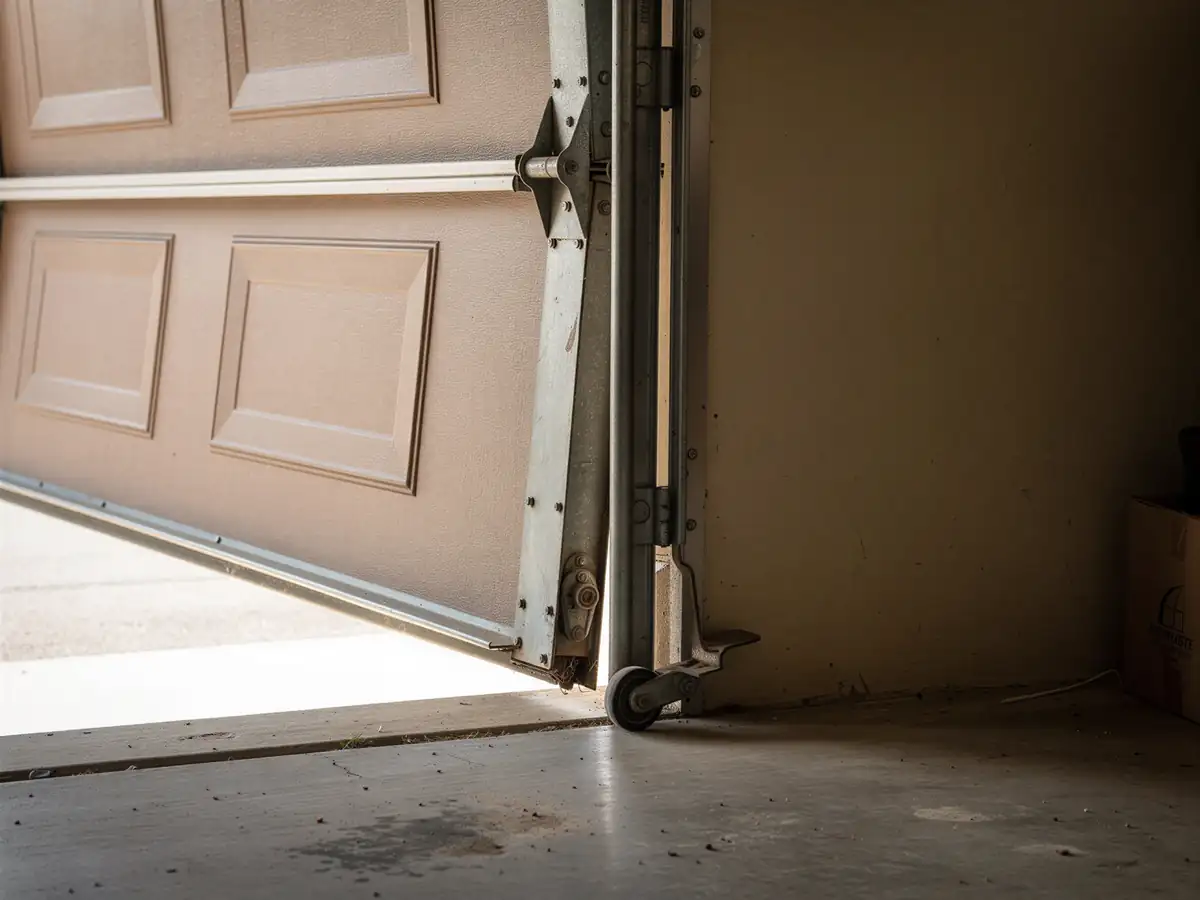
Most people call about this because the door started making a grinding or rumbling noise partway through the open-close cycle, usually worse in one spot than the rest of the track - that's the roller with the most wear hitting a rough patch or a cracked bearing surface. Some notice the door jerking instead of moving smooth, especially right where it crosses from the vertical to the curved part of the track. A few call because a roller has actually come apart, with a stem bent or a wheel cracked clean through, usually on the bottom bracket where it takes the most weight. If the door looks slightly crooked when it's open, with one side higher than the other, that's often a roller on that side that's worn down more than its partner - not a balance problem with the springs, just uneven wear from one side taking more load.
What Causes It Around Here
This is a cold-climate severe zone, and that's the main driver of roller wear on top of ordinary age. Nylon rollers get stiff and brittle in sustained cold, and the grease packed into steel roller bearings thickens up, which means the door's drawing more resistance right at the moment the opener's motor and the spring system are also working harder in the cold. Run that cycle enough winters in a row and you get rollers that crack at the stem or wheels that develop flat spots from sitting loaded in one position overnight. Houses on the newer end of Delafield's range, closer to that 1987 median, often still have their original rollers simply because nobody's had a reason to replace them yet - they're worn, not broken, until a cold stretch pushes them past the point where lubrication alone helps. We don't recommend upgrading to a different roller grade just because it exists; the standard steel or nylon replacement rated for the door's weight class does the job without adding cost you don't need.