What the Repair Takes
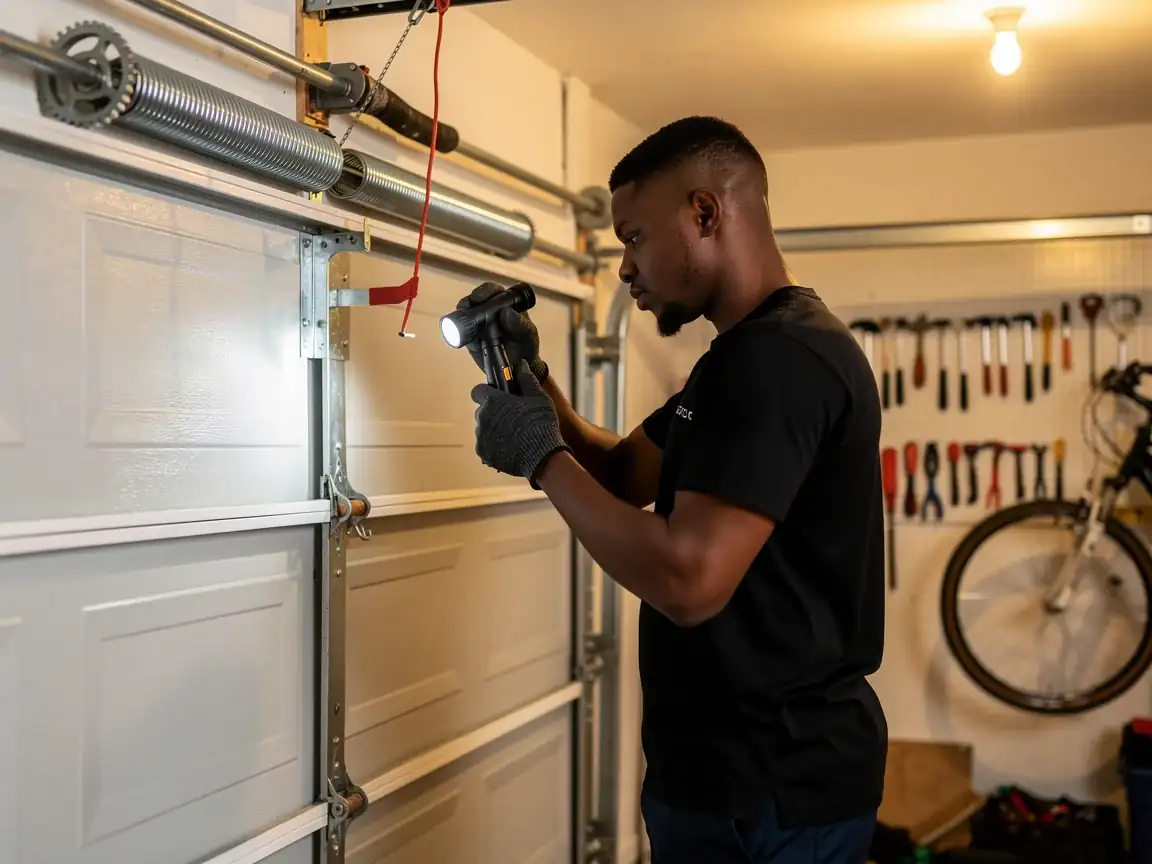
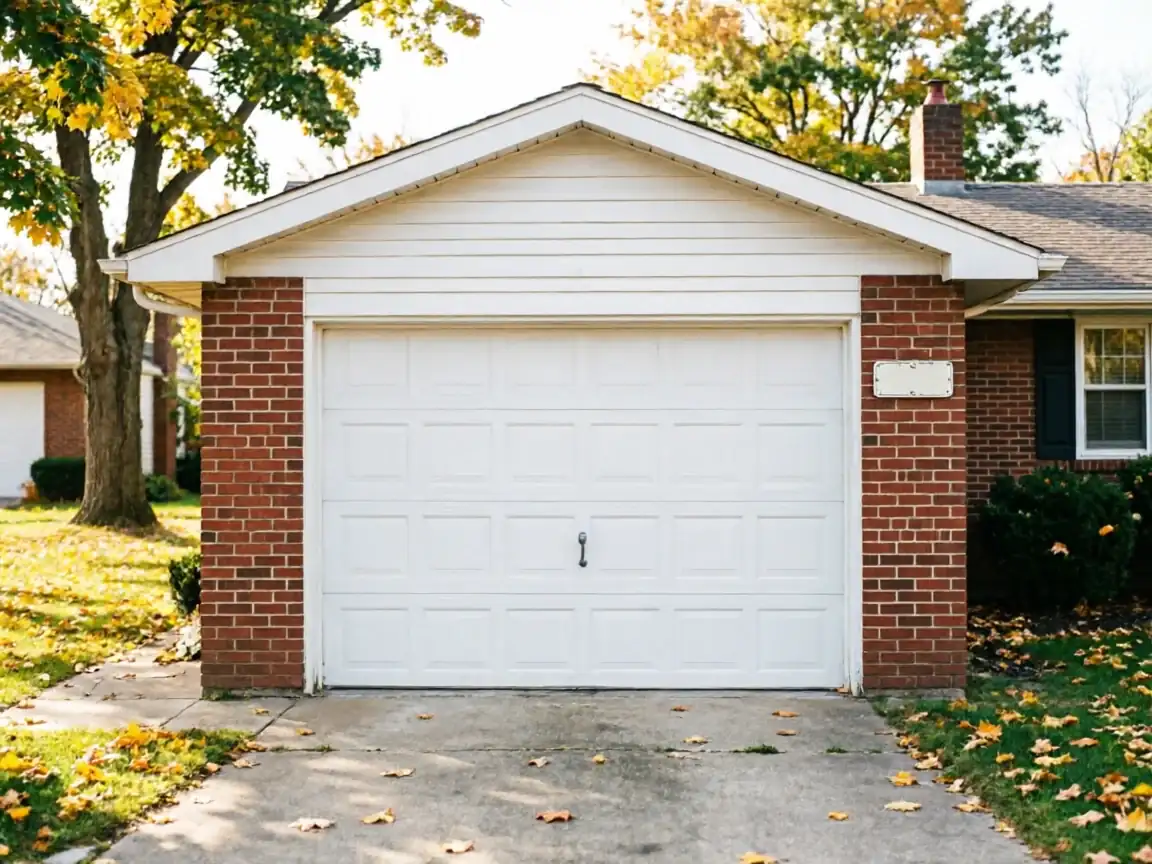
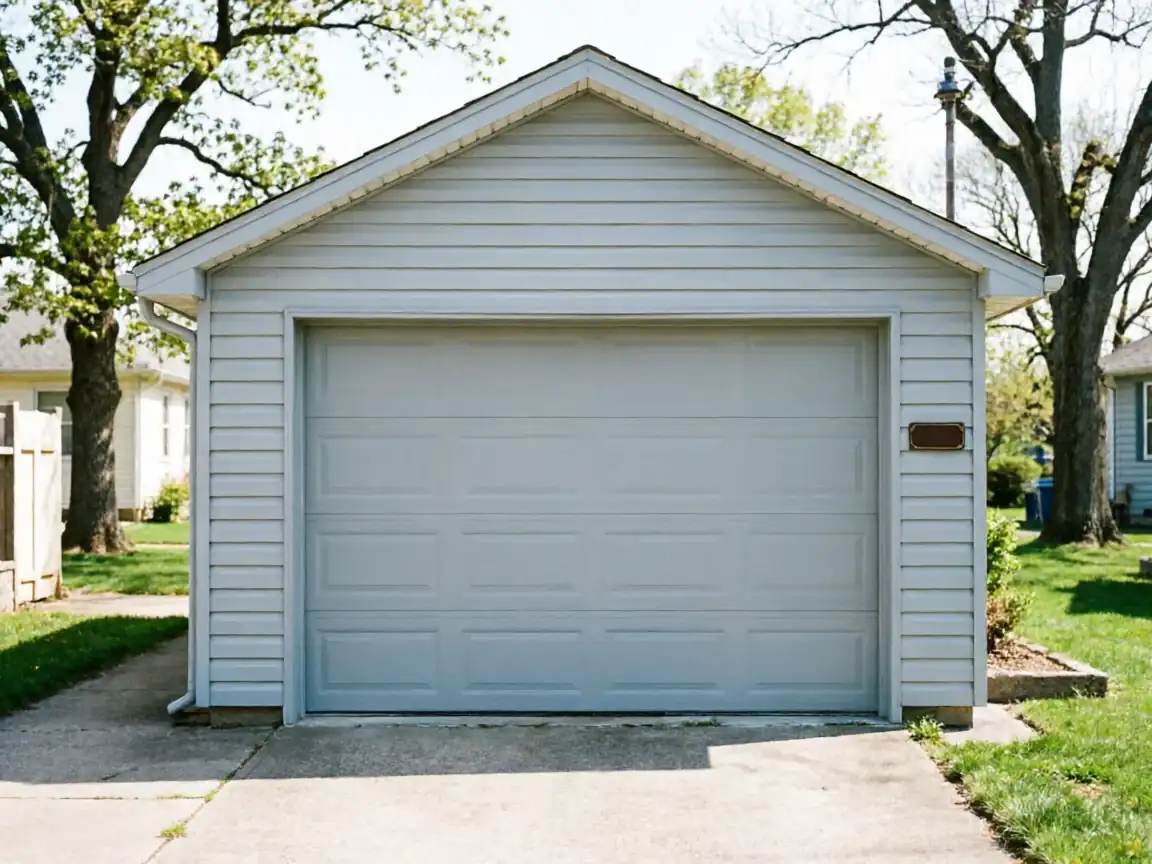
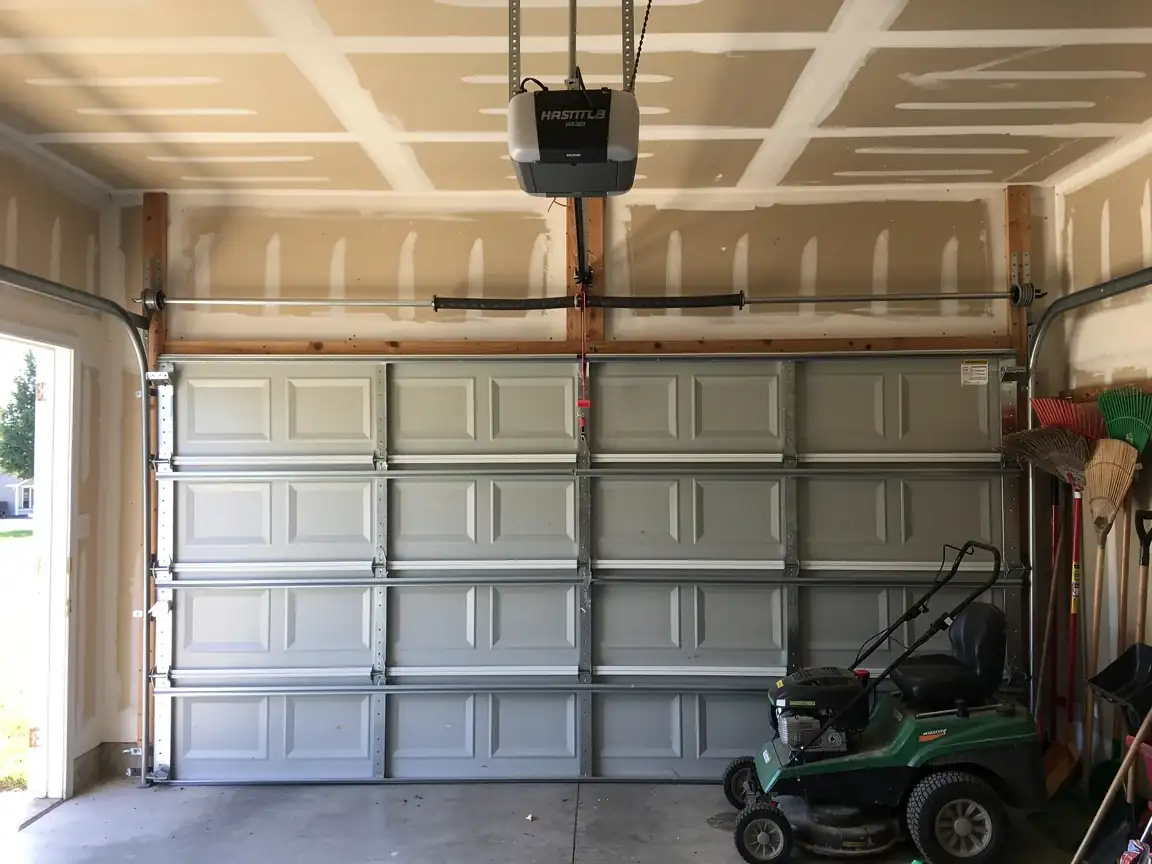
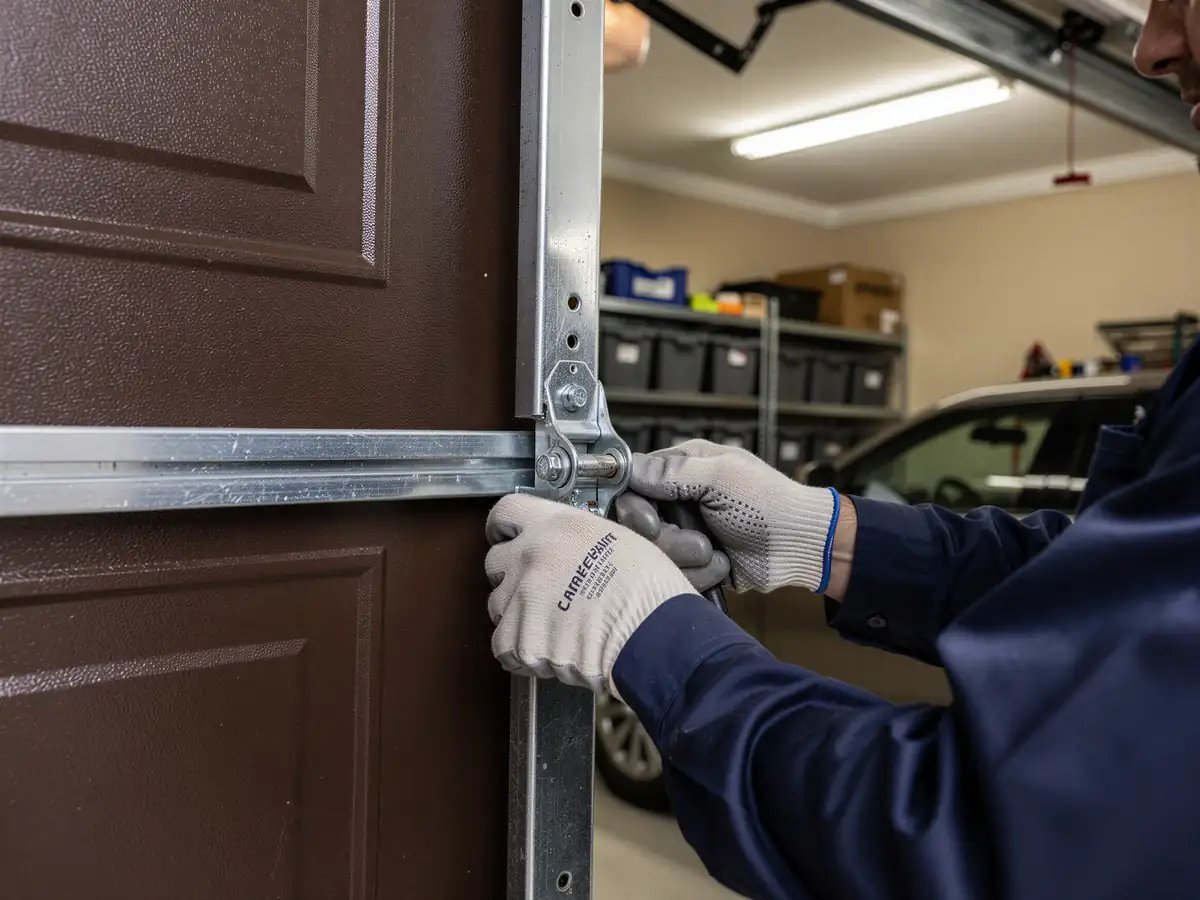
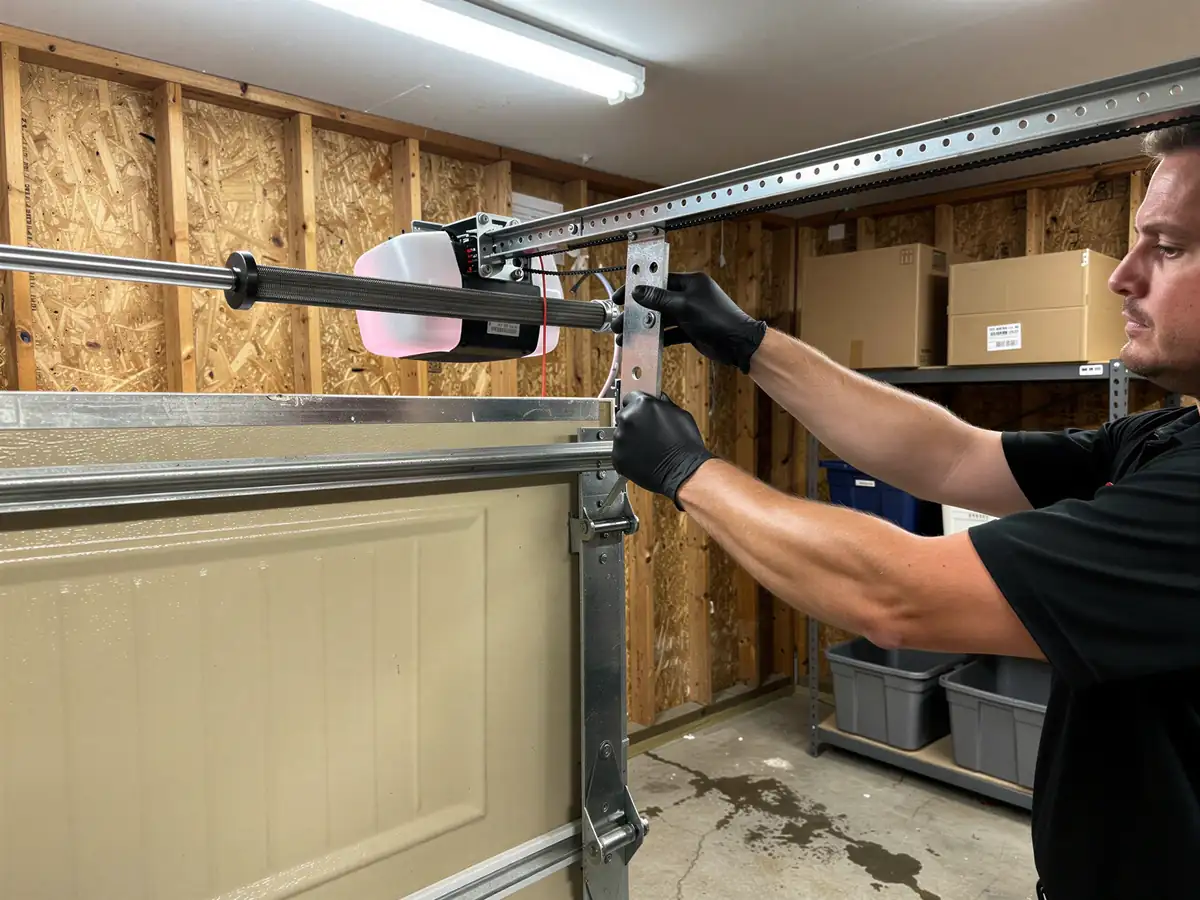
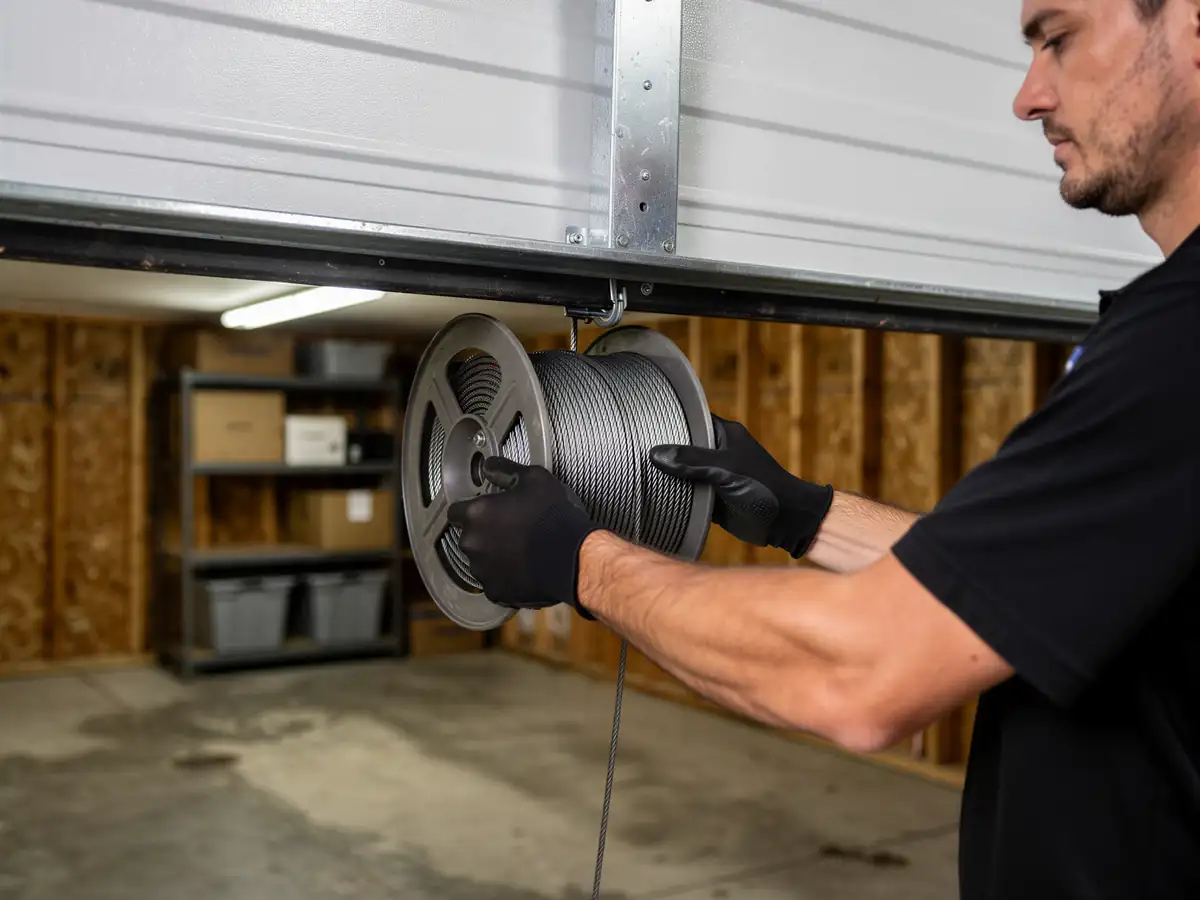
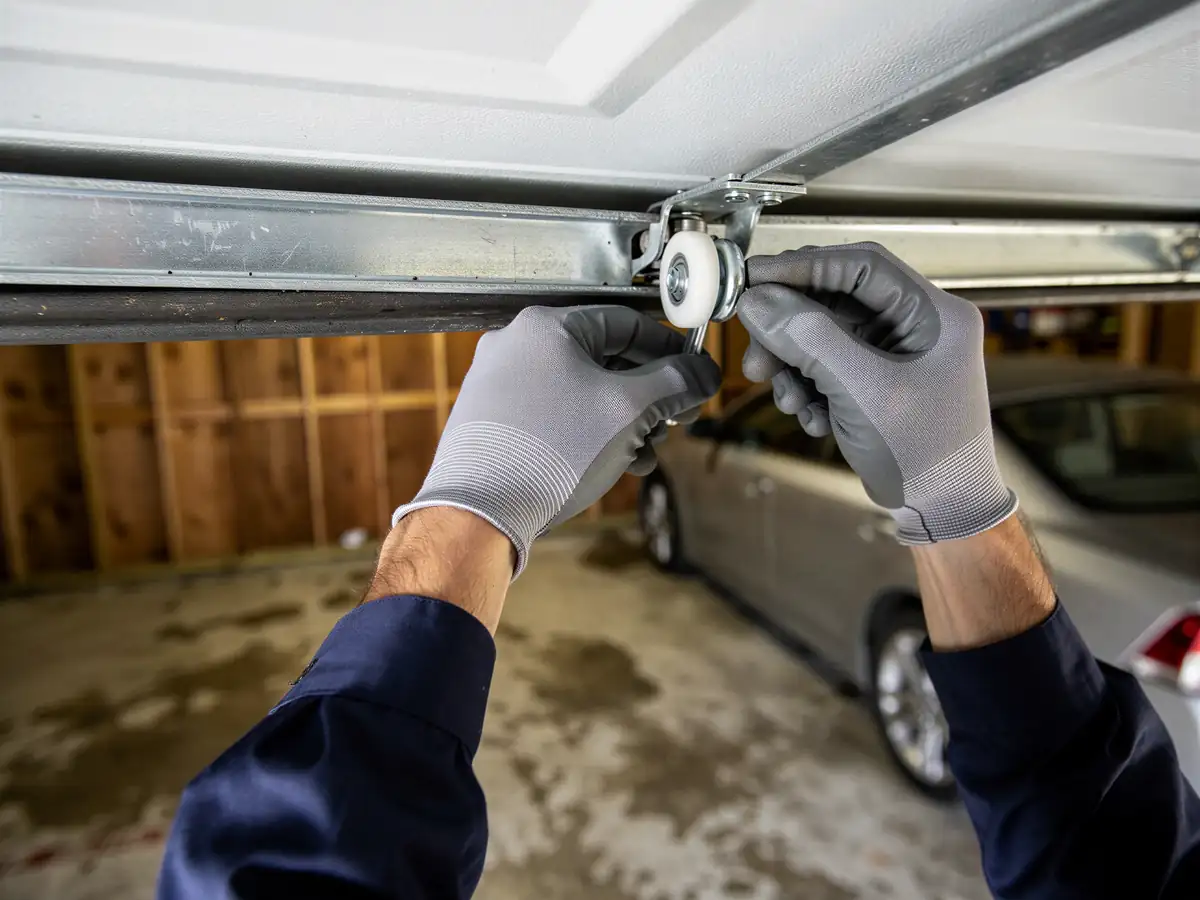
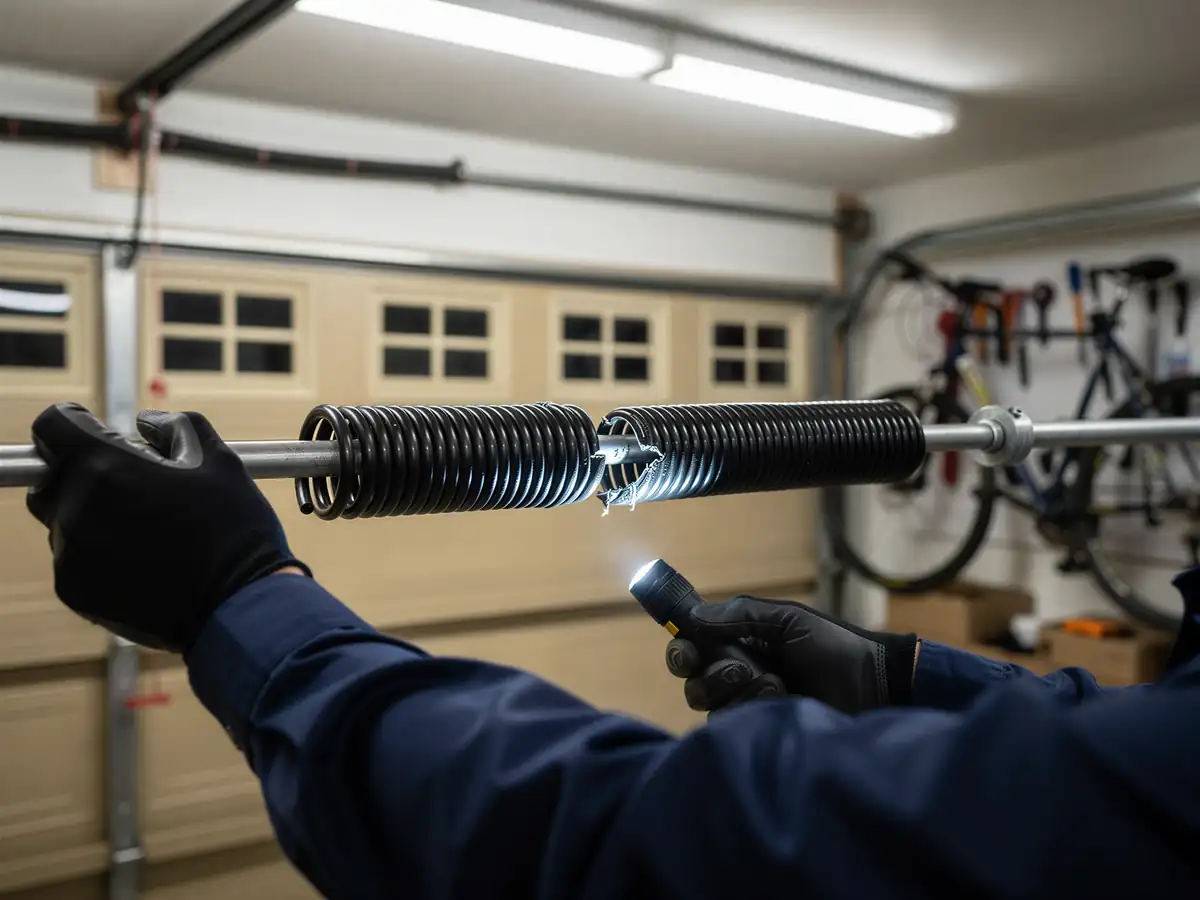
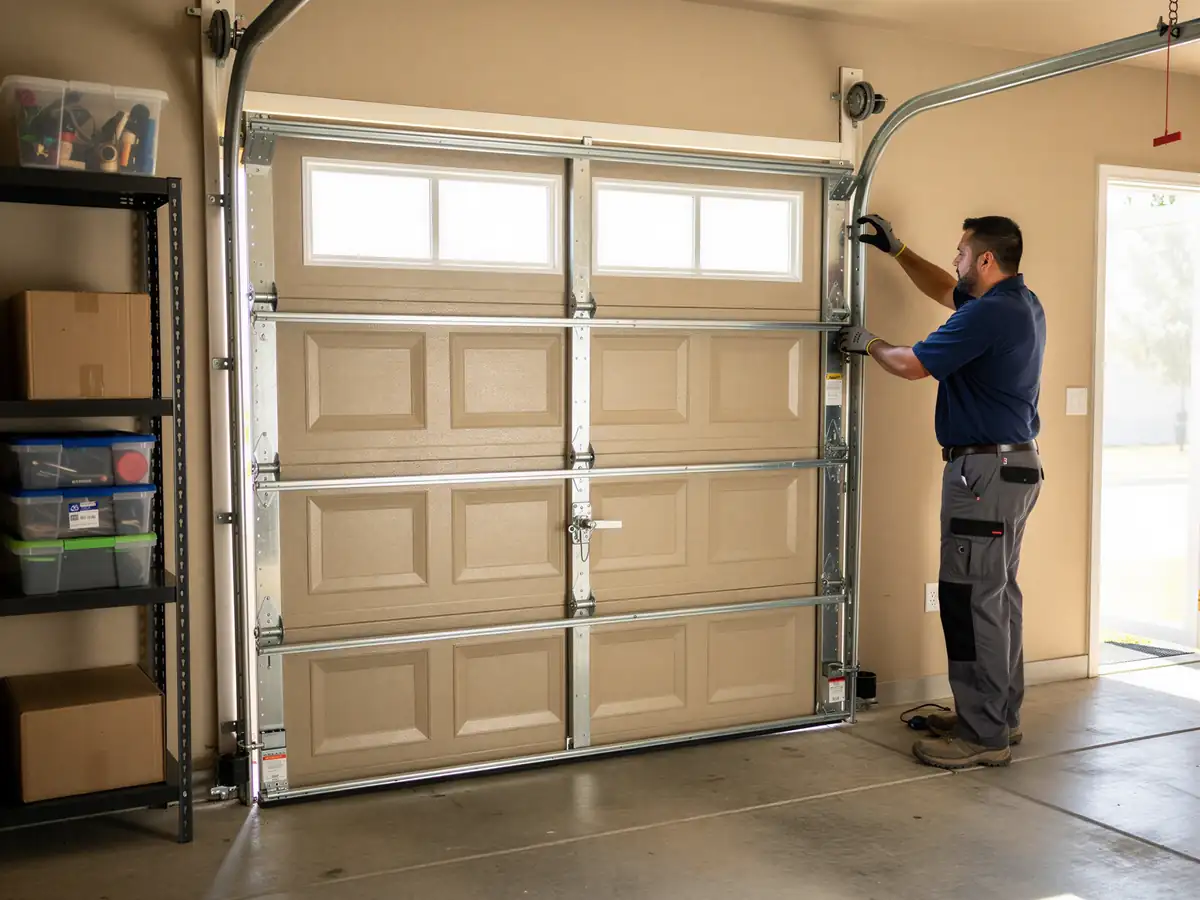
Most of Delafield went up around 1987, which puts the original garage doors here in a different bracket than the older stock scattered across the rest of the territory. These are builder-grade steel sectional doors, usually 16x7 for a two-car opening, hollow skin with no foam fill, hung on steel rollers and steel track with a pair of torsion springs sized for a lighter door than what most homeowners want to put in today. A new install means pulling that whole section out - track, springs, hardware, the works - not just swapping panels. If the opening itself is square and the header is solid, which it usually is on a house from this era, the frame work is minor. Where it gets longer is when someone wants to go from a single door to a wider double, or add insulation thick enough to matter in a Wisconsin winter, because that changes the spring calculation and sometimes the header bracing too. We size the new door and the torsion spring together on-site rather than ordering off a generic chart, since an undersized spring on an insulated door is the single most common callback we see on new installs anywhere.
Getting It Booked In
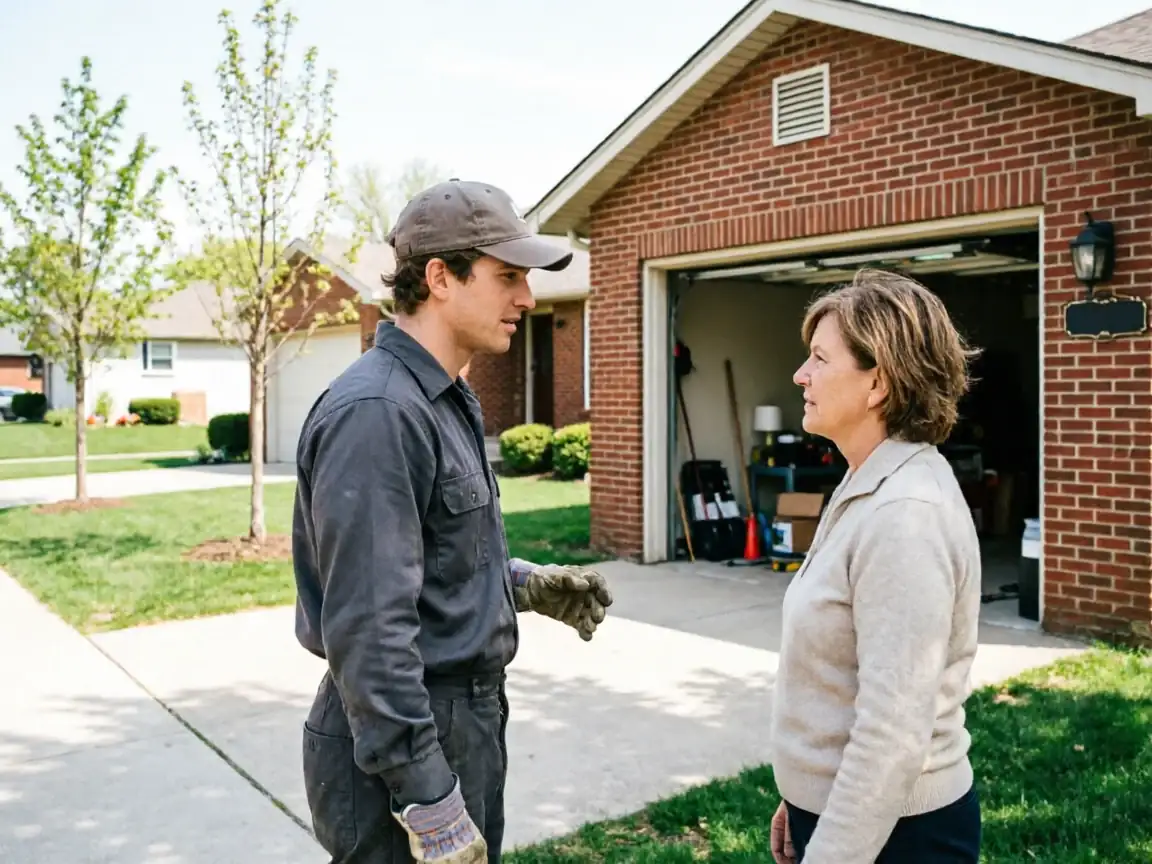
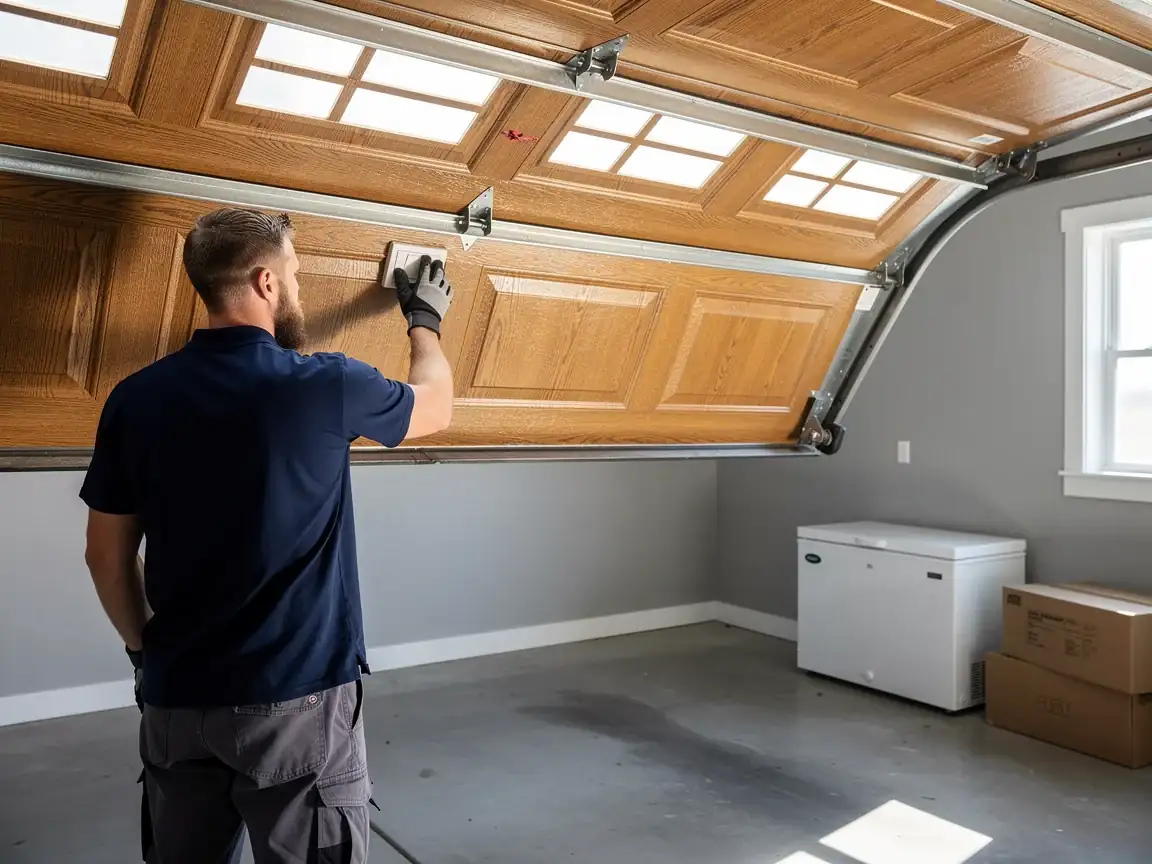
We run out of Waukesha, eight miles down the road, so a Delafield install goes on the same route as the rest of our territory rather than needing a separate crew or a different lead time. What actually sets the schedule is the door itself - a standard steel door in a common size we can usually turn around quickly, but anything custom (wood-look composite, a nonstandard width, a specific insulation rating) goes on backorder with the manufacturer, and that wait is the same no matter which town you're in. We measure the opening, confirm headroom and backroom for the track and springs, and quote the job before anything gets ordered. One honest limit here: we don't stock every panel style on the truck, so if you want something outside the handful of common profiles, expect a scheduling gap between the quote and the install date that has nothing to do with our availability.
What You Are Seeing
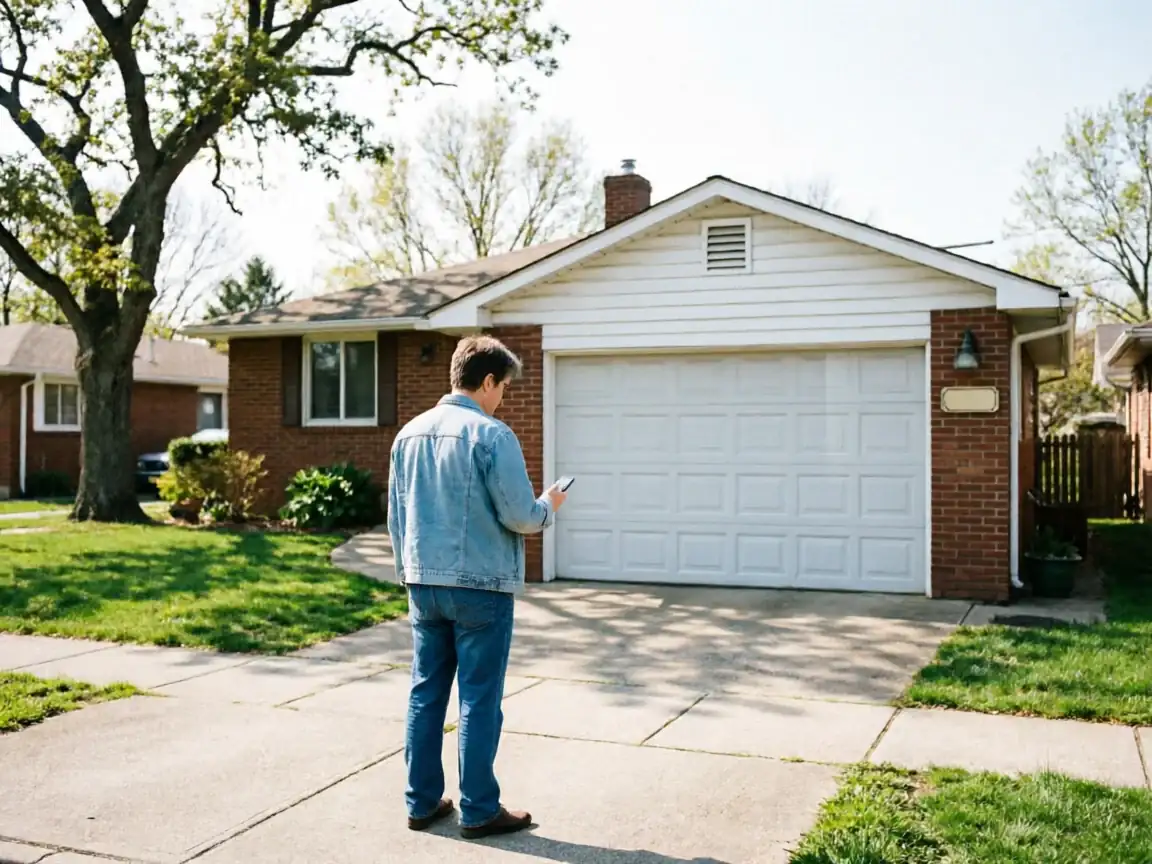
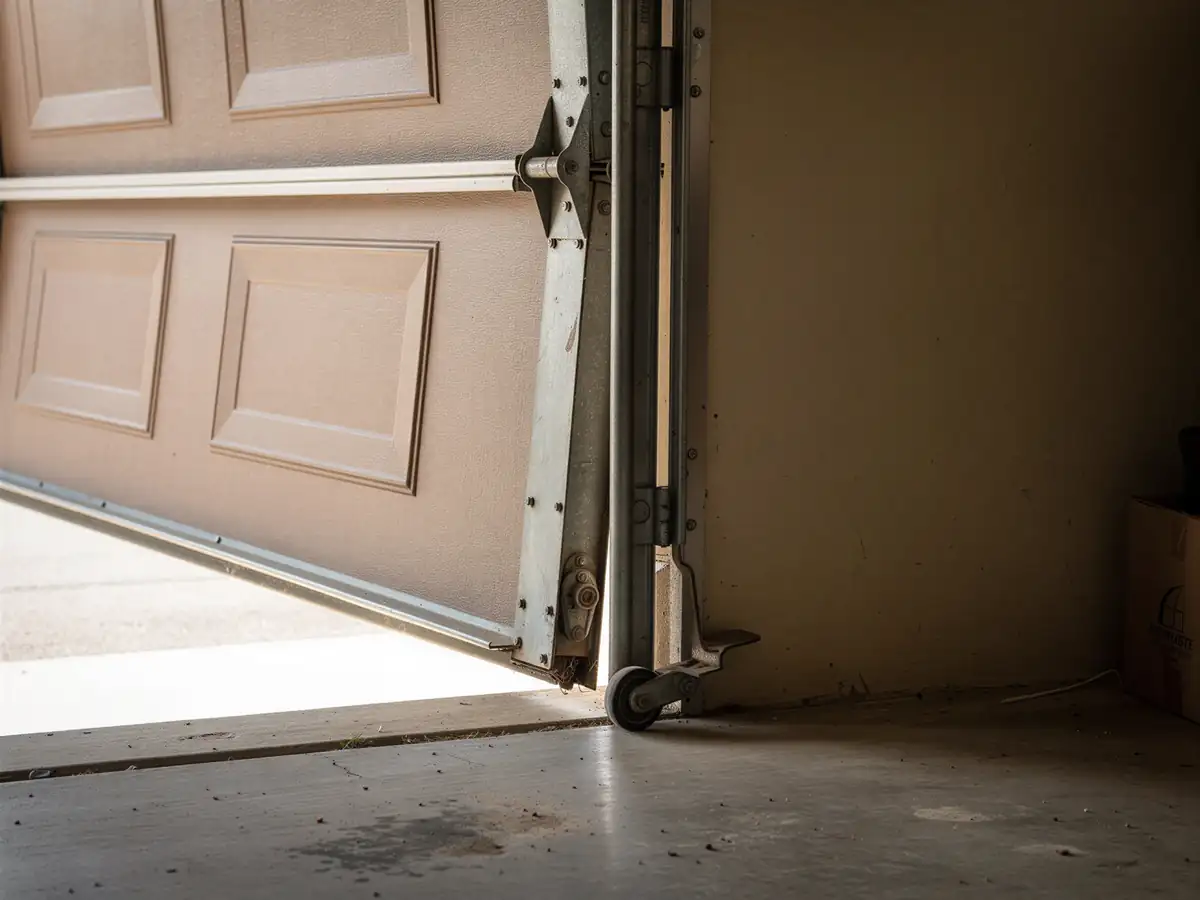
If you're looking at a new door because the old one is sagging, rattling on the track, or the panels are visibly bowed, that's a steel door at the end of its service life rather than something worth patching. Rust along the bottom panel, daylight showing between sections when it's down, or an opener straining to lift a door that used to move quietly are all signs the door itself - not just the opener or the springs - is the problem. On a house built around 1987, this is close to the original door reaching the end of a normal run. We also see people replacing a working but uninsulated door simply because the garage sits unheated against a cold wall of the house and the gap under an old, warped door lets in more than it should.
What Causes It Around Here
The region sits in a severe cold climate band, and that's the main driver behind why insulated doors have become the default on new installs rather than the upgrade option they used to be. A hollow steel door built in the 1980s wasn't speced for the R-value homeowners expect now, and once the weather seal at the bottom and sides starts to go, the garage stops doing its job as a buffer for whatever's on the other side of that shared wall. Combine that with springs calibrated for a lighter, uninsulated panel thirty-plus years ago, and the whole system is working harder than it was built to. None of this is unique to one house - it's a function of when Delafield was built out and what code and practice looked like at the time, which is also why a straight panel swap rarely solves the underlying issue on a door this age.