What the Repair Takes
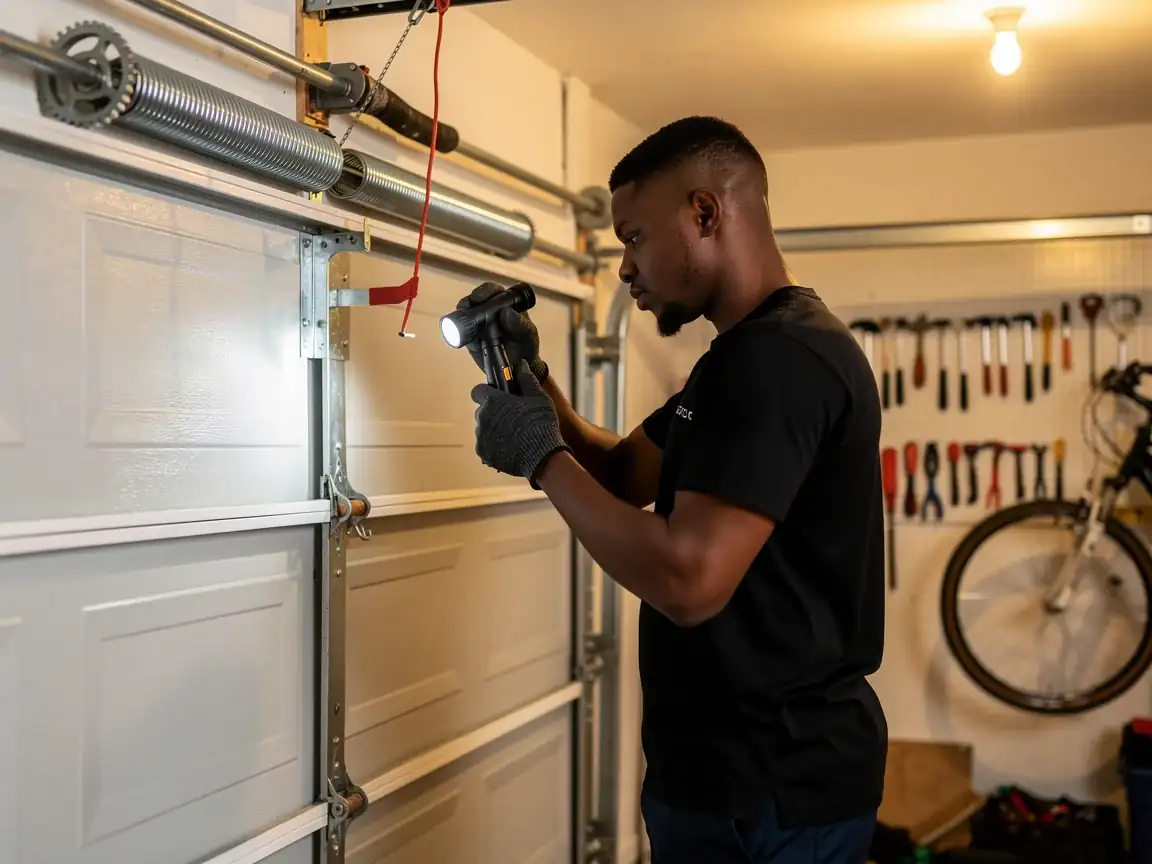
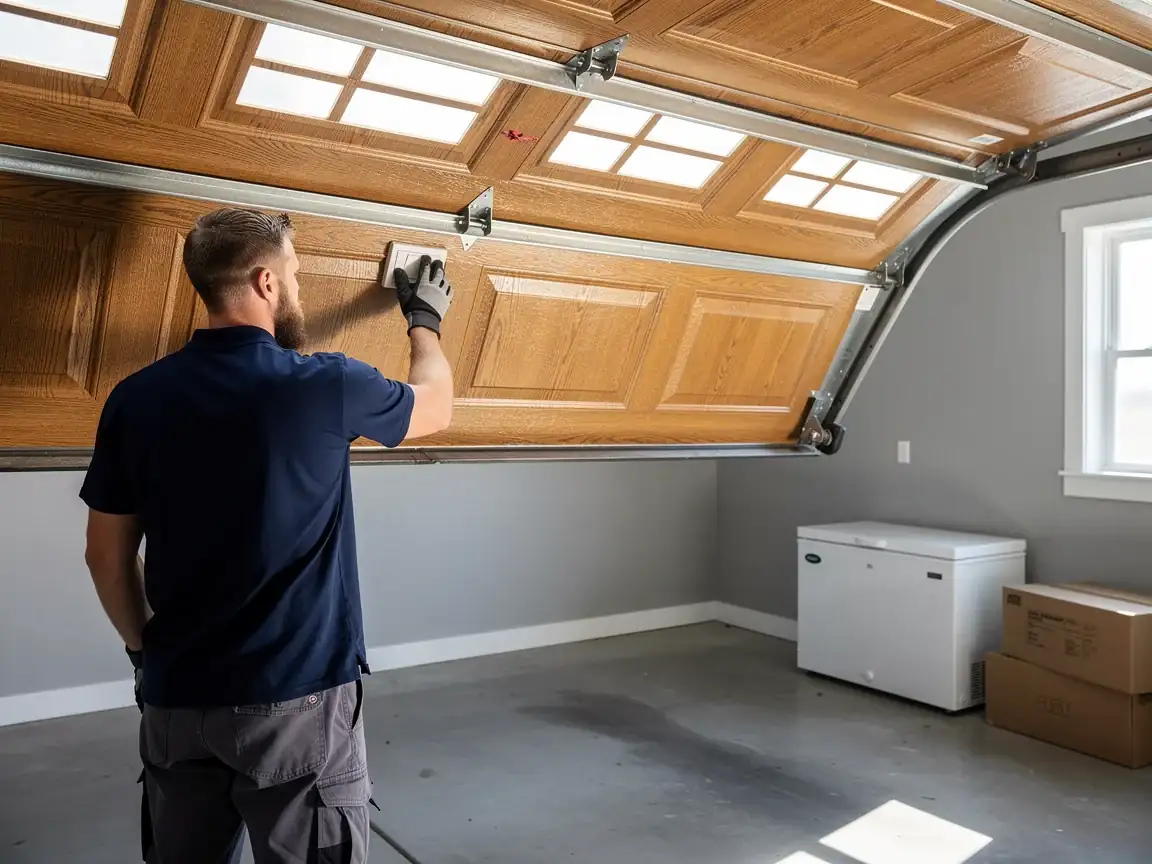
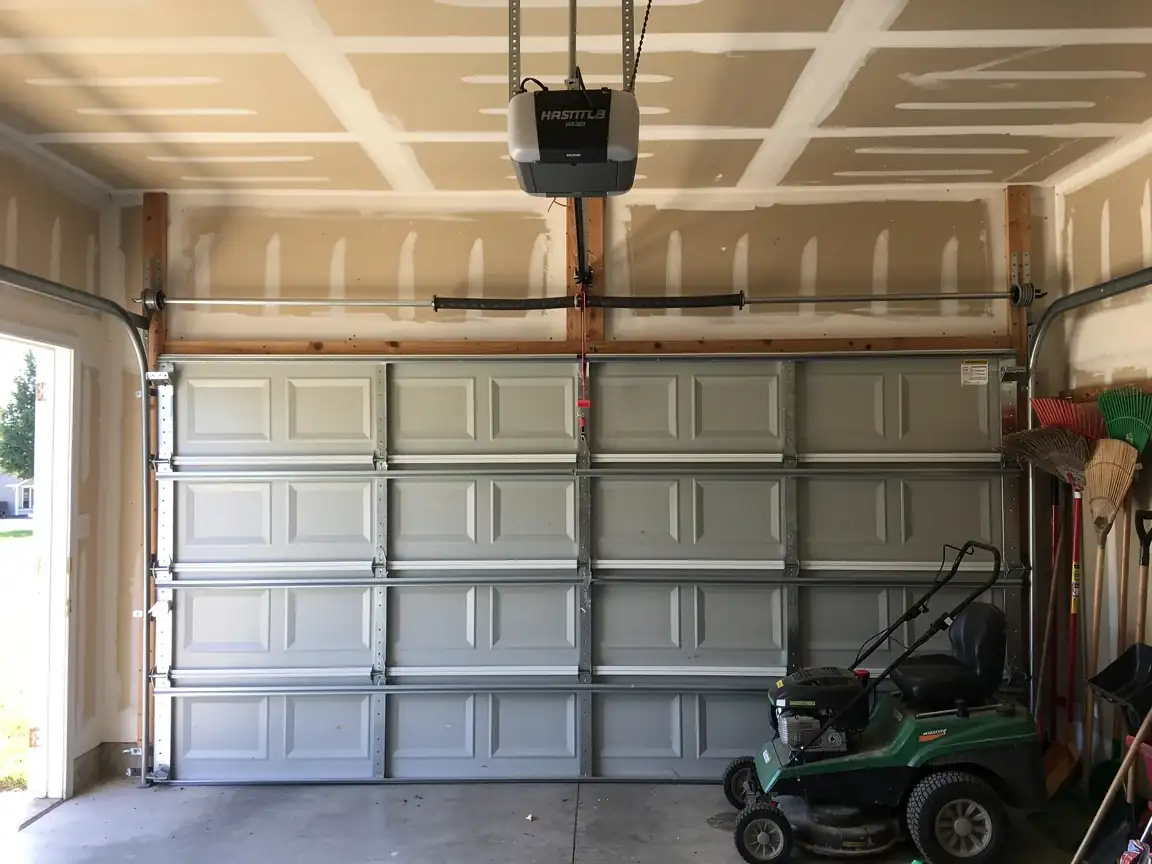
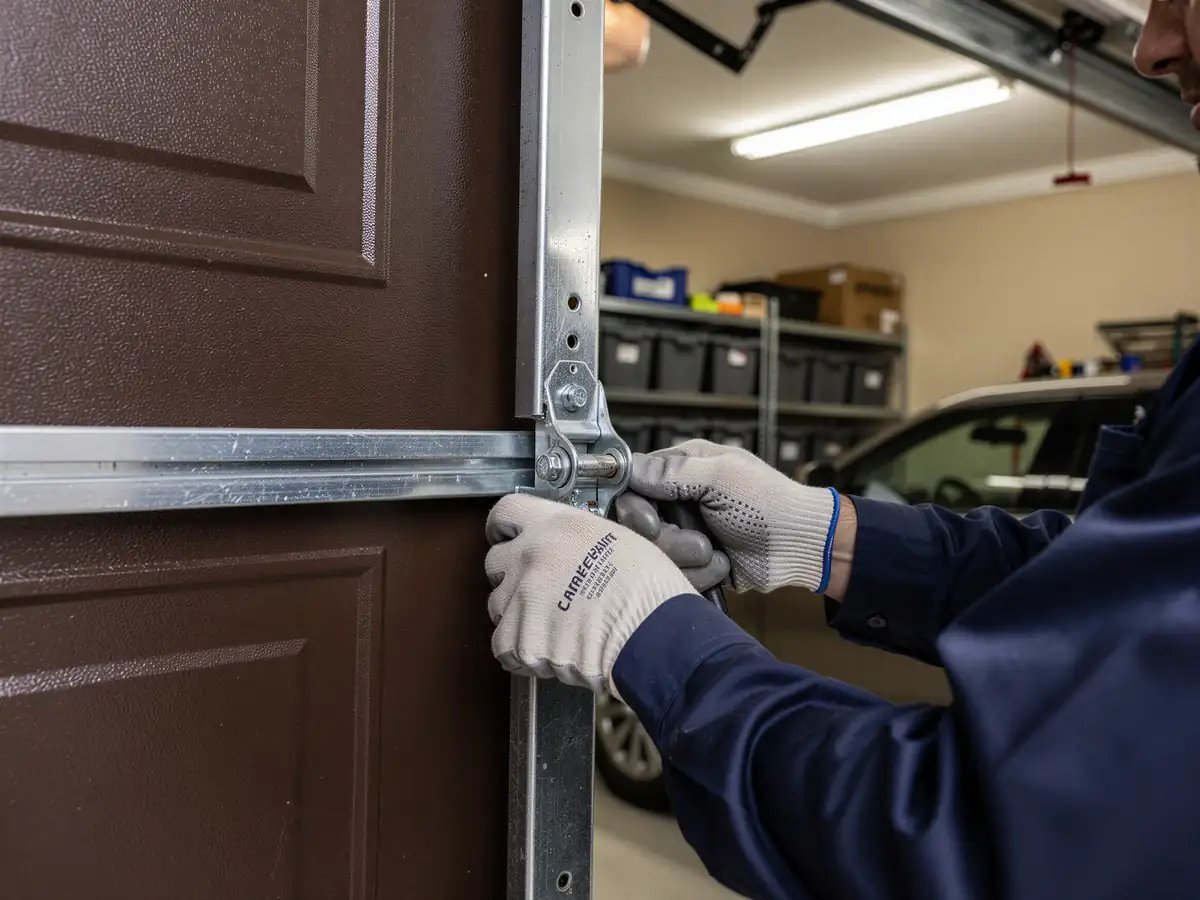
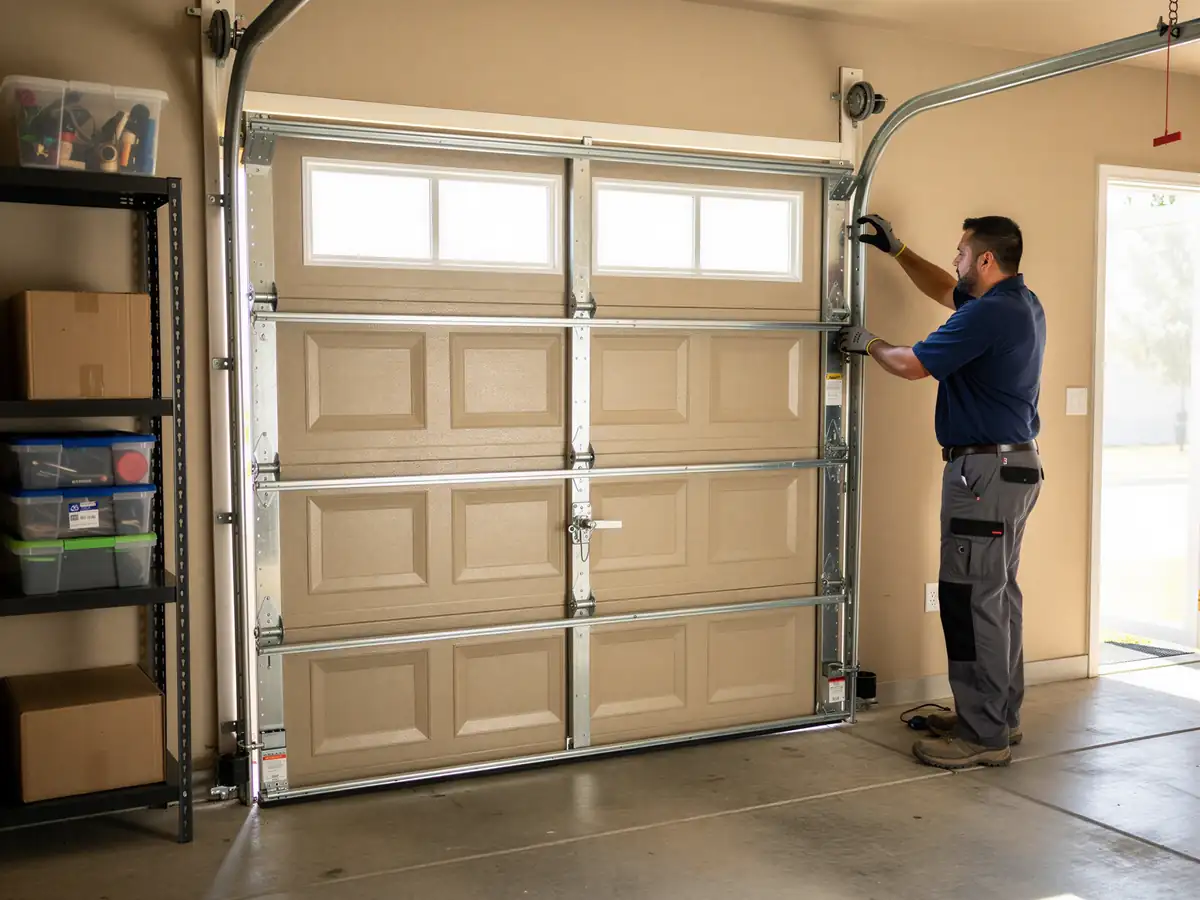
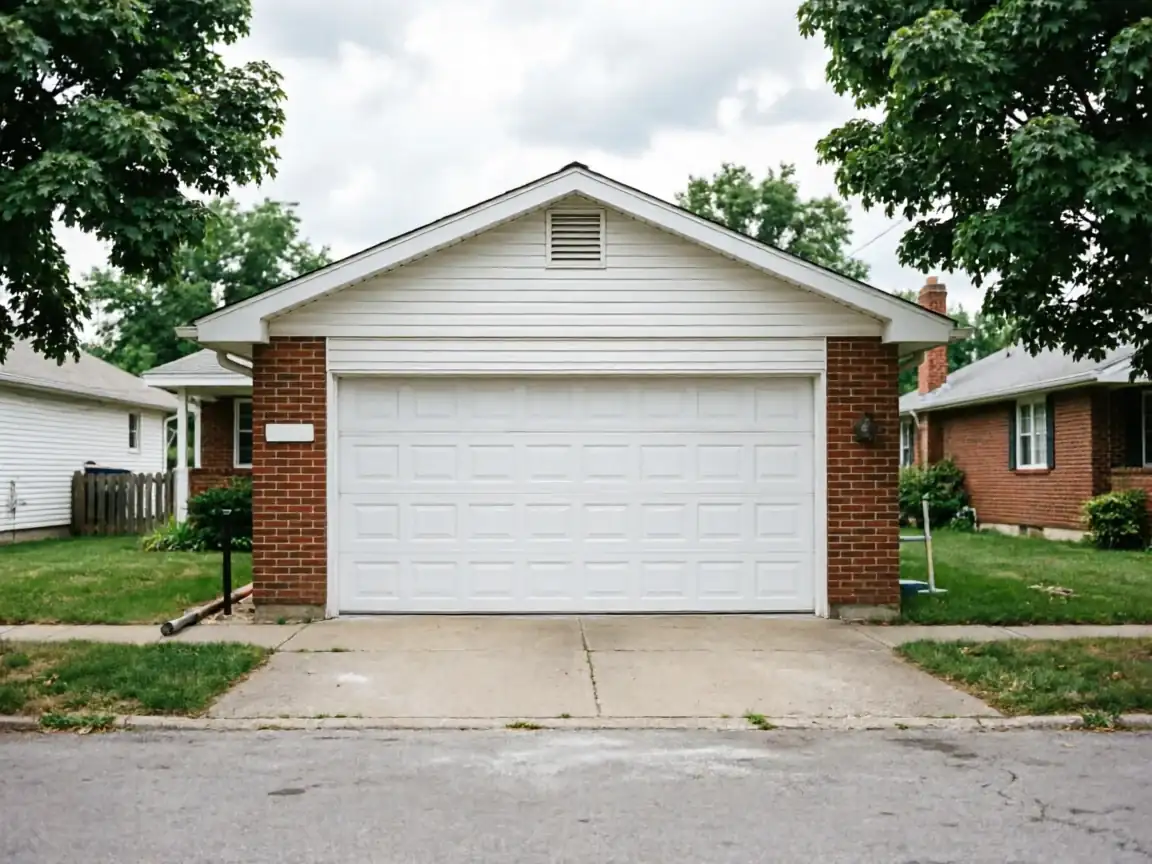
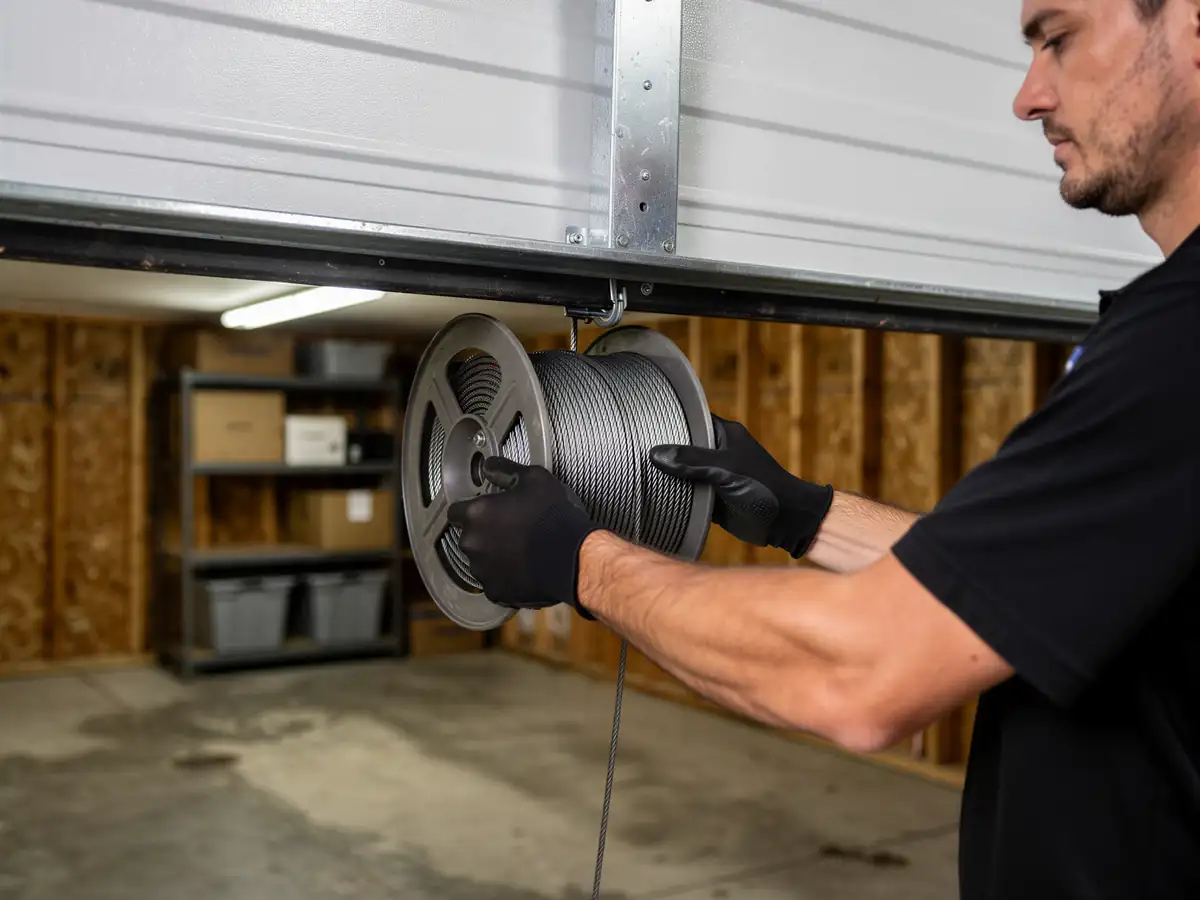
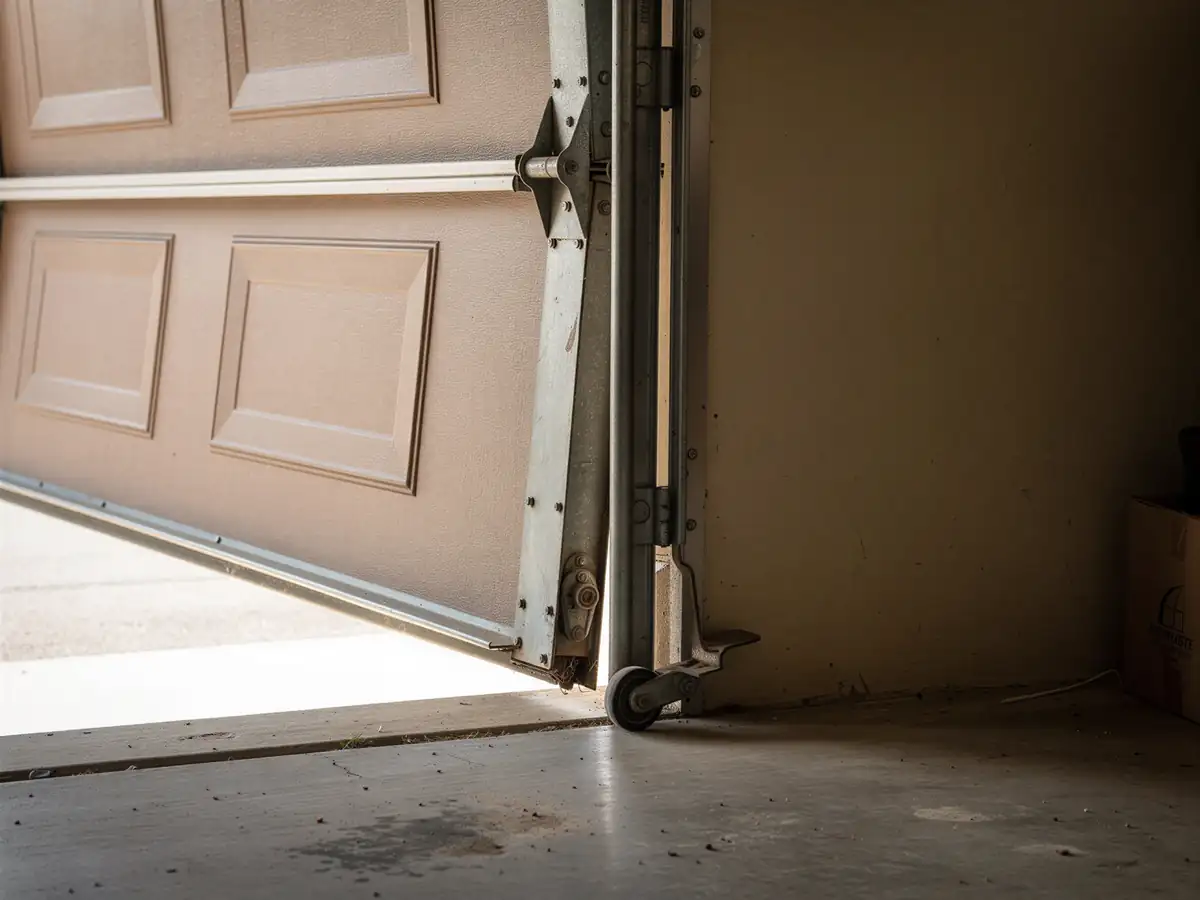
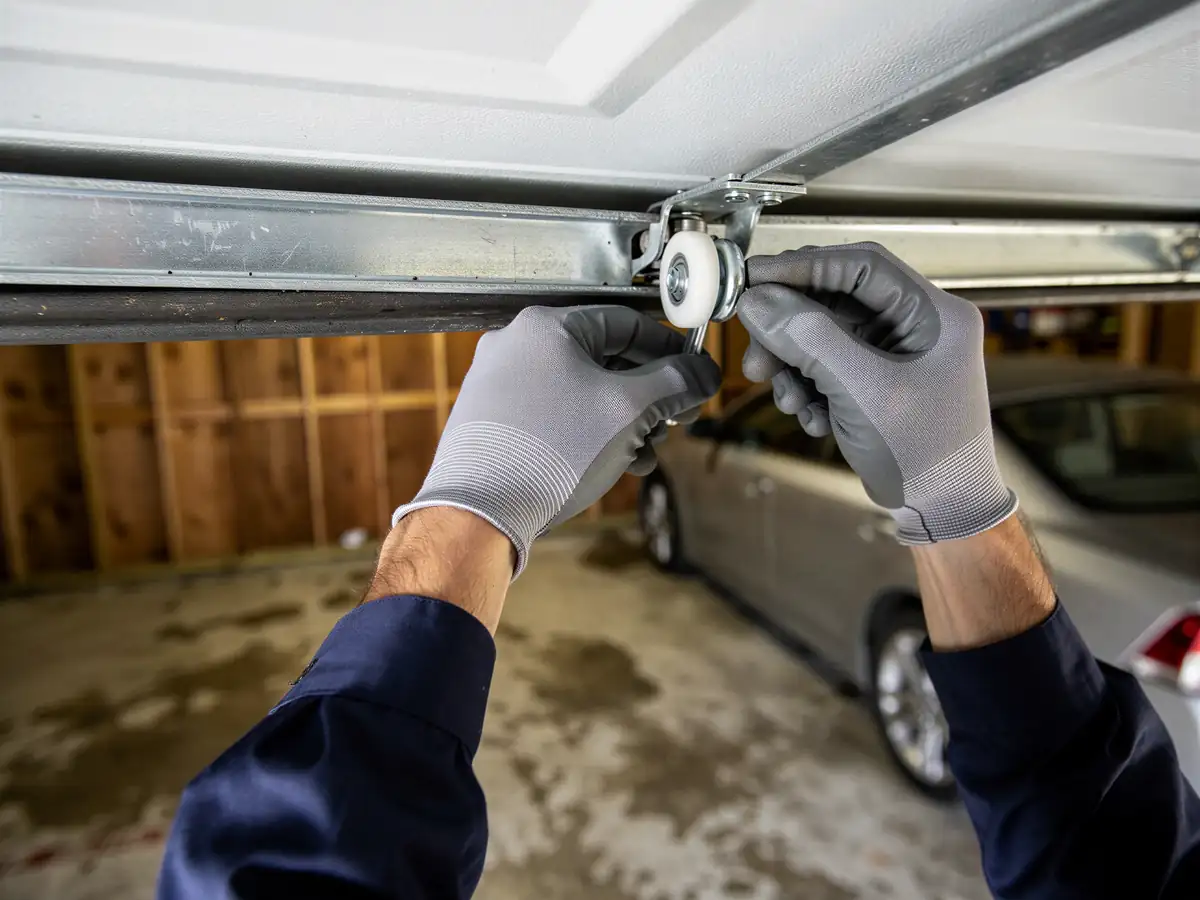
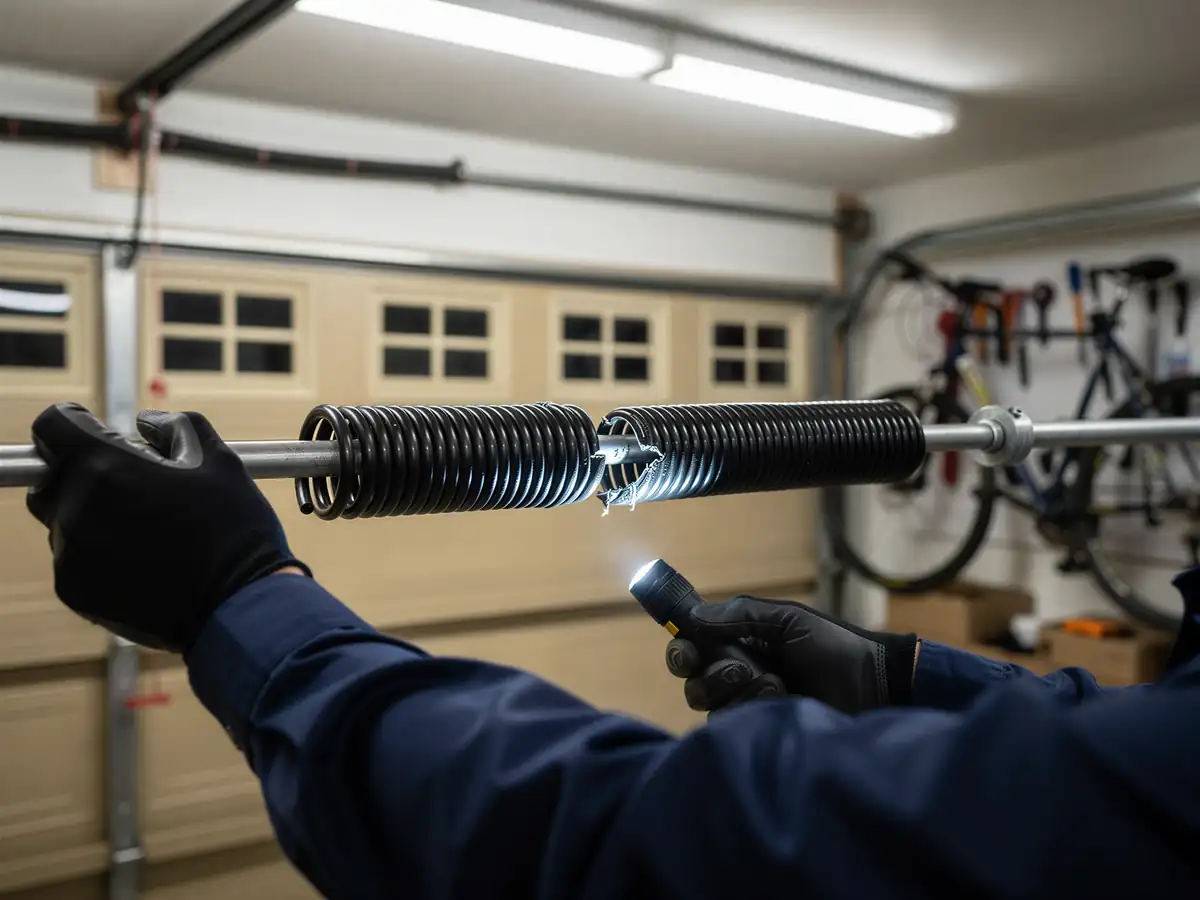
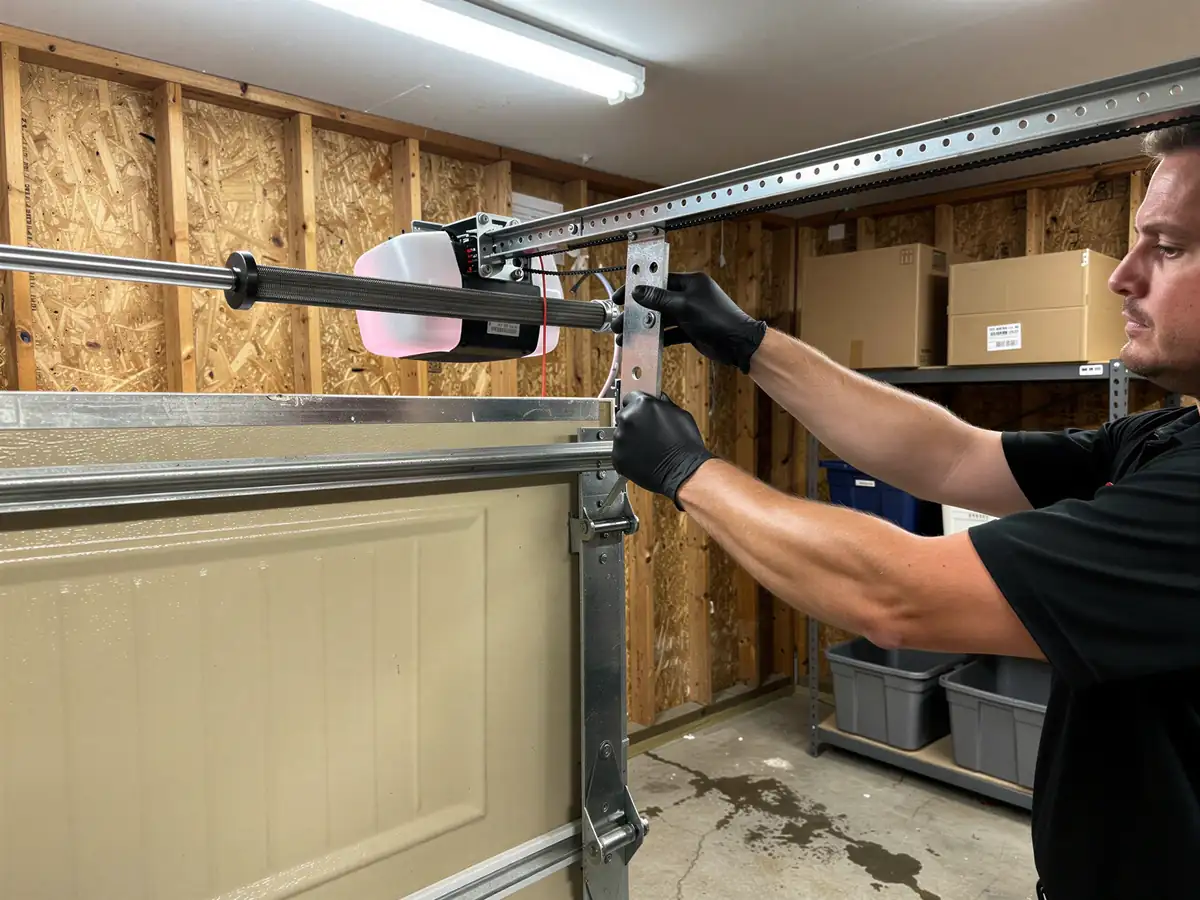
An opener swap is mechanical work first and electrical work second: pull the old head unit off the rail, check the rail itself for sag or rust, remount a new motor head, re-run the safety sensor wiring, and set the travel limits so the door reverses before it hits a car bumper or a kid's bike. None of that changes town to town. What does change here is the starting point. Delafield's housing stock centers on 1987, nearly a decade newer than the 1979 median across the wider service area, so most garages still have their original rail and track geometry intact - the header bracket isn't rotted out, the framing hasn't shifted. That means a straight head-unit swap is usually possible without rebuilding the mounting points, which is the part of the job that actually adds hours. We still check the spring and cable condition before hanging a new opener on old hardware, because a opener installed on a tired spring just fails again in a different spot. Wisconsin's cold-severe climate band matters here too - a new opener in an unheated garage needs a cold-rated logic board and, if the homeowner wants the door to work in a power outage, a battery backup unit rated for sub-zero starts, not the standard indoor-climate version.
Getting It Booked In
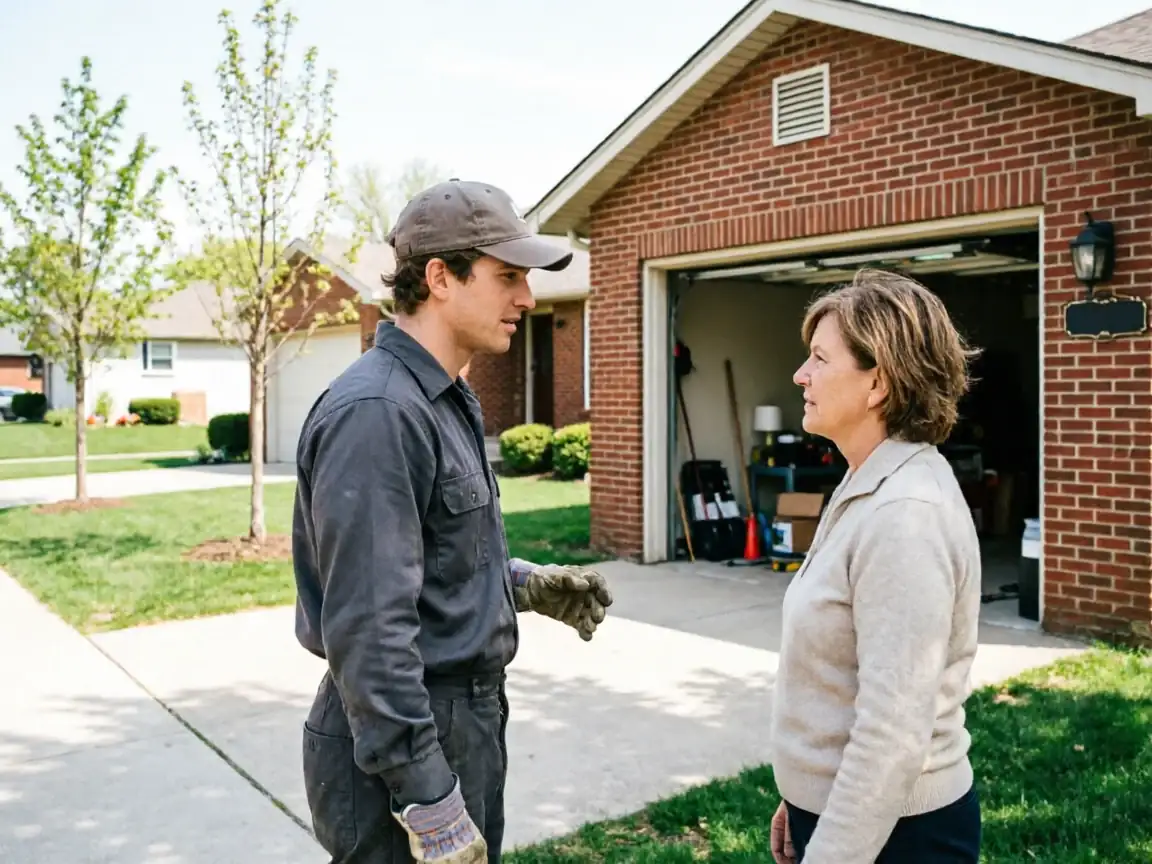
The truck comes from Waukesha, eight miles out, so same-day visits depend on how the route is running that day - we don't keep a branch or staged inventory in Delafield itself, and we won't pretend otherwise. Booking an install ahead of a known failure (a chain that's started skipping, a motor that hums before it turns) gives more flexibility on scheduling than waiting for the opener to quit outright on a Saturday. For a town of 3,229 households, demand doesn't support stocking every opener model locally, so if you want a specific drive type - belt instead of chain, a particular horsepower - it helps to know that before the truck rolls so the right unit is on it. Standard chain and belt drive units in common horsepower ratings are usually available without a special order; specialty commercial-grade or smart-home-integrated models sometimes need a few extra days to source. We'll tell you up front which category your choice falls into rather than guess and show up with the wrong box.
What You Are Seeing
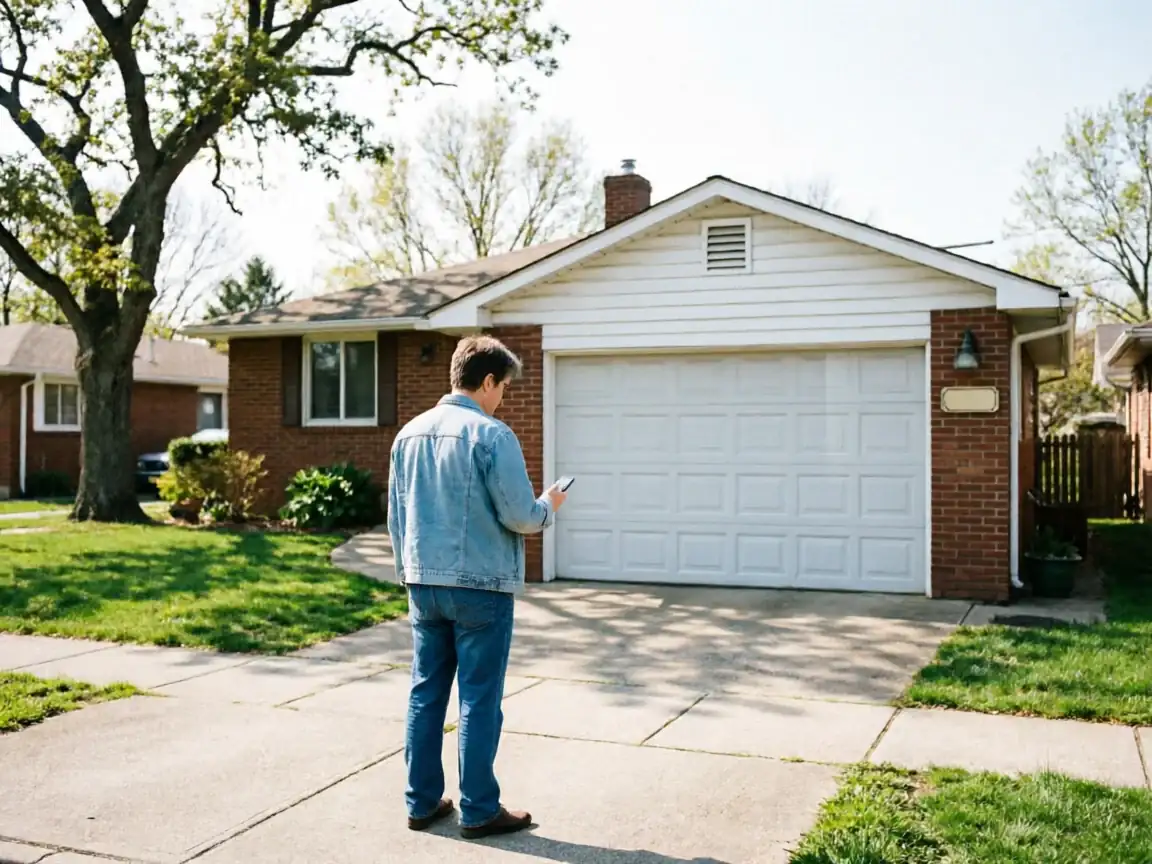
If the opener strains, reverses partway up, or the remote only works standing under it, that's usually a mechanical opener nearing the end of its working life rather than a settings fix. Grinding or a loud bang on start points to worn gears inside the motor housing, not something you lubricate away. A door that opens fine on the wall button but not the remote is often a dying receiver board rather than anything to do with the spring or track. In a house built around Delafield's 1987 median, original builder-grade openers from that era are long past any reasonable service life, and parts boards for units that old generally aren't made anymore - that's a replace call, not a repair call. At a median household income of $101,482, replacing a dying opener outright often costs less over ten years than chasing repairs on a board that's out of production and getting harder to source each year.
What Causes It Around Here
Two things push openers toward failure faster here than the national average would suggest: age and climate. With the local housing median at 1987, a lot of these openers are originals or first-generation replacements, meaning the motors and logic boards are well into their second or third decade of use - mechanical parts that have simply run their course. Separately, Wisconsin's cold-severe climate band means a logic board that sits in an unheated garage here spends months below freezing, which is hard on capacitors and backup batteries alike, and it's a different stress profile than an opener in a heated or attached, insulated garage sees. Condensation cycling as a garage warms and cools through a winter day corrodes contacts over time too. None of this is specific to one brand of opener - it's the environment working on whatever motor is hanging there. We don't push full replacement on an opener that's still within a reasonable service window just because it's cold out; a working unit with a few more years left gets a tune and a sensor check, not a new motor.