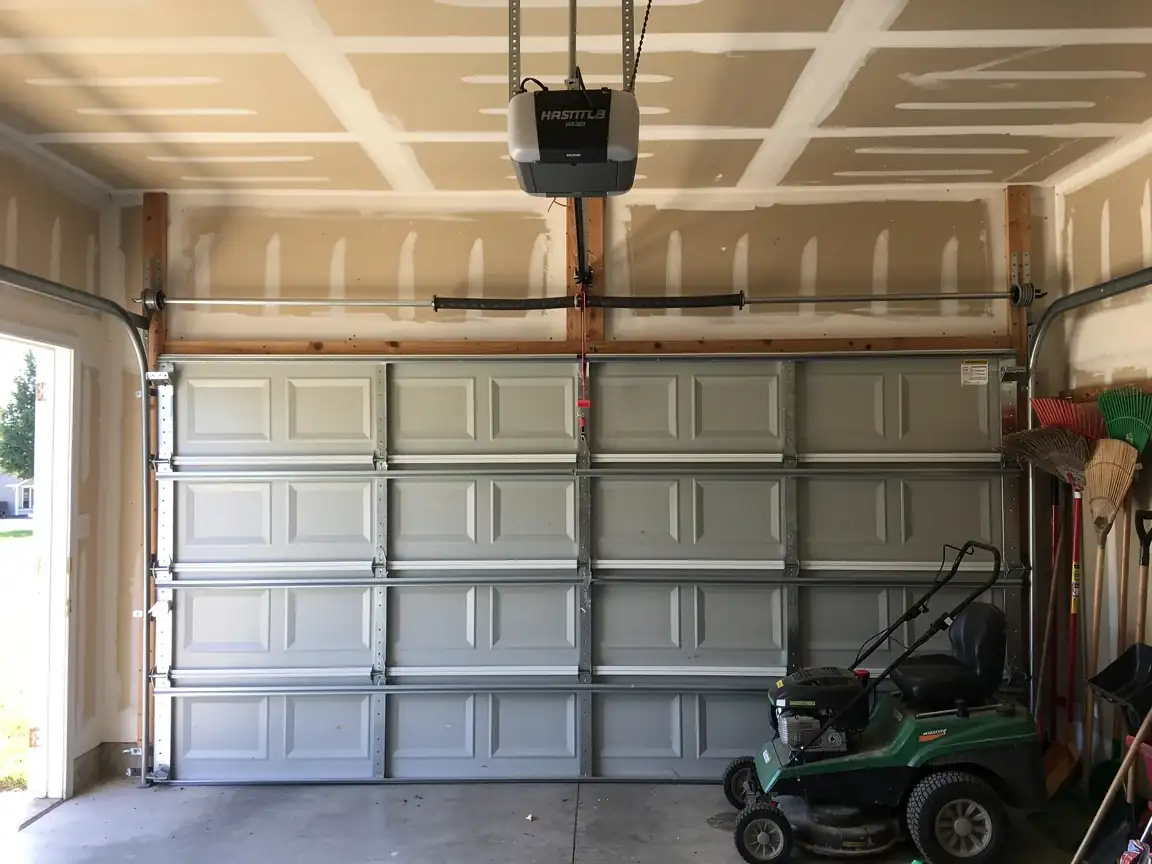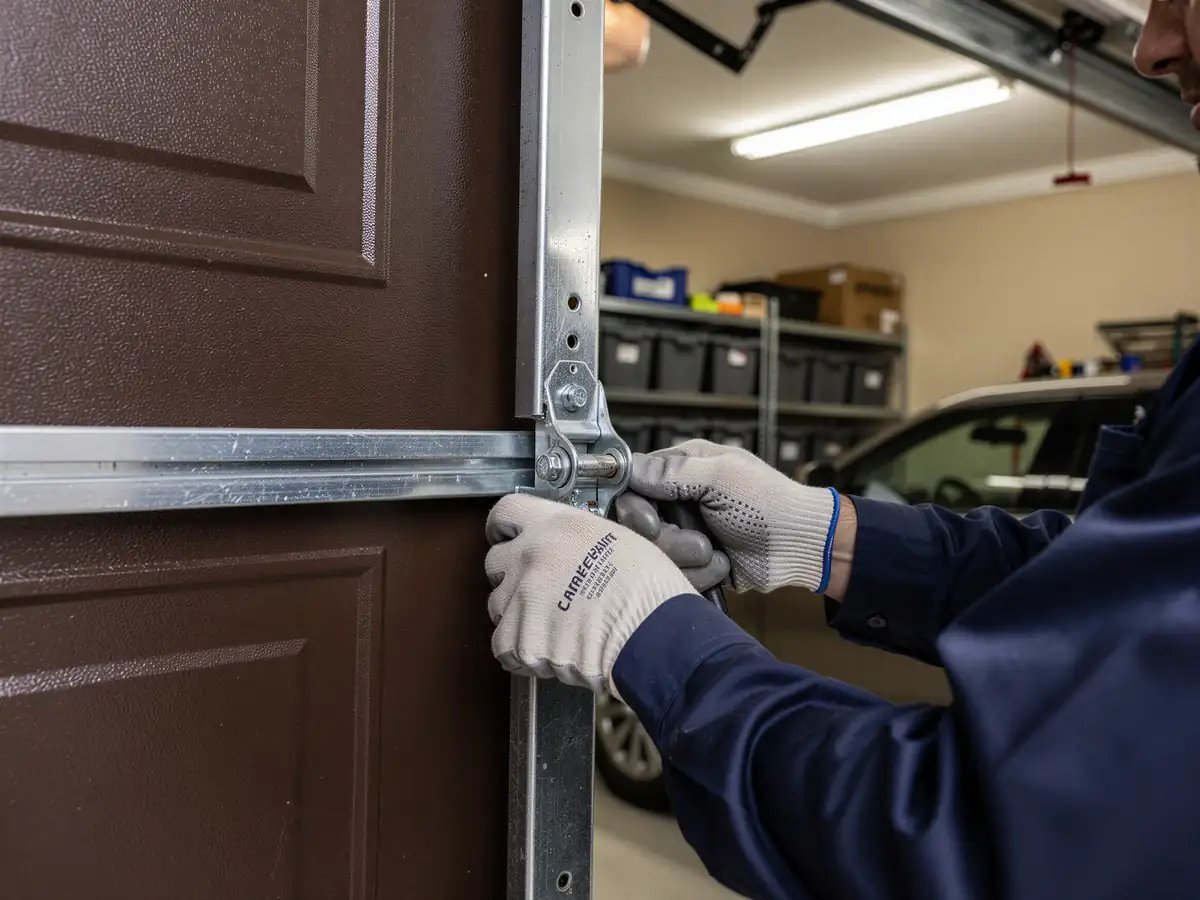
What You Are Seeing
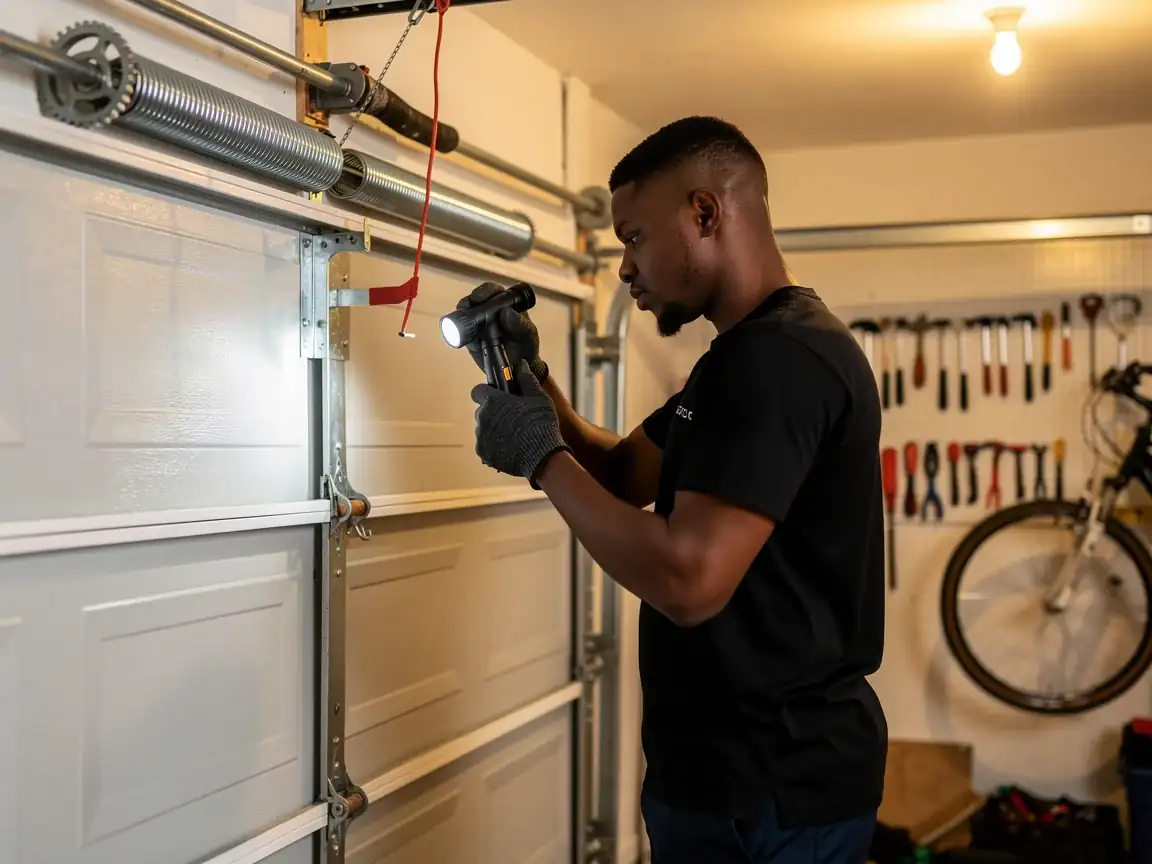
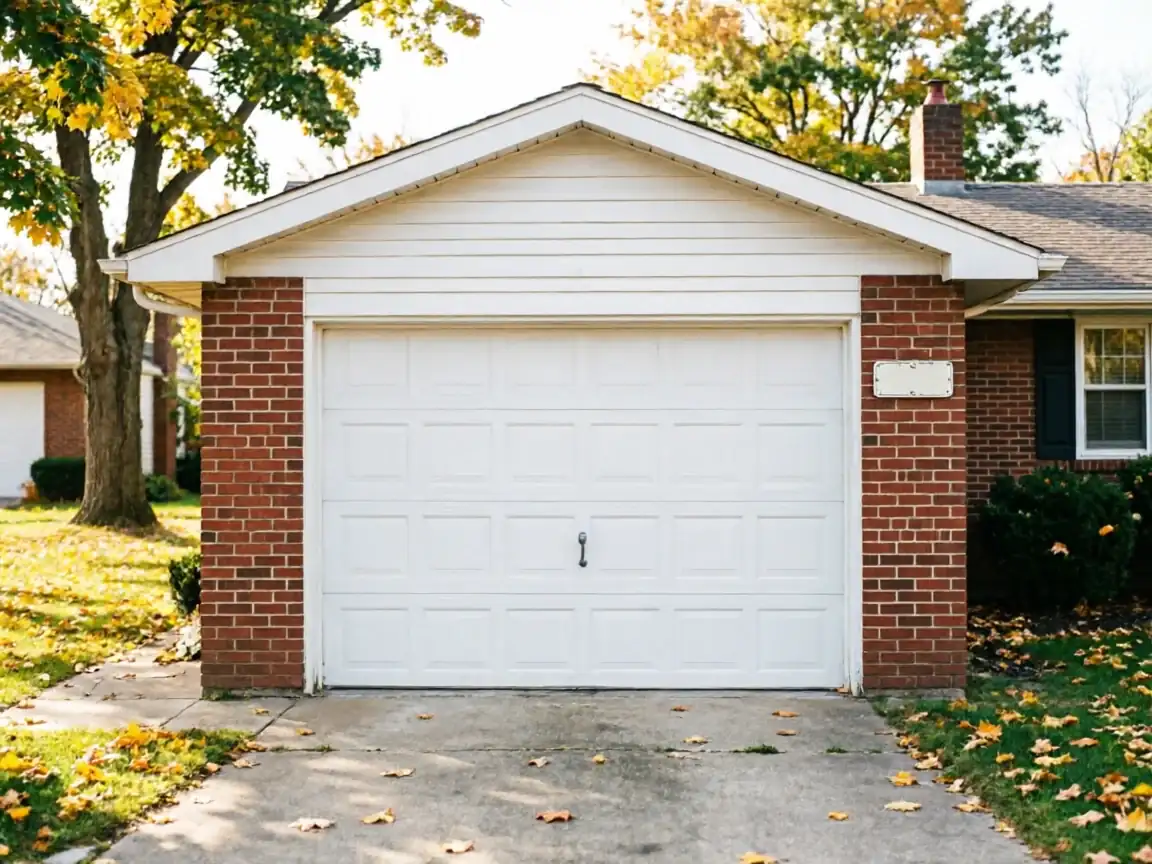
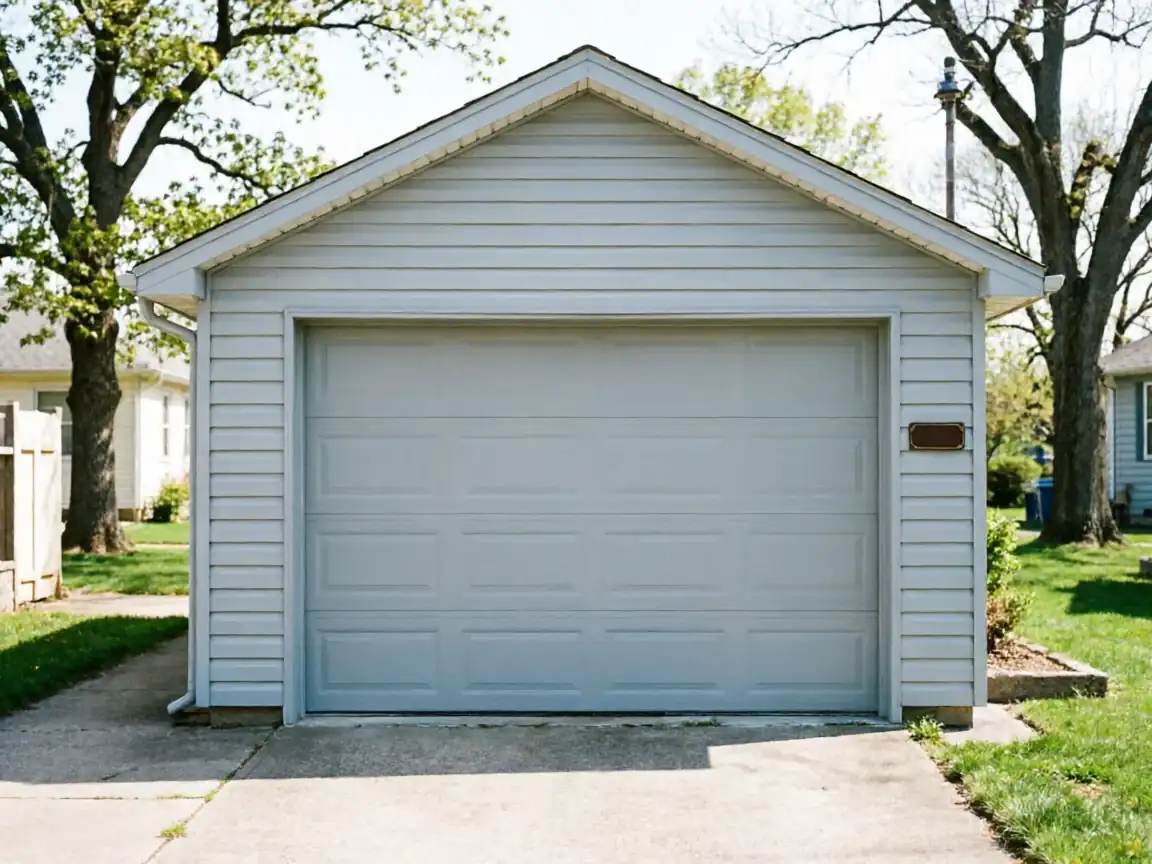
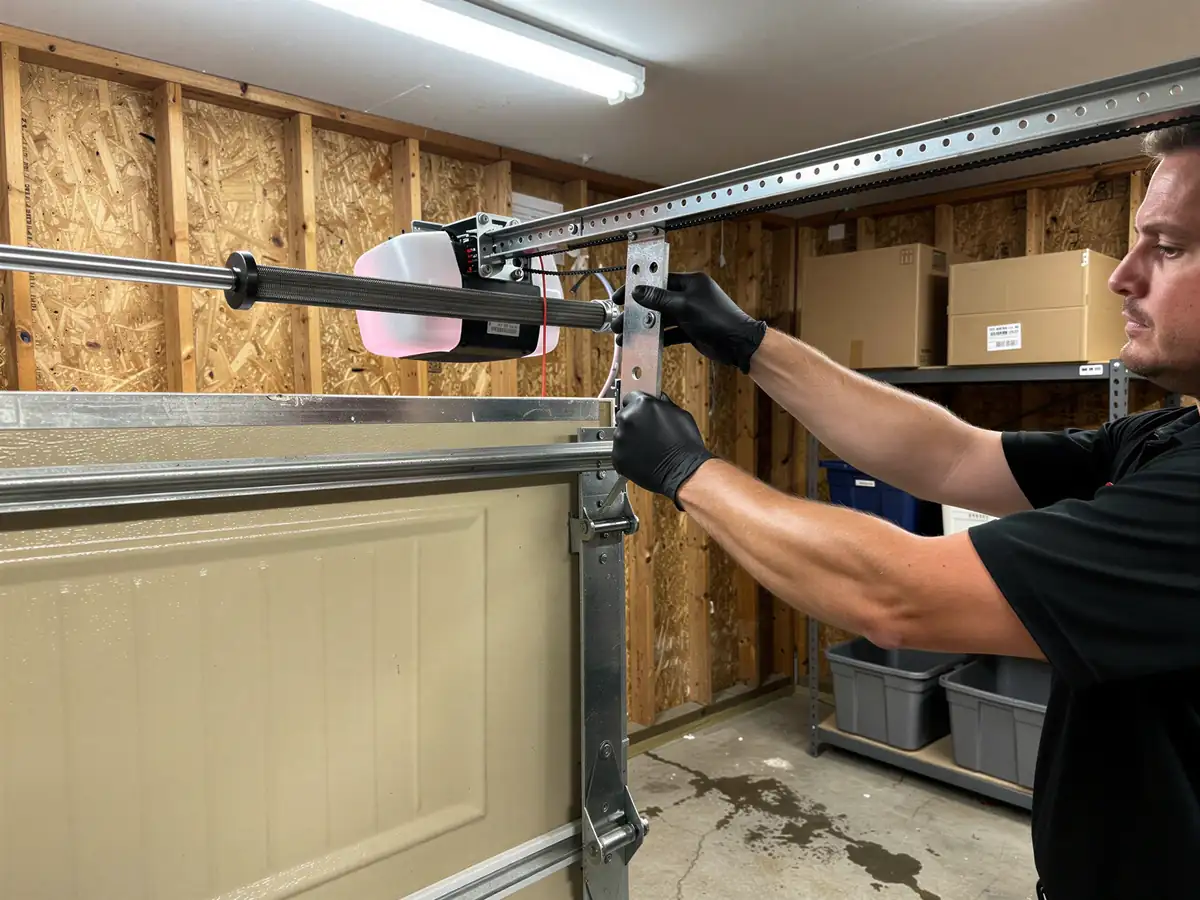
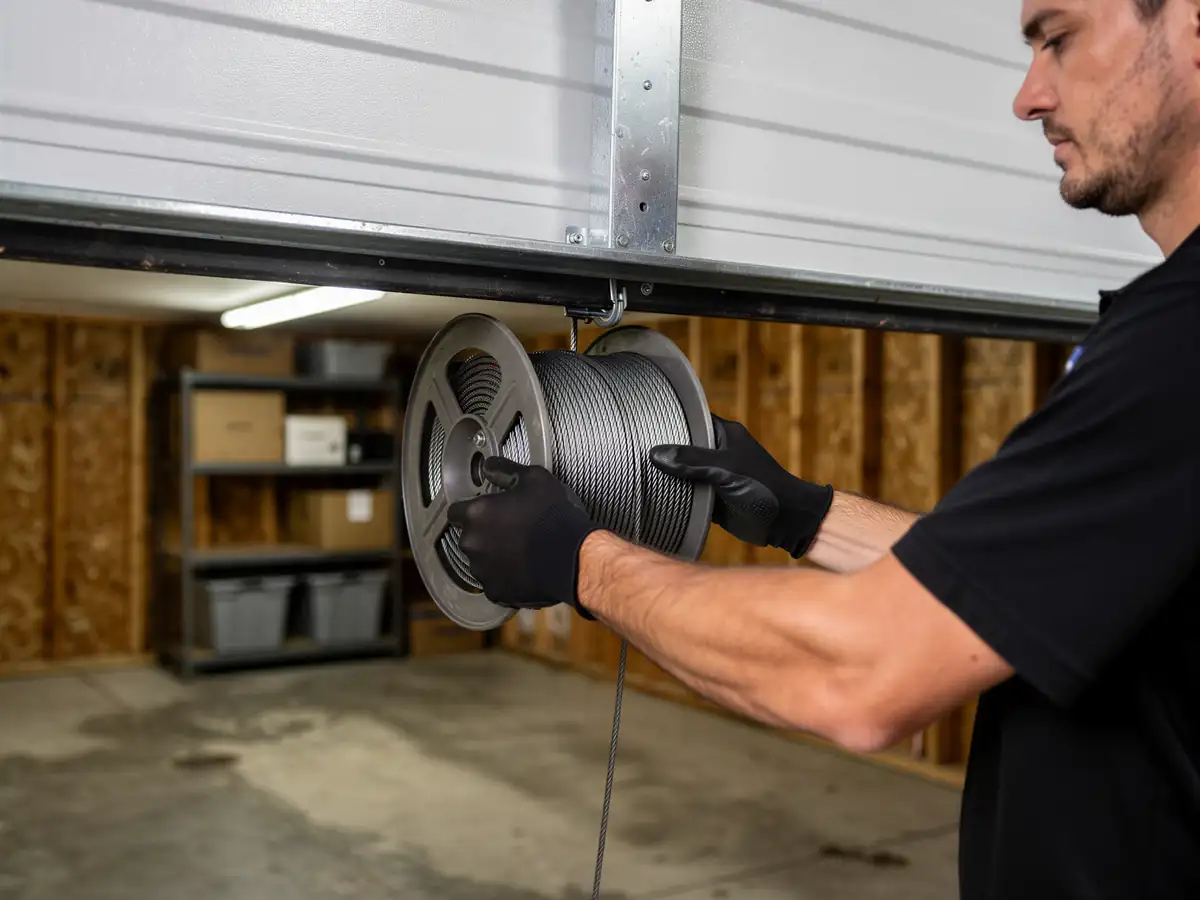
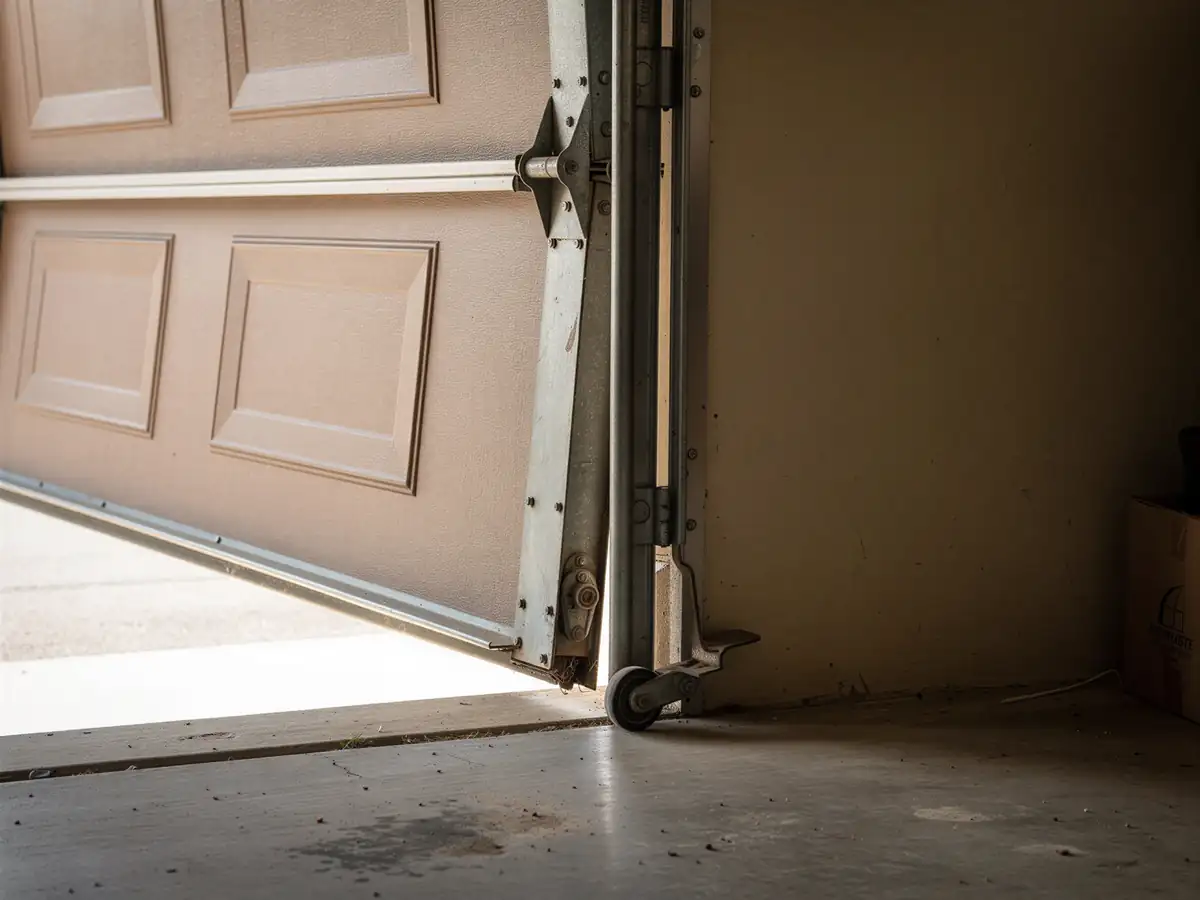
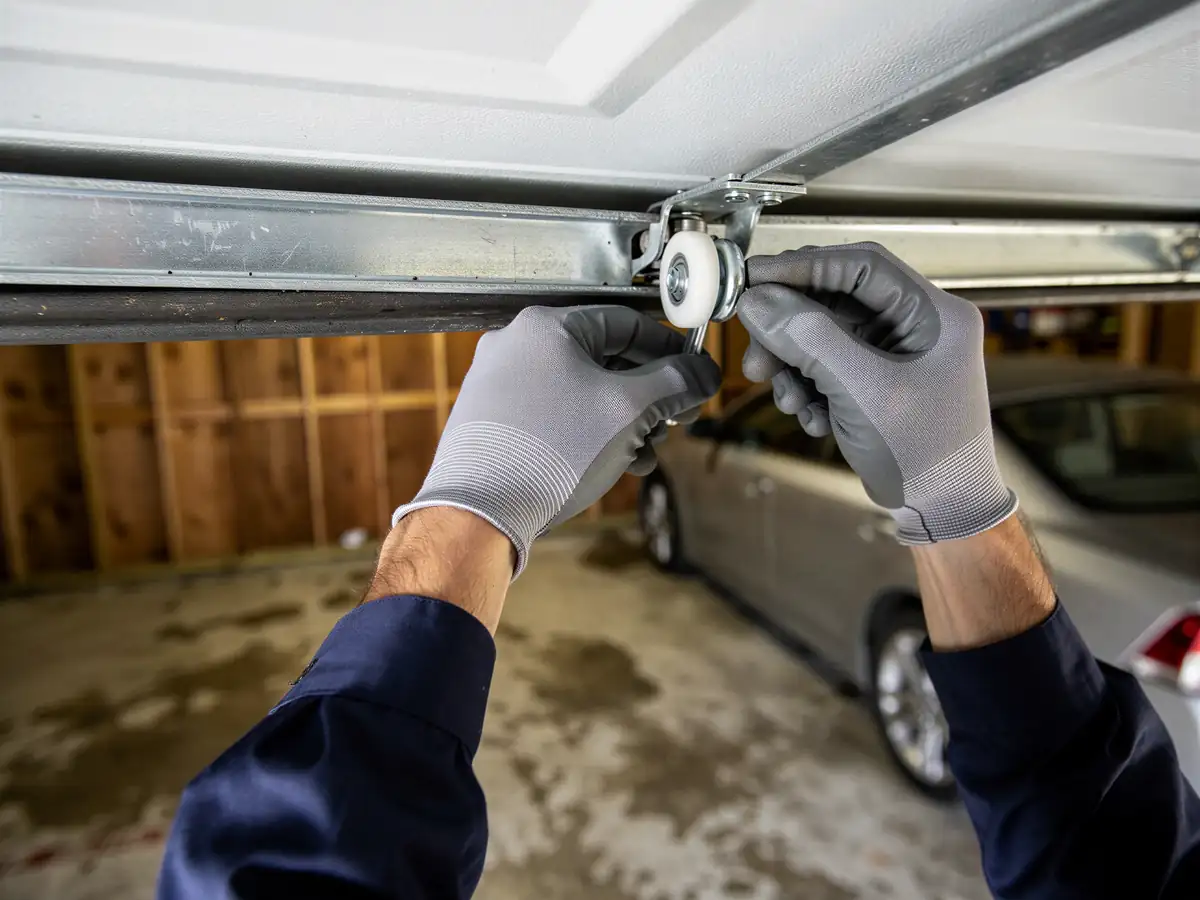
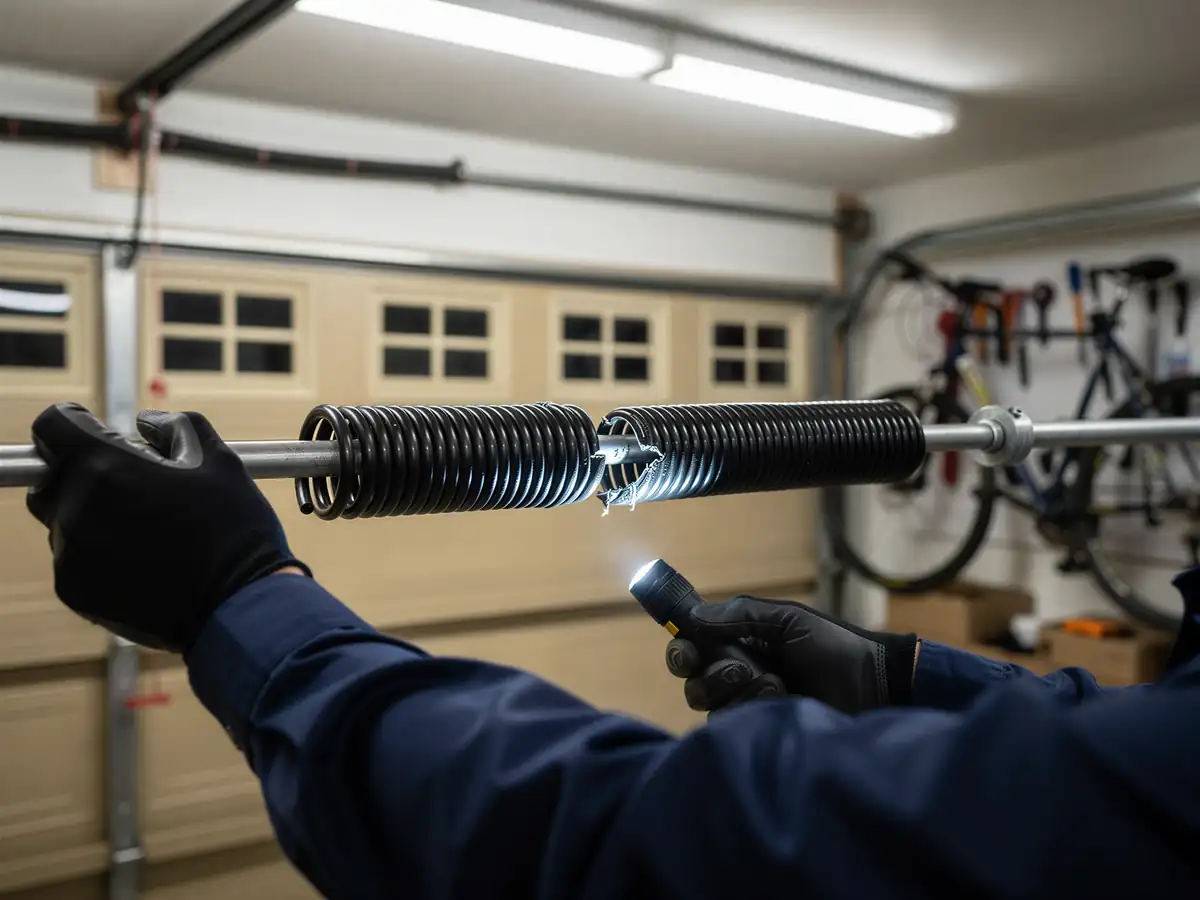
The call we get from Pewaukee isn't usually about a door that's falling apart. It's about a door that still looks fine but is quietly failing: a steel panel skin separating from its foam core, an opener drive gear stripped after one too many winters, a torsion spring that's cycled out right on schedule. That's because Pewaukee's housing stock is younger than a lot of what we work on elsewhere in the territory - the median year built here is 1993, versus a 1979 median across the broader service area we cover out of Waukesha. These are mostly original builder-grade doors from the early-to-mid '90s, now thirty-plus years old and past the point where patching makes sense. Springs rated for 10,000 cycles don't care what decade they were installed in - they're done whether the house is from 1962 or 1993. What differs is the door itself: thinner steel, non-insulated or minimally insulated cores, and openers with chain drives that were standard spec for new construction back then. None of that was wrong for its time. It's just wrong for a Wisconsin winter thirty years on, which is the real reason installation, not another repair, keeps coming up in this town.
What It Costs
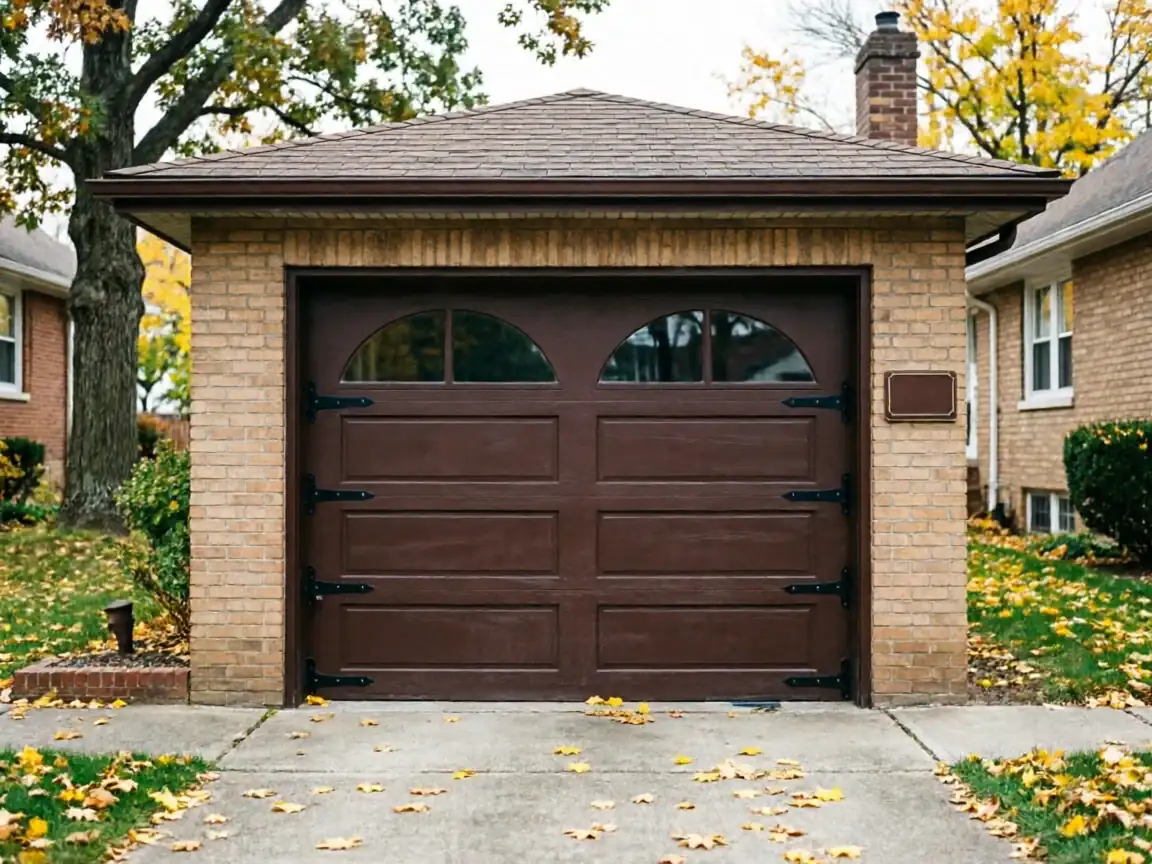
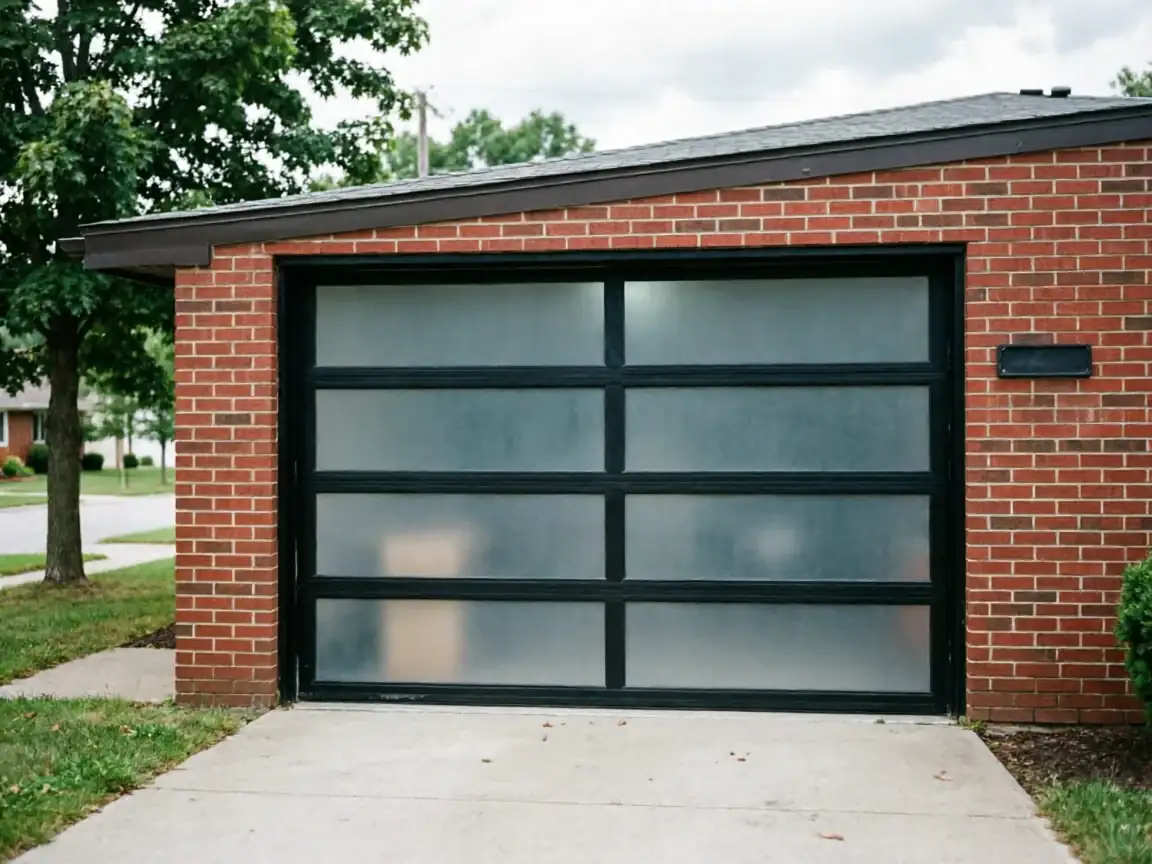
We don't post a flat number because door size, insulation level, and opener choice swing the total, and nobody local is served well by a number that doesn't apply to their garage. What we can tell you is what tends to move the price in Pewaukee specifically: with a median household income of $112,093 - a bit above the $108,690 median across the rest of the service area - we see more requests here for insulated steel doors with higher R-values and quieter belt-drive openers, rather than the bare minimum. Those cost more up front than a builder-grade single-layer door, but they hold up better against the COLD severe winters this region gets. A plain non-insulated steel door will always be the cheaper quote. Whether that's the right call depends on what's behind the door - a heated garage or a room above it changes the math fast. We'll give you the real number for your opening and your goals when we're out there, not before.
Getting It Booked In
We run out of Waukesha, about 4 miles from Pewaukee, so there's no local yard or branch in town - just a short drive for us, which hasn't been an issue for the installs we've done this way. We'll walk the opening with you, talk through insulated versus standard panels, torsion versus extension spring setup for your door width, and opener options, before anything gets ordered. Measurements matter more than they sound like they should: a quarter-inch off on headroom or backroom can mean the difference between a standard torsion setup and a low-headroom kit, and that's not something we guess at over the phone. You can see what else we cover from Waukesha, including this stop, on our service area page for Pewaukee, and the full rundown of install and repair work we do across the territory is on our Waukesha installation page.
What the Repair Takes
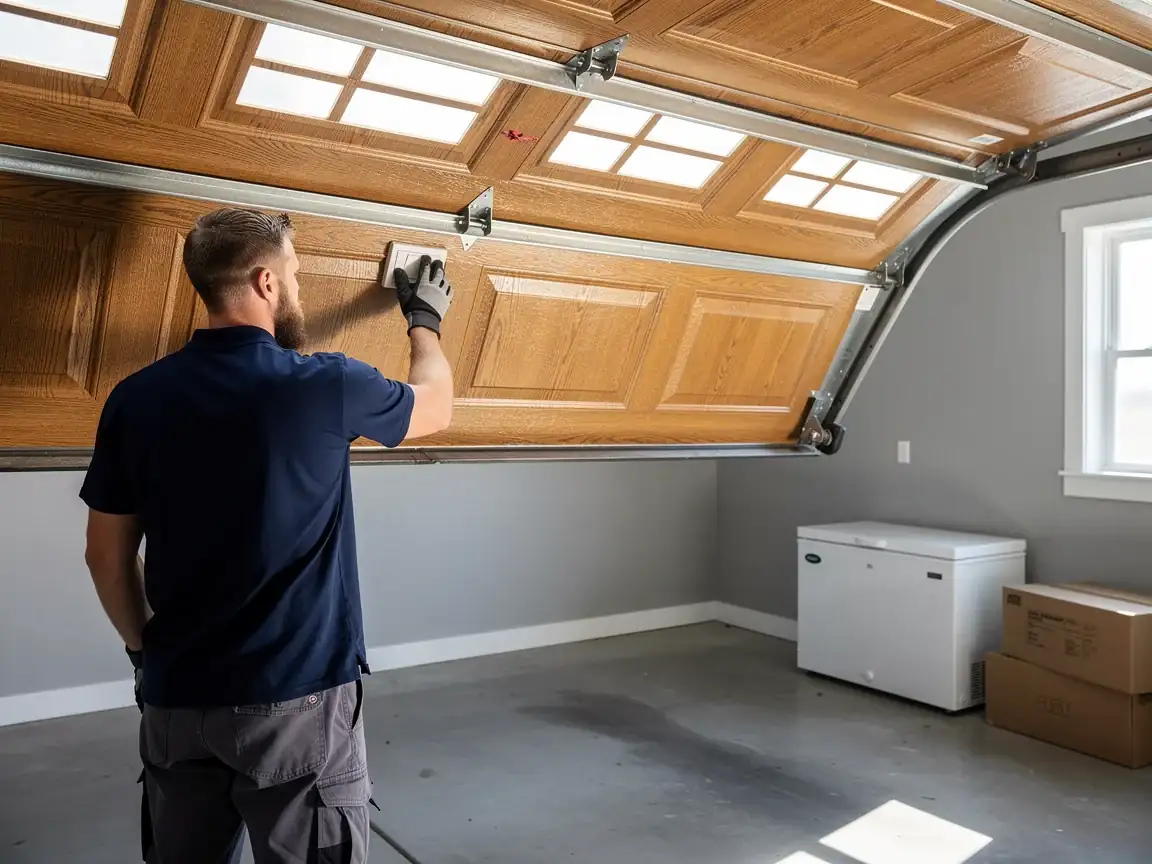
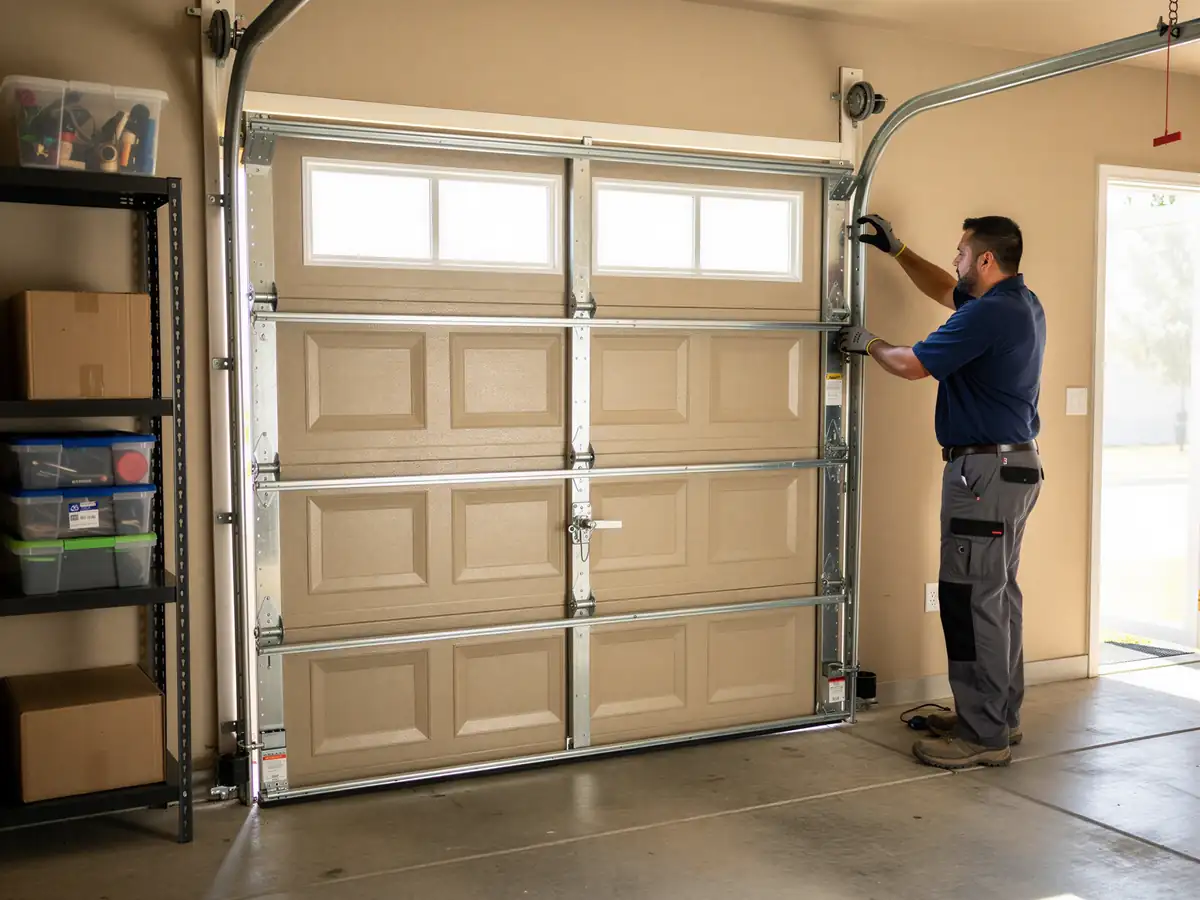
For a straight swap - same size opening, new insulated door, new opener - most jobs run a single visit from our truck, start to finish, including hauling off the old door and opener. Torsion spring sizing has to match the new door's weight, not the old one's, so we're not reusing hardware just because it's still attached and spinning. If the opening needs reframing, or the existing track and jamb are out of square from age, that adds time and sometimes a second trip once materials come in. One honest limit here: specialty sizes, custom colors, and some insulated models aren't stock items, and lead time on those runs longer than we'd like - sometimes a couple weeks out from the supplier, not something we control on our end. We'll tell you up front if your door falls into that category instead of promising a date we can't hit.