What the Repair Takes
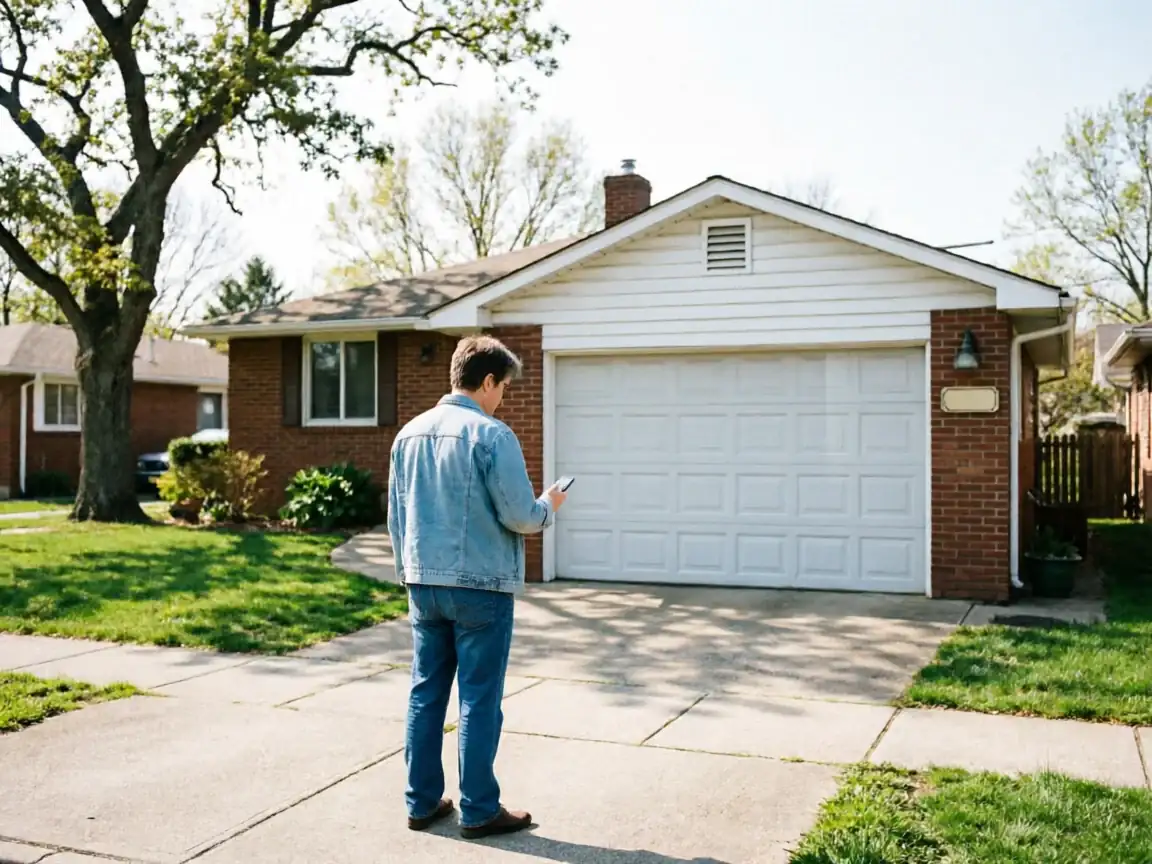
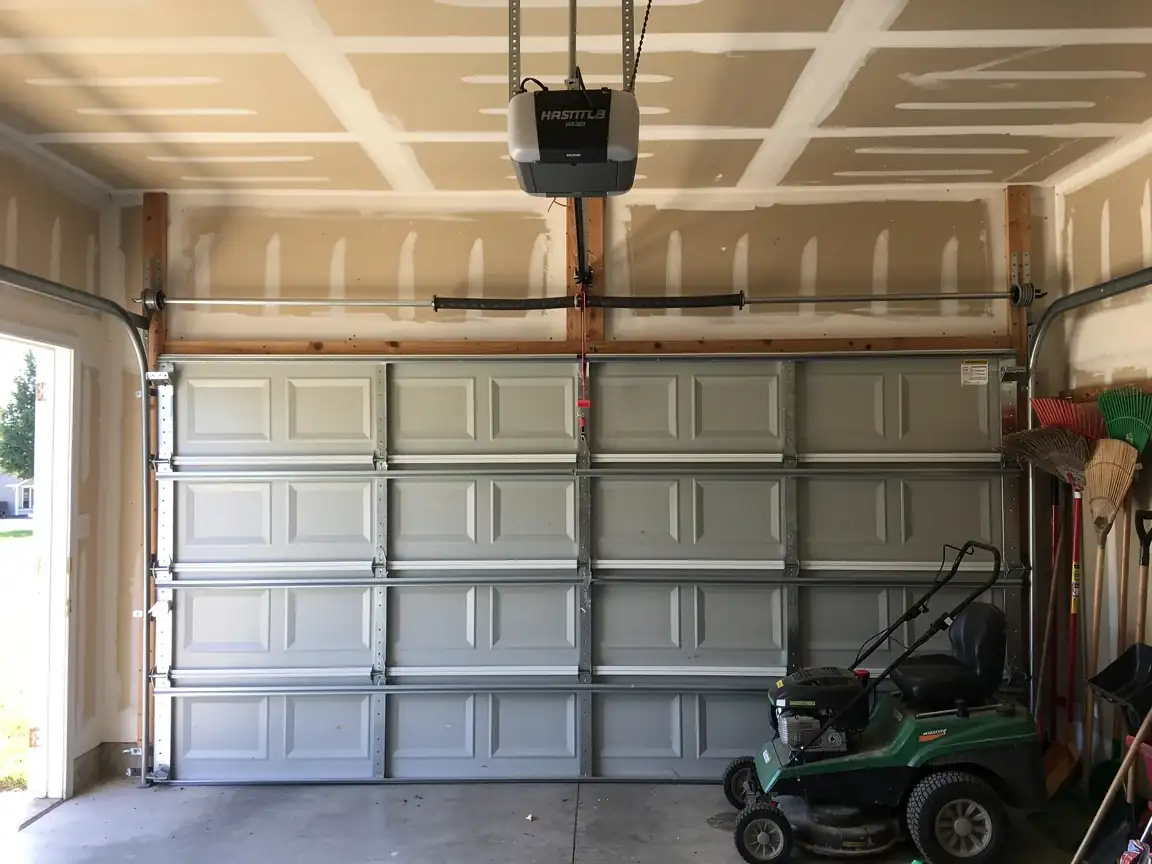
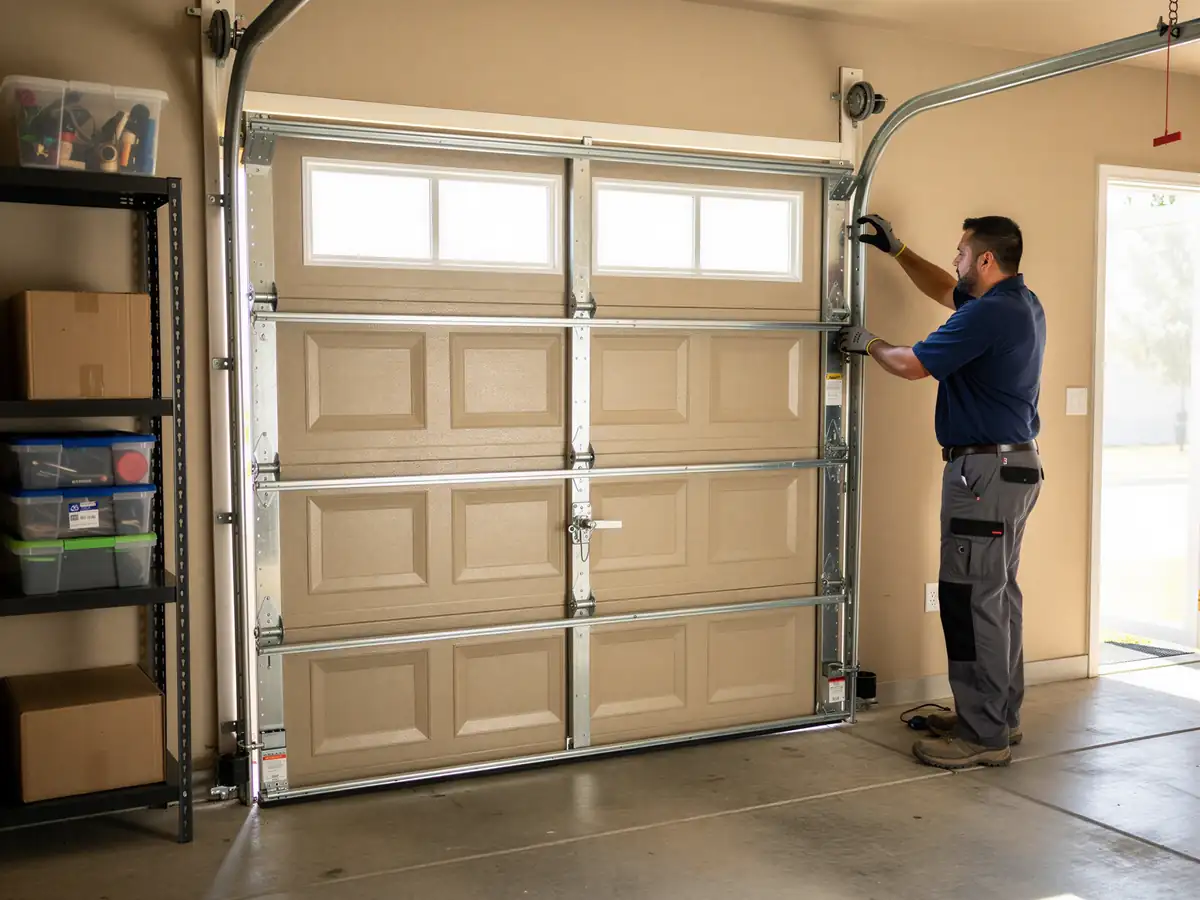
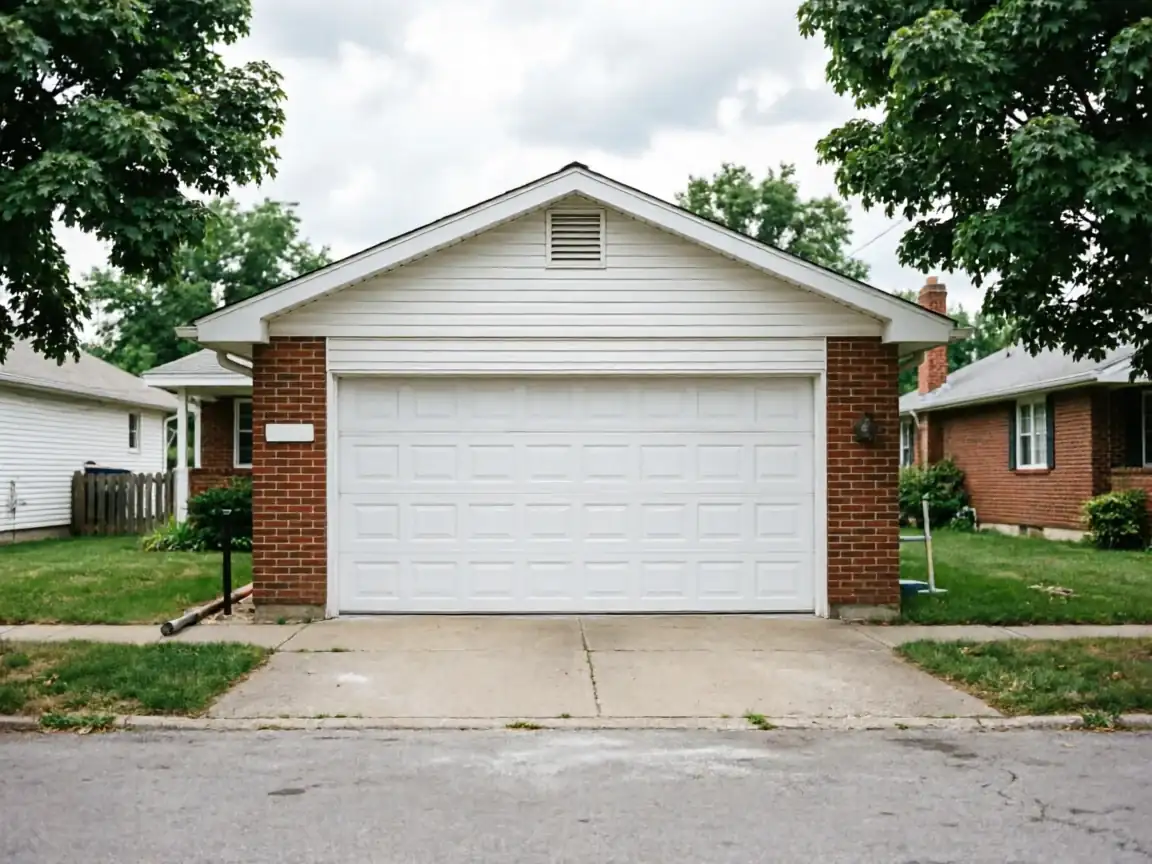
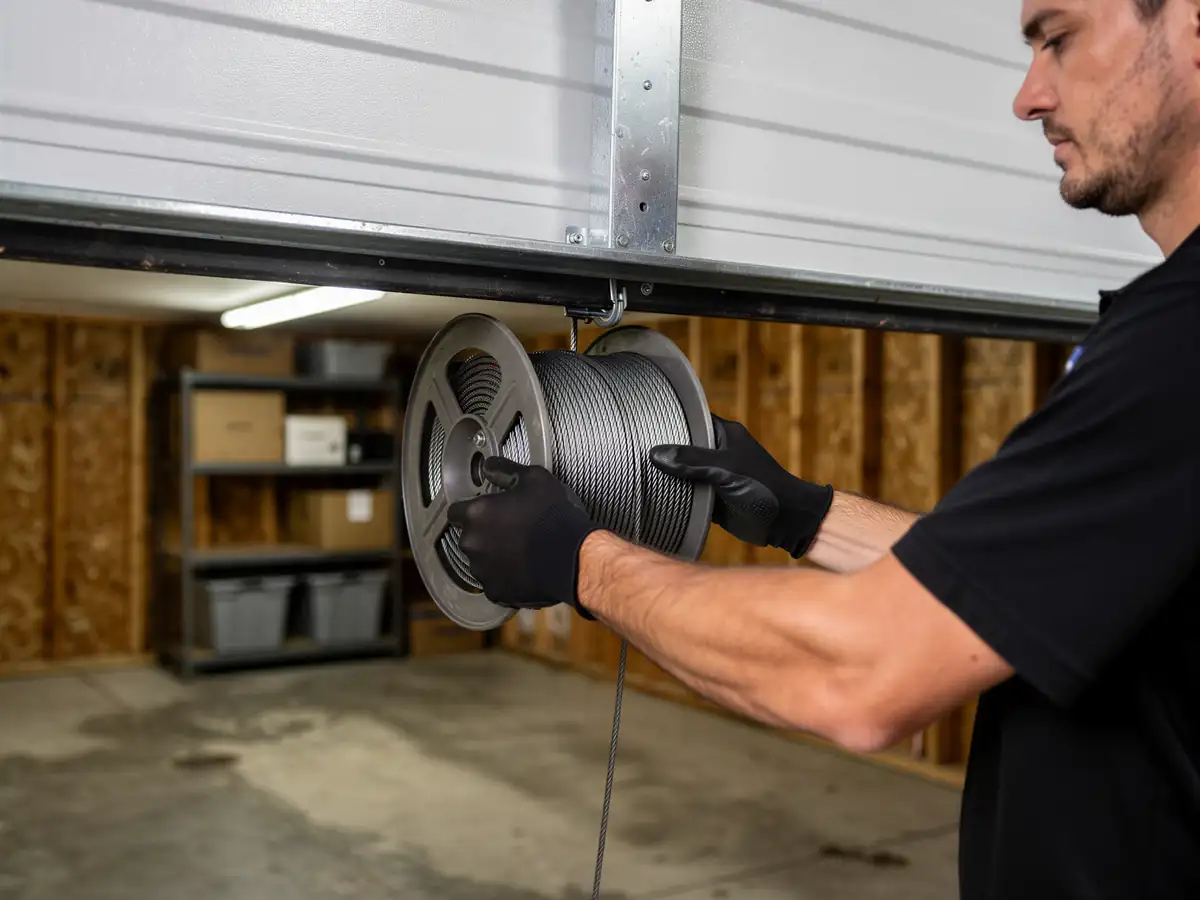
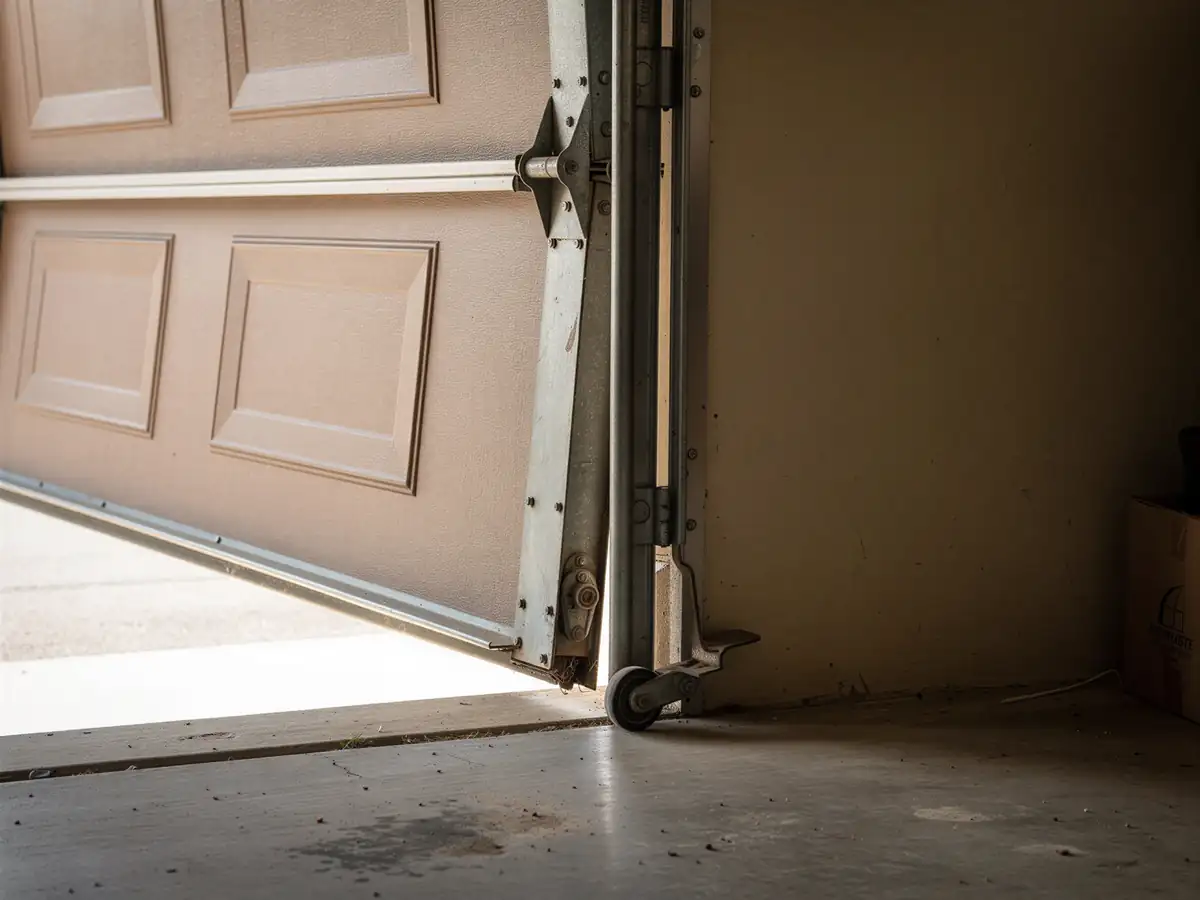
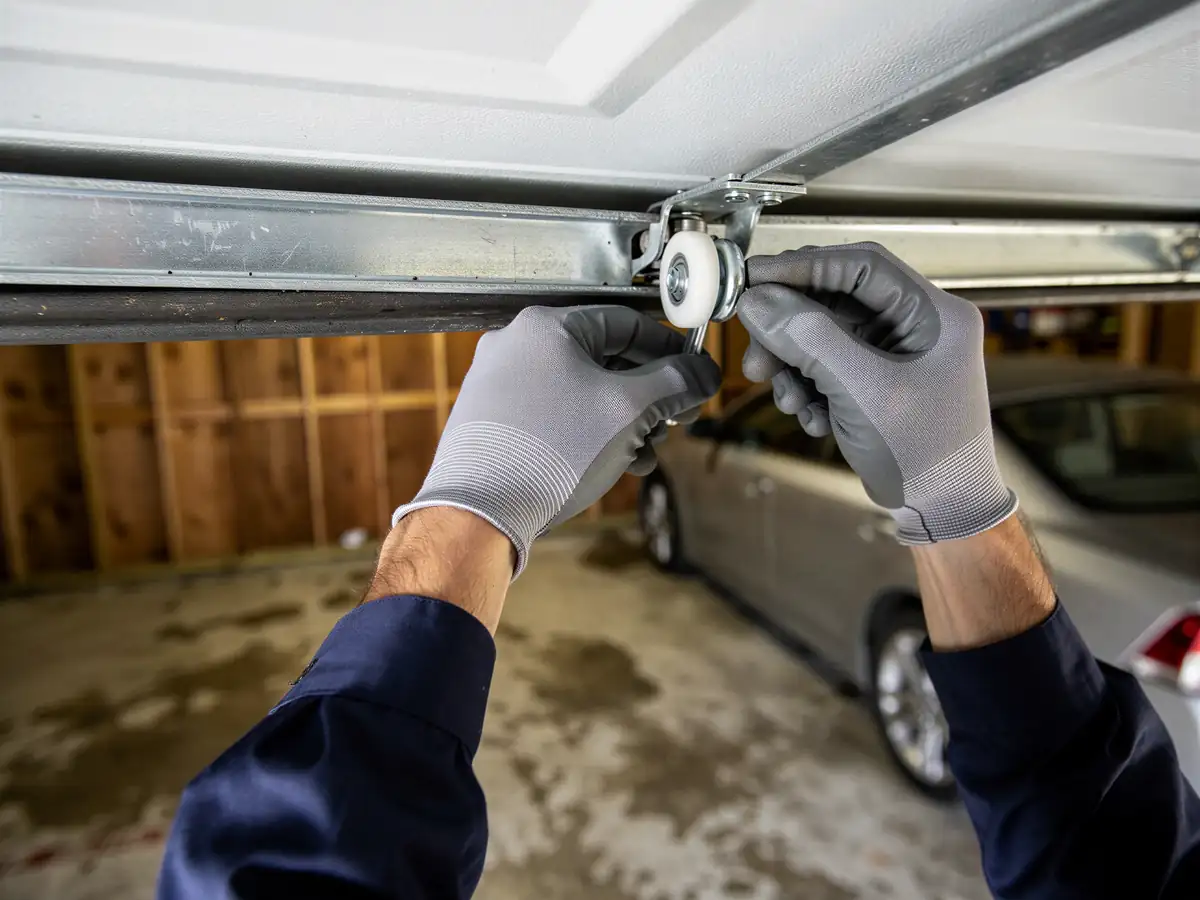
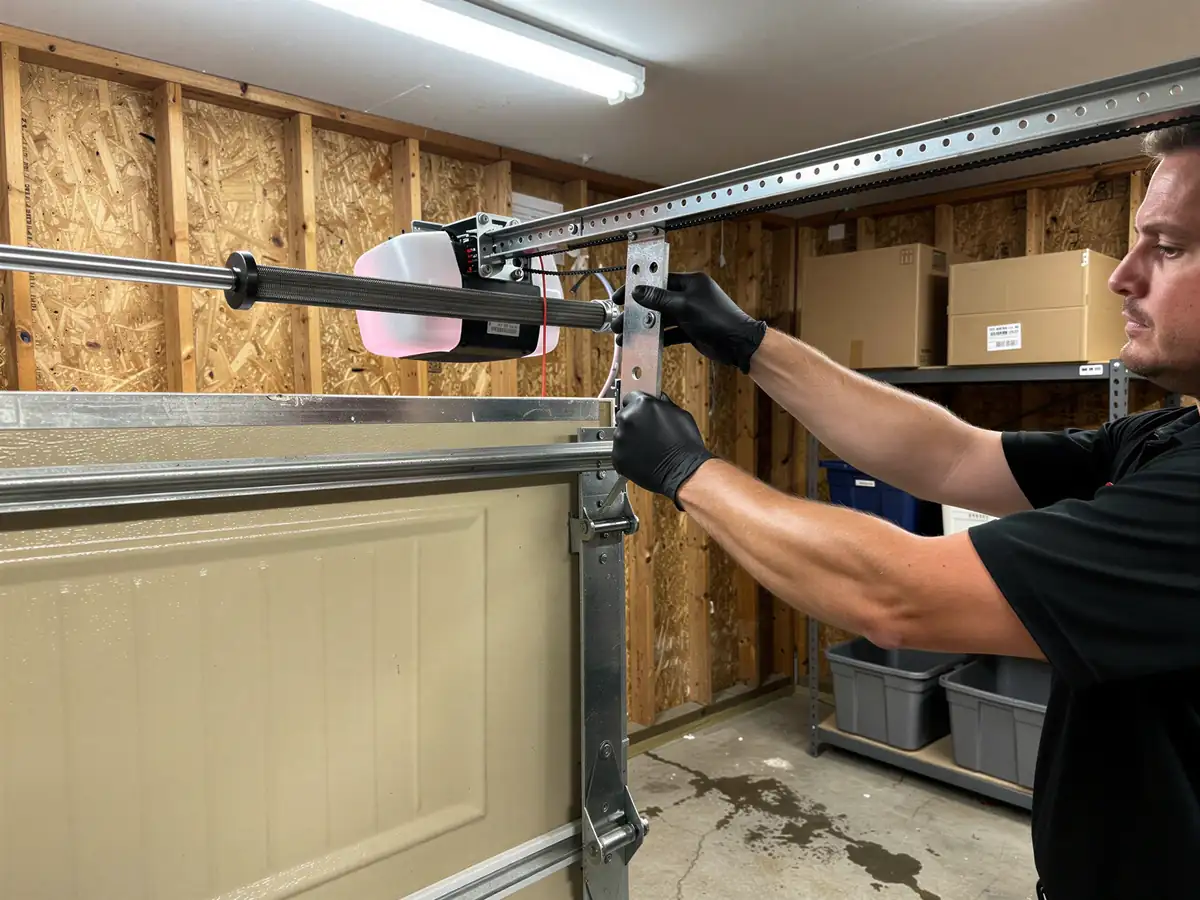
Wales is a small town - about 985 households, nowhere near the volume you'd see in a bigger suburb - and that matters for opener work because the housing here tends to be a narrower slice than a big city's mixed stock. Across the wider service area houses went up anywhere from 1938 to 2004, but the typical build year sits right around 1979, and that's close to what we see on most Wales calls too. A 1979 build usually means a chain-drive opener from somewhere in its second or third replacement cycle, bolted to a rail that's been re-shimmed more than once. Installing a new opener on that kind of ceiling means checking the header bracket is still sound wood, not just swapping the head unit and hoping. We bring the rail, the hardware kit, and a belt or chain unit sized to the door weight - we don't show up and discover the job needs a different unit halfway through, because we scope it on the call first. One honest limit: if the existing track is bent or the door panels are sagging, we'll say so before we hang a new opener on a door that isn't ready for it. A new motor doesn't fix a door that's already failing.
What You Are Seeing
Most of what comes up in Wales traces back to hardware that predates current opener standards - units without modern auto-reverse sensors, or openers original to a house built when 1,000-plus households weren't yet filling out this part of the county. You'll notice it as a door that reverses randomly, a remote that only works from ten feet away, or a motor that hums for a second before the belt catches. On the older end of that 1938-2004 build range, we also see openers wired straight into a wall switch with no keypad, which is a safety gap more than a convenience one. Wisconsin's cold-climate classification is severe enough that grease in an old chain drive stiffens up hard by January, and that stiffness reads to a lot of owners as 'the opener is dying' when it's really just cold grease fighting an old motor. We check that before recommending a swap. If the opener strains in winter but runs fine in July, sometimes the fix is a lighter lubricant and a tension adjustment, not a new unit - we'll tell you which one it actually needs rather than defaulting to replacement.
How Long It Takes
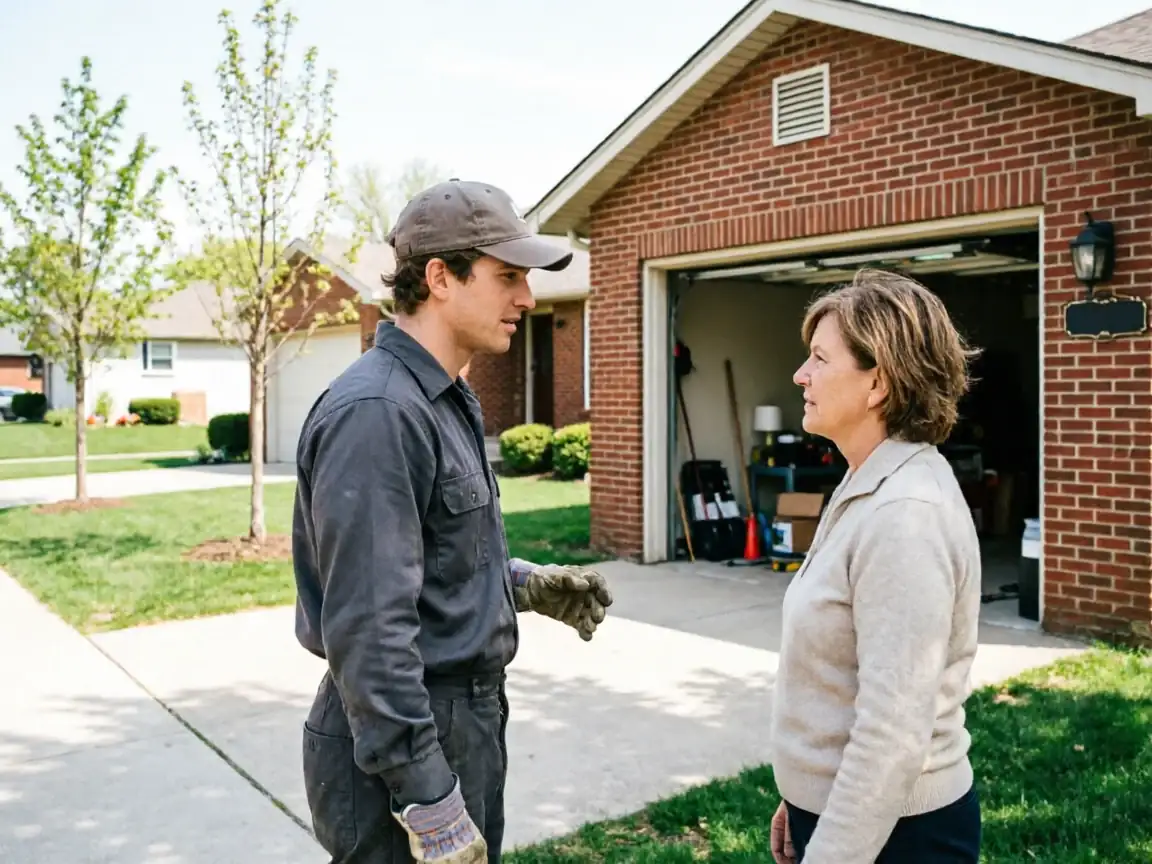
A straight opener swap, where the rail and header bracket are already sound, is usually a half-day job including the drive from Waukesha. Where it runs longer is on houses from that 1960s-70s stretch of the build range, where the old bracket was never meant for a modern unit's mounting pattern, or where there's no existing wall outlet near the unit and we're running new power. We don't pad the estimate to cover problems we haven't seen yet, but we also won't promise a tight window and then improvise around a surprise. If parts for a specific opener model are backordered - which happens more with smart, app-connected units than with basic chain drives - that's a scheduling factor outside our control, and we'll tell you the lead time as soon as we know it rather than guessing.
Where This Job Goes Sideways
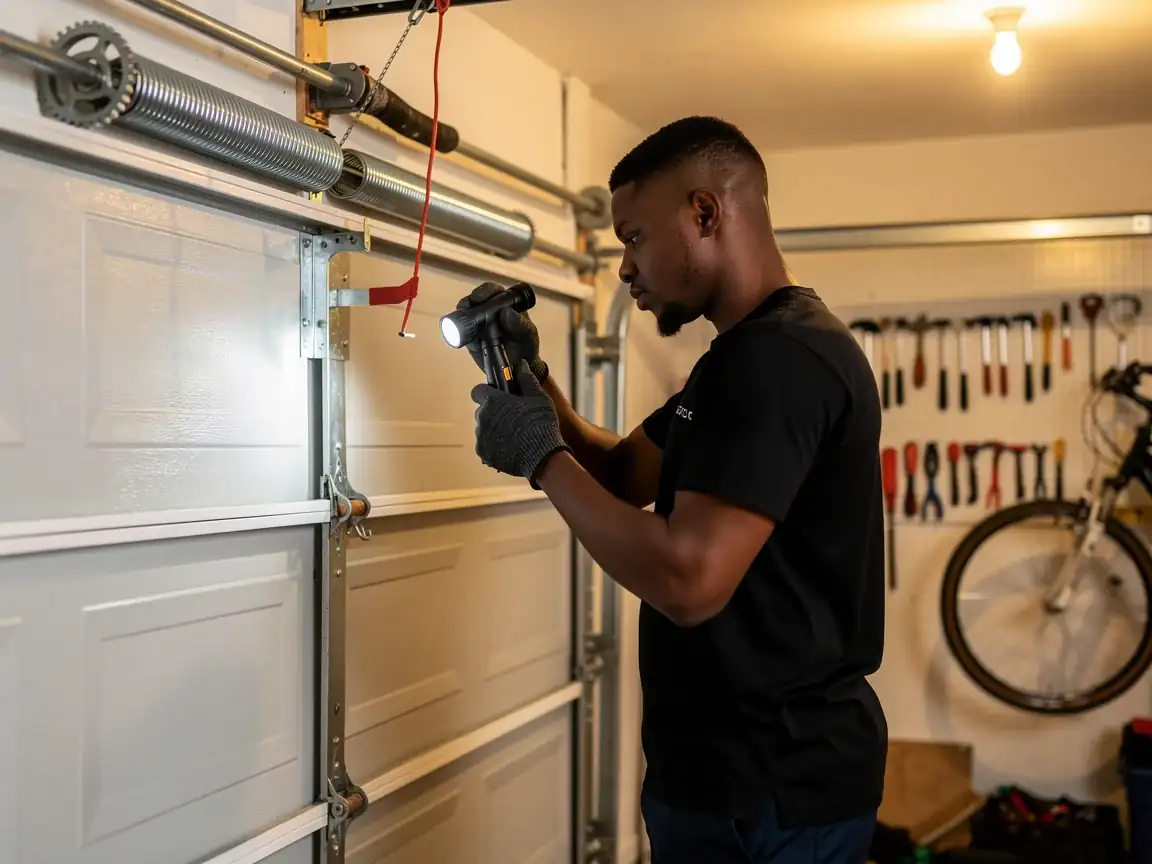
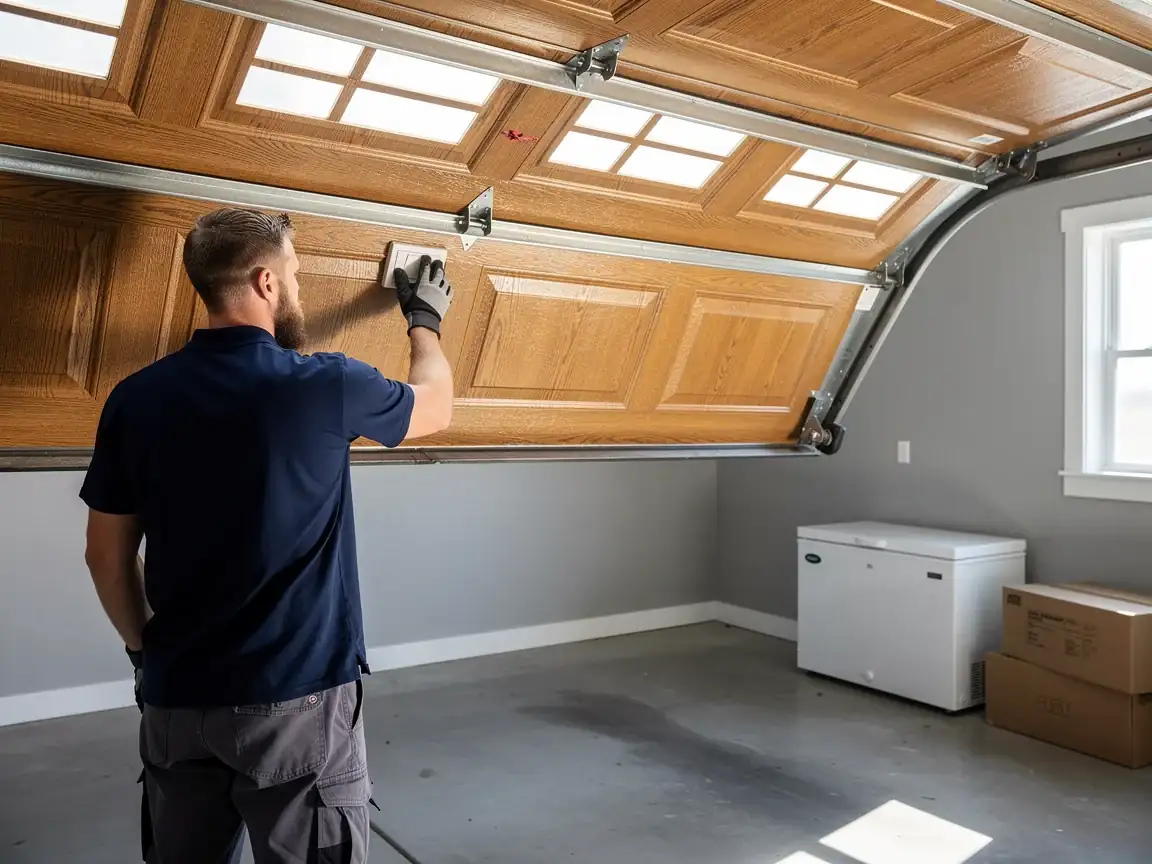
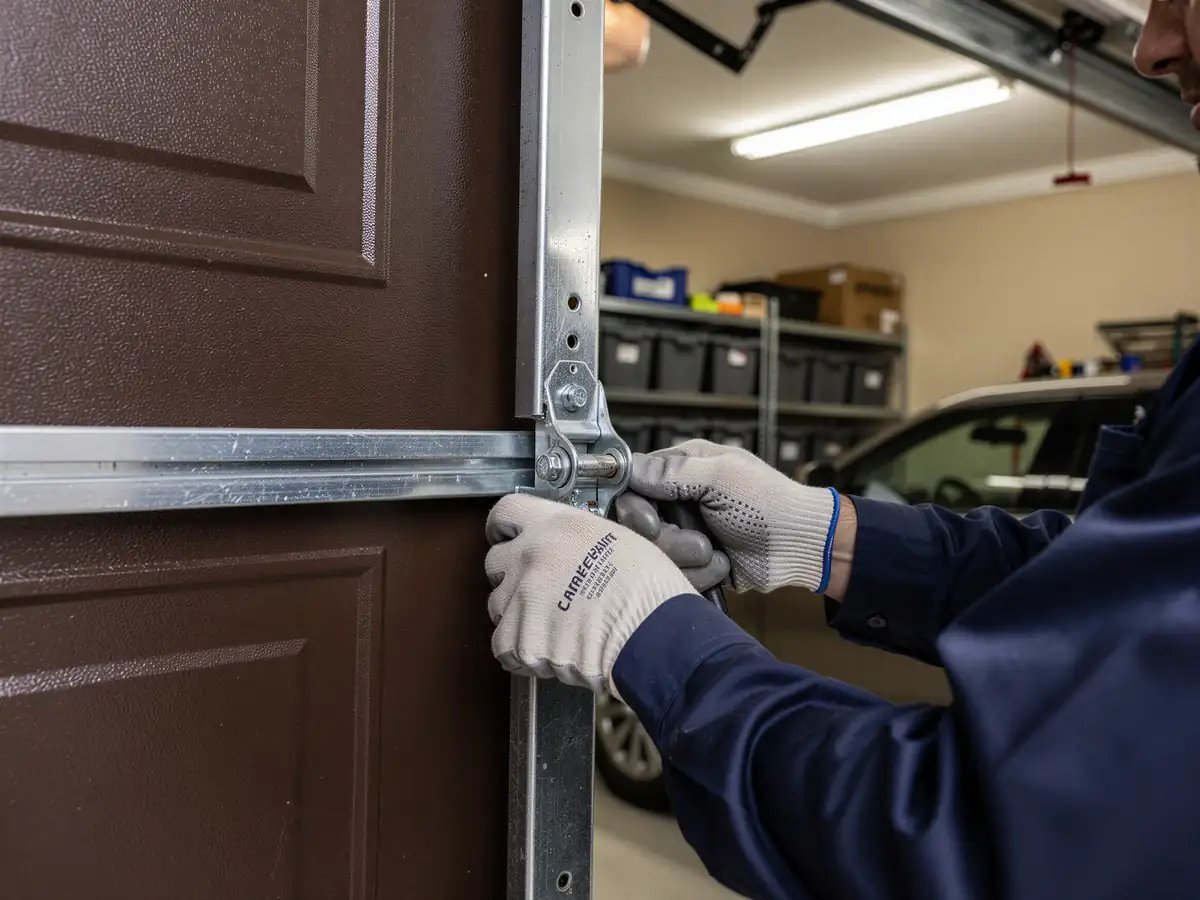
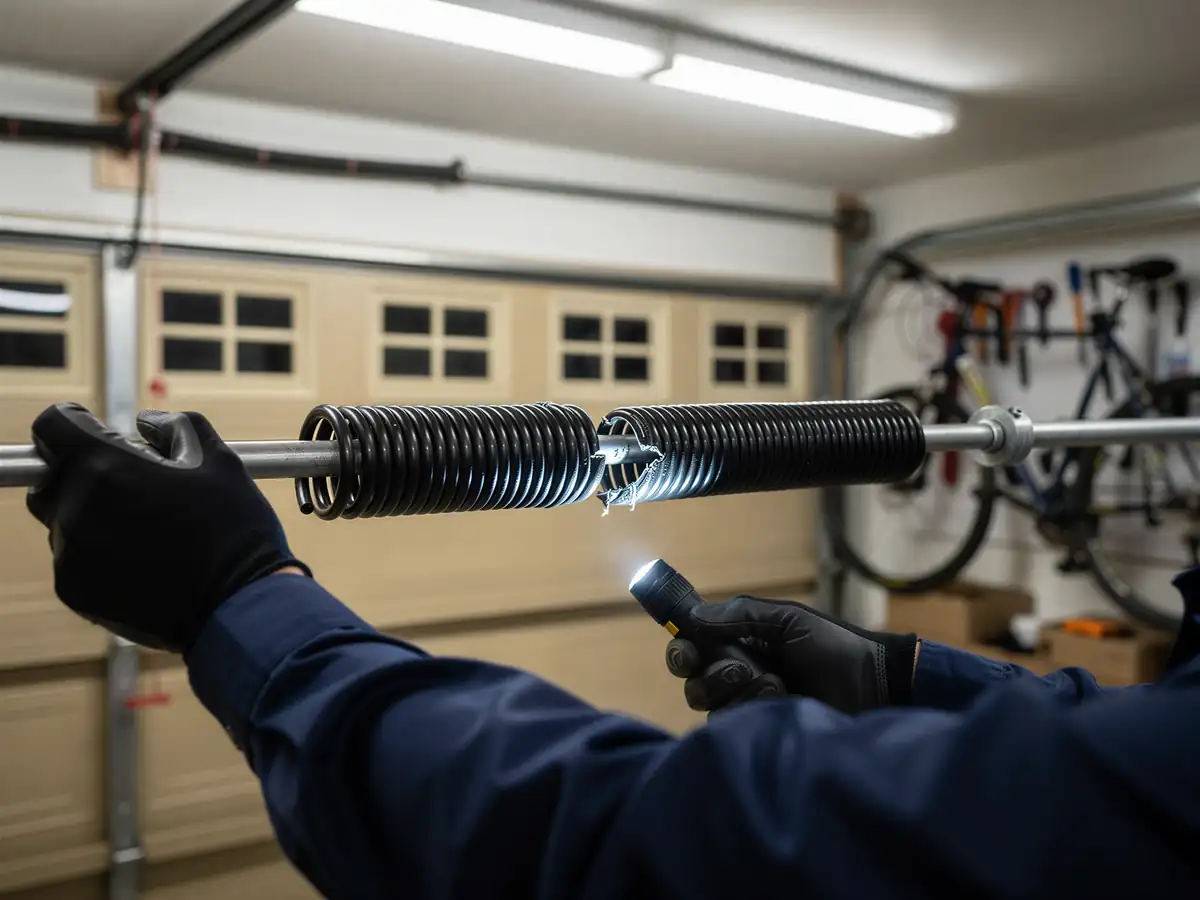
The install goes wrong when the opener gets treated as an isolated part instead of one piece of a door system that's thirty or forty years old. On a house from the 1960s or '70s, a new opener bolted to an undersized or cracked header bracket will pull loose within a year regardless of how good the motor is - we've seen that pattern often enough on this side of the county's older housing to check the bracket every time, not just when it looks obviously bad. Another spot it breaks down: owners wanting to keep an old chain-link remote system paired to a new motor head because the remotes still work. Most new openers won't pair with that old a receiver, and trying to force it usually means a second visit. If your door is original to a 1938-1960 build and the springs are also original, we'll flag that separately - an opener can't compensate for a spring that's past its cycle count, and installing a strong new motor on a weak spring setup just moves the failure point.