What the Repair Takes
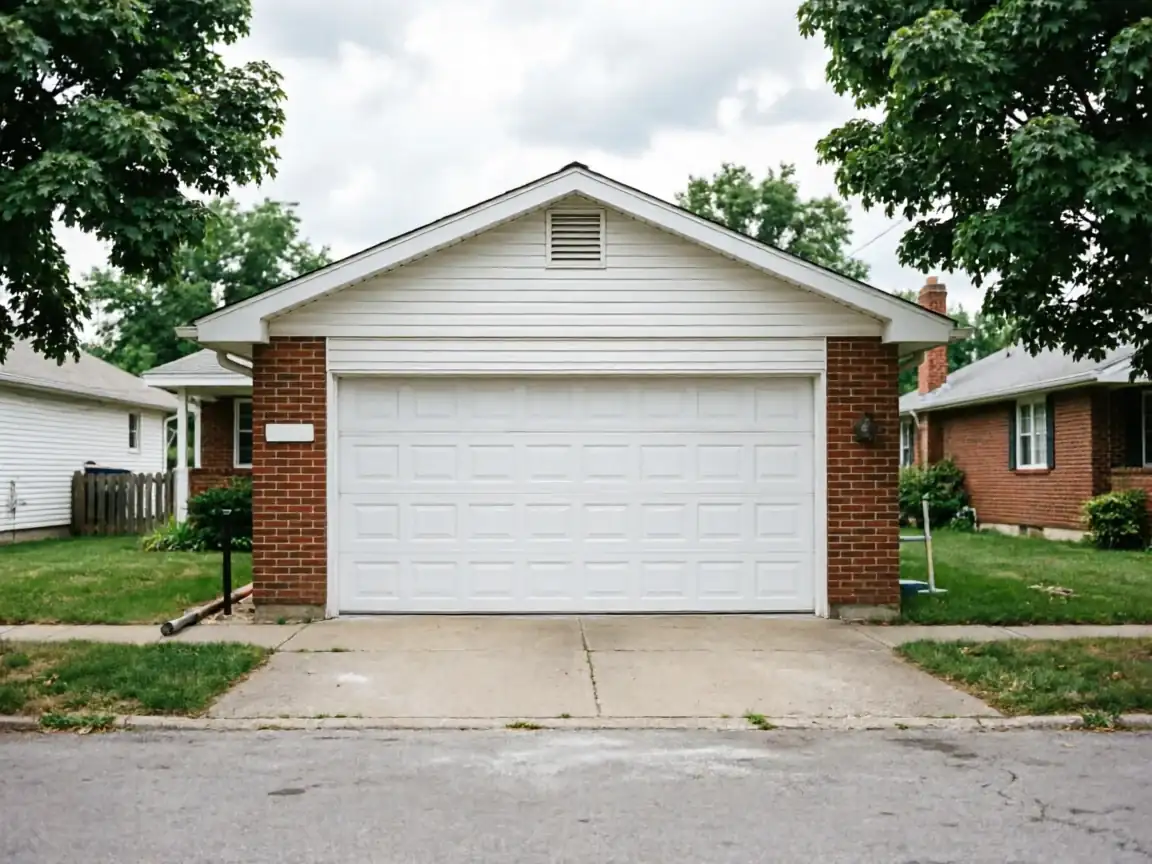
Wales runs a median household income of $110,804, well above what you'd budget a repair against in a lot of towns we cover. That number matters here because it changes the math on the repair-or-replace call. A set of rollers runs a fraction of what a full door replacement costs, and at this income level, most homeowners we talk to would rather spend on quality nylon rollers with sealed bearings now than patch with steel rollers that'll rattle again in two winters. We're not selling you the expensive option because we think you can afford it - we're telling you the cheap fix on a door this age usually isn't cheap twice. With houses in this area mostly dating to the 1960s-70s build wave (median year built 1979), the track and roller setup you've got is often original-spec, and matching it right the first time saves a second call.
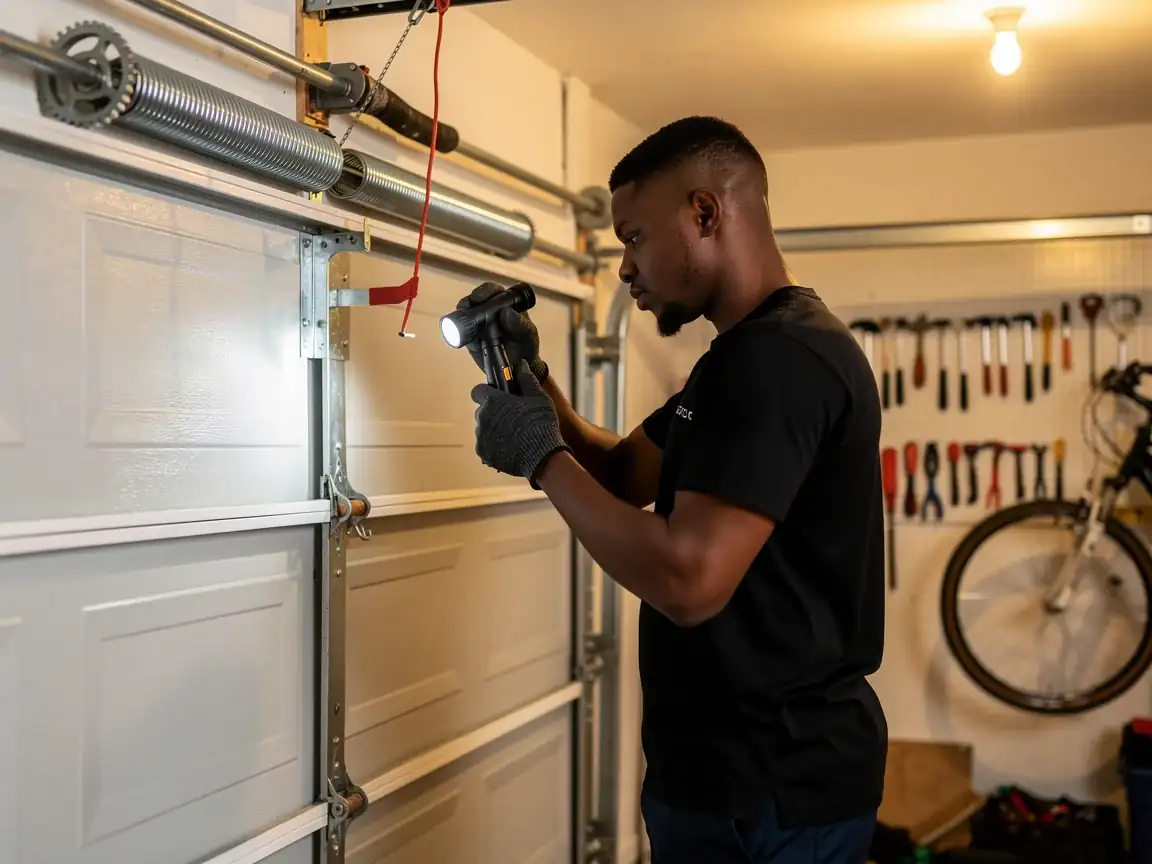
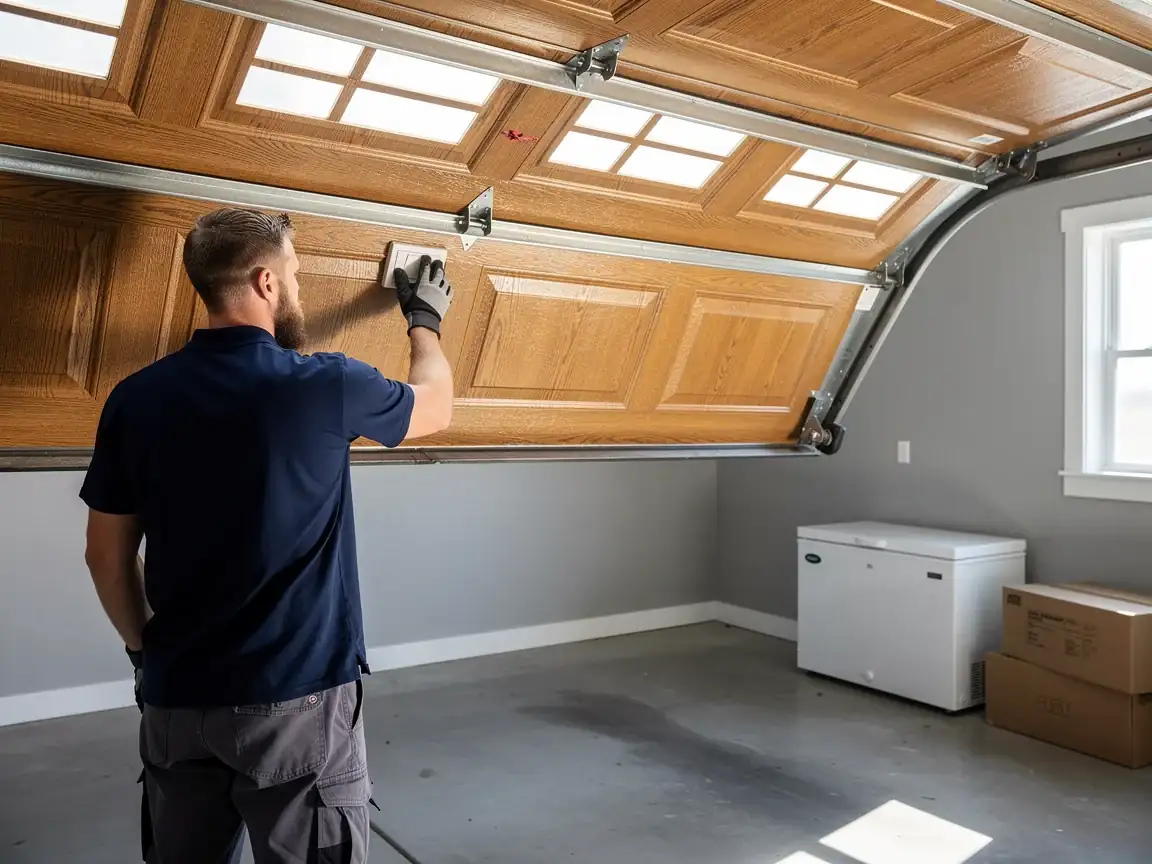
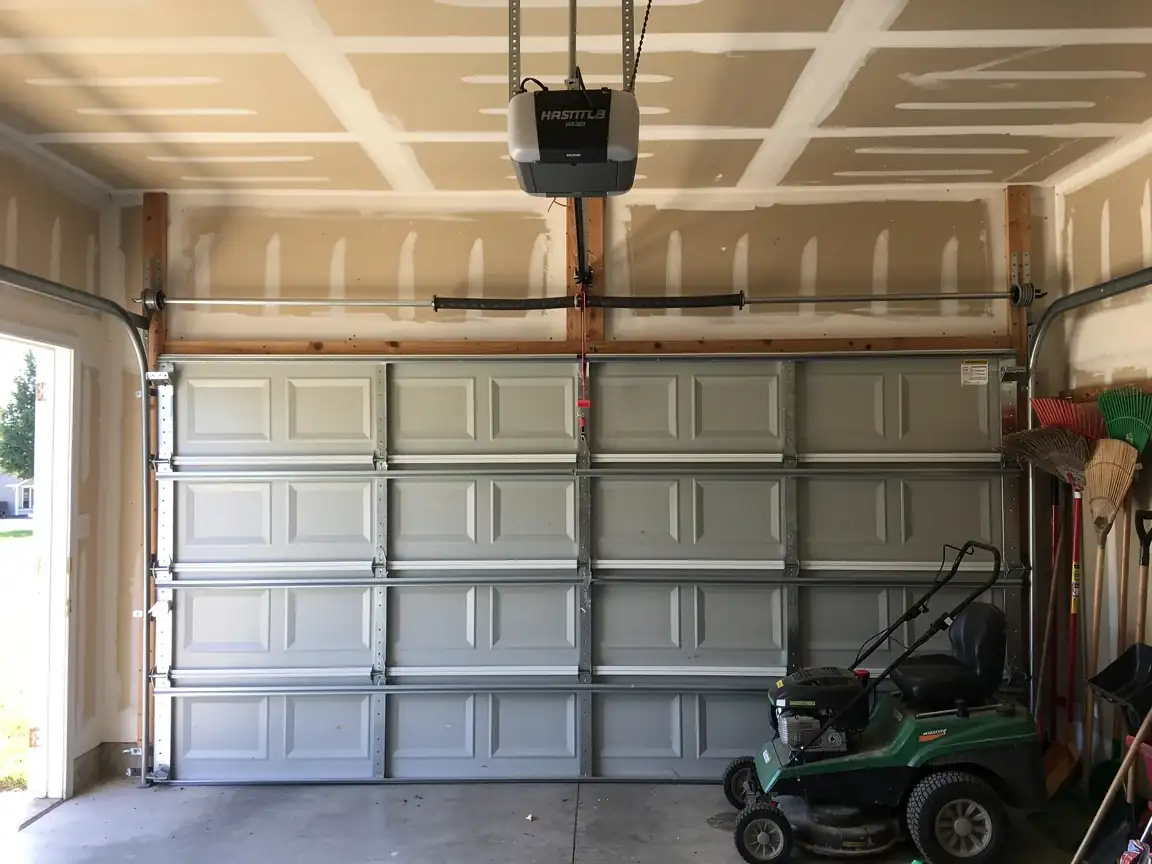
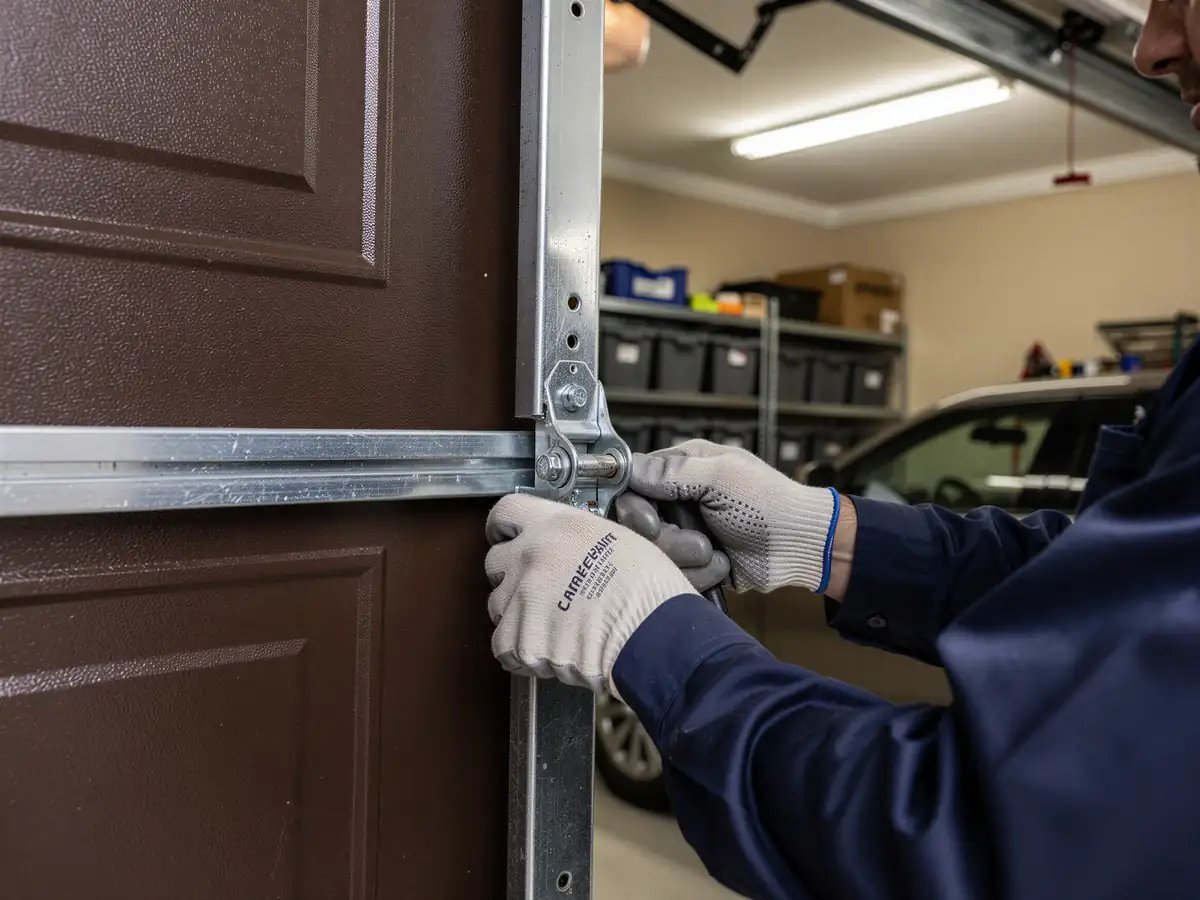
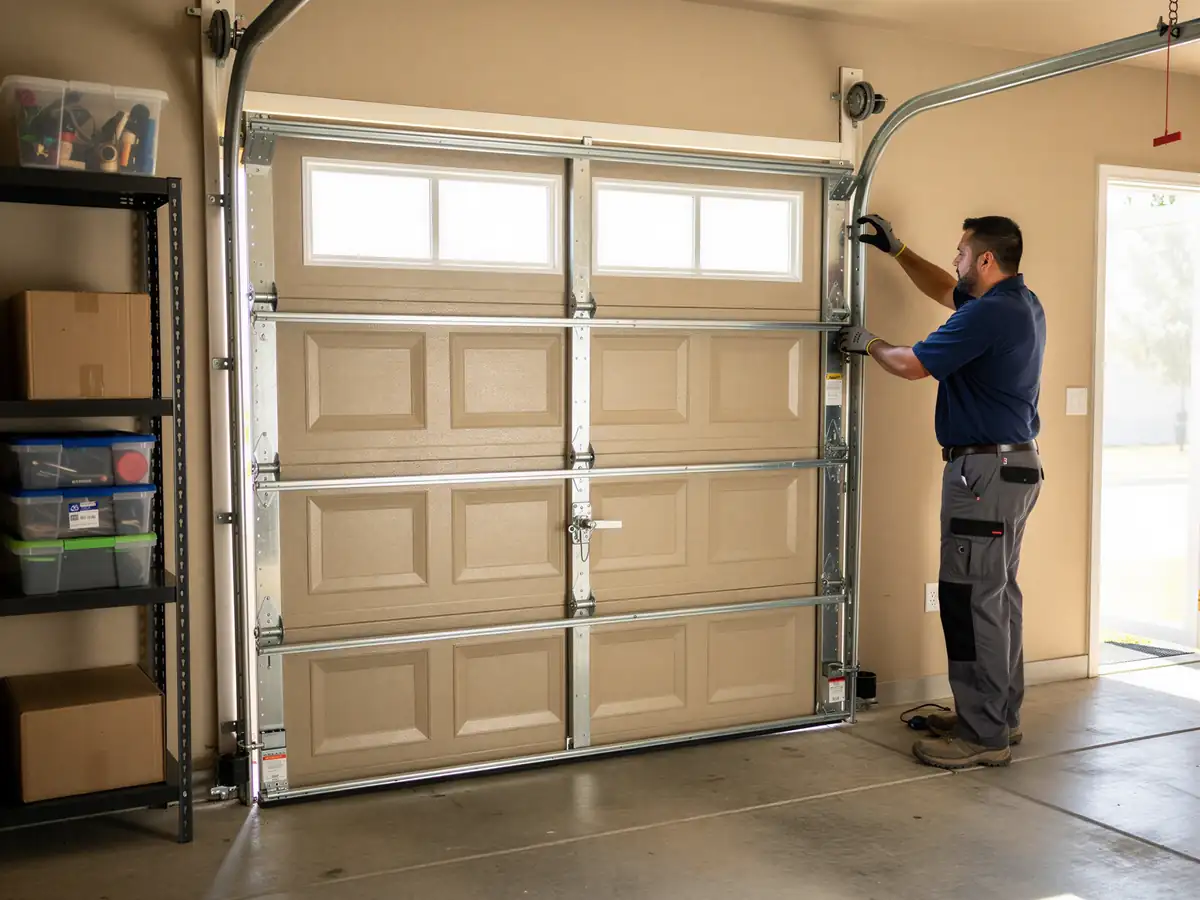
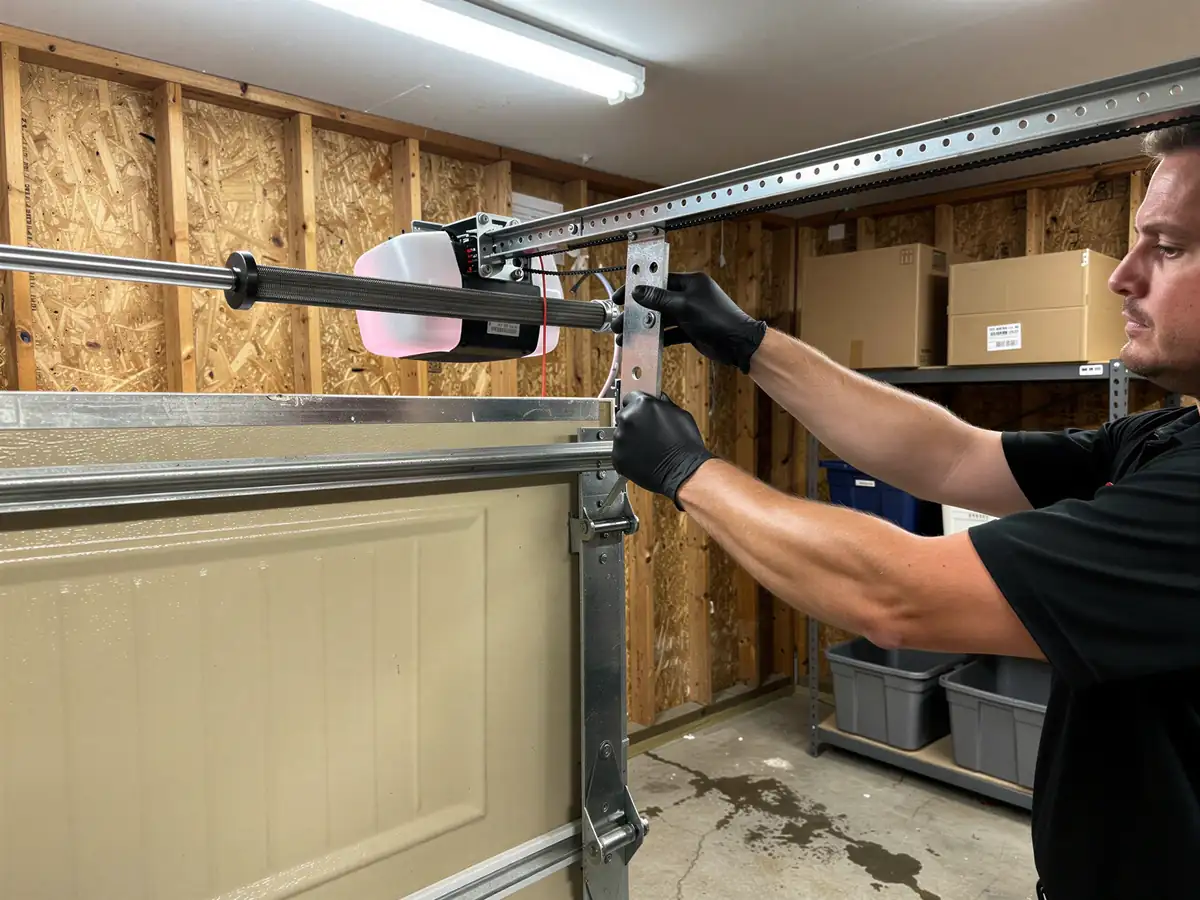
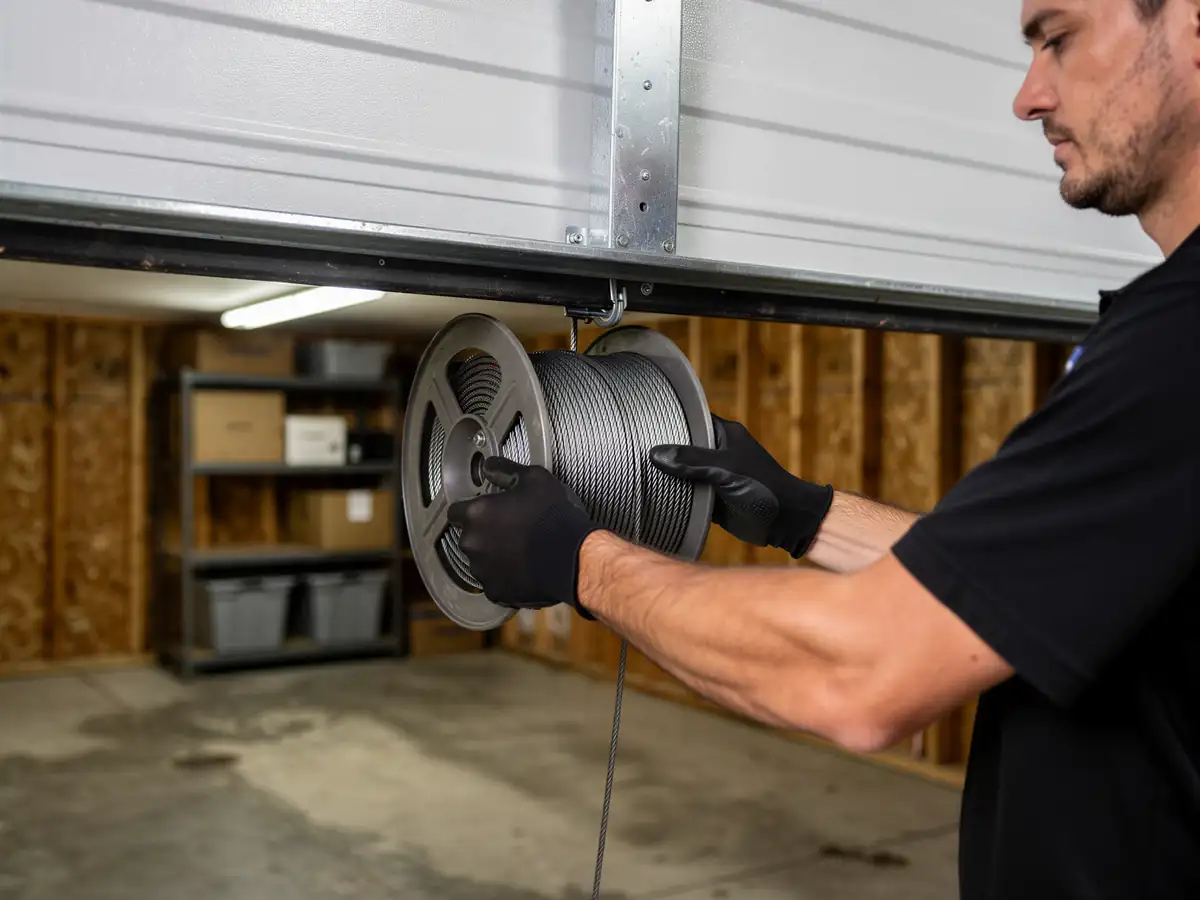
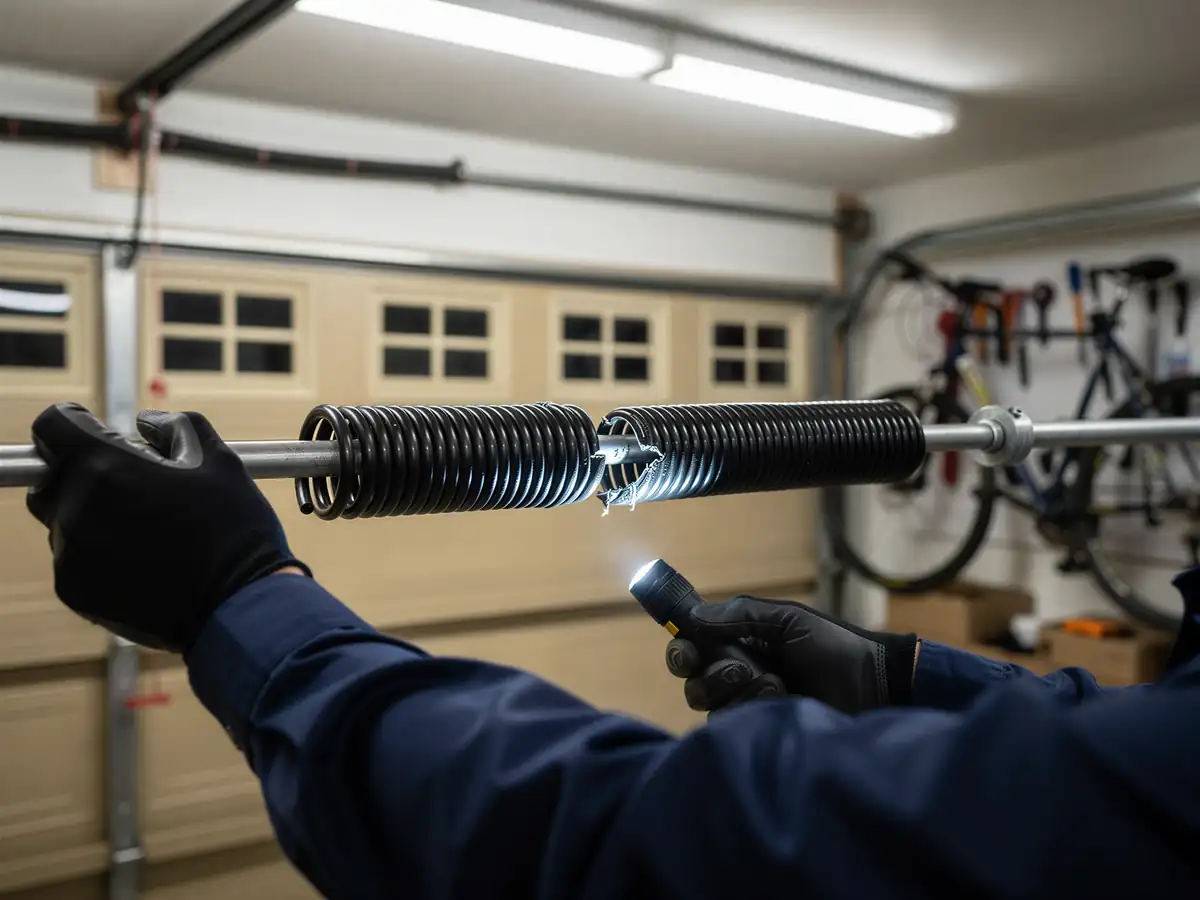
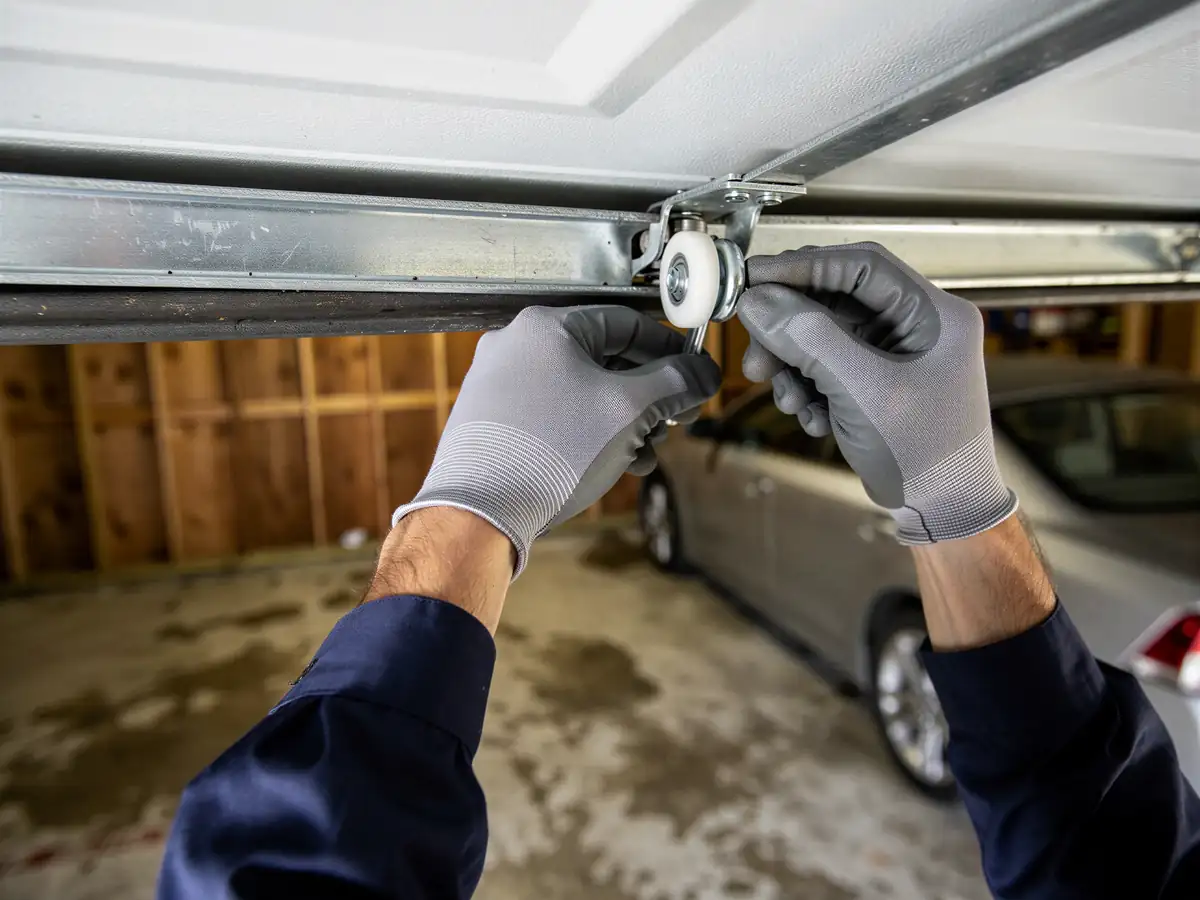
The job itself: pull the old rollers off the track, check the track for bends or rust pitting, swap in new rollers (nylon or steel depending on what you want to spend), and make sure the door runs quiet on the track before we leave. If a cable or spring is also worn, we'll flag it, but this page is about the rollers, not the whole door.
What You Are Seeing
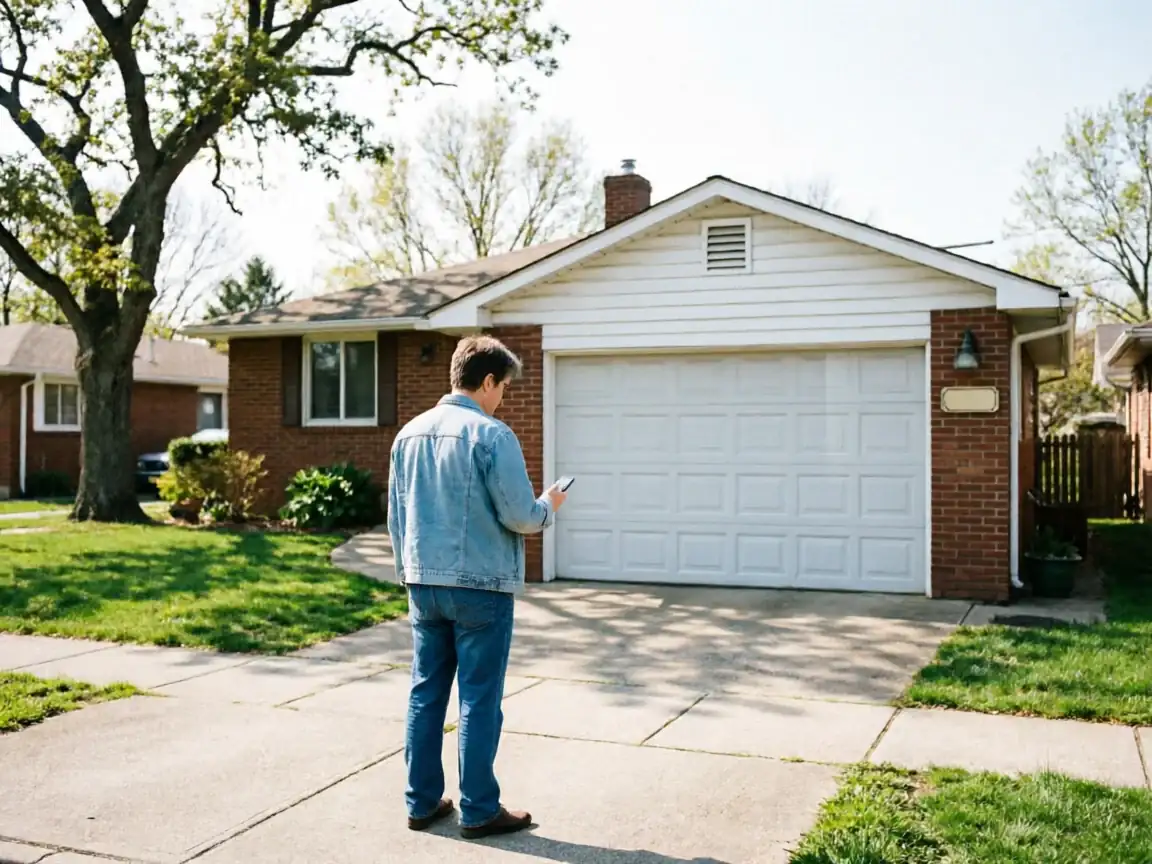
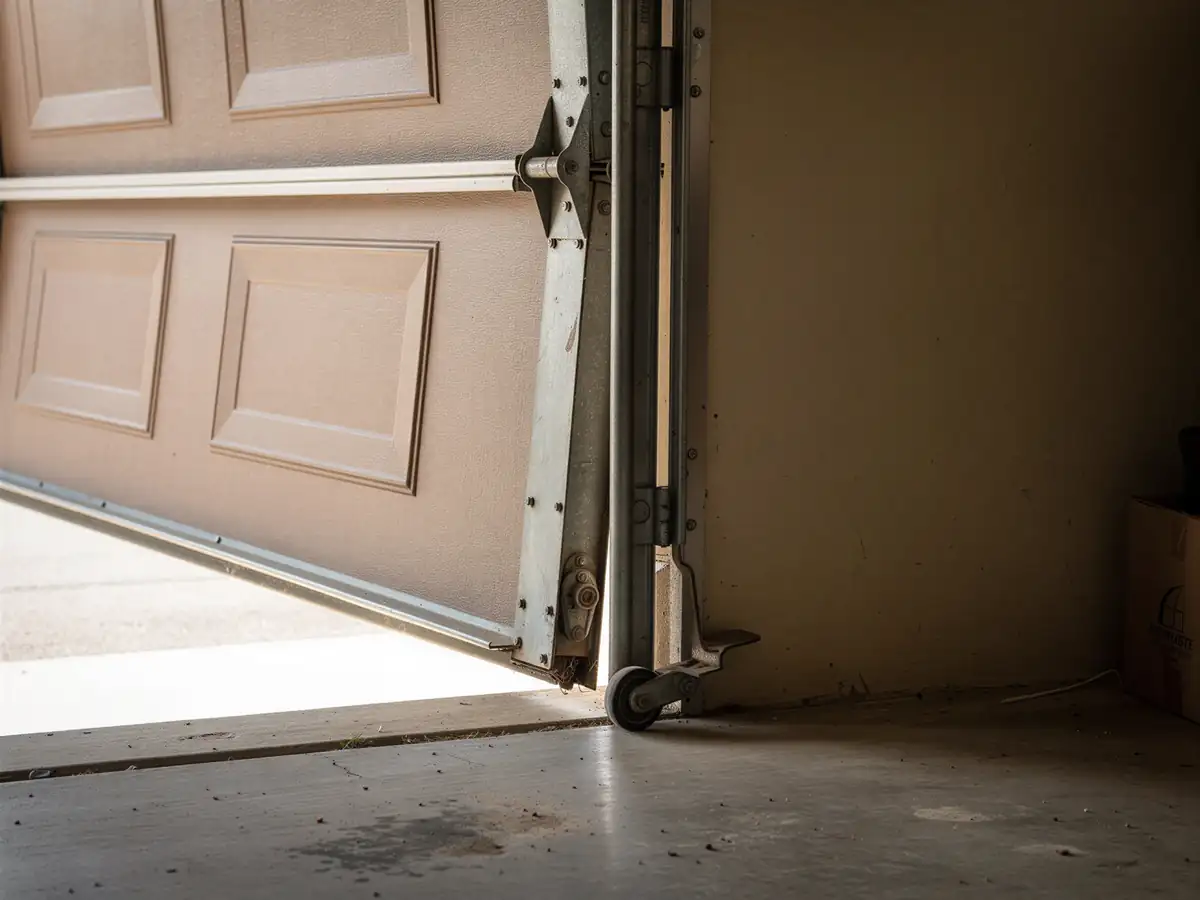
If your door is from the same stock as most of this area - built somewhere in that 1938 to 2004 range, median 1979 - the rollers are the first thing to go after decades of winters. You'll hear it before you see it: a grinding or popping sound as the door travels, especially right at the top or bottom of the run where the track curves. Steel rollers without bearings wear fastest; they were standard on a lot of doors from that era and they don't hold up well once the lubrication dries out or the roller stem wears oval instead of round.
Cold-climate stress is part of this. This area sits in a severe cold climate band, and metal rollers contract and expand with the temperature swings every winter, which accelerates wear on the stem and the track edge. If your door drags, jumps, or binds up on one side only, that's usually a cracked or chipped roller, not a spring problem - worth knowing before you spend money on the wrong part.
How Long It Takes
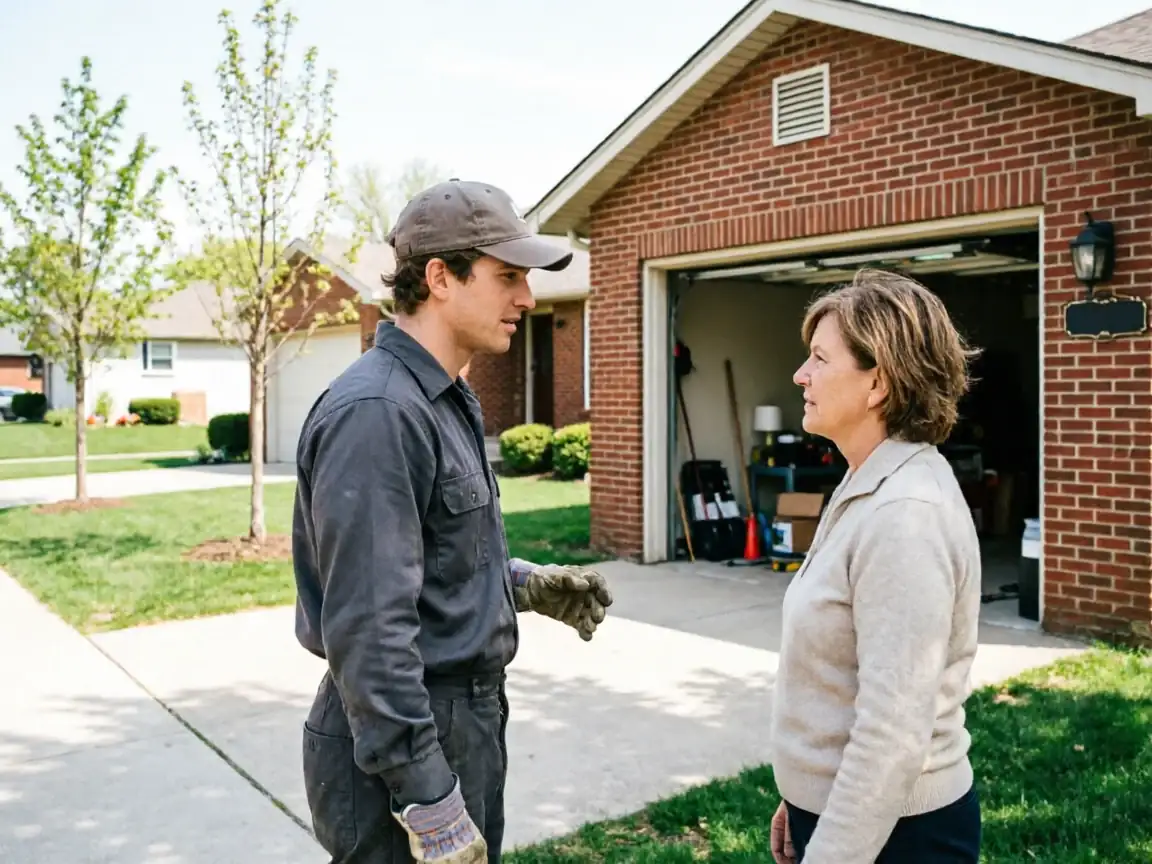
A straight roller swap on a standard double or single door is a short job once we're on site - most of the time on this kind of call goes into inspecting the track and checking the rest of the hardware, not swapping the rollers themselves. Doors from the 1960s-70s era common in this area sometimes have track that's been reshaped by a worn roller riding in it for years, and if the track needs straightening or replacing, that adds time. We'd rather tell you that up front than rush it and have the door binding again in a month.
Where This Job Goes Sideways
The honest limitation: if the rollers have been bad long enough to chew up the track, a roller swap alone won't fix the noise. We've seen this plenty on older stock - a worn roller rides unevenly, grinds a groove into the track edge, and no amount of new rollers will run smooth on a damaged rail. At that point you're looking at track replacement too, which is a different cost conversation. We'll tell you straight if that's what we're seeing instead of selling you rollers that won't solve it. The other place this goes sideways is cable or spring tension that's off - if the door isn't balanced, new rollers just wear unevenly again faster, so we check that before we call the job done.