What the Repair Takes
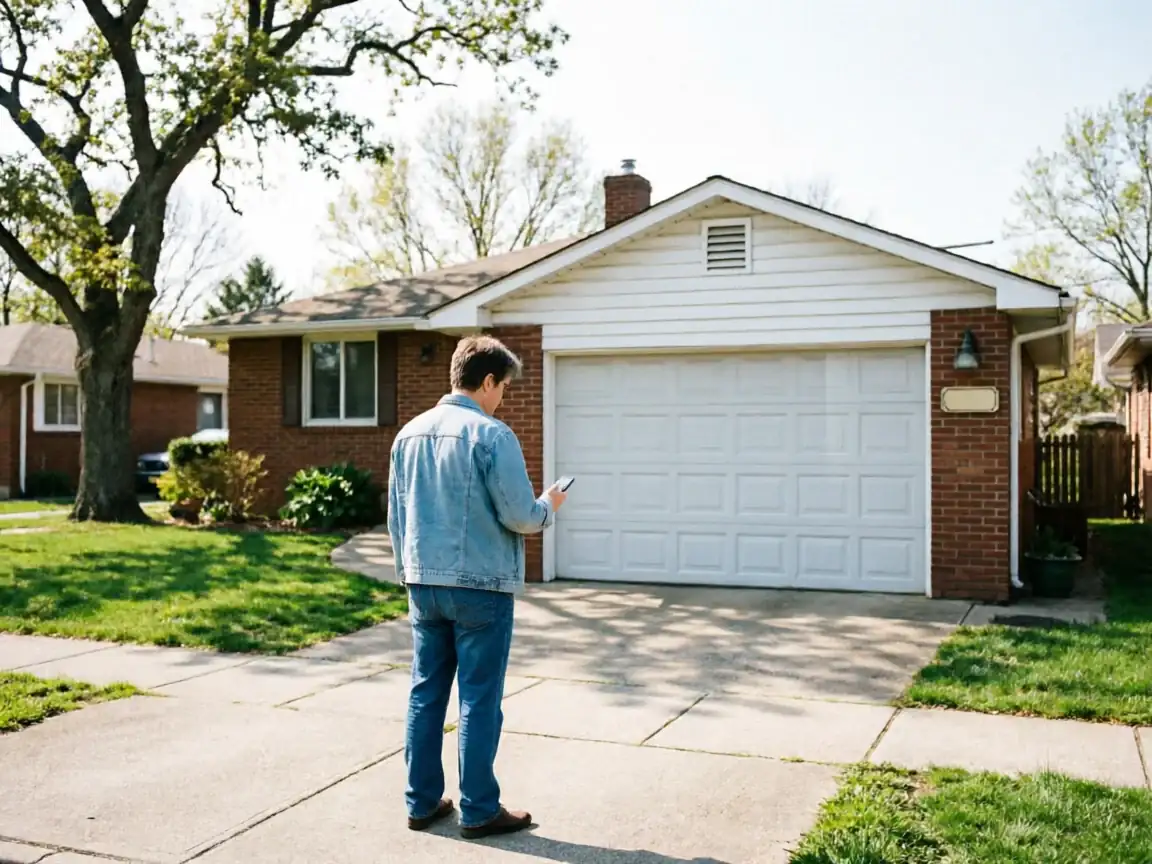
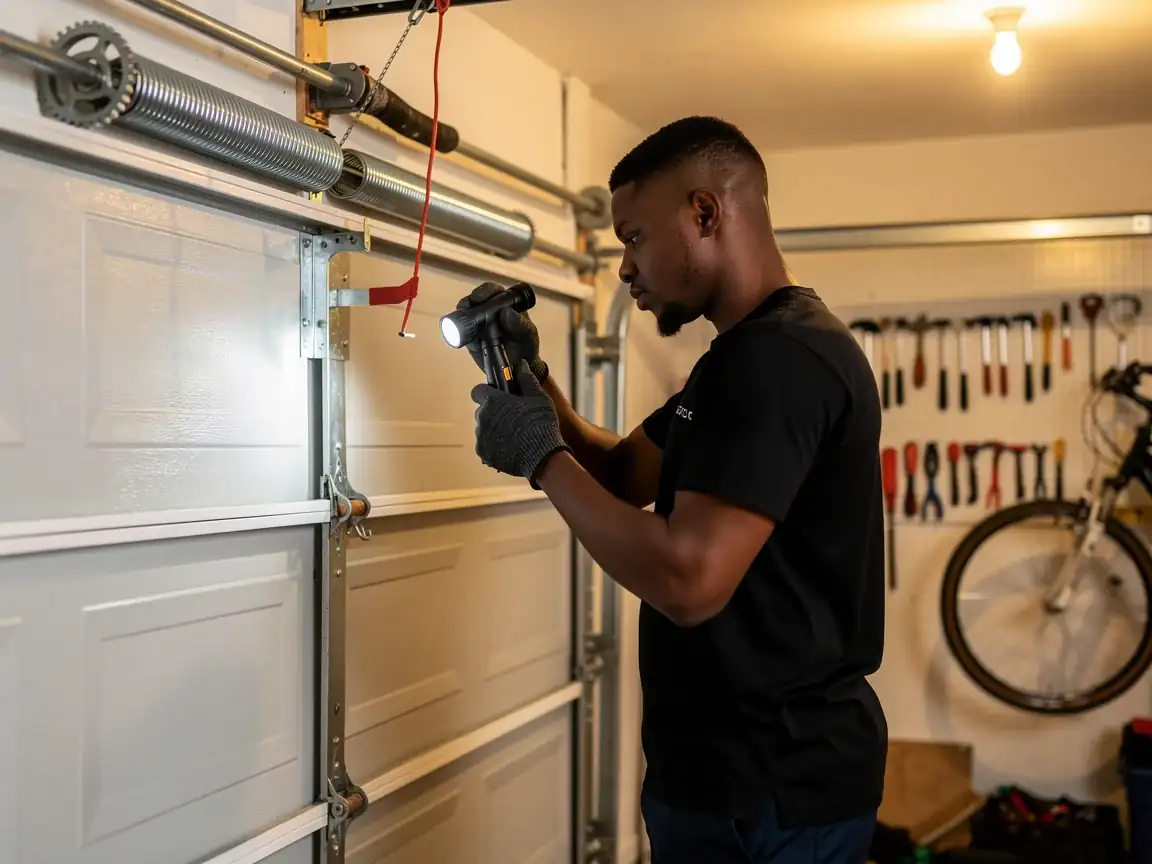
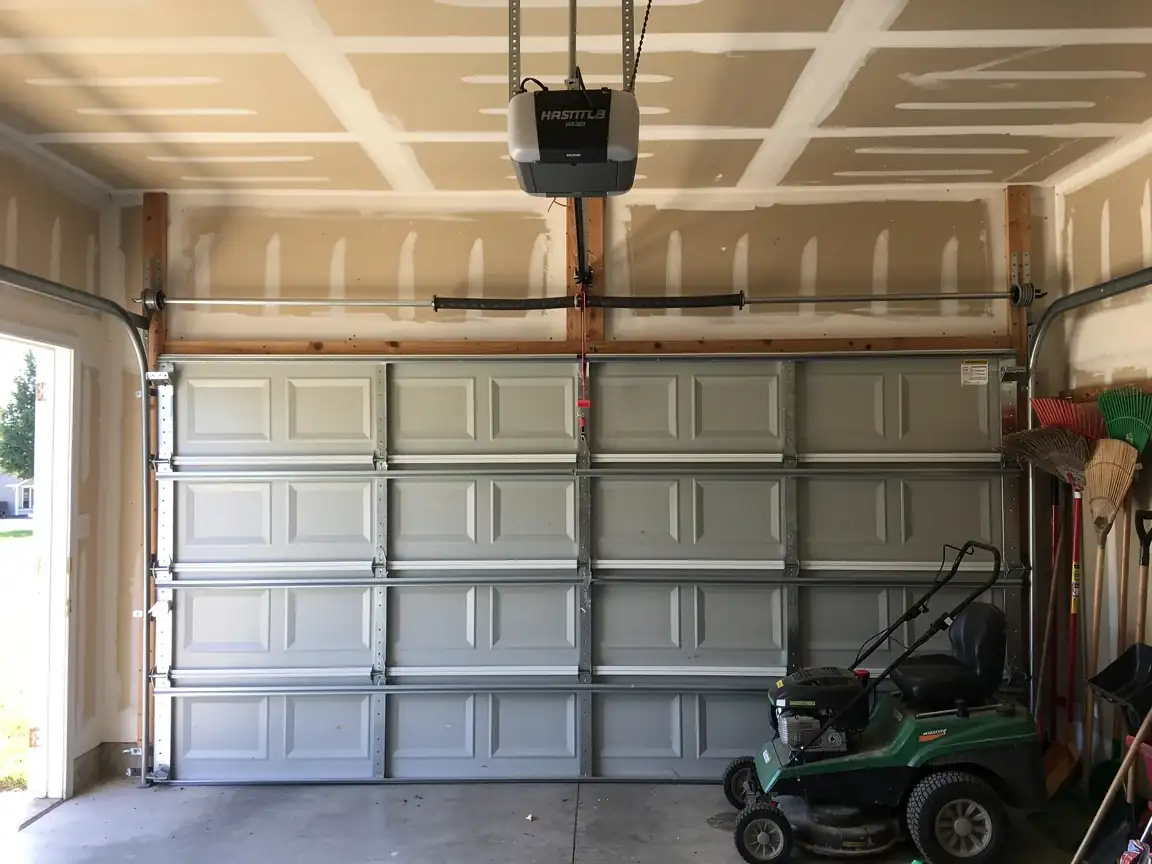
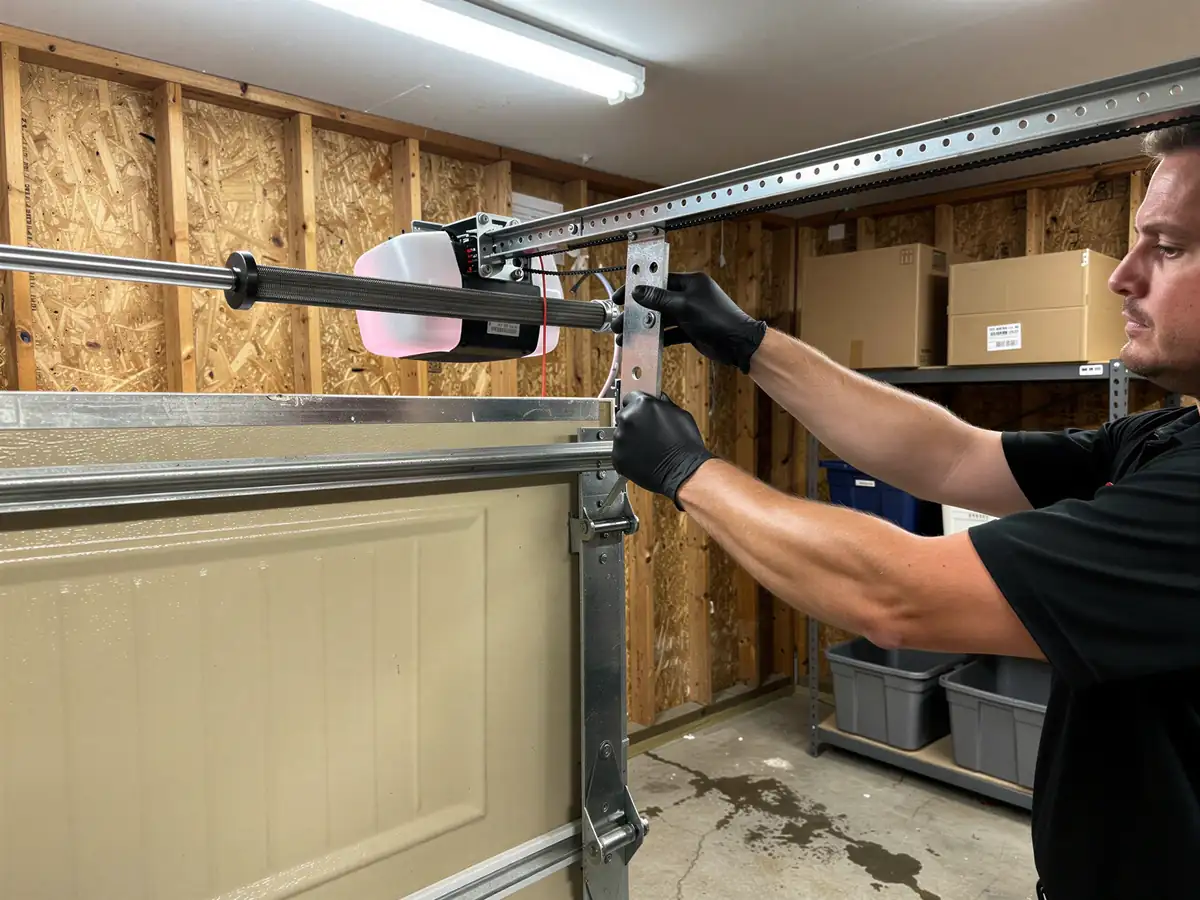
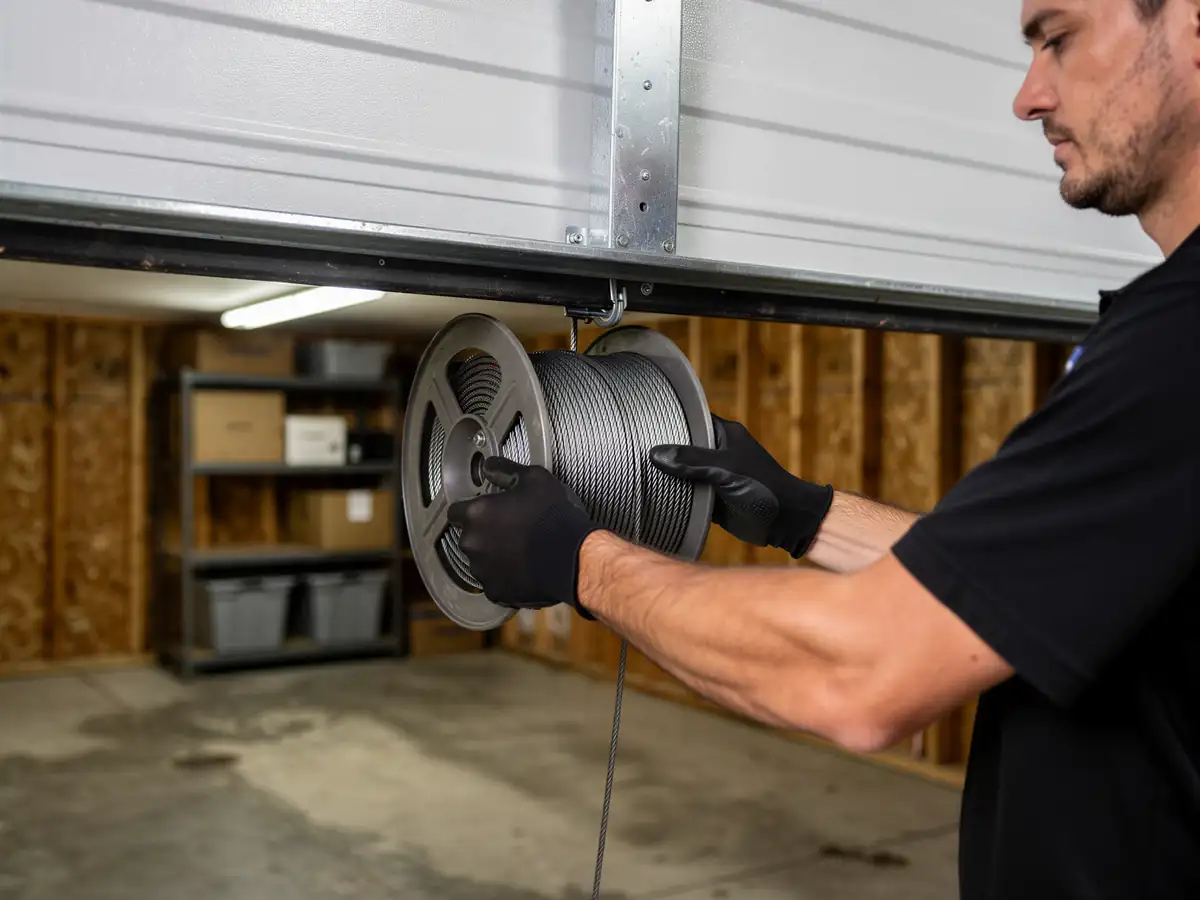
Wales sits right at the service area's own center of gravity on build year. The wider Waukesha service territory spans houses built anywhere from 1938 to 2004, but the median across that whole stretch lands on 1979 - and that's almost exactly where Wales itself sits. That matters for repair work because a door isn't just a door; it's whatever torsion hardware, track gauge, and opener mount someone specified when the house went up. A late-1970s build usually carries a torsion spring sized for a heavier, thicker one-piece or early sectional door, mounted on hardware that's been re-tensioned and adjusted a half-dozen times by whoever owned the place before. We're not guessing at spring wind or drum size when we show up - we're reading what a house from that window typically has, then confirming it against what's actually on the header. Newer cable-drum setups and modern openers do turn up on remodeled doors, so we check rather than assume. The honest limit here: if the original door and hardware are both original to a 1970s build, some parts - specific spring wire gauges, older extension coils - aren't something every supply house stocks same-week, and that can stretch a job past a single visit.
What You Are Seeing
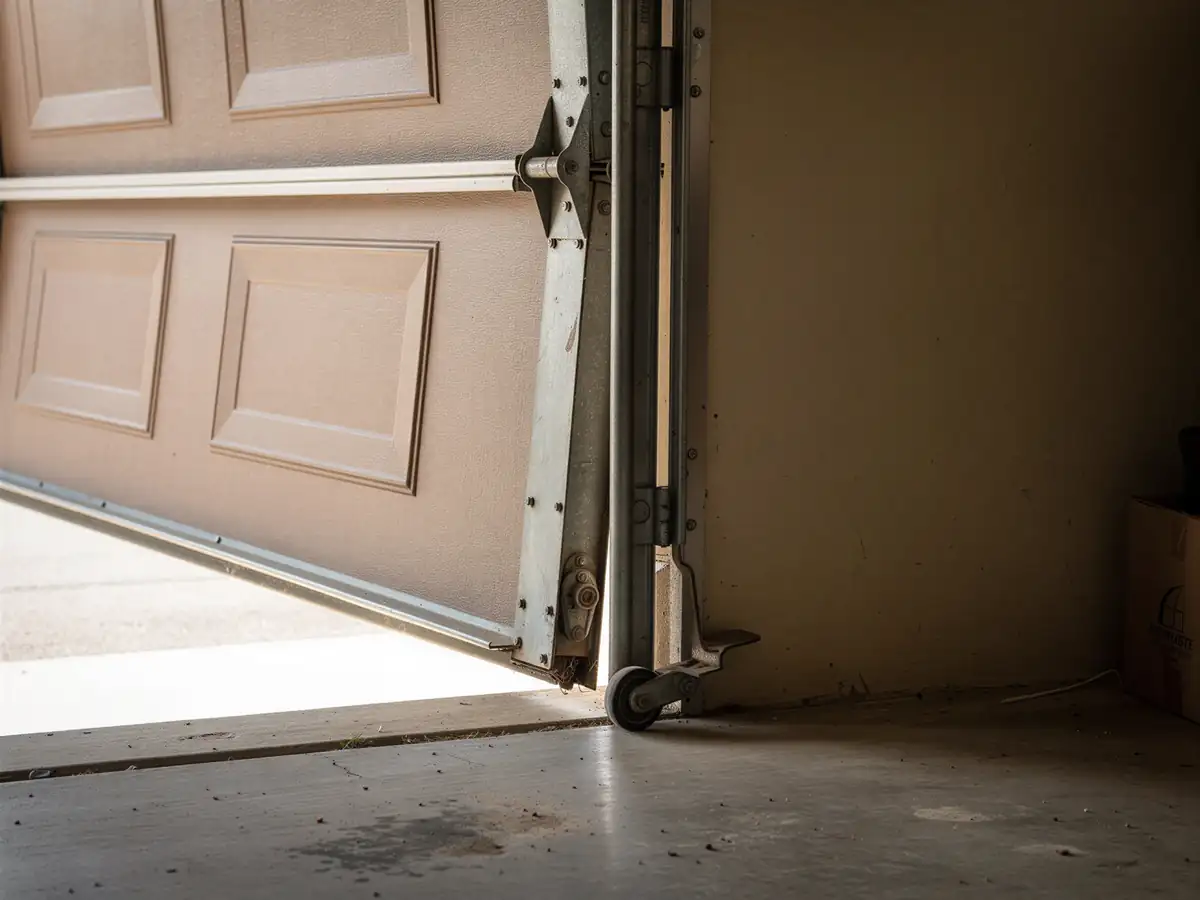
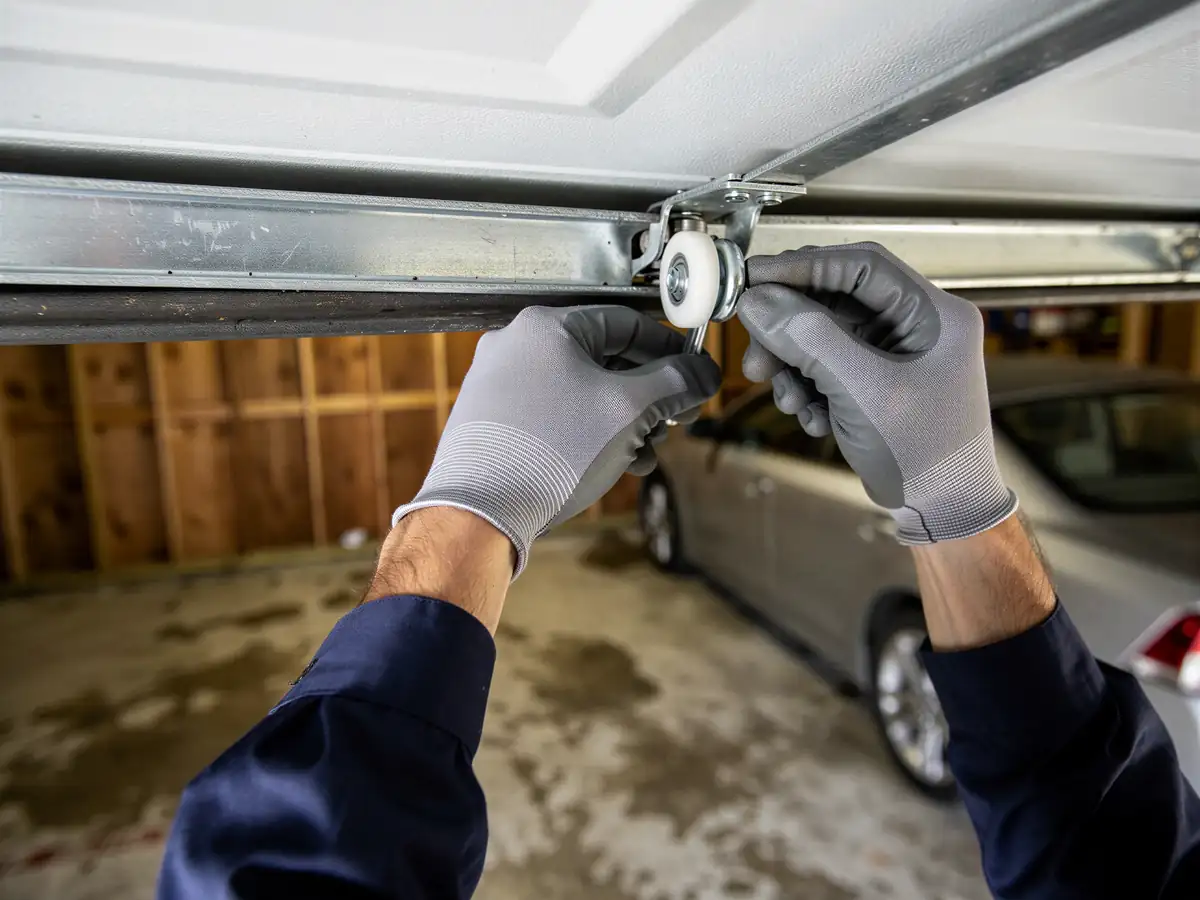
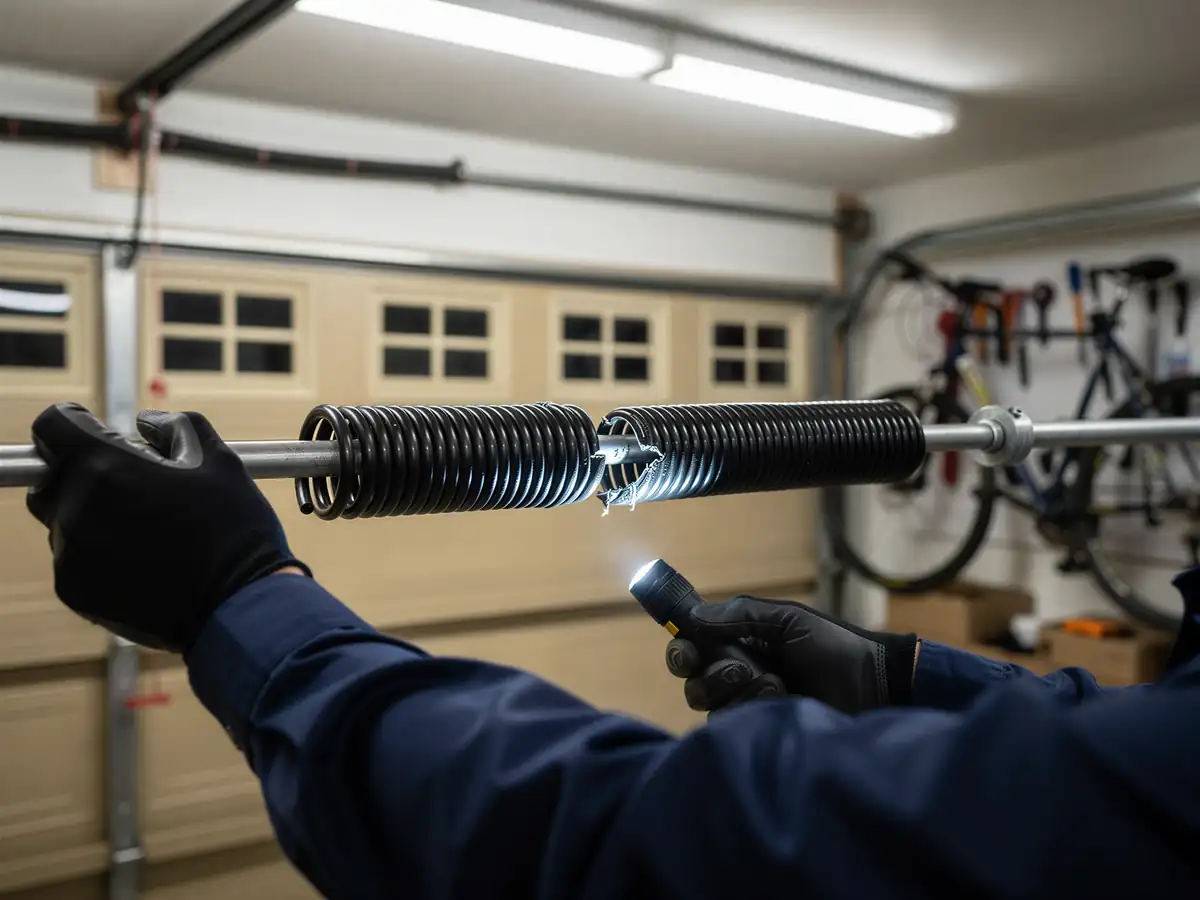
A door that reverses halfway up, a loud bang from the spring area, or a track that's pulled slightly away from the jamb - these show up more on the 1960s-70s cohort of homes F2 flags across the region's named areas, Wales included, because the steel and the fasteners have simply had more winters to work on. Cold is the other half of it. This area sits in the same severe cold climate band as the rest of the service territory, and that swings steel tension and opener lubricant viscosity hard between January and July. A spring that was fine in August can be the one that lets go in a February cold snap, because cold steel is less forgiving steel. If you're hearing a grinding noise on the track rather than a clean roll, or the opener strains and stalls before the door's even a third of the way up, that's usually roller wear or a bent track section, not the opener motor itself - worth knowing before anyone talks you into a new opener.
How Long It Takes
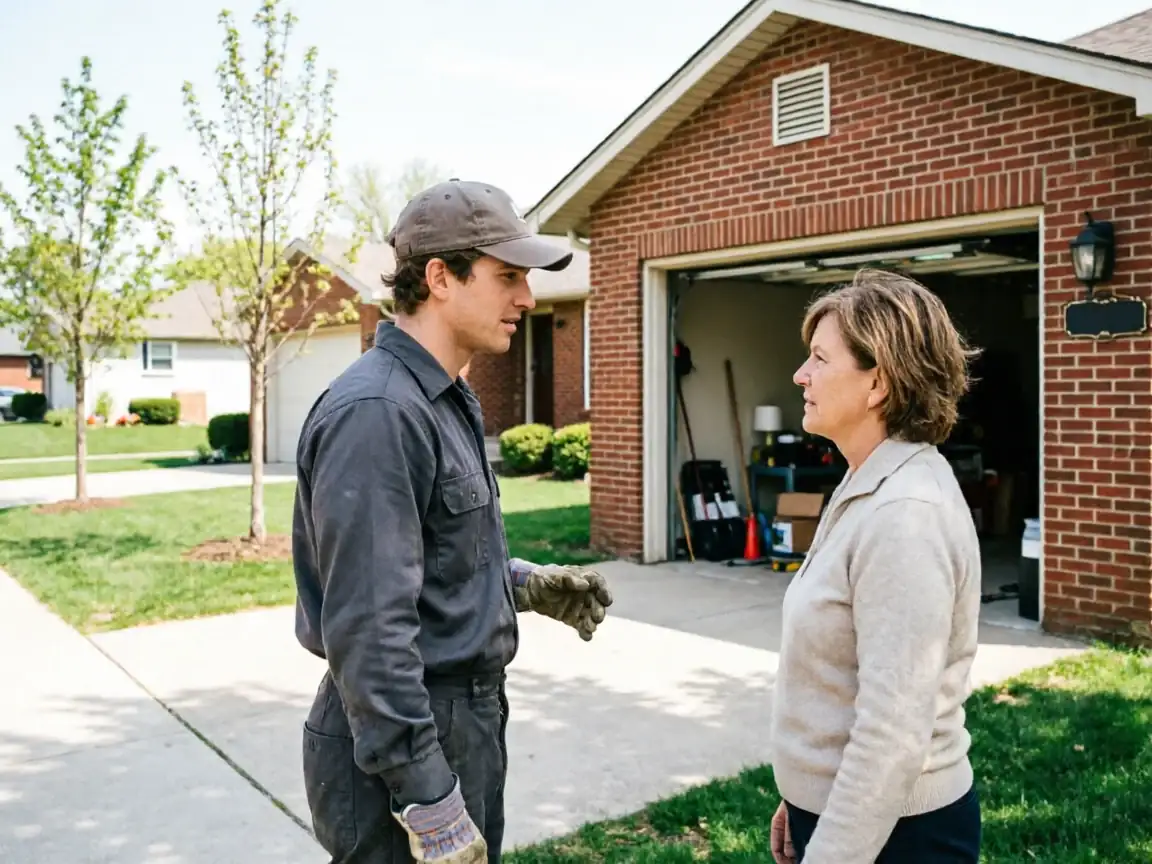
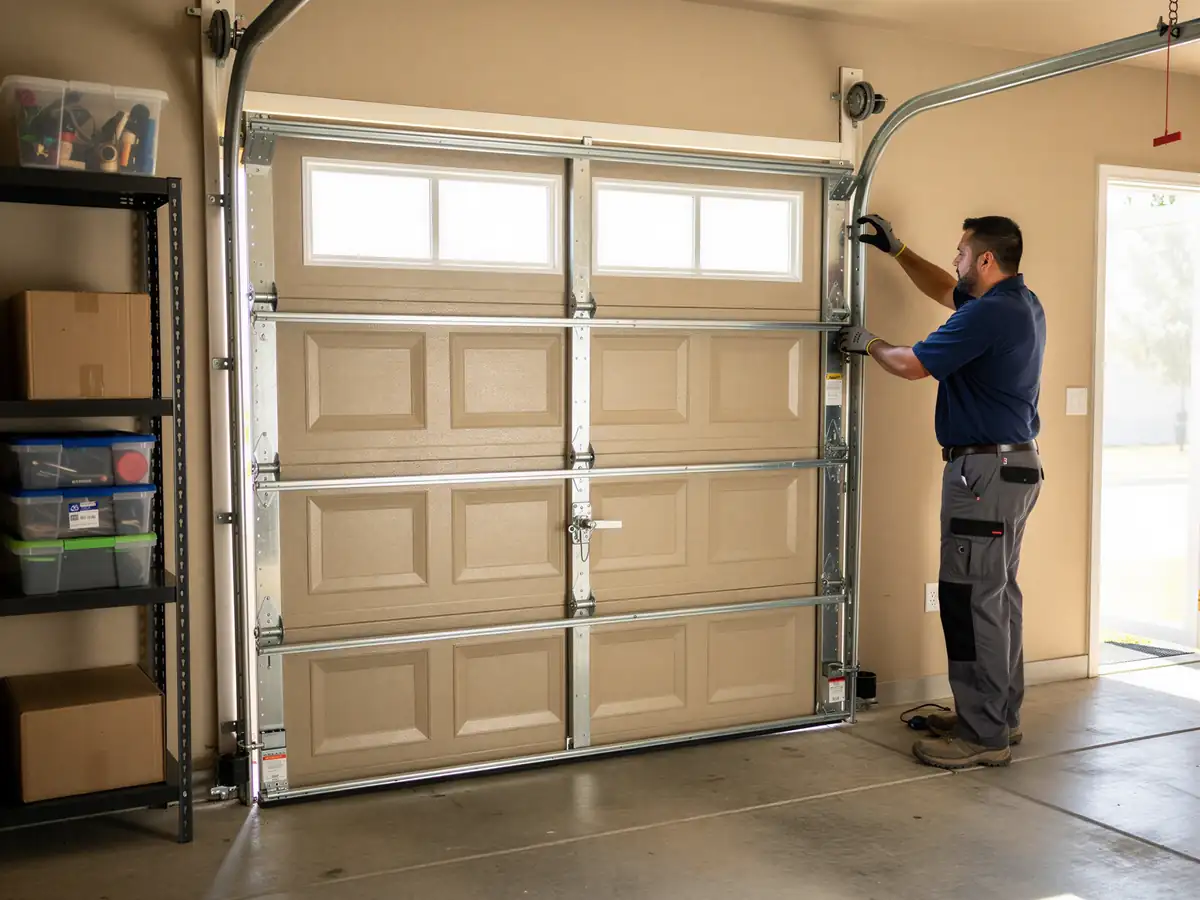
Most single-spring or roller jobs on a door from this era are a same-visit fix once the truck is on site - the work itself, torsion spring swap or roller replacement, doesn't take long once we're looking at the actual hardware. What stretches a job is parts, not labor. If the door's original to a 1970s build and running a spring size or drum that's no longer a common stock item, we may need to order it, and that's a second trip. We won't quote you a turnaround time before we've seen the door, because a door with a bent track and a worn opener gear is a different job than a single snapped spring, and guessing at that over the phone does nobody any favors.
Where This Job Goes Sideways
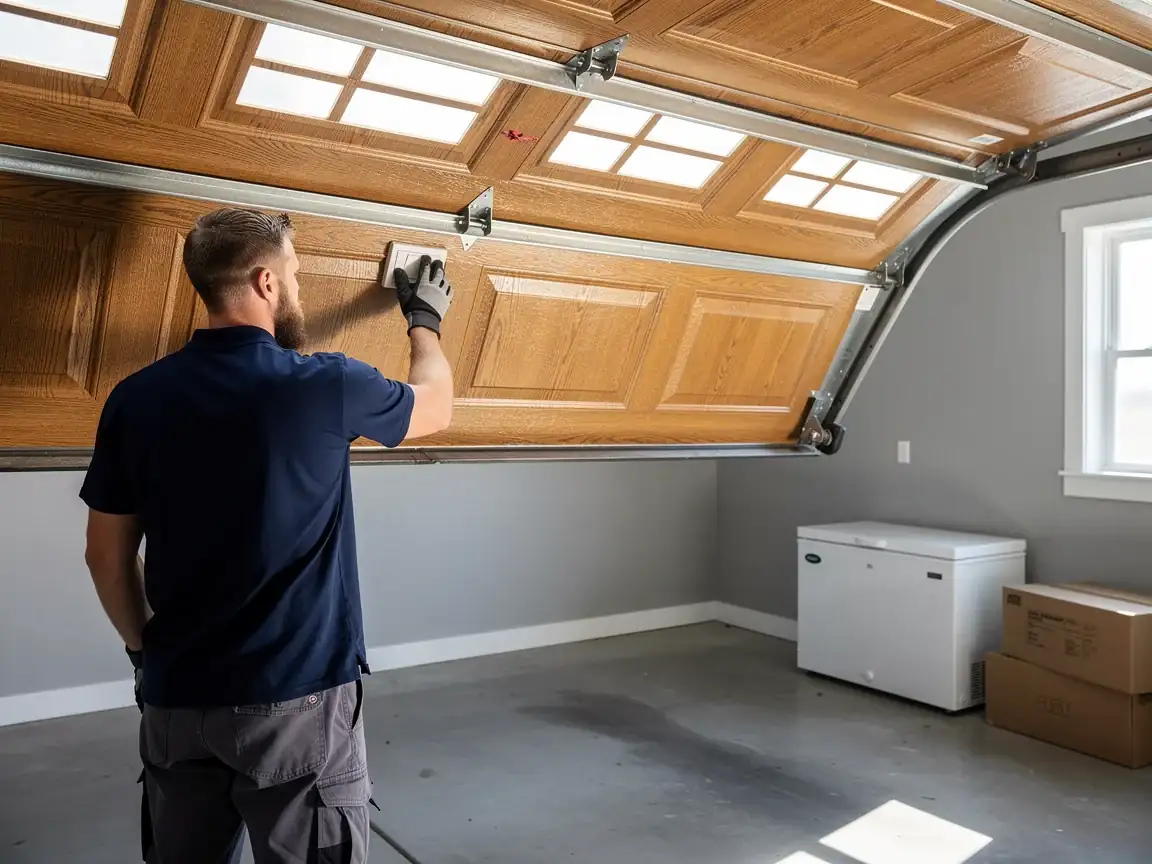
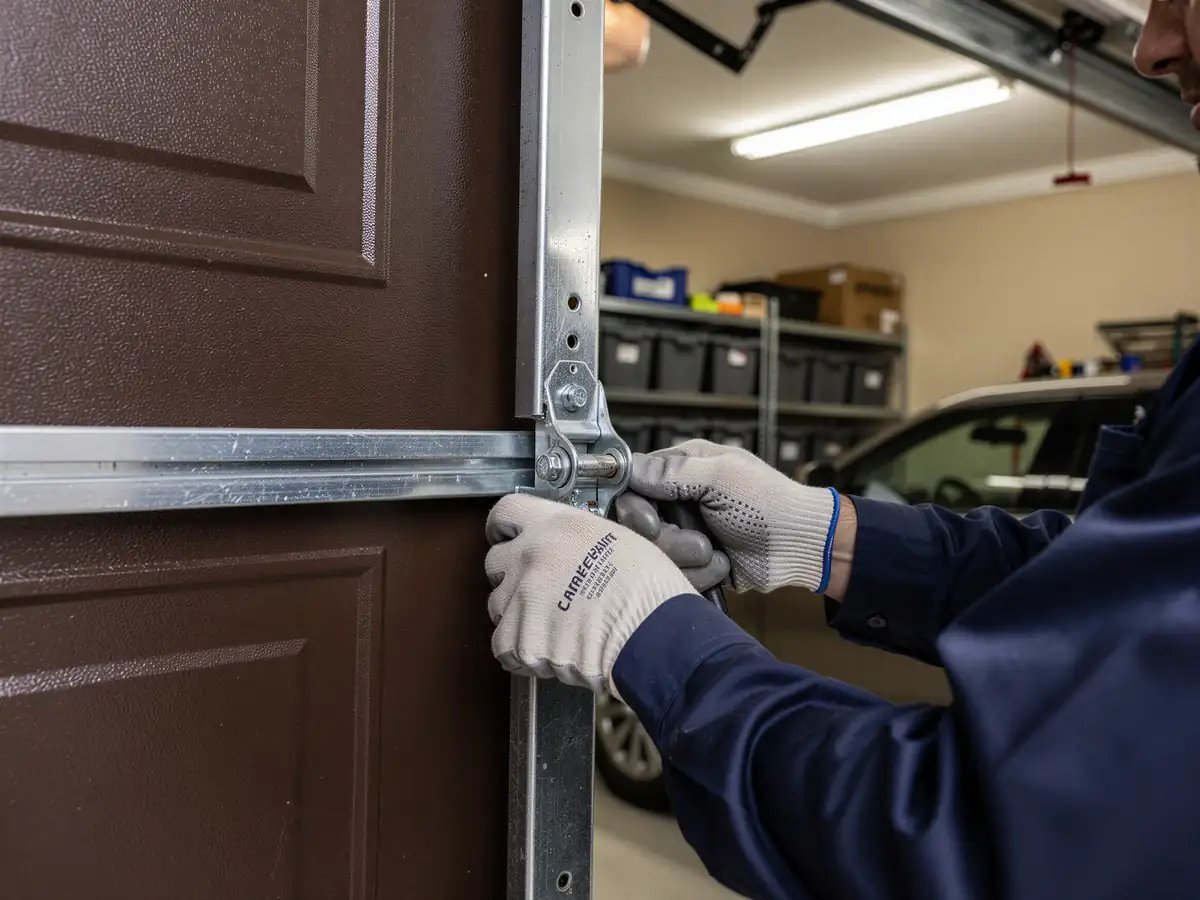
The repair most likely to go wrong on a Wales-era door is treating a bent track as a spring problem, or vice versa - they can produce similar symptoms (door hesitates, opener strains) but call for entirely different fixes. The other place things go sideways: original hardware on a house built near that 1979 median sometimes isn't worth repairing piece by piece. If the drum, track, and spring are all original and all fatigued at once, patching one component just moves the failure to the next one in a few months. At that point full replacement, not another repair call, is the honest answer, even though that's not the service this page is about. We'll tell you straight if that's where your door's at rather than running up a bill on parts that won't hold.