Can You Do This Yourself
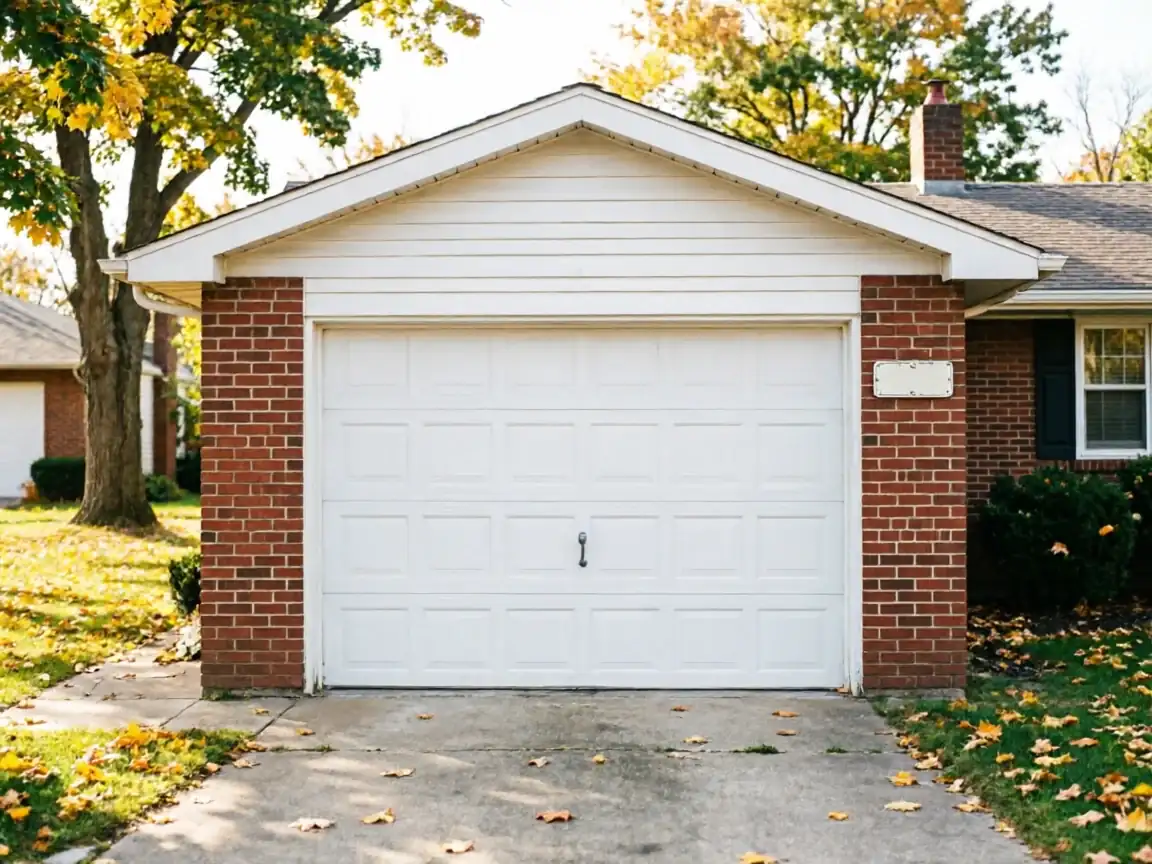
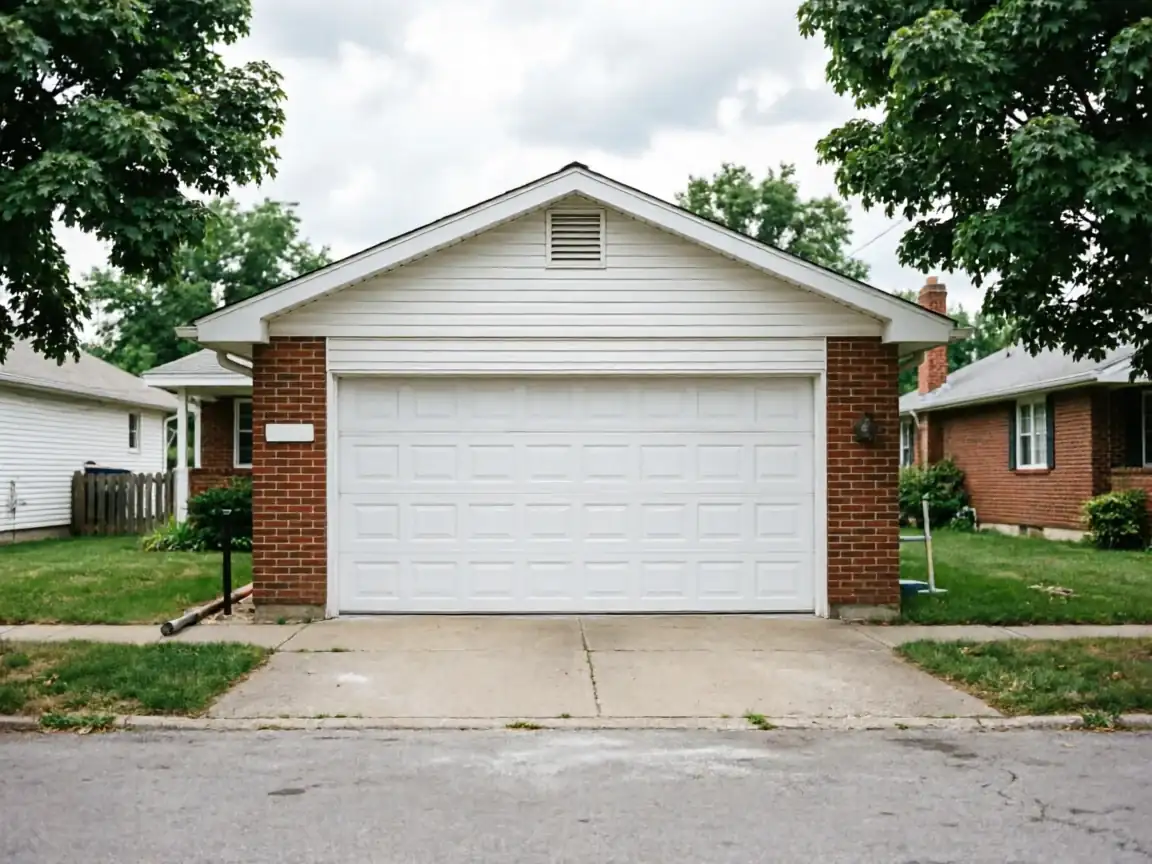
Hartland is a small town as these things go - about 3,975 households, not a sprawling grid of subdivisions. That matters for what breaks and how often it breaks, because a tighter, older town tends to have a narrower band of door ages and door types than a big spread-out service area does. Here, most houses went up around 1982, which means you're dealing with torsion springs and openers that are either original 1980s-era units nobody services anymore, or a second or third-generation replacement that was never matched right to the door weight.
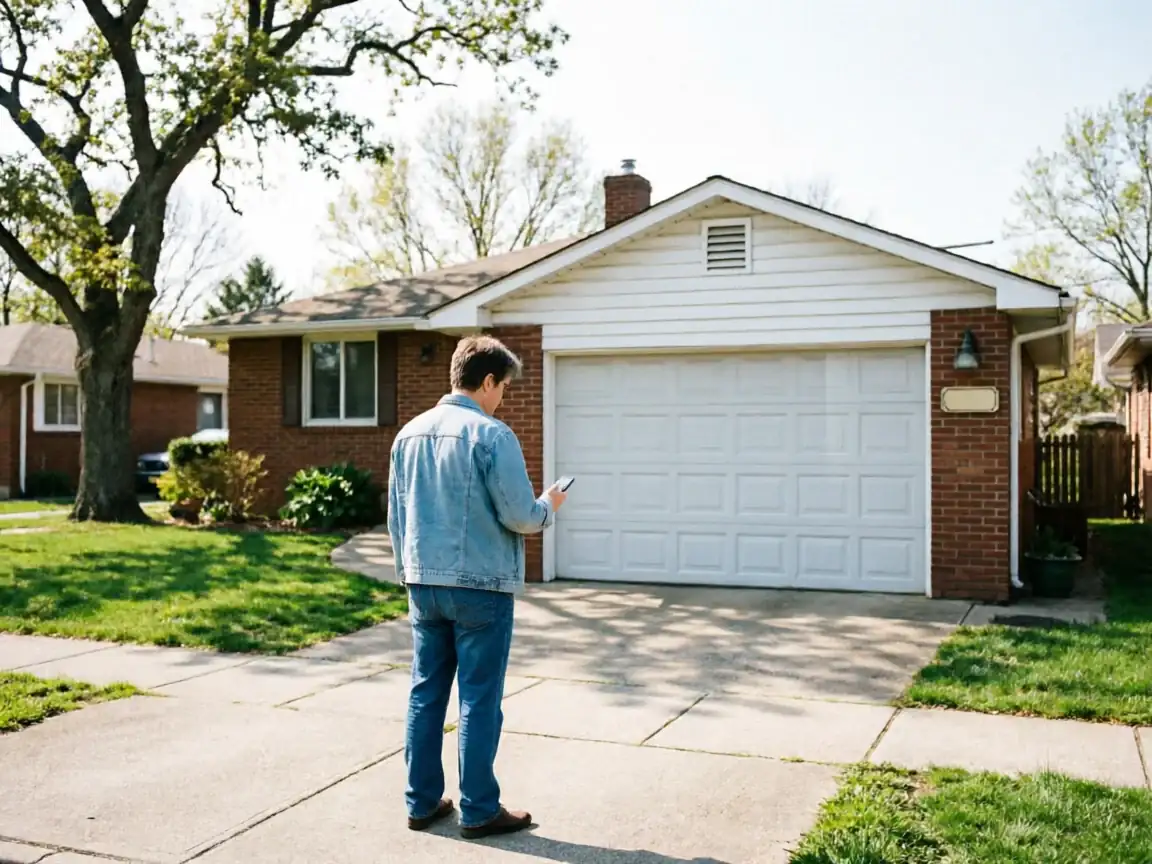
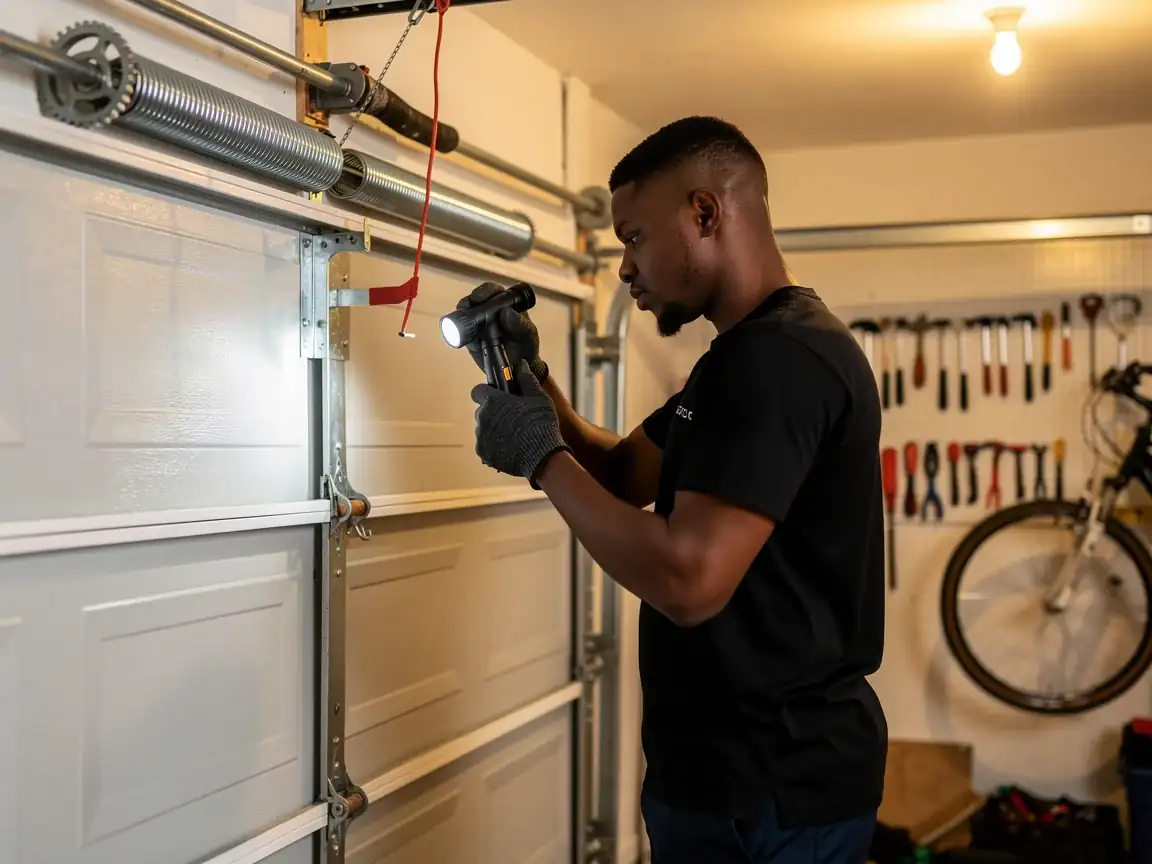
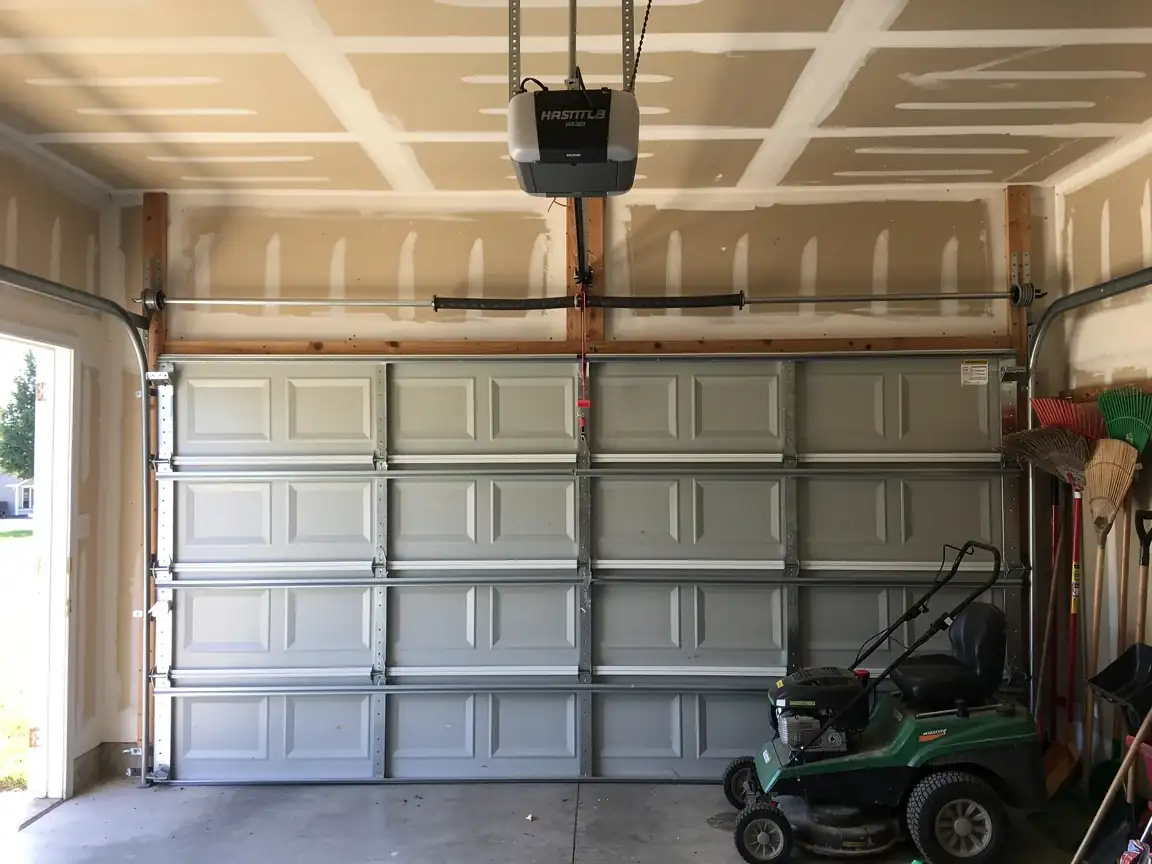
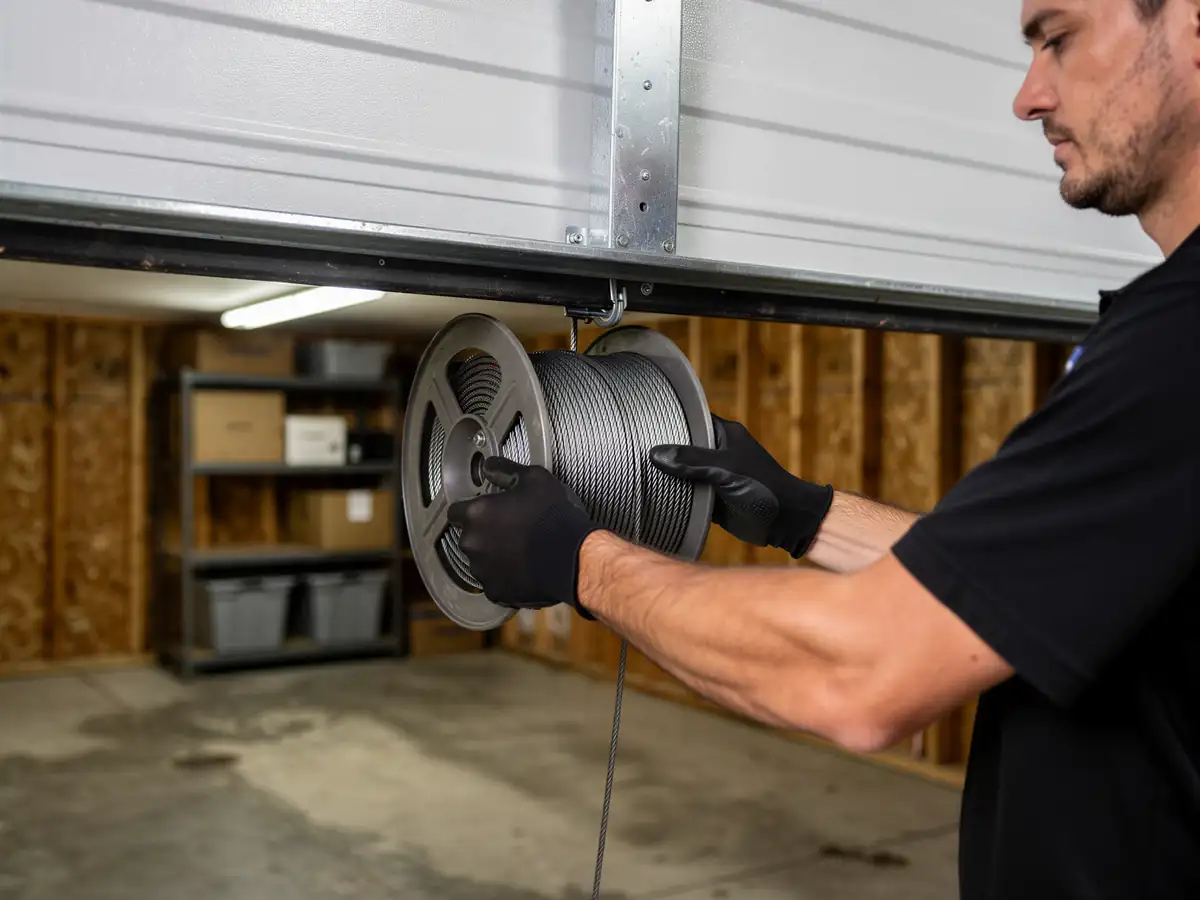
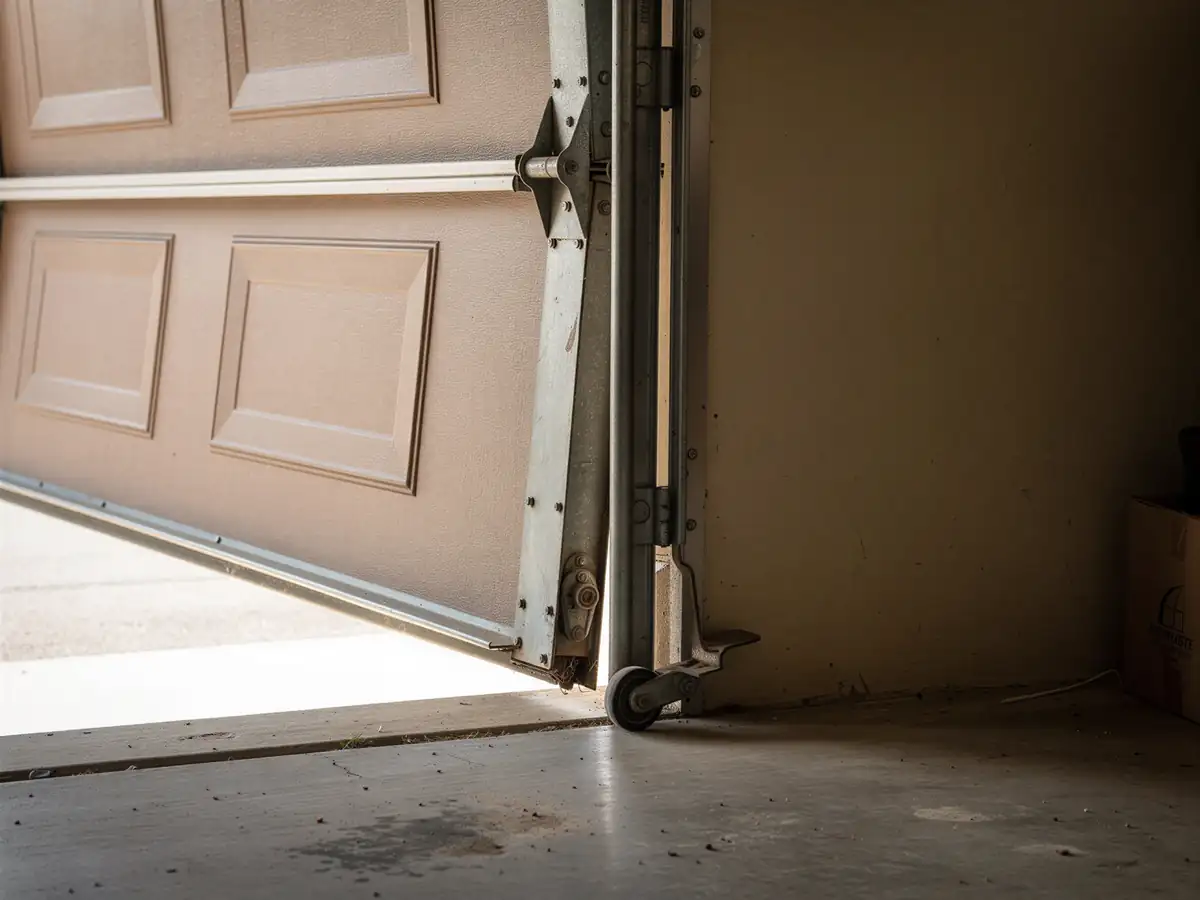
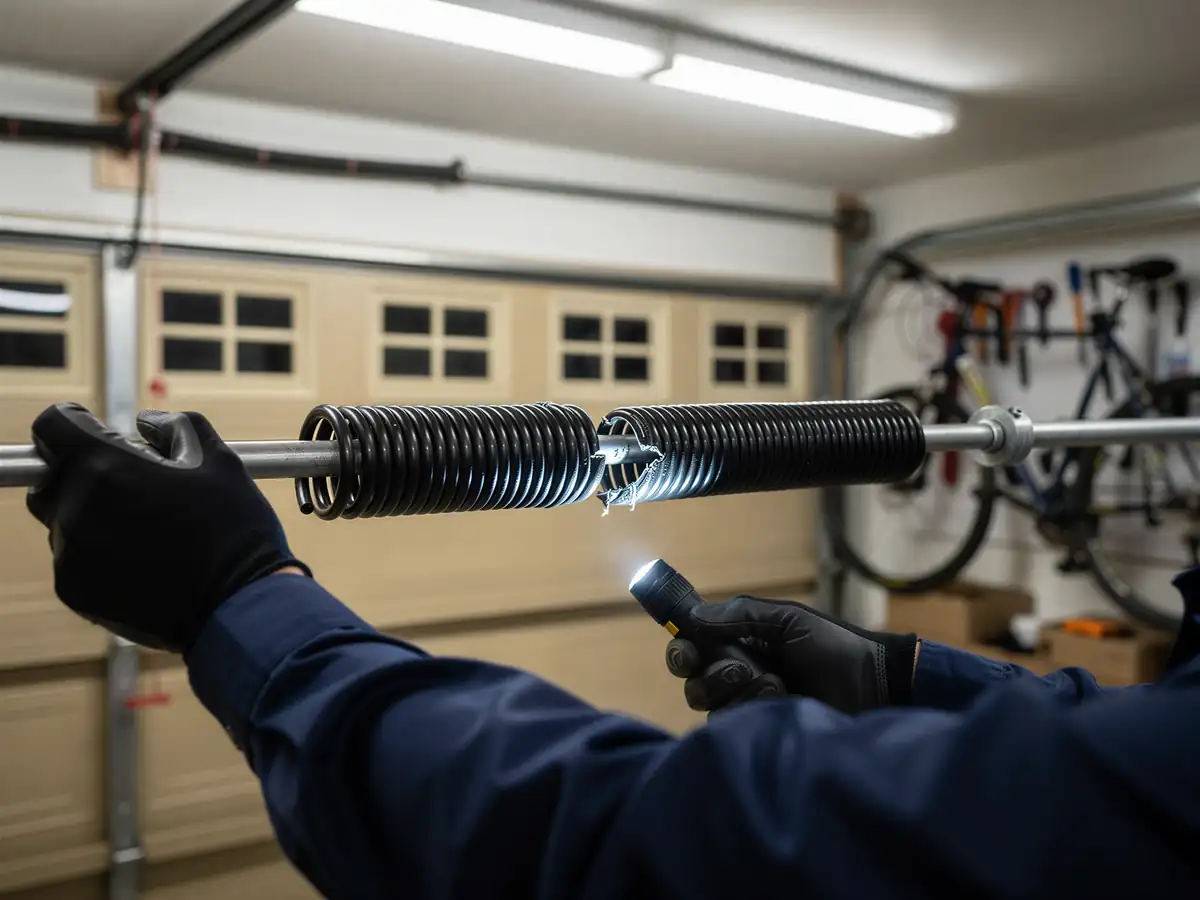
A stuck door with the opener still humming is often a broken cable or a bent track, and you can sometimes free the door enough to get a car out by pulling the emergency release and lifting by hand - carefully, with help, never alone on a double door. A door that won't budge at all and the opener goes silent is almost always a snapped torsion spring, and that's not a DIY job. The springs are wound under several hundred pounds of pressure. If you don't own the winding bars and you haven't done this before, you're one slip away from a trip to the ER, not a fixed door. Know the difference before you touch anything.
Where This Job Goes Sideways
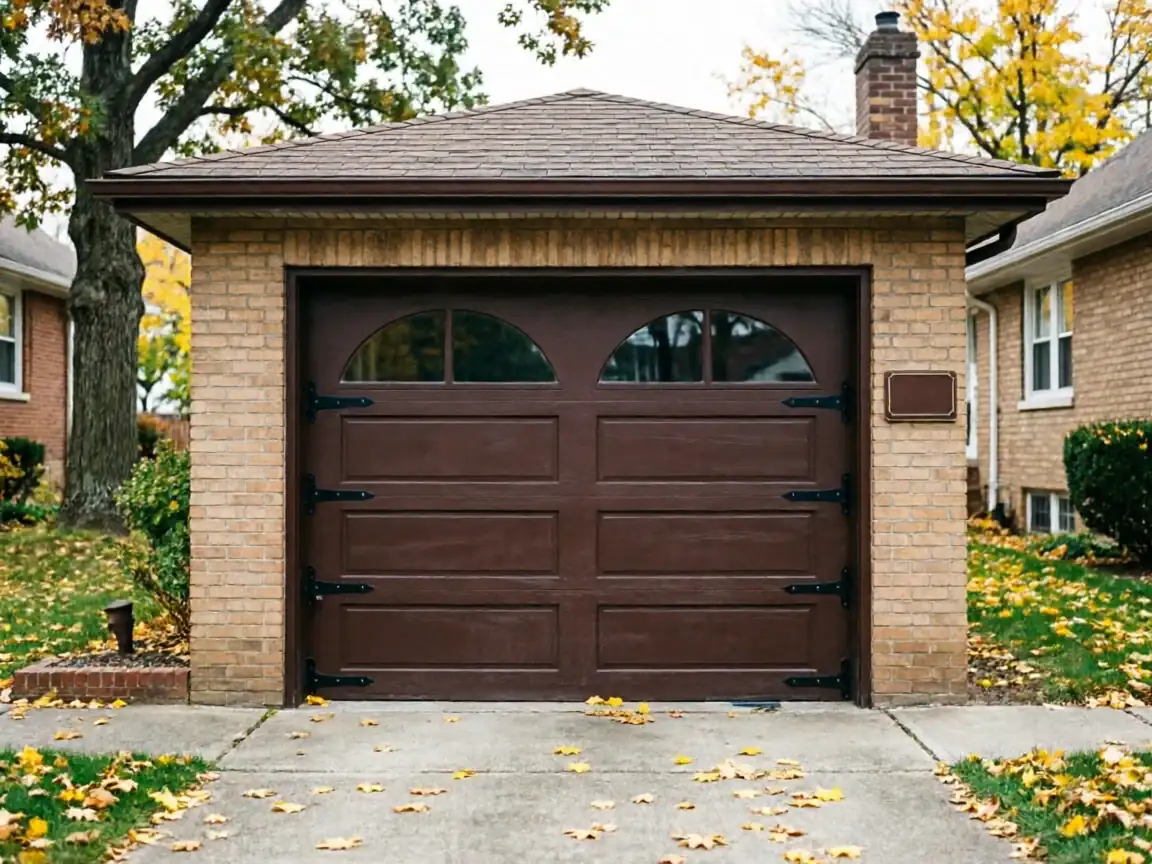
The failure that turns a simple call into a bigger one, in this town specifically, is mismatched hardware. A house built in 1982 that's had one or two door replacements over 40 years often ends up with a spring sized for the original door, still installed, holding up a heavier insulated steel door that replaced it sometime in the 90s or 2000s. The door looks fine until the day the spring that's been overworked for years finally lets go - usually in the cold, since this is a severe cold climate and steel contracts, torque increases, and the weakest link in the system is the first thing to snap.
The other way it goes sideways: someone reaches for a universal spring off a shelf because it's close enough. Close enough on a torsion spring means the door either won't stay up or slams down with no warning - that's a hand-and-finger hazard, not a cosmetic issue. We measure wire size, wind direction, and length before anything goes on the shaft. Skipping that step is how a $200 repair becomes a second service call a month later.
What It Costs
I don't have a published price list to hand you here
What a job costs depends on what's actually broken, the door's age, and whether the opener's circuit board or just a sensor took the hit. What I can tell you is what shapes the number in a town like this: median household income here runs around $87,297, noticeably below the broader Waukesha-area service footprint average of $108,690. That's not a coincidence when it comes to how people decide between repair and replacement - a lot of Hartland homeowners are holding onto original or early-replacement doors longer than wealthier neighboring towns might, which means more spring and roller repairs, fewer full door swaps on the first call.
The honest limitation
If your door and opener are both from the early 1980s and both are failing at once, patching one side while the other gives out in six months isn't a good use of your money. We'll tell you straight when a full door is the better call instead of chasing parts for a door that's outlived its hardware.
What the Repair Takes
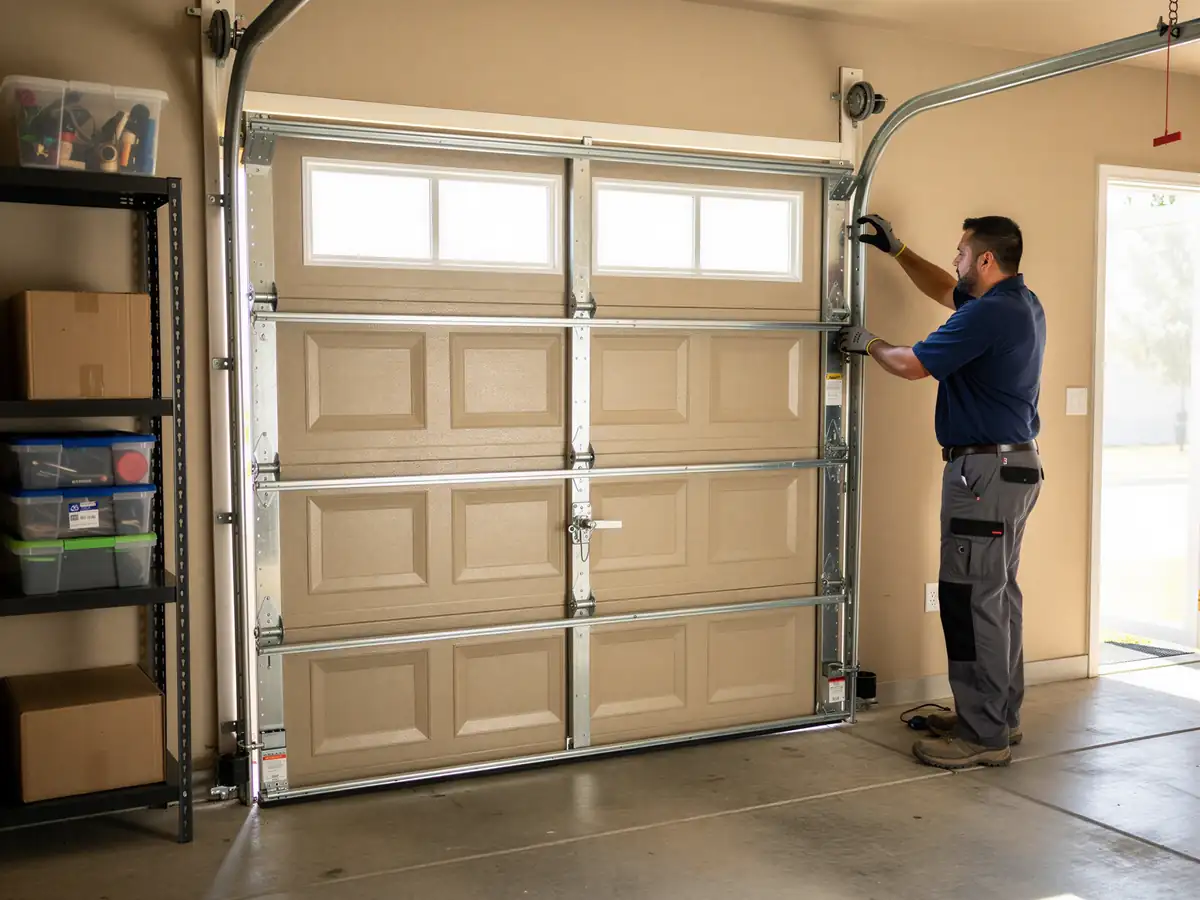
We run out of Waukesha, about 8 miles from Hartland, so the call isn't a same-block response - plan on the drive time as part of the window, not an afterthought. Once we're on site, most spring and cable repairs on a single door run under two hours; double doors or a dead opener board can run longer if we need to pull a panel to see what's underneath.
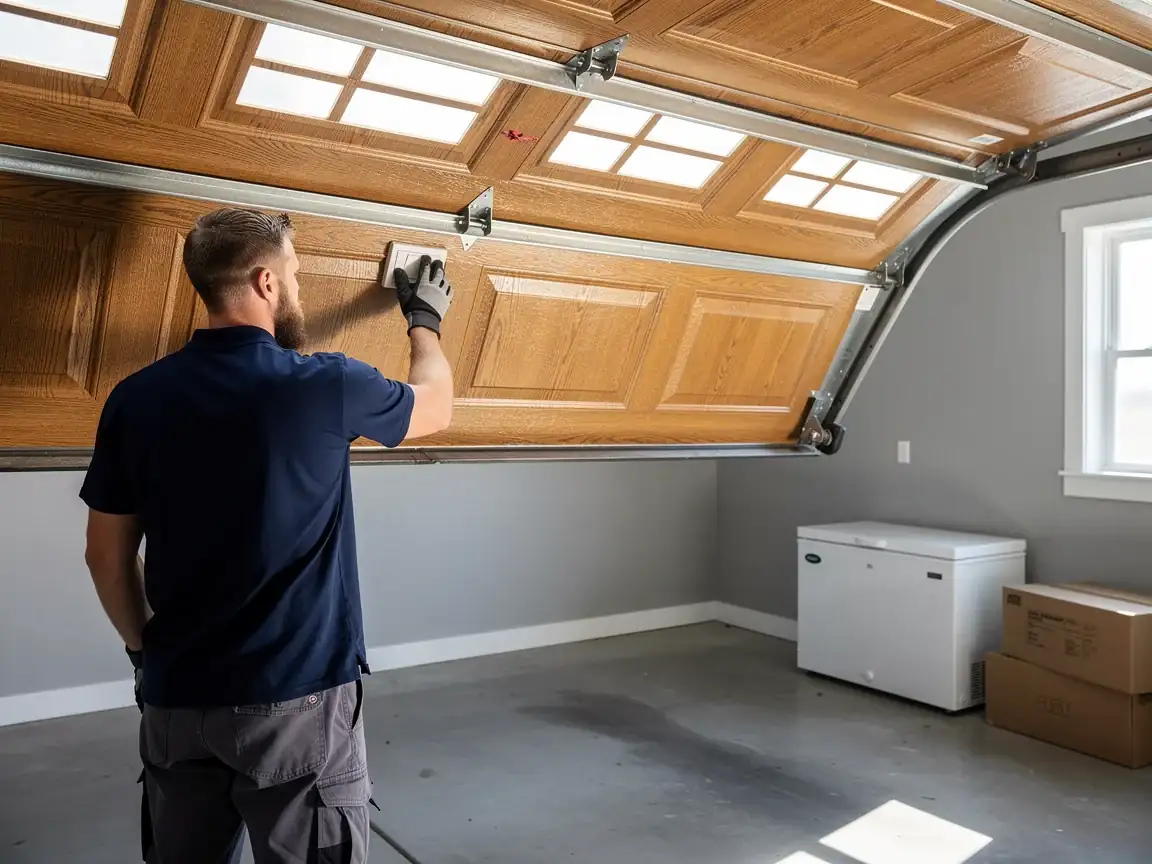
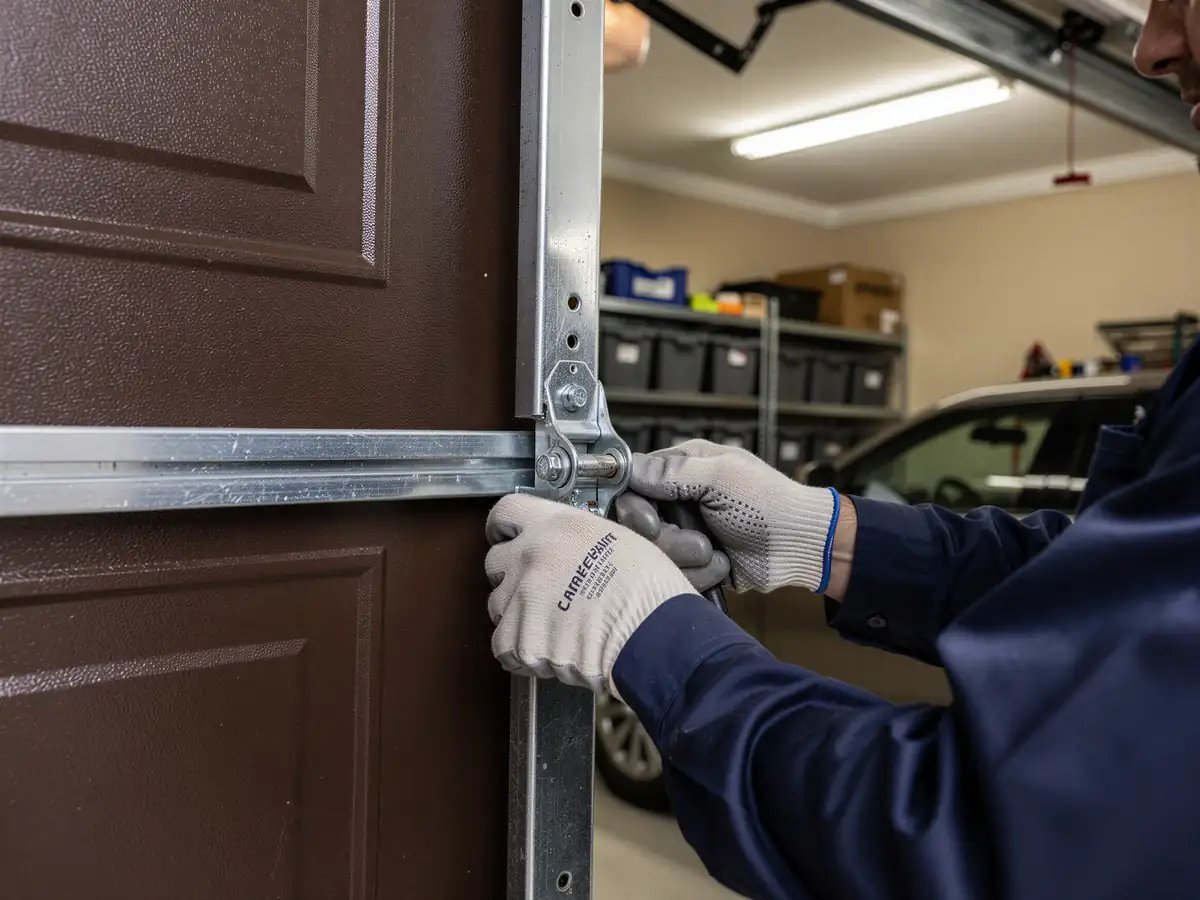
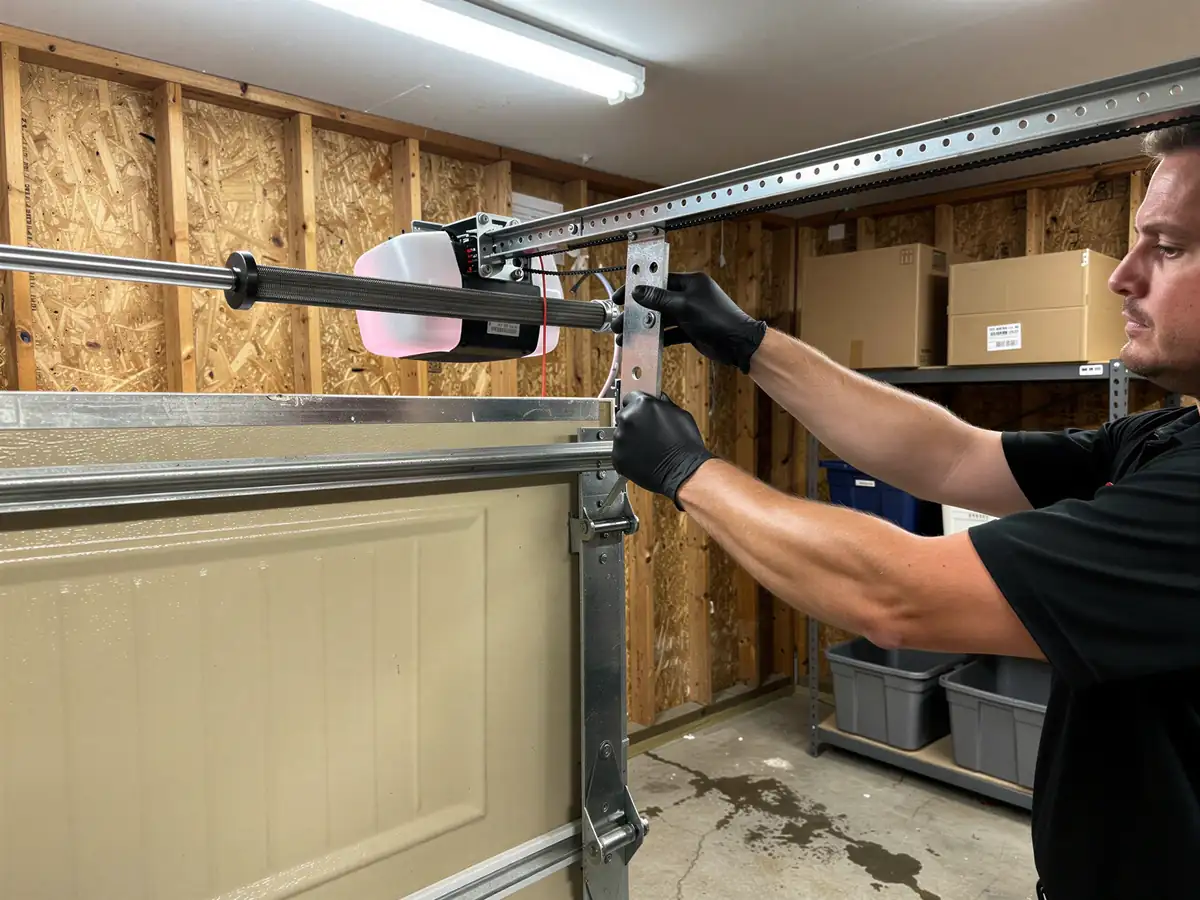
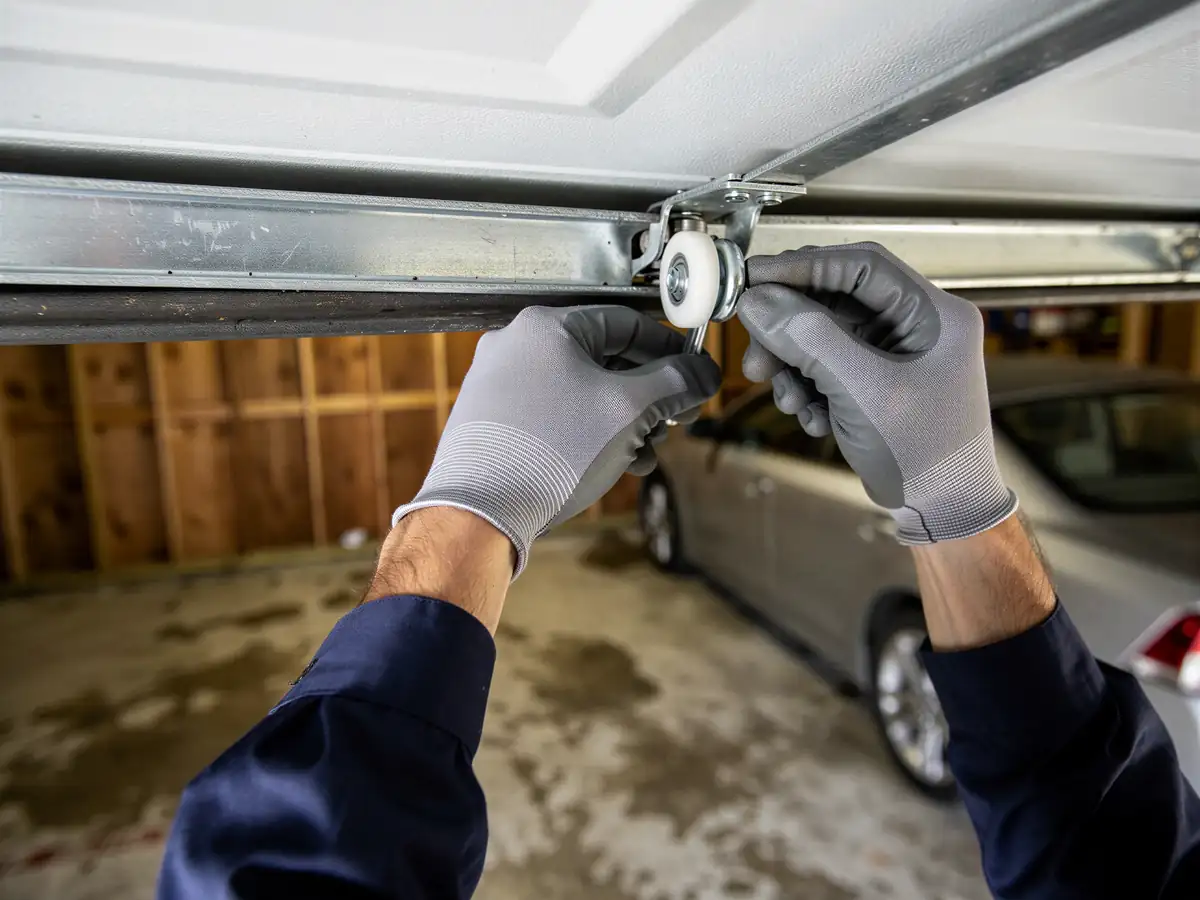
Given the severe cold winters this area sees, we check more than the broken part - a spring failure in January is often a symptom of hardware that's been stressed by temperature swings for years, so we'll look at rollers, cables, and the opener's force settings while we're there. We stock common torsion spring sizes and standard opener parts on the truck; anything specialty, like a board for an obsolete opener model, may mean a return trip once it's ordered. That's the one real limitation worth knowing up front - we'd rather tell you that than promise a same-visit fix we can't deliver.