Can You Do This Yourself
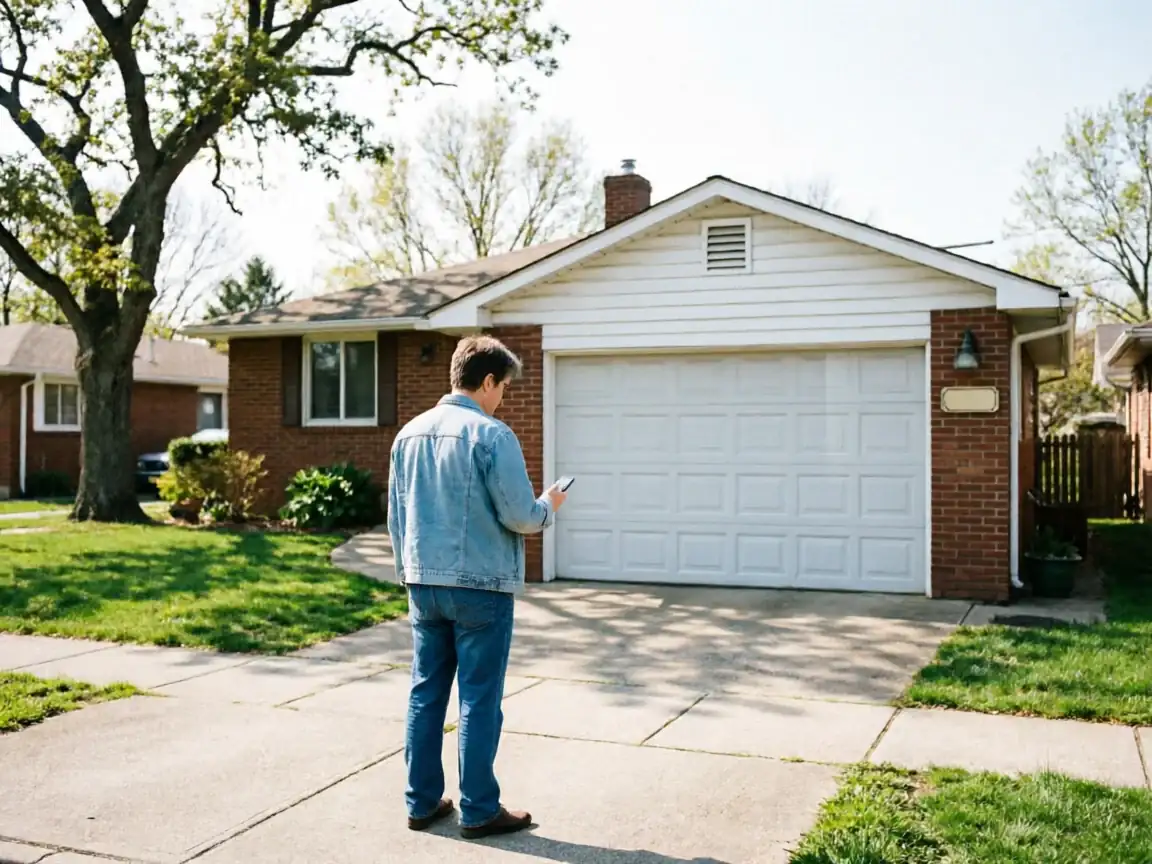
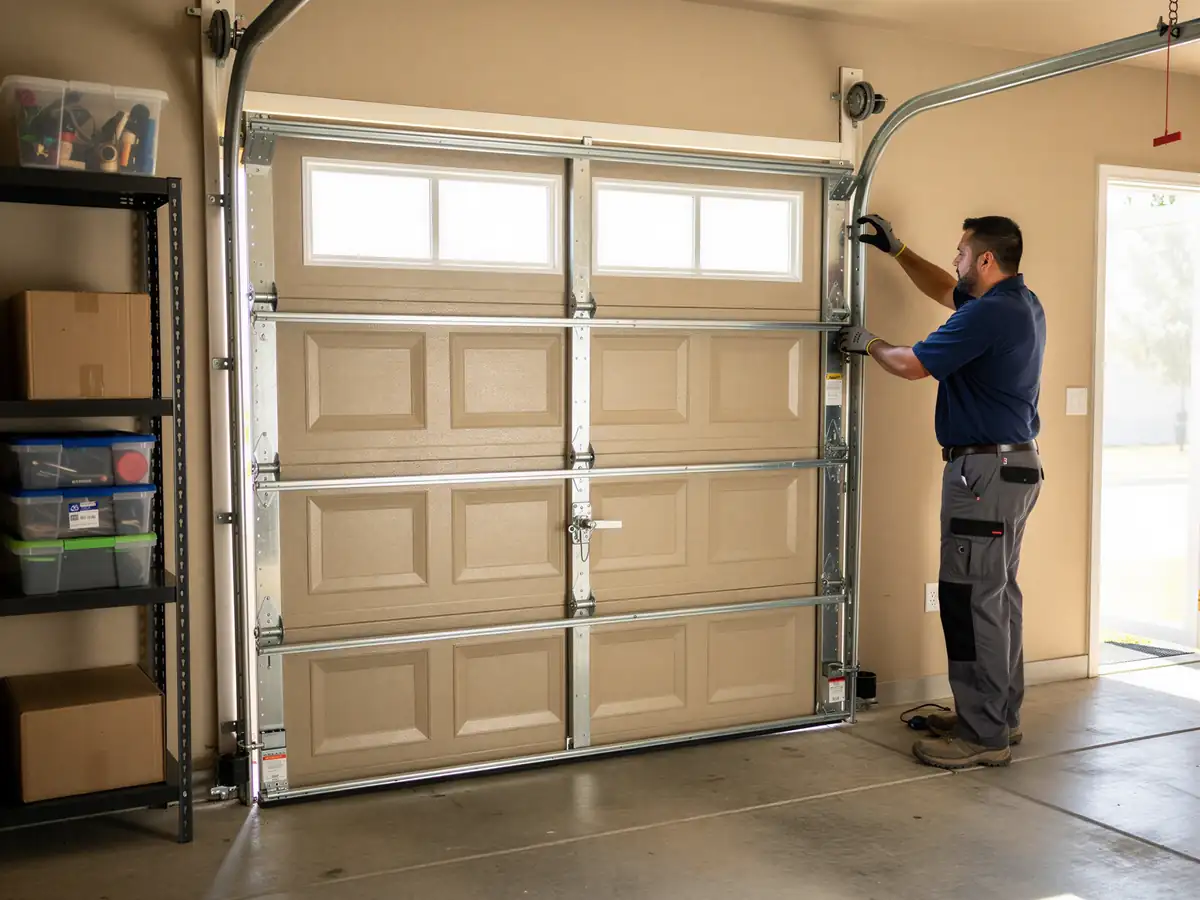
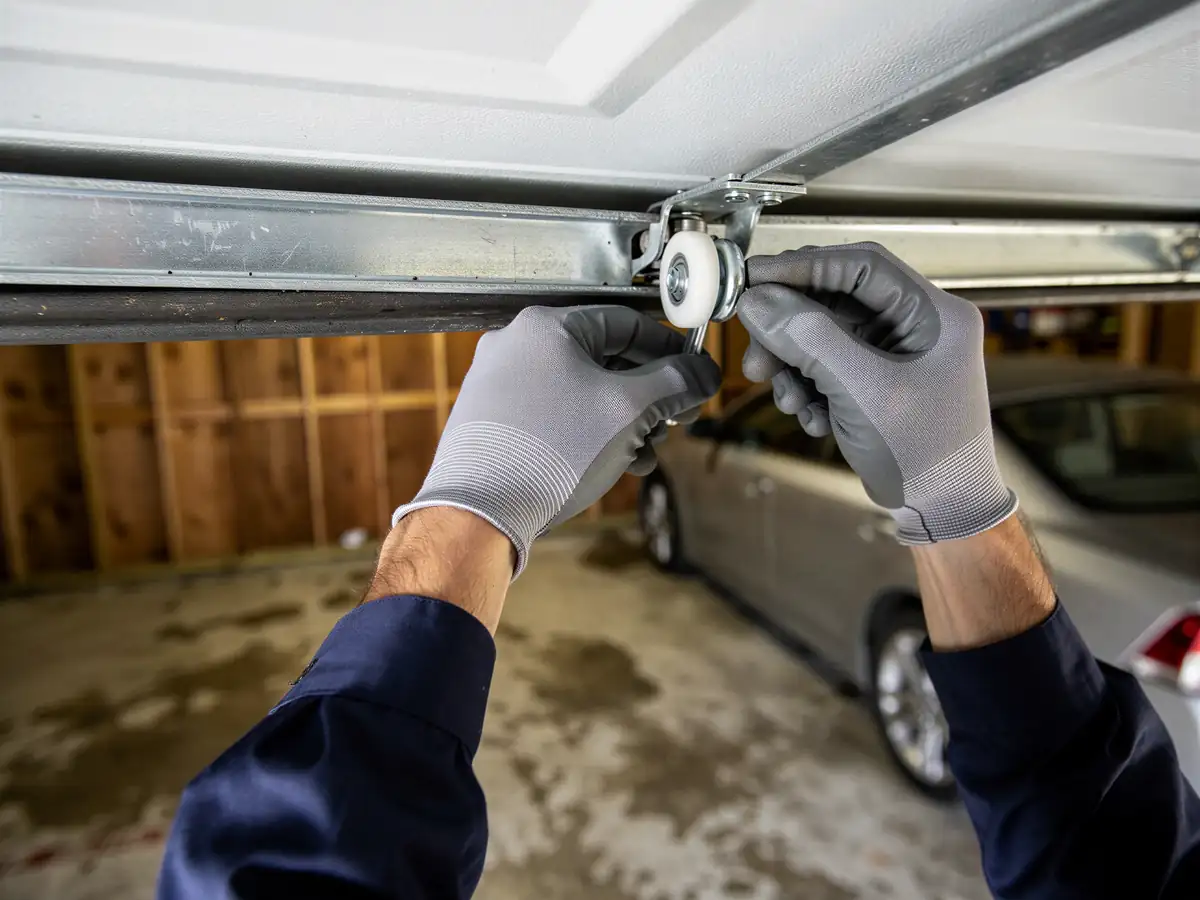
Swapping rollers is one of the few garage door jobs a careful homeowner can actually do. If your door was put up around the early 1980s, which covers a lot of houses in this part of Hartland, you're likely dealing with steel rollers riding directly in a galvanized track with no ball bearing at all. Pulling the old ones and dropping in sealed nylon rollers is mostly a socket wrench and patience.
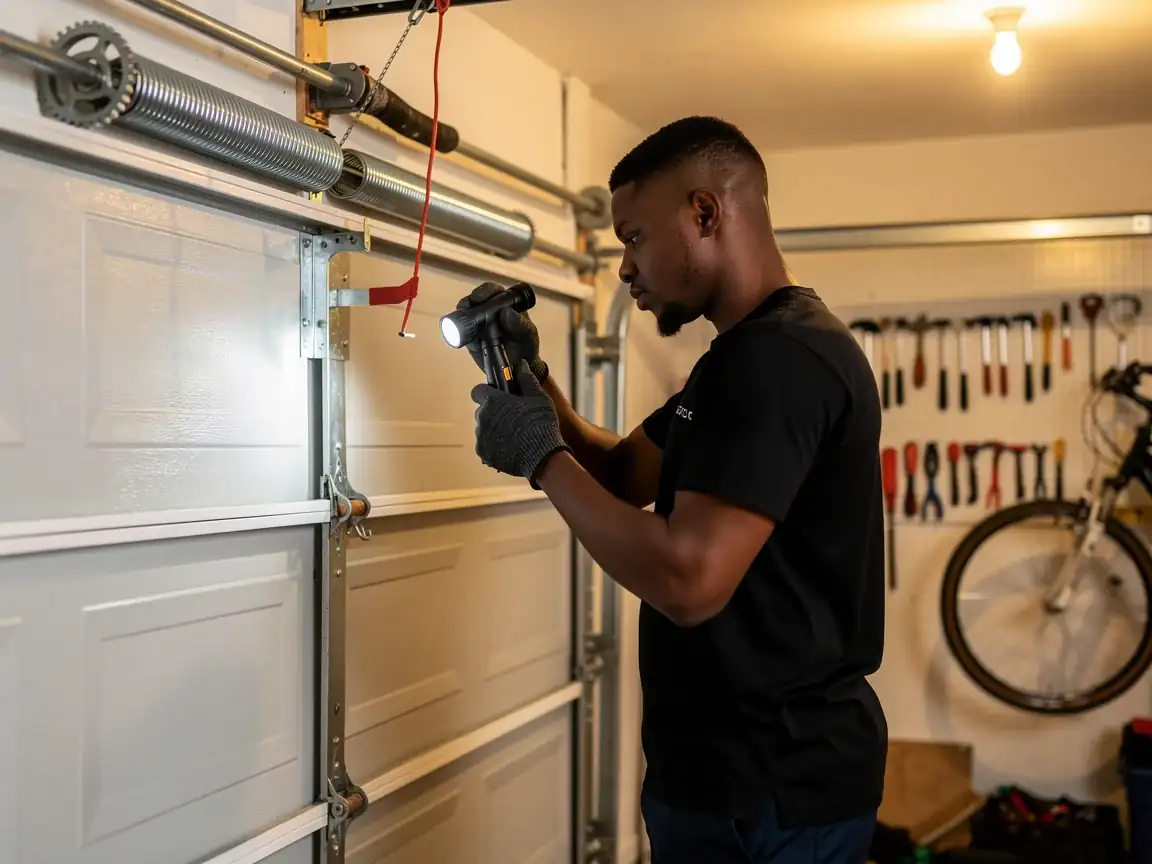
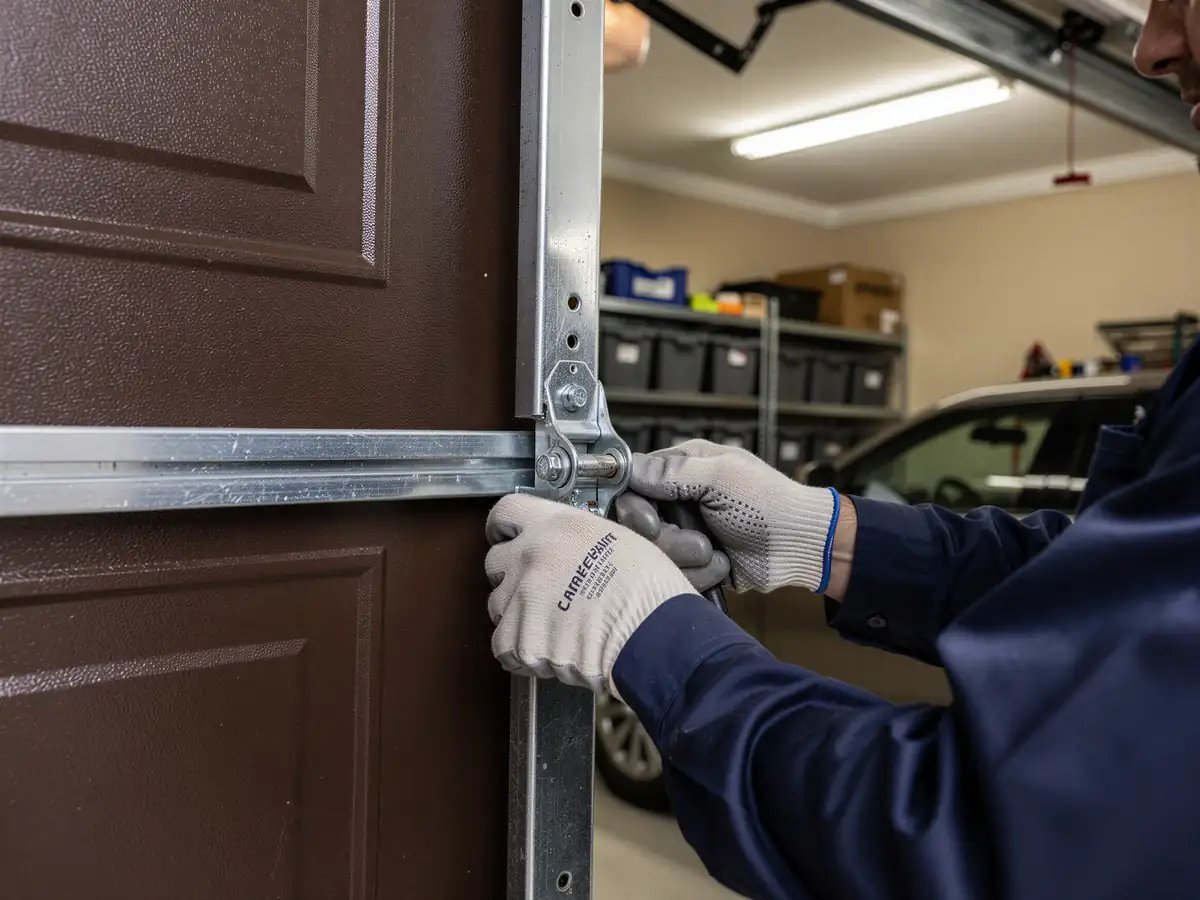
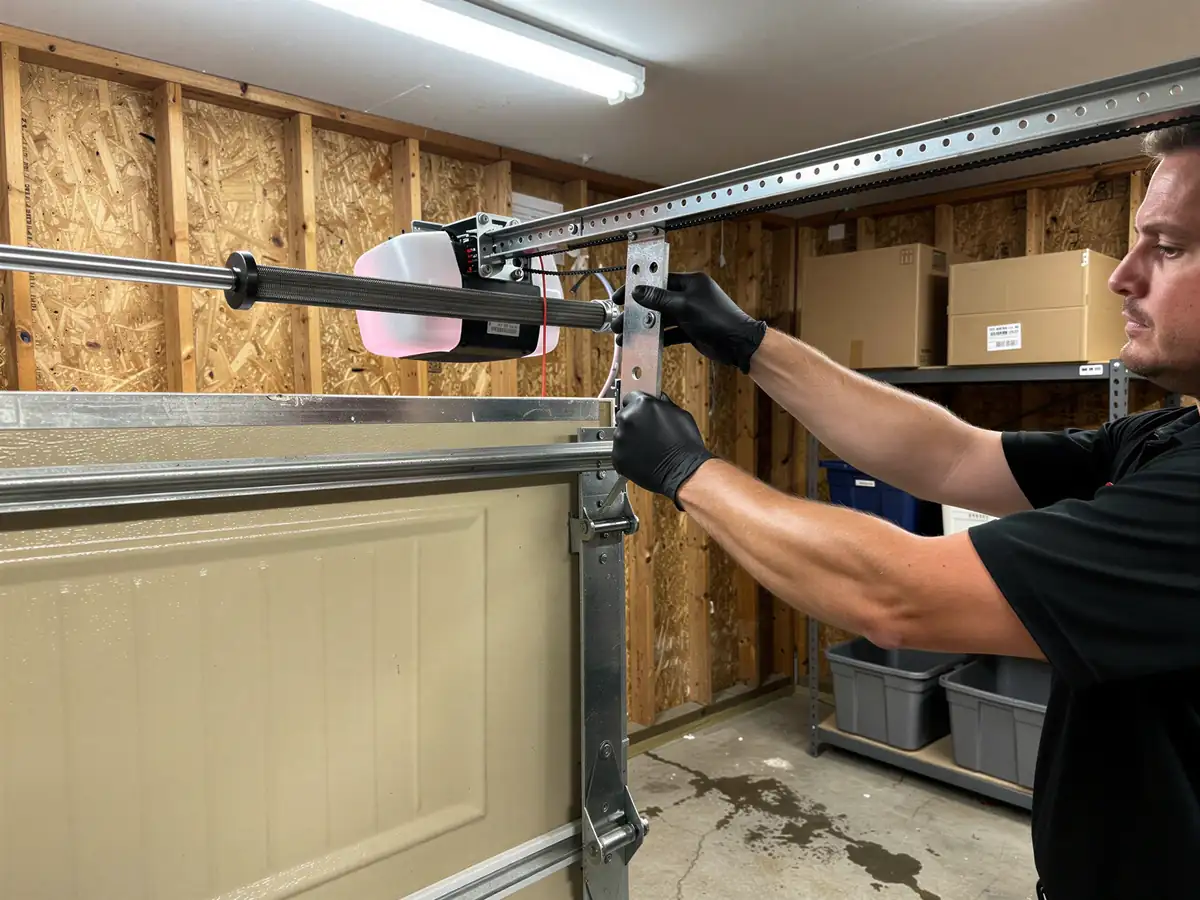
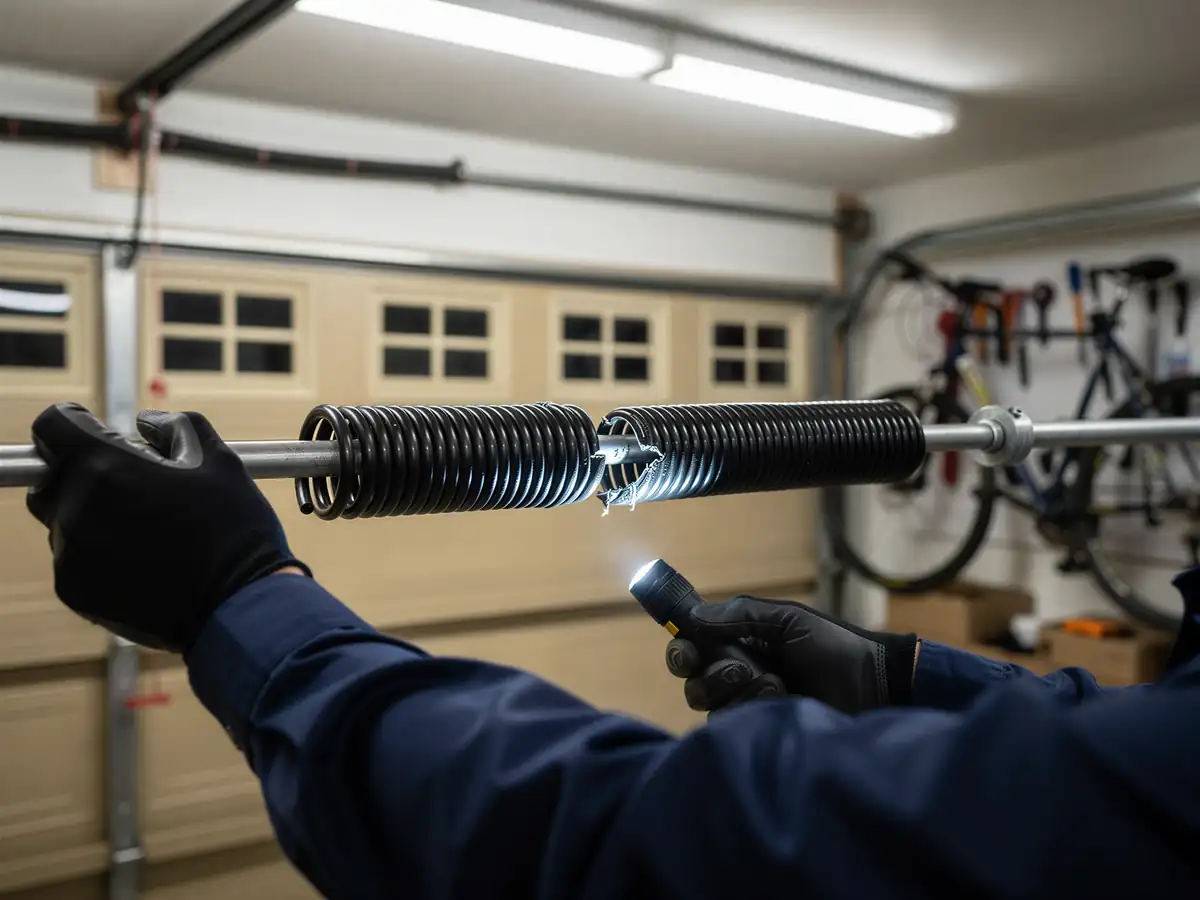
Where people get hurt is the bottom section. The bottom roller sits inside the track right where the cable drum and spring are under load, and if the door isn't secured with vice grips above the bottom roller bracket before you touch it, a door that looks parked can still drop. If your opener has a torsion spring over the header rather than extension springs along the horizontal track, that's a two-person job at minimum and we'd rather you call than guess.
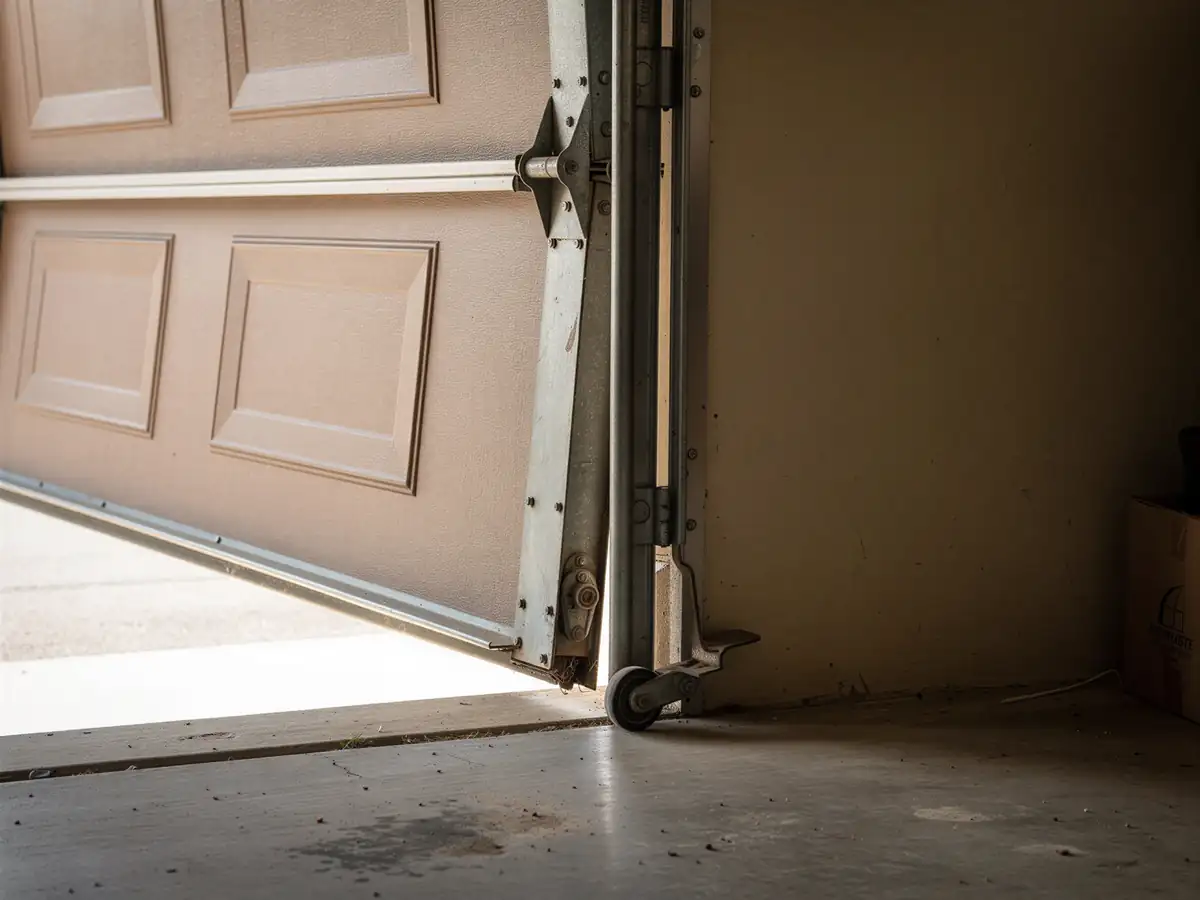
The honest limit here: if the track itself is bent or the rollers have chewed a groove into galvanized steel that's showing rust, a roller swap won't fix a door that's already out of plumb. At that point you're paying for rollers twice.
Where This Job Goes Sideways
The common mistake on doors from this era is mixing roller stem lengths. A lot of 1982-vintage track hardware uses a 4-inch stem on the bottom rollers and a shorter stem up top, and homeowners buy one size for the whole set because the box at the hardware store doesn't say which is which. Wrong stem length means the roller rides against the bracket edge instead of centered in the track, which sounds like a grinding squeal within a month.
Cold is the other failure point here. Wisconsin winters stiffen old nylon and crack dry steel rollers that haven't had grease applied in years, and a roller that's already cracked at the hub can shear clean off mid-cycle on a sub-zero morning, dropping that corner of the door onto the track lip. We see this more on original hardware than on anything replaced in the last decade, which tracks with how much of the stock here still dates to that build period.
The other sideways moment: stripped track bolts. Track brackets on houses this age are often still the originals, and the sheet metal around the bolt holes has fatigued. Pull a bracket to change the roller and the hole tears out, and now it's a track repair, not a roller swap.
What It Costs
We don't post a flat number here because roller jobs split into two very different scopes depending on what's underneath
A straightforward swap of 8-10 rollers on a door that's otherwise sound is the cheaper end of any roller job we quote. A job where a bracket pulls loose, or where the stem length turns out wrong and we're sourcing a second set, runs longer and costs more because of the extra trip to match hardware.
What we can tell you is the factors that move the number for a Hartland house specifically
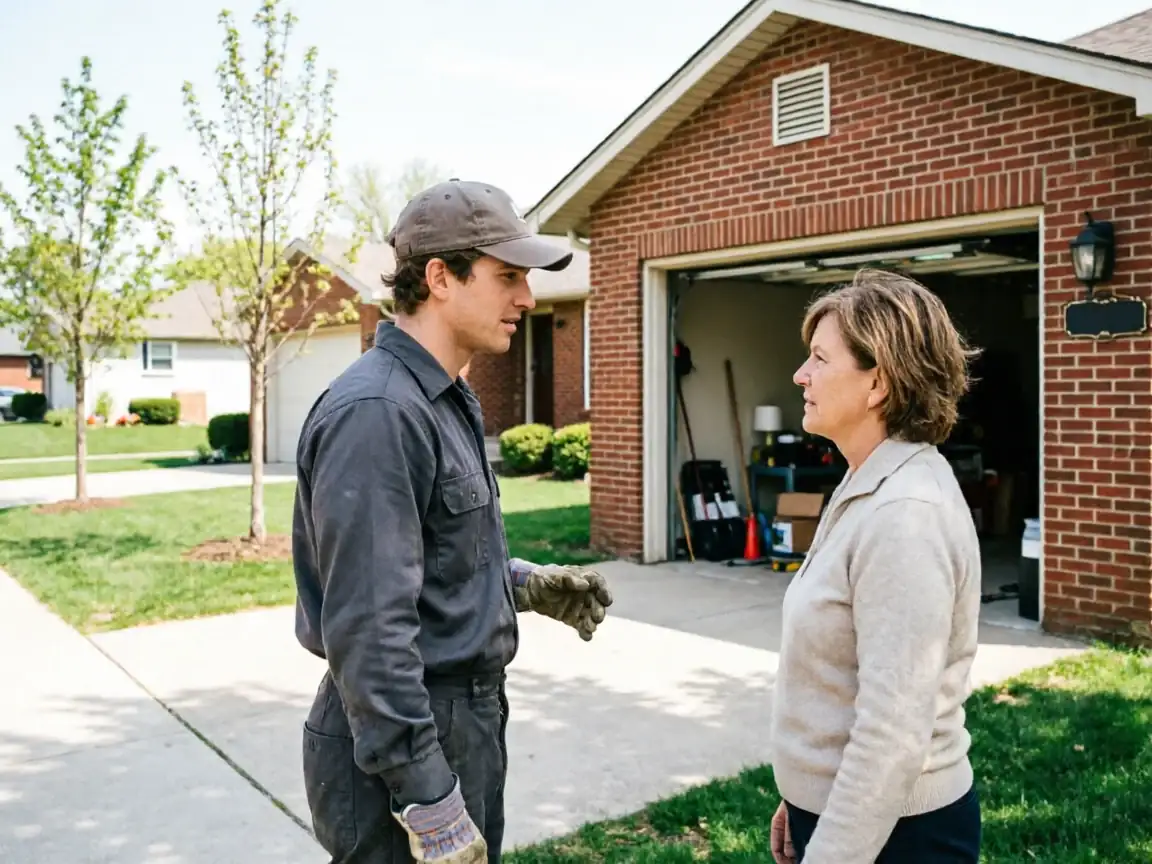
Whether the track hardware is original to a build from the 1982 era (more wear, more brittle metal, higher odds of a surprise), how many of the rollers are steel versus already-replaced nylon, and whether the bottom brackets need re-anchoring. We quote after a look at the door, not off a phone description, because guessing on hardware age from a phone call gets the number wrong in both directions.
What the Repair Takes
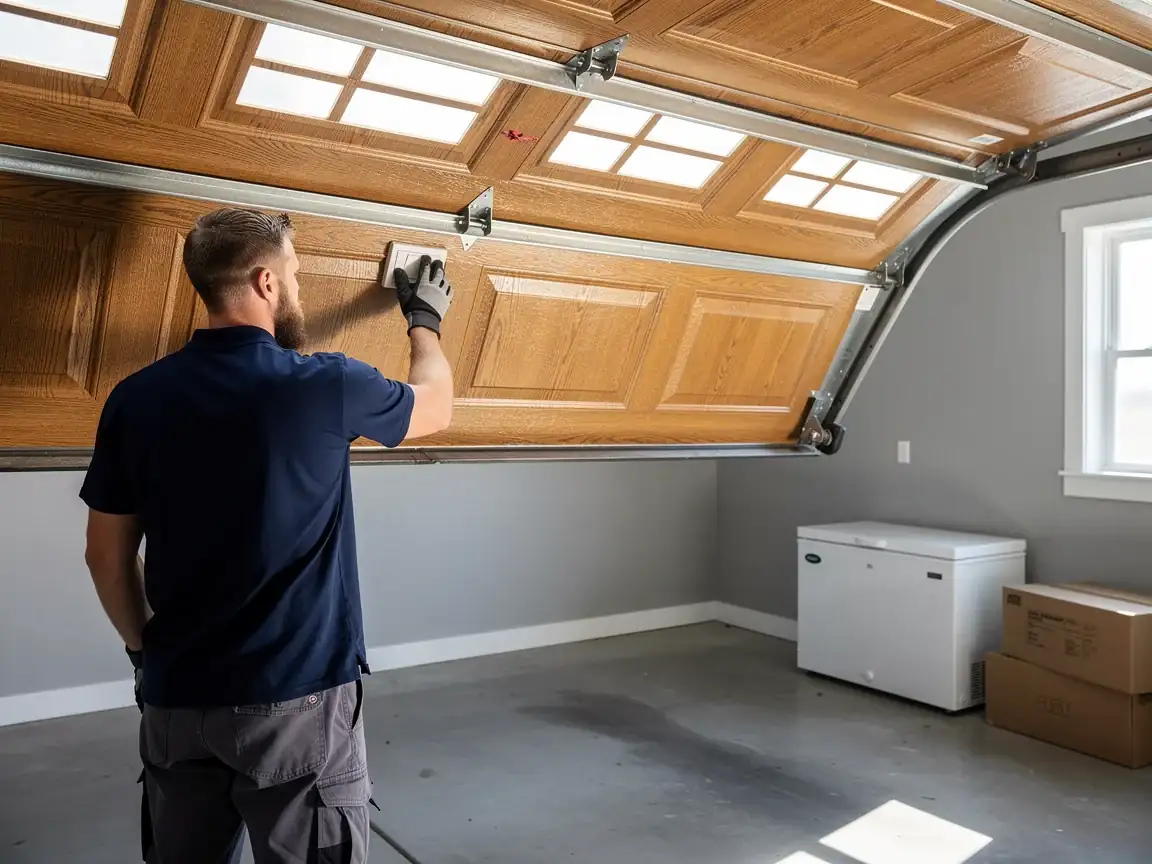
We run this job out of Waukesha, about 8 miles down to Hartland, and we bring a stocked truck rather than guessing rollers on site, since original-era steel and current nylon rollers aren't interchangeable without checking stem length first. For a standard double door with full-width rollers, we're usually done within a couple of hours door to door once we're on site, track cleaned, rollers greased at the stem, and the door cycled a few times to check for drag before we call it finished.
If the job turns up a cracked bracket or a track section that's pulled away from the jamb, that adds time because we're not leaving a door that binds halfway through a cycle, especially heading into a Wisconsin winter when a door that's already tight will seize the first hard freeze. We'd rather tell you that on site and fix it right than hand back a door that fails again in January.