Can You Do This Yourself
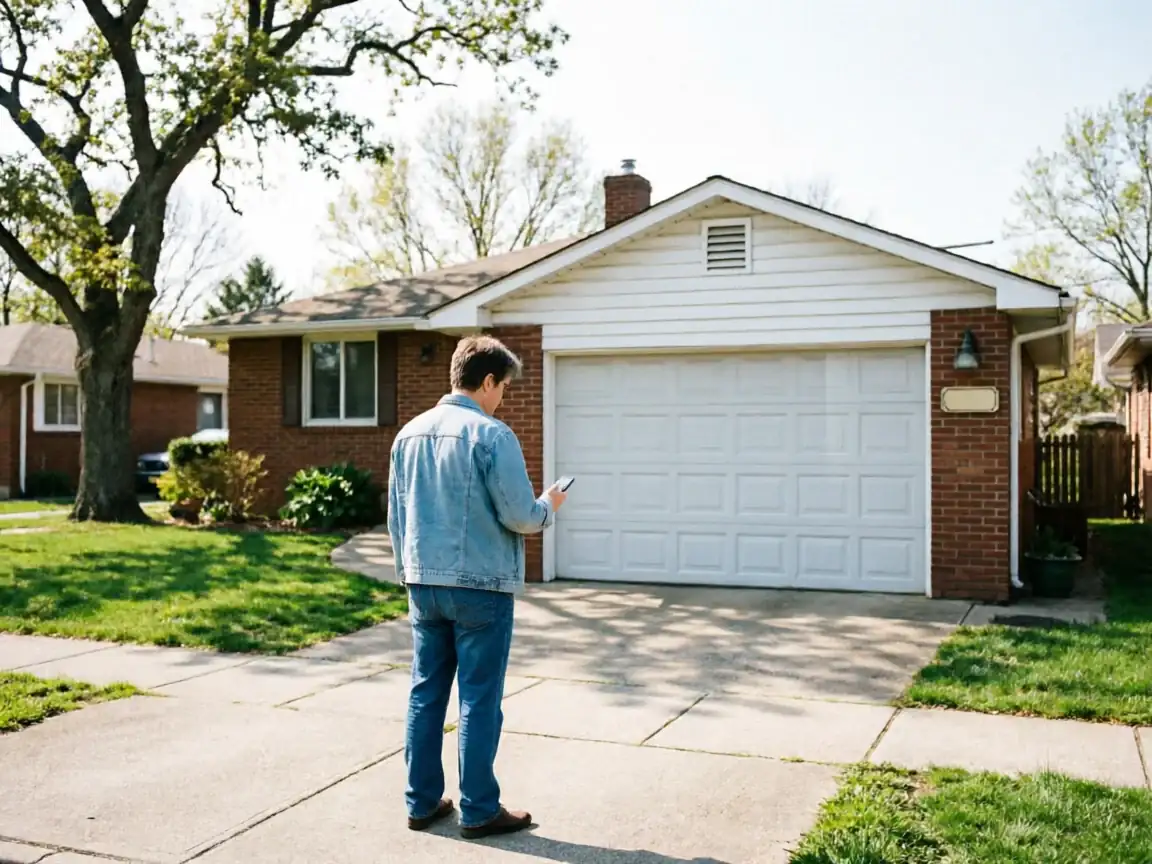
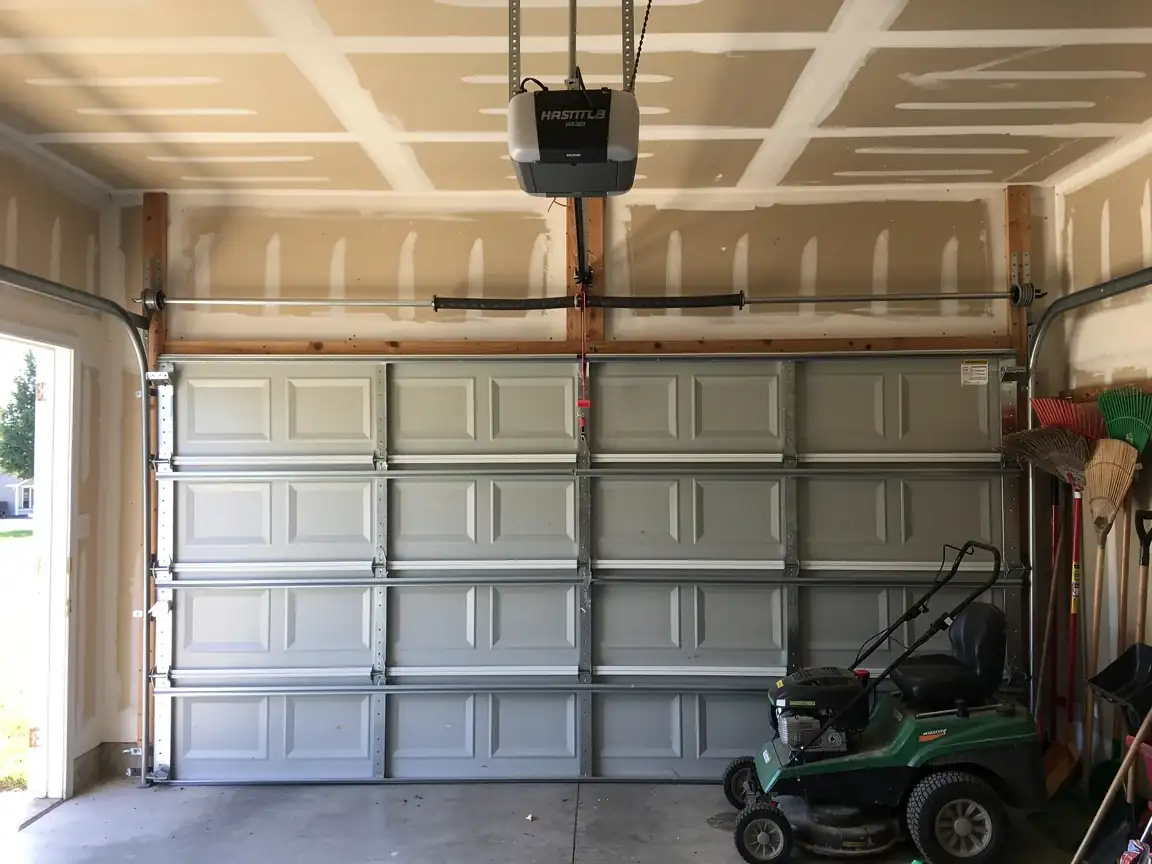
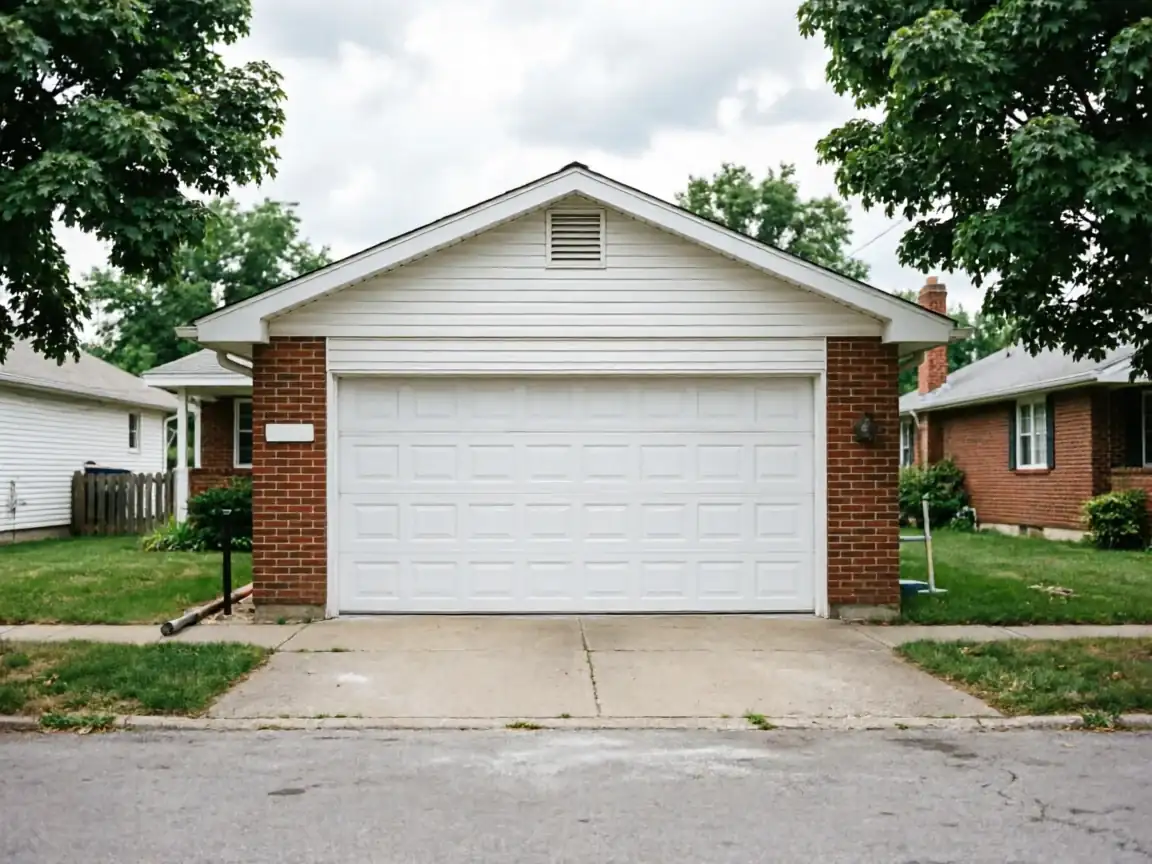
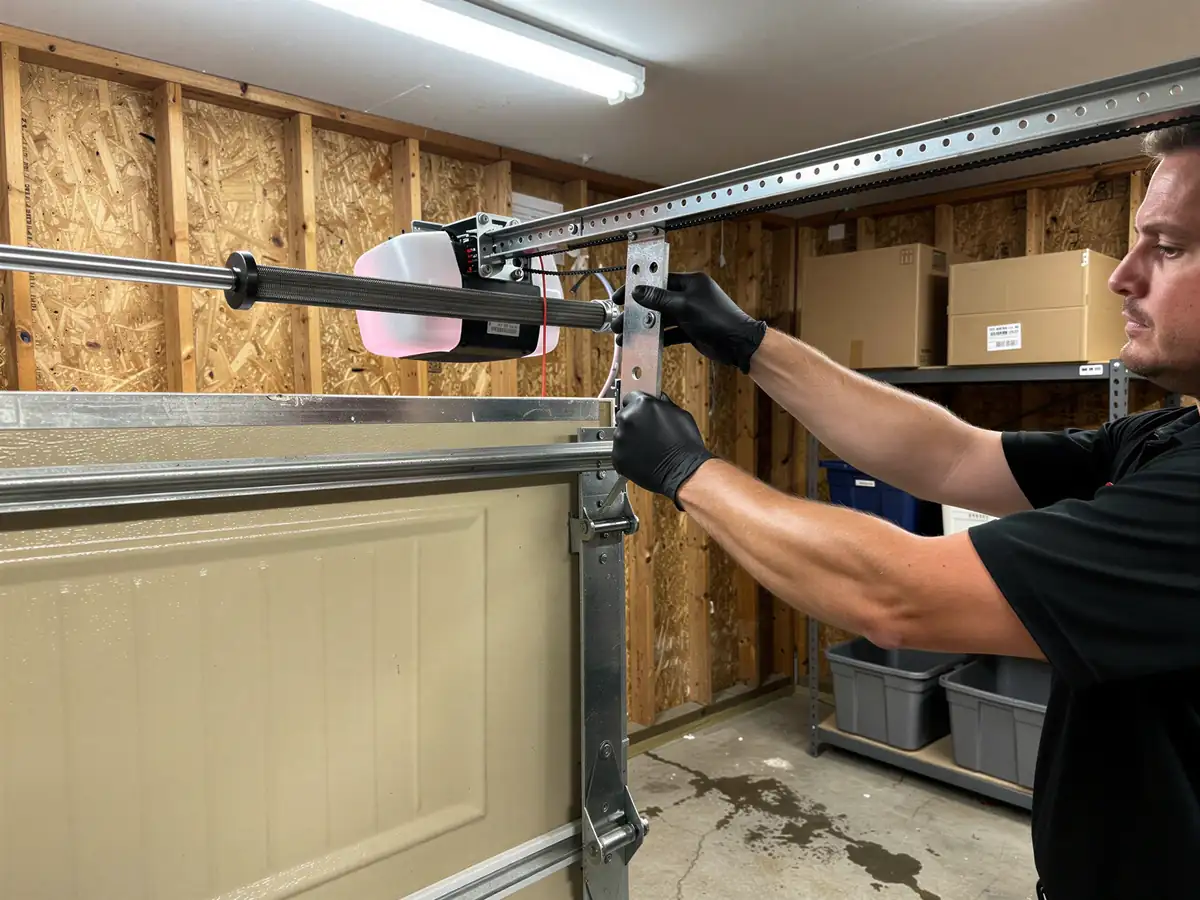
Hartland's housing stock centers on a median build year of 1982, a few years newer than the 1979 median across the wider service area we cover. That gap matters more than it sounds: garages built in that window usually came with a chain-drive opener already wired to 110V on a dedicated circuit, and the bracket, header, and rail length were sized for the doors of that era. If you're swapping a dead unit for a new one on the same mounting points, a handy homeowner can do a straight swap in an afternoon - mounting the head unit, running the rail, setting travel limits.
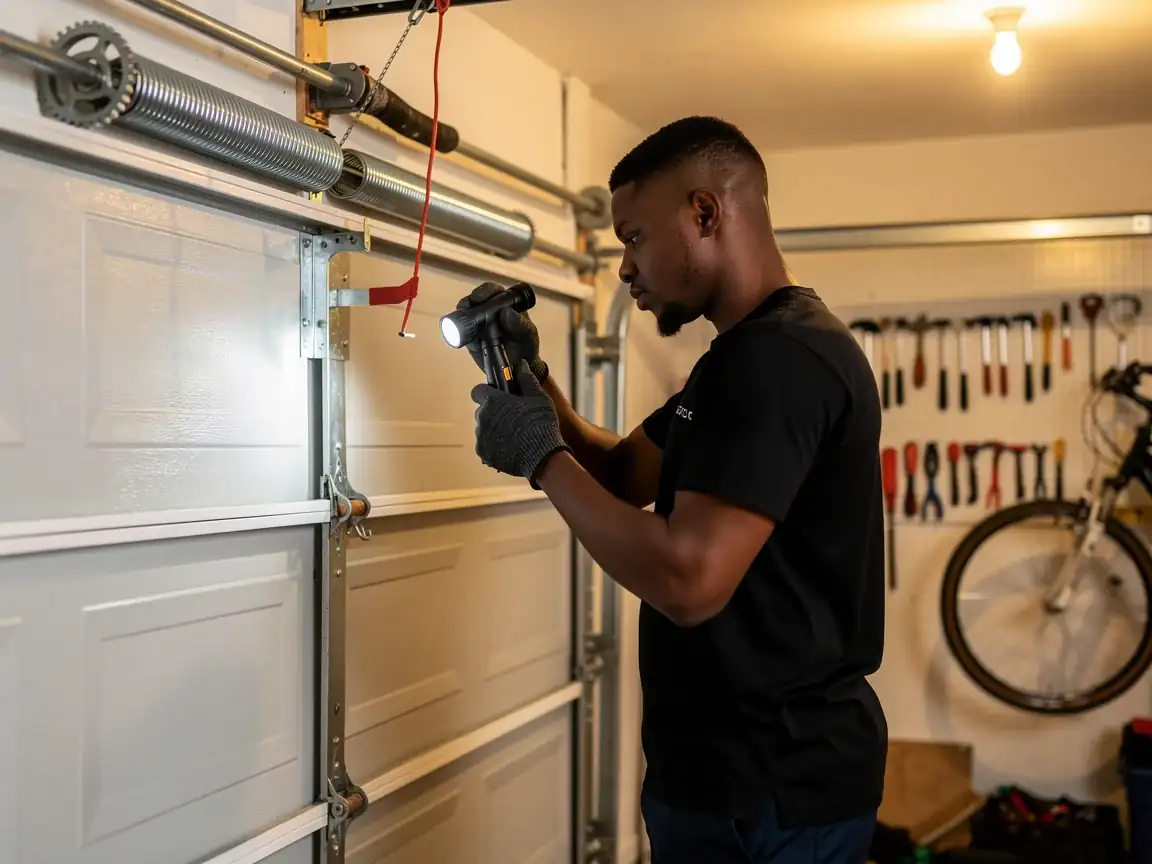
Where it stops being a weekend job is the safety side. Every opener sold today needs a working photo-eye sensor pair and a force setting that won't crush a hand or a bumper, and getting that wrong on a door that's heavier or older than the opener's rated weight is how people get hurt. If your garage is unheated - common in this area - you also want an opener motor rated for sustained cold, not a big-box unit built for a milder climate. That's a spec sheet decision, not a guess.
We're honest that we don't do warranty work on openers bought elsewhere and installed by someone else; if the install wasn't ours, troubleshooting it from scratch costs the same as a fresh job.
Where This Job Goes Sideways
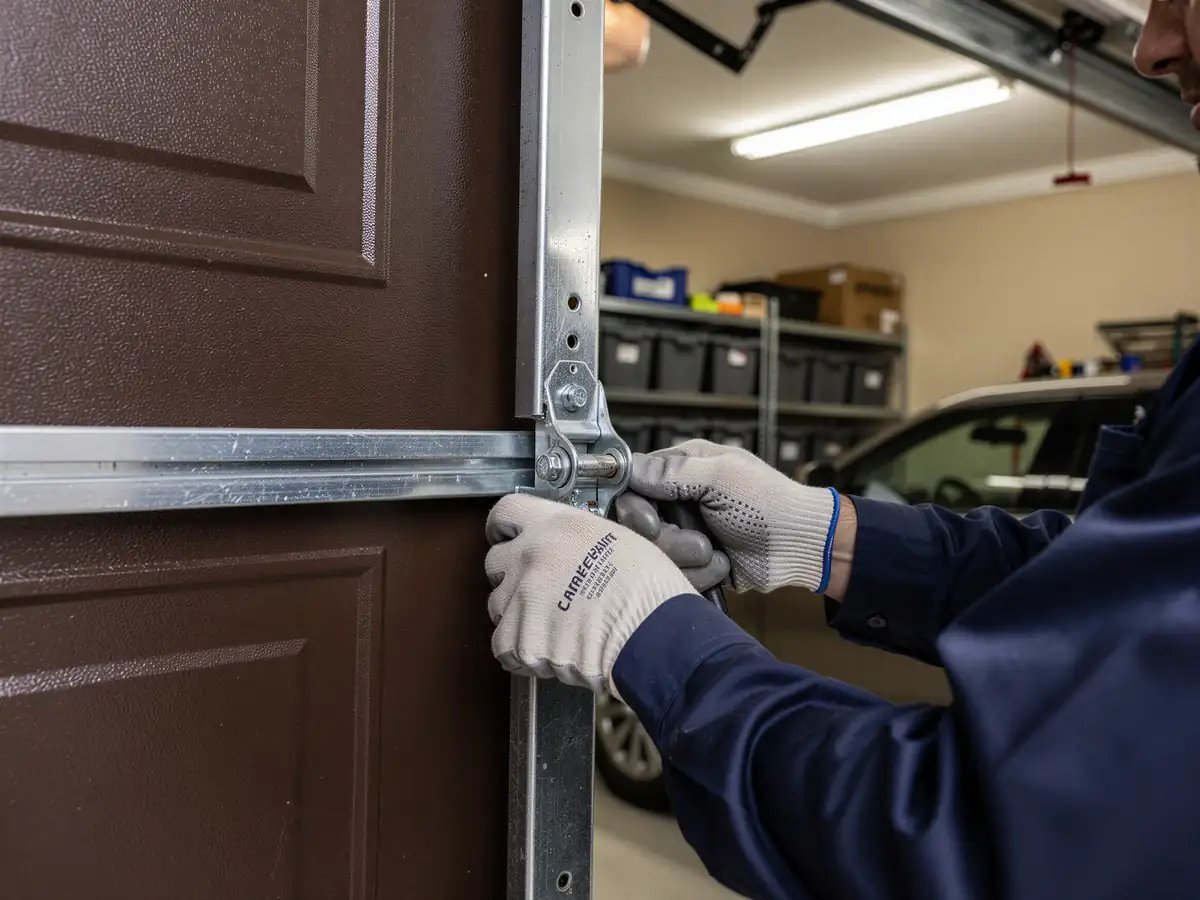
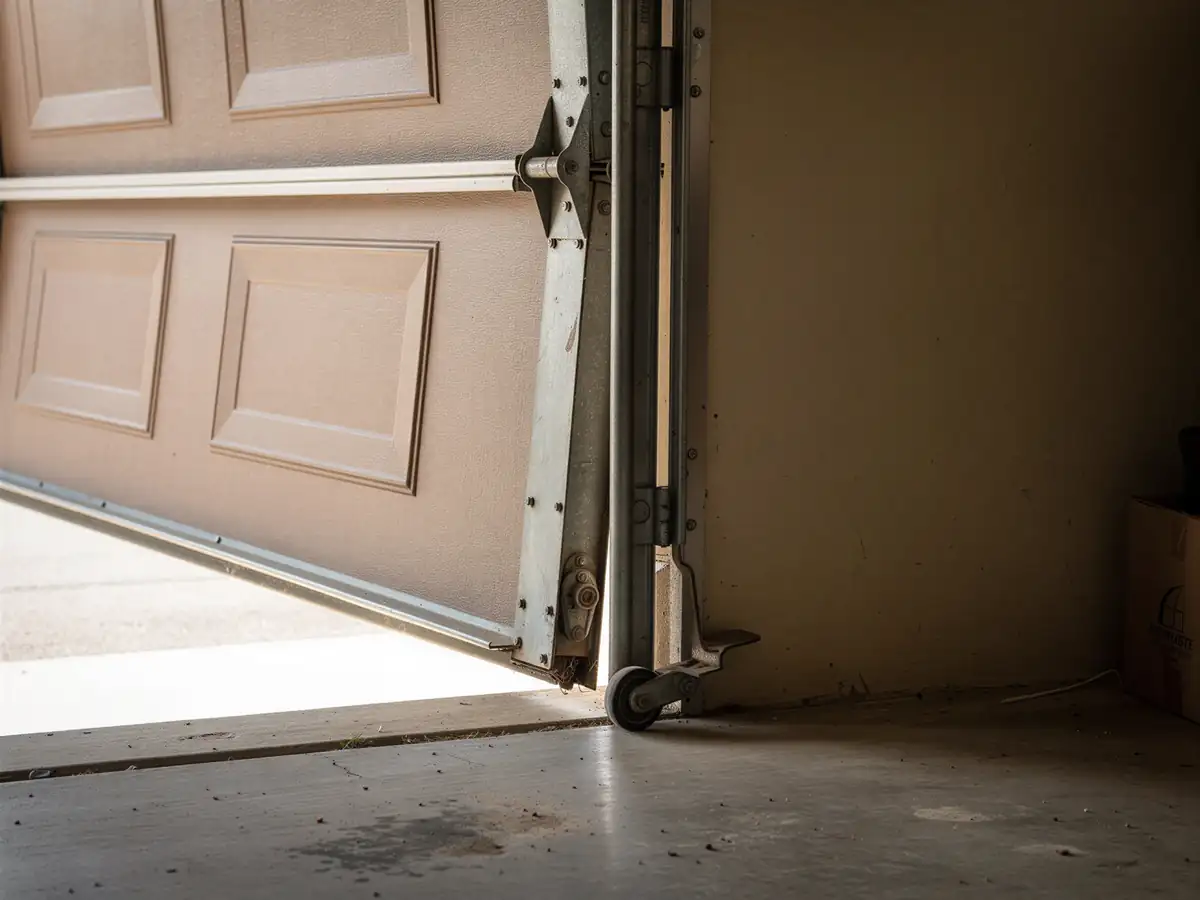
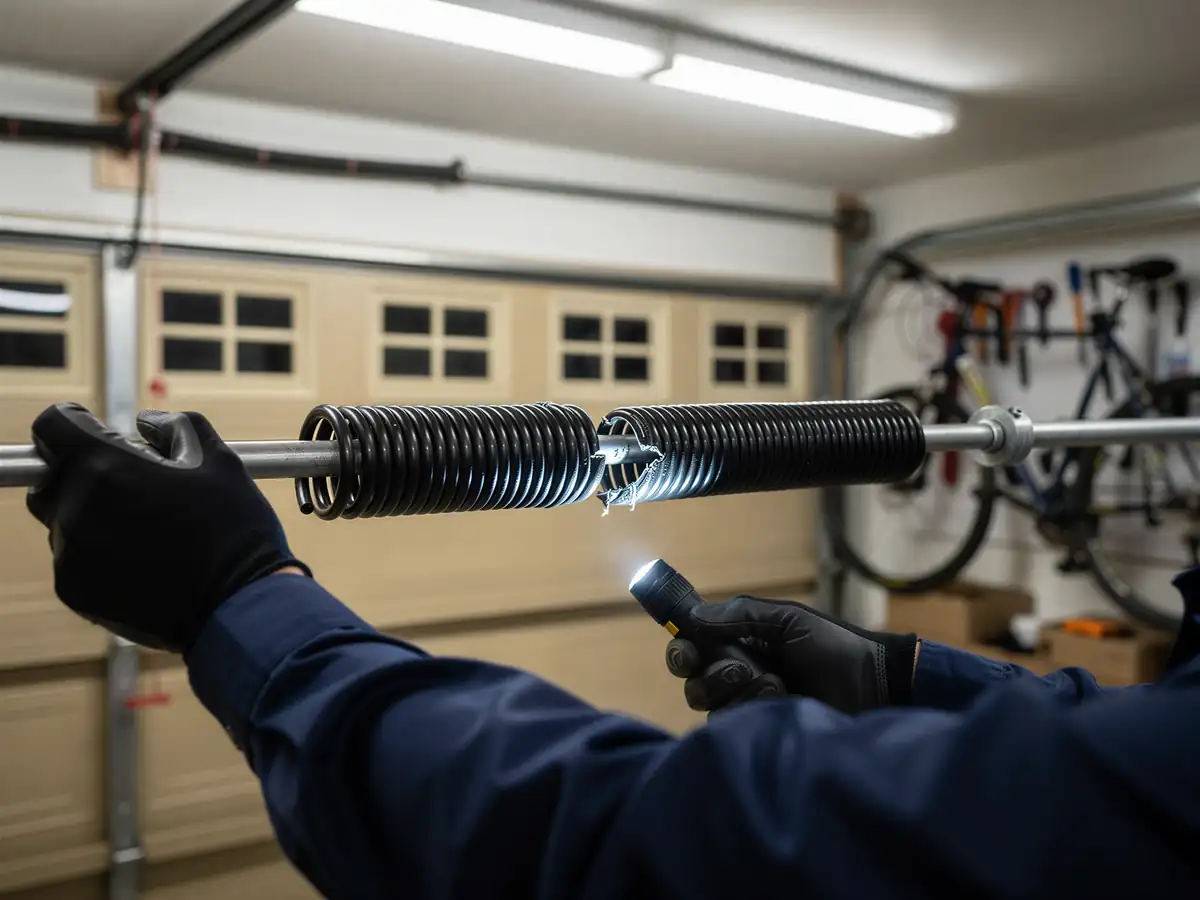
The failure we see most in this area isn't the opener itself - it's mismatched hardware left over from the original 1980s build. A new opener bolted to a header that's sagged over forty years, or a rail aligned to a track that's shifted half an inch, will run rough and burn out the gears inside a year. On a cold-climate build like this, grease in an old track also stiffens hard below freezing, so an opener fighting that resistance reads as underpowered when the real problem is drag in the track.
The other spot people miss: with a median income of $87,297 in Hartland - below the $108,690 median for the broader service area - a lot of owners reasonably shop for the cheapest opener online and install it themselves, then find out the sensor kit doesn't match their door height or the rail length is wrong for their ceiling clearance. Returns and mismatches add weeks, not days, when you're waiting on the right part to ship.
We travel the 8 miles out from our Waukesha shop for these jobs, so we plan one trip that covers measuring, fitting, and testing rather than a return visit for a part that didn't fit the first time.
What It Costs
We don't have a published price list to quote here
And giving you a number without seeing the door and the opener you want would be a guess dressed up as a fact. What we can tell you is what drives the cost on a job like this: whether you're replacing a working mount with a new motor (cheaper) or dealing with hardware that's sagged or shifted after decades of use (more labor), and whether the household wants a cold-rated motor built for sustained winter use rather than a standard-climate unit.
Given the income profile in Hartland
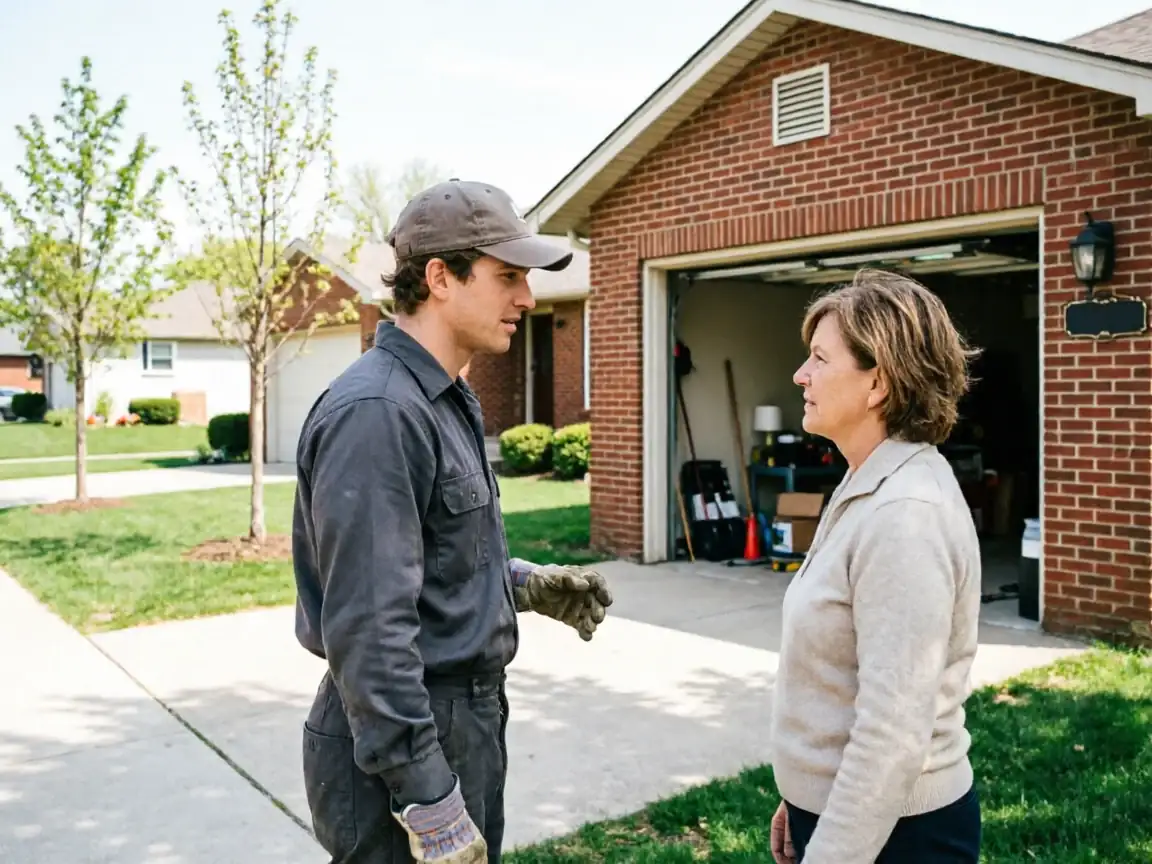
A median of $87,297, noticeably under the service-area median of $108,690 - we hear the cost question first, before the brand question. That's fair. The honest answer is we price the job once we've looked at the door, the header, and the existing wiring, not off a phone call alone.
What the Repair Takes
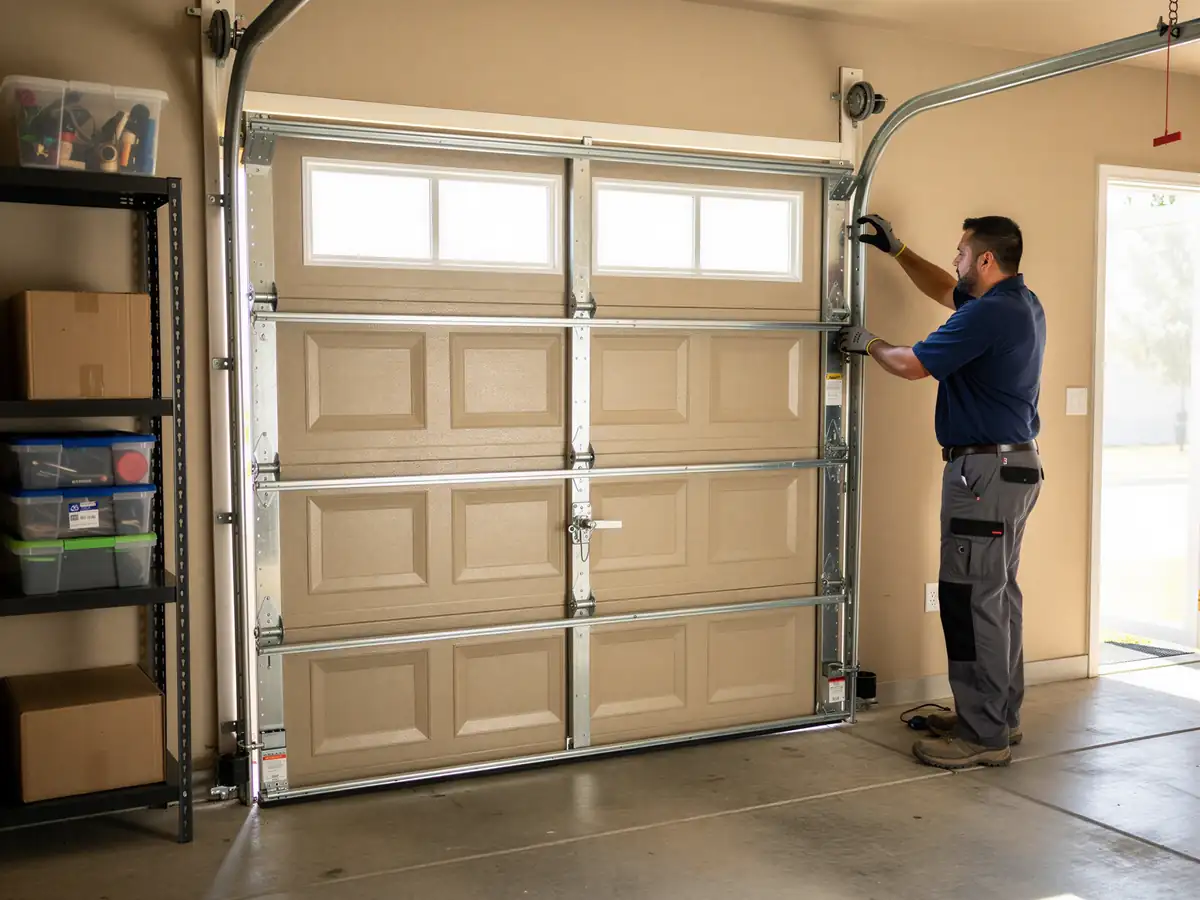
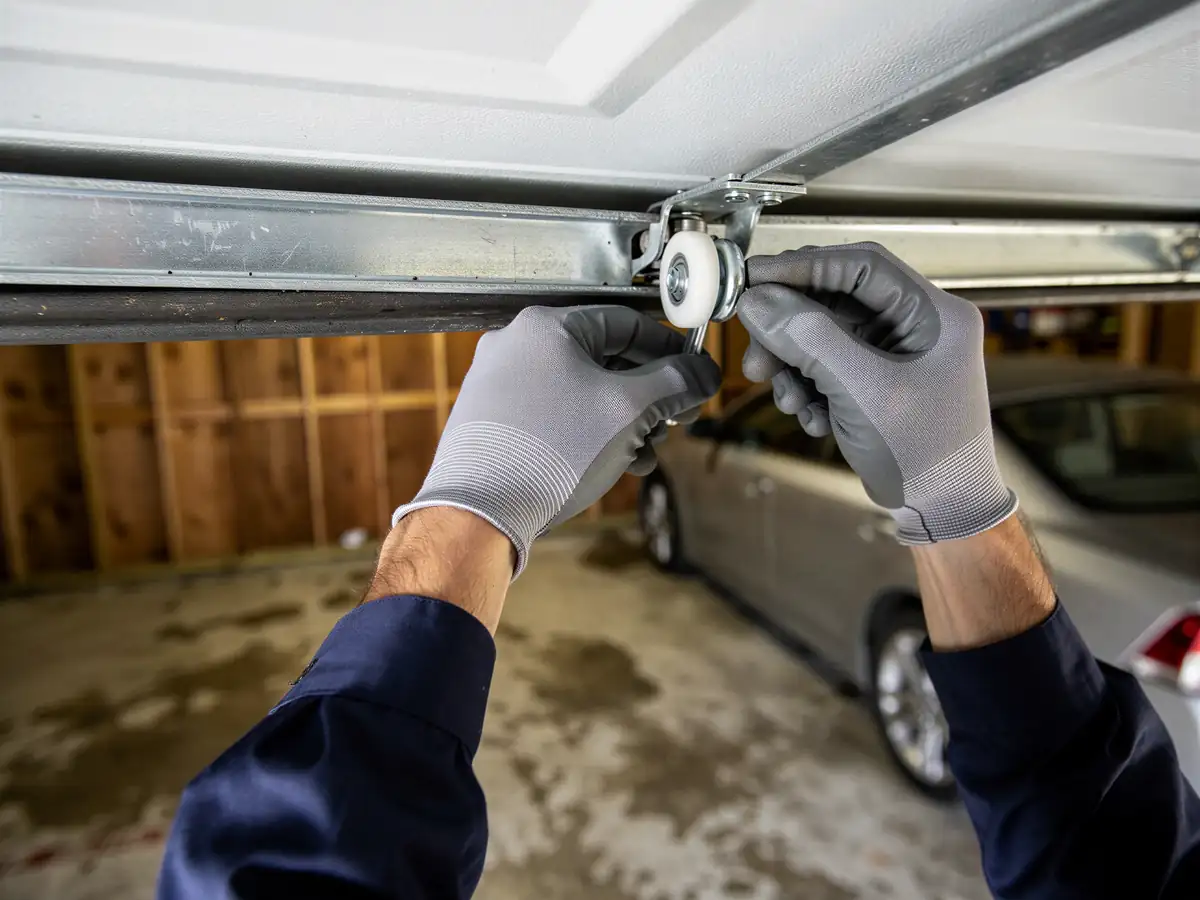
On a straightforward swap - same opener type, same rail length, hardware still sound - the install itself runs a single visit: old unit off the ceiling track, new head unit mounted, rail run and aligned, sensors set, force and travel limits tested on the actual door weight, not a factory default.
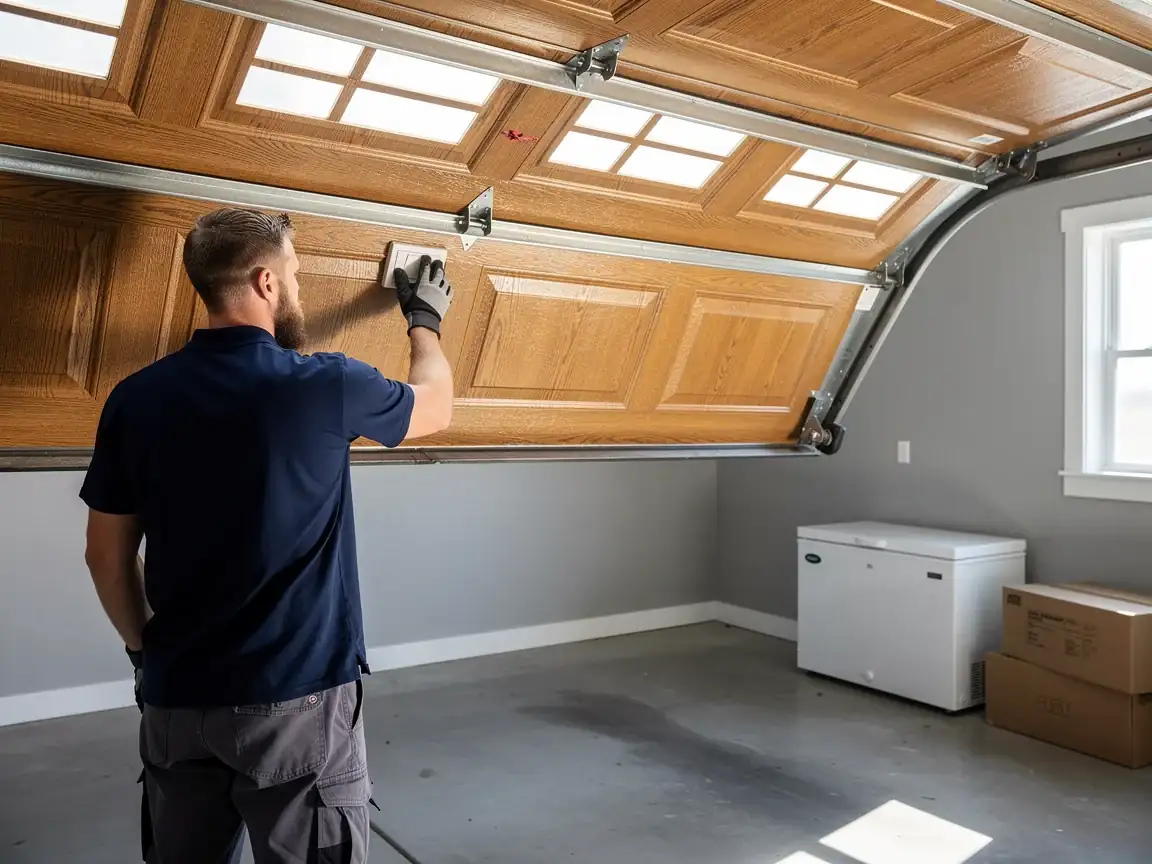
Where it takes longer is the header and track work that often comes with a house built around 1982: if the mounting point has sagged or the track needs squaring before the new opener can run true, that's extra time before the opener goes in, not after. We'd rather tell you that up front than have the unit running rough in six months because we rushed past it.
Cold-climate installs also mean we test the unit under load before we leave, not just on an empty door - a motor that lifts fine empty can bog down once it's fighting a cold, stiff spring on a January morning. We won't leave a job call it done until it's been run through a full cycle under real weight.