What It Costs
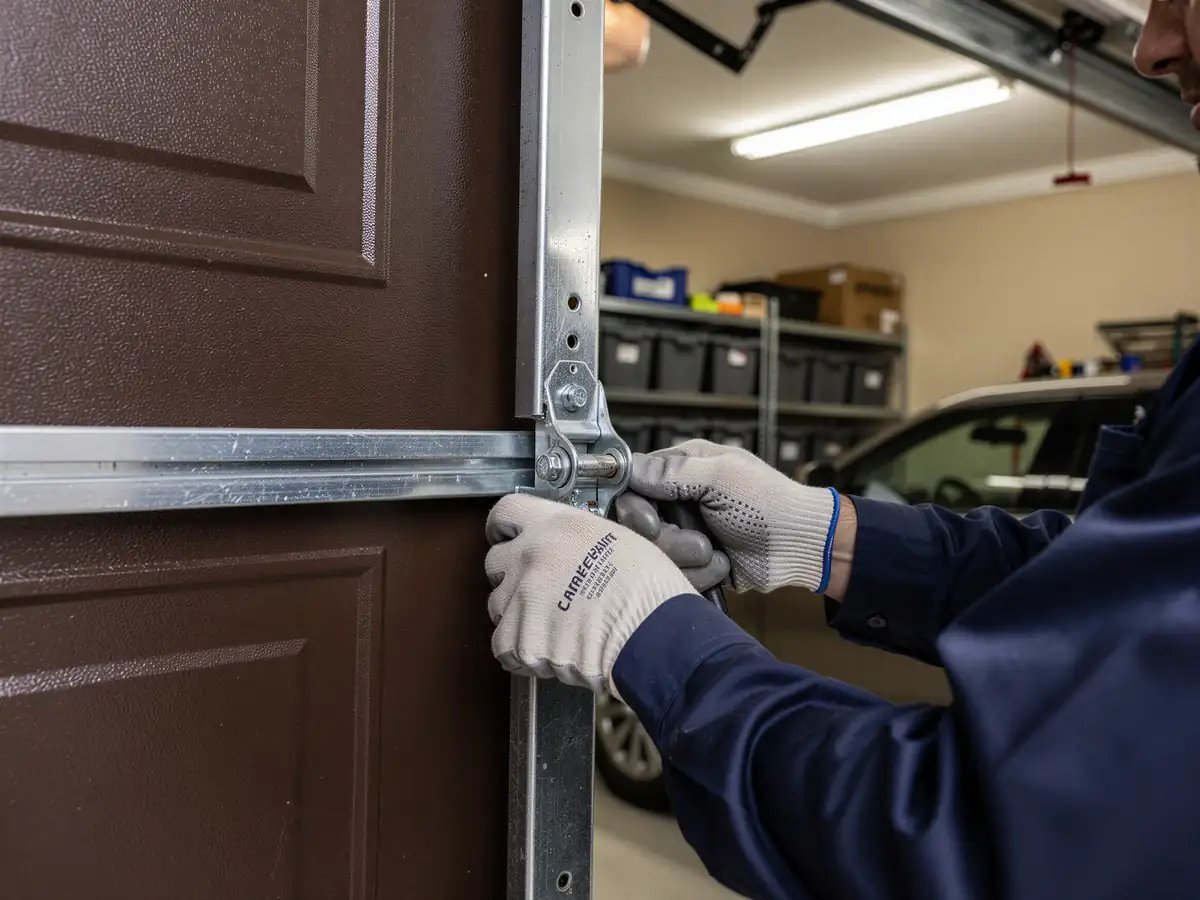
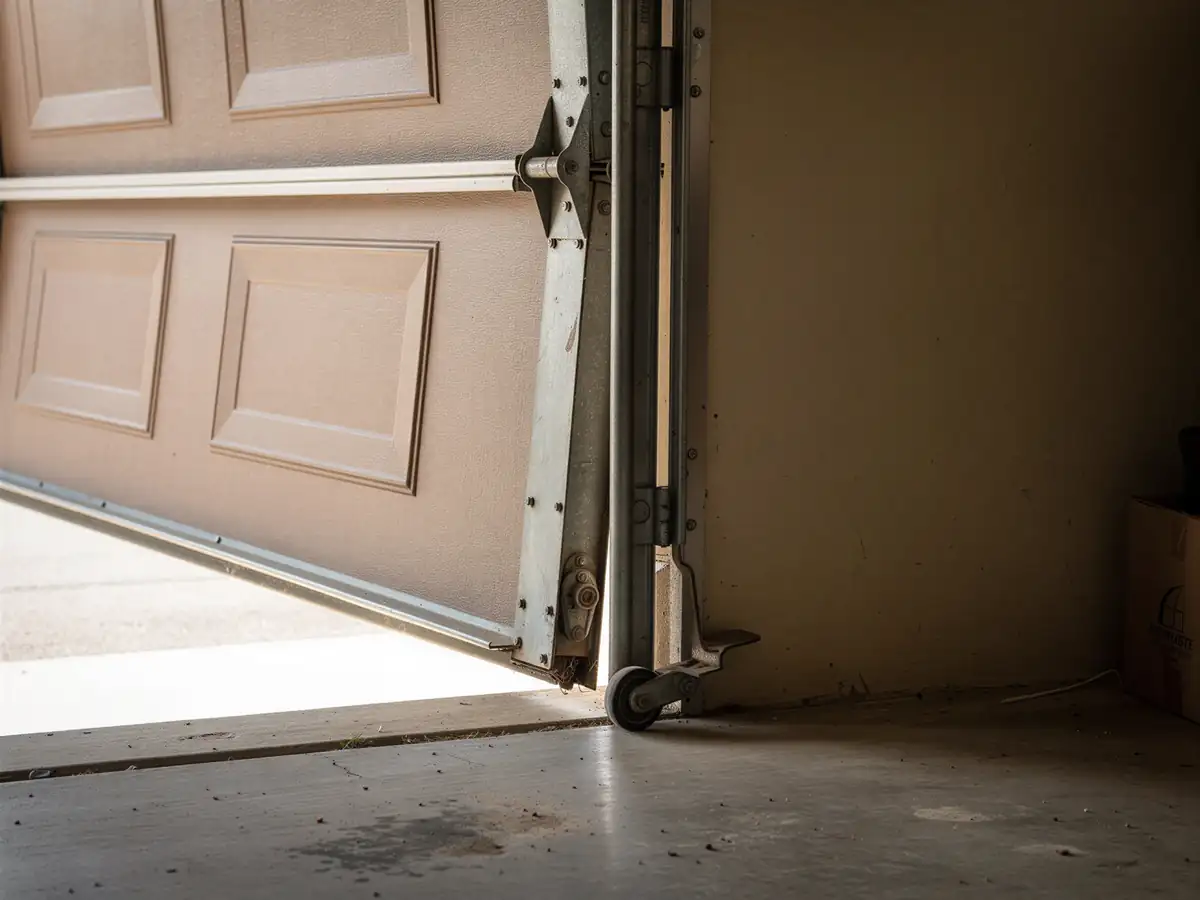
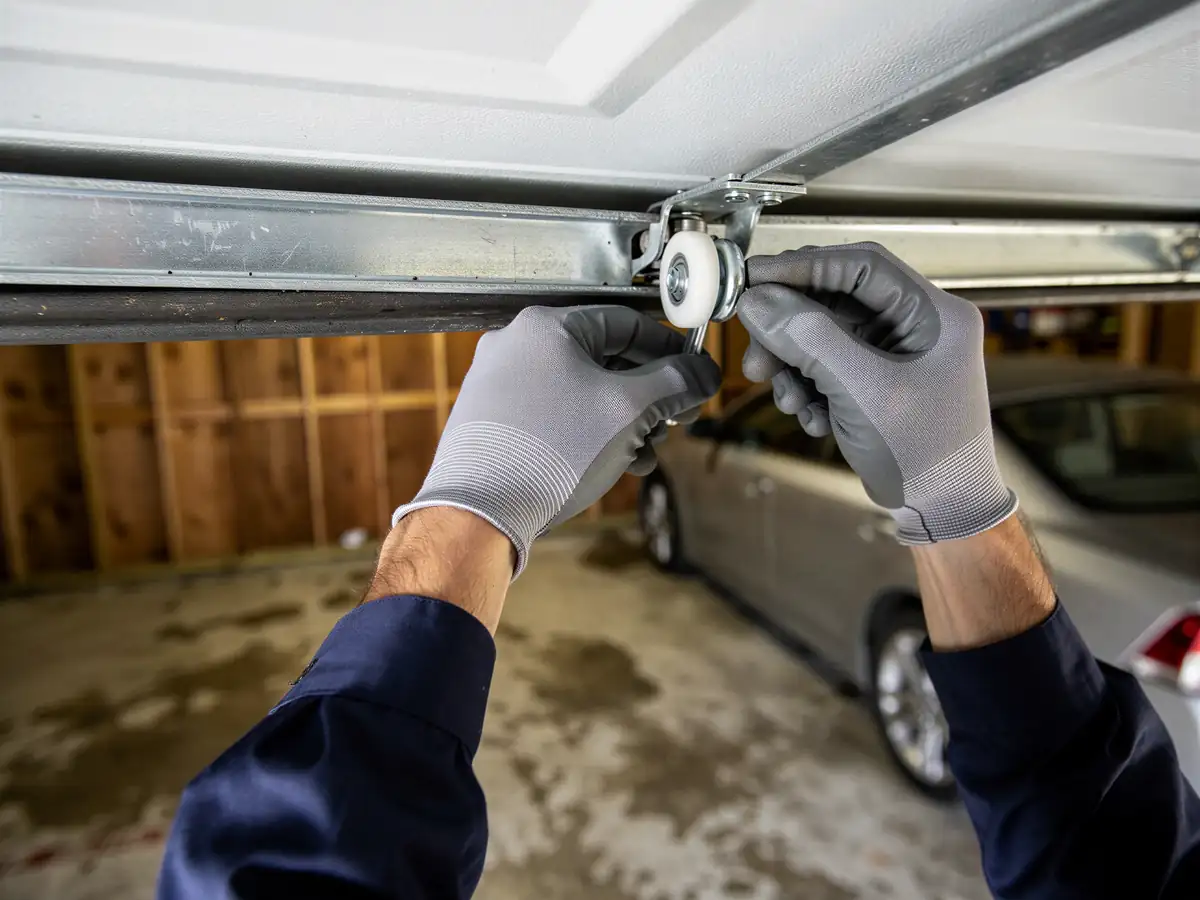
Muskego's median household income sits at $116,361, noticeably higher than the service area average of $108,690. That number matters for one decision every homeowner eventually faces: fix the door or replace it. At this income level, the math usually tips toward replacement sooner than it would in an older, lower-income pocket of the territory - a new opener and insulated steel door pays for itself over a shorter stretch of years when the household budget can absorb it without strain. We still repair what's repairable. A cracked roller or a frayed cable on a 2005 door is a twenty-minute fix, not a reason to buy new. But a worn-out opener on a door that's already near the end of its run is a different conversation, and we'll have it straight with you rather than patch something that's going to fail again next winter. We don't post a flat price here because the job depends on the door, the opener, and what's actually broken - but we'll tell you on the phone, before a truck leaves Waukesha, whether we think it's a repair call or a replacement call.
Getting It Booked In
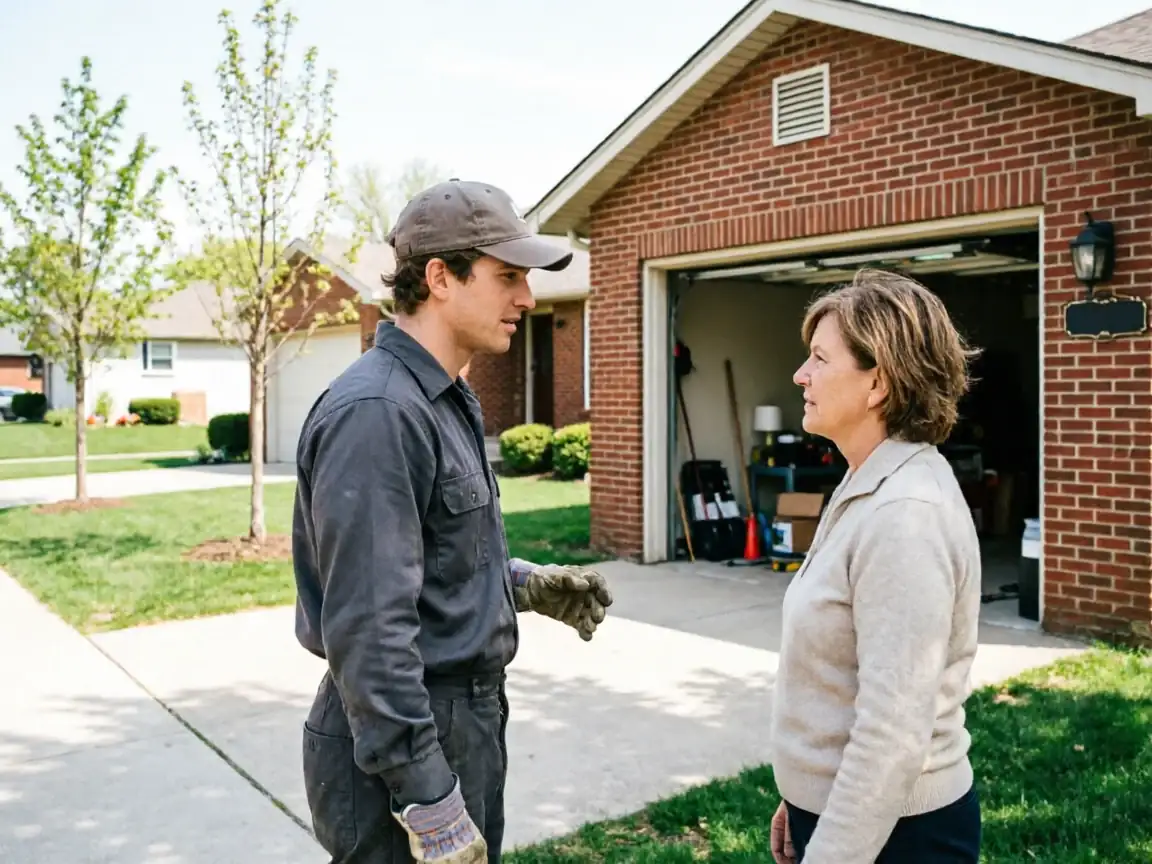
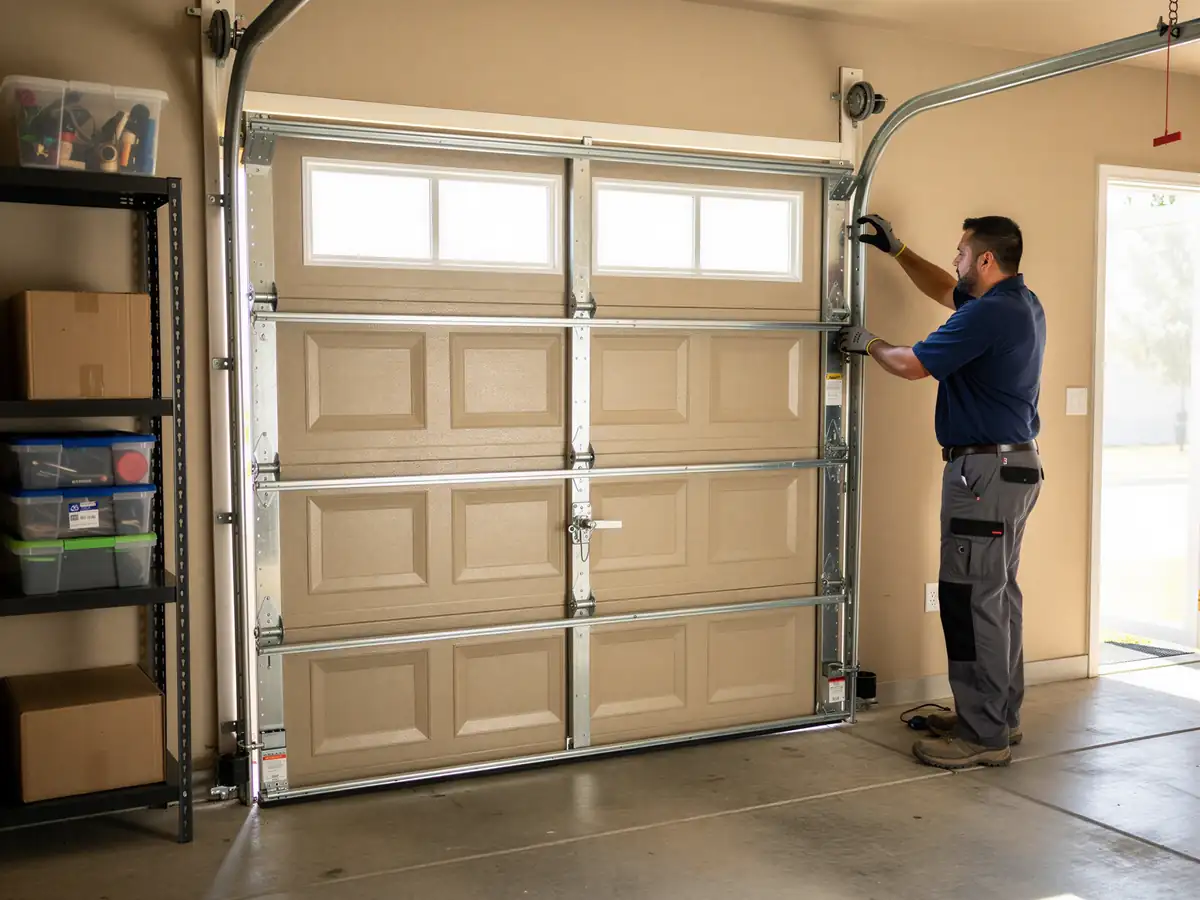
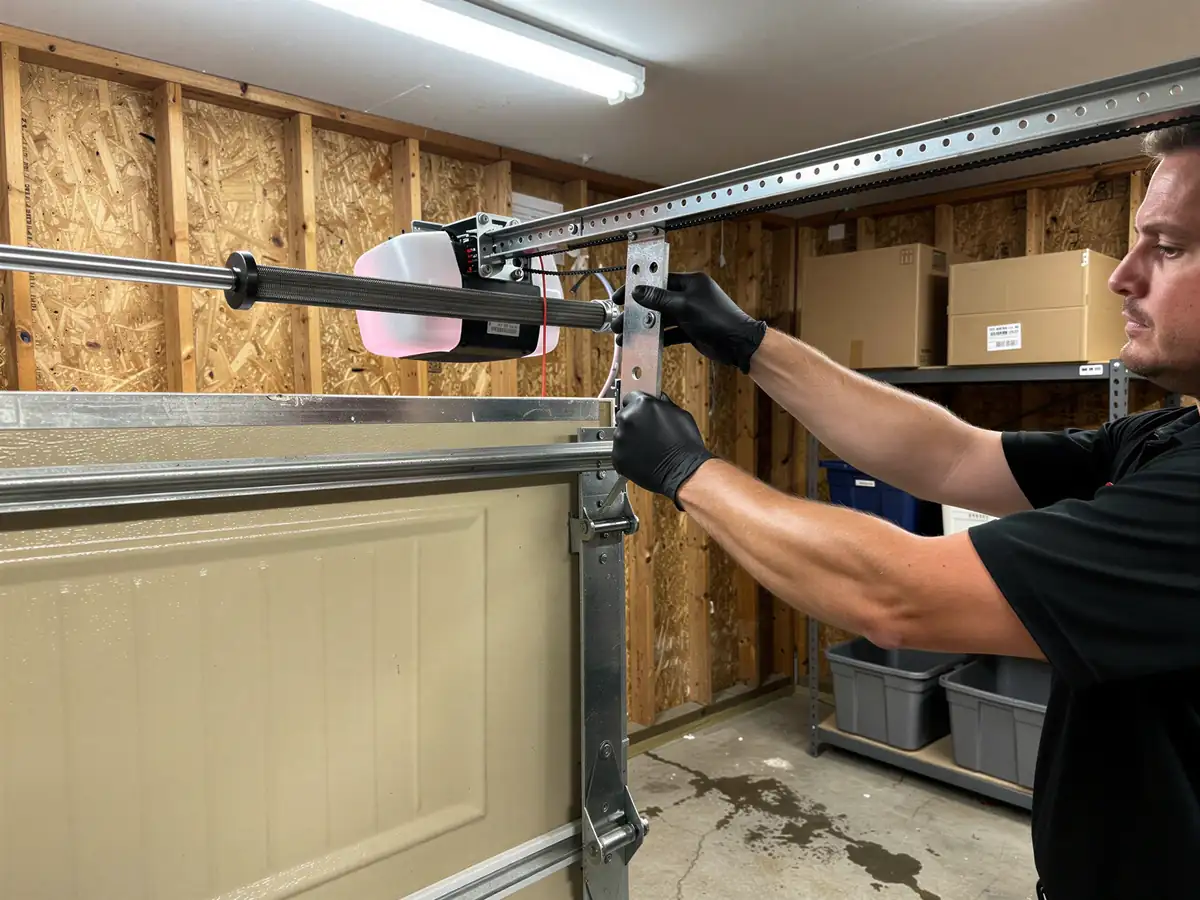
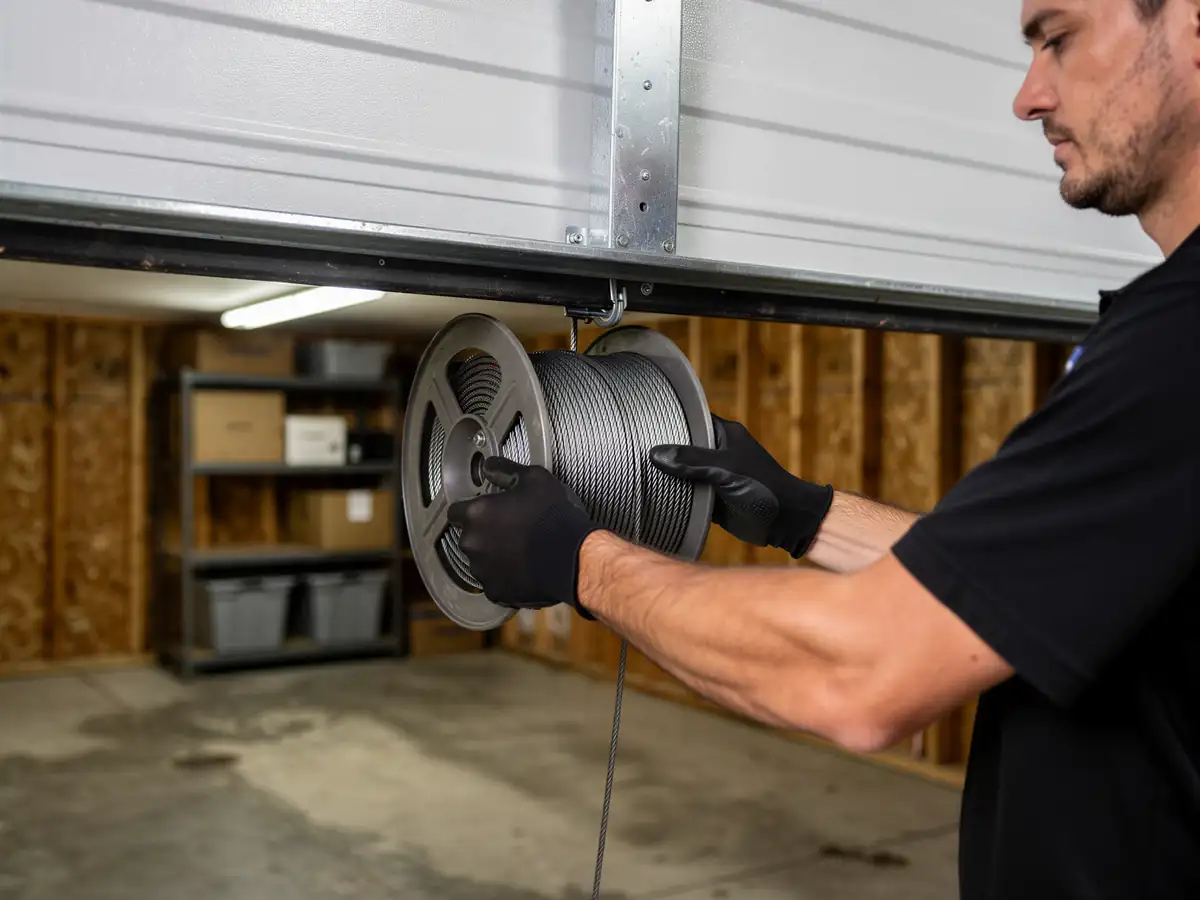
We run out of Waukesha, about 11 miles from Muskego, so there's no local branch or drop-in counter - booking happens by phone or through the site, and the truck comes to you. That drive time is worth knowing because it's the honest answer to 'how fast can you get here,' and we'd rather say it plainly than promise something tied to a number we don't have. Once a job's on the schedule, we bring the parts we expect to need based on what you describe: spring, cable, roller, opener board. If the door turns out to need something we didn't anticipate, that's the one limitation worth naming here - a second trip or a short parts wait isn't unusual on older hardware or less common opener brands, and we'd rather tell you that upfront than pretend every job wraps in one visit.
What You Are Seeing
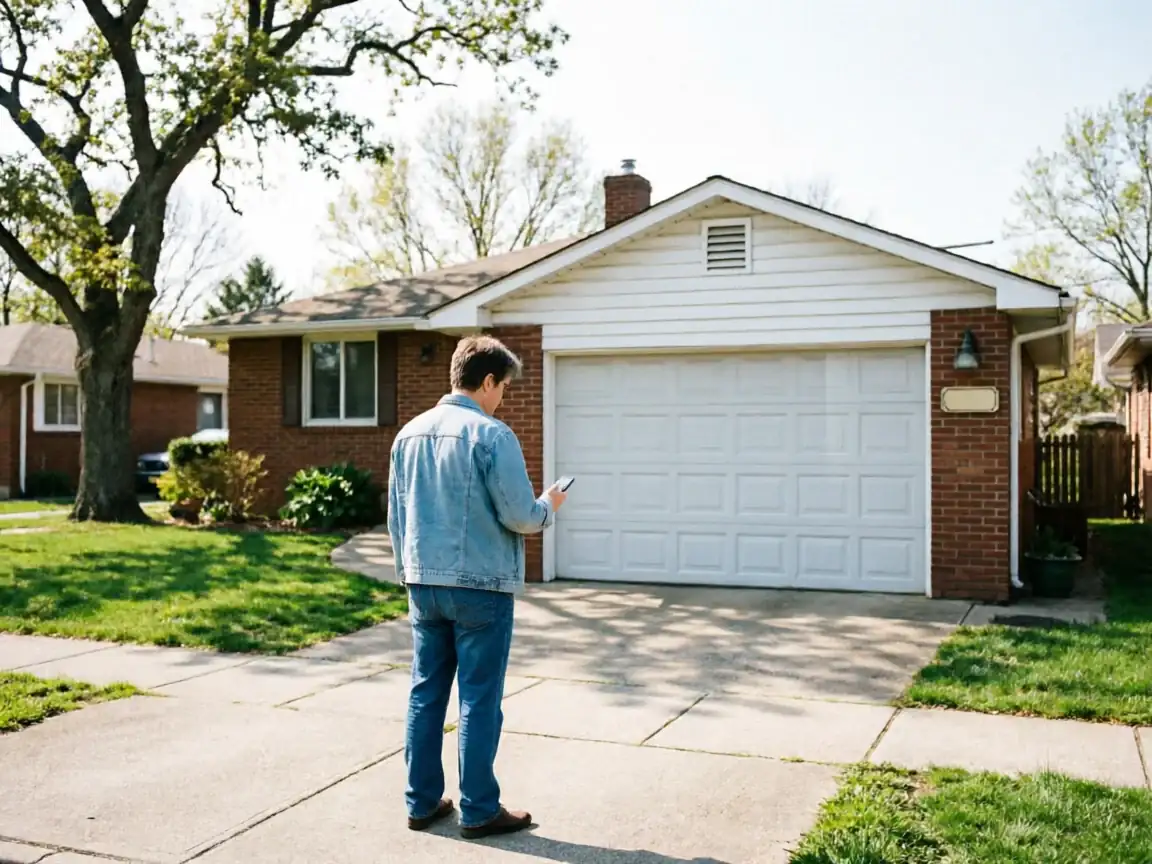
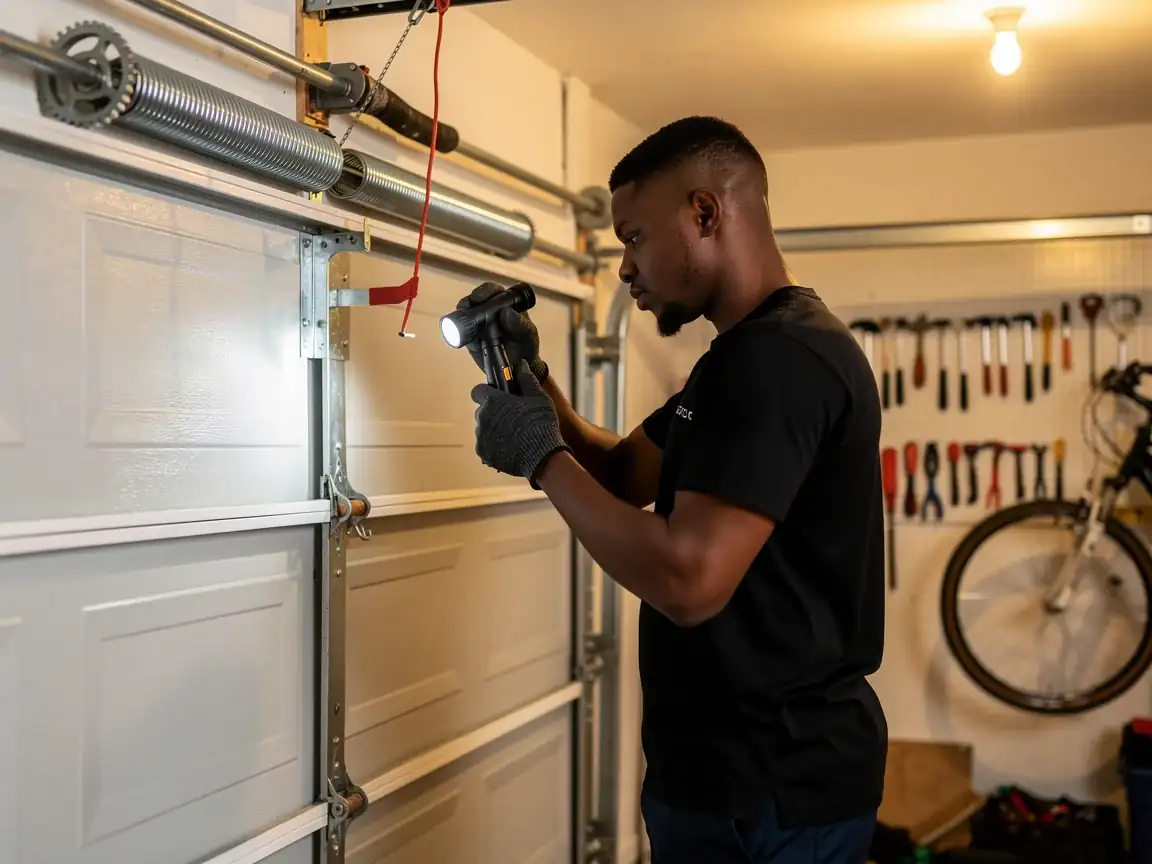
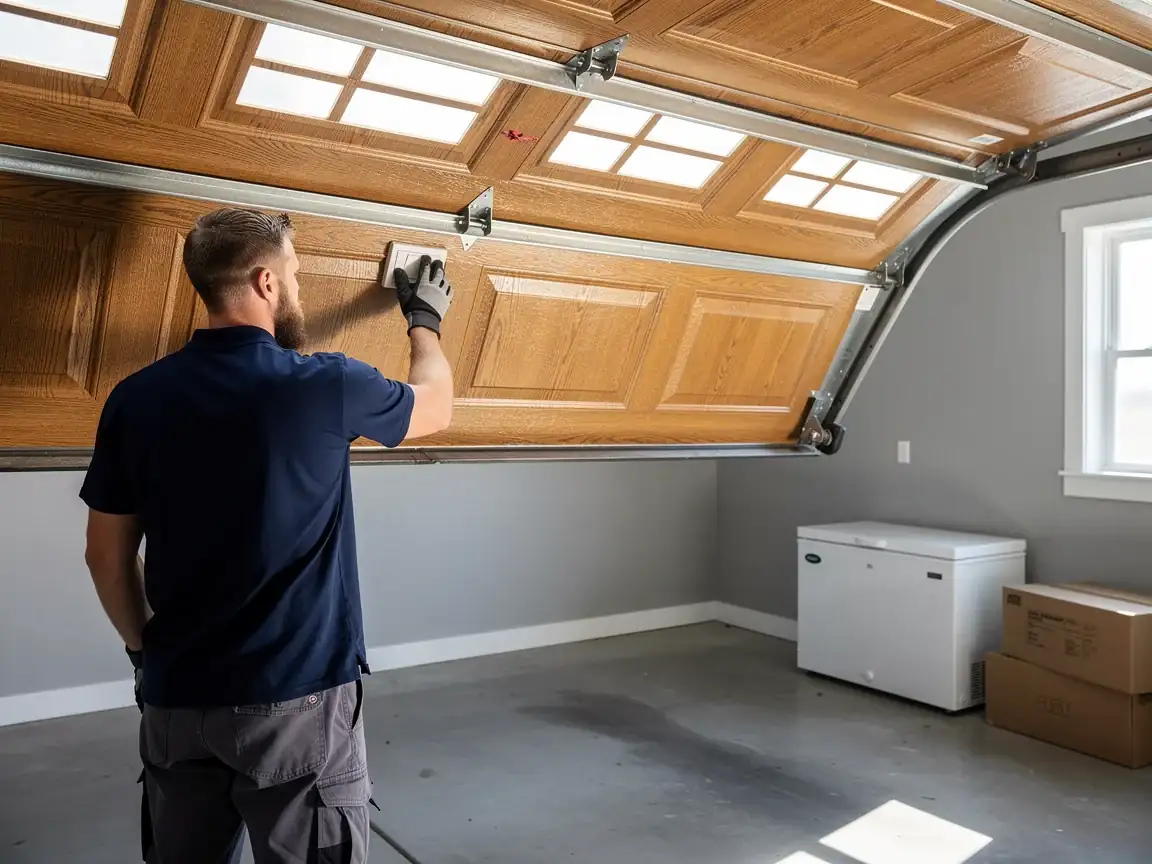
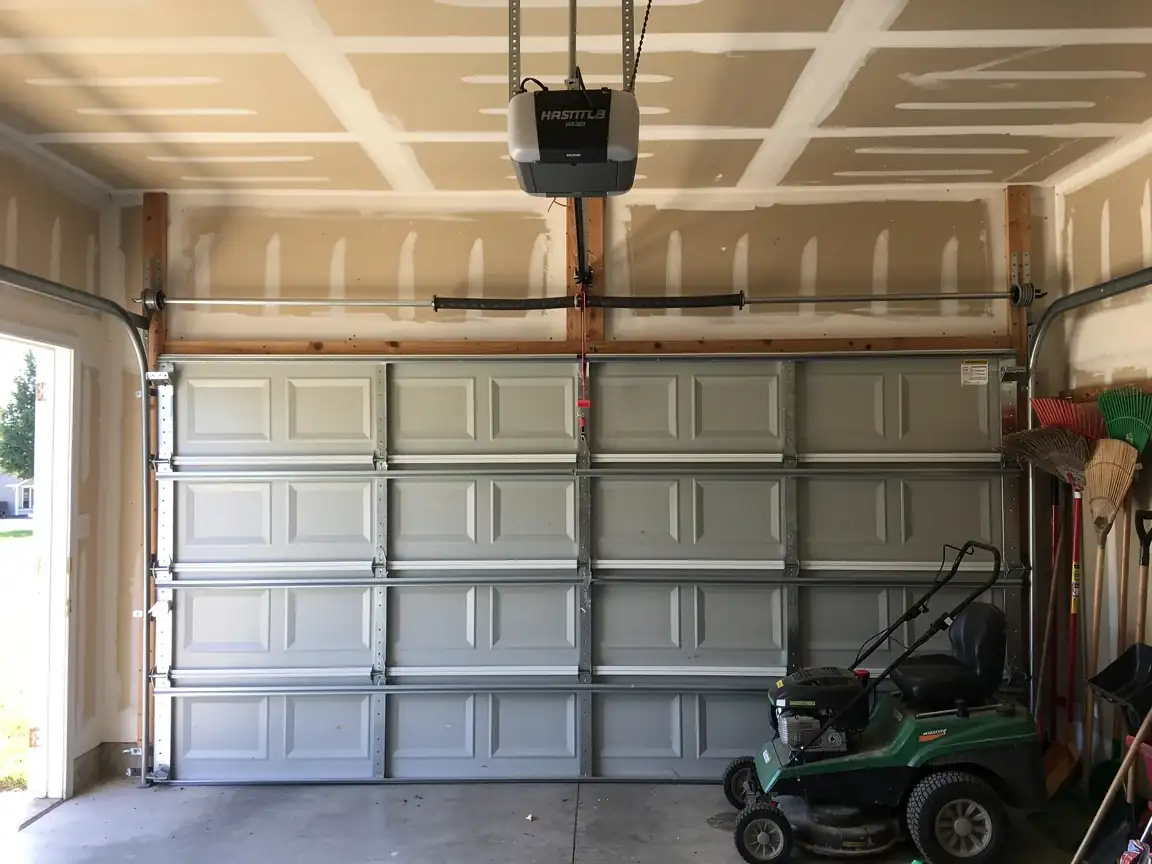
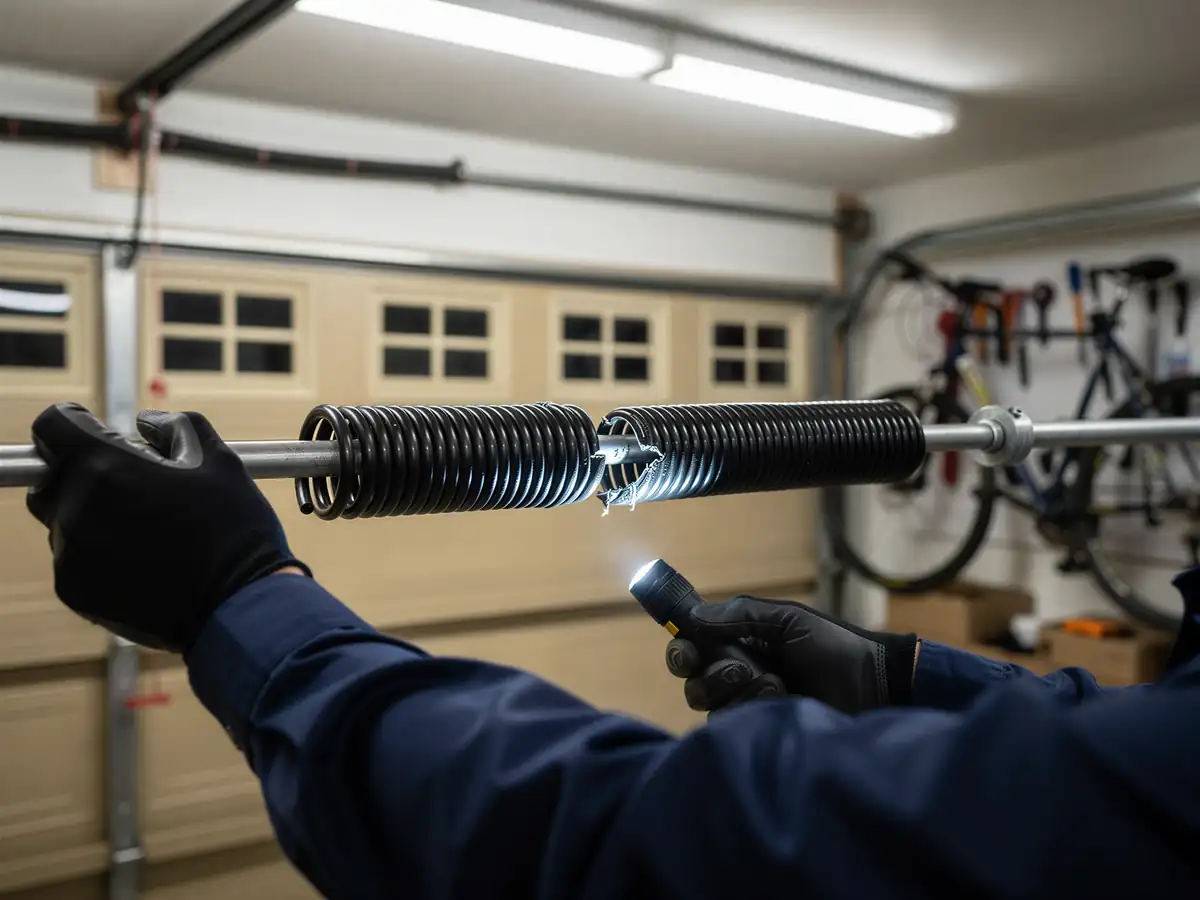
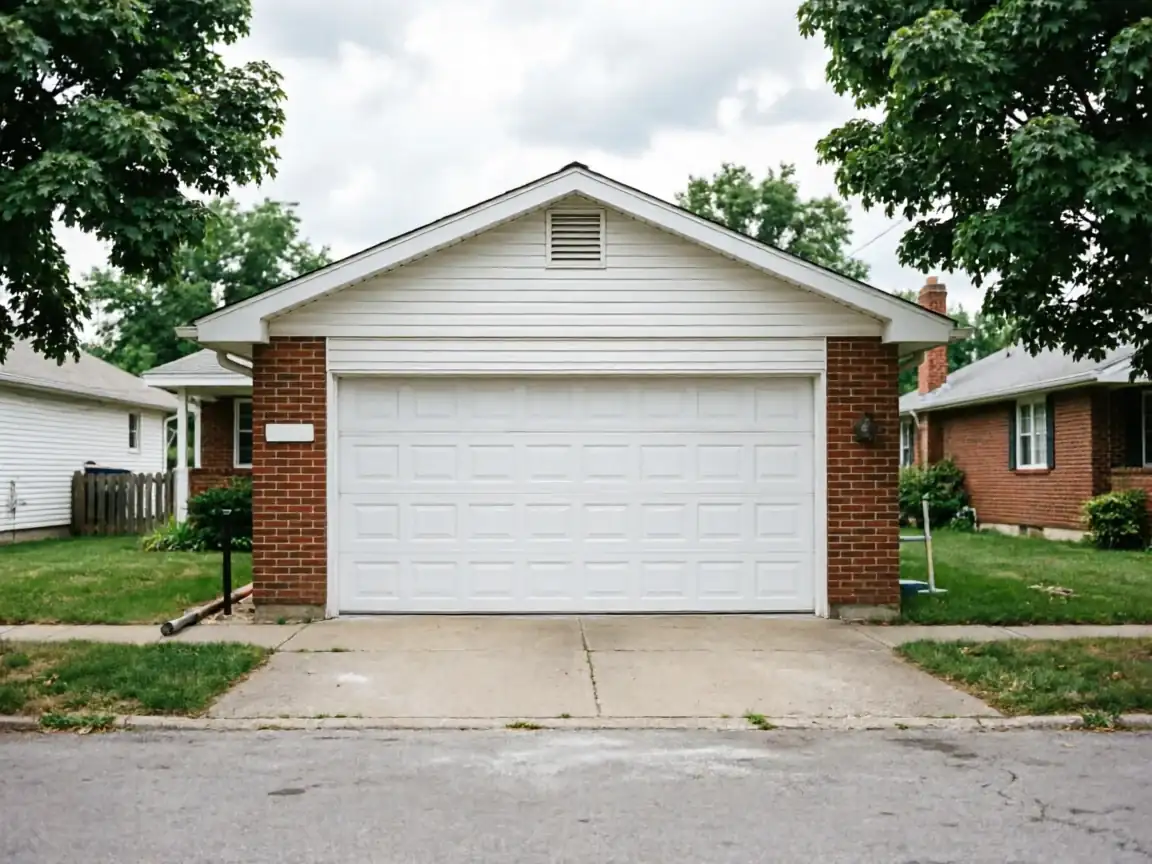
On houses from the 1980s and 90s, the failures we see most are springs past their cycle count, worn nylon rollers that have gone loud, and openers with circuit boards or logic units that just stop responding - common on units installed when the house was built and never replaced since. Steel panel doors from this era also show rust at the bottom panel seam faster than you'd expect, especially on north-facing garages that don't get sun to dry out condensation. None of that is dramatic, but it's different from the one-piece wood doors and older torsion drums you'd find in an area built mostly in the 1960s. Knowing the housing age tells us almost as much as seeing the door in person.
What Causes It Around Here
This whole service area sits in a severe cold climate band, and that's the real driver behind winter calls: steel contracts in deep cold, torsion springs lose a little tension, and nylon rollers that were already worn seize up or crack instead of just squeaking. A door that closes fine in October can bind or refuse to seal in January on the same hardware, no damage required - just cold acting on metal and plastic that were already near the end of their service life. Garages that aren't heated or insulated see this worse, since the swing between inside and outside temperature stresses the seals and the bottom weatherstrip faster. It's not a Muskego-specific quirk so much as a regional one, but it hits every house in this climate band the same way, year after year.