What It Costs
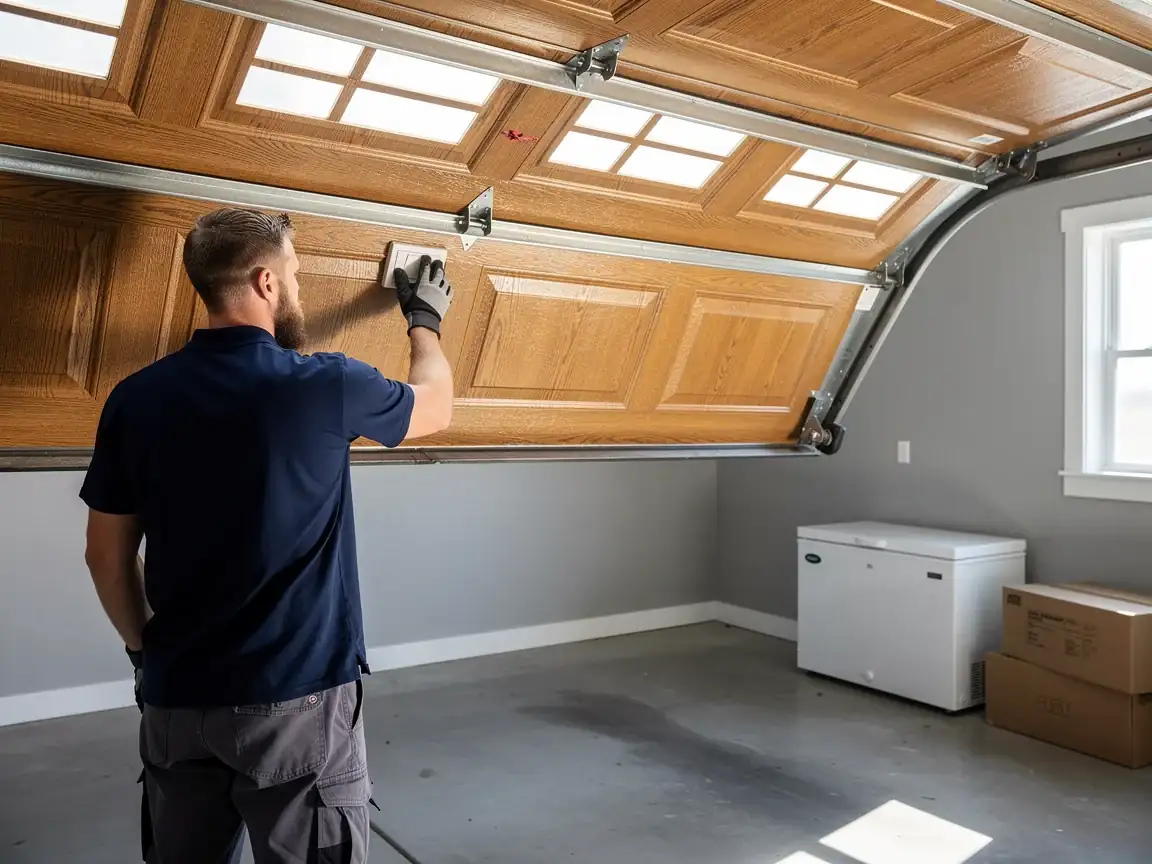
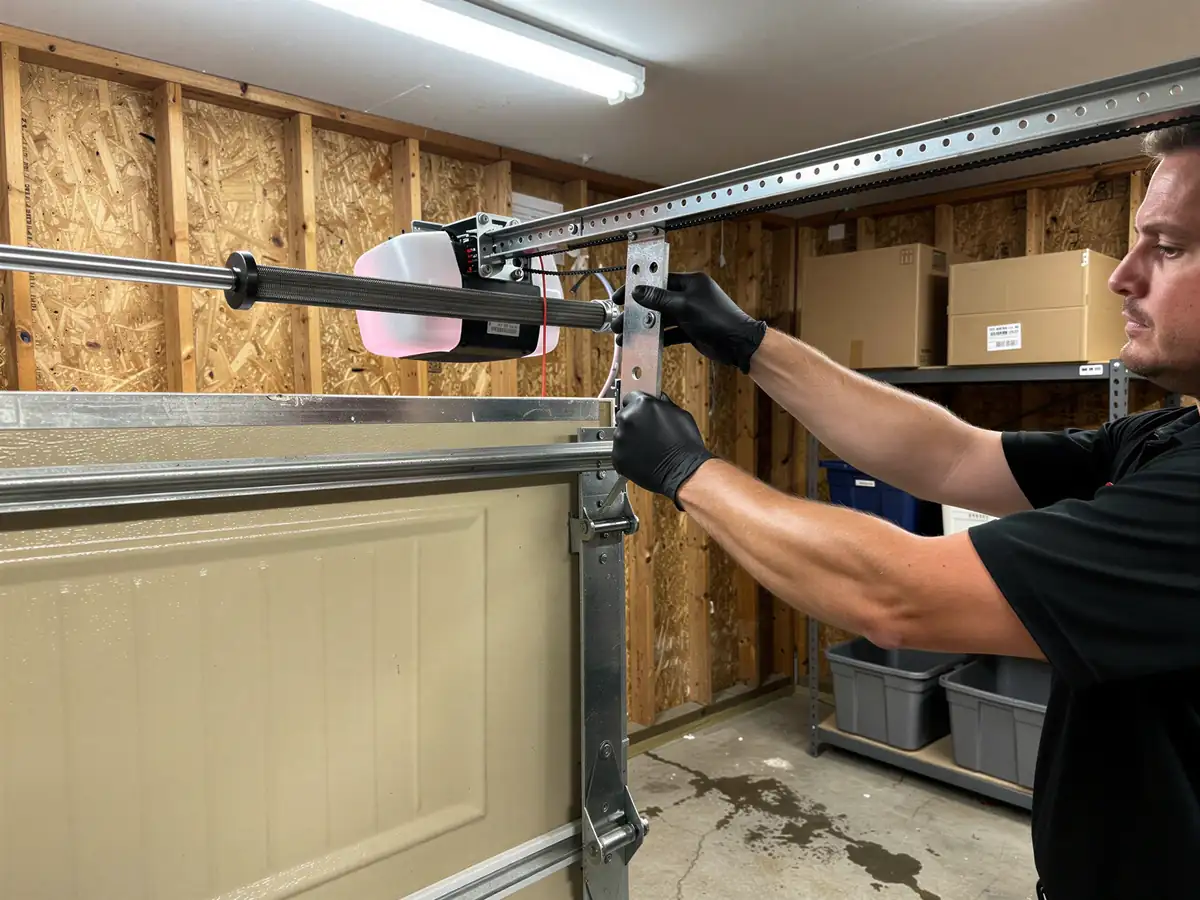
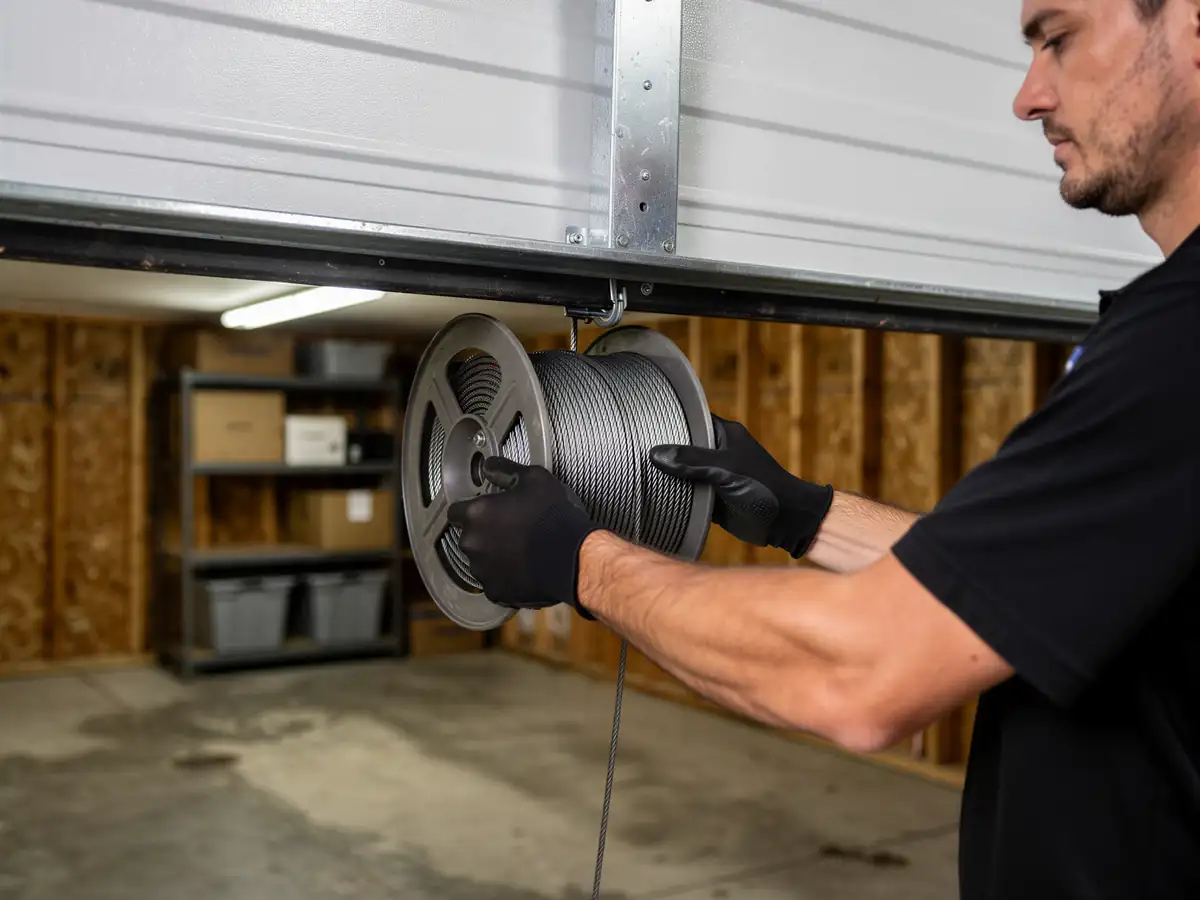
We don't carry a Muskego-specific price list, and nothing in what we've confirmed lets us quote a number here without guessing, so we won't. What we can tell you is what moves the bill: how many rollers are shot versus just worn, whether you're on steel or nylon, and whether the track itself has egg-shaped from years of a bad roller grinding against it. A full set of ten rollers costs more than a spot replacement of two or three, but a spot fix on a door that's dropping rollers one at a time usually means you're back out again in a year. If you want an actual number, we quote after we've looked at the door, not before. That's not evasive, it's just that a double door with steel rollers on 1987-era track isn't the same job as a single door with nylon rollers from a 2001 remodel, and we won't pretend otherwise over the phone.
Getting It Booked In
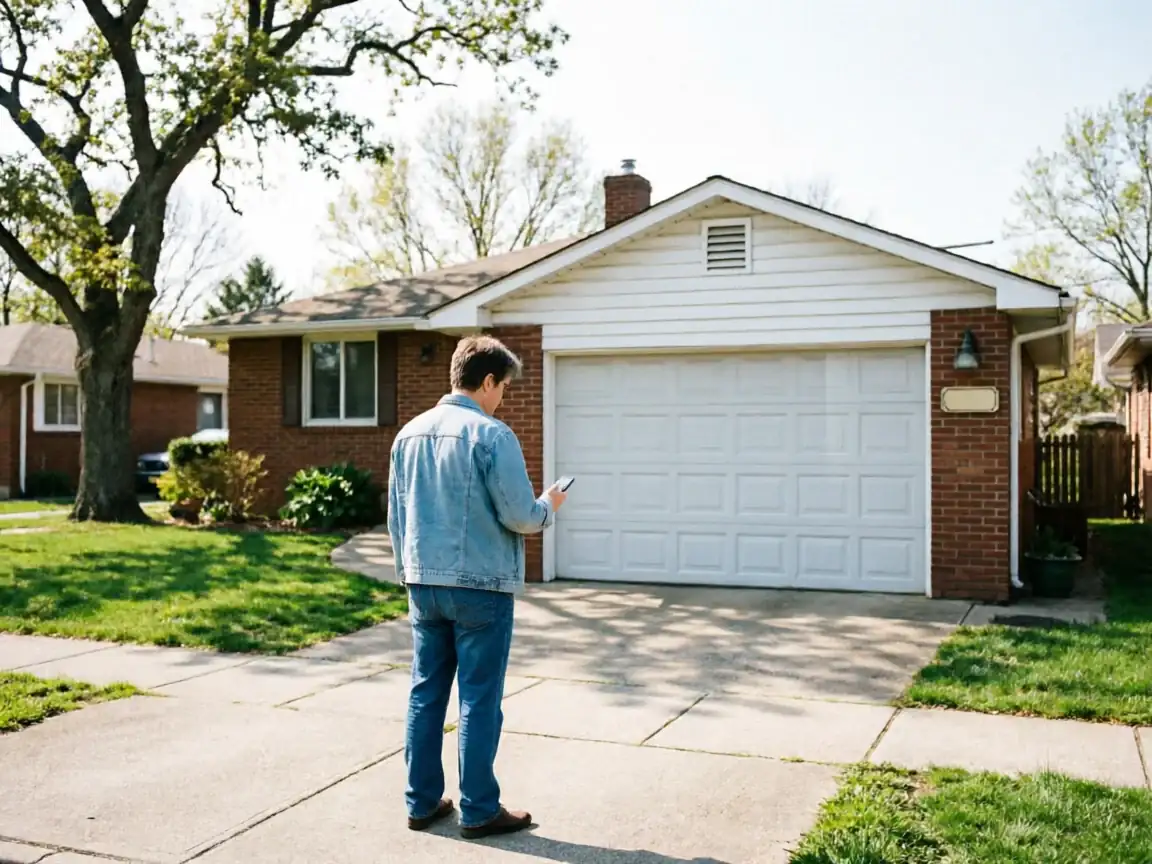
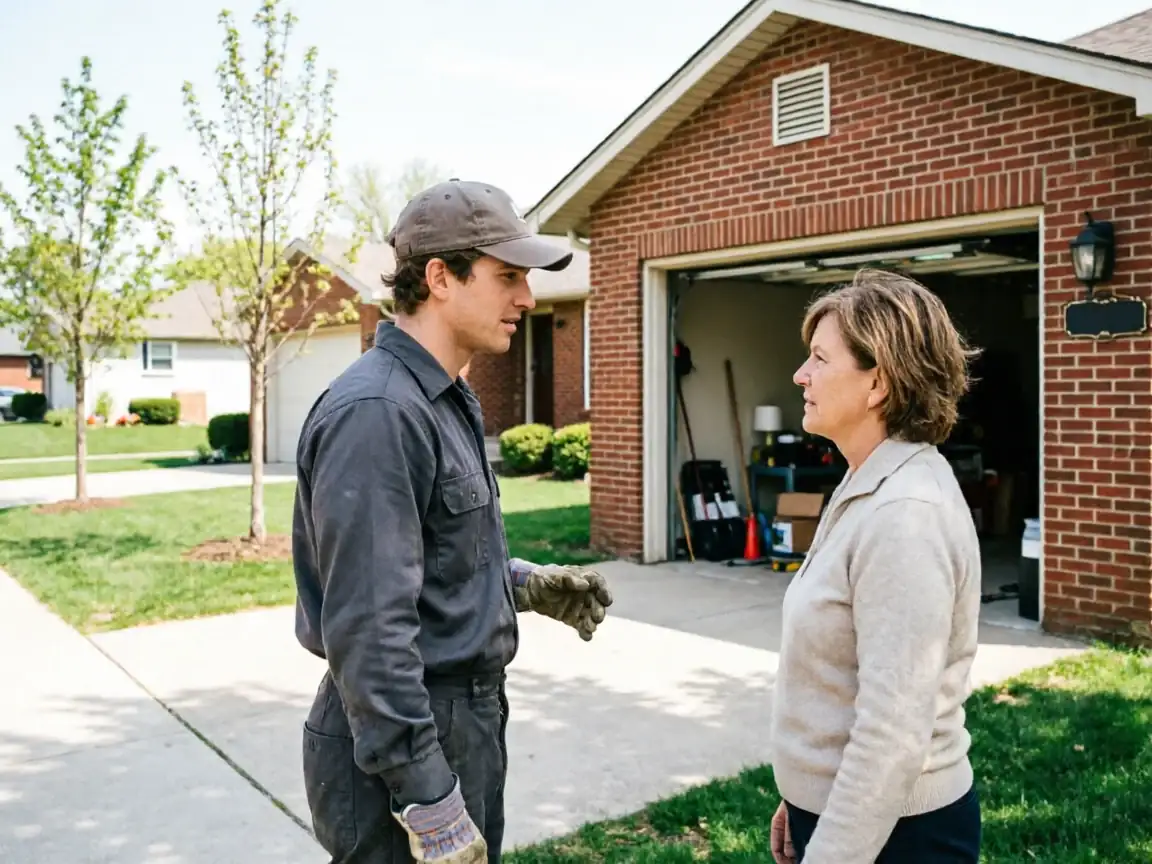
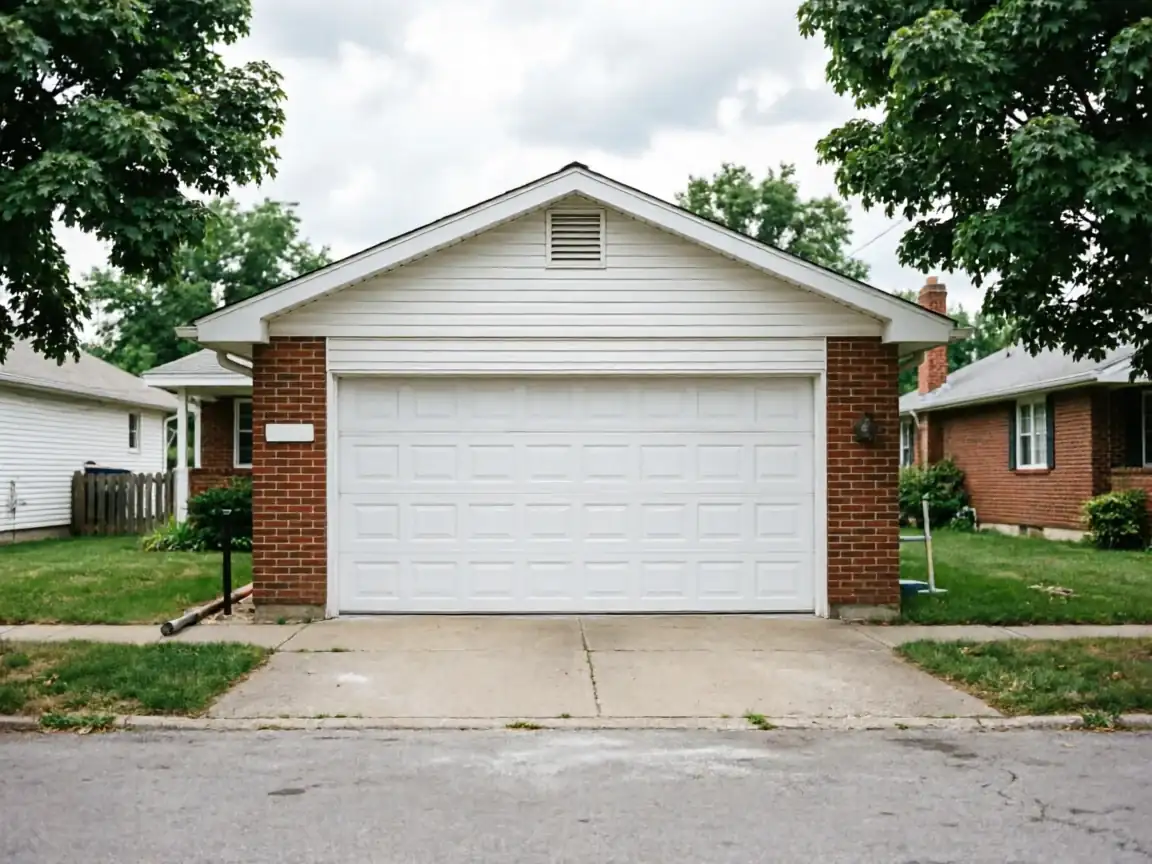
Muskego sits about 11 miles out from our Waukesha shop, which means your call doesn't get bundled onto a route the way a job five minutes from the shop might. We plan the trip, load the right rollers for what you've described, and come straight out. That 11-mile stretch isn't a problem, it just means we ask more questions up front so we're not making a second trip for the wrong part. Tell us if the door is steel or wood-paneled, roughly how old the house is, and whether it's grinding, slamming, or just loud, and we'll show up with the right rollers the first time. We book Muskego jobs the same way we book anywhere else in the area: by the door, not by the zip code.
What You Are Seeing
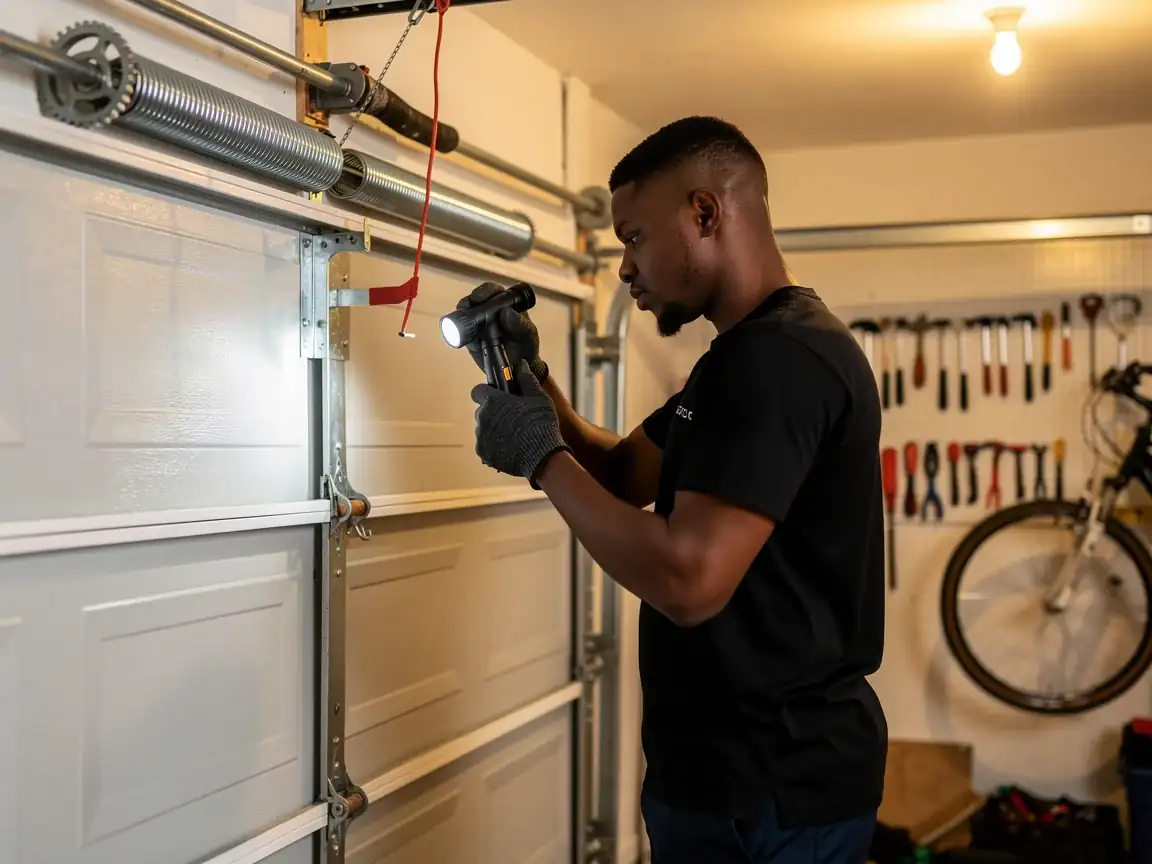
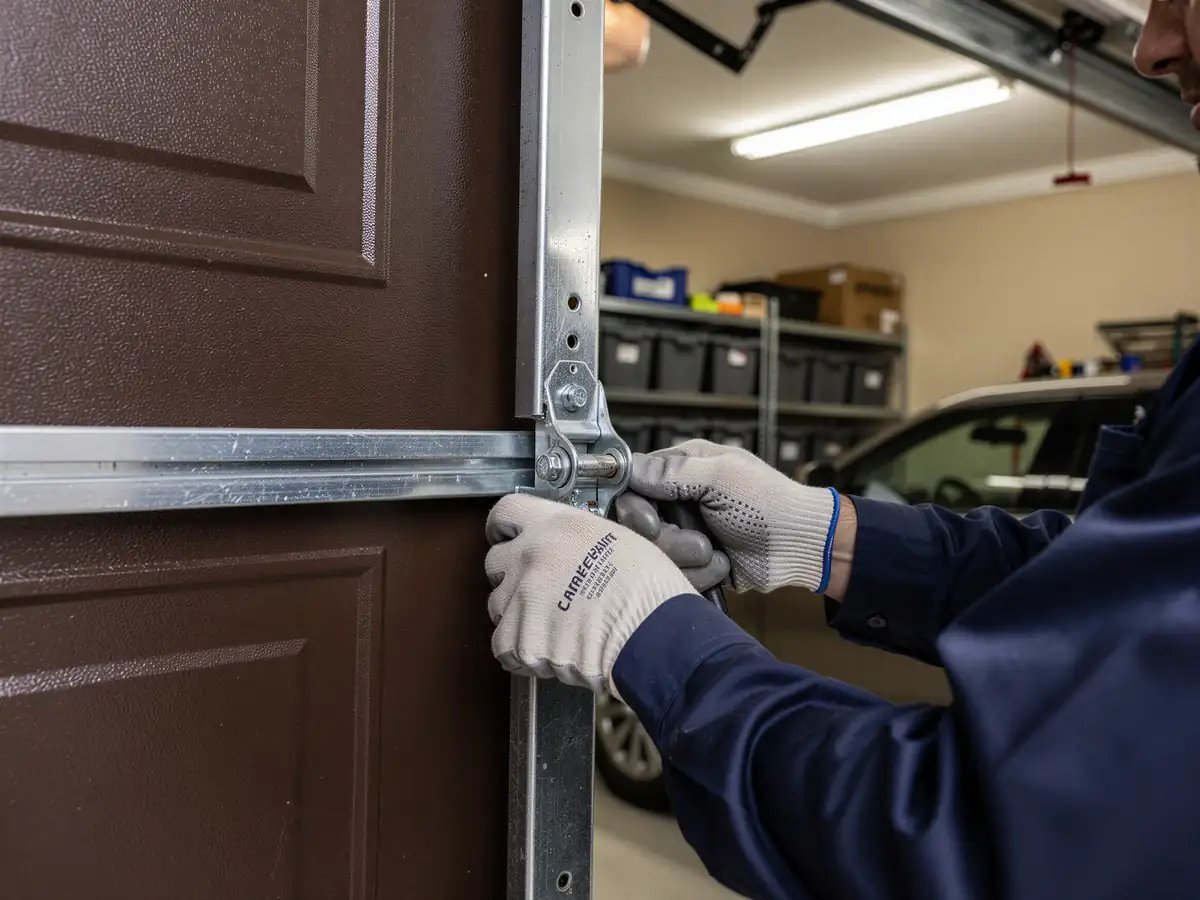
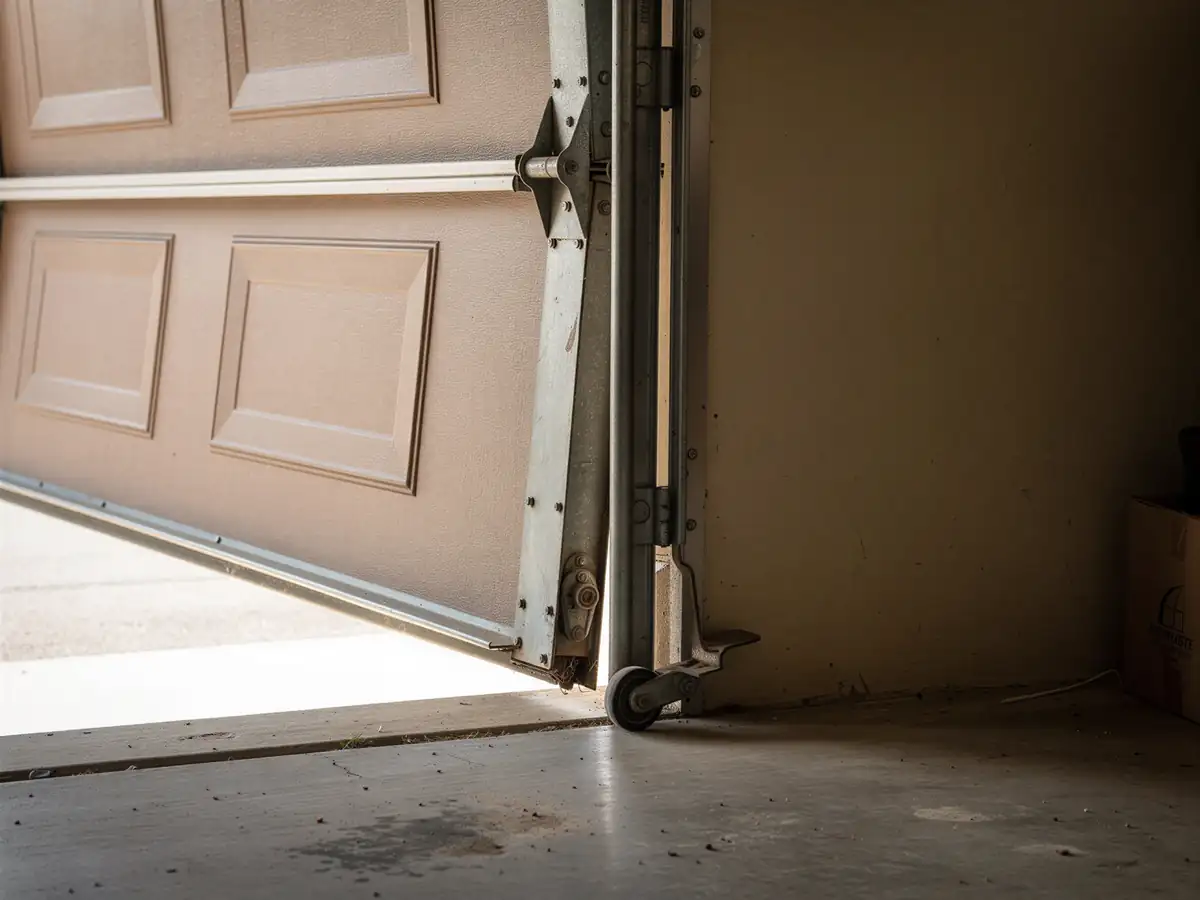
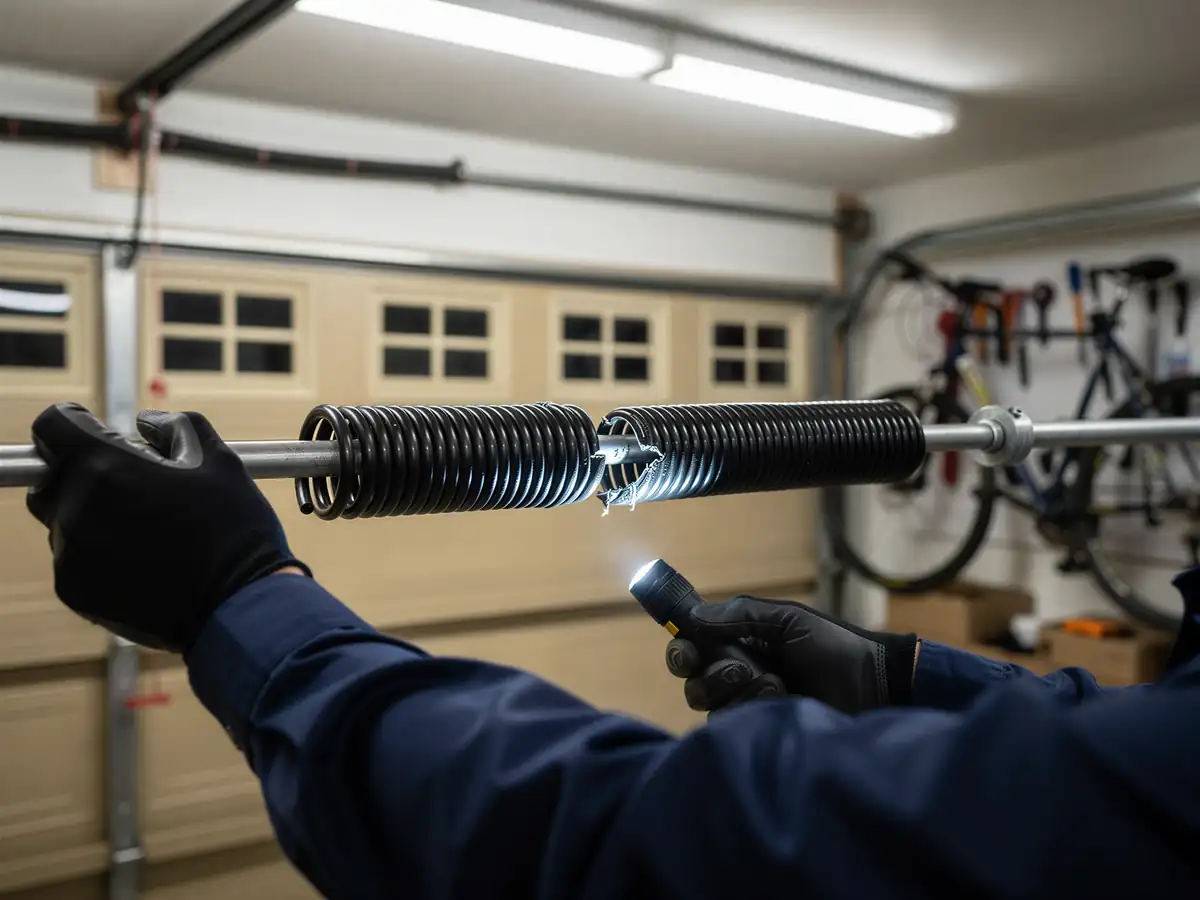
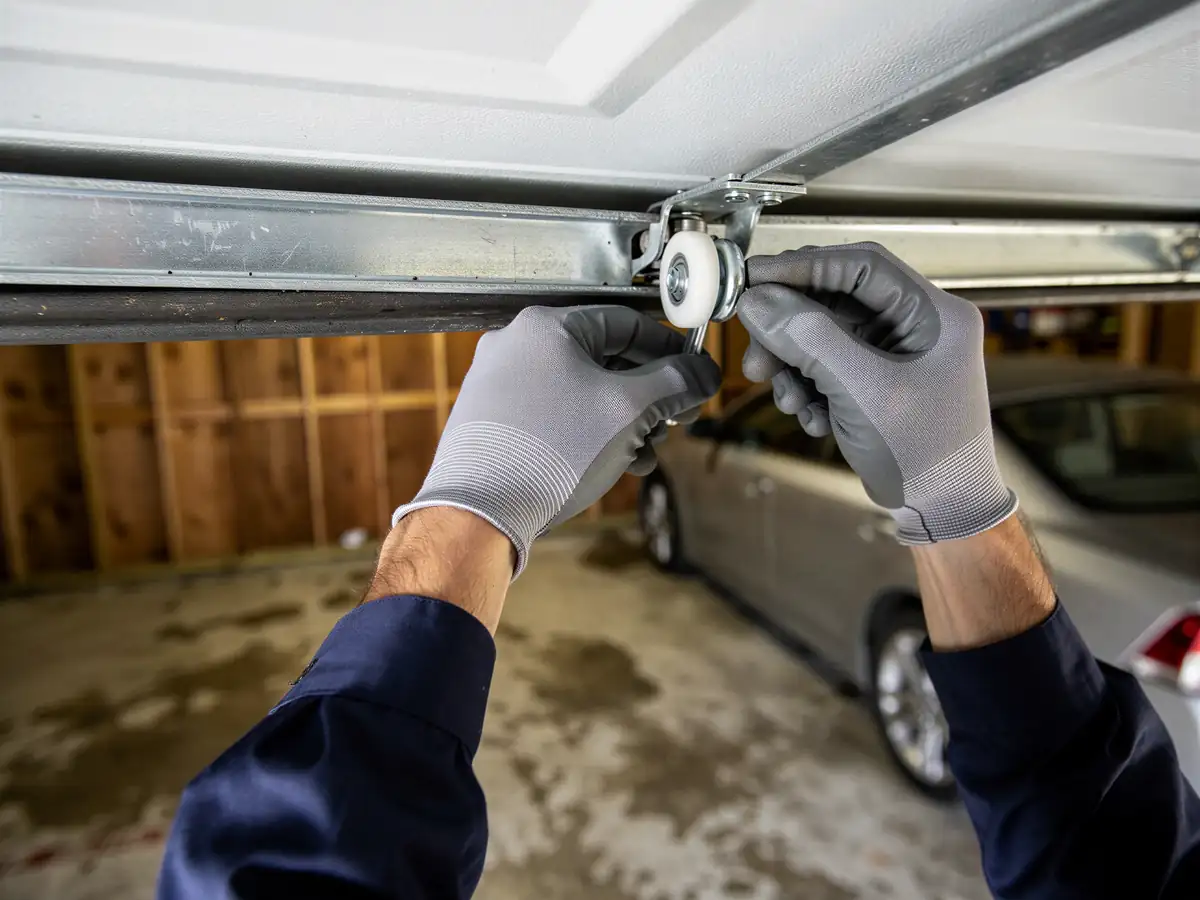
Loudest sign is the door grinding or barking on the way up or down, especially right at the point the rollers hit the curve into the horizontal track. Nylon rollers that have worn down flat on one side will make the door hitch or jump instead of gliding. Steel rollers, more common on older Muskego doors, tend to go a different way: the bearings dry out and seize, so the roller stops spinning and just drags, which chews the track edges and eventually cracks the roller stem. If you see a roller sitting slightly crooked in its bracket, or notice metal shavings or nylon dust on the floor under the track, that roller's done. A door that's started binding partway through its travel, rather than failing to open at all, is almost always a roller problem before it's a spring problem.
What Causes It Around Here
Houses in Muskego typically date to around 1987, which puts a lot of original hardware now at close to 35 years old - older than the rollers themselves were ever meant to last, since steel and early nylon rollers both have a service life well short of that. Across the broader service area the housing stock runs 1938 to 2004 with a median around 1979, so Muskego actually sits on the newer side of that spread, but newer doesn't mean the rollers have been swapped since. The region sits in a severe cold climate band, and repeated freeze-thaw cycling is hard on both steel bearings, which dry out and seize in the cold, and nylon rollers, which go brittle and crack rather than wearing down gradually. A roller that's spent 35 winters doing that is past due, regardless of how good the rest of the door looks.