What It Costs
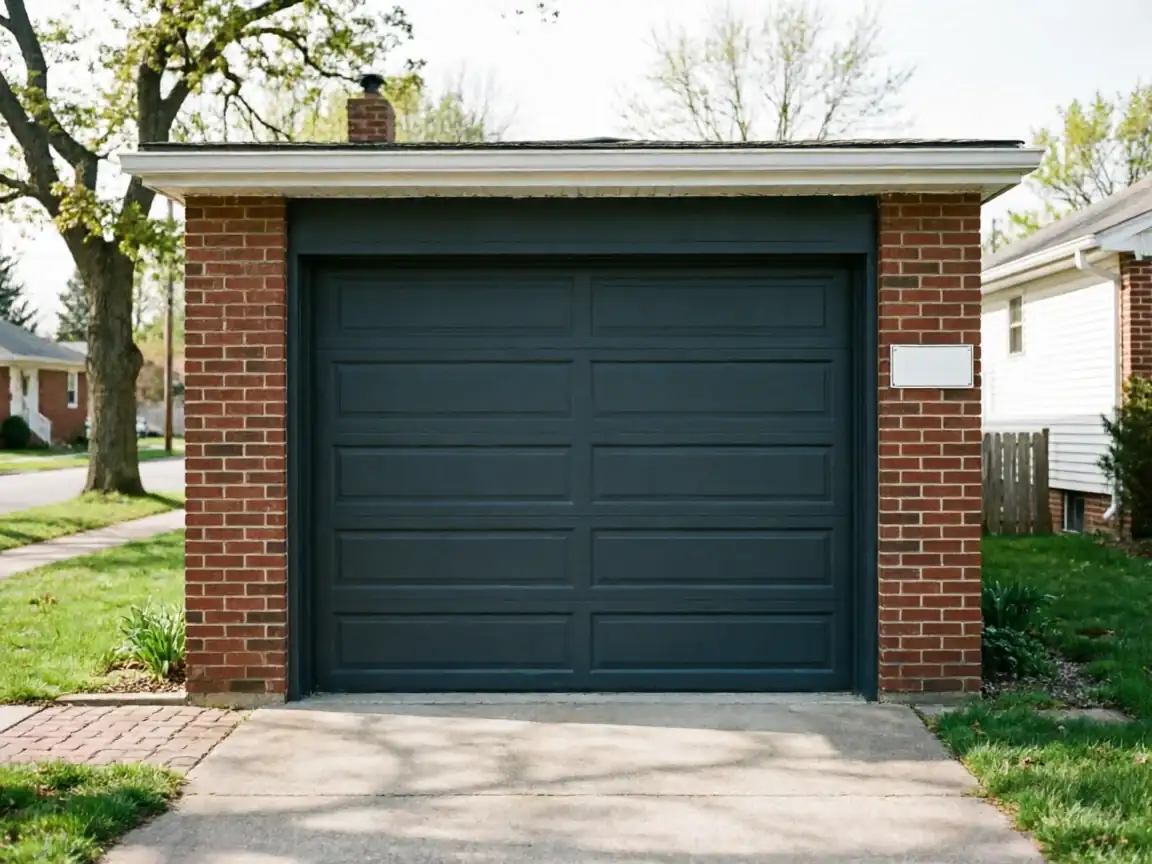
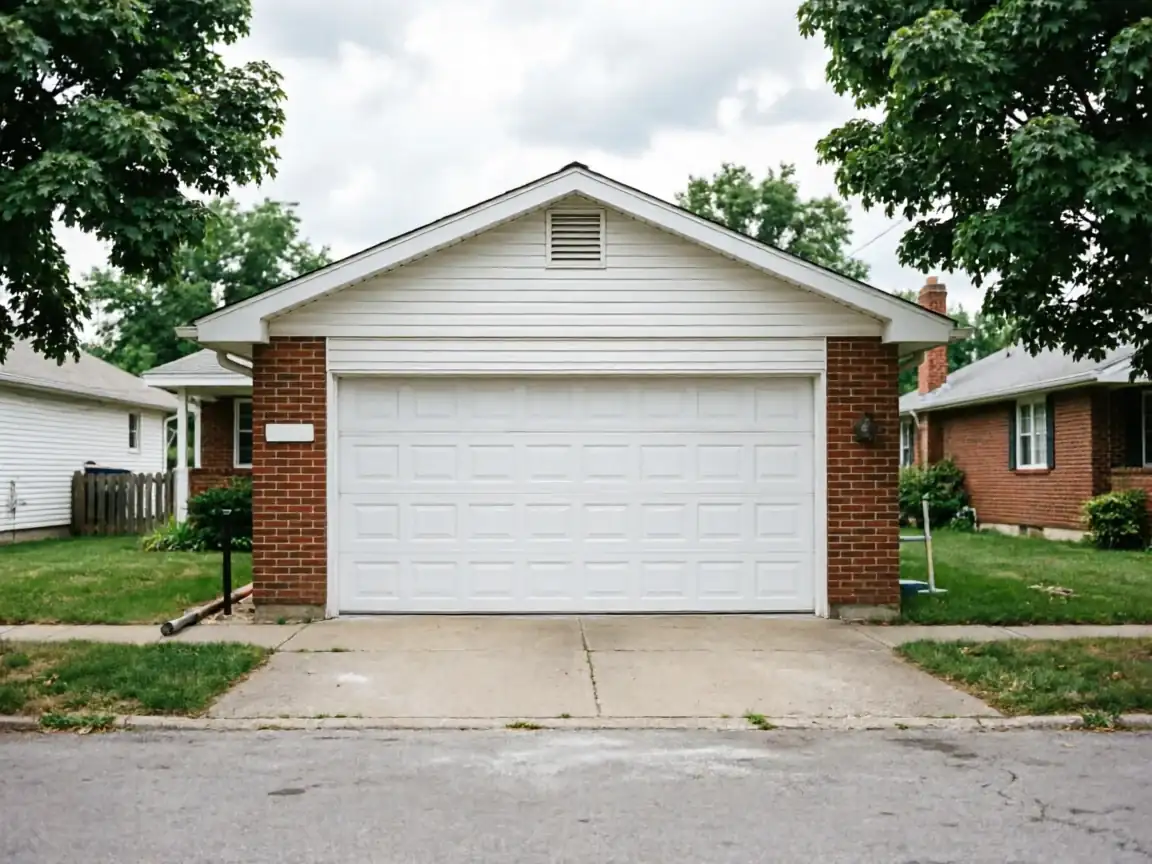
We don't quote a number here without seeing the opening, the door, and what's behind the drywall, so we won't pretend otherwise. What we can tell you is that the math in Muskego skews differently than it does on the older side of the Waukesha service area. Homes here went up mostly after 1980, with a median build year around 1987, which puts most garage openings at standard 16-foot double or 9-foot single widths built to code specs that are still common today. That means fewer surprises with odd header heights or non-standard track clearance than you'll find in a house built in the 1940s or 50s. Fewer surprises usually means a tighter quote, not a wider one.
Muskego also sits in a higher-income band than some of the other towns we cover out of Waukesha, with median household income above $116,000. That doesn't change what we charge, but it does mean we see more requests here for insulated steel doors and quieter belt-drive openers rather than the base builder-grade door swapped in bare minimum. We'll walk you through both ends of that range when we're out there.
Getting It Booked In
We run this job out of Waukesha, about 11 miles from Muskego, so booking means picking a day that works for both ends of that drive, not a same-day walk-in. Once we've got your opening measured - width, height, headroom, backroom for the track - we can give you a firm start date. There's no local branch or drop-in counter here; it's a scheduled visit from the Waukesha crew, same as every install we run in this part of the service area.
If you already know your rough opening size and whether you want a single or double door, that speeds up the first call. If you don't, that's fine too - we measure on site before anything gets ordered.
How Long It Takes
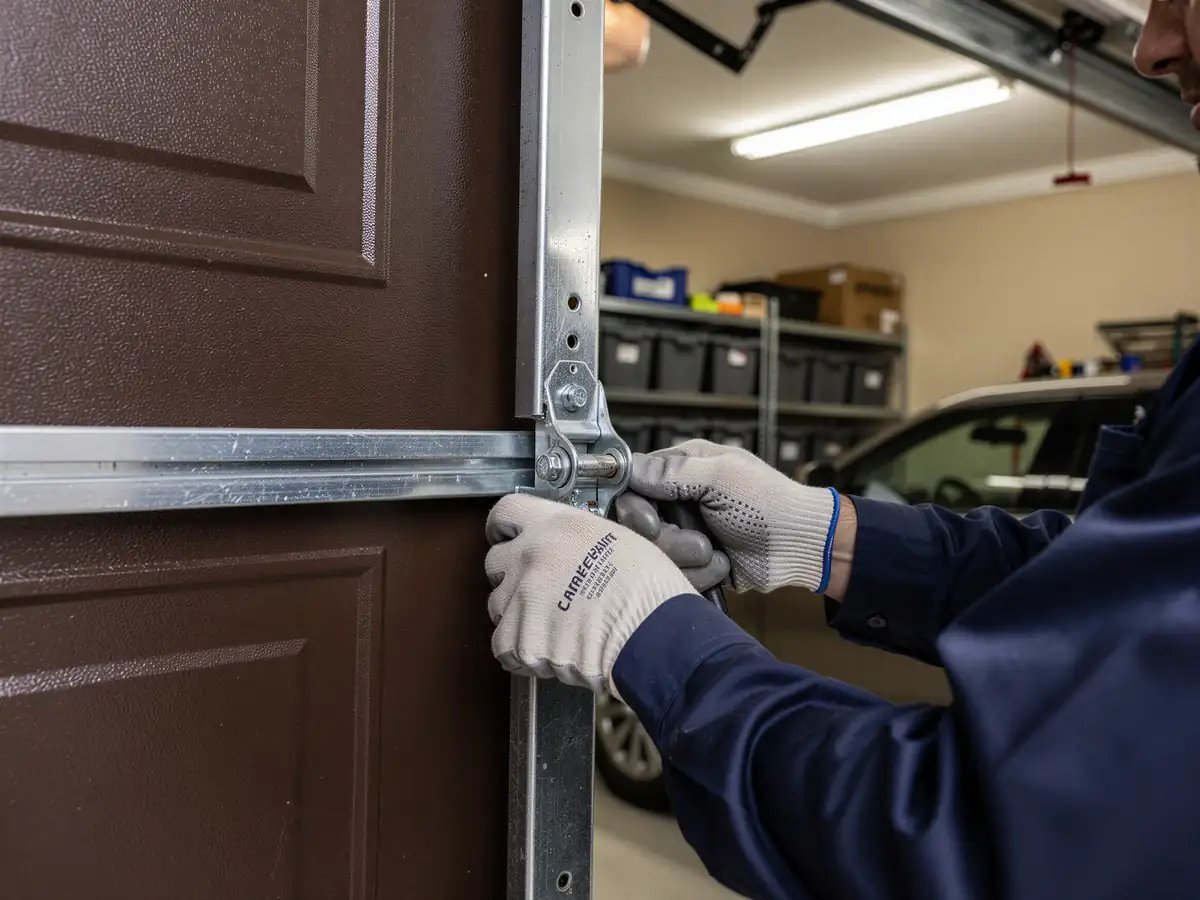
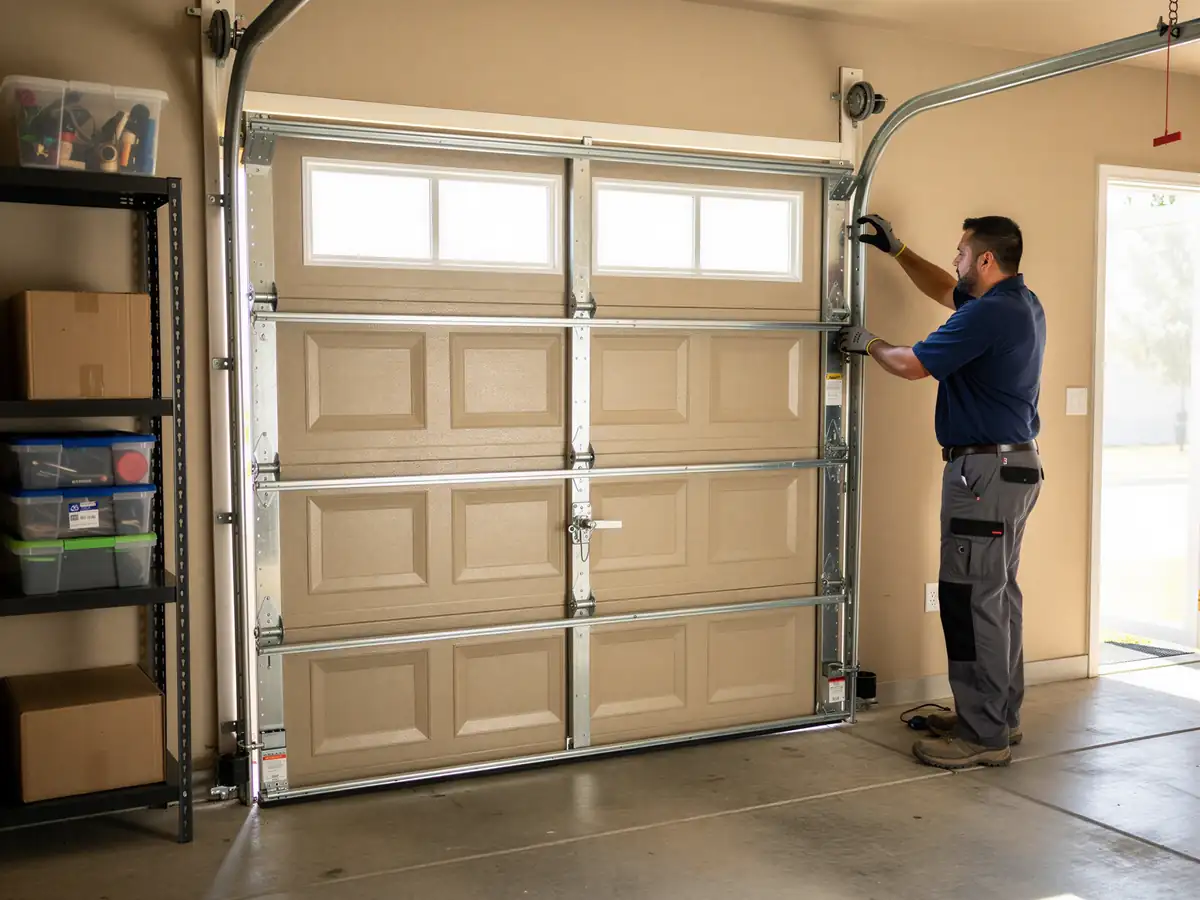
A standard single or double door swap, once parts are on site, is usually a one-day job start to finish
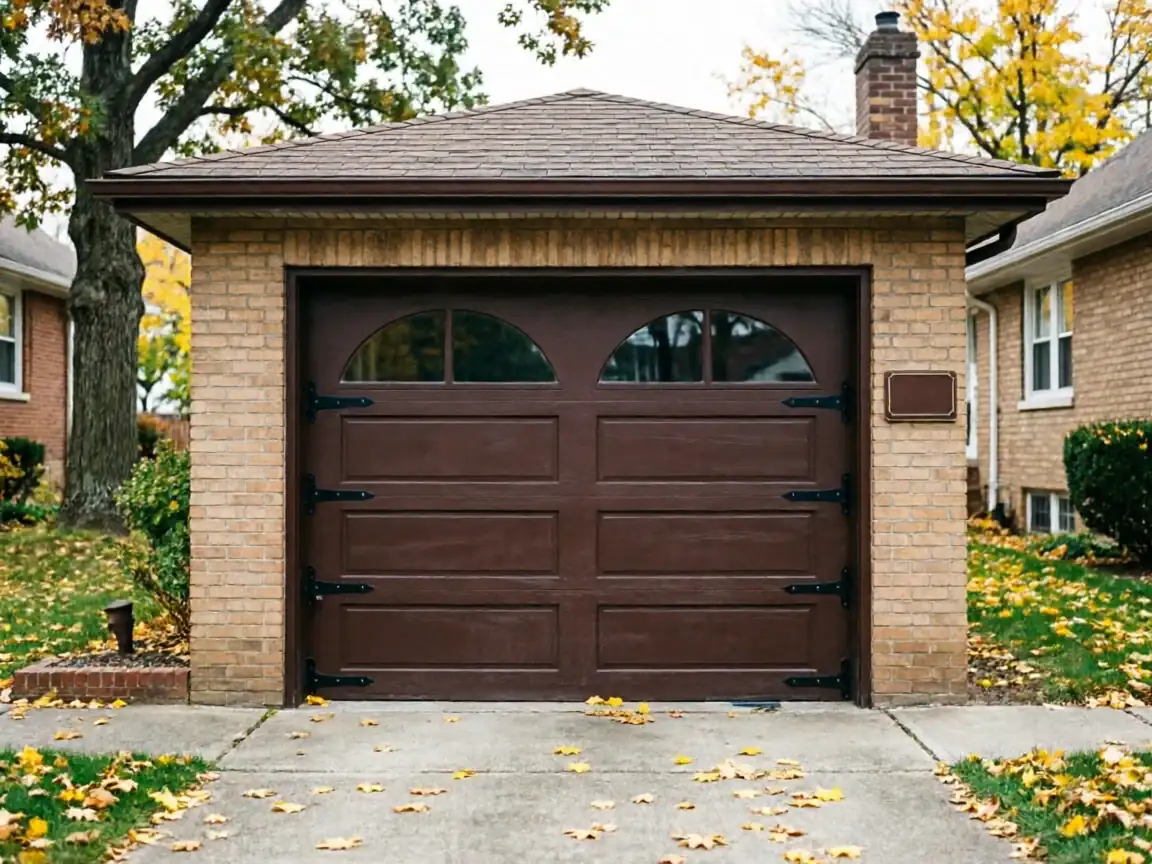
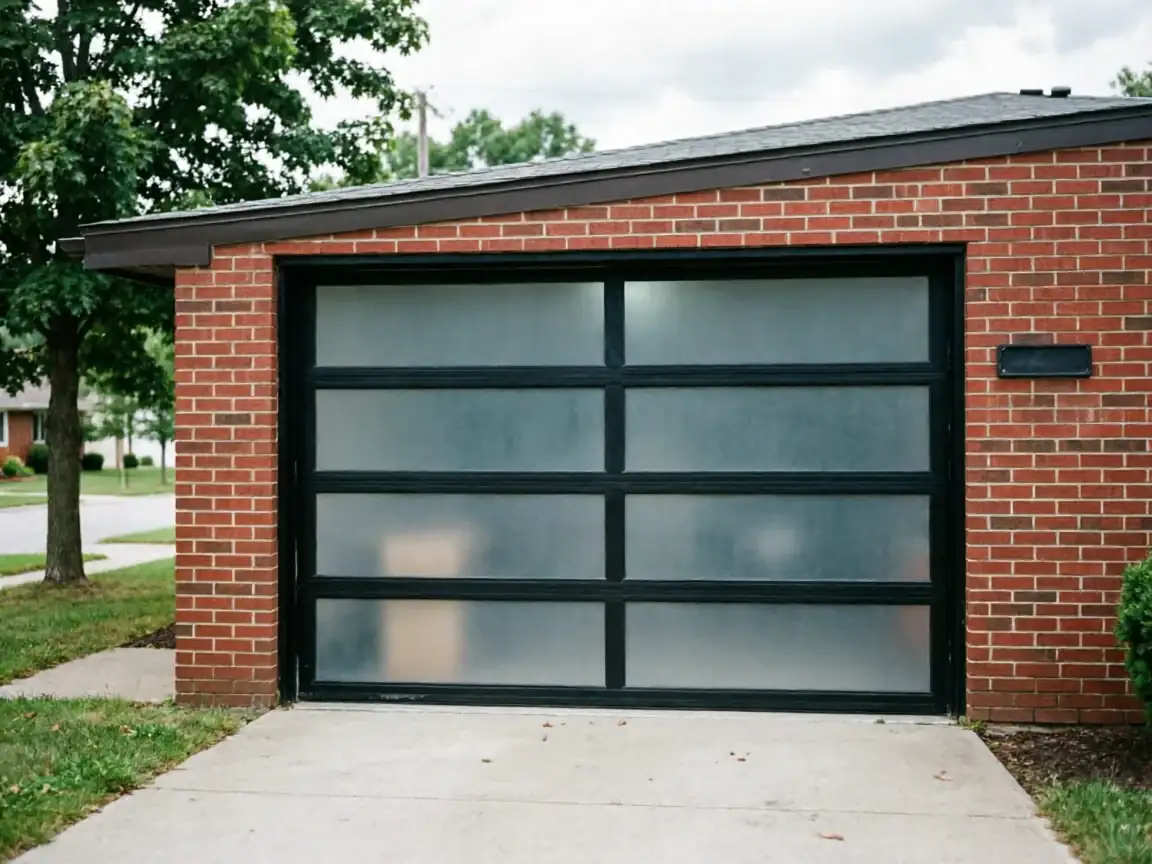
What takes longer is the lead time on the door itself if you're picking anything outside a stock steel panel - a specific insulation rating, a custom window layout, or a color that isn't a standard stock finish. We'll give you a realistic order-to-install window once you've picked a door, rather than a generic range that doesn't account for what's actually back-ordered that month.
Because most Muskego openings are standard 1980s-and-newer dimensions
We're rarely waiting on a custom-sized jamb kit or header modification, which is one less delay than we sometimes run into on older housing stock closer to Waukesha itself.
What You Are Seeing
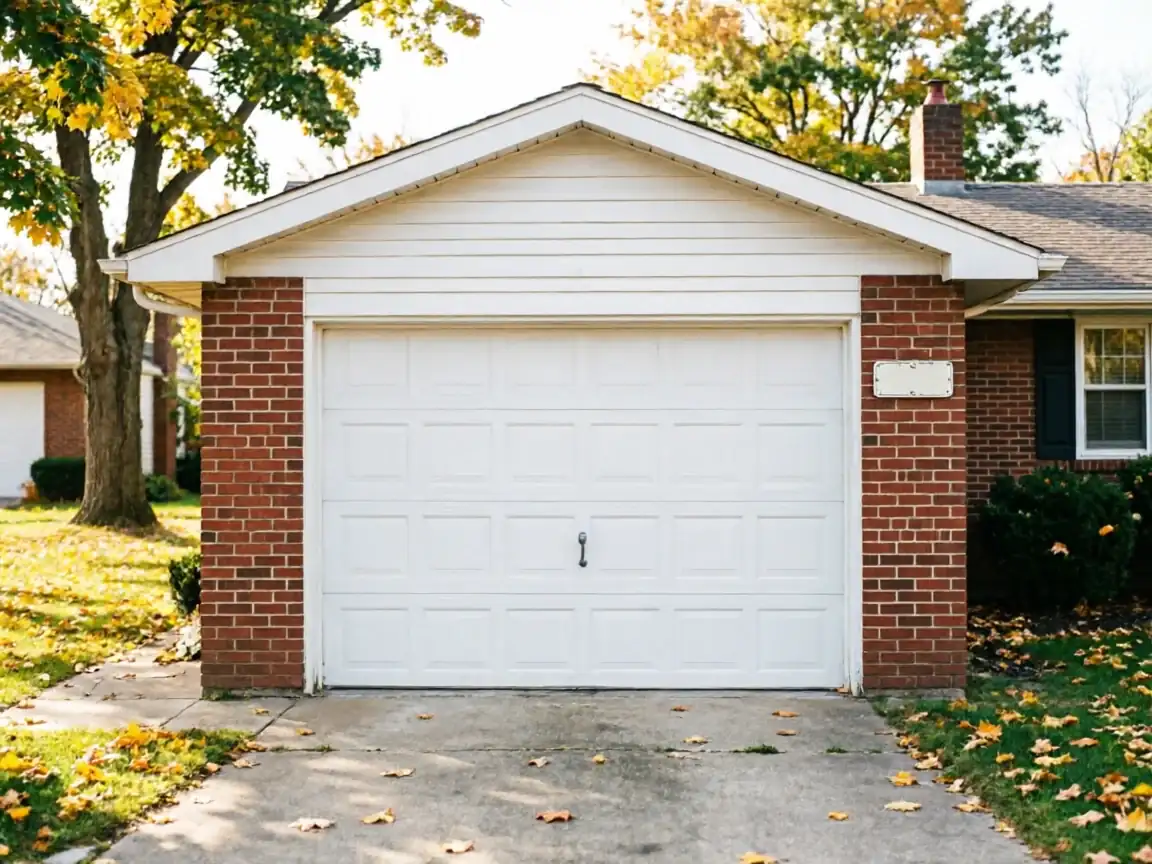
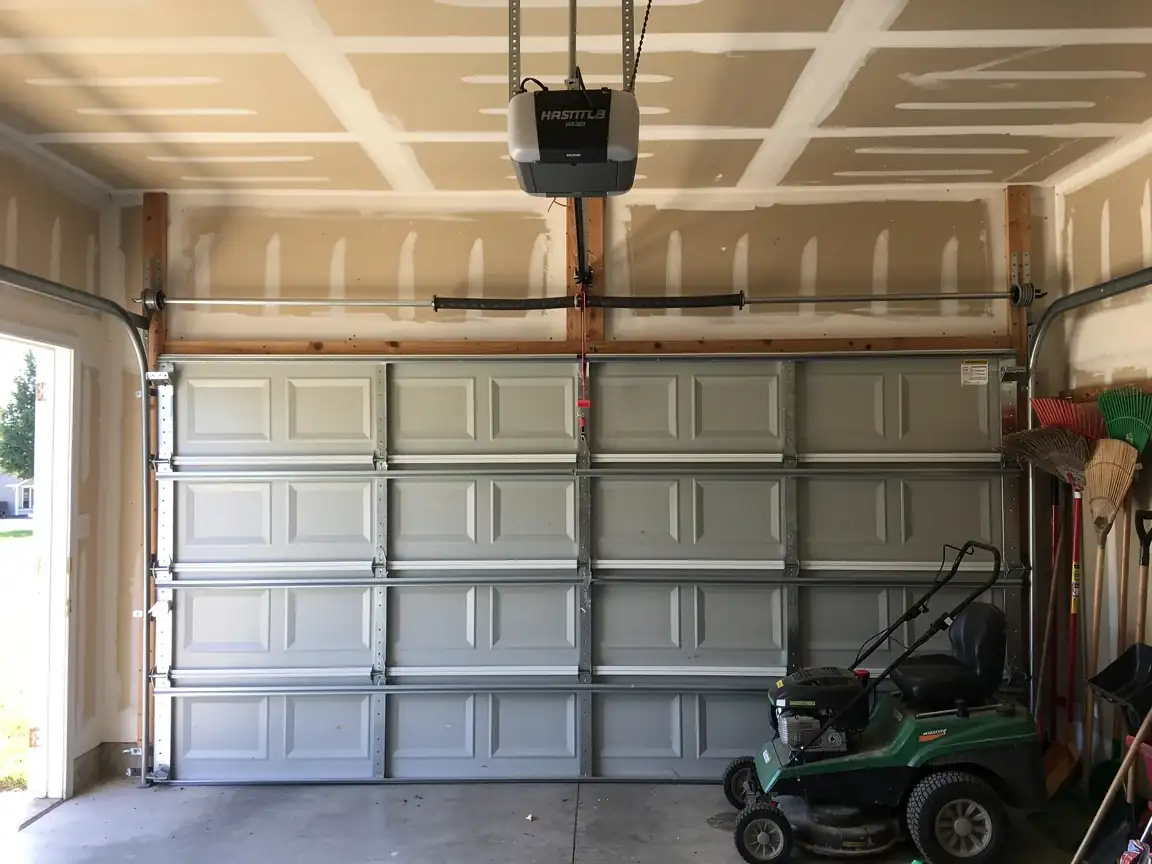
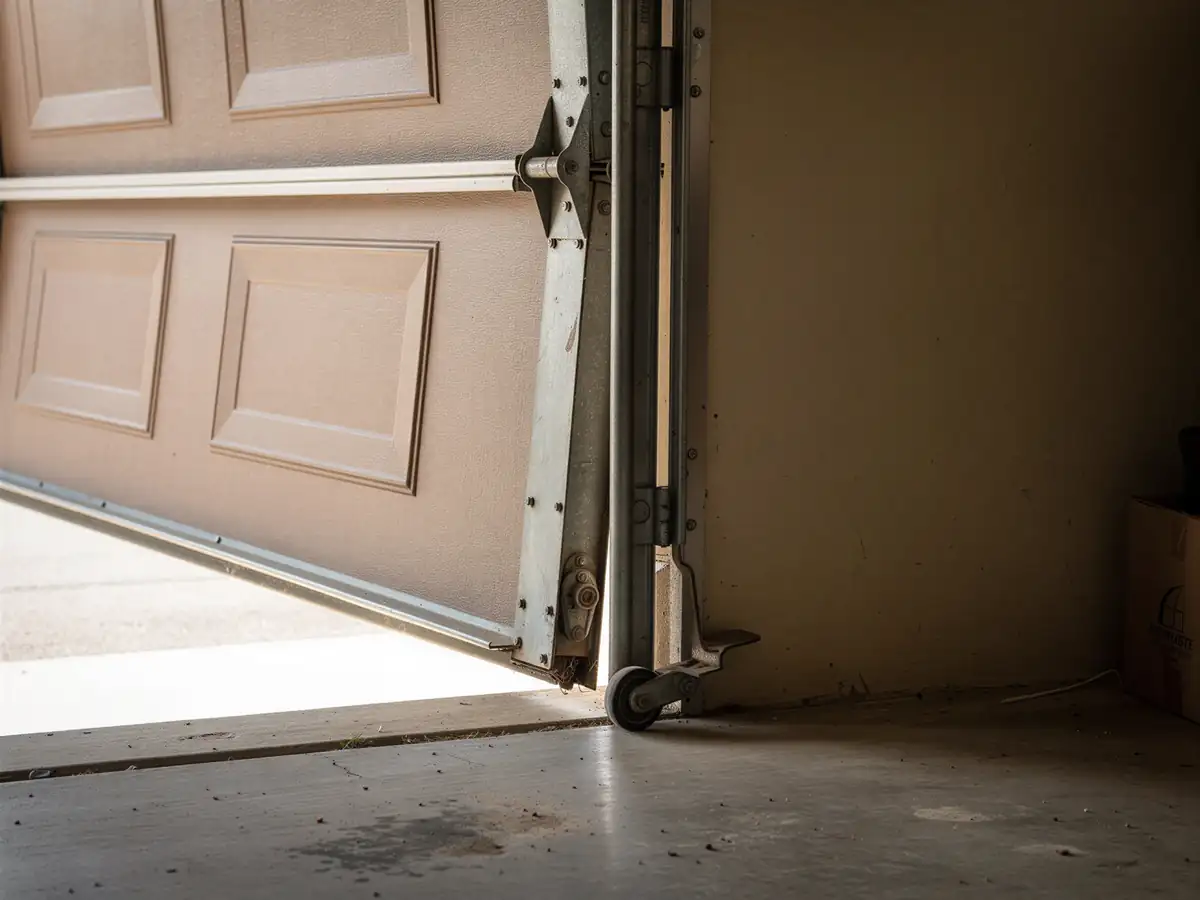
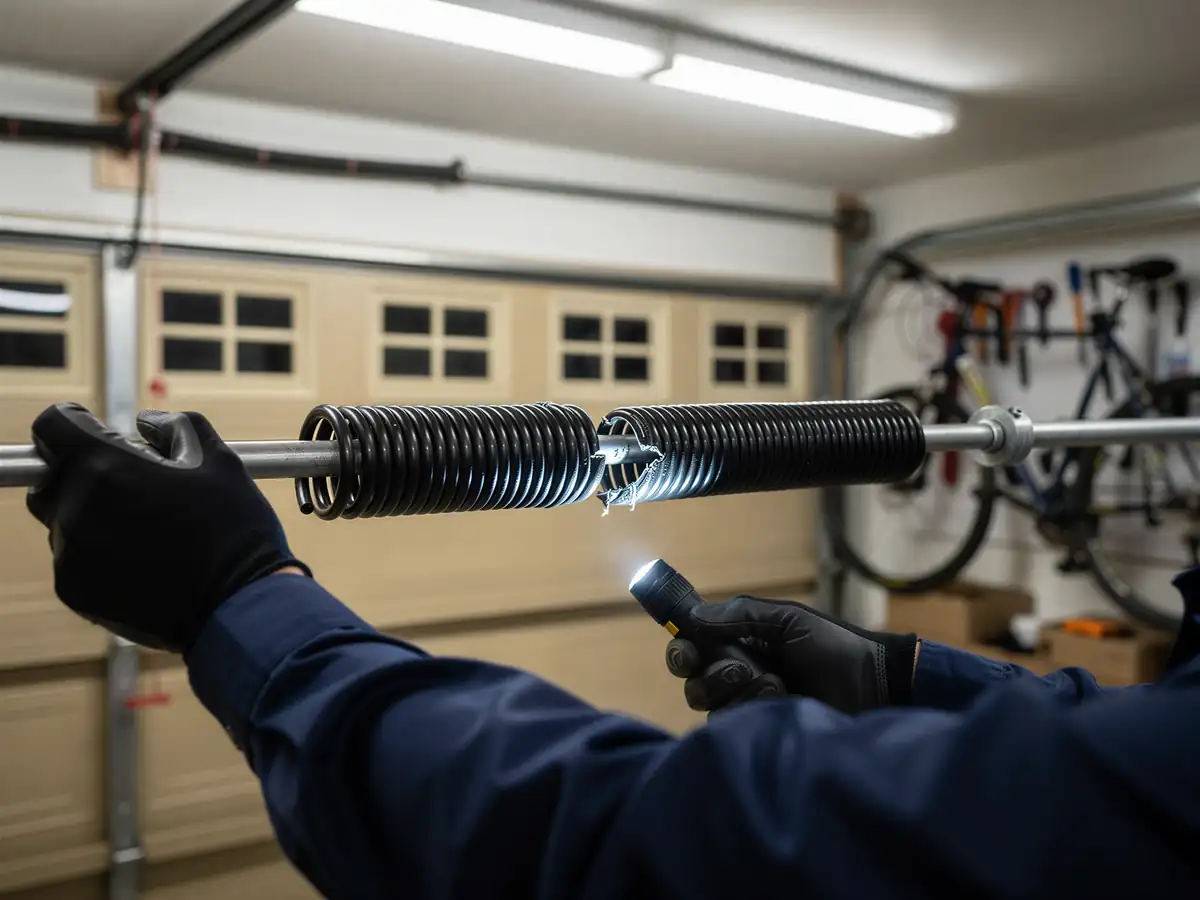
If your door is original to a house built in the late 80s or 90s, you're likely looking at a steel sectional door on extension or early torsion spring hardware that's now pushing 35-plus years - well past the working life of the springs even if the panels themselves still look fine. Panels dent and fade; springs just quietly give out. If you're seeing daylight gaps at the bottom corners, panels that don't sit flush when closed, or an opener straining harder than it used to, that's usually the door and track reaching the end of their service life together, not just one bad part.
We're not going to tell you to replace a door that's still doing its job because it's old. If the track is straight, the panels aren't rusted through, and the opener runs quiet, a spring and hardware service might be the better call - that's worth asking about before you commit to a full replacement.
What Causes It Around Here
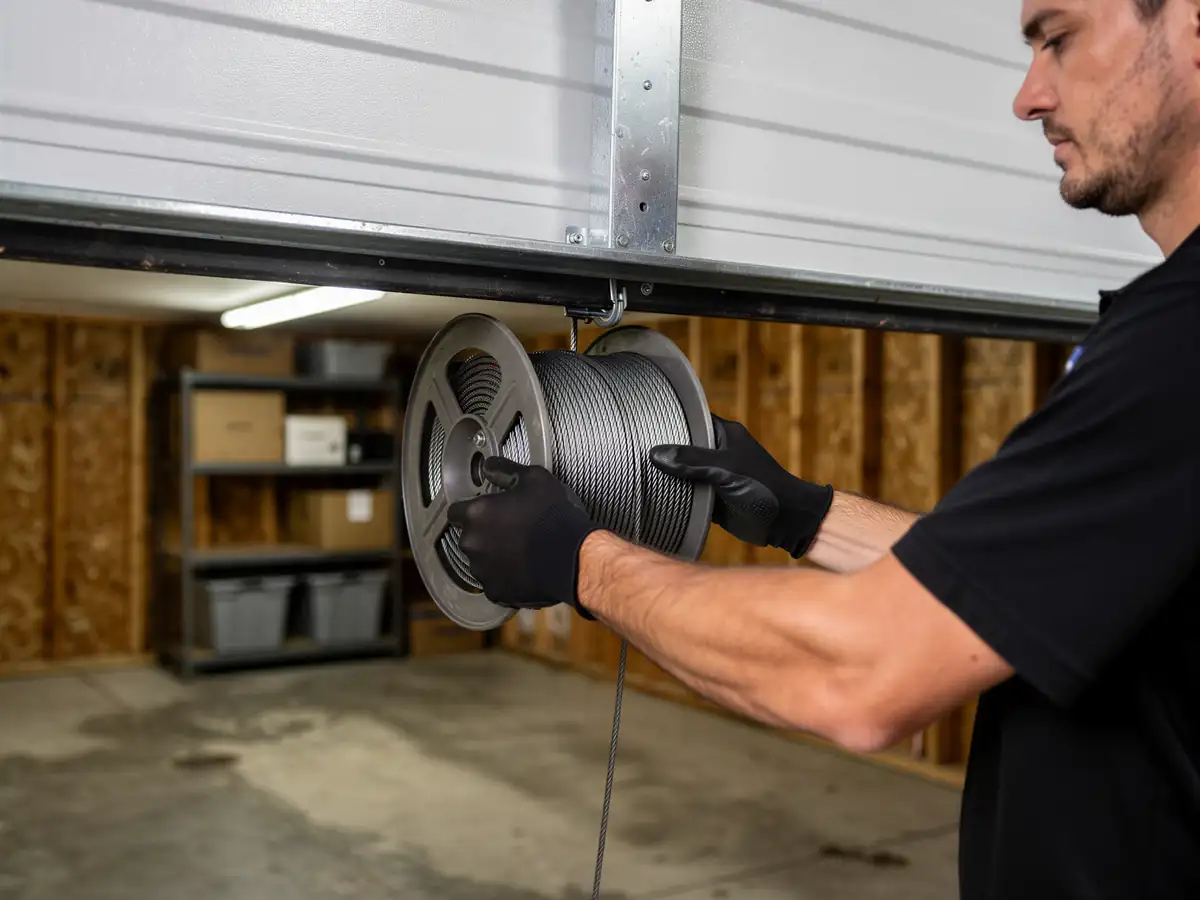
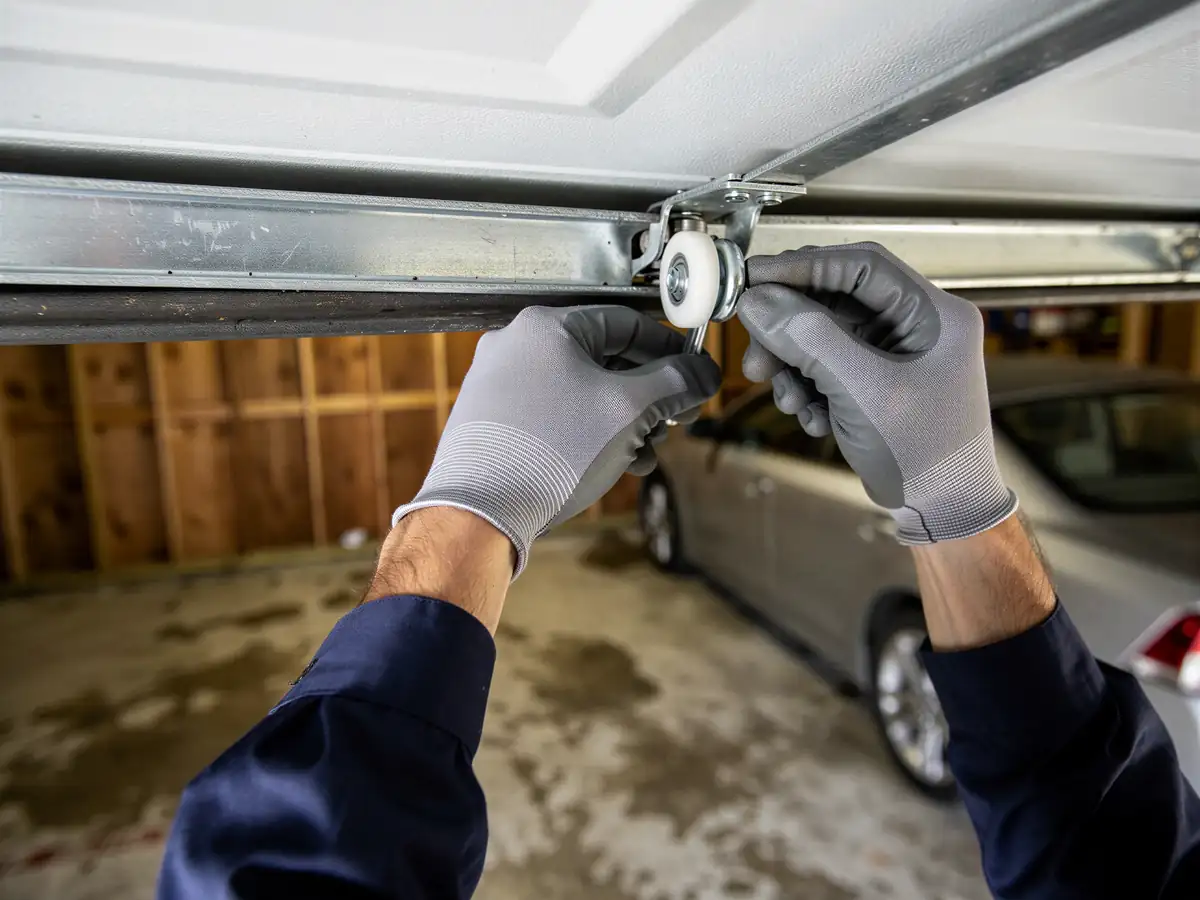
This area sits in a cold-climate band with the kind of hard freeze-thaw swings that stress steel panels and hardware every winter, same as the rest of the Waukesha service area. On a door with no insulation, that cycling shows up as condensation on the inside face, stiff rollers in January, and springs that lose tension faster than they would in a mild climate. On a 1980s-built house, we also see a specific failure pattern: the original extension springs or early torsion setups installed when the house was framed are frequently still in place, never upgraded, just worn down year over year by that same cold cycling.
It's not dramatic - no single storm event causes it. It's three decades of winters doing what winters do to steel and galvanized wire.
Where This Job Goes Sideways
The most common way a Muskego install goes sideways is a mismatch between the new door's weight and the existing opener or spring set left in place to save money
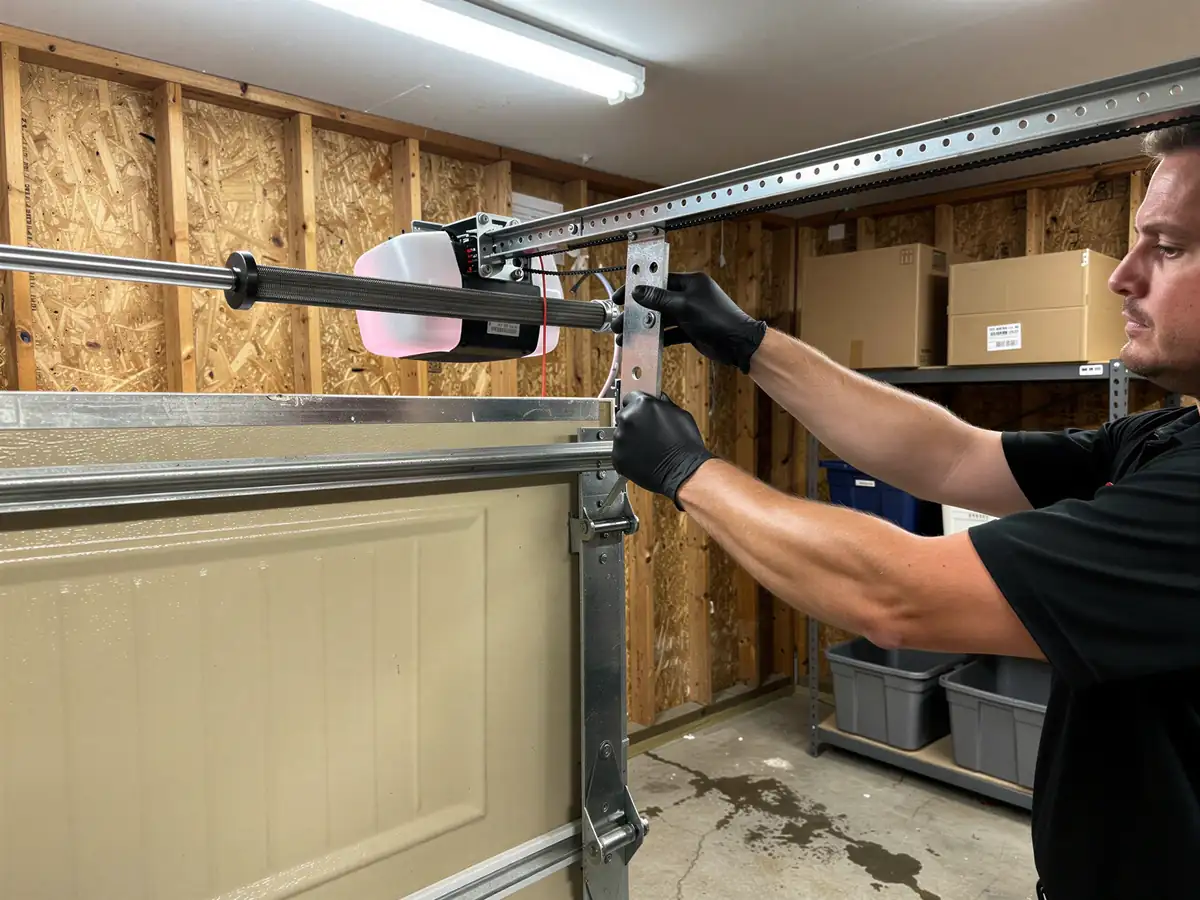
A heavier insulated door on an old half-horsepower chain opener built for a lighter panel will burn out the opener in months, not years. We'll flag that before the door goes in, not after.
The other spot where things stall: headroom
Most homes here have standard clearance, but if yours has a lower ceiling or shelving built into the garage over the years, a standard torsion spring setup may not fit without a low-headroom conversion. That's an extra part and a bit more labor - better to know before the door's ordered than after it's sitting in the garage.